
Pawnbroker Simulator
Enter Pawnbroker Simulator, where every deal, appraisal, and choice forges your path to pawn shop greatness. Sharpen your instincts, unlock new talents, craft a storefront that turns heads, offer high-stakes loans, and stay one step ahead of cunning thieves.
Sync your Steam wishlist to find the lowest game prices instantly. No login required, just paste your Steam profile URL!
⚡ Try Wishlist Radar!
Sync your Steam wishlist to find the lowest game prices instantly. No login required!
⚡ Try Wishlist Radar!
Close

Rock Simulator 2 on Steam
Quick menu
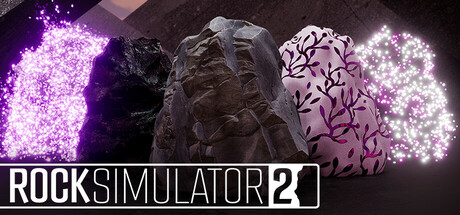
Unwind together in a peaceful idle adventure. Become a rock in a serene world, relax with friends in co-op, and watch nature unfold around you. Discover secrets and shape your environment at a soothing, idle pace.
Rock Simulator 2 is a casual, simulation and life sim game
developed and published by vinoo.
Released on November 30th 2023 is available on Windows, Steam Deck and Steam Machine.
It has received 446 reviews of which 415 were positive and 31 were negative resulting in a rating of 8.6 out of 10. 😎
The game is currently priced at 2.99€ on Steam.
The Steam community has classified Rock Simulator 2 into these genres:
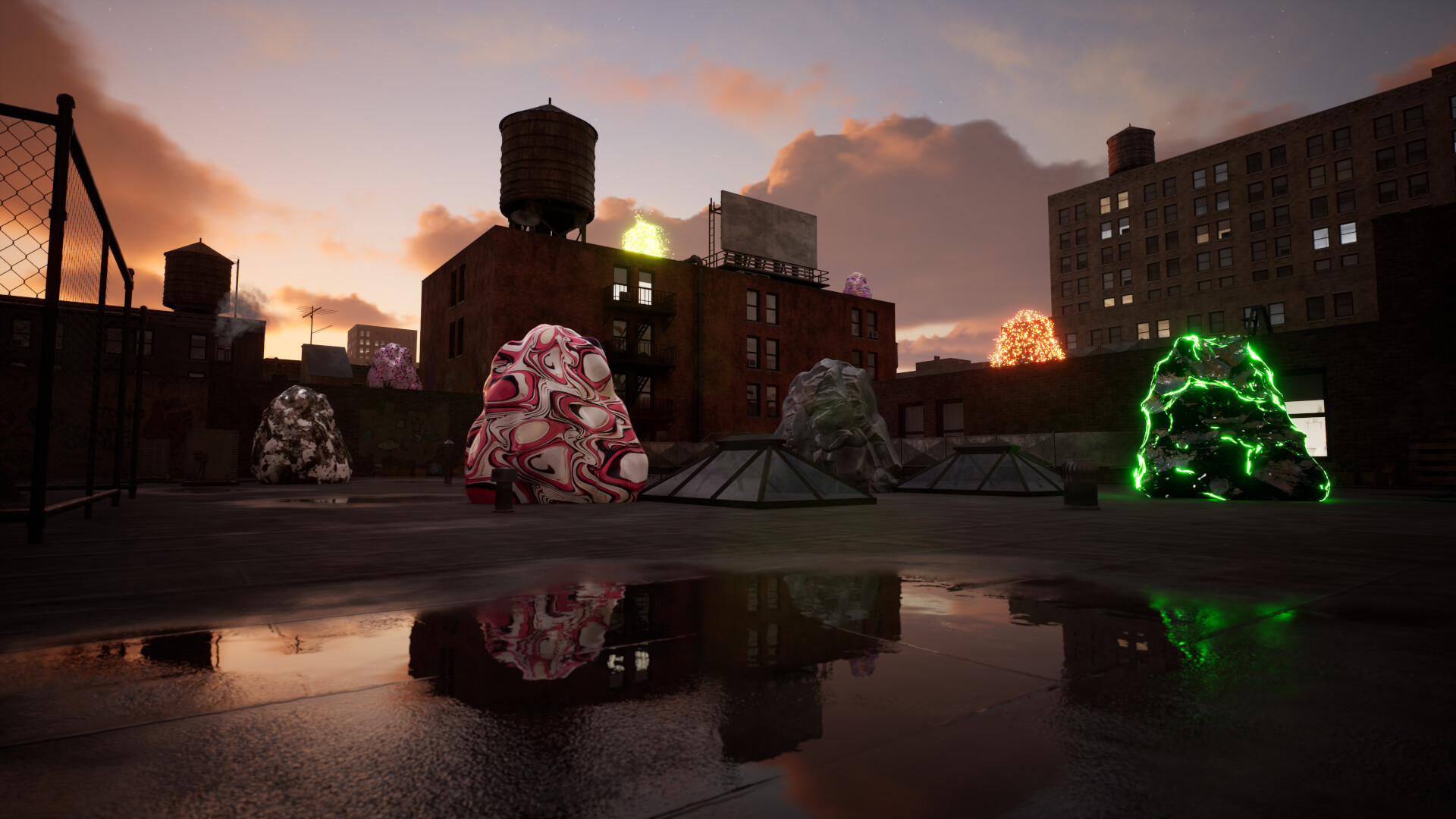
Media & Screenshots
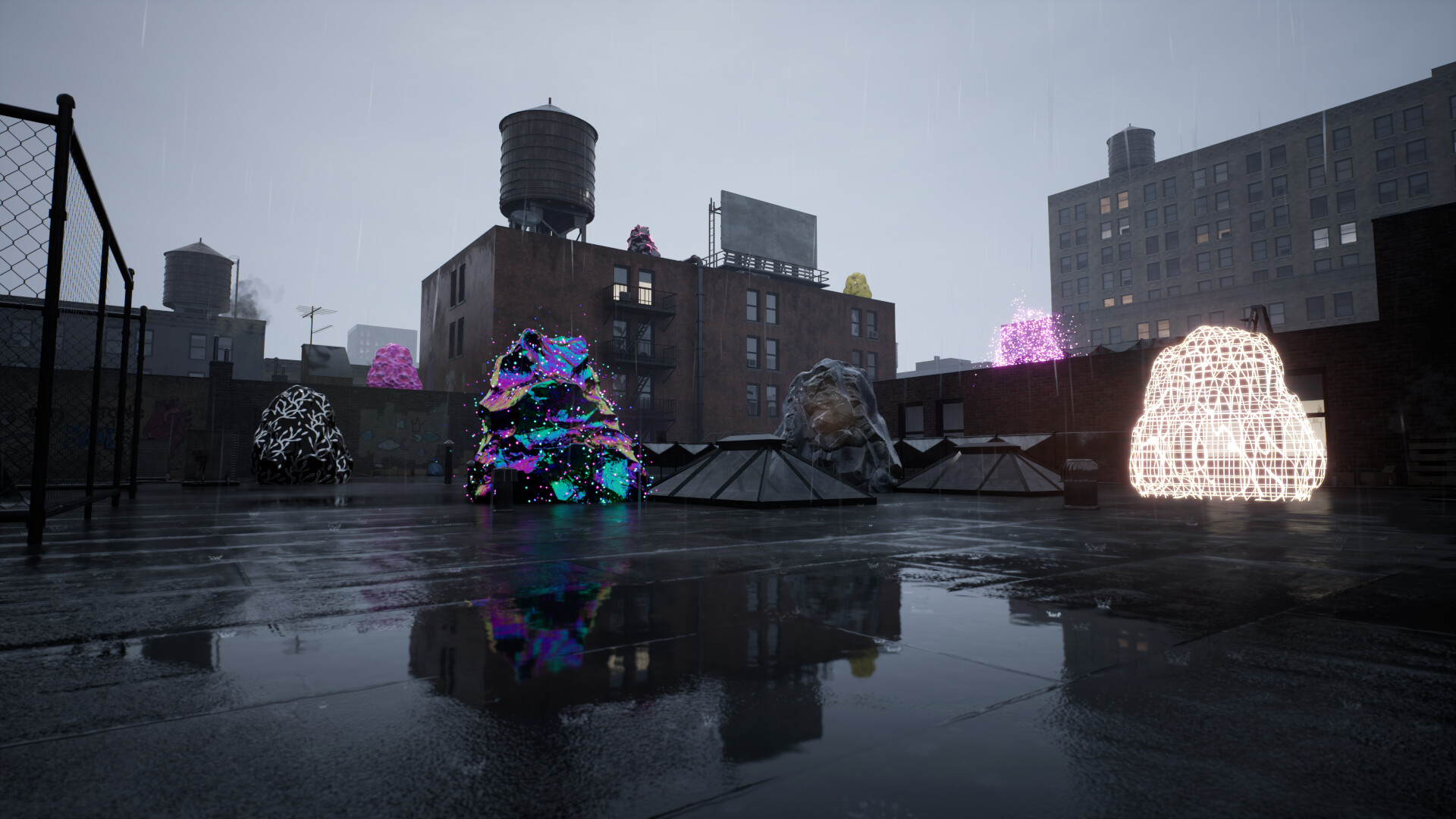
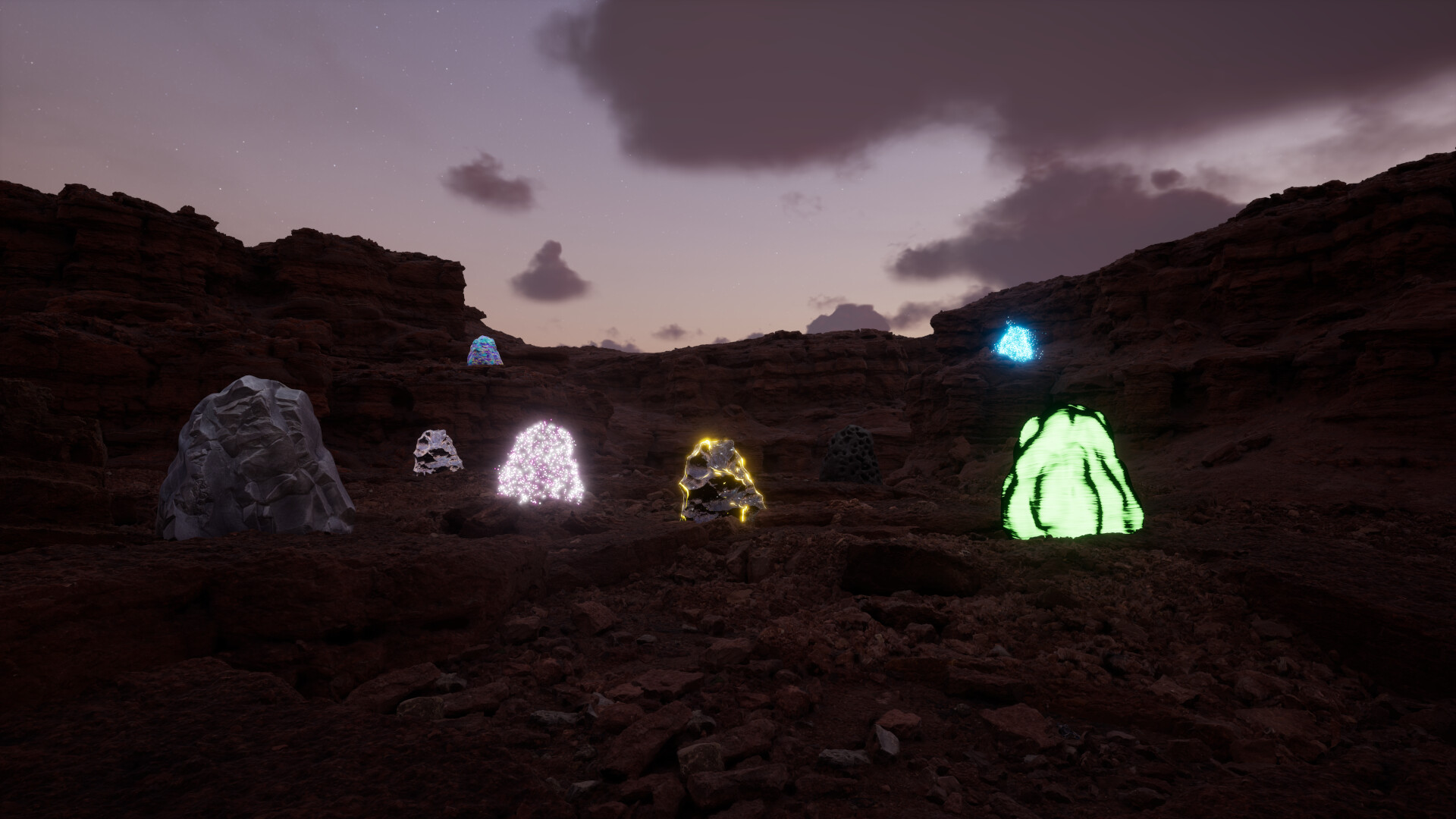
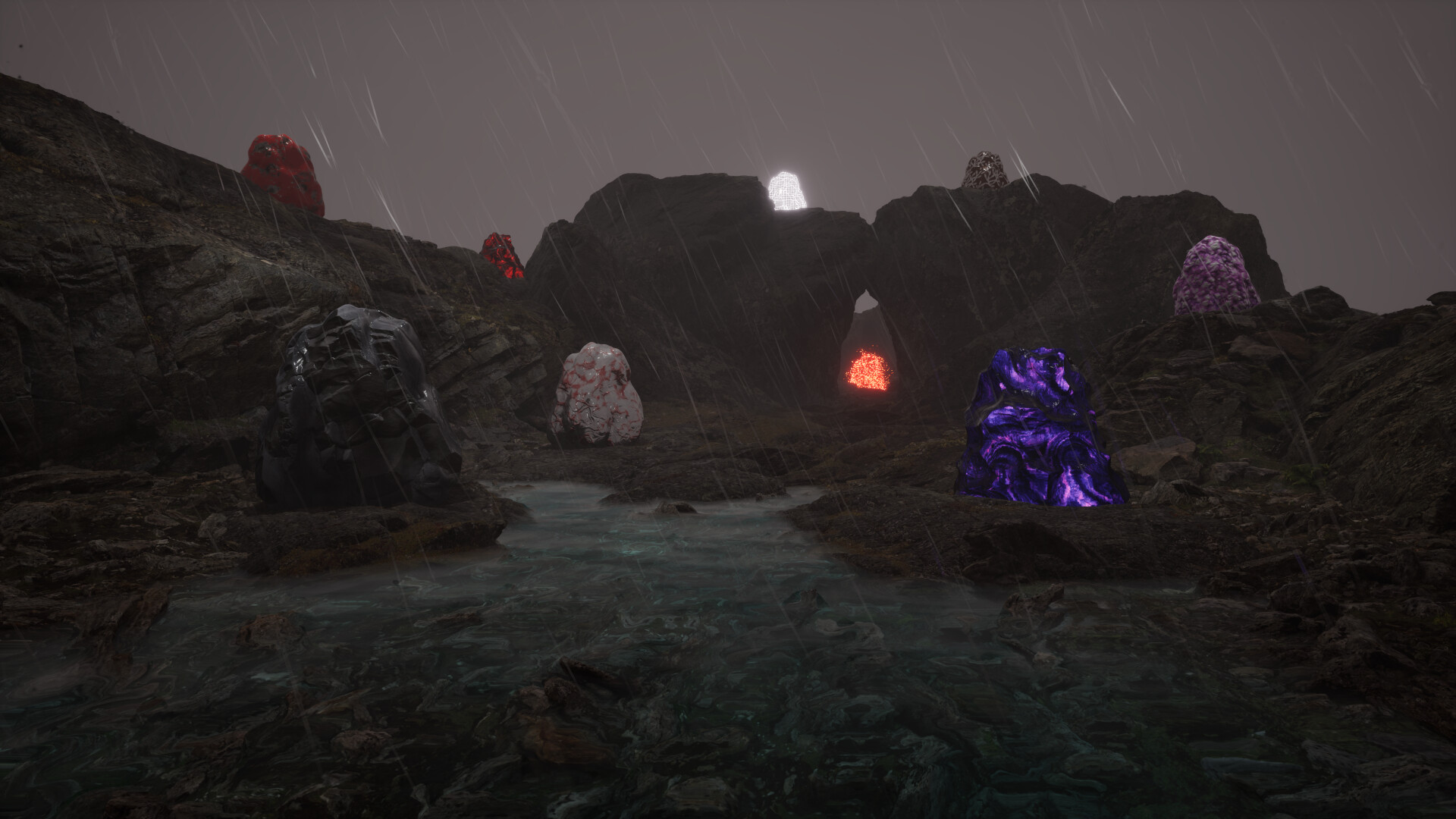
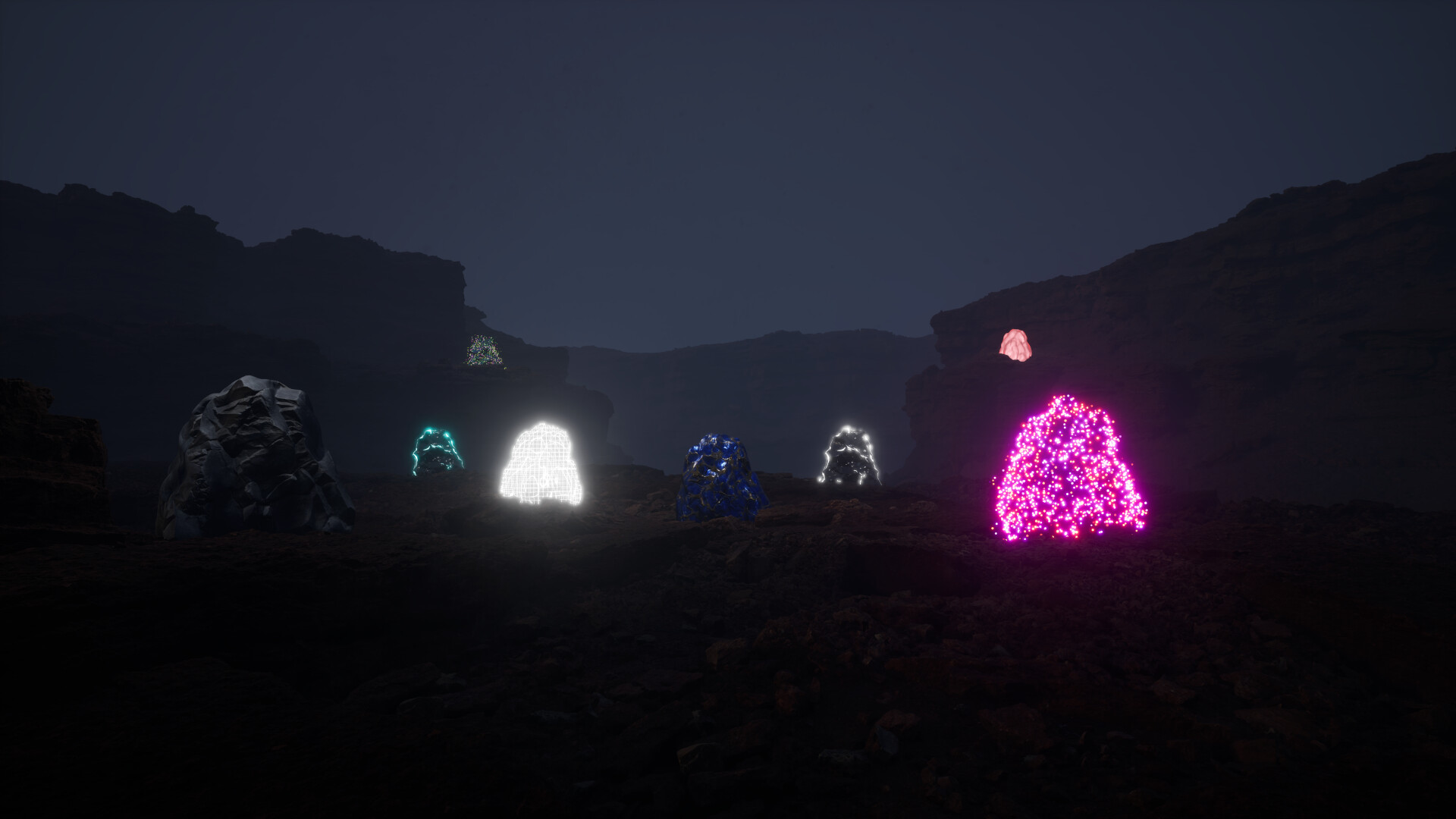
Get an in-depth look at Rock Simulator 2 through various videos and screenshots.

System requirements
These are the minimum specifications needed to play the game. For the best experience, we recommend that you verify them.
Windows
- OS: Windows 10
- Processor: Intel Core i3-2100T or AMD FX-4100
- Memory: 4 GB RAM
- Graphics: GTX 750 Ti
- Network: Broadband Internet connection
- Storage: 20 GB available space
Steam Price & Best Deals
User reviews & Ratings
Explore reviews from Steam users sharing their experiences and what they love about the game.
I don't like the color puzzles, but they are skippable in the settings menu. Rock Simulator 2 is a fantastic idle game, perfect for when you are too intoxicated to do anything taxing. I really enjoy the customizable weather and soundtrack. My favorite maps are Shore and Iso. Thank you to the developer for responding to my previous review, their games deserve your attention for that alone. Cheers!
Date of completion: May 5, 2026 Loads better than the prequel, including... - Many more rocks and skins to choose from (even though gold isn't one of them). - Changing the weather on the maps. - Different shapes of rocks (which makes me wonder that if there was ever a Rock Simulator 3, statues could be added as new rocks). - The option for multiplayer; I've had some other players with their rocks join in at least once or twice in my game sessions. - Not needing to keep the game open for the time/level...thing to keep going, even though the max you can have it closed is 8 hours. - No level cap; you can have it as high as you want, which helps getting more rock currency and for leveling up quicker. - DLC with additional rocks, rock currency, tunes and maps to play on. - Steam trading cards for profile badges. Obviously, the game also includes puzzle mechanics for each map too (that's not DLC) to unlock VERY special rocks, but there's Steam guides for that, so look those up if you don't want to get frustrated figuring out the impossible. As for how much one would like to play, there's a leaderboard in game that shows players with the highest Levels in the world, with number 1's at practically Level 400,000 and the bottom of the leaderboard at practically 40,000. That's hardcore dedication to this game; dedication I wouldn't recommend going for, but getting all the Steam Achievements is doable, so I'd suggest settling on just that. Basically, I liked Rock Simulator 2; maybe one day there'll be a third made...
rock simulator 2 is one of those rare games that feels completely unnecessary on paper, yet somehow becomes one of the most entertaining and memorable experiences you can have on steam. when i first launched the game i expected a silly joke title with maybe ten minutes of amusement before uninstalling it forever. instead, i ended up spending way more time with it than i ever expected, completely absorbed in the strangely relaxing, hilarious and surprisingly polished world that the developers created. the first thing that stands out immediately is the graphics. for a game about being a rock, or observing rocks depending on how you choose to interpret the experience, rock simulator 2 looks absurdly good. the textures are incredibly detailed, every surface has depth and realism, and the lighting system makes even the most ordinary stone formations look like masterpieces. shadows move naturally across the environment, reflections are subtle but effective, and the atmosphere overall is way better than it has any right to be. there are moments where you can genuinely stop and just admire how much effort clearly went into making rocks look as visually impressive as possible. it sounds ridiculous, but that is honestly part of the charm. the environments themselves also deserve a lot of praise. there is a surprising variety in locations, which helps keep the experience fresh over time. instead of feeling like you are just staring at the same grey object forever, the game constantly presents different settings, different moods, and slightly different visual styles that make each session feel unique. some areas are peaceful and relaxing, while others somehow manage to feel dramatic and intense despite the core concept remaining hilariously simple. the gameplay is where rock simulator 2 really shines. on the surface, the idea is obviously absurd, but that is exactly what makes it work. the game fully commits to its concept without ever feeling lazy. it knows what it is, and instead of trying to be something bigger or more serious, it leans completely into the weirdness. every mechanic feels intentionally designed to maximize both comedy and enjoyment. there is something strangely addictive about the gameplay loop. whether you are actively engaging with the systems or simply existing within the experience, there is a relaxing quality that makes it easy to lose track of time. it is the kind of game you can boot up for five minutes and somehow still be there an hour later. few games manage to create that kind of effortless engagement. that said, i do have to mention that rock simulator 2 is not quite as strong as rock simulator 1. the original had a certain purity to it that is hard to replicate. rock simulator 1 felt revolutionary, like gaming had peaked in the weirdest possible way. it was simple, iconic and unexpectedly brilliant. rock simulator 2 expands on the formula in a lot of smart ways, but sometimes bigger does not automatically mean better. there are moments where the sequel feels slightly less focused than the original. in trying to add more content, more mechanics and more features, it occasionally loses a little of the minimalist magic that made the first game so special. rock simulator 1 was elegant in its absurdity. rock simulator 2 is more ambitious, which is fun, but it does make the experience feel a little less pure. however, even if it is not quite on the legendary level of the first game, rock simulator 2 is still very, very good. comparing it to its predecessor is honestly unfair because the first game set an impossibly high standard. most games could never dream of reaching the heights of rock simulator 1, so the fact that the sequel even comes close is impressive on its own. another huge strength is replayability. this is one of those games that you can come back to again and again without getting bored. because the entire premise is so inherently ridiculous, the experience never fully loses its novelty. every time you launch the game there is still that small sense of amusement that comes from realizing you are willingly spending your free time playing rock simulator 2. the replay value is also helped by how relaxing the game is. not every game needs constant action, explosions or high stakes to be enjoyable. sometimes you just want to sit down, unwind and appreciate a beautifully rendered digital rock. rock simulator 2 understands this perfectly. it fills a niche that almost no other game even attempts to target. the sound design is another area worth mentioning. while it might not seem important in a game like this, the audio adds a lot to the atmosphere. subtle ambient sounds, environmental noise and overall presentation combine to create an oddly immersive experience. it all contributes to making the world feel more complete and more believable, which only makes the absurd premise even funnier. overall, rock simulator 2 is an incredibly fun experience that succeeds because it fully embraces its identity. it is funny, polished, visually impressive and far more engaging than anyone would reasonably expect. while it may not dethrone rock simulator 1 as the greatest rock based gaming experience ever created, it still stands as a worthy sequel and a genuinely entertaining game in its own right. if you enjoyed the first game, this is an easy recommendation. if you are new to the series, you should probably still play rock simulator 1 first just to understand the foundation that this sequel is built on. but regardless of where you start, rock simulator 2 proves that even the most ridiculous concept imaginable can become something genuinely enjoyable when enough effort and commitment are put into it. in conclusion, rock simulator 2 may not be better than rock simulator 1, but it is still an excellent sequel with incredible graphics, surprisingly addictive gameplay, fantastic replayability and an overall sense of fun that is impossible not to appreciate. it is weird, charming and far more entertaining than it has any right to be. definitely worth checking out.
its ridiculous, and useless, but jesus christ do i love it. maybe its just the autism talking, but being able to silently coexist with other rocks??? with weather tuned to sensory perfection?? worth every penny (plus then your friends think its funny so they buy you DLC and jokes on them, that makes it even better)
Similar games
View all
Cargo Simulator
Build and manage your own delivery company! Pack orders, organize your warehouse, and deliver packages on time. Hire employees, manage your fleet, sign contracts with companies, and expand your business into a thriving logistics empire!

Seafarer: The Ship Sim
Build your maritime career solo or with up to 4 players. Take on contracts across diverse harbors, command different ships, and tackle cargo runs, patrols, rescues, firefighting, and unexpected events in a vast Northern European open world.

Computer Repair Shop
Become a dishonest computer repairman, steal rams. Burn the motherboards!

Exotica: Petshop Simulator
Exotica is a simulation game where you run an exotic pet shop in the city.

Break a Leg
Break a Leg is a series done over YouTube shorts where the top comment got the next addition to the game. Break a Leg is a game where your primary goal is to break your leg. Once you do, you did it. You won. Therefore, there's no more reason to keep playing this game.

Auto Sale Life
Build an automotive empire. Buy, sell, and customize cars to create your own brands and showrooms. Become a shrewd entrepreneur in this immersive car trading and customization game.

Car Dealership Simulator
Car Dealership Simulator is an extremely comprehensive and detailed car dealership business simulation game.

My Recycling Center
Operate, configure and expand your own recycling center in this first-person simulator! Work fast and sort the trash. Use the compactors to destroy the bulky waste. Earn satisfaction and cash to buy new containers and unlock new trash types. Use the second hand shop to sell re-usable items.

Casino Simulator
Build and run your own casino empire — alone or in 1-4 player online co-op. Deal blackjack, poker and roulette yourself, spin real slot games, hire staff, expand your building, buy houses and cars in a living city… and outsmart every cheater who walks in.

Vivaland: Dream House
Dream House is the build mode of the life simulation game called Vivaland, where you can construct and furnish your dream home. Play solo or with friends in co-op mode.

Pixel Puzzles: Japan
Pixel Puzzles: Japan combines traditional jigsaw puzzle style gameplay with light video-game interactivity.
Frequently Asked Questions
Rock Simulator 2 is currently priced at 2.99€ on Steam.
No, Rock Simulator 2 is currently not on sale. You can purchase it for 2.99€ on Steam.
Yes, Rock Simulator 2 received 415 positive votes out of a total of 446 achieving a rating of 8.62.
😎
Rock Simulator 2 was developed and published by vinoo.
Yes, Rock Simulator 2 is playable and fully supported on Windows.
No, Rock Simulator 2 is not playable on MacOS.
No, Rock Simulator 2 is not playable on Linux.
Yes, Rock Simulator 2 is playable on Steam Deck, though it might require a few minor tweaks. Make sure to check the Steam store page and community feedback on ProtonDB for exact compatibility details.
Yes, Rock Simulator 2 is playable on Steam Machine, though it might require a few minor tweaks. Make sure to check the Steam store page and community feedback on ProtonDB for exact compatibility details.
No, Rock Simulator 2 does not support VR.
Rock Simulator 2 offers both single-player and multi-player modes.
Rock Simulator 2 includes Co-op mode where you can team up with friends.
Yes, there are 2 DLCs available for Rock Simulator 2. Explore additional content available for Rock Simulator 2 on Steam.
No, Rock Simulator 2 does not support mods via Steam Workshop.
No, Rock Simulator 2 does not support Steam Remote Play.
Yes, Rock Simulator 2 is enabled for Steam Family Sharing. This means you can share the game with authorized users from your Steam Library, allowing them to play it on their own accounts. For more details on how the feature works, you can read the original Steam Family Sharing announcement or visit the Steam Family Sharing user guide and FAQ page.
You can find solutions or submit a support ticket by visiting the Steam Support page for Rock Simulator 2.
Data sources
The information presented on this page is sourced from reliable APIs to ensure accuracy and relevance. We utilize the Steam API to gather data on game details, including titles, descriptions, prices, and user reviews. This allows us to provide you with the most up-to-date information directly from the Steam platform.
Additionally, we incorporate data from the SteamSpy API, which offers insights into game sales and player statistics. This helps us present a comprehensive view of each game's popularity and performance within the gaming community.
Last Updates| Steam data | 19 September 2026 20:15 UTC |
|---|---|
| SteamSpy data | 16 October 2026 09:10 UTC |
| Steam price | 26 October 2026 20:12 UTC |
| Steam reviews | 18 October 2026 15:49 UTC |
If you'd like to dive deeper into the details about Rock Simulator 2, we invite you to check out a few dedicated websites that offer extensive information and insights. These platforms provide valuable data, analysis, and user-generated reports to enhance your understanding of the game and its performance.
- SteamDB - A comprehensive database of everything on Steam about Rock Simulator 2
- SteamCharts - Analysis of Rock Simulator 2 concurrent players on Steam
- ProtonDB - Crowdsourced reports on Linux and Steam Deck Rock Simulator 2 compatibility
Game modes
Multiplayer
Features
Online players
25
Developer
vinoo
Publisher
vinoo
Release
30 Nov 2023
Platforms