
Rogue's Tale
Rogue's Tale is a single player turn-based dungeon crawling game.
Sync your Steam wishlist to find the lowest game prices instantly. No login required, just paste your Steam profile URL!
⚡ Try Wishlist Radar!
Sync your Steam wishlist to find the lowest game prices instantly. No login required!
⚡ Try Wishlist Radar!
Close

Rogue Fable III on Steam
Quick menu
Rogue Fable III is a traditional rogue-like game which combines the depth, complexity, and challenge of the genre classics with a shorter, more tightly focused game length.
Rogue Fable III is a traditional roguelike, roguelike and rpg game
developed and published by Pixel Forge Games.
Released on December 22nd 2021 is available on Windows, MacOS, Steam Deck and Steam Machine.
It has received 725 reviews of which 667 were positive and 58 were negative resulting in a rating of 8.6 out of 10. 😎
The game is currently priced at 8.19€ on Steam.
The Steam community has classified Rogue Fable III into these genres:
Traditional Roguelike
Roguelike
RPG
Indie
Adventure
Strategy
Dungeon Crawler
Pixel Graphics
Turn-Based
Singleplayer
Procedural Generation
Replay Value
Character Customization
Difficult
Top-Down
Fantasy
Loot
Tactical
2D
Strategy RPG
Here is the detailed breakdown of supported languages for Rogue Fable III:
| UI | Subtitle | Audio | |
|---|---|---|---|
| English |
Media & Screenshots
Get an in-depth look at Rogue Fable III through various videos and screenshots.


Load More


System requirements
These are the minimum specifications needed to play the game. For the best experience, we recommend that you verify them.
Windows
- OS *: Windows Vista, 7/8/10
- Memory: 2 GB RAM
- Storage: 300 MB available space
Steam Price & Best Deals
User reviews & Ratings
Explore reviews from Steam users sharing their experiences and what they love about the game.
PSA for people who have a mac: Steam says "this product is not compatible with macOS 10.15 Catalina or above." That is not true. Steam defaults to slapping this warning on unless the game devs specifically confirm that yes, the game works on mac OS versions more recent than 2019. Probably it made a lot of sense for Steam to do that in 2020, maybe even in 2021 when this game was made. I believe Steam *still* includes this warning by default on new games being made in 2026 if devs don't remember to switch it off, which is a Choice I find much more confusing, but I digress. Apparently the game devs forgot to do that. Which I figure is pretty understandable because the warning doesn't show unless you're viewing the steam page with a mac. And I doubt this is a very large development team. TL;DR - I just tried running this game on my modern macbook and it works fine.
Rogue Fable III is a classic roguelike developed and published by Pixel Forge Games that successfully modernizes one of gaming's oldest genres without abandoning its defining principles. Built around the timeless quest to recover the legendary Goblet of Yendor from the dangerous Dungeon of Dread, the game places its emphasis on strategic gameplay rather than cinematic storytelling. Instead of relying on lengthy cutscenes or an elaborate narrative, it delivers a focused adventure where every expedition is shaped by procedural generation, meaningful choices, and the constant tension between risk and reward. Its straightforward premise allows the mechanics to take center stage, resulting in a rewarding experience that appeals to both genre veterans and players discovering roguelikes for the first time. One of the game's standout qualities is its commitment to making traditional roguelike mechanics more approachable. While it preserves staples such as permanent death, turn-based movement, randomized dungeons, and careful resource management, it presents these systems through a clean interface and intuitive design. The result is a game that avoids overwhelming newcomers with unnecessary complexity while still providing enough tactical depth to satisfy experienced players. Every encounter requires deliberate planning, and even the smallest mistake can have lasting consequences, reinforcing the importance of patience, observation, and smart decision-making throughout each adventure. Unlike many classic roguelikes that demand marathon play sessions, Rogue Fable III embraces a shorter and more accessible structure. A successful run can often be completed in less than an hour once players become familiar with its mechanics, making it easy to enjoy multiple attempts in a single sitting. This streamlined pacing encourages experimentation with different characters, strategies, and playstyles because failure never feels like an enormous loss of time. Instead, every defeat teaches valuable lessons that improve future runs, creating an addictive gameplay loop where progress comes from the player's growing knowledge rather than permanent upgrades or excessive grinding. Combat is one of the game's strongest features thanks to its emphasis on tactical positioning and thoughtful planning. Every action takes place in turns, allowing players to carefully assess enemy movements, evaluate available resources, and determine the safest course of action. Charging recklessly into battles is rarely rewarded, as success depends on understanding enemy abilities, taking advantage of terrain, and making efficient use of equipment and special skills. Encounters remain engaging because each battle presents a unique puzzle, forcing players to constantly adapt rather than relying on repetitive strategies. Replay value is exceptionally high due to the game's extensive variety of character options, randomized dungeon layouts, and unpredictable loot distribution. Different heroes offer distinct strengths and playstyles, encouraging players to explore new approaches with every run. Equipment, abilities, monsters, and dungeon configurations change each time, ensuring that no two adventures unfold in exactly the same way. This constant variation keeps exploration fresh while reinforcing the genre's signature sense of discovery and uncertainty. Every descent into the dungeon feels like a new challenge where adaptability is just as important as experience. The dungeon itself is carefully designed to maintain a steady sense of progression and danger. As players venture deeper, enemies become increasingly threatening while valuable treasures and powerful equipment become more tempting. Every floor introduces new tactical considerations, forcing players to balance exploration with survival. The search for the Goblet of Yendor provides a satisfying long-term objective, but reaching it requires mastering every aspect of the game's mechanics. The difficulty feels demanding without becoming unfair, rewarding careful planning and intelligent play rather than luck alone. Visually, Rogue Fable III embraces an attractive pixel art style that perfectly complements its retro-inspired gameplay. Character sprites, monsters, environmental details, and spell effects are all easy to distinguish, making the battlefield readable even during hectic encounters. The minimalist presentation prioritizes clarity over flashy visual effects, which is especially important in a game where every decision can determine success or failure. Complementing the visuals is a fitting soundtrack and sound design that enhance the dungeon's atmosphere without distracting from the tactical focus of the gameplay. What truly elevates Rogue Fable III is its understanding of why classic roguelikes remain beloved decades after their creation. It respects the genre's demanding nature while eliminating many of the frustrations that have traditionally limited its audience. The shorter campaign length, polished interface, balanced difficulty, and emphasis on meaningful decision-making create an experience that feels both nostalgic and refreshingly modern. Rather than simplifying its mechanics, the game refines them into a more inviting package that remains deeply satisfying for players willing to learn its systems. Rogue Fable III is an excellent example of how thoughtful design can preserve the spirit of a classic genre while making it more accessible to contemporary audiences. Its rewarding tactical combat, high replayability, fair challenge, and efficient pacing combine to create a compelling dungeon-crawling adventure that encourages repeated playthroughs. Although those seeking cinematic storytelling or cutting-edge graphics may find its presentation modest, fans of strategic gameplay and procedural adventures will discover an exceptionally polished roguelike that consistently delivers engaging and memorable runs. Rating: 8/10
Similar games
View all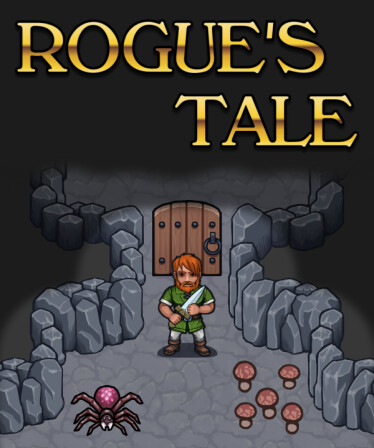

Shattered Pixel Dungeon
Shattered Pixel Dungeon is a traditional roguelike dungeon crawler that's simple to start but hard to master! Every game is a unique challenge, with six different heroes, randomized levels and enemies, and hundreds of items to collect and use.

Touhou Genso Wanderer -Lotus Labyrinth R-
Venture into dungeons with a huge party of your favorite Touhou characters! This is a dungeon-crawler RPG with an absurdly large party size! Lead tons of your favorite Touhou characters at once and conquer the impregnable Lotus Labyrinth dungeon!
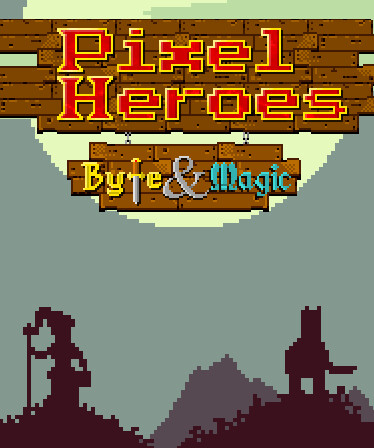
Pixel Heroes: Byte & Magic
Enter the world of PIXEL HEROES and prepare yourself for a thrilling RPG/Roguelike experience like you have never seen before!

DemonCrawl
DemonCrawl is a puzzle roguelite that combines the addicting gameplay of Minesweeper with hundreds of unique items, stages, and abilities!
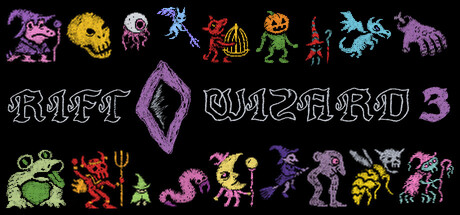
Rift Wizard 3
Rift Wizard is a hardcore combat strategy roguelike and wizard simulator featuring an extremely deep build system. Customize your Wizard with more than 500 spells and magical artifacts. Blast, summon, or enchant your way through 20 levels of pure turn based chaos.
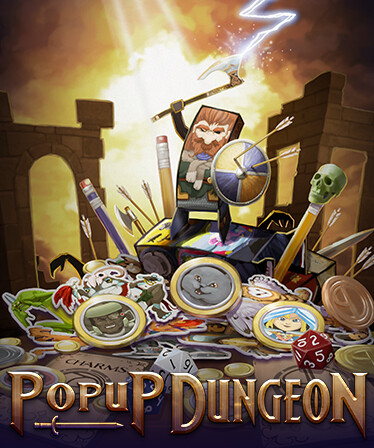
Popup Dungeon
A tactical roguelike RPG inspired by our favorite tabletop games that lets you create any ability, item, villain, hero, and game imaginable.

Touhou Genso Wanderer -Reloaded-
Based on the "Touhou Project" world, Touhou Genso Wanderer -Reloaded- is an addictive roguelike RPG that's easy for beginners to pickup and play, but with tons of advanced options for pros! Explore dungeons with your Touhou favorites characters, collect loot, and battle over the Golden Spheres!
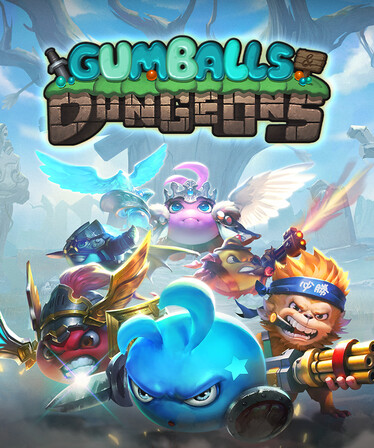
Gumballs & Dungeons
Embark on a free, exciting roguelike adventure with Gumballs & Dungeons! Collect and find hundreds of Gumballs, all with their own unique abilities, and create a synergistic team to tackle procedurally generated dungeons, discovering secrets and a trove of easter eggs as you explore!
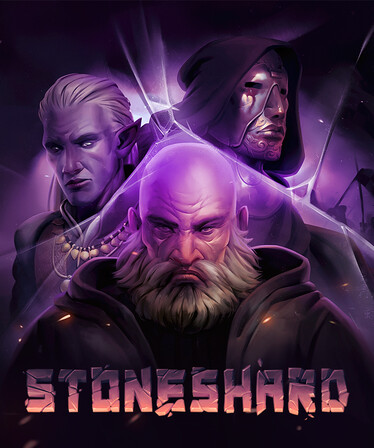
Stoneshard
Stoneshard is a hardcore turn-based RPG about the harsh life of a medieval mercenary: travel with your own caravan, descend into procedurally generated dungeons, learn new skills, survive hunger and injuries - and remember, every mistake can mean death and loss of progress.
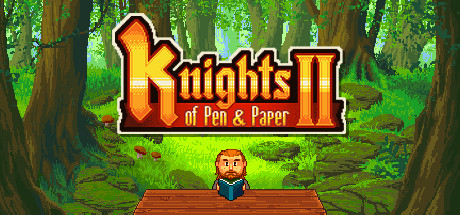
Knights of Pen and Paper 2
Prepare to inhabit a world of chivalry, class warfare and off-beat pop references. Knights of Pen & Paper 2 is a turn-based, retro style, pixel-art adventure full of danger, intrigue, death, and saving throws!
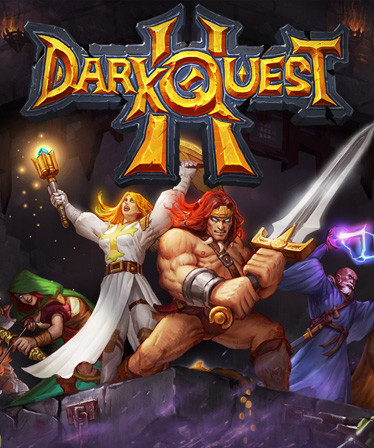
Dark Quest 2
Dark Quest 2 is a turn based RPG where you control a party of heroes on your epic quest to defeat the evil sorcerer and his minions.
Frequently Asked Questions
Rogue Fable III is currently priced at 8.19€ on Steam.
No, Rogue Fable III is currently not on sale. You can purchase it for 8.19€ on Steam.
Yes, Rogue Fable III received 667 positive votes out of a total of 725 achieving a rating of 8.62.
😎
Rogue Fable III was developed and published by Pixel Forge Games.
Yes, Rogue Fable III is playable and fully supported on Windows.
Yes, Rogue Fable III is playable and fully supported on MacOS.
No, Rogue Fable III is not playable on Linux.
Yes, Rogue Fable III is playable on Steam Deck, though it might require a few minor tweaks. Make sure to check the Steam store page and community feedback on ProtonDB for exact compatibility details.
Yes, Rogue Fable III is playable on Steam Machine, though it might require a few minor tweaks. Make sure to check the Steam store page and community feedback on ProtonDB for exact compatibility details.
No, Rogue Fable III does not support VR.
Rogue Fable III is a single-player game.
No, Rogue Fable III does not currently offer any DLC.
No, Rogue Fable III does not support mods via Steam Workshop.
No, Rogue Fable III does not support Steam Remote Play.
Yes, Rogue Fable III is enabled for Steam Family Sharing. This means you can share the game with authorized users from your Steam Library, allowing them to play it on their own accounts. For more details on how the feature works, you can read the original Steam Family Sharing announcement or visit the Steam Family Sharing user guide and FAQ page.
You can find solutions or submit a support ticket by visiting the Steam Support page for Rogue Fable III.
Data sources
The information presented on this page is sourced from reliable APIs to ensure accuracy and relevance. We utilize the Steam API to gather data on game details, including titles, descriptions, prices, and user reviews. This allows us to provide you with the most up-to-date information directly from the Steam platform.
Additionally, we incorporate data from the SteamSpy API, which offers insights into game sales and player statistics. This helps us present a comprehensive view of each game's popularity and performance within the gaming community.
Last Updates| Steam data | 05 October 2026 05:09 UTC |
|---|---|
| SteamSpy data | 15 October 2026 12:09 UTC |
| Steam price | 27 October 2026 19:37 UTC |
| Steam reviews | 19 October 2026 15:58 UTC |
If you'd like to dive deeper into the details about Rogue Fable III, we invite you to check out a few dedicated websites that offer extensive information and insights. These platforms provide valuable data, analysis, and user-generated reports to enhance your understanding of the game and its performance.
- SteamDB - A comprehensive database of everything on Steam about Rogue Fable III
- SteamCharts - Analysis of Rogue Fable III concurrent players on Steam
- ProtonDB - Crowdsourced reports on Linux and Steam Deck Rogue Fable III compatibility

Game modes
Features
Online players
6
Developer
Pixel Forge Games
Publisher
Pixel Forge Games
Release
22 Dec 2021
Platforms