
Avernum 2: Crystal Souls
Huge indie fantasy role-playing adventure in a massive, underground land. Packed with over 100 towns and dungeons and an epic story. Fight to complete up to three distinct game-winning quests. Master over 60 spells and abilities. Hunt for hundreds of magical artifacts. Over 50 hours of gameplay.
Sync your Steam wishlist to find the lowest game prices instantly. No login required, just paste your Steam profile URL!
⚡ Try Wishlist Radar!
Sync your Steam wishlist to find the lowest game prices instantly. No login required!
⚡ Try Wishlist Radar!
Close

Dark Quest 2 on Steam
Quick menu
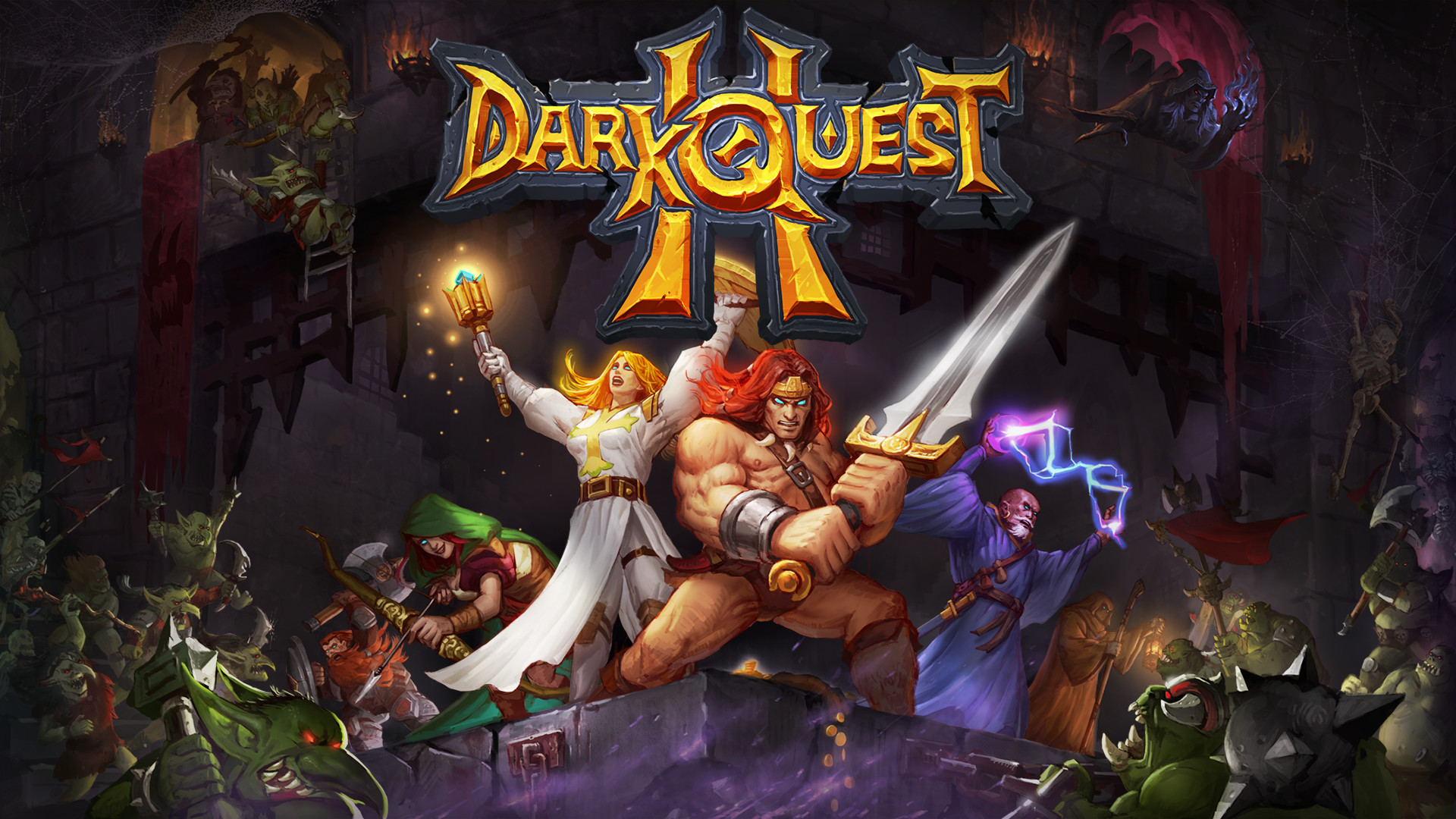
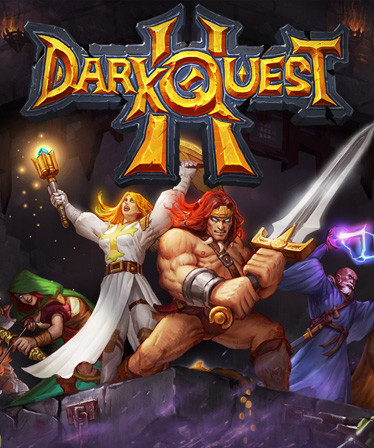
Dark Quest 2 is a turn based RPG where you control a party of heroes on your epic quest to defeat the evil sorcerer and his minions.
Dark Quest 2 is a rpg, strategy and indie game
developed and published by Brain Seal Ltd.
Released on March 06th 2018 is available on Windows and MacOS.
It has received 605 reviews of which 508 were positive and 97 were negative resulting in a rating of 7.9 out of 10. 😊
The game is currently priced at 8.79€ on Steam.
The Steam community has classified Dark Quest 2 into these genres:
RPG
Strategy
Indie
Turn-Based
Dungeon Crawler
Board Game
Isometric
Adventure
Tactical
Multiplayer
Singleplayer
Fantasy
Turn-Based Tactics
Online Co-Op
Great Soundtrack
Story Rich
Local Multiplayer
Level Editor
Early Access
Local Co-Op
Here is the detailed breakdown of supported languages for Dark Quest 2:
| UI | Subtitle | Audio | |
|---|---|---|---|
| English |
Media & Screenshots
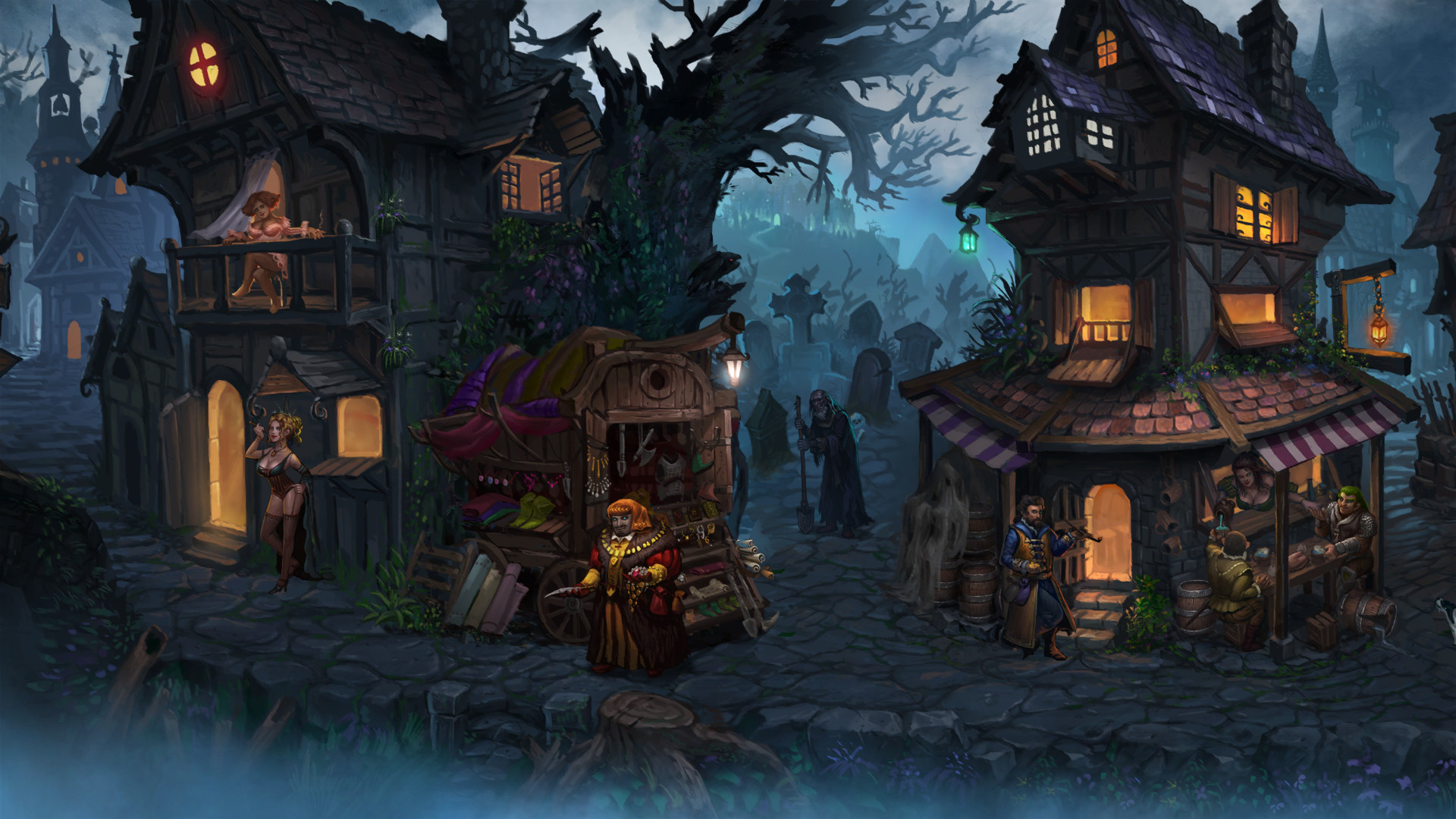
Get an in-depth look at Dark Quest 2 through various videos and screenshots.

Load More


System requirements
These are the minimum specifications needed to play the game. For the best experience, we recommend that you verify them.
Windows
- OS *: Windows 7
- Processor: Intel 2Ghz
- Memory: 2 GB RAM
- Graphics: Any
- DirectX: Version 9.0
- Storage: 2 GB available space
- Sound Card: Any
MacOS
- OS: 10
- Processor: Intel 2Ghz
- Memory: 2 GB RAM
- Graphics: Any
- Storage: 2 GB available space
- Sound Card: Any
Steam Price & Best Deals
User reviews & Ratings
Explore reviews from Steam users sharing their experiences and what they love about the game.
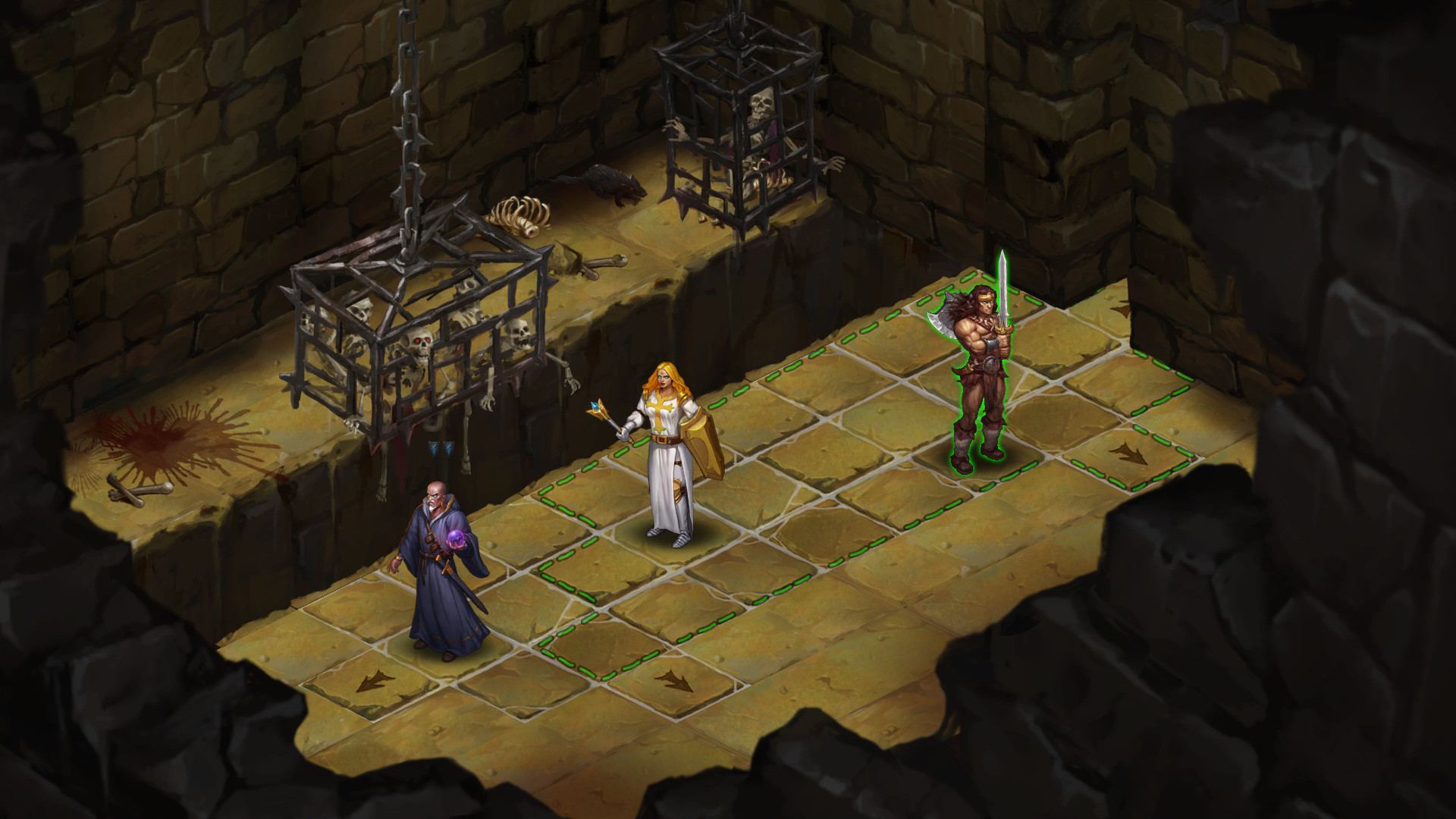
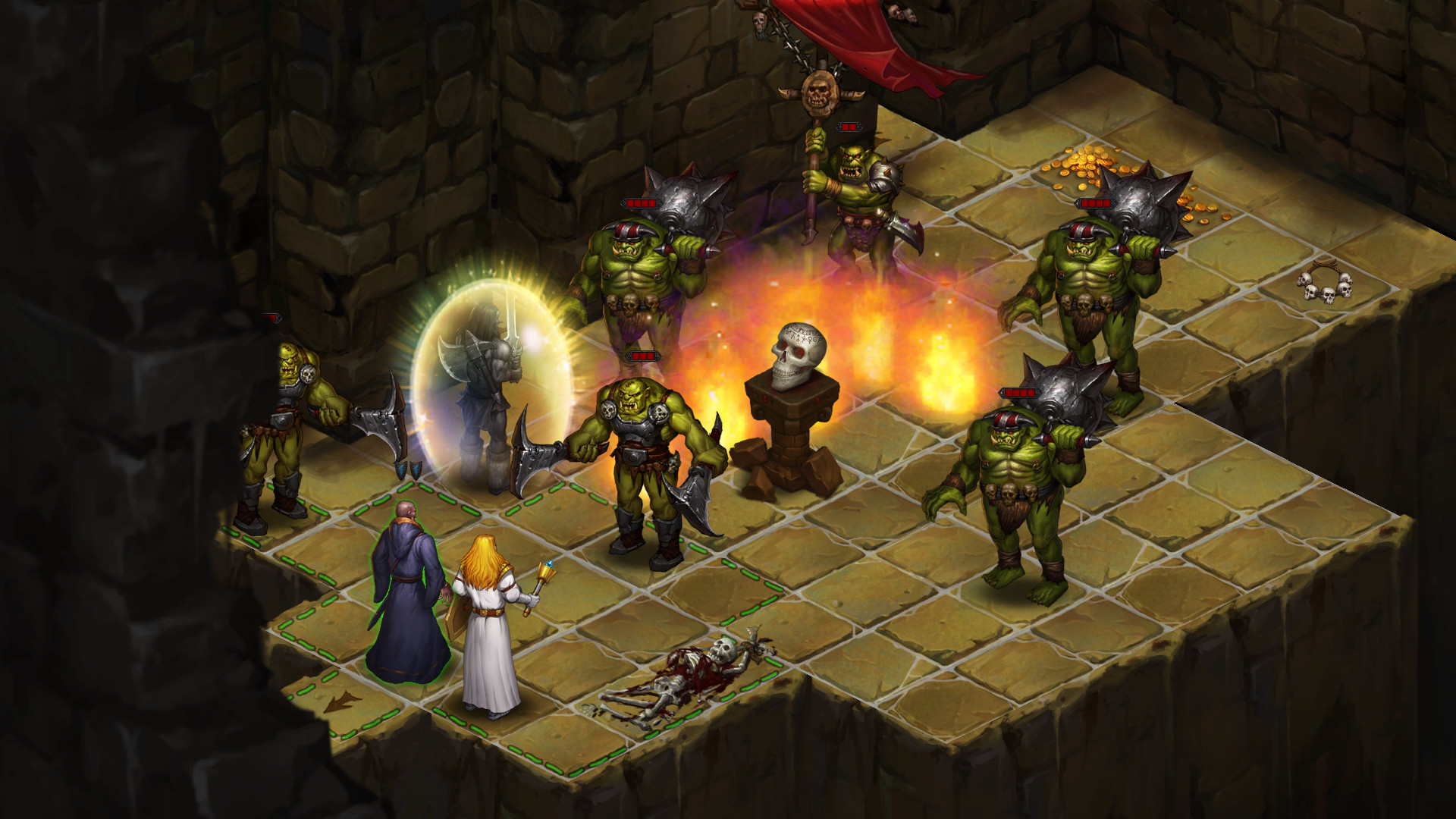
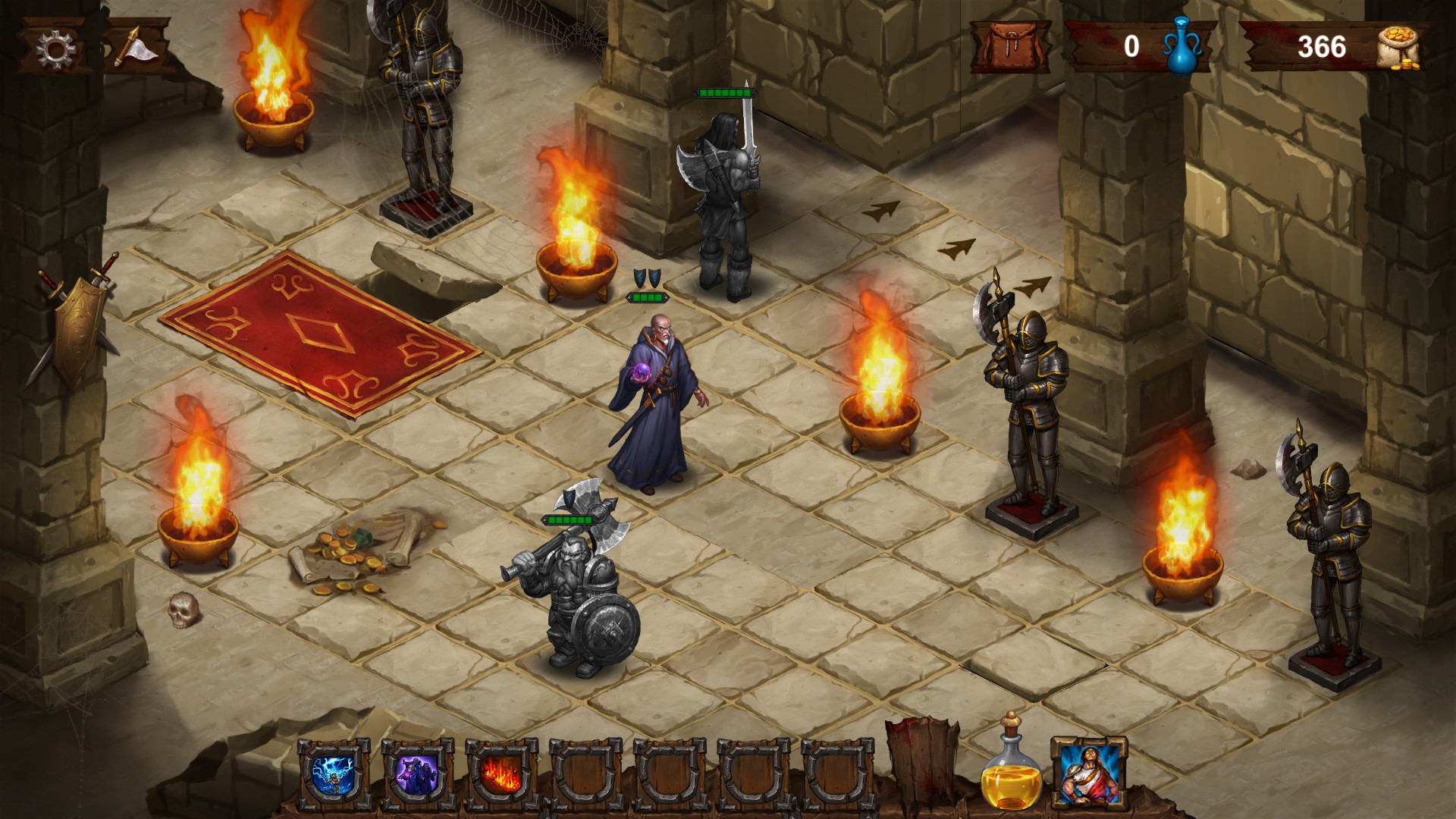
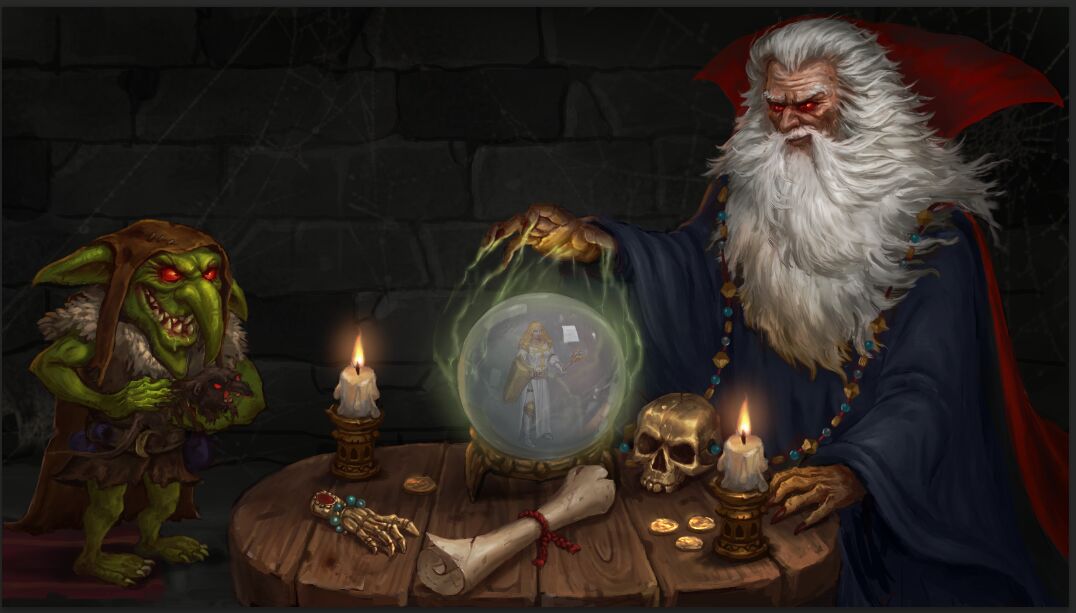
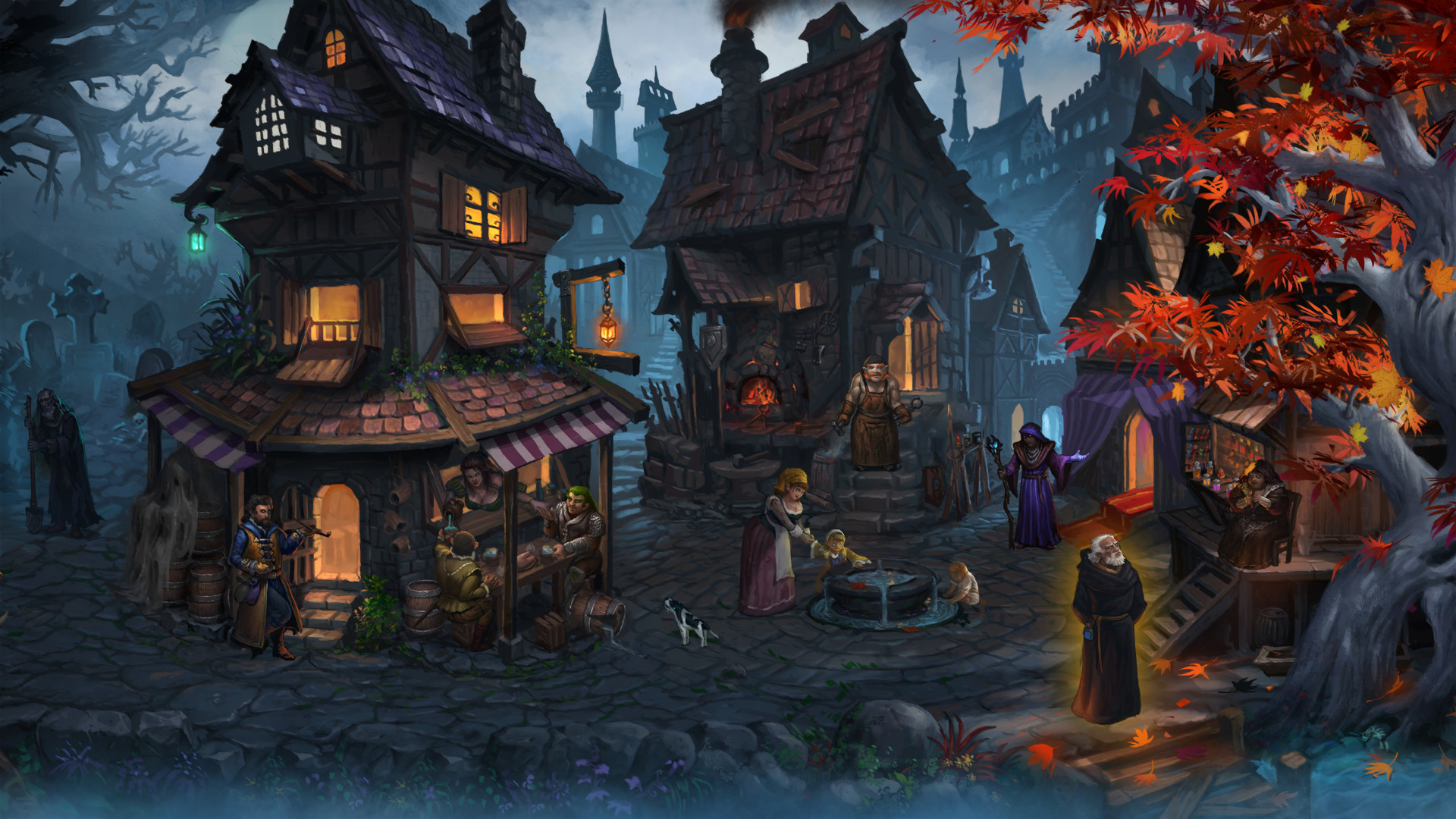
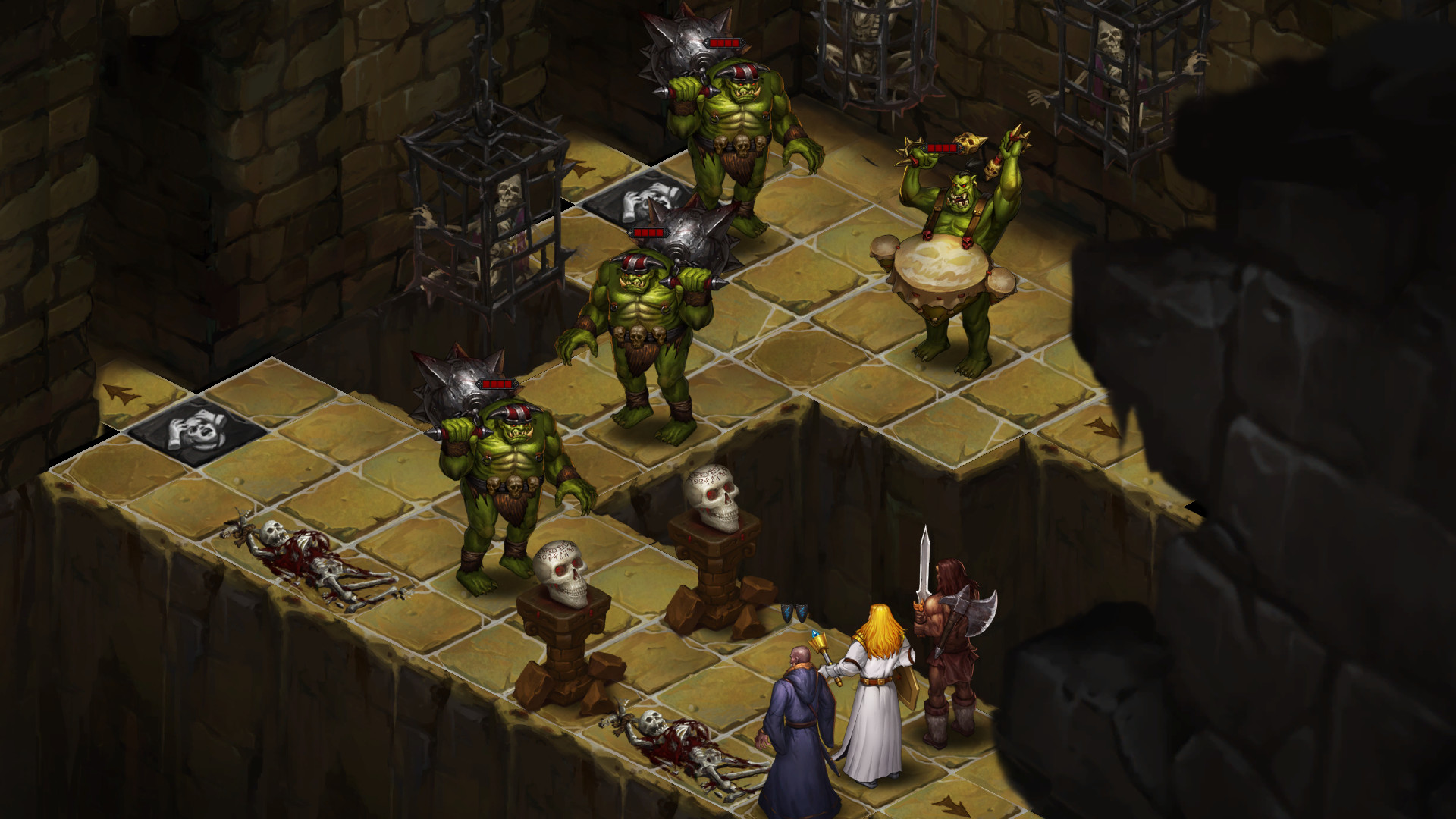
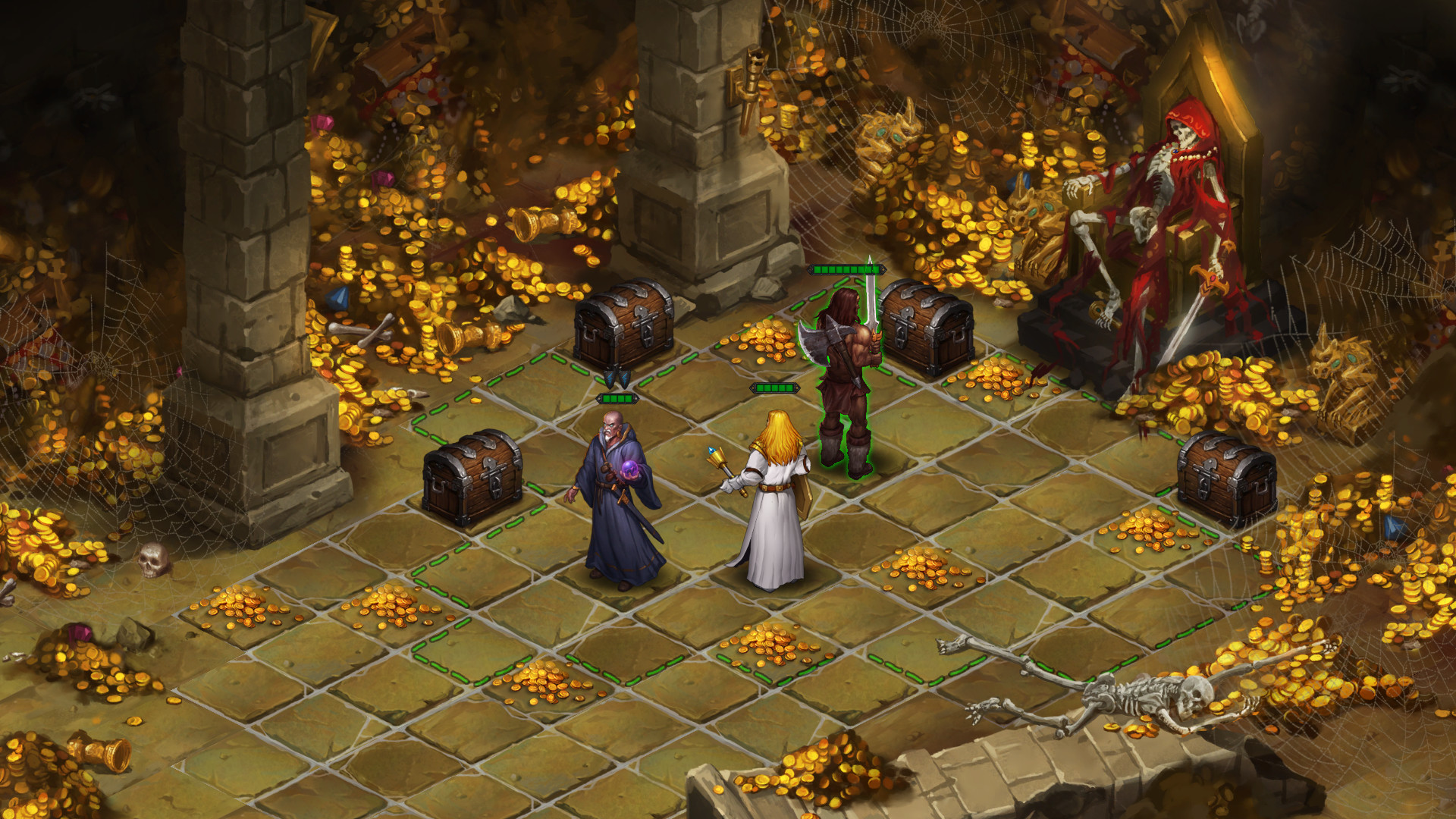
Dark Quest 2 is a turn-based dungeon crawler that openly embraces the spirit of classic tabletop fantasy adventures while presenting them through a charming board game-inspired format. Developed and published by Brain Seal Ltd, the game acts as both a tribute to old-school strategy RPGs and a streamlined dungeon-crawling experience focused on tactical combat, exploration, and party management. Rather than attempting to modernize the genre with overwhelming complexity or cinematic presentation, Dark Quest 2 builds its identity around simplicity, nostalgia, and strategic encounters that feel heavily inspired by traditional pen-and-paper campaigns. The game immediately establishes its tabletop influence through its presentation. Characters move across environments that resemble handcrafted board game maps filled with miniature-style figures, dice-inspired mechanics, traps, treasure chests, and dungeon layouts that feel physically assembled rather than digitally generated. This visual direction gives the adventure a unique personality that separates it from more conventional fantasy RPGs. The entire experience feels like participating in a living tabletop campaign guided by an unseen dungeon master, complete with narrated introductions and fantasy storytelling framed through a playful board game aesthetic. The story itself is intentionally straightforward. Players assemble a party of heroes and guide them through dangerous dungeons while battling monsters, avoiding traps, and attempting to defeat an evil sorcerer threatening the realm. Narrative depth is not the game’s primary focus, but the lighthearted fantasy atmosphere works well because the experience is more concerned with recreating the feeling of a tabletop adventure than delivering an emotionally complex storyline. The simple structure keeps pacing efficient and allows players to focus on dungeon exploration and tactical decision-making. Combat forms the core of the experience, and it succeeds largely because of its accessibility and strategic pacing. Battles unfold on grid-based maps where positioning, movement range, attack timing, and environmental awareness become critical. Unlike faster action RPGs, Dark Quest 2 rewards patience and careful planning. Every move matters because enemies can quickly overwhelm careless players through numbers, traps, or coordinated attacks. The turn-based structure creates a satisfying tactical rhythm where players must constantly evaluate risk versus reward before committing to actions. Each playable hero contributes unique strengths and abilities to the party. Warriors absorb damage and dominate close combat, wizards unleash devastating magical attacks, and archers or rogues provide ranged support and utility. Managing the balance between these different classes becomes one of the game’s most rewarding aspects because success often depends on using each hero efficiently rather than relying on brute force alone. Positioning weaker characters behind stronger front-line fighters while controlling enemy movement creates encounters that feel surprisingly tactical despite the game’s relatively straightforward mechanics. Progression systems add another layer of satisfaction. Heroes gain access to stronger equipment, improved abilities, and better combat options as the campaign advances. Discovering magical items and upgrading party members provides a steady sense of improvement that keeps dungeon exploration rewarding. The game also introduces environmental hazards, traps, and puzzle-like scenarios that force players to think carefully about movement instead of simply attacking enemies directly. Certain encounters feel almost like miniature strategy puzzles where efficient positioning and timing become more important than raw power. One of the game’s greatest strengths is its pacing. Levels are generally compact enough to avoid becoming exhausting, and combat encounters rarely overstay their welcome. This structure makes Dark Quest 2 especially enjoyable in shorter play sessions because meaningful progress can usually be made without committing to extremely long dungeon runs. The campaign steadily introduces new enemy types and mechanics, helping maintain variety as players progress deeper into increasingly dangerous environments. Visually, the game’s board game presentation remains consistently charming throughout the adventure. The miniature-inspired character models, handcrafted environments, and animated dice-roll style effects give the game a personality that feels both nostalgic and inviting. Rather than aiming for realism, Dark Quest 2 focuses on creating the illusion of a fantasy tabletop session brought to life digitally. The colorful environments and exaggerated designs reinforce the game’s lighter tone while still maintaining a sense of adventure and danger. The soundtrack and narration also contribute heavily to the atmosphere. Fantasy-inspired music accompanies exploration and combat without becoming overly dramatic, while the narrator adds personality to dungeon introductions and story sequences. This narration further reinforces the tabletop campaign feeling, making the player feel as though a dungeon master is guiding the adventure from behind the scenes. The game’s simplicity, however, can also become one of its biggest weaknesses. While the accessible mechanics make it approachable for newcomers, players looking for deeper tactical systems may eventually find combat somewhat repetitive. Enemy AI is functional but not especially sophisticated, and encounters often rely more on numerical pressure than highly advanced strategy. Compared to larger tactical RPGs with complex class systems and extensive customization, Dark Quest 2 remains relatively lightweight in scope. The campaign also lacks strong narrative depth. Characters are functional archetypes rather than deeply developed personalities, and the story rarely evolves beyond traditional fantasy adventure themes. Players expecting emotionally driven storytelling or elaborate worldbuilding may find the narrative too basic to remain memorable outside the gameplay itself. Another limitation is the repetition inherent in the dungeon structure. While the game introduces enough variety to remain entertaining for most of its runtime, some later encounters begin to feel mechanically familiar. The relatively simple progression systems and straightforward objectives occasionally make longer sessions feel repetitive, especially for players accustomed to more elaborate strategy RPGs. Despite these shortcomings, Dark Quest 2 succeeds because it understands exactly what kind of experience it wants to provide. The game does not attempt to become an overwhelmingly deep tactical simulator or a cinematic role-playing epic. Instead, it focuses on recreating the fun of a classic tabletop dungeon crawl through accessible combat, charming presentation, and satisfying party progression. Its straightforward design philosophy gives it a relaxing quality rarely found in more complicated strategy RPGs. Dark Quest 2 ultimately feels like a digital board game designed for players who enjoy old-school fantasy adventures, tactical combat, and tabletop-inspired dungeon crawling. While it may not possess the depth or scale of larger RPG franchises, its charming visual style, accessible mechanics, and consistently enjoyable combat make it an entertaining and highly approachable strategy experience. Rating: 8/10
A short turn-based game for the weekend. Q: Would I recommend? A: Yes. [+] 1) A little bit of Warcraft-like styling 2) Short 3) Each hero for different situation [-] 1) Short 2) Bugged Some progression-compromising bugs. Fortunately, a restart of the map helps, but you need to play it all over again... 3) Forced reruns to collect abilities in order to progress Conclusion: 7/10
Being a huge enthusiast of board game dungeon crawlers like Talisman, HeroQuest and such I tried looking for similar games on Steam and came up with the Dark Quest series. Given it was already on sale, I decided to give Dark Quest 2 a go. It's a nice little HeroQuest clone that is pretty much exactly what I was looking for. You start out with a single hero and then on subsequent runs you recruit other characters to come with you to complete a campaign comprising of a couple dozen maps until you eventually get to the end. Each map is a small dungeon maze with rooms and corridors and everything is turn based including movement just like a board game. There aren't too many stats to worry about, nor any of the more advanced systems of modern RPGs. Everything here is kept as simple as possible, in the spirit of board games of the olden age. This is a game which evokes memories of simpler times, doesn't take hours to play and is very easy to master. The gameplay boils down to clearing a dungeon, defeating the enemies and grabbing all the loot you can find. There is a moderate difficulty to each dungeon, but you may grind them as many times as you want by replaying the same map over and over with a slight incline in enemy difficulty on each subsequent pass. However, ballancing out your party lets you explore new possibilities and cover the skills required to beat each level. Following each level, you go back to town, where you can buy better equipment, acquire new skills and get some other bonuses to help out. There are many maps in the campaign with many more available in the Steam Workshop if you're up for a challenge. It will take a little while to get through all of the maps to reach the end because of the slow nature of the game. That being said, the game brings back nostalgic memories of playing D&D board games from my childhood and as such is a great way to burn some time with when one wishes to unwind after a long day. I'm pretty sure I'll be spending more time with this title and recommend it to anyone who's into fantasy themed tactical gameplay and/or looking for an equivalent to playing a board game dungeon crawler on their PC.
Similar games
View all
Lords of Xulima
Lords of Xulima is a challenging Role-playing game set on the mythical continent of Xulima, where Gods and humans once walked side by side. Experience a genuine RPG featuring over 100 hours of gameplay, and discover one of the most epic sagas ever told.

Blackguards
What happens when the only hope of a threatened world lies not with heroes in shining armor, but in the hands of a band of misfits and criminals? Blackguards, a new turn-based strategy RPG, explores this very question. You will discover over 180 unique hex-based battlegrounds within a dark and mature story of crime, drugs, and murder.

Druidstone: The Secret of the Menhir Forest
A tactical, turn-based RPG from the makers of Legend of Grimrock games. Every action, every turn counts as you control your party of heroes through challenging, handcrafted missions in the ancient, mist-clad Menhir Forest.
Eador. Imperium
Hire heroes, build an army, prevail in battles and try to keep your empire intact in the face of grave danger. Eador. Imperium is a new chapter in Eador series, known for its unique blend of grand strategy, turn-based tactics and RPG elements.

Chaos Reborn
Turn-based wizard combat with the tactical positioning of chess and the bluff of poker. Features wizard customization, 100s of gear items, single player realm adventures, online leagues and co-op play.
Blackguards 2
Blackguards 2 is a turn-based strategy-RPG and will deliver challenging hexfield battles and a gritty story filled with violence and crime. - Includes bonus content: Soundtrack, digital Art Book and Strategy Guide Book!
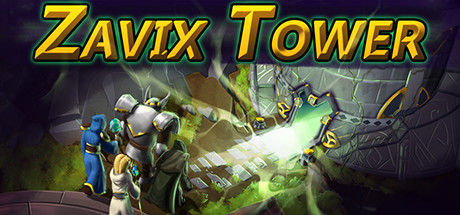
Zavix Tower
Zavix Tower is an old-school, party-based, first-person CRPG with rogue-like elements, an upgrade-able and persistent town, and turn-based combat.
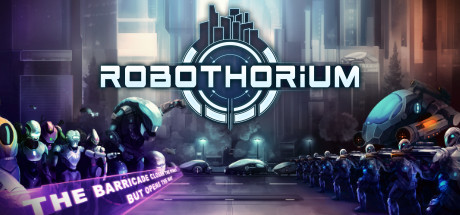
Robothorium
Robothorium is a cyberpunk dungeon crawler with turn-based fights, where all your choices will have a direct impact on your revolution against Humankind. Deep Strategy, Crafting, Party Based management, Talents and so much more in this roguelike!

Expeditions: Conquistador
Conquer the New world: In the 16th Century, Spanish explorers and soldiers reached the shores of America. The search for gold, fame, and adventure drove these travelers into a treacherous wilderness where they faced hunger, disease, and dangerous predators. In their wake, the Aztec Empires lay in ruins.
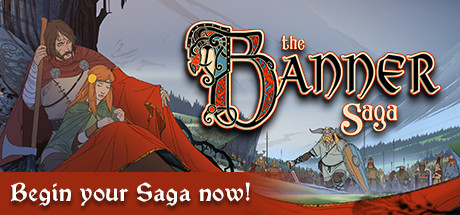
The Banner Saga
Live through an epic role-playing Viking saga where your strategic choices directly affect your personal journey. Make allies as you travel with your caravan across this stunning yet harsh landscape. Carefully choose those who will help fight a new threat that jeopardizes an entire civilization.
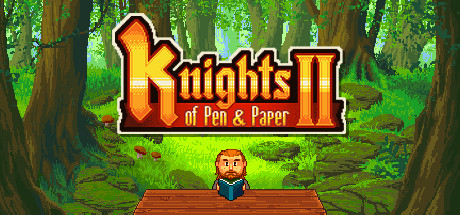
Knights of Pen and Paper 2
Prepare to inhabit a world of chivalry, class warfare and off-beat pop references. Knights of Pen & Paper 2 is a turn-based, retro style, pixel-art adventure full of danger, intrigue, death, and saving throws!
Frequently Asked Questions
Dark Quest 2 is currently priced at 8.79€ on Steam.
No, Dark Quest 2 is currently not on sale. You can purchase it for 8.79€ on Steam.
Yes, Dark Quest 2 received 508 positive votes out of a total of 605 achieving a rating of 7.90.
😊
Dark Quest 2 was developed and published by Brain Seal Ltd.
Yes, Dark Quest 2 is playable and fully supported on Windows.
Yes, Dark Quest 2 is playable and fully supported on MacOS.
No, Dark Quest 2 is not playable on Linux.
No, Dark Quest 2 is not playable on Steam Deck.
No, Dark Quest 2 is not playable on Steam Machine.
No, Dark Quest 2 does not support VR.
Dark Quest 2 offers both single-player and multi-player modes.
Dark Quest 2 offers both Co-op and PvP modes.
Yes, there is a DLC available for Dark Quest 2. Explore additional content available for Dark Quest 2 on Steam.
Yes, Dark Quest 2 is fully integrated with Steam Workshop. Visit Steam Workshop.
No, Dark Quest 2 does not support Steam Remote Play.
Yes, Dark Quest 2 is enabled for Steam Family Sharing. This means you can share the game with authorized users from your Steam Library, allowing them to play it on their own accounts. For more details on how the feature works, you can read the original Steam Family Sharing announcement or visit the Steam Family Sharing user guide and FAQ page.
You can find solutions or submit a support ticket by visiting the Steam Support page for Dark Quest 2.
Data sources
The information presented on this page is sourced from reliable APIs to ensure accuracy and relevance. We utilize the Steam API to gather data on game details, including titles, descriptions, prices, and user reviews. This allows us to provide you with the most up-to-date information directly from the Steam platform.
Additionally, we incorporate data from the SteamSpy API, which offers insights into game sales and player statistics. This helps us present a comprehensive view of each game's popularity and performance within the gaming community.
Last Updates| Steam data | 05 October 2026 21:31 UTC |
|---|---|
| SteamSpy data | 15 October 2026 01:12 UTC |
| Steam price | 27 October 2026 04:04 UTC |
| Steam reviews | 22 October 2026 05:49 UTC |
If you'd like to dive deeper into the details about Dark Quest 2, we invite you to check out a few dedicated websites that offer extensive information and insights. These platforms provide valuable data, analysis, and user-generated reports to enhance your understanding of the game and its performance.
- SteamDB - A comprehensive database of everything on Steam about Dark Quest 2
- SteamCharts - Analysis of Dark Quest 2 concurrent players on Steam
- ProtonDB - Crowdsourced reports on Linux and Steam Deck Dark Quest 2 compatibility
Game modes
Multiplayer
Features
Online players
2
Developer
Brain Seal Ltd
Publisher
Brain Seal Ltd
Release
06 Mar 2018
Platforms