


Randal's Monday
A kleptomaniac, a sociopath and a horrible friend. Randal is potentially one of the most scurrile protagonists since the invention of the hoverboard. Randal's Monday is a crazy space-time odyssey in classic adventure design, spiced up with countless geek culture references of the last 30 years.
Sync your Steam wishlist to find the lowest game prices instantly. No login required, just paste your Steam profile URL!
⚡ Try Wishlist Radar!
Sync your Steam wishlist to find the lowest game prices instantly. No login required!
⚡ Try Wishlist Radar!
Close

Runaway, A Road Adventure on Steam
Quick menu
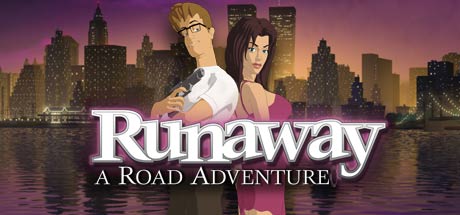
New York, 2000......Without knowing how or why, Brian, a student on the verge of graduating from college, is attacked by Mafia gangsters. During his desperate getaway, in the company of a mysterious striptease dancer, he ends up meeting a wide range of unusual characters.
Runaway, A Road Adventure is a adventure, point & click and singleplayer game
developed by Pendulo Studios
and published by Focus Entertainment.
Released on March 14th 2007 is available only on Windows.
It has received 715 reviews of which 549 were positive and 166 were negative resulting in a rating of 7.3 out of 10. 😊
The game is currently priced at 4.99€ on Steam, but you can find it for 0.91€ on K4G.
The Steam community has classified Runaway, A Road Adventure into these genres:
Media & Screenshots
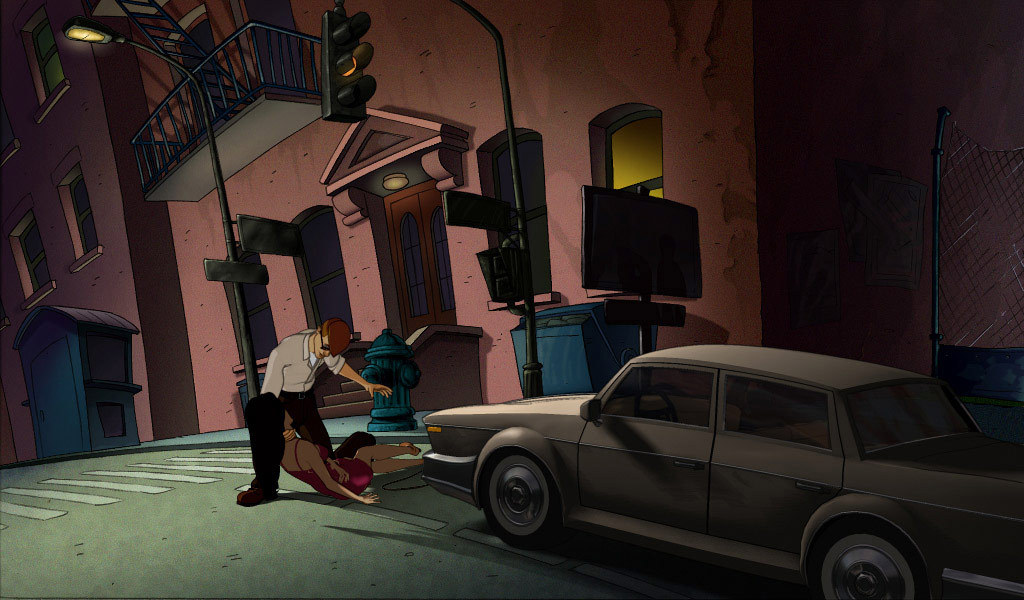
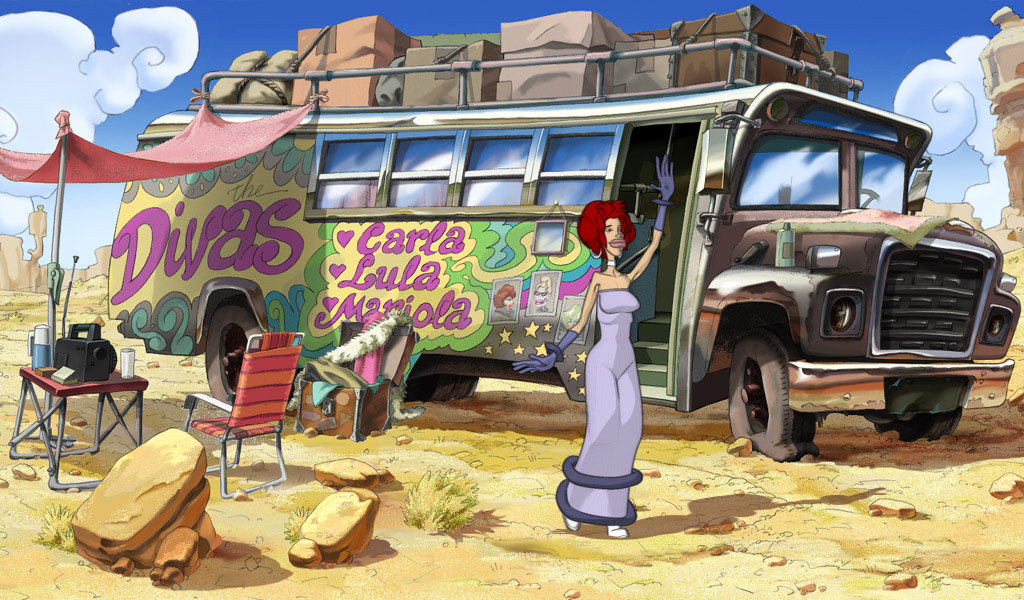
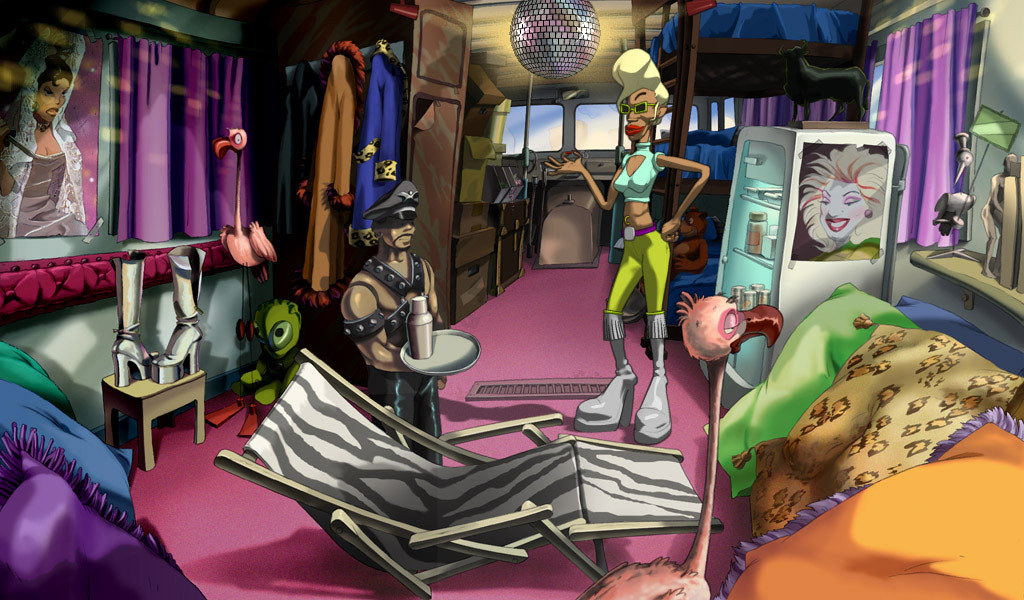
Get an in-depth look at Runaway, A Road Adventure through various videos and screenshots.
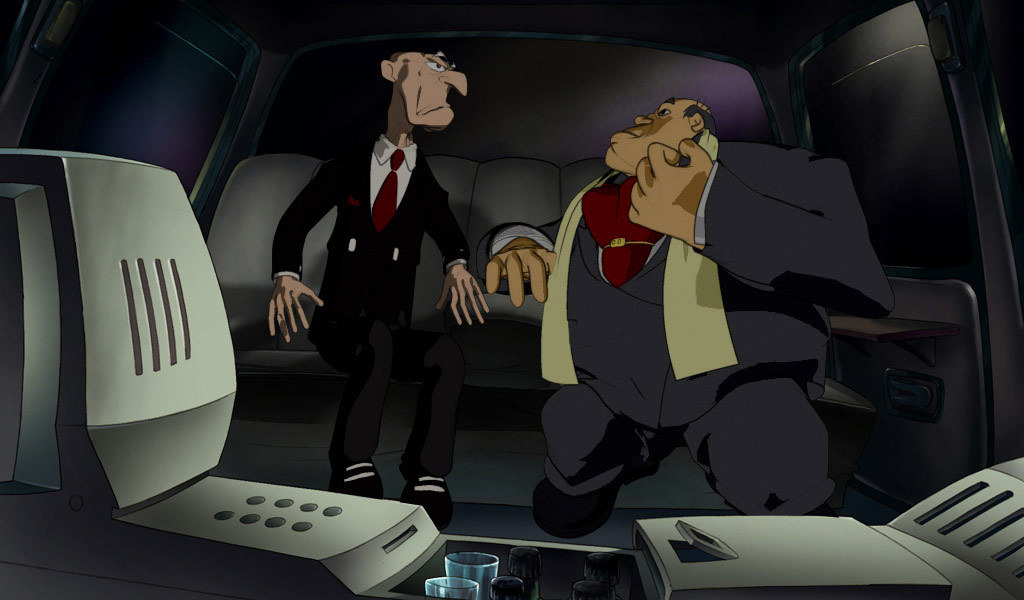
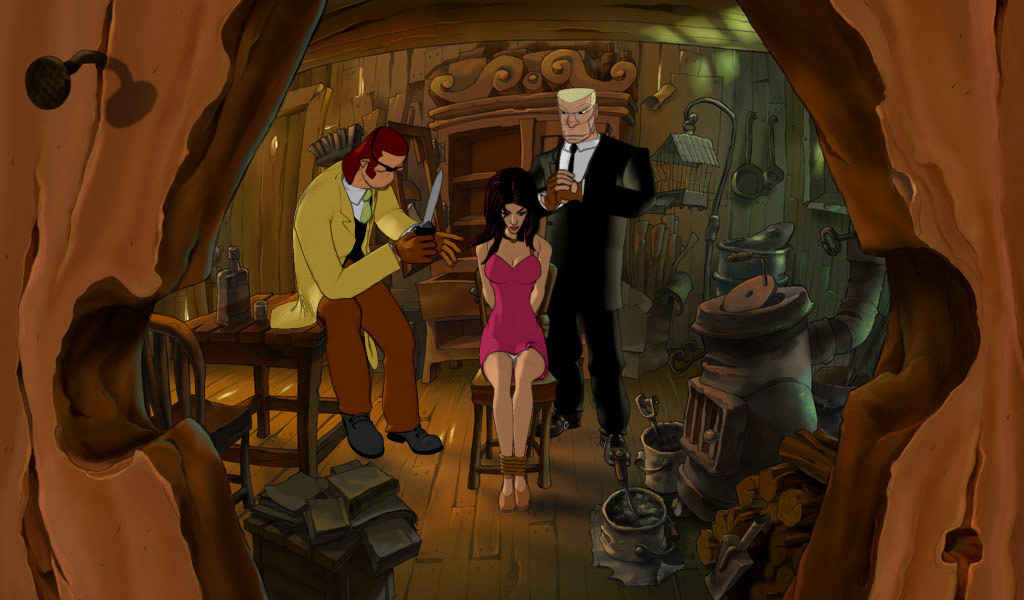
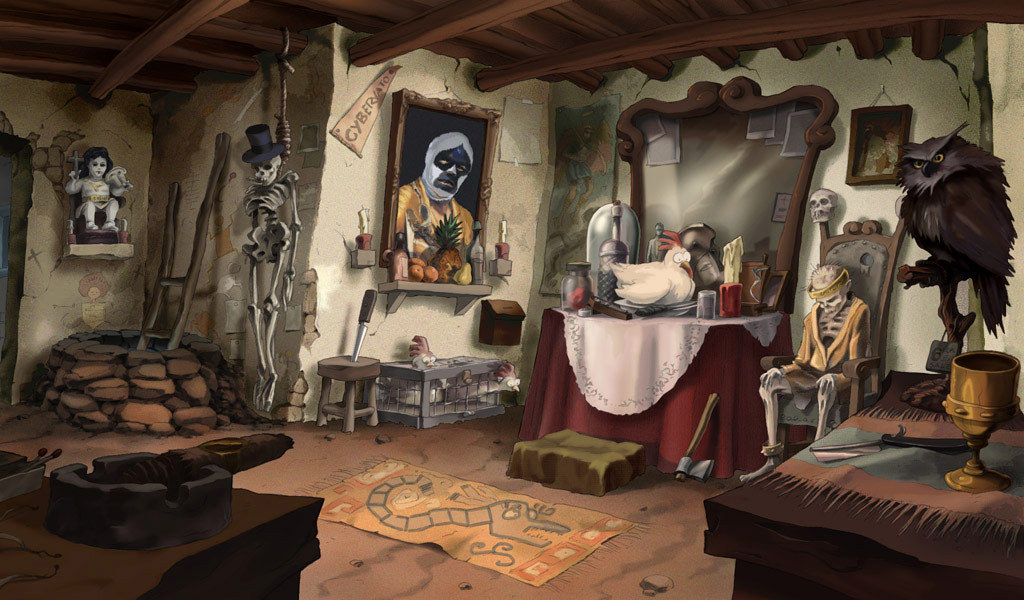
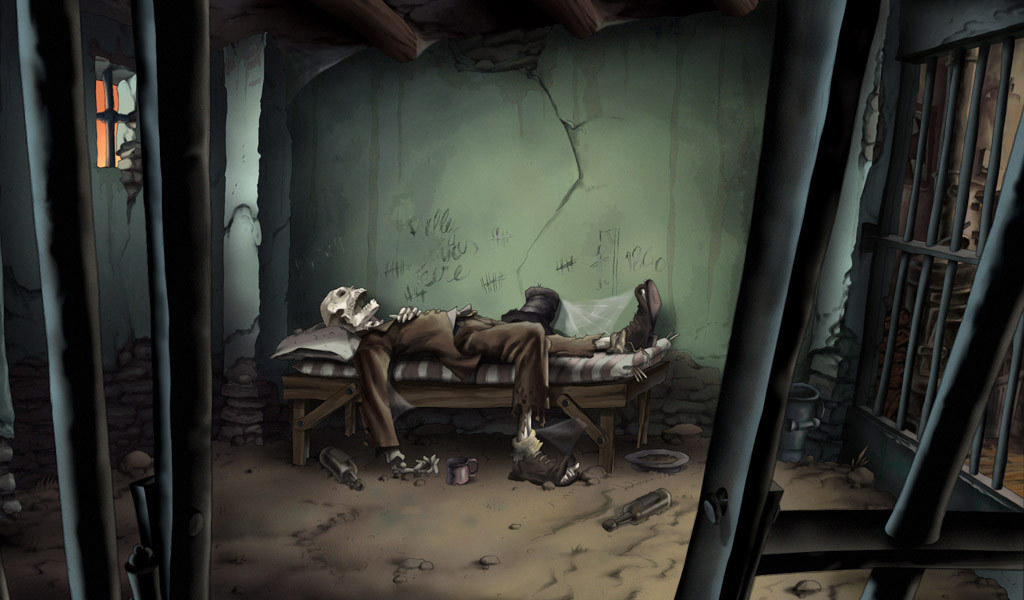


Load More

System requirements
These are the minimum specifications needed to play the game. For the best experience, we recommend that you verify them.
Windows
Minimum: Windows 95/98/ME/2000/XP, Pentium™ 200 MMX, 64 MB RAM, 630 MB hard disk drive, Monitor and graphics card (DirectX™ compatible) with support for 1024x768 and 16-bit color, DirectX™ compatible sound card, Mouse and keyboard
Steam Price & Best Deals
User reviews & Ratings
Explore reviews from Steam users sharing their experiences and what they love about the game.
Not bad. Beautiful art (the style is a bit faux since the artist is clearly European but the scenes depicted are supposed to happen in America). The story is quite fun, the characters are solid and puzzles' difficulty is well balanced. I would have changed some things (for instance, having interconnected scenes instead of being sequential, and especially the amateurish music that is the weakest aspect in the game). But even considering the weaker points, I recommend the game. I'm having a lot of fun with it. PS I haven't played 164 hours as Steam says right now (clearly Steam counts the time the program is running although the user is not playing). But I think it can be finished in about 20 hours comfortably (without any guides or help).
point-and-click adventure game in which student Brian Basco and Gina become entangled in a humorous and puzzling story of escaping criminals and searching for a mysterious Native American artifact. ✅I love point-and-click games like this ✅Interesting and engaging storyline ✅Very good graphics, considering this game was created in 2003 ✅Satisfying ending to the story ✅Very good audiovisuals, good music, sound design, and professional voice acting ✅Very good price for the game's content ✅Many colorful and eccentric side characters ✅Good portion of the puzzles are based on logical thinking ❌No option to highlight interactive objects, making some items difficult to find ❌Some puzzles require repeating the same steps ❌Some walkthroughs are sometimes necessary ❌Little variety in locations in chapters 3-6 ❌The main character (Brian Basco) is uninteresting and often naive ❌The game forces a single, specific solution to puzzles, even if there are other logical solutions ✅✅✅ Verdict: Terrible , Bad , Mediocre , Decent , Good , Very Good (Rating scale for short games, retro indie simulator games and similar) If you'd like to see more of my reviews, you can find them on my curator page: [url=https://store.steampowered.com/curator/45994324/admin/reviews_manage/]CuratorKingViking and on my group: [url=https://steamcommunity.com/groups/CuratorKingViking]GroupKingViking If you have any questions about my reviews, feel free to ask. I'm happy to answer them. All reviews are my own!! Best regards, King Viking Bezimienny, Polish Game Reviewer.
Similar games
View all
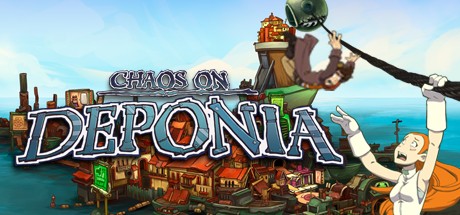
Chaos on Deponia
With this long-expected sequel to the critically highly acclaimed and lavishly praised Deponia, the player enters round two. Chaos on Deponia turns out to be even wackier than its predecessor and instantly puts the player under its spell.
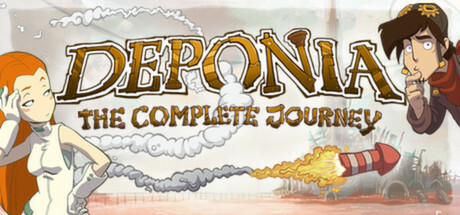
Deponia: The Complete Journey
Junk, junk and even more junk. Life on the trash-planet Deponia is anything but a walk in the park. No surprise that Rufus had enough of that and hatches one ludicrous plan after the other to escape this bleak place.
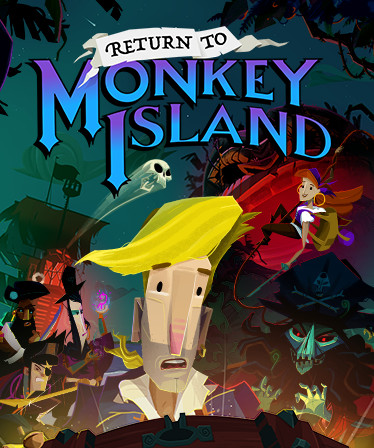
Return to Monkey Island
Return to Monkey Island is an unexpected, thrilling return of series creator Ron Gilbert that continues the story of the legendary adventure games.
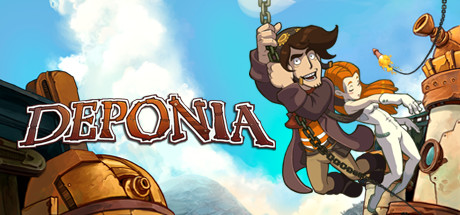
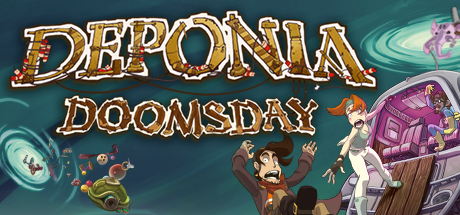
Deponia Doomsday
Can you change Deponia's fate? Do you have what it takes to change Rufus' past, present and future without accidently destroying the whole planet? Fight time itself in this action-packed, platypus-tastic and insanely hilarious story.

Lucy Dreaming
Discover a dark family secret and rid a young girl of her nightmares in this splendidly British point & click comedy adventure. Playing as sharp-witted Lucy, explore both dreams and reality to meet all the colourful characters who'll help you solve puzzles, gather clues and find a murderer.

Broken Sword 2 - the Smoking Mirror: Remastered (2010)
‘Broken Sword - The Smoking Mirror: Remastered’ is a stunning update to the multi million-selling original. A mysterious escapade of intrigue and deceit, in which journalist Nico Collard and her adventuring companion George Stobbart must overcome powerful forces from fulfilling their evil ambitions.
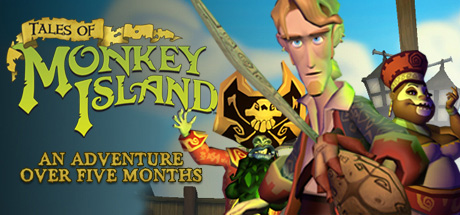
Tales of Monkey Island: Complete Season
While explosively stripping the evil pirate LeChuck of his demonic mojo, Guybrush Threepwood inadvertently infects the entire Caribbean with the arch-fiend's expelled voodoo, which threatens to transform buccaneers into unruly pirate monsters.
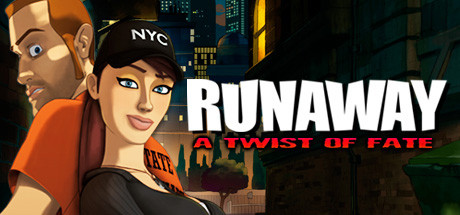
Runaway: A Twist of Fate
Runaway: A Twist of Fate is the adventure game of the year! Featuring a production worthy of a big 2D animated movie, Runaway follows a story full of twists and turns, and packed with comical highlights. All in all, you will be confronted with more than 200 mysteries and puzzles to keep your brain running through a big adventure that you...

Penelope Pendrick and the Art of Deceit
Pick up your magnifying glass as writer-turned-detective Penelope Pendrick in this first-person point and click mystery adventure! Three people have suddenly vanished from the sleepy town of Carlisle. Follow the clues, interrogate suspects, and solve puzzles to end this case - before it ends you.

Black Mirror II
Enter a dark, captivating world as the massive evil of Black Mirror Castle is reincarnated with over 100 atmospheric locations to explore and 40 different characters to interact with. Will Darren's search lead him to redemption or the hell of insanity?
Frequently Asked Questions
Runaway, A Road Adventure is currently priced at 4.99€ on Steam.
No, Runaway, A Road Adventure is currently not on sale. You can purchase it for 4.99€ on Steam.
Yes, Runaway, A Road Adventure received 549 positive votes out of a total of 715 achieving a rating of 7.31.
😊
Runaway, A Road Adventure was developed by Pendulo Studios and published by Focus Entertainment.
Yes, Runaway, A Road Adventure is playable and fully supported on Windows.
No, Runaway, A Road Adventure is not playable on MacOS.
No, Runaway, A Road Adventure is not playable on Linux.
This information about Runaway, A Road Adventure is not available yet.
This information about Runaway, A Road Adventure is not available yet.
No, Runaway, A Road Adventure does not support VR.
Runaway, A Road Adventure is a single-player game.
No, Runaway, A Road Adventure does not currently offer any DLC.
No, Runaway, A Road Adventure does not support mods via Steam Workshop.
No, Runaway, A Road Adventure does not support Steam Remote Play.
Yes, Runaway, A Road Adventure is enabled for Steam Family Sharing. This means you can share the game with authorized users from your Steam Library, allowing them to play it on their own accounts. For more details on how the feature works, you can read the original Steam Family Sharing announcement or visit the Steam Family Sharing user guide and FAQ page.
You can find solutions or submit a support ticket by visiting the Steam Support page for Runaway, A Road Adventure.
Data sources
The information presented on this page is sourced from reliable APIs to ensure accuracy and relevance. We utilize the Steam API to gather data on game details, including titles, descriptions, prices, and user reviews. This allows us to provide you with the most up-to-date information directly from the Steam platform.
Additionally, we incorporate data from the SteamSpy API, which offers insights into game sales and player statistics. This helps us present a comprehensive view of each game's popularity and performance within the gaming community.
Last Updates| Steam data | 23 September 2026 02:12 UTC |
|---|---|
| SteamSpy data | 14 October 2026 19:13 UTC |
| Steam price | 26 October 2026 20:04 UTC |
| Steam reviews | 21 October 2026 22:06 UTC |
If you'd like to dive deeper into the details about Runaway, A Road Adventure, we invite you to check out a few dedicated websites that offer extensive information and insights. These platforms provide valuable data, analysis, and user-generated reports to enhance your understanding of the game and its performance.
- SteamDB - A comprehensive database of everything on Steam about Runaway, A Road Adventure
- SteamCharts - Analysis of Runaway, A Road Adventure concurrent players on Steam
- ProtonDB - Crowdsourced reports on Linux and Steam Deck Runaway, A Road Adventure compatibility
Game modes
Features
Online players
2
Developer
Pendulo Studios
Publisher
Focus Entertainment
Release
14 Mar 2007
Platforms
Clicking and buying through these links helps us earn a commission to maintain our services.