


Bleed
Wryn is a girl with a big arsenal and big dreams -- she wants to be the ultimate videogame hero! Help her take down the Greatest Heroes of All Time in an action-packed bid to claim the title for herself and show the world what a true hero looks like!
Sync your Steam wishlist to find the lowest game prices instantly. No login required, just paste your Steam profile URL!
⚡ Try Wishlist Radar!
Sync your Steam wishlist to find the lowest game prices instantly. No login required!
⚡ Try Wishlist Radar!
Close

Seraph on Steam
Quick menu
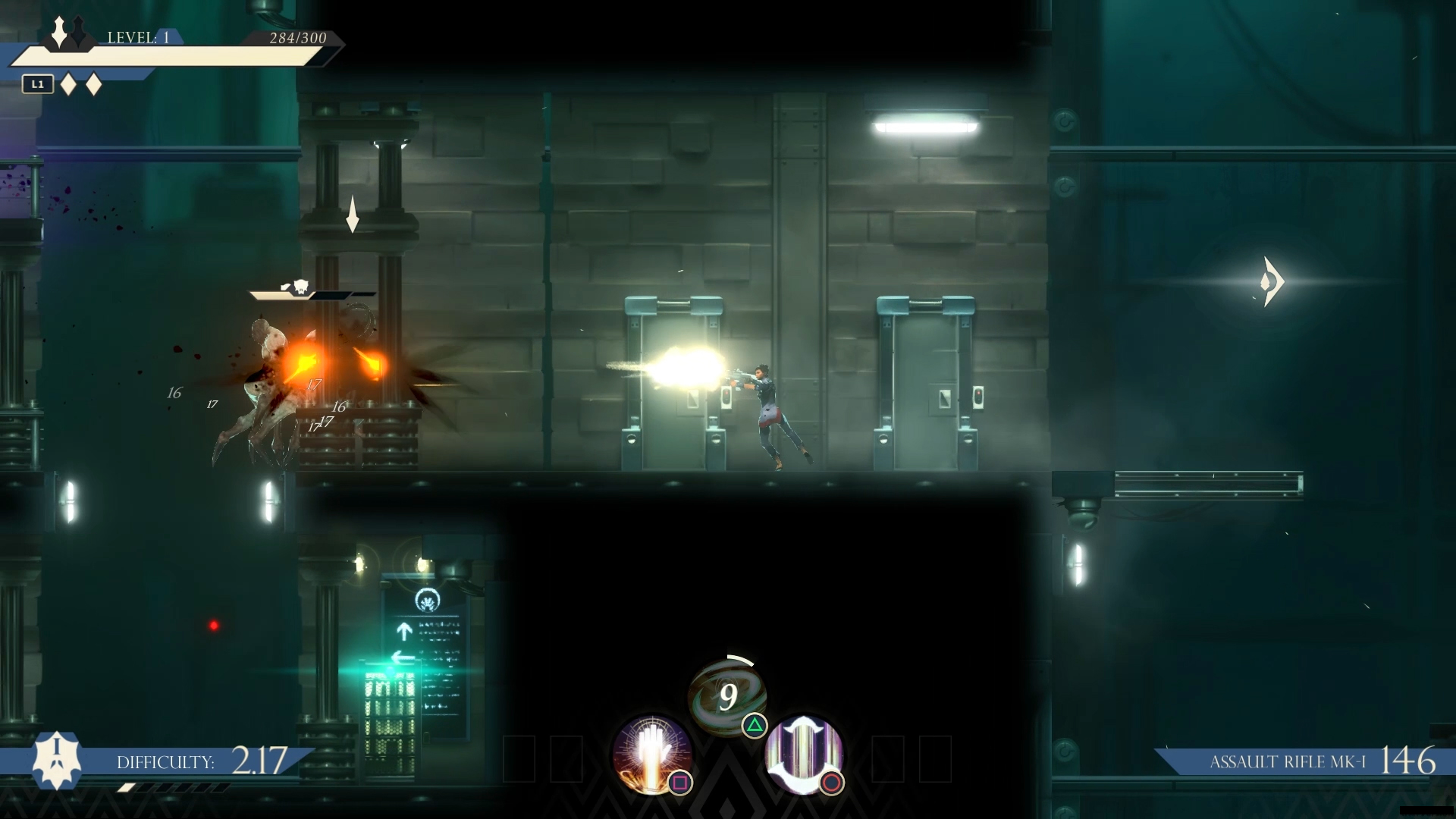
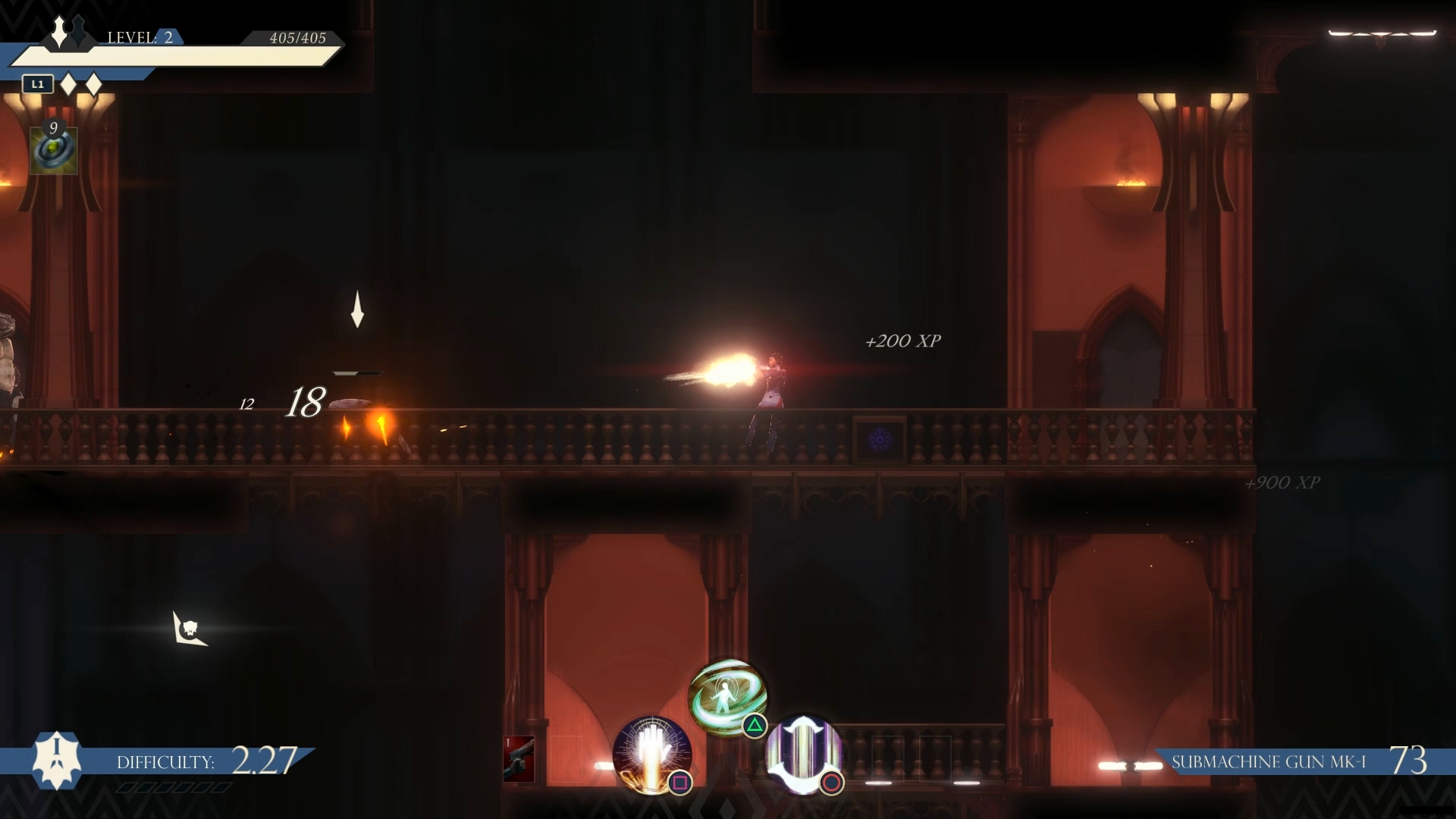
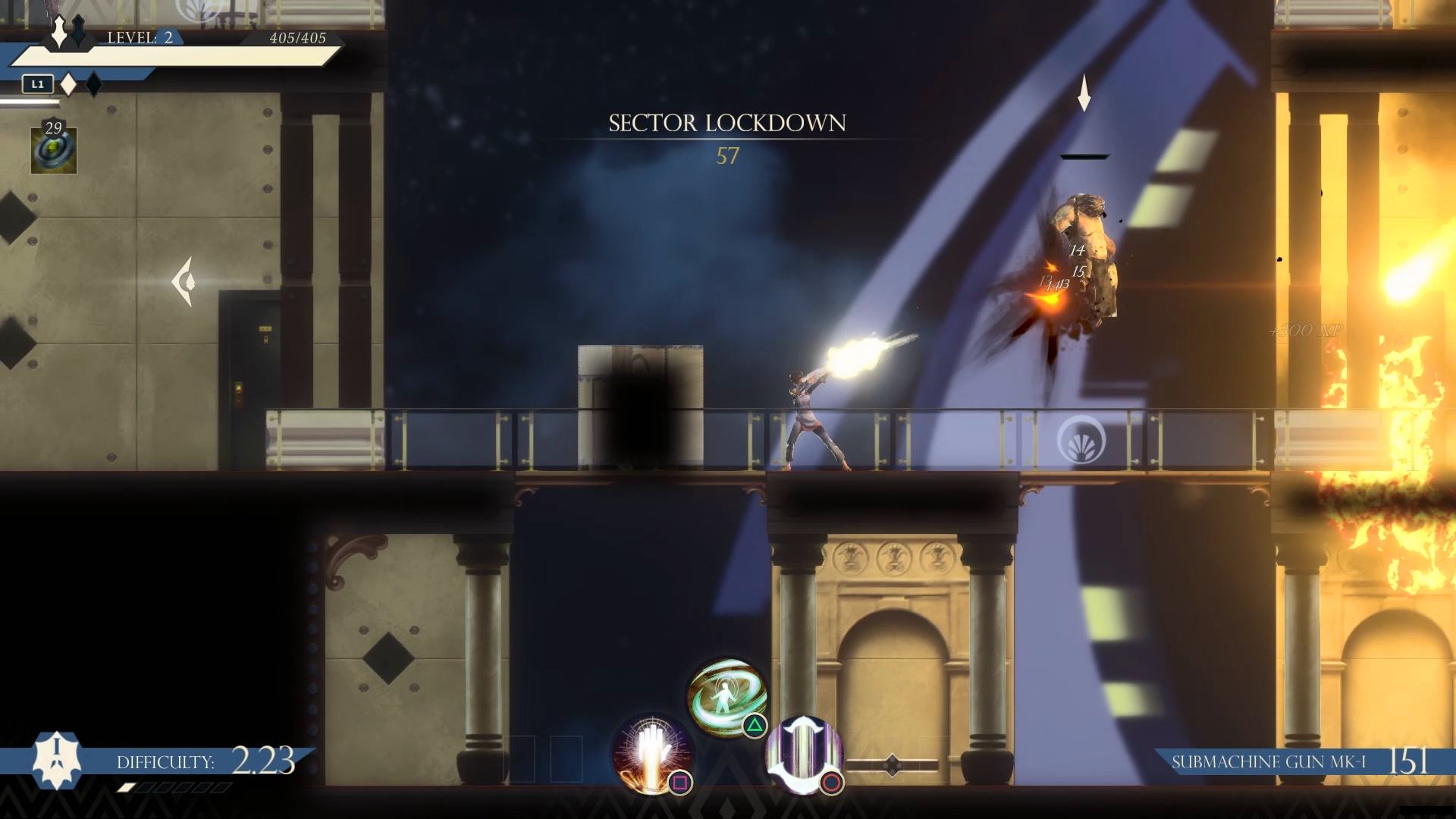
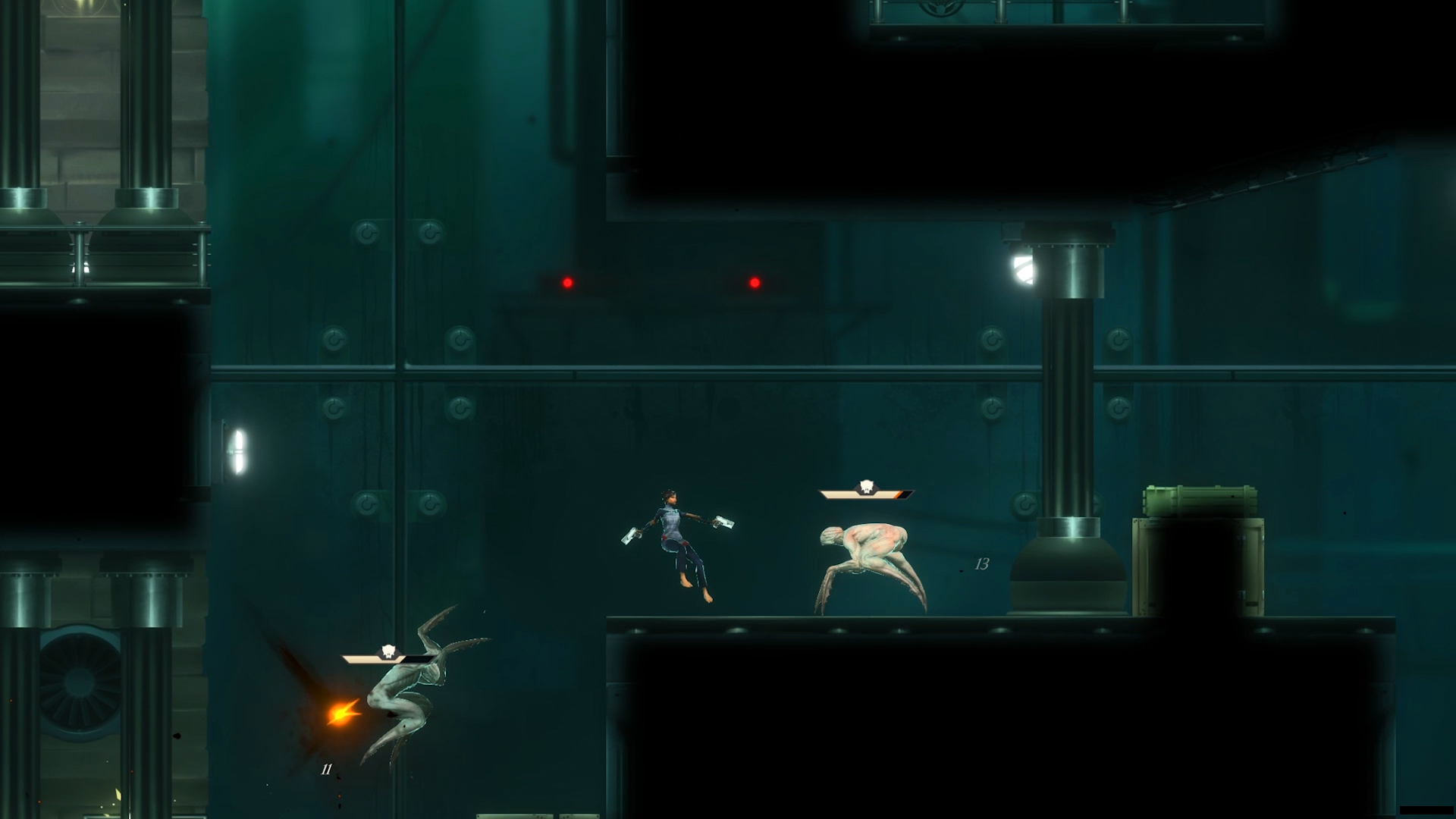
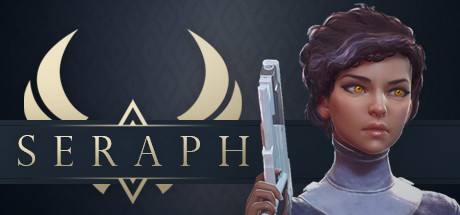
Seraph is a skill-based, acrobatic shooter... without aiming! Take the role of an angel who's mastered the art of 'Gun Fu' as she blasts and cartwheels her way through hordes of twisted demons.
Seraph is a action, female protagonist and platformer game
developed and published by Dreadbit.
Released on September 20th 2016 is available on Windows, Steam Deck and Steam Machine.
It has received 551 reviews of which 434 were positive and 117 were negative resulting in a rating of 7.5 out of 10. 😊
The game is currently priced at 3.99€ on Steam, but you can find it for 1.65€ on G2A.
The Steam community has classified Seraph into these genres:
Media & Screenshots
Get an in-depth look at Seraph through various videos and screenshots.



Load More



System requirements
These are the minimum specifications needed to play the game. For the best experience, we recommend that you verify them.
Windows
- OS *: Windows 7 or higher
- Processor: Intel i3 3.0GHz
- Memory: 4 GB RAM
- Graphics: Nvidia GeForce GT 450
- DirectX: Version 9.0c
- Storage: 2600 MB available space
Steam Price & Best Deals
User reviews & Ratings
Explore reviews from Steam users sharing their experiences and what they love about the game.
Not sure why I bought it back in the day, something about the visuals was compelling to me. And it was the style of it that made me play it to the end (though, I bought it about 4 years ago and played it just now). Generally it's a fun and challenging action platformer. Dynamic difficulty really helps to always get challenging situations, increasing power level bit by bit. Combat feels fluid, like a nice and balanced dance with the great pace. One thing I didn't really notice is the procedural generation. It felt like the locations didn't really change from one time to another. Two lacking sides of the game: story (it's better to imagine there is no story at all, let's put it this way) and repetitiveness, the latter being the bigger one. The game with a huge emphasis on replayability gets exponentially more boring the more you play it. Every monster looks generic, every location looks the same. Challenge is keeping up with you as you get better with the game, but it feels synthetic, it's just not real. And the main playthrough lasts like 4 hours. It's already 6 years old as I'm writing this, so it's probably not a big deal for anybody. But if you're looking for a nice game to kill a couple of hours while getting some action and challenge - this one is fine. It would work great as a portable game (on a Steam Deck, for example). I'm not sure it's worth its price, but if you'll get it 50% cheaper, it's decent.
You are weak as your sarcophagus opens. As you slide to the floor you realise that you had been imprisoned for over three decades. All of your guards are dead and the ship that serves as your prison is infested with hordes of daemons. You are a seraph, an angel, inhabiting the body of a human. Her name is Talia and she once agreed to let you control her. But the years have made Talia bitter. You need to restore your health and fight the daemons to free both Talia and yourself. Seraph is a platform shooter that concentrates on acrobatic skills. Aiming isn't necessary, which means you can jump, double-jump, wall-jump and otherwise focus on your movement while pressing the shoot button and automatically hit your enemies. Seraph is simply everything I love about 2D games. If you plan to play a 2D shooter this year, go for Seraph. It's great! Pros: - it's a blast - highly addictive - nice graphics - challenging but never frustrating - dynamic difficulty (difficulty rises gradually based on your skill) - tons of upgrades - different weapons - wonders - the longer you play the better the game gets - daily challenge that earn you upgrade items - weekly challenge that also earn you upgrade items - selection of upgrades influences your level of success - improved loot on higher difficulty - very good controller support Neutral: - I didn't like the music at the beginning but got used to it later. Some players love the music. Cons: - daily challenge left me with a blisters on my trigger finger - some weapons don't fire automatically. For pistols and machine guns you simple keep the button pressed. For shot-guns and rail-guns you have to keep pressing the button again and again.
Love it. The animations are good, you feel in total control, the game gives you enough power in every aspect and I haven't encountered any bugs so that if you get rekt it will be entirely your fault for playing bad. Need more achievements, feels like it won't take much time to get to 100% but I have only 2hours in it so..will see when I play more. Edit: After difficulty 5.50 you will get rekt without controller. I dislike the fact that it lowers the difficulty after dying. Edit: The Guide boss just proved to me what I kept noticing throughout the game. The seraph's hitbox is not the same as the body visually. Projectiles can hit you even if it looks like they don't touch her body visually. Keep that in mind and try to keep as much distance as you can from projectiles or they might still hit you even if they visually hit the ground/wall or look as if they will miss you. Seriously flawed game design considering you have to dodge so many projectiles at higher difficulty.
This game has fluid mechanics and the movement feels fantastic. There is auto aim for the shooting so the game is more about evasion and dodges but it feels fantastic to play. I think if you had to worry about aiming it would interrupt the pacing of the game and slow it down considerably. The game is satisfying to play because you're really trying to manage satisfying momentum. If I had to describe it would be like crossing the Matrix with bullfighting. This game flew under the radar for me when it came out but I'm very glad I was able to find it. It's well worth the asking price.
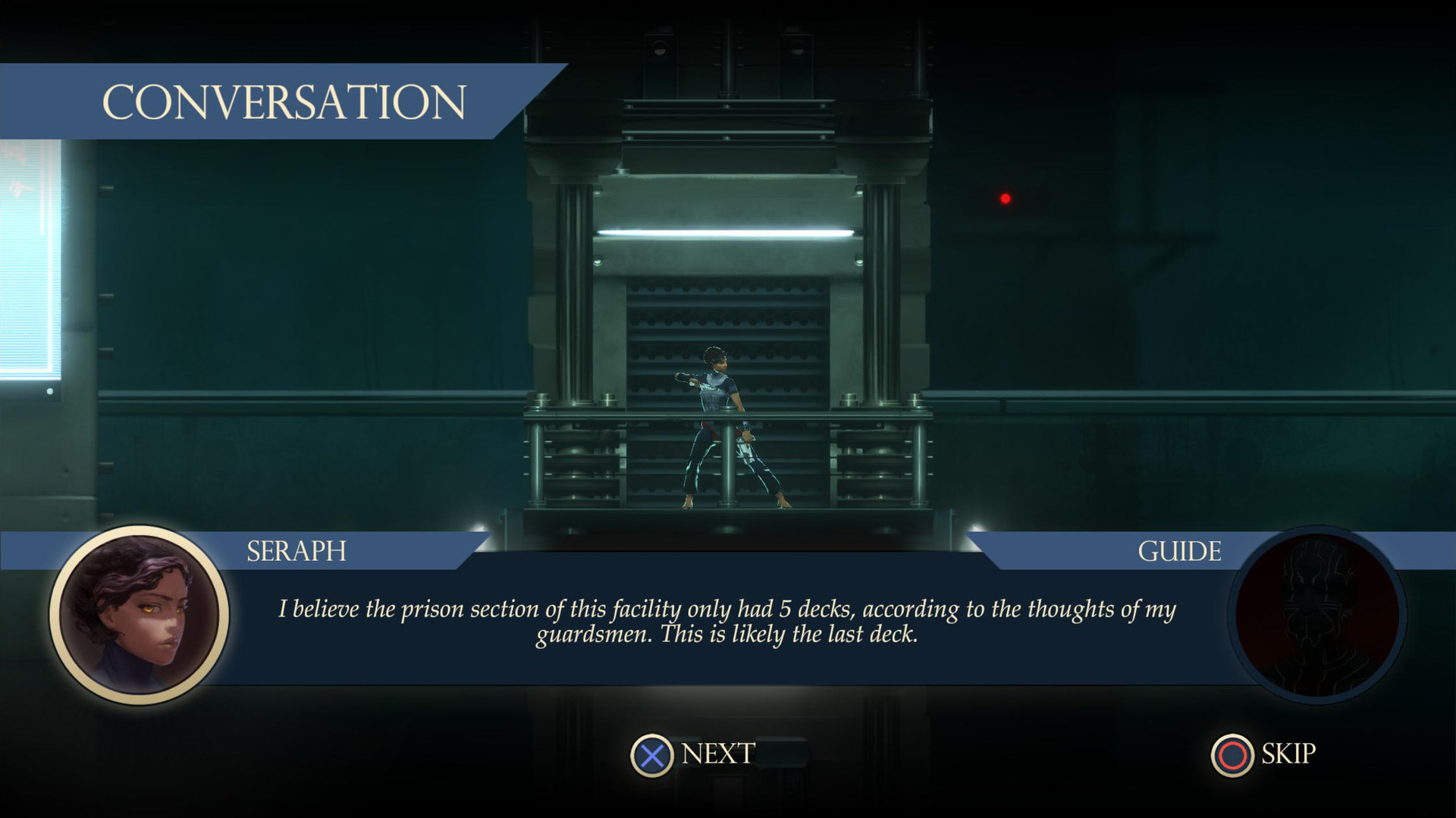
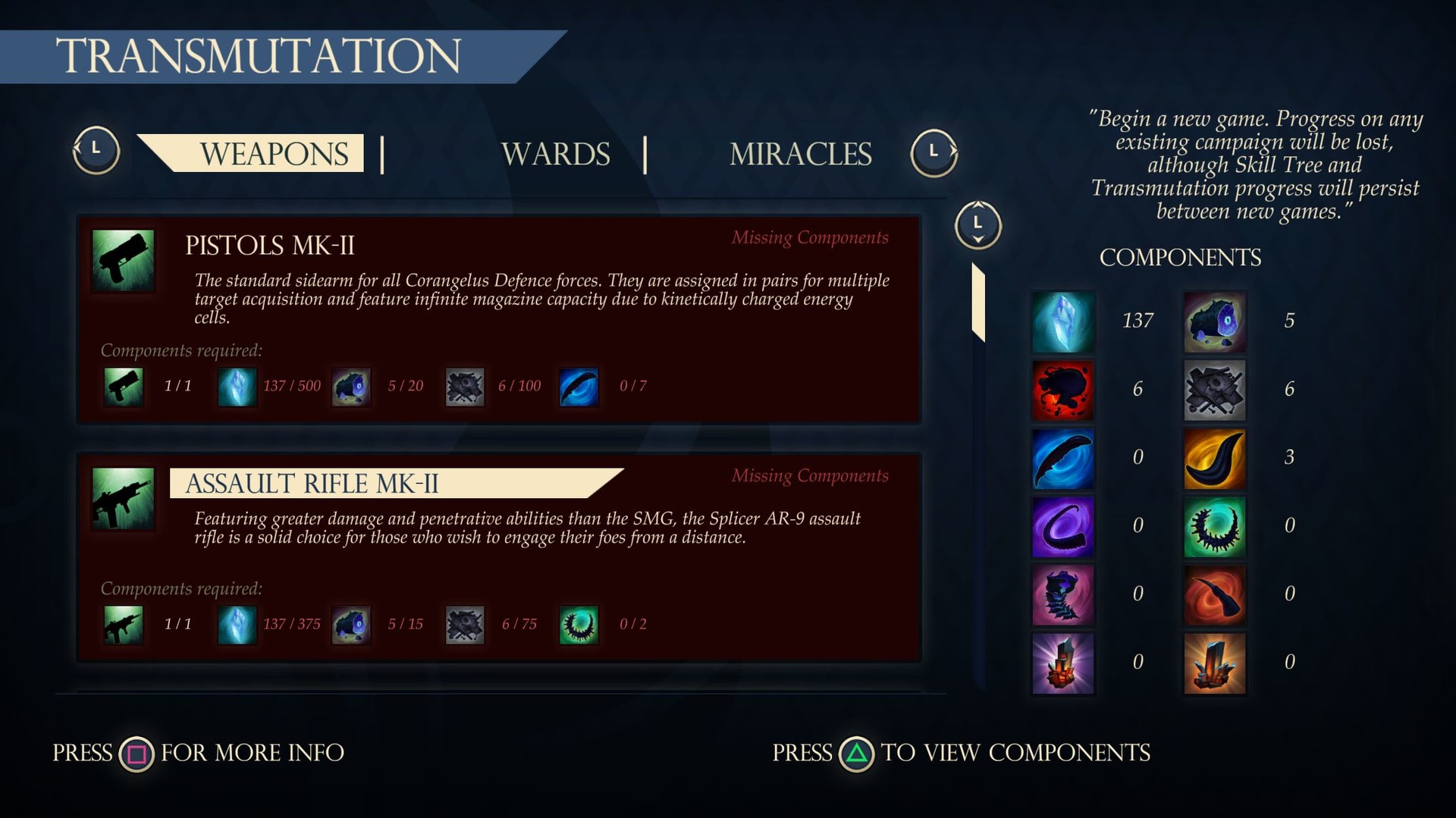
Seraph is a rather fun platform shooter with a heavy focus on mobility and acrobatics. The game itself is simple enough: Explore each level and either kill a boss or destroy a few demon portals, at which point the exit unlocks, rinse and repeat. Between all that is the combat. The shooting is all down to autoaim leaving the player to focus on avoiding enemies and their projectiles by using the Seraph's acrobatic manoeuvres which allow her to double-jump, cling to/bounce off walls and even teleport short distances. It's easy to learn but difficult to master (if you'll excuse the cliché) and with some practice you can be backflipping and cartwheeling between enemies, blasting away without taking a scratch. It's simple yet effective and highly satisfying. Firepower is provided by the default dual pistols which have unlimited ammo, but you can also carry a second more powerful weapon with limited ammo which can be replenished from ammo chests scattered around the levels or swapped out if you find a different one in a weapon locker. Added to that you can gather experience to level up, increasing your hit points and learning passive skills. You can also gather crafting materials to unlock and improve weapons, protective charms and Miracles, which are active skills that can deal huge damage above and beyond you weapons but are limited by cooldown timers. Finally there's crystal shards that you can gather which can be used to buff further passive skills such as bonus firearm damage, reduced incoming damage or Miracle buffs to name a few. Aside from a Story mode to finish, there's also daily and weekly challenges which reward the highest scores with bonus crystal shards and crafting materials, so there's plenty to do. My only complaints are relatively minor ♥♥♥♥♥♥♥. There's no automap which isn't a big hassle as the levels aren't that large, but it would be a handy feature. There's no way to tell what secondry weapon you're carrying or how much ammo you have for it without switching to it, which can be a costly error if you're in the middle of a big firefight and it turns out your SMG is empty. There's very little variety in the levels, aside from a texture change every 4-5 levels. For the most part you'll just be hunting down the boss or the demon portals, then moving onto the next, and you'll be doing this over and over. Finally the story, such that there is, is delivered though short text-based conversations at the beginning and end of each level. While the writing is good, it does break the flow of the game, grinding the action to an awkward halt while the Seraph chats with various NPCs via a radio or telepathically. I can't help but think it would have been better as a voice over, that way players could carry on blasting and backflipping. These sections can be skipped (along with the voice logs that can be located on each level) but it feels like a missed opportunity. Overall a rather addictive little platformer with engaging mechanics. Well worth a pop at £9.99 (or your region's equivalent) though the DLC seems a little pricey. £1.99 for an alternate costume for the Seraph is a little too much like Horse Armour to me, but it's purely asthetic and you don't have to buy it if you don't want to.
Similar games
View all
Foregone
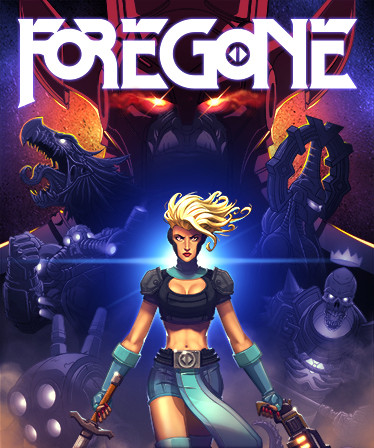
Foregone is a fast and fluid 2D action-platformer packed with legendary loot and stunning pixel art. Collect an arsenal of powerful weapons and unravel a compelling story of regret and conspiracy as you slice your way through hordes of enemies to save Calagan.
A.R.E.S.: Extinction Agenda
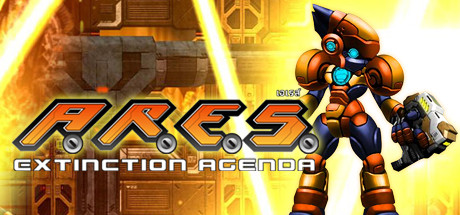
You are the ultimate weapon with an ultimate sidekick – Collect secret items and get power ups to become the perfect weapon.

Freedom Planet
Fight your way across the celestial world of Avalice where cats are green, motorcycles drive up walls and monster girls do most of the buttkicking! Freedom Planet is a cartoony, combat-based platform adventure that pits a spunky dragonoid and her friends against an alien attack force.


Rosenkreuzstilette
Rosenkreuzstilette is a mega-action-platformer game in which you step into the shoes of Spiritia Rosenberg, a virtuous young woman caught on the wrong side of a revolution instigated by her closest friends.
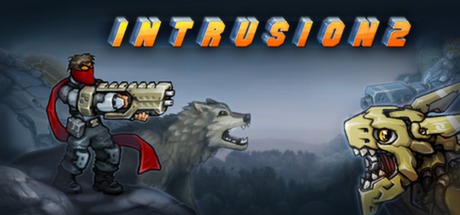
Intrusion 2
"This is some of the most fun I've had with a game so far this year, and it will go down as one of the best side-scrolling shooters of all time." - 9/10, Destructoid
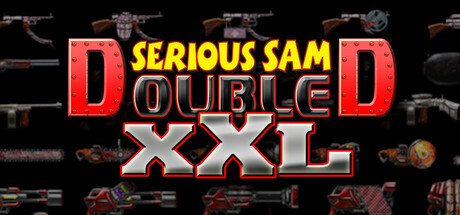
Serious Sam Double D XXL
Pile on the firepower with the revolutionary Gunstacker and fire all your weapons at once in a symphony of destruction!
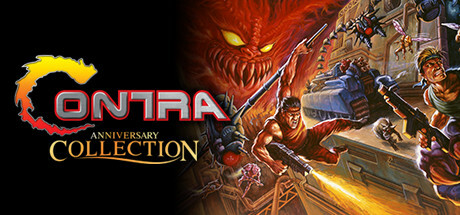
Contra Anniversary Collection
The Contra Anniversary Collection brings this classic Run and Gun franchise back to modern platforms and a new generation of gamers.
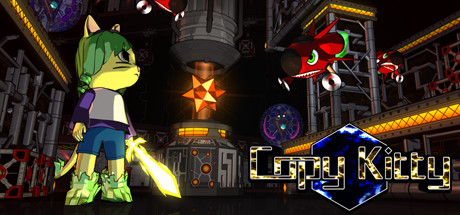
Copy Kitty
Boki can copy the special abilities of any foe and then combine up to 3 of them into a unique super-weapon! Blast through hordes of evil robots in cyberspace, while training to become a superhero!

The Vagrant
Guide Vivian the Vagrant, through vibrant and dynamic landscapes while hacking and slashing a path from a quiet coastal village through mysterious forests, haunted castles, and wrecked battlegrounds. When the endless barrage of enemies have been vanquished, what solace will be left for our hero?
GIGA WRECKER
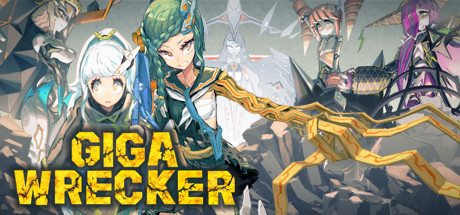
Become more than human and save mankind from total annihilation! From legendary developer Game Freak comes an action adventure like no other - manipulate the world around you and smash the evil Ajeet to smithereens!
Frequently Asked Questions
Seraph is currently priced at 3.99€ on Steam.
No, Seraph is currently not on sale. You can purchase it for 3.99€ on Steam.
Yes, Seraph received 434 positive votes out of a total of 551 achieving a rating of 7.45.
😊
Seraph was developed and published by Dreadbit.
Yes, Seraph is playable and fully supported on Windows.
No, Seraph is not playable on MacOS.
No, Seraph is not playable on Linux.
Yes, Seraph is playable on Steam Deck, though it might require a few minor tweaks. Make sure to check the Steam store page and community feedback on ProtonDB for exact compatibility details.
Yes, Seraph is playable on Steam Machine, though it might require a few minor tweaks. Make sure to check the Steam store page and community feedback on ProtonDB for exact compatibility details.
No, Seraph does not support VR.
Seraph is a single-player game.
Yes, there are 4 DLCs available for Seraph. Explore additional content available for Seraph on Steam.
No, Seraph does not support mods via Steam Workshop.
Yes, Seraph supports Remote Play on TV. Discover more about Steam Remote Play.
Yes, Seraph is enabled for Steam Family Sharing. This means you can share the game with authorized users from your Steam Library, allowing them to play it on their own accounts. For more details on how the feature works, you can read the original Steam Family Sharing announcement or visit the Steam Family Sharing user guide and FAQ page.
You can find solutions or submit a support ticket by visiting the Steam Support page for Seraph.
Data sources
The information presented on this page is sourced from reliable APIs to ensure accuracy and relevance. We utilize the Steam API to gather data on game details, including titles, descriptions, prices, and user reviews. This allows us to provide you with the most up-to-date information directly from the Steam platform.
Additionally, we incorporate data from the SteamSpy API, which offers insights into game sales and player statistics. This helps us present a comprehensive view of each game's popularity and performance within the gaming community.
Last Updates| Steam data | 23 September 2026 01:08 UTC |
|---|---|
| SteamSpy data | 15 October 2026 09:36 UTC |
| Steam price | 27 October 2026 04:05 UTC |
| Steam reviews | 22 October 2026 06:11 UTC |
If you'd like to dive deeper into the details about Seraph, we invite you to check out a few dedicated websites that offer extensive information and insights. These platforms provide valuable data, analysis, and user-generated reports to enhance your understanding of the game and its performance.
- SteamDB - A comprehensive database of everything on Steam about Seraph
- SteamCharts - Analysis of Seraph concurrent players on Steam
- ProtonDB - Crowdsourced reports on Linux and Steam Deck Seraph compatibility

Game modes
Features
Online players
1
Developer
Dreadbit
Publisher
Dreadbit
Release
20 Sep 2016
Platforms
Remote Play
Clicking and buying through these links helps us earn a commission to maintain our services.