
Solargene
Take Command of a Space Corporation in the Sci-Fi Simulator Solargene! Manage personnel, design and develop colonies and orbital stations across the solar system! Mine resources, establish logistics, research cutting-edge technologies, trade, and complete missions
Sync your Steam wishlist to track the lowest game prices instantly. No login required, just paste your Steam profile URL!
⚡ Try Wishlist Radar!
Sync your Steam wishlist to track the lowest game prices instantly. No login required!
⚡ Try Wishlist Radar!
Close

Songs of Syx on Steam - User reviews, Price & Information
Quick menu
Songs of Syx is a fantasy city-builder with vast battles simulating thousands of citizens and soldiers. Start off as a small village and build, scheme, and fight your way towards a mighty empire. The mechanics are deep and true to life, where tiny events can spiral into the collapse of kingdoms.
Songs of Syx is a early access, city builder and colony sim game
developed and published by Gamatron AB.
Released on September 21st 2020 is available on Windows, MacOS and Linux
in 2 languages: English and Simplified Chinese.
It has received 5,822 reviews of which 5,598 were positive and 224 were negative resulting in an impressive rating of 9.3 out of 10. 😍
The game is currently priced at 24.50€ on Steam.
The Steam community has classified Songs of Syx into these genres:
Media & Screenshots
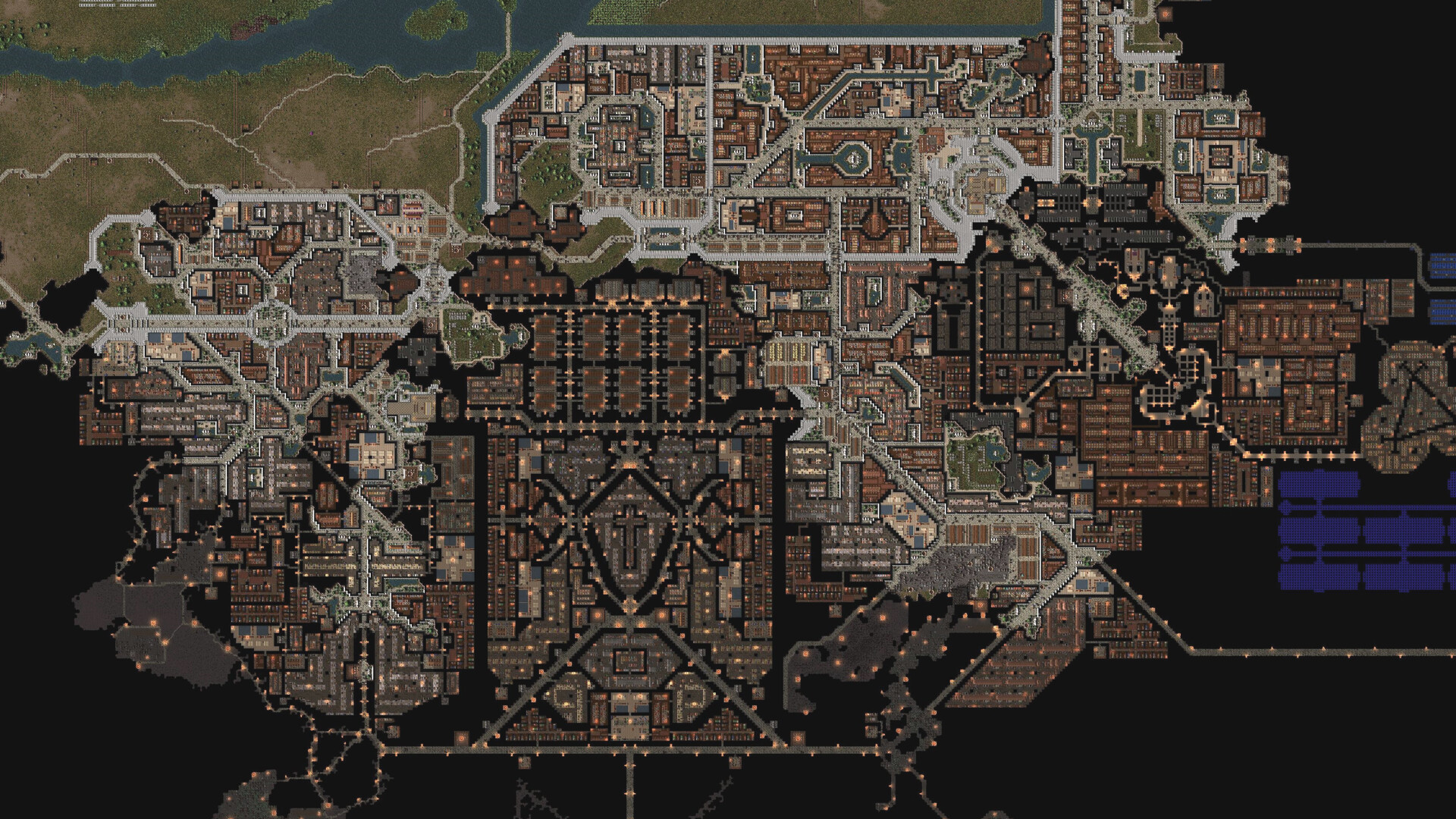
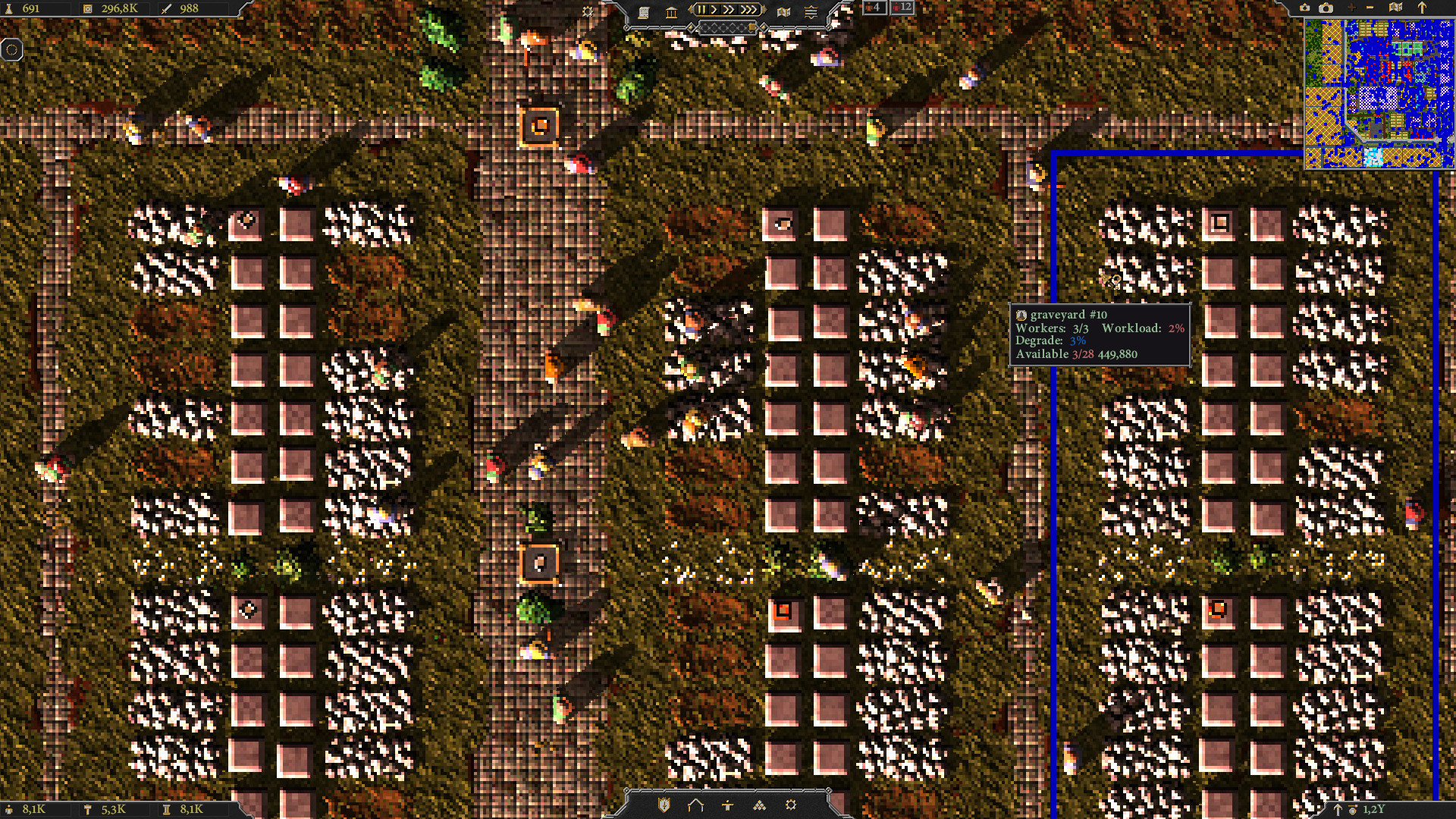
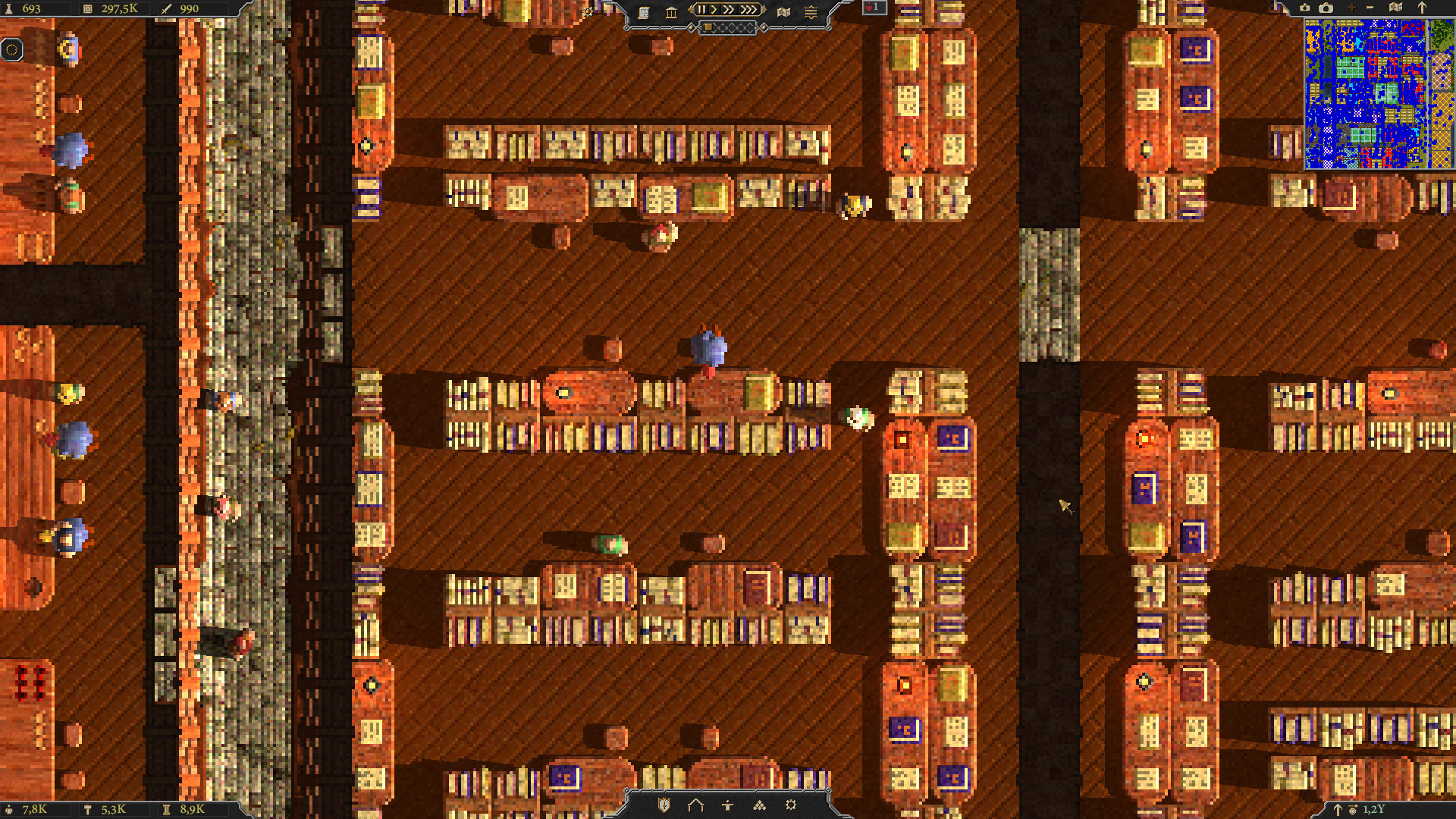
Get an in-depth look at Songs of Syx through various videos and screenshots.


Load More


System requirements
These are the minimum specifications needed to play the game. For the best experience, we recommend that you verify them.
Windows
- OS *: Windows 10 (8u51 and above) Windows 8.x (Desktop) Windows 7 SP1 Windows Vista SP2
- Processor: Pentium 2 266 MHz processor
- Memory: 512 MB RAM
- Graphics: 256MB with opengl 3.3 support
- Storage: 300 MB available space
- Sound Card: Requires openAL support
MacOS
- OS: Intel-based Mac running Mac OS X 10.8.3+, 10.9+
- Processor: Intel 266 MHz processor
- Memory: 256 MB RAM
- Graphics: 256MB with opengl 3.3 support
- Storage: 300 MB available space
- Sound Card: Requires openAL support
- Additional Notes: You must disable the steam overlay in order to play!
Linux
- OS: Java 8 compliant
- Processor: Pentium 2 266 MHz processor
- Memory: 256 MB RAM
- Graphics: 256MB with opengl 3.3 support
- Storage: 300 MB available space
- Sound Card: Requires openAL support
Steam Price & Best Deals
User reviews & Ratings
Explore reviews from Steam users sharing their experiences and what they love about the game.
This game is THE BEST city builder I have ever played and its cause of LAYERS. This is what I mean: You start out with a small group of settlers, all with individual names, personality traits, family trees, etc., like Rimworld. You could feasibly just play the game like this, keeping a tiny insular village with all custom buildings that produces cloth or something, like Rimworld. But maybe you're bored of that. You let more citizens into your town, build more houses, build more factories, services, decorate it so that they like being there and won't off each other. Suddenly, the game becomes Banished, with a medium sized community that individuals start to disappear into. You start making building blueprints and copy and pasting different city sections because building everything custom every time is hard and takes forever. Then you start having problems with traffic flow. Suddenly the game is now City Skylines, and individuals have vanished into a living breathing collective. Now you look at charts to see how many hundreds of more people you need to fill your labor force, or observe resource collection to optimally place your warehouses and factories, or reconstruct road networks to allow your citizens to get to work on time. And then you start having problems with raiders and other local cities extorting too much money from you. Then the city itself shrinks away, turning into an engine for your military conquests as you build a massive army to take back your stuff, and maybe a bit of theirs. And now Songs of Syx becomes a Total War game, but with actually good diplomacy and trade. The insane thing about this is that all of these layers are running AT THE SAME TIME. At any moment you can zoom into the city and watch a farming family go about their daily routine, taking their kid to a daycare that you BUILT and DESIGNED, dumping grain in a warehouse you DESIGNED and PLACED, eating at a restaurant or drinking at a tavern, built and designed by you. And then the kid grows up and raises his own in the same house, and you see a family grow over generations in a city you constructed house by house. Then you can zoom out to the world map with millions of such individuals living in the wake of your political and military machinations. Its positively beautiful.
I've played the "Demo" for 75 hours, which got me to the late game of starting to conquer neighbours and stuff. That "Demo" I played was only one version behind the current game version which is crazy, props to the dev for that. Songs of Syx fills a niche in colony builders that I haven't seen any other game do before, smaller than a pure city builder that doesn't care about individual citizens at all, but way bigger than banished, manor lords, or farthest frontier. And I really like the option of expanding on the world stage. The game exposes a LOT of stats, which is a little overwhelming at the beginning, but I do really like being able to tell exactly what's going on under the hood. Also the game runs super smooth even at the ~5k citizens I was at, though it doesn't quite manage to reach the 250x speed anymore :p My review is positive of course because it's a really fun game. But I wouldn't recommend the game to myself, because it's the type of game that I can't put down to go to bed. Also sidenote: Titles you unlock in the demo DO carry over to the full game, as of version 0.69 to 0.70.
It's like if Rimworld, Dwarf Fortress, Caesar III & Zeus, and a bit of Total War had the most magnificent lovechild. If you want to try: THE DEMO IS THE ENTIRE GAME, albeit several updates old. The developer did this by design so players can truly demo the game before deciding to buy. So before even beginning, that's the kind of dev we have here. This colony & city-state sim is peak "streamlined complexity": a large skill ceiling for those who like to experiment or min/max, but still extremely accessible to people like me who are usually turned off by complexity when it's not rewarding or feels like a slog to push through. For every colony that fails I learn something new and am excited to start again. The scale is a lot larger than other colony sims, with colonies reaching upwards of 10K individual colonists running around your city. There are 8 races in the game. Each truly feels unique, has different needs and requires big deviations in playstyle. For example the Dondorians (dwarves) can't procreate but they live for hundreds of years, like cold climates, crafting, living inside mountains surrounded by awe-inspiring architecture, and they're crap at farming, education and research. Garthimi (humanoid ant xenomorph insect people) love humidity and warm climates, are great at cutting resources with their claws but terrible at holding tools and crafting, and they procreate very quickly. The Tilapi (all female cannibal woodelf supremacists) don't tolerate the other races, are prone to outbursts of violence if you don't sate their bloodlust in other ways, they suck ass at heavy physical labor like mining, and they're fantastic farmers, herders, woodcutters, and are the best archers in the game. Humans are pretty mid all-arounders, have a proclivity for violence and going insane (get ready for packed asylums), and are very solid farmers, herders and researchers. Most races dislike certain races (e.g. Tilapi hate Dondorians and really hate Garthimi). Races may like and dislike opposing things, forcing you to navigate that if you decide to have a colony of multiple races to capitalize on their various strengths (e.g. Dondorians + Humans are a great combo). Or you can go down the dark side and experiment with a workforce of slaves from the nation-states you've captured.... You pick your colony's location on a world map. The world map is procedurally generated and can be regenerated or edited before you start. Before placing your colony, you can use the map editor to change the climate, land fertility, add oceans/rivers/forests/mountains and more. Once you place your colony, the map you actually build your city on can also be regenerated infinite times if you don't like how the terrain generated the first time. The city building system will feel very familiar and akin to something like Rimworld. However in Songs of Syx the scale is such that there is really no focus on individual citizens. For instance the smallest possible home type in the game houses 3 people. But you can still follow every individual citizen around the city and each one has a short, sometimes funny procedurally generated description of who they are as a person. You can also promote citizens into nobles who give bonuses to different industries around your city. Logistics and the management of resource flow around, into and out of your city will be a big focus of your time. In addition to normal warehouses, you can build haulers to move smaller quantities of resources around the city, loading/unloading stations to move large quantities long distances, and import/export depots for specific resources. Using all of these in conjunction can feel like a very delicate dance to get right efficiently, otherwise a huge portion of your workforce ends up being needed to move items to crafting stations, market stalls, other warehouses, etc. As of writing (v.70) battles are like a pared-down Total War, with simple but effective formation and movement orders. Watching thousands of your armored, warhammer-wielding colonists run toward thousands of enemy soldiers is really thrilling. Battlefields get incredibly gory. There are tons of difficulty options allowing you to play exactly like you want, and a dev mode in your launch options if you want to just mess around (would be pretty neat if the in-game use of this was more user-friendly with things like better descriptions of the functions and stuff) It has a small but growing catalog of fun mods on the Workshop. Even some new races! The UI is the weakest element of the game. Menus, HUD and other interface elements often don't feel or look intuitive from a UX perspective. There are tons of menus and submenus (and sub sub menus), buttons & icons are sometimes hard to interpret, and it can be hard to remember where to find certain information. After 100 hours I still can never remember which button is which at the top of the screen because the icons are hard for my small stupid baby brain to differentiate. Because this game is so reliant on understanding logistics and movement of inputs/outputs around your city and the data in various menus, readability and ease of access is really important. Diplomacy, interacting with other kingdoms and using the realm map really all need proper tutorials. It's such an important part starting mid game and a lot in late game, but at this point in development you're pretty much on your own to figure out how everything works. Maybe that's intentional as there is an encyclopedia you can always refer to to understand what certain functions mean, but there already is a [unfinished??] tutorial... hopefully they plan on adding to it leading up to full release. Tooltips and descriptions need to also be greatly expanded, both added where absent and more fleshed out in many cases. Some feel like placeholders, others aren't descriptive enough. This is such a crucial element of complex city builders. I'm still resorting to the wiki, guides and the Discord to understand things. Hope to see a major overhaul before 1.0. Research could be a lot more intuitive for new players (and a bit more forgiving if you ask me). You don't just spend research points - you have to maintain what you spend by making Laboratories and filling them with scientists. The more tech points you spend, the more labs/libraries/scientists you need. I think having to work to maintain researched tech is a really fun idea, it just took awhile to understand; I was LOSING tech points at one point (literally started going negative) - apparently after accumulating a bunch of tech points and spending most of them at once, I didn't have enough invested in Labs to maintain what I'd bought, and I started losing tech points instead of generating them. Luckily you can divest any points you've invested to counter this and stop losing tech points. But this system really needs to feel more intuitive and be explained more thoroughly. Stupid pet peeve: placing anything on a path instantly deletes the path beneath the object, even if the path hasn't been constructed yet and is waiting to be built. Pretty annoying if you're placing things like decorations (torches, trees, flowers, benches, statutes) quickly & often and might need to reposition things frequently. Despite the cons above I highly recommend you give the game a shot. Get the demo. Try to get your first colony to 1000 population. Fix your labor issues and solve racial inequality at the same time by enslaving all races equally. Glory to the Fallen One.
This game is what happens if RimWorld, Civilization and Age of Empires had a child and then gave it a caffeine addiction. You start with ‘just one more building’ and suddenly it’s 3AM, your empire spans thousands of idiots, and you’re emotionally invested in grain production. Dangerously addictive. Highly (!) recommend.
Similar games
View all

TFM: The First Men
An open-world colony sim based on stories of the first men. Infinite possibilities await your very own Adam and Eve as they embark on a generation-spanning adventure. How will you shape their future?


Empires of the Undergrowth
Command swarms of warriors at an unprecedented scale of warfare in this blend of RTS and base-building. Lead ant colonies against the many fearsome threats of the insect world, while building intricate nests, developing pheromone-based tactics, and evolving to meet growing dangers.

Going Medieval
Build and manage your own castle settlement in a land reclaimed by wilderness. With detailed management, survival strategy, and a moddable sandbox world, Going Medieval challenges you to build the mightiest colony this side of the apocalypse.
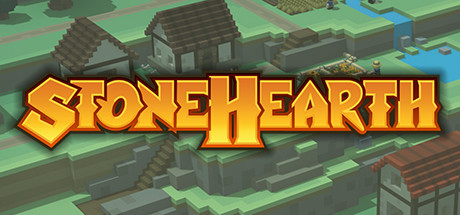
Stonehearth
Pioneer a living world full of warmth, heroism, and mystery. Help a small group of settlers build a home for themselves in a forgotten land. Establish a food supply, build shelter, defend your people, monitor their moods, and find a way to grow and expand, facing challenges at every step.

The Crust
Build and automate a lunar colony that Earth depends on. Mine regolith, run conveyor-and-drone factories above and below the surface, manage colonists, trade with rival Earth factions — and play a story campaign with multiple endings.

Kingdoms and Castles
Kingdoms and Castles is a city-building simulation game about growing a kingdom from a tiny hamlet to a sprawling city and imposing castle. Make trade agreements, alliance, and war with neighboring AI controlled kingdoms. Each villager and resource is individually simulated.
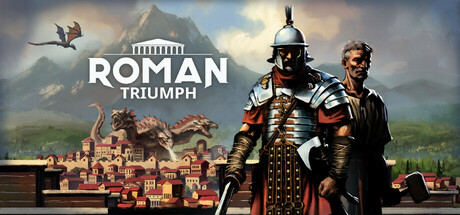
Roman Triumph: Survival City Builder
At the farthest reaches of the empire, a new Roman city is born! Manage and grow your city, please the gods, and survive against barbarians and mythological threats to achieve Roman Triumph!
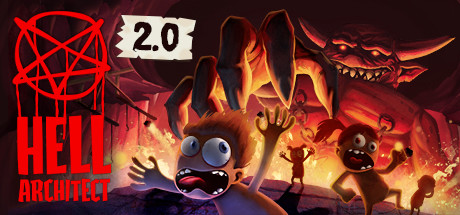
Hell Architect
Hell Architect is a game about building and managing your own hell. You take on a role of a hell manager and are tasked with developing the underworld in a way that would make Lucifer himself fall off his chair.
Frequently Asked Questions
Songs of Syx is currently priced at 24.50€ on Steam.
No, Songs of Syx is currently not on sale. You can purchase it for 24.50€ on Steam.
Yes, Songs of Syx received 5,598 positive votes out of a total of 5,822 achieving an impressive rating of 9.28.
😍
Songs of Syx was developed and published by Gamatron AB.
Yes, Songs of Syx is playable and fully supported on Windows.
Yes, Songs of Syx is playable and fully supported on MacOS.
Yes, Songs of Syx is playable and fully supported on Linux.
This information about Songs of Syx is not available yet.
This information about Songs of Syx is not available yet.
No, Songs of Syx does not support VR.
Songs of Syx is a single-player game.
No, Songs of Syx does not currently offer any DLC.
Yes, Songs of Syx is fully integrated with Steam Workshop. Visit Steam Workshop.
No, Songs of Syx does not support Steam Remote Play.
Yes, Songs of Syx is enabled for Steam Family Sharing. This means you can share the game with authorized users from your Steam Library, allowing them to play it on their own accounts. For more details on how the feature works, you can read the original Steam Family Sharing announcement or visit the Steam Family Sharing user guide and FAQ page.
You can find solutions or submit a support ticket by visiting the Steam Support page for Songs of Syx.
Data sources
The information presented on this page is sourced from reliable APIs to ensure accuracy and relevance. We utilize the Steam API to gather data on game details, including titles, descriptions, prices, and user reviews. This allows us to provide you with the most up-to-date information directly from the Steam platform.
Additionally, we incorporate data from the SteamSpy API, which offers insights into game sales and player statistics. This helps us present a comprehensive view of each game's popularity and performance within the gaming community.
Last Updates| Steam data | 27 August 2026 20:16 UTC |
|---|---|
| SteamSpy data | 07 September 2026 02:14 UTC |
| Steam price | 13 September 2026 02:47 UTC |
| Steam reviews | 12 September 2026 10:02 UTC |
If you'd like to dive deeper into the details about Songs of Syx, we invite you to check out a few dedicated websites that offer extensive information and insights. These platforms provide valuable data, analysis, and user-generated reports to enhance your understanding of the game and its performance.
- SteamDB - A comprehensive database of everything on Steam about Songs of Syx
- SteamCharts - Analysis of Songs of Syx concurrent players on Steam
- ProtonDB - Crowdsourced reports on Linux and Steam Deck Songs of Syx compatibility

Game modes
Features
Online players
712
Developer
Gamatron AB
Publisher
Gamatron AB
Release
21 Sep 2020
Platforms