
STAR WARS - X-Wing Special Edition
Against the overwhelming might of the Empire stands a small but growing Rebel Alliance. Scattered resistance groups are uniting and what is needed most now are Starfighter pilots. Will you join their struggle to end this tyranny and become a hero of the Rebellion?
Sync your Steam wishlist to find the lowest game prices instantly. No login required, just paste your Steam profile URL!
⚡ Try Wishlist Radar!
Sync your Steam wishlist to find the lowest game prices instantly. No login required!
⚡ Try Wishlist Radar!
Close

STAR WARS™ - X-Wing Alliance™ on Steam
Quick menu
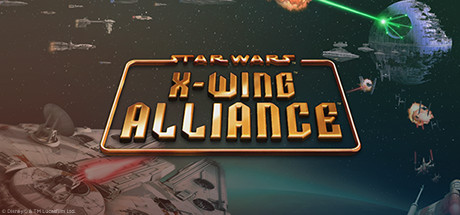
A neutral family fights for its business - and its survival - and is swept up in the struggle against the encroaching Empire. You must defy the strong-arm tactics of a rival family who will stop at nothing to destroy your trading company.
STAR WARS™ - X-Wing Alliance™ is a action, space sim and space game
developed by Totally Games
and published by LucasArts, Lucasfilm and Disney.
Released on April 28th 2015 is available only on Windows.
It has received 472 reviews of which 390 were positive and 82 were negative resulting in a rating of 7.8 out of 10. 😊
The game is currently priced at 9.75€ on Steam.
The Steam community has classified STAR WARS™ - X-Wing Alliance™ into these genres:
Media & Screenshots
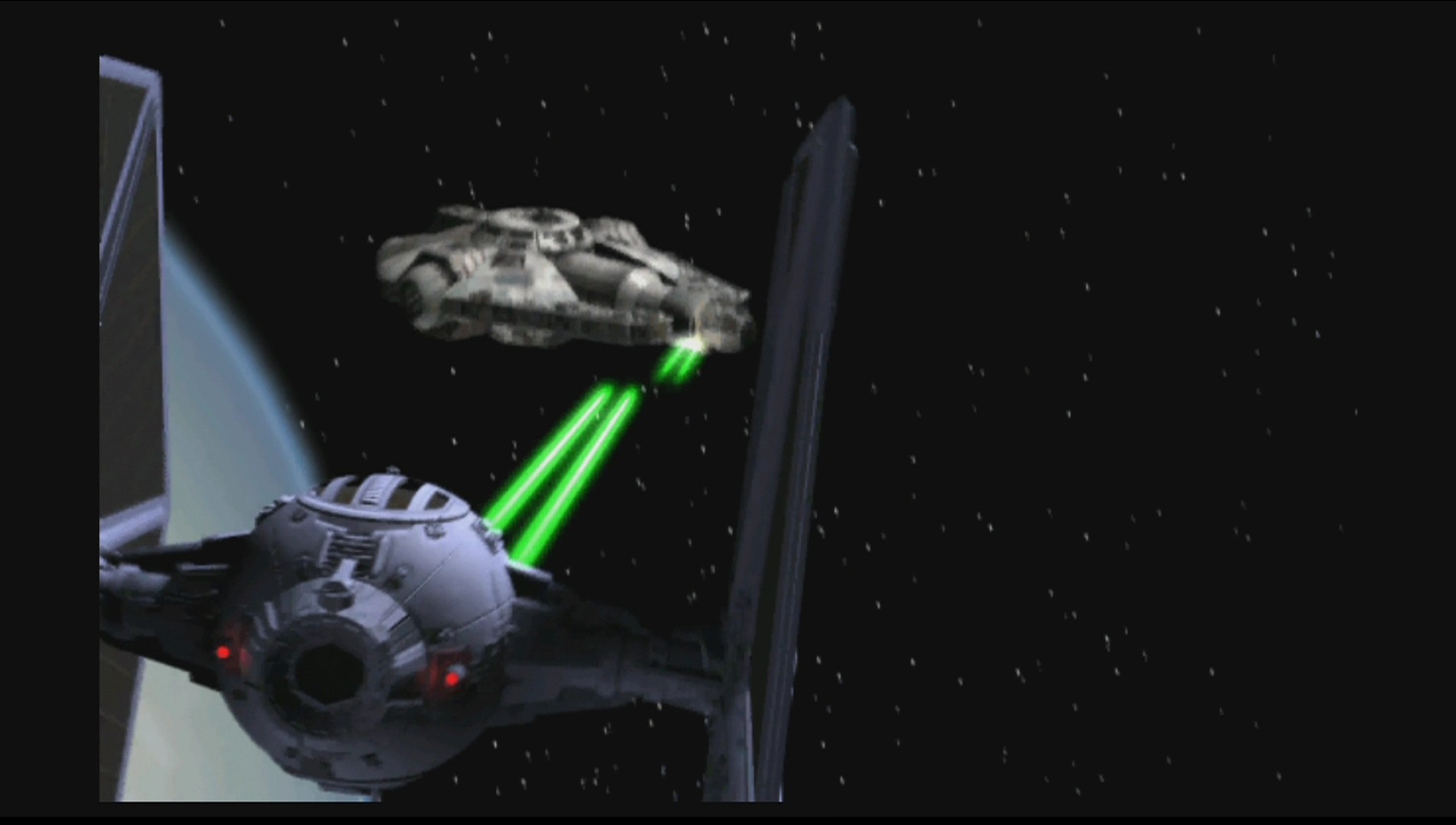
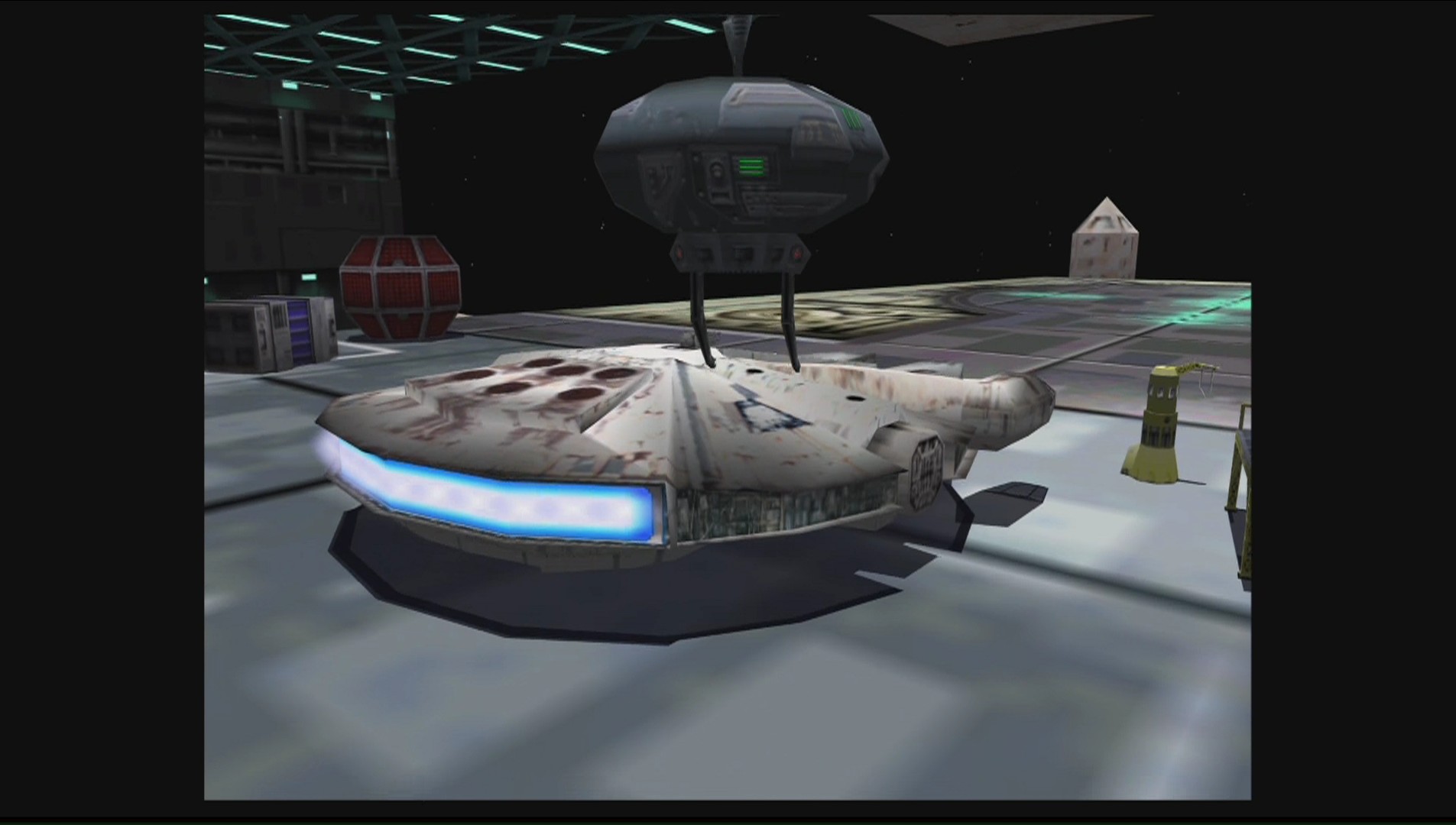
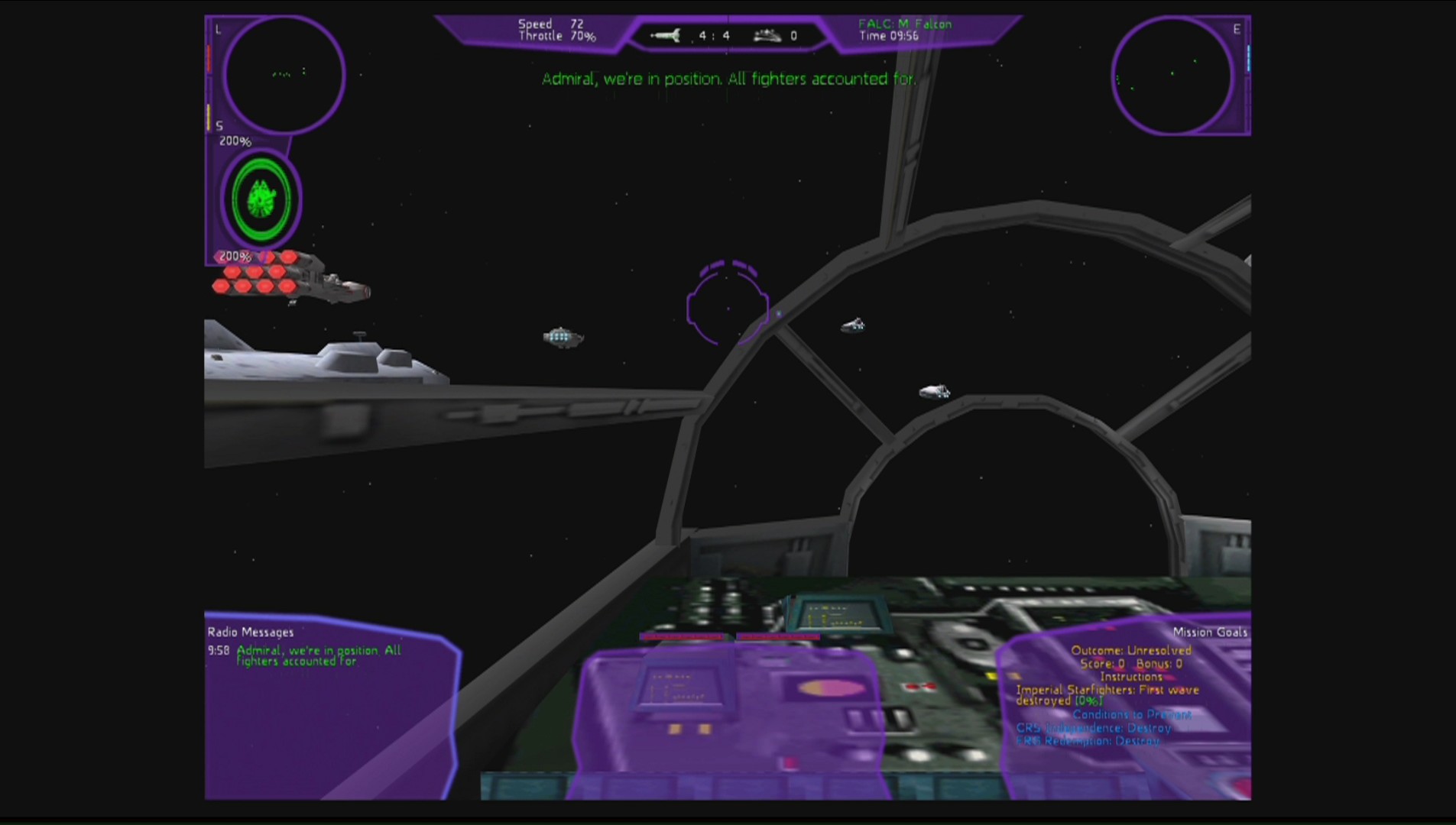
Get an in-depth look at STAR WARS™ - X-Wing Alliance™ through various videos and screenshots.

System requirements
These are the minimum specifications needed to play the game. For the best experience, we recommend that you verify them.
Windows
- OS *: Windows XP/Vista/7/8
- Processor: 1.8 GHz
- Memory: 1 GB RAM
- Graphics: 3D graphics card compatible with DirectX 7 (DirectX 9 recommended)
- DirectX: Version 7.0
- Storage: 927 MB available space
- Additional Notes: STAR WARS: X-Wing vs. TIE Fighter requires a controller or joystick.
Steam Price & Best Deals
User reviews & Ratings
Explore reviews from Steam users sharing their experiences and what they love about the game.
It‘s the best looking and best sounding game of the X-Wing and Tie-Fighter franchise, but it‘s also obvious why it was the last. To get it out of the way right at the start: Just like all it’s predecessors, the Steam version of XWA is perfectly running out of the box on modern systems, with effortless native modern controller support and no technical problems at all apart from the music stuttering at times. So there is nearly zero concern there. The game itself still holds the standards of the previous titles, but as mentioned in the headline, it’s no wonder why it was the last proper X-Wing simulation game: Unlike in it‘s immediate predecessor X-Wing versus Tie-Fighter, in XWA you are exclusively flying for the Rebel Alliance here, which means a considerably reduced selection of awesome spacecraft you can fly. During the campaign your spacecraft is preselected for you in literally every mission and missions where you fly a Y- or B-Wing or a Z-95 are actually not much more than a handful. So if you particularly like those three types (even though i couldn‘t imagine why), don‘t expect seeing much of them here. In between the campaign missions where you fly against the empire for the rebellion, you progress the second part of the story where you fly missions for your family of space traders to avenge your father‘s and brother‘s death. Those are always handled with one of your two personal Corellian Transporters, one of them being the very same model like Han Solo‘s famous Millenium Falcon, but unfortunately the missions with the „classic“ model are very few and far between, too and most of the time you sit in a heavily modified newer model that barely resembles the original. Anyways, flying a Corellian transporter like the Falcon (not THE Falcon to clarify again) is not as fun and exciting as it may sound. In fact it’s quite the contrary, because those missions are rather boring at best and downright frustrating and tedious at worst. The big exception is the actual Death Star battle from Return of the Jedi: At the very end of the campaign, you get to step into Lando Calrissian’s boots and finally fly the actual Millenium Falcon in a pretty impressive rendition of that final battle. But other than that, I‘d prefer an X- or A-Wing over the Millenium Falcon any day. Speaking of frustrating and tedious missions: Unlike it‘s predecessors XWA has quite a few of them. Not that the game wouldn’t still be fun overall, but the difficulty and design of some of the missions are noticably incoherent: Some of the earliest missions are so frustrating that they almost made me stop playing the game (Mission 8!!!), while most of the missions later in the game are complete pushovers that are won within the blink of an eye. Despite those few horribly imbalanced and at times frustratingly hard missions, XWA is still a great game, at least if you haven‘t played the previous games and are new to Star Wars flight sims. X-Wing- and Tie-Fighter veterans on the other hand may get bored rather quickly, because after all it’s pretty much the same game like the very first X-Wing game from half a decade earlier, only with a slight grafical makeover and a comparatively fleshed out story. The vast majority of the gameplay and mechanics is literally completely unchanged, so it definitely feels a bit stale at this point and it’s easy to see why XWA was the last of it‘s kind. Nevertheless, you still get one of the best Star Wars games ever made with this, so go for it, if you want to put your controller (or old joystick) to good use. ______________________________________________ STAR WARS X-WING ALLIANCE Genre: Simulation Release: Q1 1999 ( ) 0/8 Simply one of the worst games ever made. Don't waste any money on this. ( ) 1/8 Bad. Seriously flawed with barely any redeeming qualities. Worth a couple of Cents at best, if at all. ( ) 2/8 Sub-par. Only for hardcore-fans of respective genre / series. Don't pay more than 5 bucks. ( ) 3/8 Meh-diocre. It‘s okay. Don't pay more than 10 bucks. ( ) 4/8 Decent, but not for everybody. Don't pay more than 15 bucks. ( ) 5/8 Good game, Must-play for genre- / series-fans. Worth 20 to 25 bucks max, if you are not a fan. (X) 6/8 Great game, universal recommendation. 30 bucks would be a steal for this. ( ) 7/8 Outstanding game, a milestone of it‘s respective genre. Definitely worth its full prize. ( ) 8/8 Simply one of the best games ever made. Get this, the prize doesn't matter.
This is a game I played back when it was brand new, and in my opinion it still holds up today. The controls are intuitive and explained well in the tutorial missions, and the ships in the game control very well and are genuinely fun to fly. The skirmish mode that you get once your family joins the Alliance is also a really fun feature that enables you to try out whatever custom squadrons you like against whatever enemy you'd like to engage. Plus if the graphics bother you, the X-wing Alliance Upgrade mod really kicks them into high gear. Highly recommended for space sim enthusiasts!
Similar games
View all
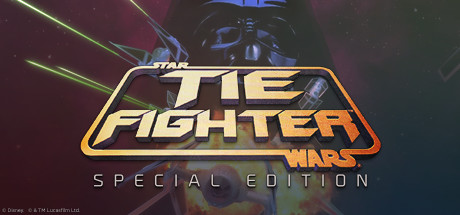
STAR WARS : TIE Fighter Special Edition
The Imperial Navy is called upon to eradicate the last of the rebellion and restore law and order. As an Imperial navy starfighter pilot, you will safeguard imperiled lives thoughout the galaxy. Join the Emperor's cause in eliminating the Rebel uprising as the Empire strikes back!

Deep Space Battle Simulator
Two teams of players control their capital ship in an epic battle. Customize your ship, control its movement, weapons, and energy distribution or go to one of the hangars to join the battle in a smaller fighter!
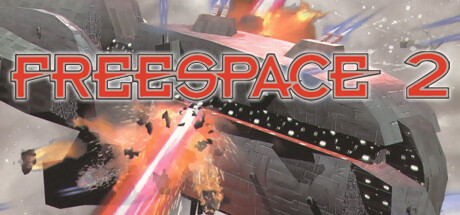
Freespace 2
FreeSpace 2, the follow up to the classic Descent: FreeSpace – The Great War is ready to engage you in the second round. Follow the Grand Terran Vasudan Alliance further into the mysteries of the Shivans. Get your flight stick and hit the flight deck. The last time was just a warm up.
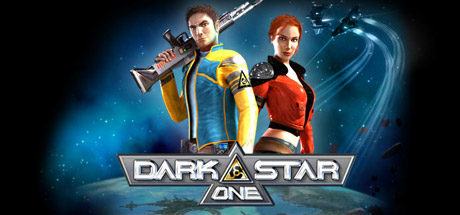
Darkstar One
Darkstar One offers a fantastic amount of freedom of choice. The story-based missions gradually lead you deeper into the galaxy to new races, new technologies and ever stronger opponents. Explore a vast array of solar systems in search of hidden artifacts of ancient races, essential objects for upgrading your ship--the Darkstar One.

House of the Dying Sun
House of the Dying Sun is a tactical space shooter that puts you in the cockpit of the universe's most terrifying starfighter. Hunt the enemies of the Empire and bring ruin to their people.
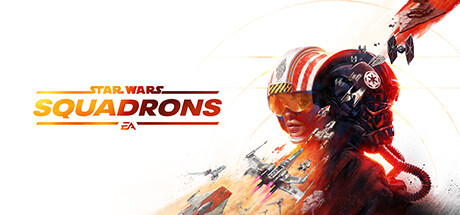
STAR WARS : Squadrons
Master the art of starfighter combat in the authentic piloting experience STAR WARS™: Squadrons. Feel the adrenaline of first-person multiplayer space dogfights alongside your squadron, and buckle up in a thrilling STAR WARS™ story.
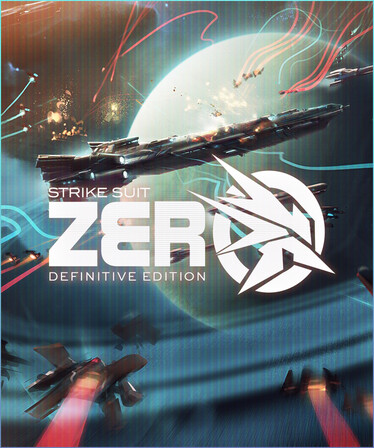
Strike Suit Zero: Director's Cut
The Director's Cut of Strike Suit Zero delivers the ultimate version with a graphical overhaul, restructured campaign and all its DLC. Pilot the mecha Strike Suit across massive fleet battles where your dogfighting skills will decide Earth's fate.
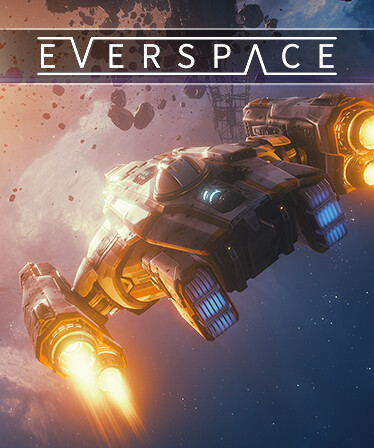
EVERSPACE
EVERSPACE™ combines fast-paced combat with roguelike elements, great visuals and a captivating story. It takes you on a challenging journey through an ever-changing, beautifully crafted universe full of surprises. Shoot, craft and loot your way to victory while the odds are stacked against you.

STAR WARS Battlefront II
Be the hero in the ultimate STAR WARS™ battle fantasy with STAR WARS™ Battlefront™ II: Celebration Edition!
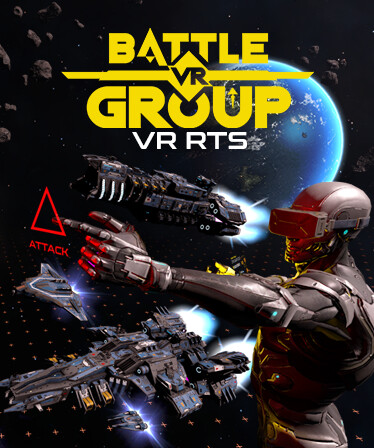
BattleGroupVR
BattleGroupVR is a first person real-time space strategy where you lead a fleet of powerful warships into battle from the bridge of your own flagship. Assemble your fleet, upgrade your load-outs, train your captains, engage the enemy and secure the sector. Try not to go down with the ship.
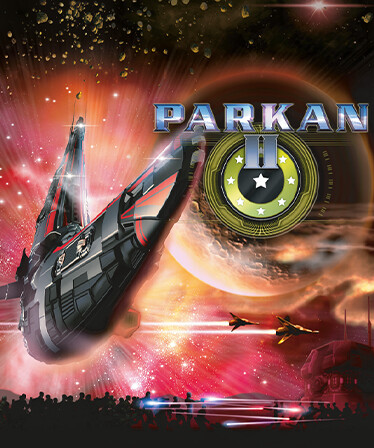
Parkan 2
Parkan II is an original concept game that will allow you to feel as a pilot of a spacecraft lost somewhere in the universe. Become a pirate or mercenary, get money to buy the most powerful cruiser and show them all who is to be the new master of the galaxy. Unforgettable adventures in the Parkan II universe await you!
Frequently Asked Questions
STAR WARS™ - X-Wing Alliance™ is currently priced at 9.75€ on Steam.
No, STAR WARS™ - X-Wing Alliance™ is currently not on sale. You can purchase it for 9.75€ on Steam.
Yes, STAR WARS™ - X-Wing Alliance™ received 390 positive votes out of a total of 472 achieving a rating of 7.75.
😊
STAR WARS™ - X-Wing Alliance™ was developed by Totally Games and published by LucasArts, Lucasfilm and Disney.
Yes, STAR WARS™ - X-Wing Alliance™ is playable and fully supported on Windows.
No, STAR WARS™ - X-Wing Alliance™ is not playable on MacOS.
No, STAR WARS™ - X-Wing Alliance™ is not playable on Linux.
This information about STAR WARS™ - X-Wing Alliance™ is not available yet.
This information about STAR WARS™ - X-Wing Alliance™ is not available yet.
No, STAR WARS™ - X-Wing Alliance™ does not support VR.
STAR WARS™ - X-Wing Alliance™ offers both single-player and multi-player modes.
STAR WARS™ - X-Wing Alliance™ offers both Co-op and PvP modes.
No, STAR WARS™ - X-Wing Alliance™ does not currently offer any DLC.
No, STAR WARS™ - X-Wing Alliance™ does not support mods via Steam Workshop.
Yes, STAR WARS™ - X-Wing Alliance™ supports Remote Play Together. Discover more about Steam Remote Play.
Yes, STAR WARS™ - X-Wing Alliance™ is enabled for Steam Family Sharing. This means you can share the game with authorized users from your Steam Library, allowing them to play it on their own accounts. For more details on how the feature works, you can read the original Steam Family Sharing announcement or visit the Steam Family Sharing user guide and FAQ page.
You can find solutions or submit a support ticket by visiting the Steam Support page for STAR WARS™ - X-Wing Alliance™.
Data sources
The information presented on this page is sourced from reliable APIs to ensure accuracy and relevance. We utilize the Steam API to gather data on game details, including titles, descriptions, prices, and user reviews. This allows us to provide you with the most up-to-date information directly from the Steam platform.
Additionally, we incorporate data from the SteamSpy API, which offers insights into game sales and player statistics. This helps us present a comprehensive view of each game's popularity and performance within the gaming community.
Last Updates| Steam data | 24 September 2026 18:05 UTC |
|---|---|
| SteamSpy data | 15 October 2026 03:32 UTC |
| Steam price | 27 October 2026 15:07 UTC |
| Steam reviews | 22 October 2026 09:51 UTC |
If you'd like to dive deeper into the details about STAR WARS™ - X-Wing Alliance™, we invite you to check out a few dedicated websites that offer extensive information and insights. These platforms provide valuable data, analysis, and user-generated reports to enhance your understanding of the game and its performance.
- SteamDB - A comprehensive database of everything on Steam about STAR WARS™ - X-Wing Alliance™
- SteamCharts - Analysis of STAR WARS™ - X-Wing Alliance™ concurrent players on Steam
- ProtonDB - Crowdsourced reports on Linux and Steam Deck STAR WARS™ - X-Wing Alliance™ compatibility

Game modes
Multiplayer
Features
Online players
2
Developer
Totally Games
Publisher
LucasArts,
Lucasfilm,
Disney
Release
28 Apr 2015
Platforms
Remote Play