
STAR WARS - X-Wing Special Edition
Against the overwhelming might of the Empire stands a small but growing Rebel Alliance. Scattered resistance groups are uniting and what is needed most now are Starfighter pilots. Will you join their struggle to end this tyranny and become a hero of the Rebellion?
Sync your Steam wishlist to find the lowest game prices instantly. No login required, just paste your Steam profile URL!
⚡ Try Wishlist Radar!
Sync your Steam wishlist to find the lowest game prices instantly. No login required!
⚡ Try Wishlist Radar!
Close

STAR WARS™: TIE Fighter Special Edition on Steam
Quick menu
The Imperial Navy is called upon to eradicate the last of the rebellion and restore law and order. As an Imperial navy starfighter pilot, you will safeguard imperiled lives thoughout the galaxy. Join the Emperor's cause in eliminating the Rebel uprising as the Empire strikes back!
STAR WARS™: TIE Fighter Special Edition is a action, space and space sim game
developed by Totally Games
and published by LucasArts, Lucasfilm and Disney.
Released on April 28th 2015 is available on Windows and MacOS.
It has received 602 reviews of which 489 were positive and 113 were negative resulting in a rating of 7.7 out of 10. 😊
The game is currently priced at 9.75€ on Steam.
The Steam community has classified STAR WARS™: TIE Fighter Special Edition into these genres:
Media & Screenshots
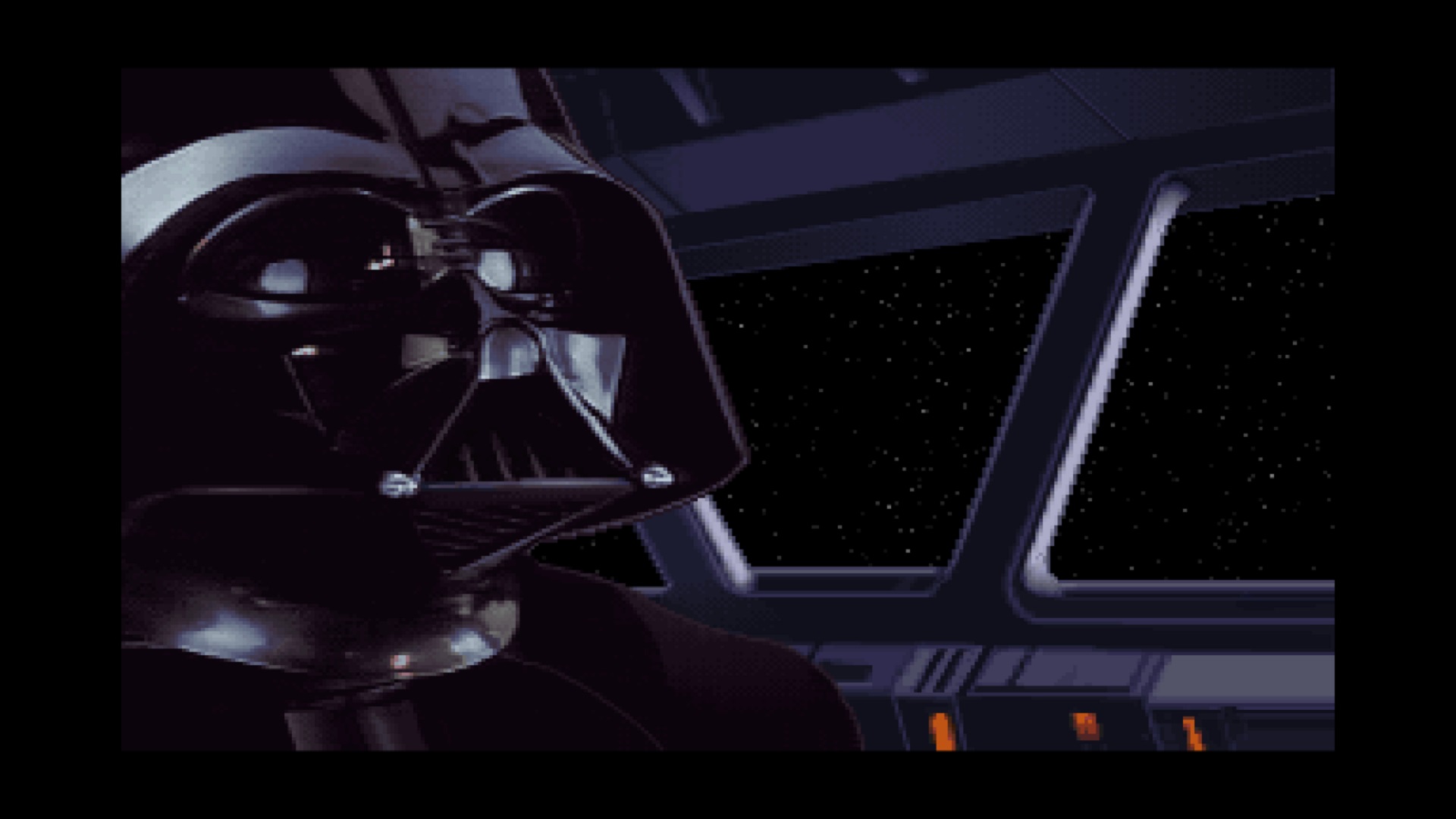
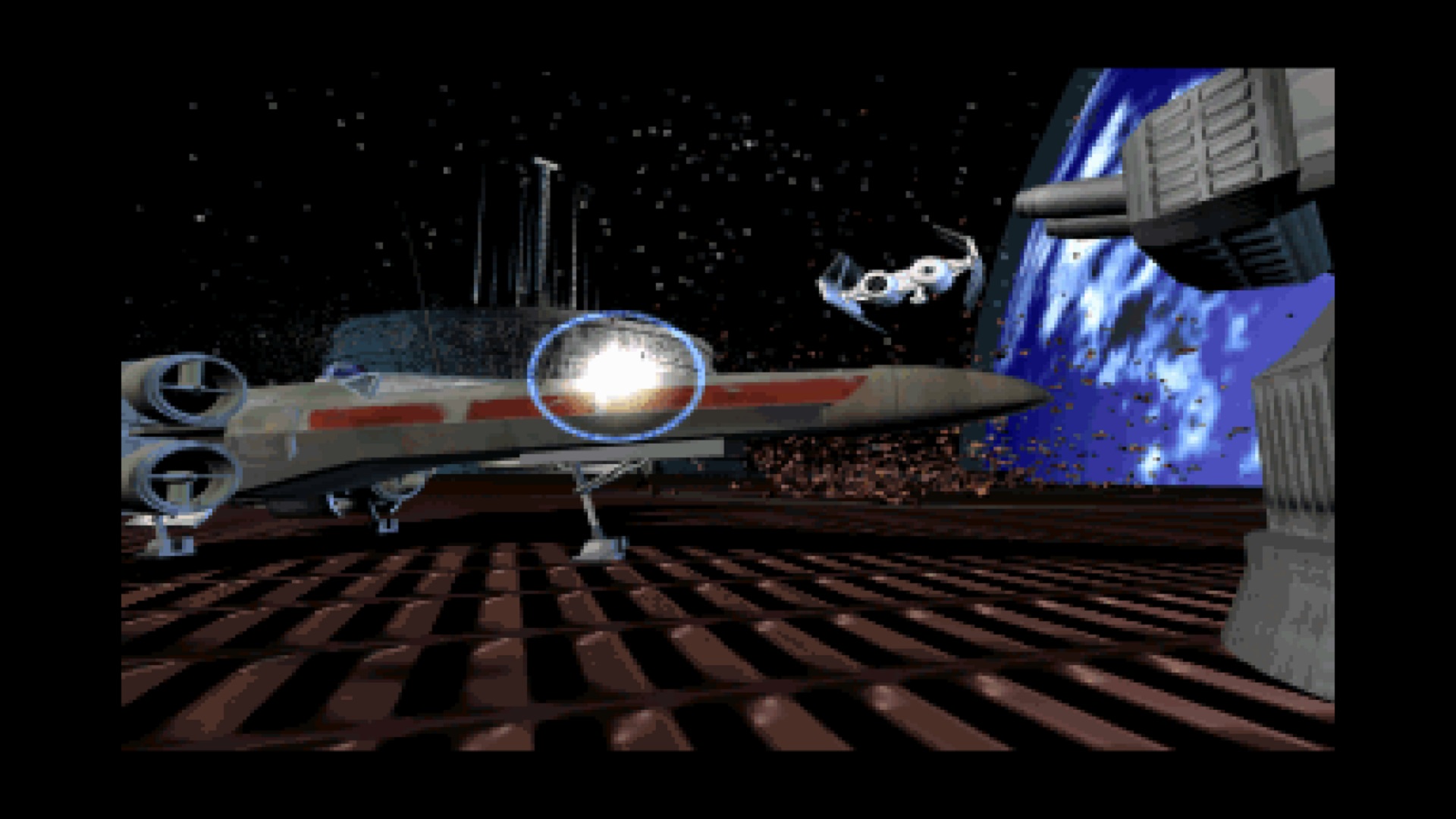
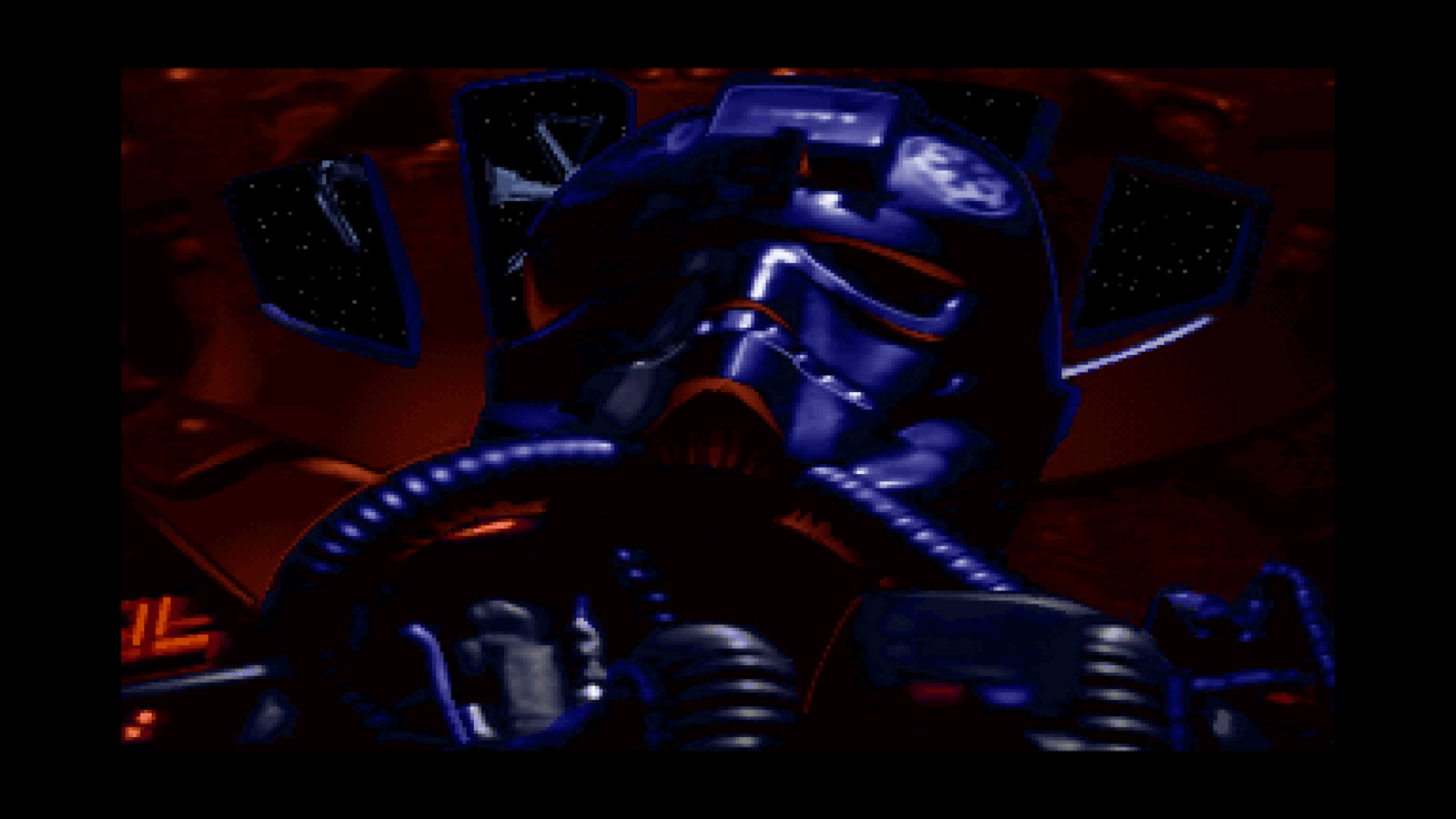
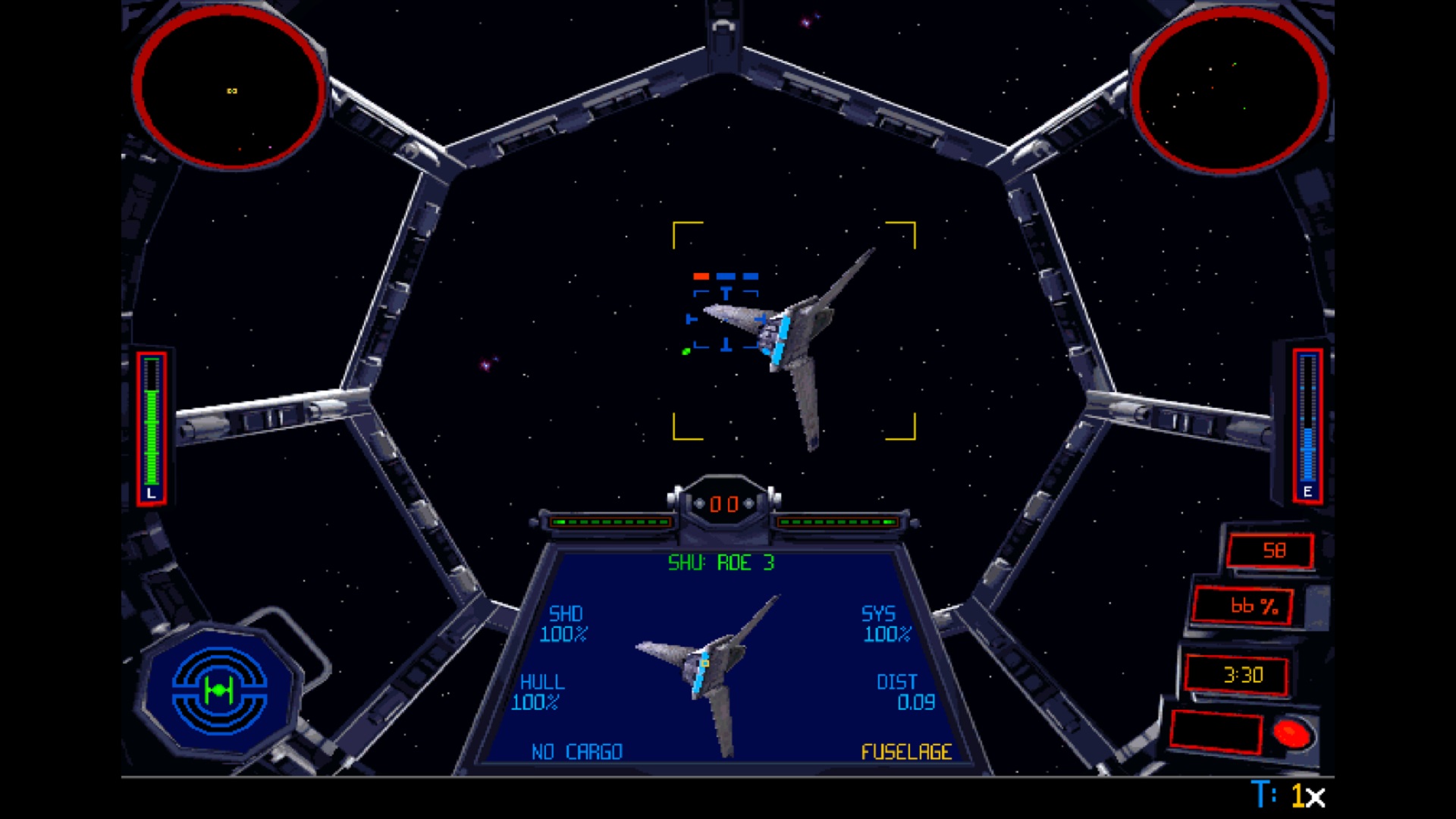
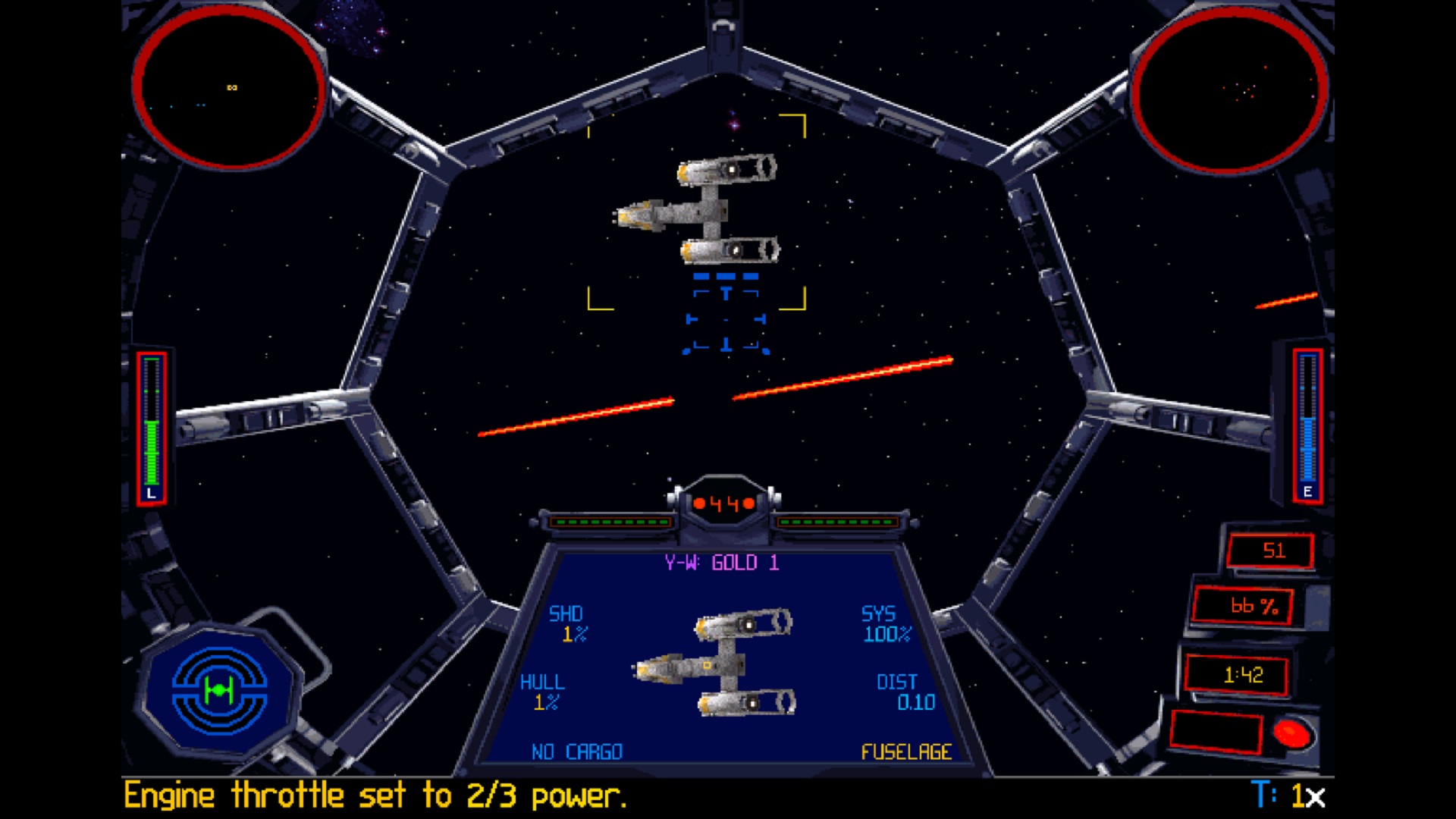
Get an in-depth look at STAR WARS™: TIE Fighter Special Edition through various videos and screenshots.
System requirements
These are the minimum specifications needed to play the game. For the best experience, we recommend that you verify them.
Windows
- OS *: Windows XP/Vista/7/8
- Processor: 1.8 GHz
- Memory: 1 GB RAM
- Graphics: 3D graphics card compatible with DirectX 7 (DirectX 9 recommended)
- Storage: 406 MB available space
- Additional Notes: The Windows version of STAR WARS: TIE Fighter (1998) requires a controller or joystick. STAR WARS: TIE Fighter (1994) can be played with a mouse and keyboard.
MacOS
- OS: Mac 10.9+
- Processor: 1.8GHz
- Memory: 1 GB RAM
- Graphics: 3D graphics card compatible with 256 MB VRAM
Steam Price & Best Deals
User reviews & Ratings
Explore reviews from Steam users sharing their experiences and what they love about the game.
STAR WARS: TIE Fighter Special Edition is widely considered one of the finest space combat simulators ever created and remains one of the most immersive Star Wars games released even decades after its original launch. Instead of placing players in the role of heroic Rebel pilots, the game offers something far more unusual by allowing players to serve directly within the Galactic Empire. This shift in perspective immediately gives the experience a unique identity because the Empire is presented not simply as a villainous faction, but as a structured military force attempting to maintain order across a chaotic galaxy. The result is a surprisingly compelling campaign that combines tactical space combat, military storytelling, and deep simulation mechanics into an experience that still feels remarkably ambitious today. The game places players inside the cockpit of Imperial starfighters during the height of the Galactic Civil War. From the opening missions, the atmosphere is incredibly effective. Detailed briefings, command reports, cockpit displays, and in-mission radio communication all work together to create the sensation of being an actual Imperial pilot carrying out military operations for the Empire. Unlike more arcade-focused Star Wars games, TIE Fighter approaches combat with a serious simulation mindset. Players must manage shield systems, weapon energy, engine power, targeting controls, and squadron commands while surviving dangerous fleet engagements and enemy ambushes. This deeper level of tactical management gives the gameplay far more complexity than many modern space shooters. One of the game’s strongest achievements is its mission design. The campaign constantly introduces new objectives and situations that force players to adapt strategically instead of simply destroying enemies repeatedly. Missions involve escort duties, reconnaissance operations, inspections, anti-piracy patrols, fleet defense, and major assaults against Rebel forces. Objectives often evolve during battles as new enemies arrive or strategic priorities shift unexpectedly. These changing conditions make combat feel dynamic and unpredictable because players are rarely allowed to rely on a single tactic for long periods. The Imperial perspective adds tremendous personality to the experience. Rather than portraying the Empire as cartoonishly evil, the game presents Imperial officers and pilots as disciplined military personnel performing their duties during a galactic conflict. This storytelling approach makes the campaign feel surprisingly mature and immersive. Players are not treated like reckless heroes but as soldiers expected to complete missions efficiently and follow orders under pressure. The atmosphere created by this military structure helps distinguish TIE Fighter from nearly every other Star Wars title released before or after it. The variety of starfighters also contributes heavily to the gameplay depth. While the classic TIE Fighter appears frequently, players eventually gain access to advanced Imperial craft such as TIE Interceptors, TIE Bombers, Assault Gunboats, and Missile Boats. Every ship handles differently and serves a unique tactical purpose. The fragile but agile TIE Fighter forces players to rely on maneuverability and precision, while heavier ships provide more firepower and survivability at the cost of speed. Learning how to properly use each vessel becomes one of the game’s most rewarding aspects. Combat itself still feels surprisingly engaging despite the game’s age. Dogfights are intense because the simulation mechanics demand careful resource management rather than mindless shooting. Players constantly shift power between weapons, shields, and engines depending on battlefield conditions. Enemy squadrons can overwhelm careless pilots quickly, especially during large fleet battles involving multiple starfighters and capital ships simultaneously. The game rewards tactical thinking and situational awareness, creating a level of depth rarely seen in licensed action games. The Special Edition improvements significantly enhanced the original experience. Updated visuals, improved lighting, voice acting, enhanced cutscenes, and expansion content helped modernize the game while preserving its core mechanics. The additional campaigns greatly expanded the amount of content, offering players even more missions and storylines tied to Imperial operations throughout the galaxy. These upgrades helped ensure the Special Edition became the definitive version of the game for many longtime fans. The soundtrack and sound design remain exceptional. Familiar Star Wars music dynamically accompanies battles, but what makes the audio presentation especially memorable is how Imperial themes are treated heroically rather than ominously. Music traditionally associated with villains suddenly feels triumphant and militaristic when heard from the Empire’s perspective. Combined with radio chatter and battlefield sound effects, the audio creates an incredibly immersive atmosphere that still captures the feeling of participating in large-scale Star Wars space warfare. The sense of scale during missions also remains impressive. Massive Star Destroyers, Rebel cruisers, transport fleets, and swarms of starfighters clash across open space while players maneuver through the chaos attempting to complete objectives. Watching giant capital ships exchange fire while squadrons battle around them still creates moments that feel cinematic despite the aging technology. However, modern players may struggle with the game’s complexity and outdated interface design. The controls are heavily dependent on keyboard commands and system management, creating a steep learning curve for anyone unfamiliar with older simulation games. The game provides very little guidance, expecting players to learn through experimentation and repeated failure. This design philosophy can feel frustrating initially, especially compared to modern games with streamlined tutorials and simplified mechanics. The visuals have also aged considerably. Ship models are simplistic by modern standards, textures are basic, and environmental detail is limited compared to contemporary space simulators. While the atmosphere remains strong, newer players may find the graphical presentation difficult to adjust to at first. Difficulty balancing can occasionally become punishing as well. Later missions demand precise execution and a strong understanding of advanced mechanics. Players who fail to manage power systems properly or underestimate enemy squadrons will often be destroyed quickly. The challenge level is high, but overcoming difficult missions creates an extremely satisfying sense of accomplishment. Despite these aging elements, STAR WARS: TIE Fighter Special Edition remains one of the most influential and immersive space combat games ever made. Its combination of tactical depth, authentic Star Wars atmosphere, and unique Imperial perspective helped define the space simulation genre for years afterward. Few games have recreated the fantasy of serving as a starfighter pilot within the Star Wars universe with this much detail and intensity. For fans of Star Wars, classic flight simulators, and strategic space combat, TIE Fighter Special Edition remains an essential experience. While the outdated visuals and demanding controls may challenge some modern players, the exceptional mission design, immersive atmosphere, and deep combat systems continue to make it one of the greatest Star Wars games ever created. Rating: 8/10
Star Wars: TIE Fighter is one of those games that just gets it. no Jedi power fantasy or ♥♥♥♥♥♥♥♥, no hero nonsense, you’re just an Imperial pilot doing your job, and it feels way cooler than it sounds. Missions have actual structure, you’re juggling orders, targets, survival… it’s not just “shoot everything that moves” ahhh game. the vibe carries hard too. Flying a TIE with that sound design and the whole Empire perspective hits different. the graphics are really impressive for the time. but yeah, it doesn’t hold your hand at all, like all these old pc games. You either learn or you get smoked, simple as that. for OGs, this is legendary. and for anyone curious about old space sims, it’s 100% worth it. If you want something modern and easy… wrong place. 9/10, Empire did nothing wrong.
Similar games
View all
STAR WARS - X-Wing Alliance
A neutral family fights for its business - and its survival - and is swept up in the struggle against the encroaching Empire. You must defy the strong-arm tactics of a rival family who will stop at nothing to destroy your trading company.
Freespace 2
FreeSpace 2, the follow up to the classic Descent: FreeSpace – The Great War is ready to engage you in the second round. Follow the Grand Terran Vasudan Alliance further into the mysteries of the Shivans. Get your flight stick and hit the flight deck. The last time was just a warm up.
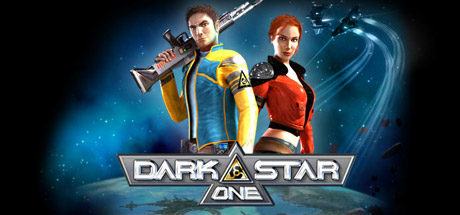
Darkstar One
Darkstar One offers a fantastic amount of freedom of choice. The story-based missions gradually lead you deeper into the galaxy to new races, new technologies and ever stronger opponents. Explore a vast array of solar systems in search of hidden artifacts of ancient races, essential objects for upgrading your ship--the Darkstar One.

House of the Dying Sun
House of the Dying Sun is a tactical space shooter that puts you in the cockpit of the universe's most terrifying starfighter. Hunt the enemies of the Empire and bring ruin to their people.
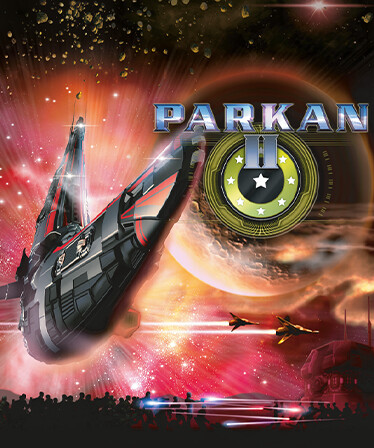
Parkan 2
Parkan II is an original concept game that will allow you to feel as a pilot of a spacecraft lost somewhere in the universe. Become a pirate or mercenary, get money to buy the most powerful cruiser and show them all who is to be the new master of the galaxy. Unforgettable adventures in the Parkan II universe await you!
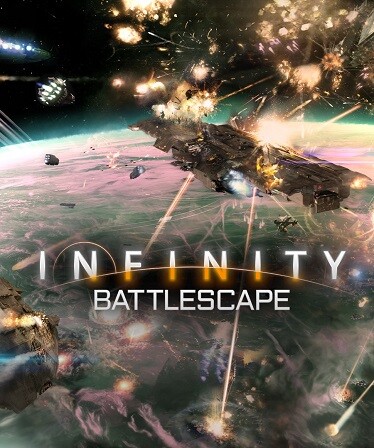
Infinity: Battlescape
Infinity: Battlescape is a multiplayer space combat sim supporting hundreds of players on a single server. Join one of the corporate factions and fight for domination of a seamless, true-to-scale procedural star system. Participate in massive space and planetary battles involving hundreds of ships.
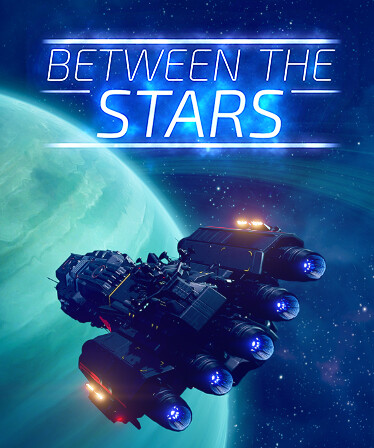
Between the Stars
Become the Captain of an interstellar cruiser and journey across the galaxy to save the Republic. During your journey you will have to make important decisions, improve the weaponry of your ship and fight against numerous enemies.
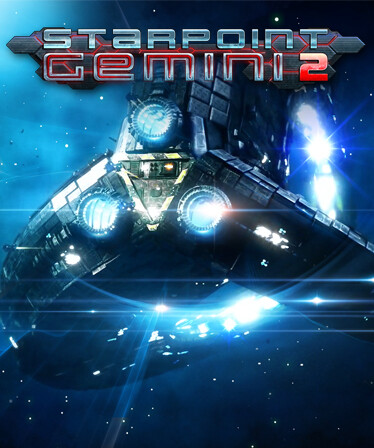
Starpoint Gemini 2
Captain your own space ship and roam the galaxy in 3D in this tactical space simulator with tons of RPG depth ! Space has never looked so inviting - but images can betray...It has been two years since the end of the second Gemini war, the situation in the wartorn system is further from resolution than ever.
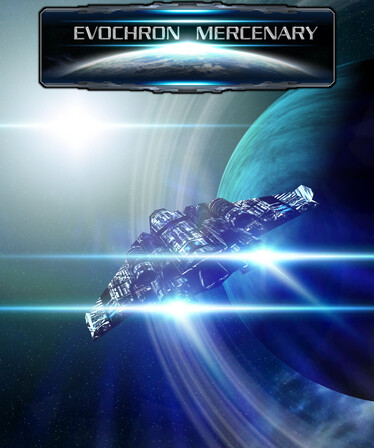
Evochron Mercenary
The life of an independent mercenary is rarely without excitement. Your spacecraft awaits and your adventure begins in the Sapphire star system.
Astrox Imperium
Astrox Imperium is a relaxing space game where you fly around a generated universe. Mining, Fighting, Building, Exploring, and Surviving. What makes this game unique? You have complete control of how it plays. A robust sandbox and lots of MOD tools. Make it your game, and play it your own way.
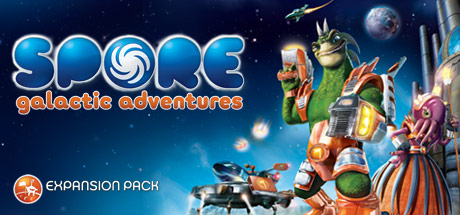
SPORE Galactic Adventures
Take Your Creature From Zero To Galactic HeroGet out of your starship and turn your Spore creatures into legendary Space Captains. For the first time, beam down with your allies to take on action-packed, planetside adventures. Complete quests, collect rewards, and even create your own missions.
Frequently Asked Questions
STAR WARS™: TIE Fighter Special Edition is currently priced at 9.75€ on Steam.
No, STAR WARS™: TIE Fighter Special Edition is currently not on sale. You can purchase it for 9.75€ on Steam.
Yes, STAR WARS™: TIE Fighter Special Edition received 489 positive votes out of a total of 602 achieving a rating of 7.67.
😊
STAR WARS™: TIE Fighter Special Edition was developed by Totally Games and published by LucasArts, Lucasfilm and Disney.
Yes, STAR WARS™: TIE Fighter Special Edition is playable and fully supported on Windows.
Yes, STAR WARS™: TIE Fighter Special Edition is playable and fully supported on MacOS.
No, STAR WARS™: TIE Fighter Special Edition is not playable on Linux.
This information about STAR WARS™: TIE Fighter Special Edition is not available yet.
This information about STAR WARS™: TIE Fighter Special Edition is not available yet.
No, STAR WARS™: TIE Fighter Special Edition does not support VR.
STAR WARS™: TIE Fighter Special Edition is a single-player game.
No, STAR WARS™: TIE Fighter Special Edition does not currently offer any DLC.
No, STAR WARS™: TIE Fighter Special Edition does not support mods via Steam Workshop.
No, STAR WARS™: TIE Fighter Special Edition does not support Steam Remote Play.
Yes, STAR WARS™: TIE Fighter Special Edition is enabled for Steam Family Sharing. This means you can share the game with authorized users from your Steam Library, allowing them to play it on their own accounts. For more details on how the feature works, you can read the original Steam Family Sharing announcement or visit the Steam Family Sharing user guide and FAQ page.
You can find solutions or submit a support ticket by visiting the Steam Support page for STAR WARS™: TIE Fighter Special Edition.
Data sources
The information presented on this page is sourced from reliable APIs to ensure accuracy and relevance. We utilize the Steam API to gather data on game details, including titles, descriptions, prices, and user reviews. This allows us to provide you with the most up-to-date information directly from the Steam platform.
Additionally, we incorporate data from the SteamSpy API, which offers insights into game sales and player statistics. This helps us present a comprehensive view of each game's popularity and performance within the gaming community.
Last Updates| Steam data | 25 September 2026 10:11 UTC |
|---|---|
| SteamSpy data | 15 October 2026 10:37 UTC |
| Steam price | 27 October 2026 04:06 UTC |
| Steam reviews | 22 October 2026 09:55 UTC |
If you'd like to dive deeper into the details about STAR WARS™: TIE Fighter Special Edition, we invite you to check out a few dedicated websites that offer extensive information and insights. These platforms provide valuable data, analysis, and user-generated reports to enhance your understanding of the game and its performance.
- SteamDB - A comprehensive database of everything on Steam about STAR WARS™: TIE Fighter Special Edition
- SteamCharts - Analysis of STAR WARS™: TIE Fighter Special Edition concurrent players on Steam
- ProtonDB - Crowdsourced reports on Linux and Steam Deck STAR WARS™: TIE Fighter Special Edition compatibility
Game modes
Features
Online players
1
Developer
Totally Games
Publisher
LucasArts,
Lucasfilm,
Disney
Release
28 Apr 2015
Platforms