
STAR WARS : TIE Fighter Special Edition
The Imperial Navy is called upon to eradicate the last of the rebellion and restore law and order. As an Imperial navy starfighter pilot, you will safeguard imperiled lives thoughout the galaxy. Join the Emperor's cause in eliminating the Rebel uprising as the Empire strikes back!
Sync your Steam wishlist to track the lowest game prices instantly. No login required, just paste your Steam profile URL!
⚡ Try Wishlist Radar!
Sync your Steam wishlist to track the lowest game prices instantly. No login required!
⚡ Try Wishlist Radar!
Close

STAR WARS™ - X-Wing Special Edition on Steam - User reviews, Price & Information
Quick menu
Against the overwhelming might of the Empire stands a small but growing Rebel Alliance. Scattered resistance groups are uniting and what is needed most now are Starfighter pilots. Will you join their struggle to end this tyranny and become a hero of the Rebellion?
STAR WARS™ - X-Wing Special Edition is a action, space sim and simulation game
developed by Lucasfim
and published by Lucasfim, LucasArts and Disney.
Released on April 28th 2015 is available in English on Windows and MacOS.
It has received 435 reviews of which 335 were positive and 100 were negative resulting in a rating of 7.3 out of 10. 😊
The game is currently priced at 9.75€ on Steam.
The Steam community has classified STAR WARS™ - X-Wing Special Edition into these genres:
Media & Screenshots
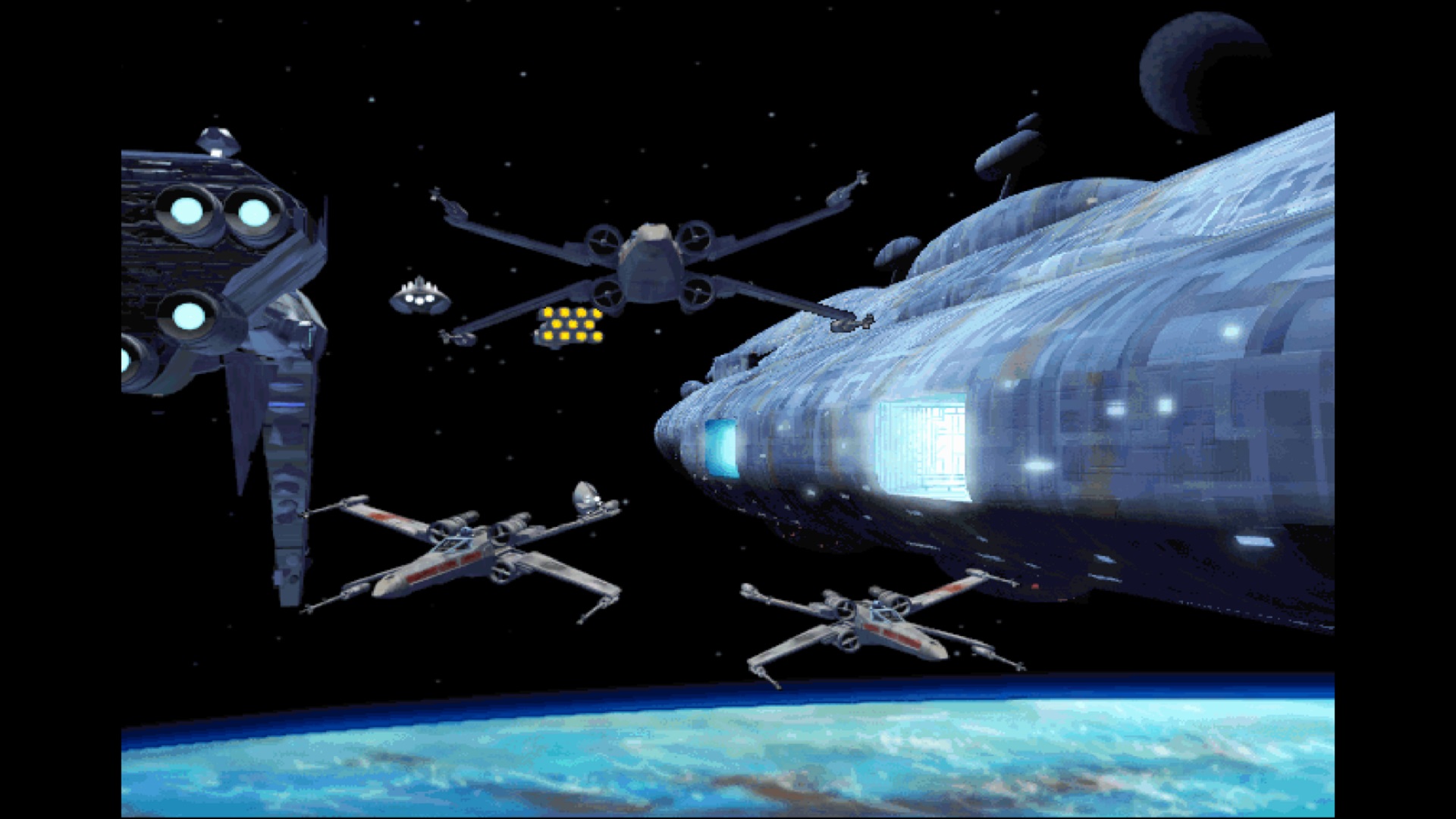
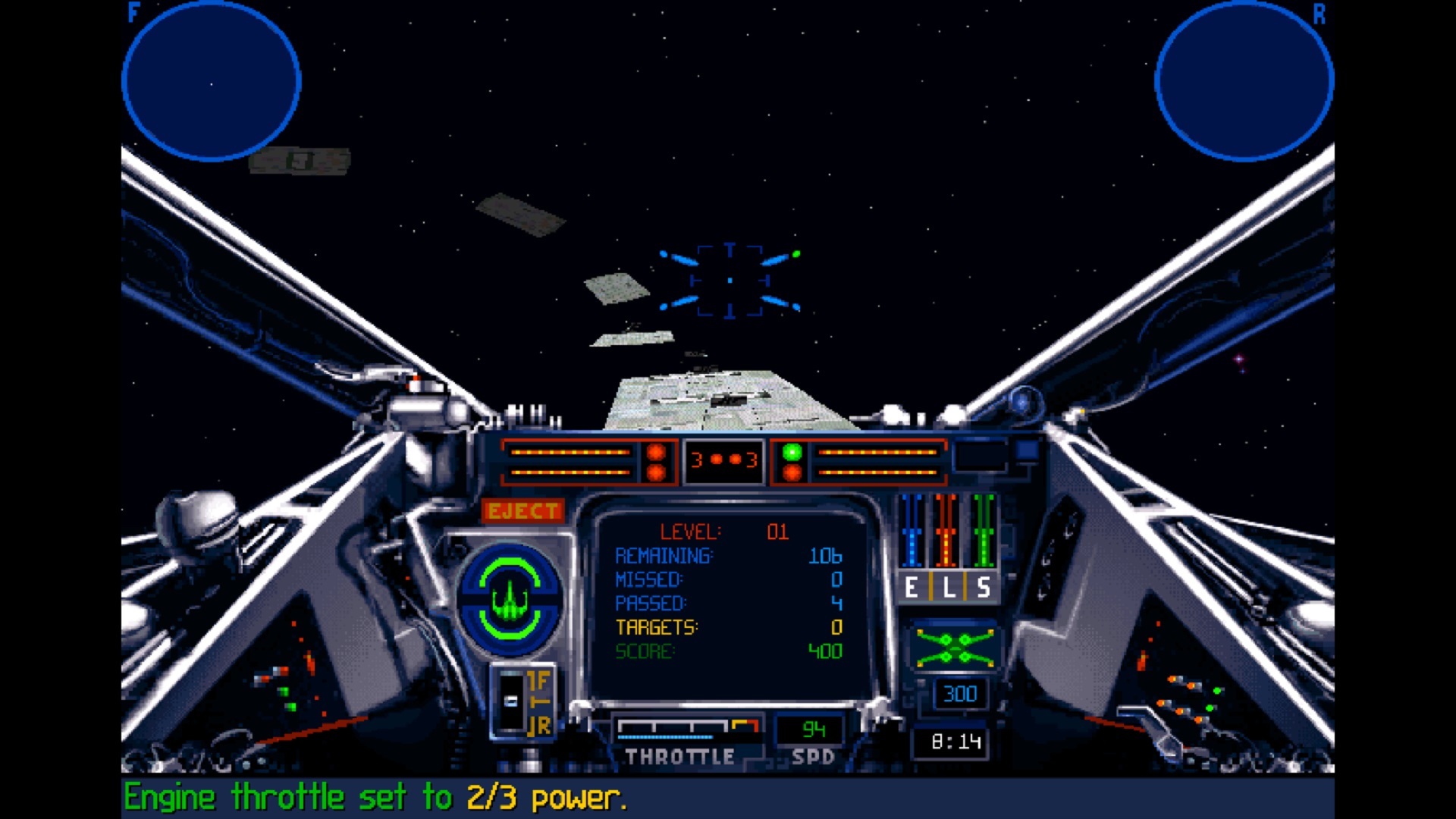
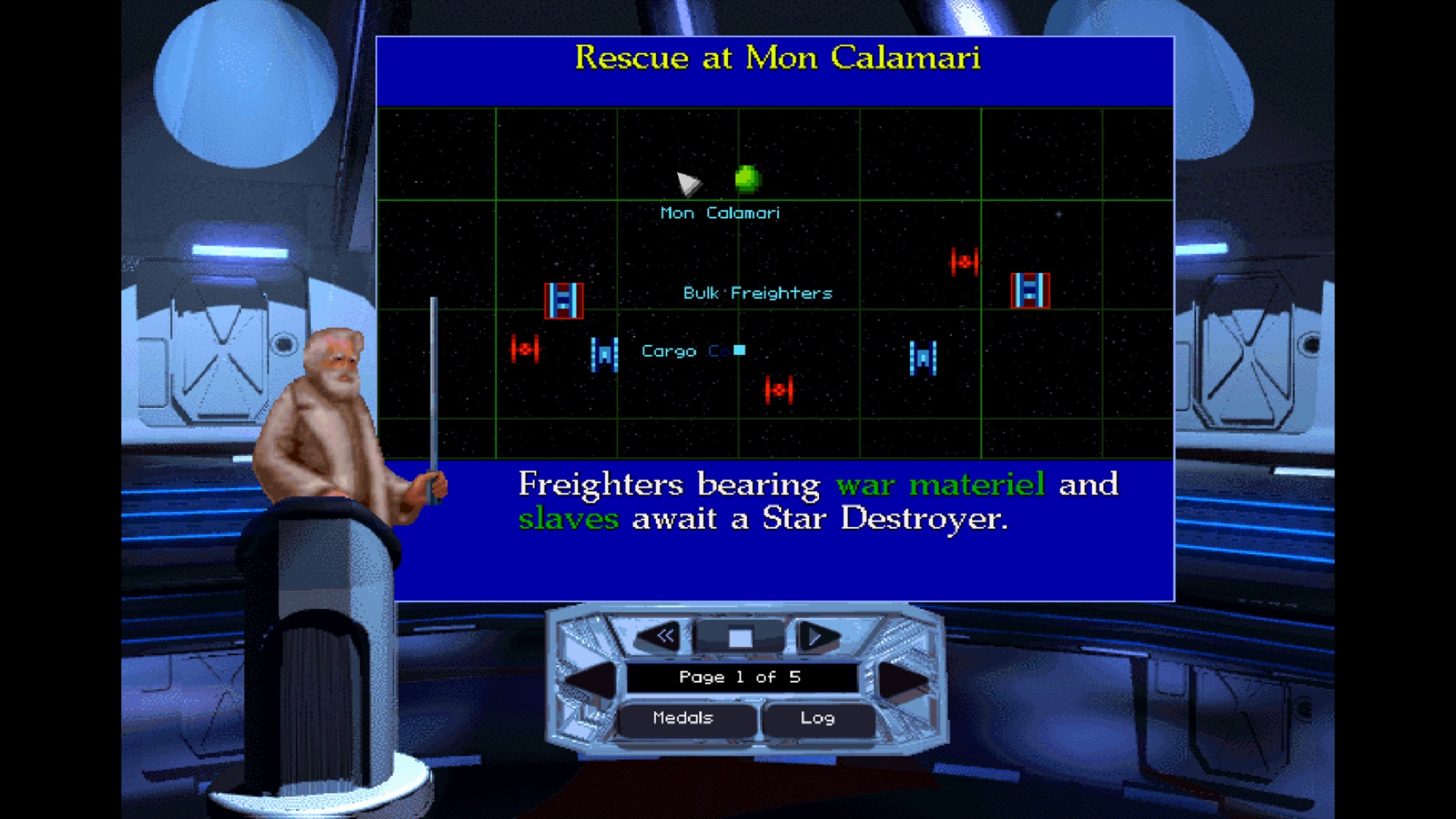
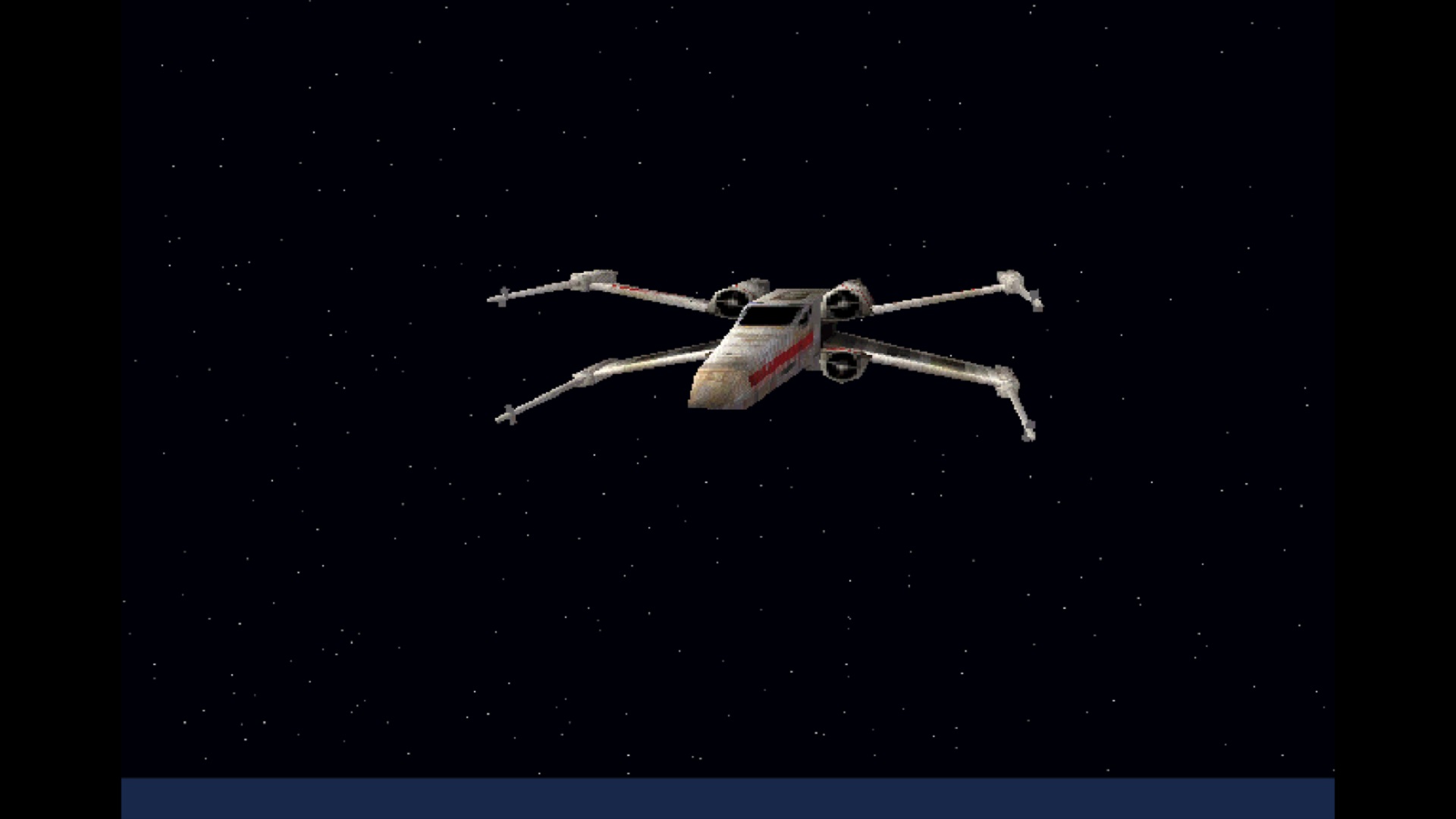
Get an in-depth look at STAR WARS™ - X-Wing Special Edition through various videos and screenshots.
System requirements
These are the minimum specifications needed to play the game. For the best experience, we recommend that you verify them.
Windows
- OS *: Windows XP/Vista/7/8
- Processor: 1.8 GHz
- Memory: 1 GB RAM
- Graphics: 3D graphics card compatible with DirectX 7 (DirectX 9 recommended)
- DirectX: Version 7.0
- Storage: 216 MB available space
- Additional Notes: The Windows version of STAR WARS: X-Wing (1998) requires a controller or joystick. STAR WARS: X-Wing (1993) can be played with a mouse and keyboard.
MacOS
- OS: Mac 10.9+
- Processor: 1.8GHz
- Memory: 1 GB RAM
- Graphics: 3D graphics card compatible with 256 MB VRAM
Steam Price & Best Deals
User reviews & Ratings
Explore reviews from Steam users sharing their experiences and what they love about the game.
STAR WARS: X-Wing Special Edition is one of the defining space combat simulators ever created and remains an impressive example of how deeply immersive licensed games could become even during the early years of PC gaming. Rather than treating the Star Wars universe as simple visual decoration, the game fully commits to the fantasy of becoming a Rebel Alliance pilot fighting against the Empire during the Galactic Civil War. Every mission, cockpit system, briefing, and battle is designed to make players feel like active participants inside the Star Wars universe rather than spectators following a scripted adventure. Even decades after its original release, the game still stands out because of its atmosphere, tactical depth, and dedication to starfighter simulation. The experience begins by placing players directly inside the cockpit of famous Rebel starfighters, including the iconic X-Wing. From the moment the first mission launches, the game immediately creates a sense of immersion through detailed cockpit interfaces, military-style mission briefings, radio chatter, and large-scale space battles. Unlike arcade shooters that focus purely on fast reflexes, X-Wing emphasizes tactical combat and resource management. Players must constantly balance shield power, laser energy, engine speed, targeting systems, and squadron coordination while engaging enemy fighters and completing mission objectives. This deeper approach to gameplay gives the combat far more strategic depth than many modern space shooters. One of the game’s strongest qualities is the structure of its campaign. Missions rarely feel repetitive because objectives constantly evolve throughout the story. Players participate in escort missions, reconnaissance operations, rescue assignments, convoy attacks, and large fleet battles involving capital ships and multiple fighter squadrons. Many missions introduce unexpected developments mid-battle, forcing players to adapt quickly as reinforcements arrive or tactical priorities suddenly change. This variety keeps the campaign engaging because every mission contributes to the larger war effort rather than feeling like isolated combat scenarios. The game also deserves praise for how seriously it handles the Star Wars setting. Mission briefings, command reports, and debriefings help create the feeling of serving inside an organized Rebel military structure. The narrative unfolds gradually through operations and battlefield events rather than relying heavily on cinematic storytelling. This military-focused presentation adds a level of authenticity that helps players feel genuinely involved in the Galactic Civil War. The game captures the atmosphere of being a Rebel pilot remarkably well, especially during intense dogfights against Imperial TIE squadrons. The Special Edition improvements make the experience even stronger. Running on the upgraded engine used for TIE Fighter, this version introduced enhanced visuals, improved lighting, updated audio, voice acting, and additional content through the Imperial Pursuit and B-Wing expansion campaigns. These additions greatly expanded the amount of playable content while also modernizing the presentation compared to the original release. The expanded campaigns provide dozens of additional missions, helping the game feel far larger and more ambitious than many players might expect from a classic PC simulator. Ship variety also plays a major role in keeping gameplay fresh. Players gradually gain access to several different Rebel starfighters, including the Y-Wing, A-Wing, and B-Wing alongside the classic X-Wing. Each ship handles differently and fills a specific tactical role during missions. The fast and agile A-Wing plays completely differently from the heavily armed B-Wing, forcing players to adapt their combat strategies depending on the situation. This diversity helps the game maintain depth throughout the campaign because every starfighter changes the rhythm of combat significantly. Combat itself still feels rewarding despite the game’s age. Dogfights require more than simply aiming and firing because players must constantly manage power distribution and positioning during battles. Enemy fighters can overwhelm careless pilots quickly, especially during larger engagements involving multiple squadrons. The balance between offensive and defensive resource management creates tension during combat because every decision directly affects survival. Successfully managing shields, weapons, and maneuvering during chaotic space battles remains satisfying even years later. The sound design contributes heavily to immersion. Classic Star Wars music plays dynamically during missions, reinforcing the feeling of participating in an authentic galactic conflict. Radio communication between pilots and command officers helps battles feel active and cinematic, while the Special Edition’s voiced briefings add even more atmosphere to the experience. Combined with the iconic soundtrack, the audio presentation still captures the excitement of Star Wars space combat remarkably well. However, modern players will immediately notice the game’s age in several areas. The controls can feel complicated and intimidating, especially for those unfamiliar with older simulation games. Keyboard-heavy commands, manual system management, and the absence of modern tutorials create a steep learning curve that may frustrate newcomers. The game expects players to learn its mechanics independently and offers very little assistance during difficult missions. The visuals have also aged significantly. Polygon models are simplistic, environments are minimalistic, and textures lack detail compared to modern standards. While longtime fans may appreciate the retro presentation, newer players may struggle with the outdated graphics and interface design. The game’s age is impossible to ignore visually, even though the strong atmosphere still carries much of the experience. Difficulty can occasionally become unforgiving as well. Certain missions demand near-perfect execution, especially during later campaigns where enemy numbers increase dramatically. Players who fail to manage energy systems properly or misuse resources may find themselves overwhelmed quickly. The game rewards patience and practice but rarely offers easy victories. Despite these aging elements, STAR WARS: X-Wing Special Edition remains one of the finest Star Wars games ever created because of how effectively it captures the fantasy of starfighter combat within the Star Wars universe. The combination of tactical gameplay, immersive presentation, varied missions, and authentic atmosphere helped define space combat simulators for years afterward. Few games have recreated the feeling of piloting an X-Wing in battle with this level of depth and intensity. For fans of Star Wars, classic PC simulators, and tactical space combat games, STAR WARS: X-Wing Special Edition remains an essential experience. While its steep learning curve and outdated visuals may challenge modern players, the immersive gameplay, strategic combat systems, and faithful recreation of Rebel starfighter warfare continue to make it one of the most influential and rewarding space simulators ever made. Rating: 8/10
I have been playing on the steam deck. The game runs out of the box and can be modded for better graphics and 3D hardware. It took me a while to figure out a good control layout but after that everything was sweet. It has been wild playing this game on the go. Last time I played this was on a 486 back in the 90s and you needed a joystick as mouse support was not a thing. The story is great. It took me 30 hours to finish the main game Tours 1 to 3. Eventually I’ll play all the DLC (included in this game). This game is old school and from an era when Star Wars was not ruined by Disney. The game starts to get more interesting from tour 2 onward but over all the progression is difficult, missions are brutal, there is no way to know a mission is complete or failed so you will be replaying missions to complete all the goals that Akbar does not mention in the briefs. If you know you know. Definitely give this a go if you are into retro space sims.
Similar games
View all
STAR WARS - X-Wing Alliance
A neutral family fights for its business - and its survival - and is swept up in the struggle against the encroaching Empire. You must defy the strong-arm tactics of a rival family who will stop at nothing to destroy your trading company.

House of the Dying Sun
House of the Dying Sun is a tactical space shooter that puts you in the cockpit of the universe's most terrifying starfighter. Hunt the enemies of the Empire and bring ruin to their people.

Freespace 2
FreeSpace 2, the follow up to the classic Descent: FreeSpace – The Great War is ready to engage you in the second round. Follow the Grand Terran Vasudan Alliance further into the mysteries of the Shivans. Get your flight stick and hit the flight deck. The last time was just a warm up.
Darkstar One
Darkstar One offers a fantastic amount of freedom of choice. The story-based missions gradually lead you deeper into the galaxy to new races, new technologies and ever stronger opponents. Explore a vast array of solar systems in search of hidden artifacts of ancient races, essential objects for upgrading your ship--the Darkstar One.
Infinity: Battlescape
Infinity: Battlescape is a multiplayer space combat sim supporting hundreds of players on a single server. Join one of the corporate factions and fight for domination of a seamless, true-to-scale procedural star system. Participate in massive space and planetary battles involving hundreds of ships.
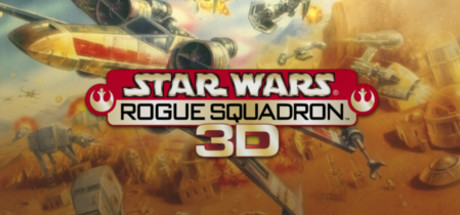
STAR WARS : Rogue Squadron 3D
It is a time of great rejoicing in the galaxy. Luke Skywalker, with the help of Wedge Antilles, has blown up the Death Star. But there is little time to celebrate. The mighty Empire is gathering strength for a determined, all-out assault on the Rebel forces.
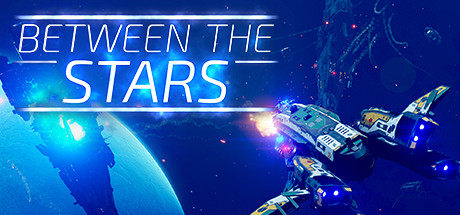
Between the Stars
Become the Captain of an interstellar cruiser and journey across the galaxy to save the Republic. During your journey you will have to make important decisions, improve the weaponry of your ship and fight against numerous enemies.
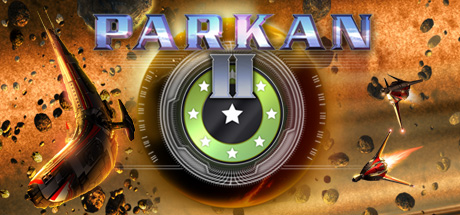
Parkan 2
Parkan II is an original concept game that will allow you to feel as a pilot of a spacecraft lost somewhere in the universe. Become a pirate or mercenary, get money to buy the most powerful cruiser and show them all who is to be the new master of the galaxy. Unforgettable adventures in the Parkan II universe await you!

Interkosmos
Enter the ultimate 1970s space capsule in this thrilling VR adventure. Awaken your inner cosmonaut with intense, interactive gameplay, manage catastrophic system failures, and experience a hilarious story of Cold War absurdities. Can you make it back to Earth alive?
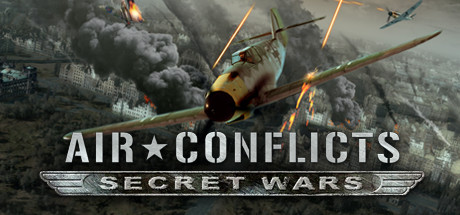
Air Conflicts: Secret Wars
Soar through the unfriendly skies in Air Conflicts: Secret Wars - an arcade flight simulation set in World War I and II era. Buy before July 21st and save!

Evochron Mercenary
The life of an independent mercenary is rarely without excitement. Your spacecraft awaits and your adventure begins in the Sapphire star system.
Frequently Asked Questions
STAR WARS™ - X-Wing Special Edition is currently priced at 9.75€ on Steam.
No, STAR WARS™ - X-Wing Special Edition is currently not on sale. You can purchase it for 9.75€ on Steam.
Yes, STAR WARS™ - X-Wing Special Edition received 335 positive votes out of a total of 435 achieving a rating of 7.27.
😊
STAR WARS™ - X-Wing Special Edition was developed by Lucasfim and published by Lucasfim, LucasArts and Disney.
Yes, STAR WARS™ - X-Wing Special Edition is playable and fully supported on Windows.
Yes, STAR WARS™ - X-Wing Special Edition is playable and fully supported on MacOS.
No, STAR WARS™ - X-Wing Special Edition is not playable on Linux.
This information about STAR WARS™ - X-Wing Special Edition is not available yet.
This information about STAR WARS™ - X-Wing Special Edition is not available yet.
No, STAR WARS™ - X-Wing Special Edition does not support VR.
STAR WARS™ - X-Wing Special Edition is a single-player game.
No, STAR WARS™ - X-Wing Special Edition does not currently offer any DLC.
No, STAR WARS™ - X-Wing Special Edition does not support mods via Steam Workshop.
No, STAR WARS™ - X-Wing Special Edition does not support Steam Remote Play.
Yes, STAR WARS™ - X-Wing Special Edition is enabled for Steam Family Sharing. This means you can share the game with authorized users from your Steam Library, allowing them to play it on their own accounts. For more details on how the feature works, you can read the original Steam Family Sharing announcement or visit the Steam Family Sharing user guide and FAQ page.
You can find solutions or submit a support ticket by visiting the Steam Support page for STAR WARS™ - X-Wing Special Edition.
Data sources
The information presented on this page is sourced from reliable APIs to ensure accuracy and relevance. We utilize the Steam API to gather data on game details, including titles, descriptions, prices, and user reviews. This allows us to provide you with the most up-to-date information directly from the Steam platform.
Additionally, we incorporate data from the SteamSpy API, which offers insights into game sales and player statistics. This helps us present a comprehensive view of each game's popularity and performance within the gaming community.
Last Updates| Steam data | 06 September 2026 04:11 UTC |
|---|---|
| SteamSpy data | 19 September 2026 05:39 UTC |
| Steam price | 23 September 2026 10:45 UTC |
| Steam reviews | 21 September 2026 21:54 UTC |
If you'd like to dive deeper into the details about STAR WARS™ - X-Wing Special Edition, we invite you to check out a few dedicated websites that offer extensive information and insights. These platforms provide valuable data, analysis, and user-generated reports to enhance your understanding of the game and its performance.
- SteamDB - A comprehensive database of everything on Steam about STAR WARS™ - X-Wing Special Edition
- SteamCharts - Analysis of STAR WARS™ - X-Wing Special Edition concurrent players on Steam
- ProtonDB - Crowdsourced reports on Linux and Steam Deck STAR WARS™ - X-Wing Special Edition compatibility
Game modes
Features
Online players
2
Developer
Lucasfim
Publisher
Lucasfim,
LucasArts,
Disney
Release
28 Apr 2015
Platforms