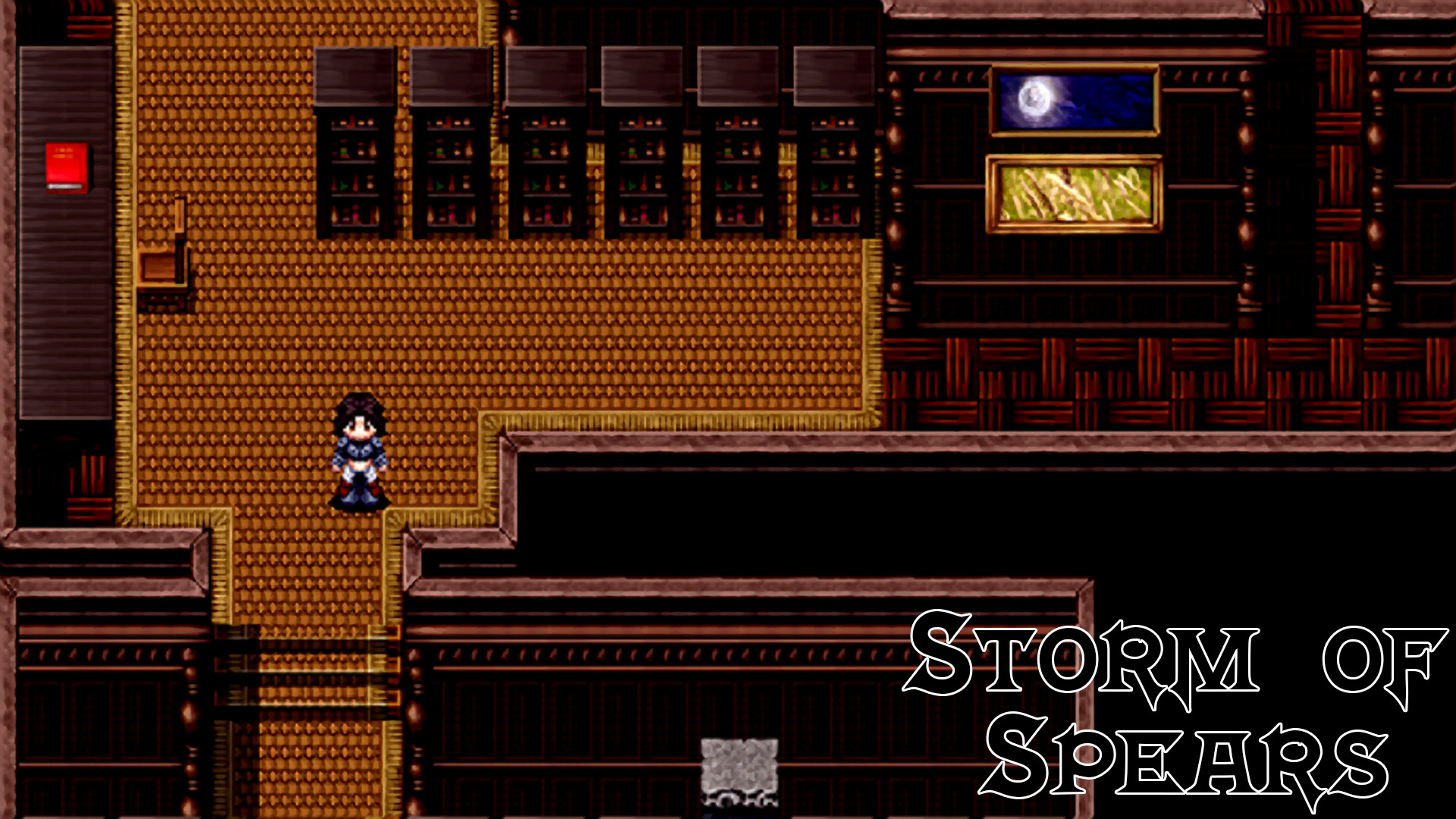
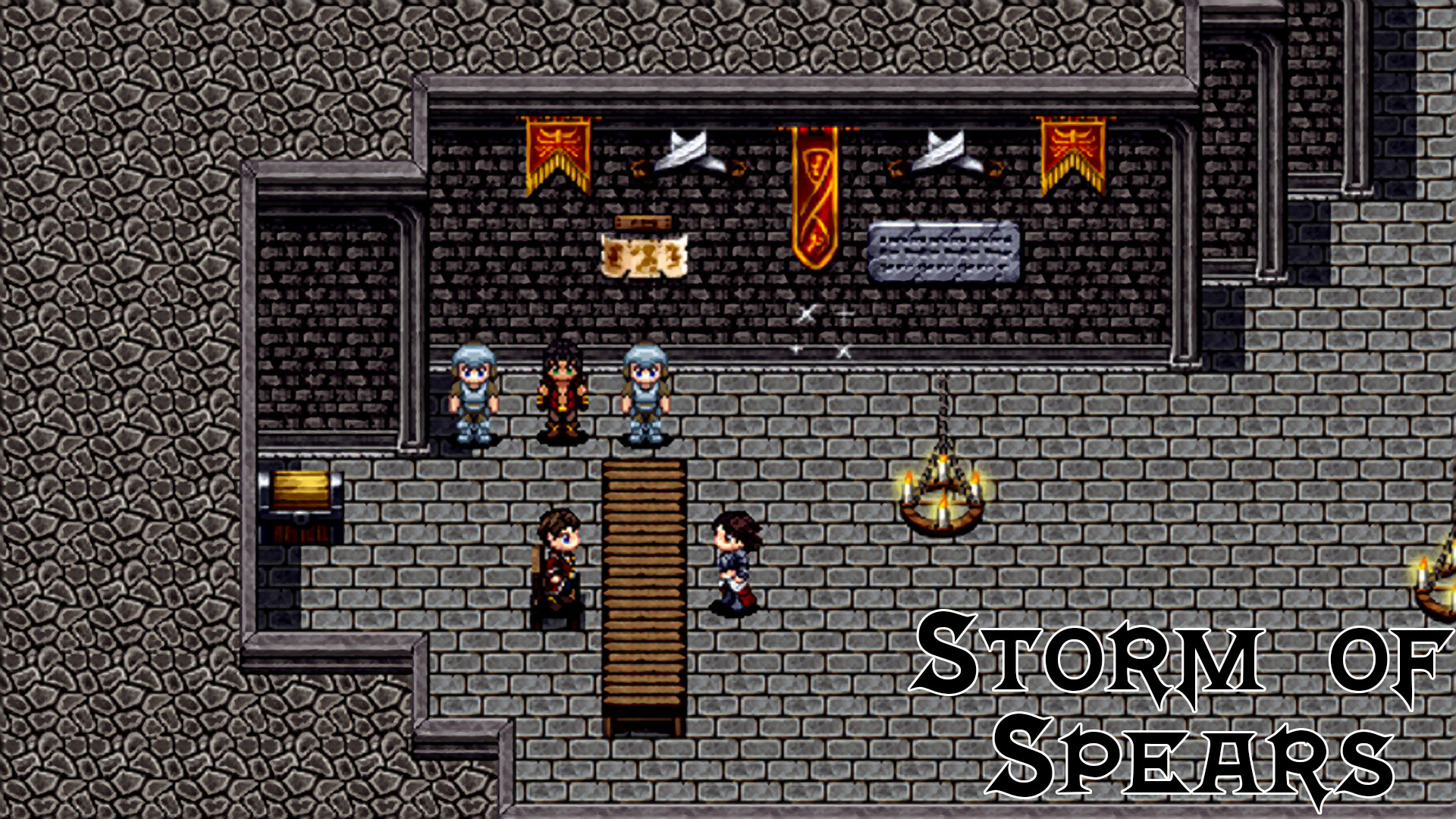
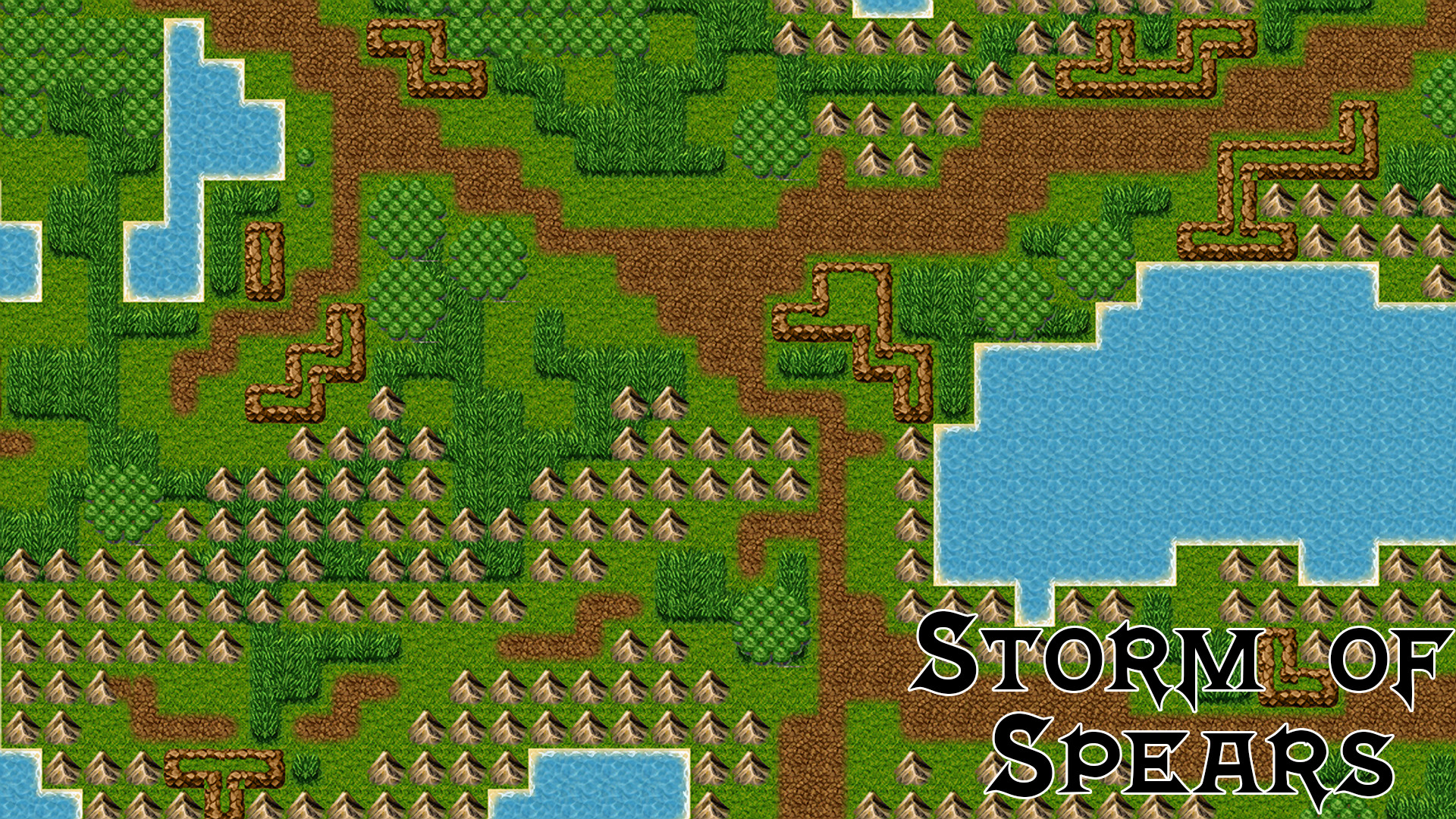
Storm of Spears, developed by Warfare Studios and published by Senpai Industrial Studios, is a traditional turn-based role-playing game that blends the familiar charm of classic JRPGs with a surprisingly mature story about war, loyalty, and sacrifice. It takes place in a war-torn world where kingdoms rise and fall under the weight of betrayal and ambition. You play as Sura, a battle-hardened warrior who leads a group of mercenaries into a conflict that spirals far beyond personal vendettas. When her brother is killed in combat, Sura’s motivations shift from profit to vengeance, and her journey becomes one of emotional reckoning as much as military strategy. From its opening moments, Storm of Spears establishes a tone of loss and determination that carries through the narrative, giving it a gravity not often found in small-scale indie RPGs. What makes the story stand out is the way it treats its characters with a degree of nuance that elevates the experience above many of its contemporaries. Each companion you meet along the way carries distinct motivations and personal histories that play off Sura’s own inner conflict. The game resists the temptation to paint its characters as purely good or evil; instead, they occupy moral gray areas shaped by the politics and brutality of war. The dialogue, while simple, conveys genuine emotion, and the pacing of the story ensures that every event feels purposeful. Warfare Studios has always leaned toward strong narrative-driven design, and Storm of Spears is a testament to that philosophy. The world itself, though relatively confined by RPG Maker standards, feels alive through the lore you uncover in villages, letters, and battlefields scattered throughout the campaign. Gameplay in Storm of Spears follows the classic JRPG template—turn-based combat, party management, item gathering, and exploration through a mix of overworld and dungeon maps. Battles are quick and balanced, offering enough strategic variety to keep encounters engaging without overwhelming the player. Each character class brings a specific combat style, from heavy melee fighters to spellcasters, and the synergy between party members can make or break tougher encounters. Status effects, buffs, and skill timing all play meaningful roles, but the learning curve remains accessible even to those new to the genre. It’s clear that the developers prioritized pacing and readability over punishing difficulty. While veterans of more complex RPGs might find the challenge level on the easier side, the balance ensures a smooth experience for those who want to enjoy the story without constant grinding or frustration. Side quests and optional missions add flavor to the adventure, often rewarding players with character development or unique gear. Visually, the game uses the familiar RPG Maker framework but distinguishes itself through sharp tilework, atmospheric environments, and expressive sprite art. The cities, forests, and battlegrounds are crafted with care, giving each area a distinct visual tone that complements the emotional beats of the story. Lighting and color choices are particularly effective—darker hues dominate the war-torn landscapes, while peaceful villages are rendered in softer, warmer tones, reflecting the temporary reprieve they offer. Character portraits, while stylized, convey personality and help reinforce the emotional weight of key scenes. The game’s soundtrack, though not grand in scale, fits perfectly within the context of its narrative. Somber piano pieces underscore the loss that defines much of the plot, while energetic battle themes drive the momentum forward. The combination of these elements creates an atmosphere that feels cohesive and emotionally grounded. As with most indie RPGs, Storm of Spears is not without flaws. Its reliance on RPG Maker assets limits its visual originality, and some of its design choices—like simple dungeon layouts or repetitive enemy encounters—remind you of the game’s modest production scale. There are moments where the pacing falters, particularly during long stretches of dialogue or backtracking between objectives. Some players might also find the presentation inconsistent, especially when the character art’s tone occasionally clashes with the more serious narrative. Yet despite these imperfections, the game’s focus on storytelling and character emotion manages to outweigh its shortcomings. It’s a game that knows its boundaries and works within them effectively, offering depth where it matters most—its world and its characters. In terms of overall value, Storm of Spears provides a satisfying experience that can easily last between ten and fifteen hours, depending on how thoroughly you explore and engage with side content. For its low price point, it delivers an impressive amount of narrative and gameplay substance. The experience recalls the golden era of 16-bit RPGs—not through imitation, but through spirit. There’s a sincerity in its design, a clear sense that the developers wanted to tell a meaningful story rather than chase trends. Players who appreciate narrative-driven games with emotional stakes and traditional mechanics will find plenty to enjoy here. It’s not a revolutionary title, but it doesn’t need to be. It’s a well-constructed homage to the genre’s roots that provides the comfort of familiarity alongside a story that carries genuine emotional weight. Ultimately, Storm of Spears succeeds as a heartfelt and grounded role-playing game that delivers on the core promises of its genre. It may not compete with modern RPGs in terms of visual flair or mechanical innovation, but it excels in atmosphere and storytelling. Its characters feel human, its conflicts feel believable, and its world feels shaped by the consequences of war. For those who miss the kind of narrative-driven experiences that defined the early days of RPG storytelling, this game offers a quiet reminder of why the genre endures. Storm of Spears is an understated gem—humble in presentation but rich in sincerity, offering an adventure that resonates more through heart than spectacle. Rating: 7/10
Expand the review