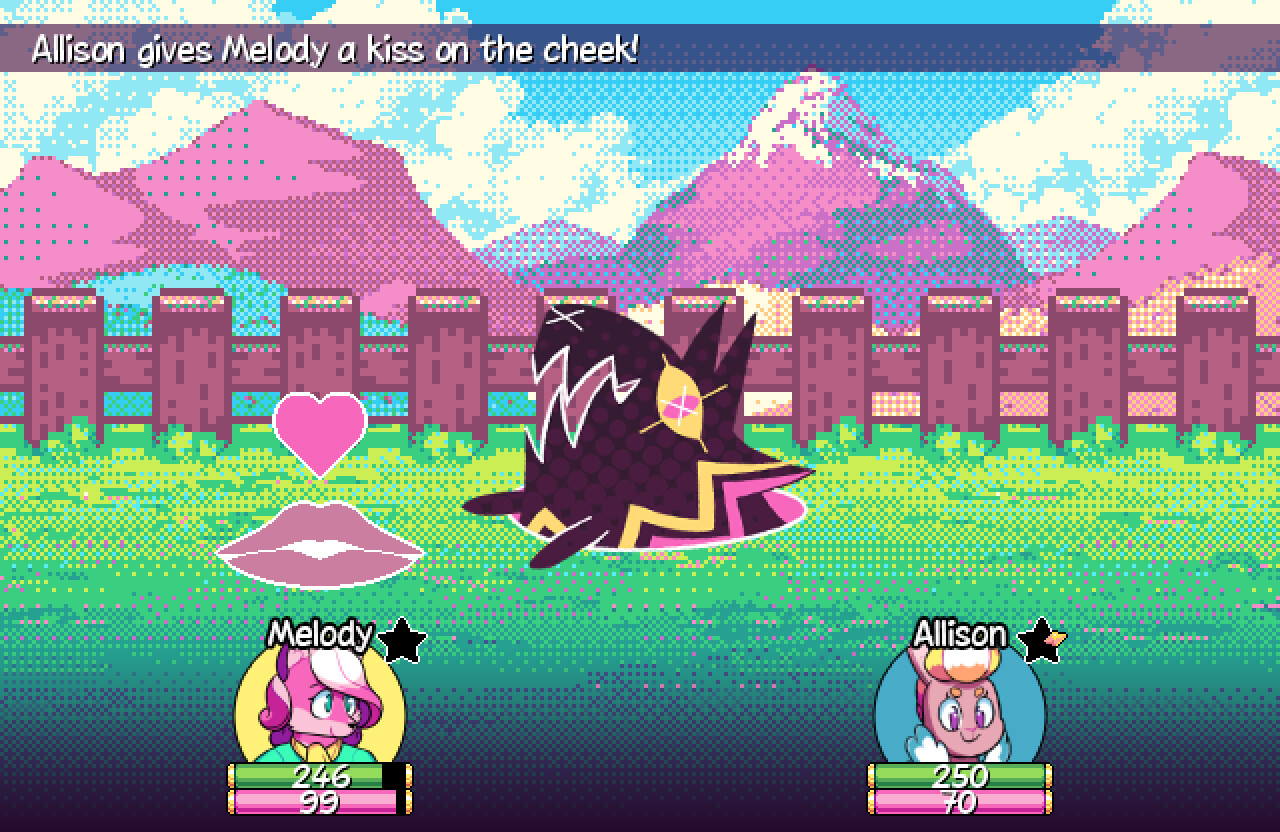
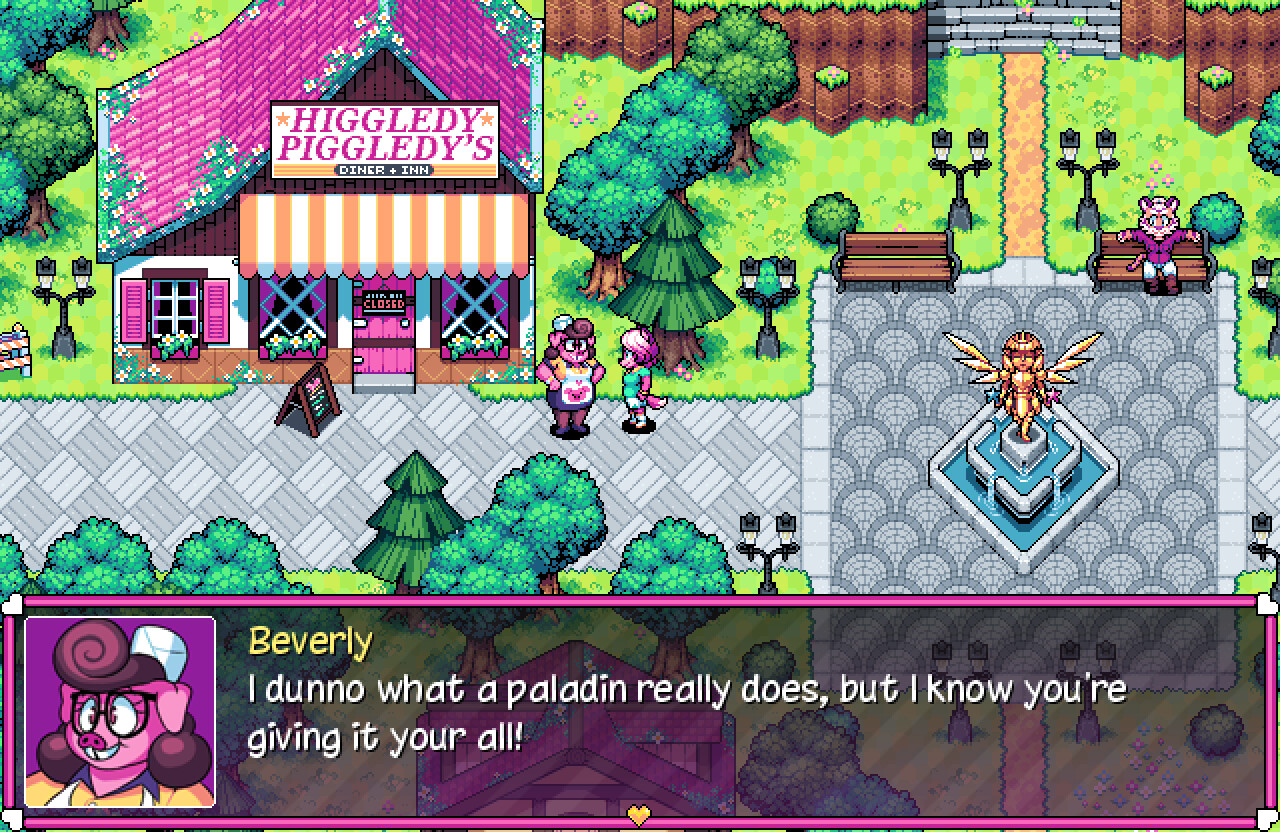
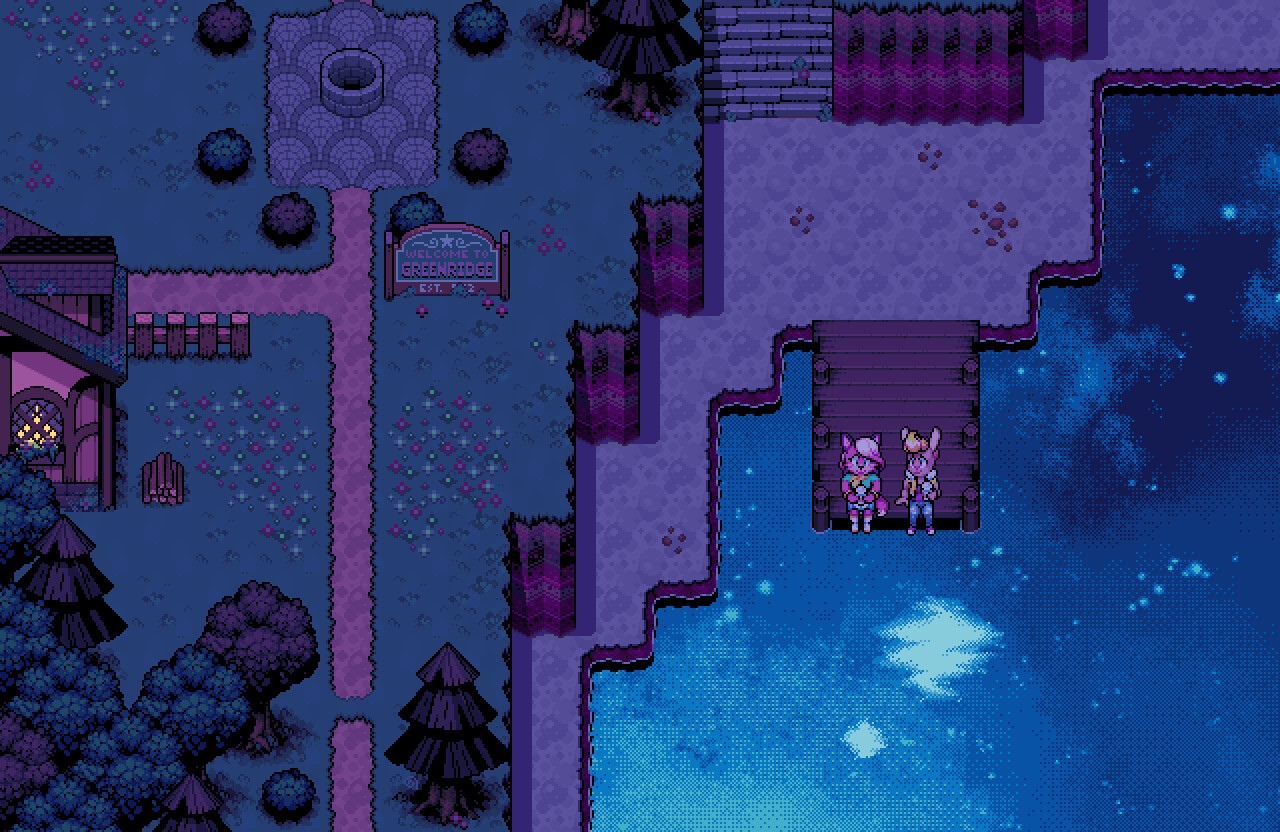
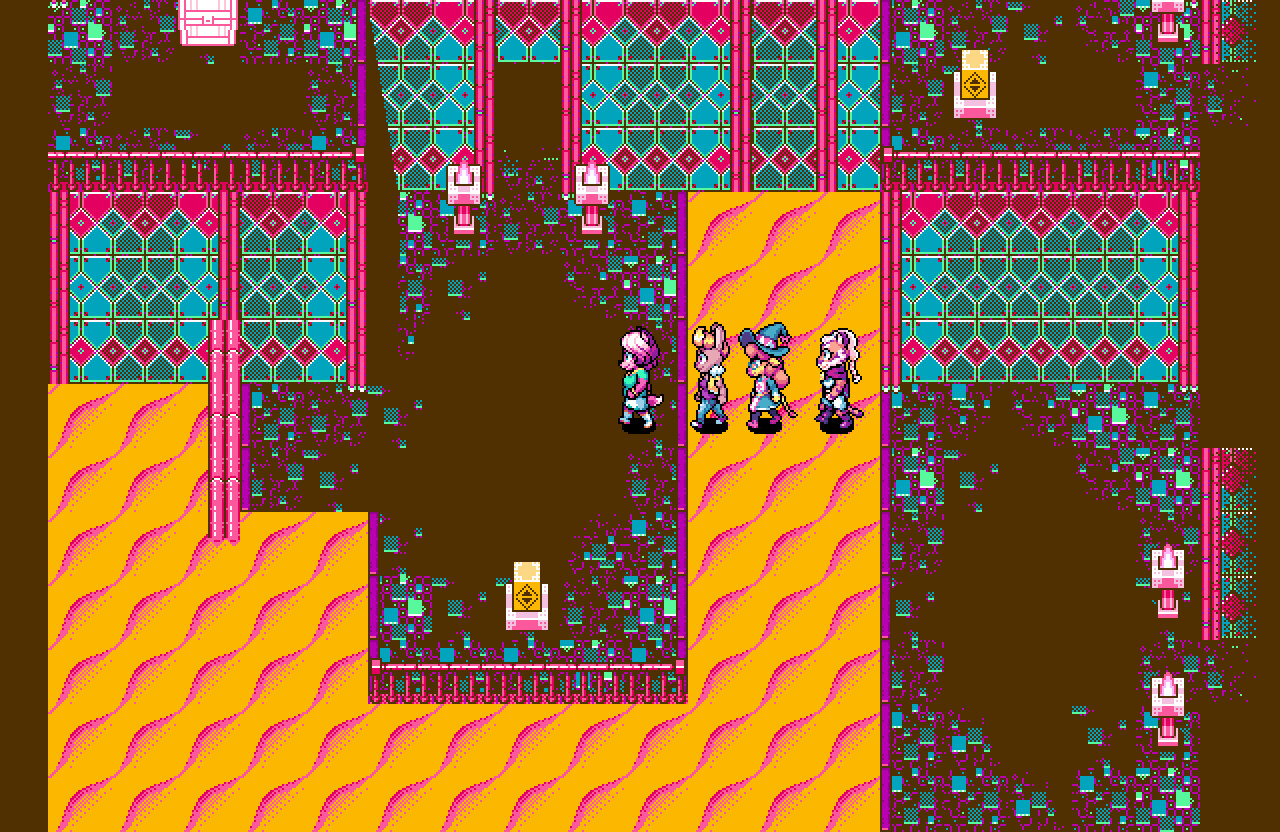
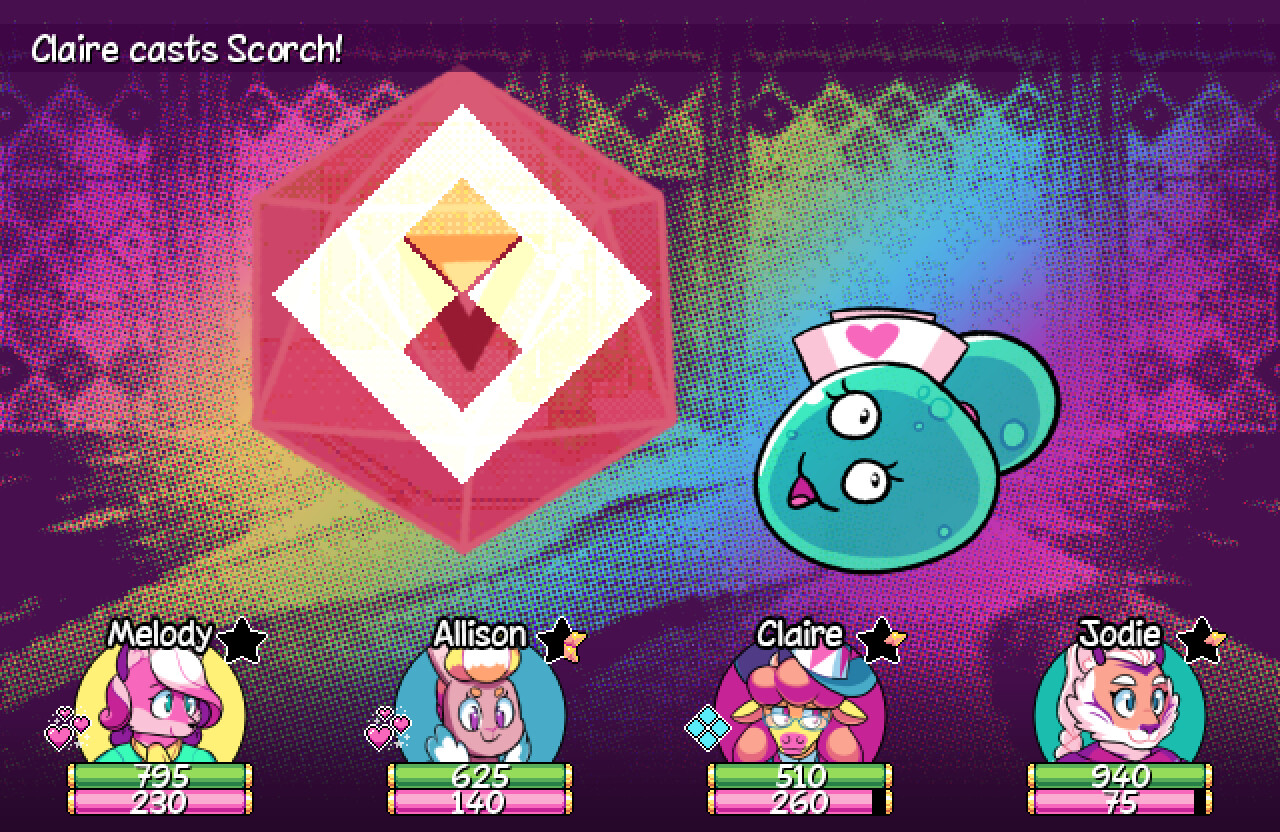
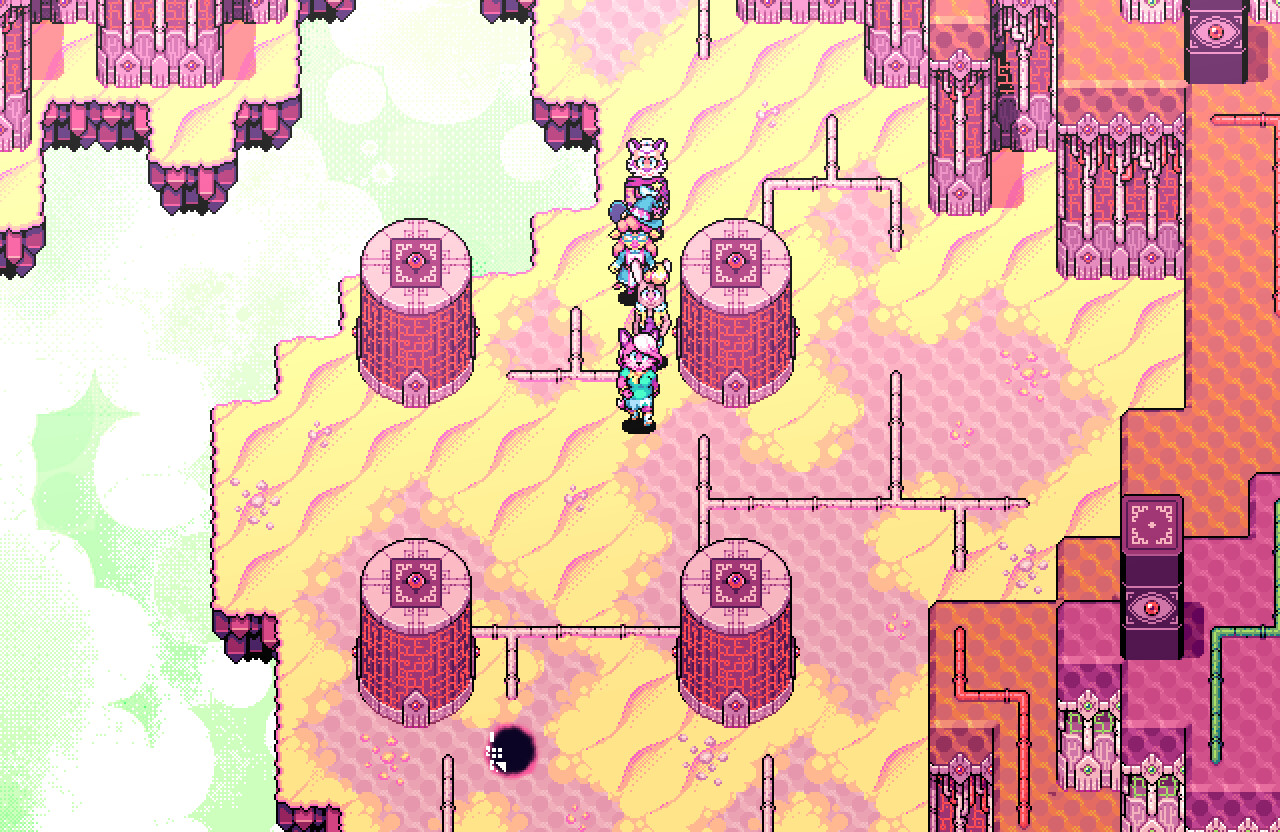
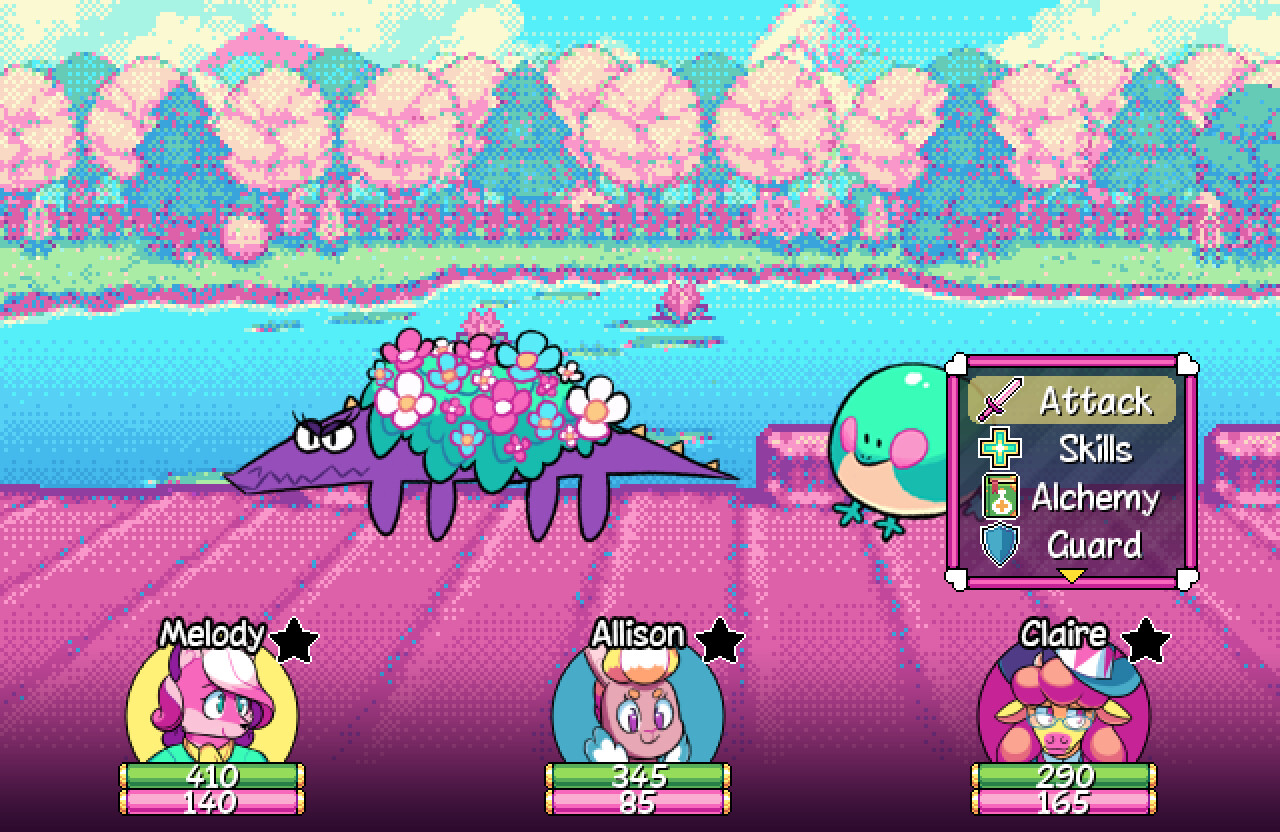
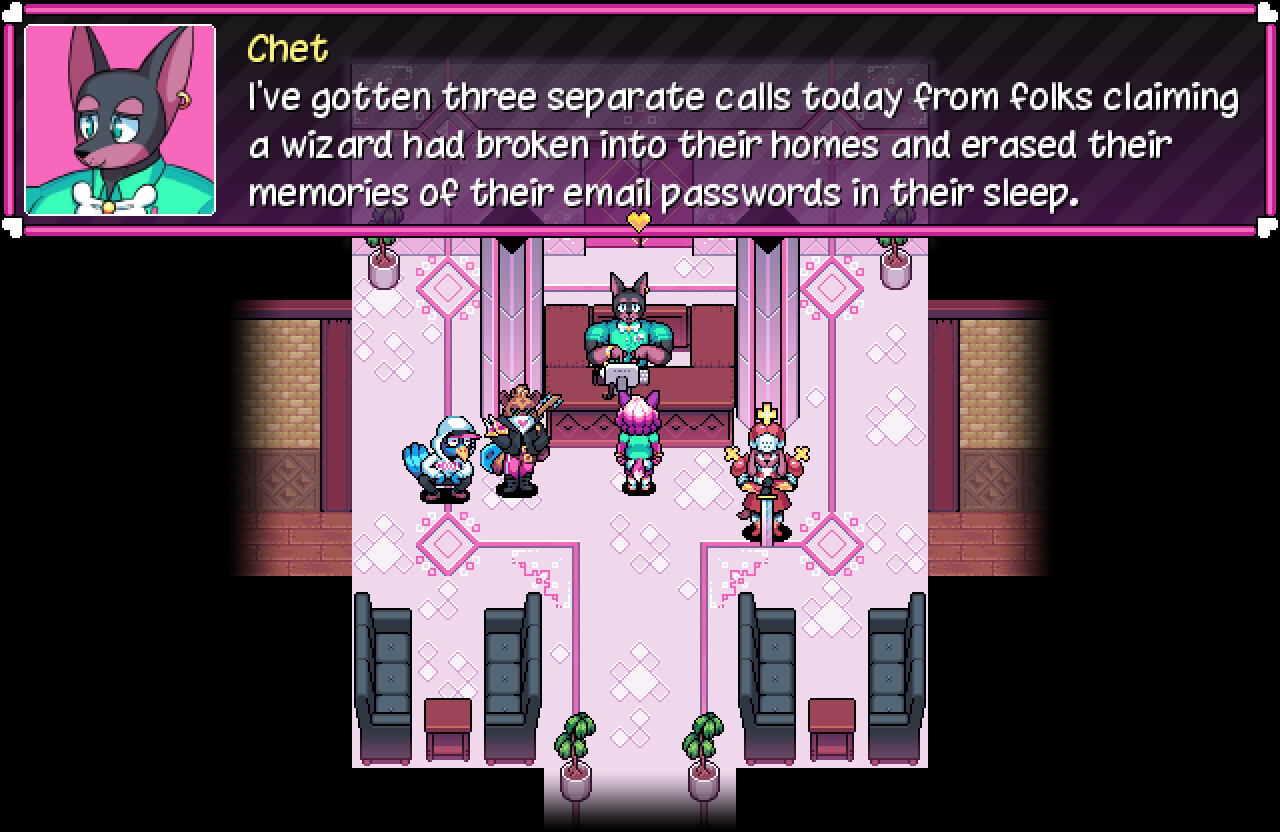
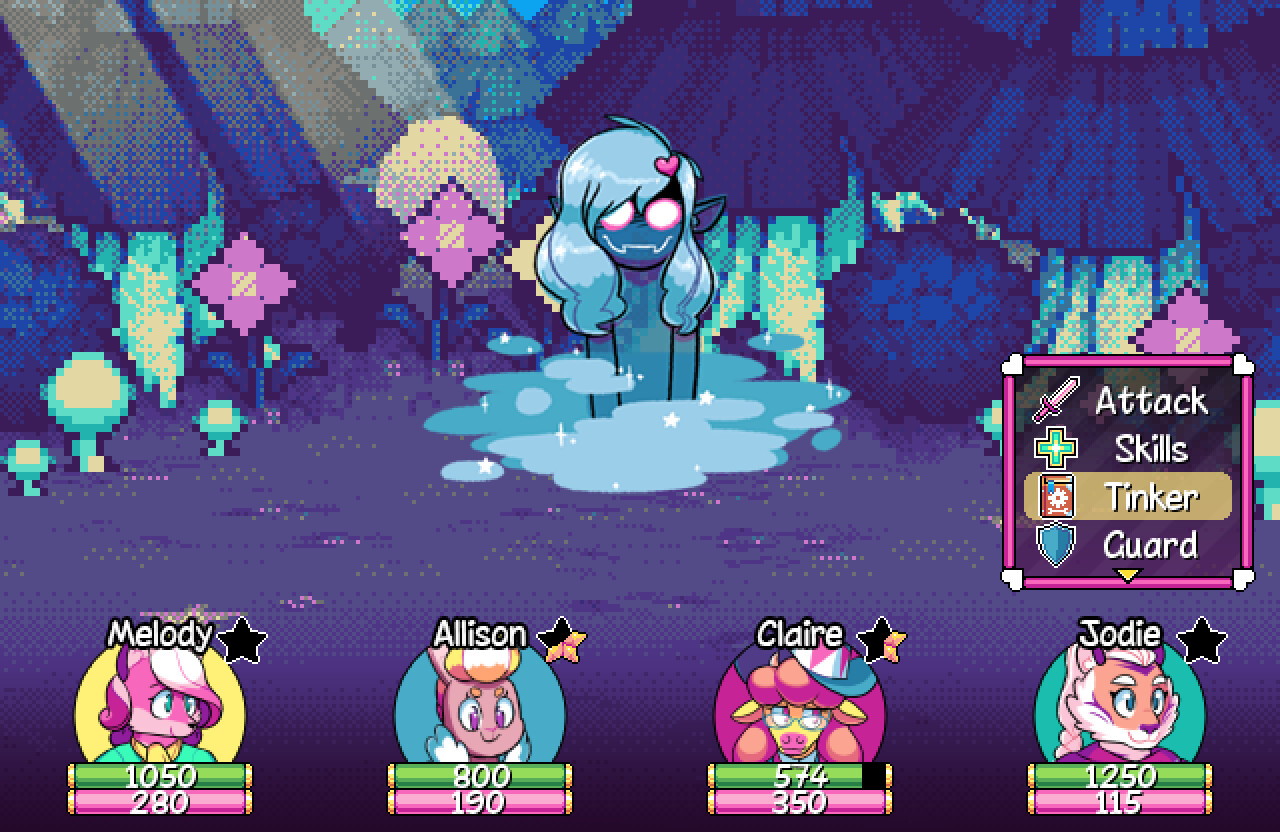
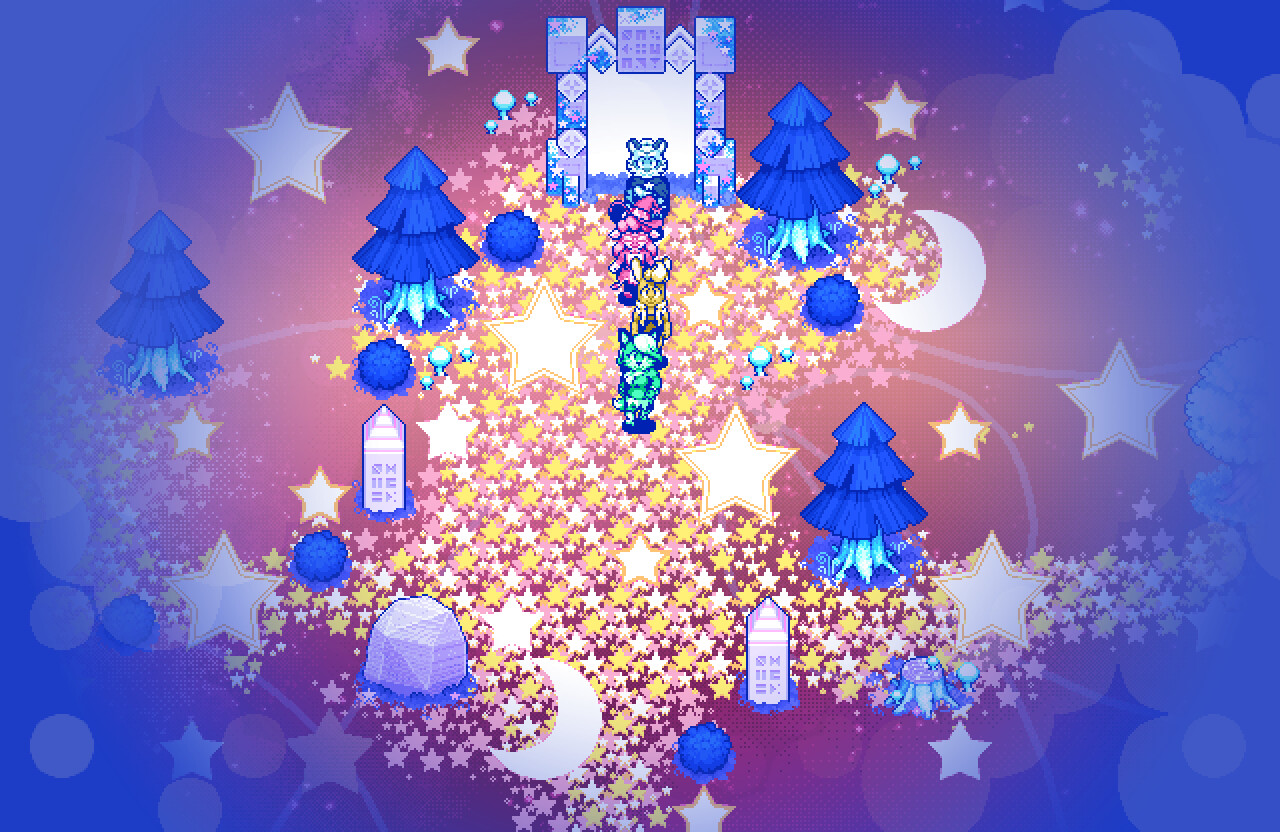
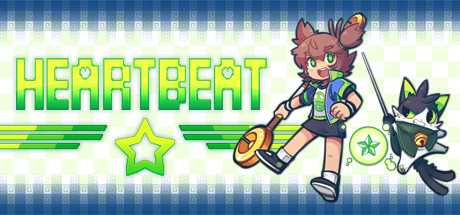
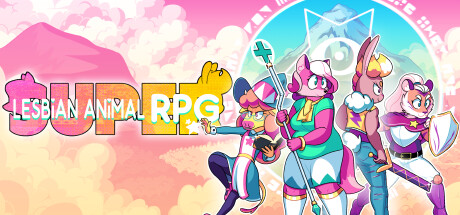
I definitely didn’t expect to like this as much as I did, but it turned out to be great fun. It’s been years since I’ve burned out my quota of JRPGs. And while I still enjoy one or another from time to time, all those watered-down melodramas disguised as (often pointless) power fantasies, full of basic tropes and stiff, dated, repetitive design conventions, have lost every ounce of appeal they once had. I honestly had no interest left in the genre. And like any average ignorant person, I’ve always viewed the furry community with a good dose of concern and unfounded prejudice. With a title that sounds like a parody, and the fact that I might just be too old for this kind of thing, the chances of me ever playing it were almost zero. But, by sheer coincidence, I was browsing through a review list by a YouTube critic I’ve followed for years called Lorerunner (I highly recommend checking out his “Ruminations”), and I noticed that this game had an extraordinarily high score — higher than Resident Evil 4R! That hinted that maybe the title wasn’t just a joke and this wasn’t another one of those “meme games” flooding Steam. And well, for a game made with a very limited engine, built on a practically prehistoric structure (only a bit more complex and visually engaging than classic SNES titles), this is an extremely solid game. WAAAAY better than it has any right to be. It’s a well-crafted reproduction of traditional genre elements, made by people who clearly know every trick and cliché like the back of their hand — how each one used to be applied, how they evolved, and how to subvert them to make them more convenient and fun. Think of every headache you’ve ever had playing these games — all the repetition, the grind, the padding, the boring backtracking, the characters’ complete lack of awareness of their surroundings, the hours of filler text stretching out the game’s length, the huge and generic dungeons, the utterly bland combat mechanics… all those things that sour your experience whenever you try revisiting those old classics. This game fixes almost all of that , without abandoning the traditional formula — building instead on tried and tested features, and showing a glimpse of the “hidden potential” behind each of them. It’s surprising how much mileage they get out of these mechanics, simply by adding some humor and creativity. This is a fair-sized, lighthearted, straightforward, action-packed romantic story, about a handful of surprisingly well-spoken and emotionally complex young adults taking their first steps toward the lives they want for themselves, getting into wild adventures — and saving the world from apocalyptic threats along the way. And also working out their relationships. Which is almost as serious. With excellent pacing, a solid and well-balanced turn-based combat system (even if a bit on the easy side), and sharp, clever writing overflowing with charm and comedy — not to mention a presentation that’s… let’s say creative — the game stands as a complete package within the genre’s framework. It uses modern (as in contemporary) language and maintains a consistently humorous tone, but never so much that it overshadows the story’s dramatic moments. The humor is grounded in the characters and setting, and doesn’t rely on cheap references or devolve into a self-aware meme soup. The writing is good enough to let the humanity behind the words shine through. They have the sensitivity and skill to tell a funny story without sacrificing emotional depth or dialogue cohesion. Conversations sound like actual conversations. Jokes make sense within the game’s own world. Even when it’s poking fun at genre clichés, it does so in a way that even players without that background can still appreciate the jokes. And they never overdo the melodrama — whenever the game gets to those moments, they feel earned . The plot itself is intriguing and coherent enough to keep the story moving at a steady pace, full of eccentric characters, layered conflicts, mysteries and revelations. The game world isn’t huge, but it feels alive (by 90s RPG standards), with plenty of flavorful NPC interactions and vignettes (many optional and regularly updated based on context), reminiscent of Earthbound . And it offers a wide range of memorable locations with distinct concepts. Exploring is especially enjoyable thanks to some smart design choices. Map layouts are generally “circular” and intuitive, full of convenient shortcuts and loops that make navigation smooth and backtracking practically nonexistent. They’re never huge and their layouts and gimmicks (same for the equally well-designed dungeons) are distinct enough not to feel repetitive. Adding to that, there are conveniently placed fast-travel points in all the relevant areas (and only where they’re actually needed), and plenty of save points everywhere — respecting your time and preventing that annoying anxiety of the possibility of losing big chunks of progress. Random encounters are well-paced, with appropriate rewards — enough to make you feel you're struggling, but not grinding. They’re also visible, and most can be sped through or easily avoided. And if you need to grind, the game conveniently has areas for that. Combat, overall, is standard, but offers a decent level of customization through skill and item combos — simple, fun to execute, and flexible regardless of a character’s “class.” This is complemented by an excellent roster of enemies and bosses (especially the optional ones) with creative — sometimes hilarious — concepts, and occasionally unique mechanics or gimmicks that bend combat rules in fun, challenging (almost) ways without breaking the core system. The game isn’t meant to be particularly demanding, so much of this creativity might go unnoticed since you can often ignore it altogether. Still, that doesn’t mean it’s not interesting and fun. It’s great —consistent from start to finish. In any case, the balance between narrative and gameplay, and their occasional integration, is sublime. They even use party order as a narrative device. And the jokes, man… From questioning the legality of shopkeepers’ inventory, to treasure chest contents, to reused enemy sprites — even the word “furry” itself! It’s brilliant. And it never feels overdone. On top of that, the game includes a nice amount of secondary and supplementary content (sidequests, lore, bestiary) that’s all so naturally integrated it feels like part of the main experience. All in all, simply an good game. A hidden gem that proved to me that the genre — even in its most traditional form— still has plenty to offer, as long as it’s handled by competent, passionate developers. Not repeating the same flaws from 30 years ago helps, too. Enough of that. I found myself genuinely charmed by the experience, and grateful that the indie scene can still give me something so close to what I used to love, without simply selling me the same thing all over again. Now... I’m just going to pretend the furry community is like the characters in this game. Nobody can stop me.
Expand the review