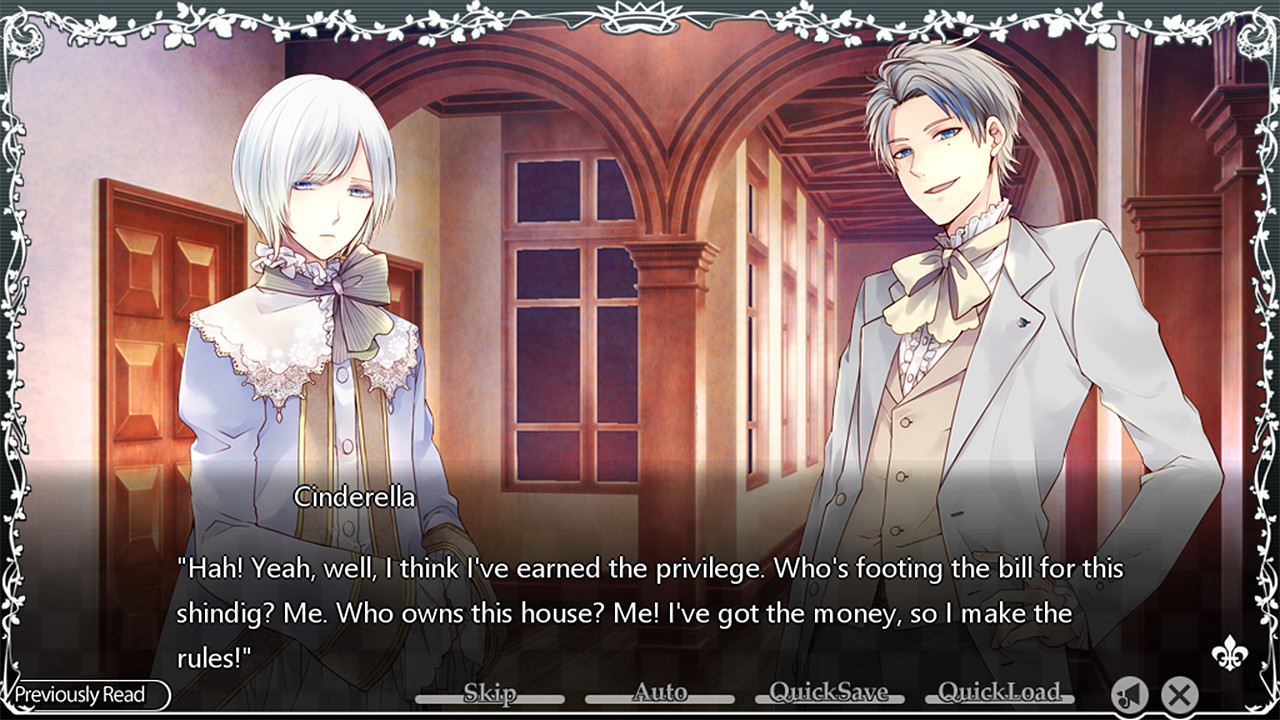
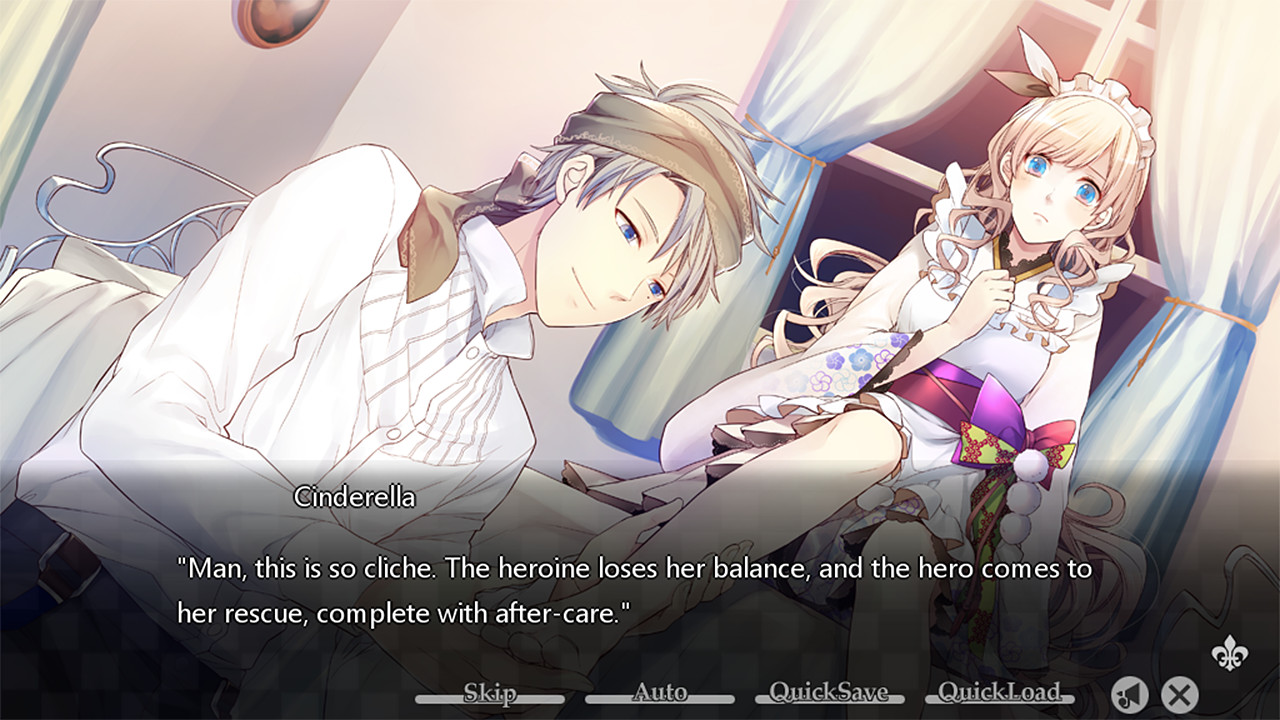
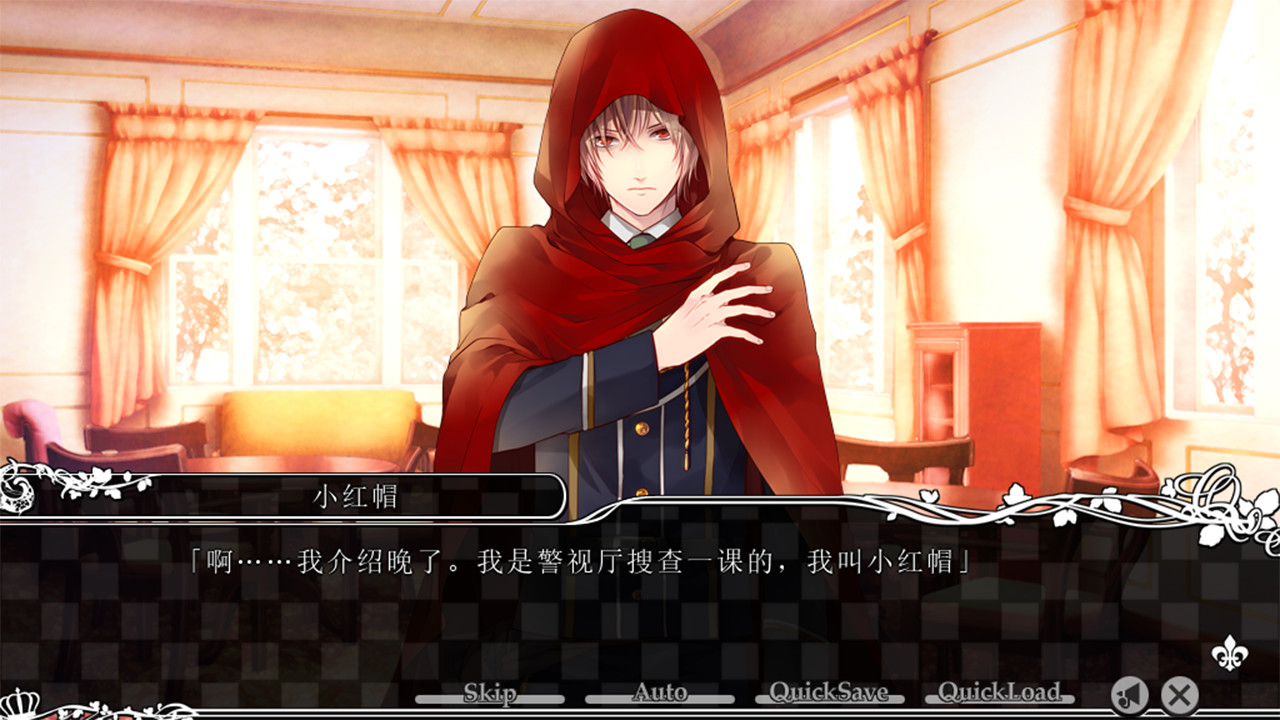
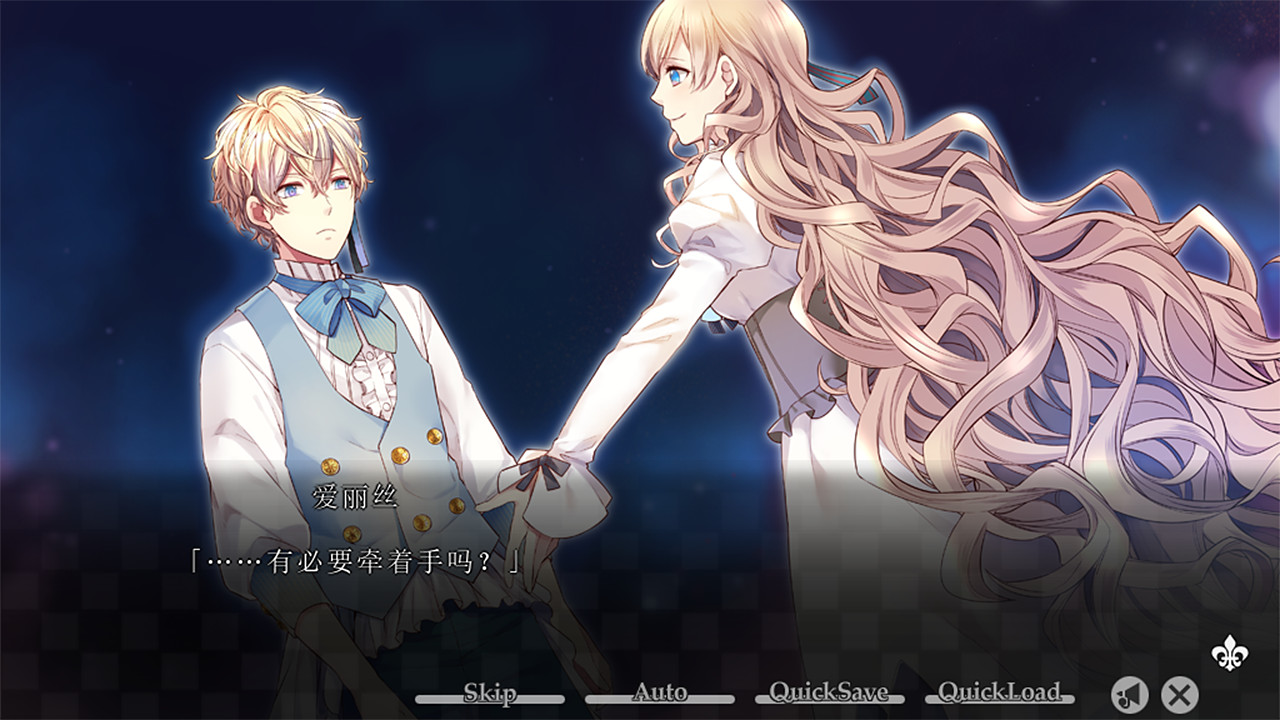
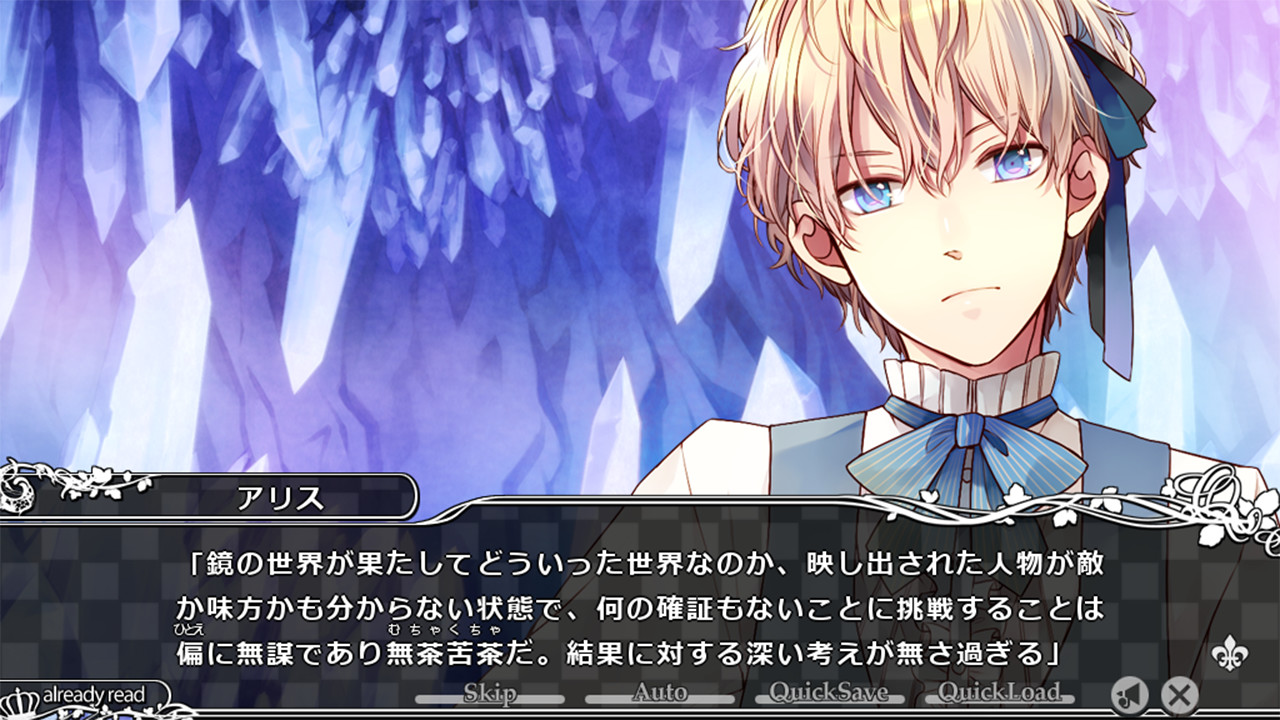
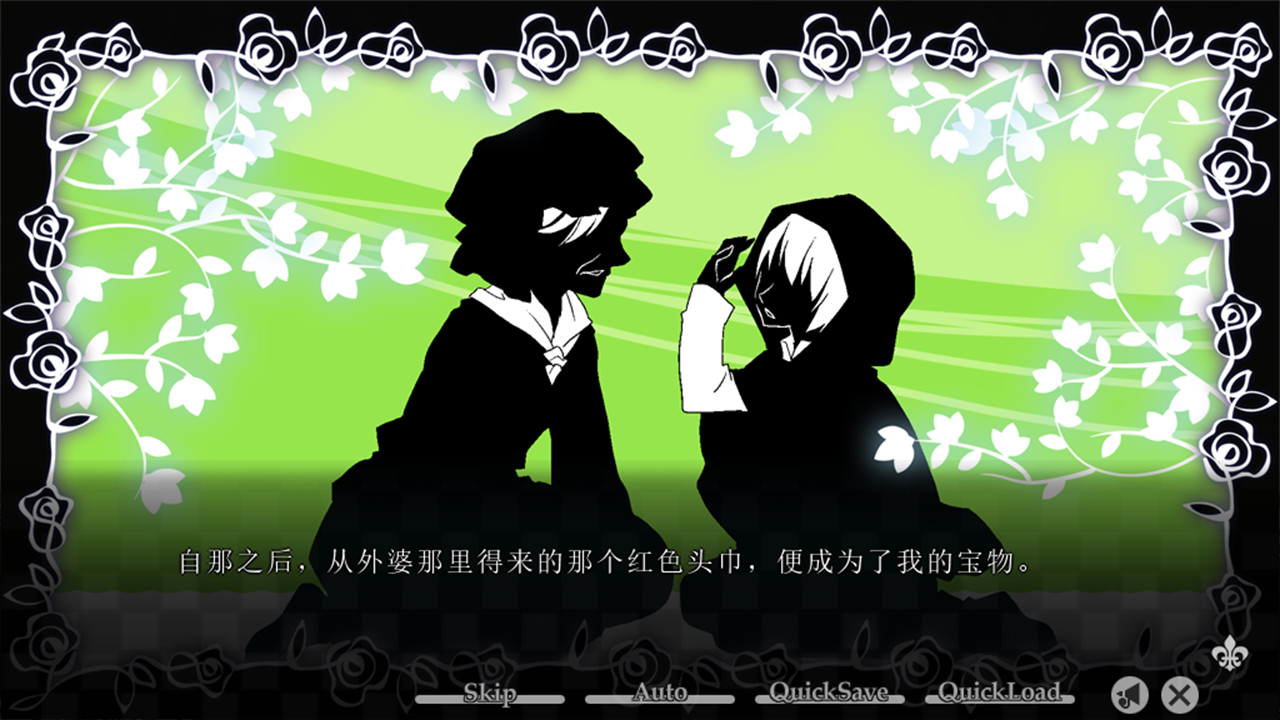
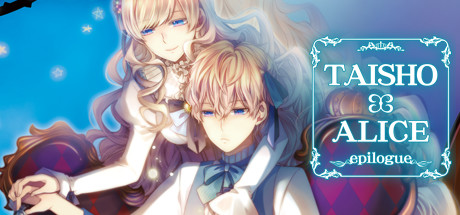
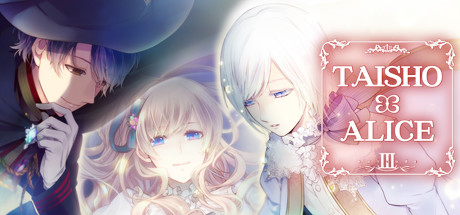
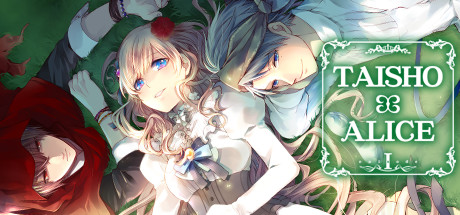
Taisho x Alice Episode 1, developed by Primula and published by Pencil, is the opening chapter of a visually captivating and narratively clever otome series that combines fairy tale charm with psychological intrigue. It places the player in a surreal world where familiar stories are inverted, and traditional archetypes are playfully subverted. At first glance, it appears to be a whimsical romance inspired by classic tales, but beneath its pastel palette and gentle humor lies a surprisingly complex emotional journey that hints at something much darker. This episode introduces the setting, its central mystery, and the first two romance routes, each of which blends comedy, affection, and introspection in ways that distinguish it from more conventional romantic visual novels. The story begins with the heroine awakening in a pitch-black void, stripped of memories and surrounded by nothingness until she encounters a boy named Alice, who, like her, remembers only his name. Together they step through a mirror into the “Looking-Glass World,” a distorted reflection of fairy tales where the traditional roles of hero and heroine have been reversed. Instead of rescuing princes, the protagonist takes on the role of savior, helping male versions of beloved storybook characters rediscover their purpose and overcome their inner turmoil. Episode 1 focuses on two such figures: Cinderella, a refined but insecure young man who struggles with class identity and self-worth, and Red Riding Hood, a brash, impulsive delinquent with a hidden tenderness beneath his rough demeanor. Each route tells a complete story, exploring different emotional tones while also weaving subtle clues about the overarching mystery that spans the entire series. One of the most distinctive qualities of Taisho x Alice is its heroine. Unlike many otome protagonists who are passive or reactive, she is lively, outspoken, and empathetic. Her determination to guide and protect the male leads gives the game a refreshing sense of agency. Her dialogue is often witty and teasing, turning conversations into lively exchanges that make each relationship feel organic. The writing is sharp and often comedic, full of self-awareness and playful jabs at fairy tale conventions. Yet the humor never feels forced; instead, it provides balance against the melancholy that seeps into the narrative as the characters’ emotional scars are revealed. This mix of lighthearted charm and deeper subtext makes the experience both endearing and meaningful. The art direction is one of the game’s strongest aspects. The visual presentation is lush and dreamlike, with vivid colors, intricate character designs, and detailed backgrounds that immerse the player in the storybook setting. Each scene feels carefully composed to evoke the surreal yet nostalgic tone of a reimagined fairy tale world. The character sprites are expressive, and the CG illustrations punctuate key emotional moments beautifully. The Japanese voice acting enhances the performances significantly, giving each character nuance and personality. The combination of elegant art and heartfelt performances creates a cinematic quality that elevates the experience beyond a standard romance visual novel. In terms of gameplay, the structure is familiar to anyone experienced with visual novels. The player reads through text, makes decisions during key moments, and influences which ending they receive. Each route offers multiple outcomes—good, normal, and bad—based on the player’s dialogue choices and how well they connect with the chosen love interest. The branching paths encourage multiple playthroughs to see all the content, though the narrative flow remains linear enough to maintain coherence. The game’s pacing is steady, but some players may find that the romantic developments occur rather quickly compared to the emotional buildup. However, this pacing choice also contributes to the game’s fairy tale quality, where romance often unfolds in heightened, dramatic moments rather than slow realism. Episode 1’s greatest strength is its ability to balance self-contained romance stories with hints of a larger enigma. The Looking-Glass World is not simply a whimsical setting; it’s a metaphorical space reflecting each character’s emotional struggles. The player gradually realizes that there are deeper forces at work—elements of memory, identity, and self-perception that linger beneath the surface of each encounter. This underlying mystery gives the story weight and cohesion, setting the stage for later episodes that expand on these psychological and narrative themes. Even though Episode 1 focuses on two routes, it plants enough questions to keep the player intrigued long after the credits roll. The localization deserves special mention for its wit and clarity. Earlier releases of the game suffered from translation issues, but this Steam version delivers smooth, polished dialogue that captures both the humor and emotion of the original Japanese writing. The conversations feel natural, and the cultural nuances are preserved without feeling awkward or overly literal. Combined with an intuitive interface and clean menu design, the technical presentation enhances the accessibility and enjoyment of the game. While Taisho x Alice Episode 1 offers a delightful experience, it does come with some limitations. The short length may leave players wanting more, and because the game is divided into episodic releases, it ends on a note that hints at unresolved mysteries rather than concluding the overarching plot. Players seeking a fully self-contained story may find the ending abrupt. However, as the opening chapter of a larger narrative, it succeeds in establishing its tone, introducing compelling characters, and leaving the audience eager for continuation. Ultimately, Taisho x Alice Episode 1 is a charming blend of whimsy and emotional depth, wrapped in a stunning visual package. It reimagines familiar fairy tales with warmth and creativity, offering romance that feels both humorous and heartfelt. The proactive heroine, beautifully drawn world, and layered storytelling distinguish it from more formulaic entries in the otome genre. Beneath its light exterior lies a thoughtful reflection on identity and perception, setting it apart as a narrative that grows richer with each route. For fans of romantic visual novels who appreciate strong writing and artistic flair, it stands as a captivating beginning to a uniquely imaginative series. Rating: 8/10
Expand the review