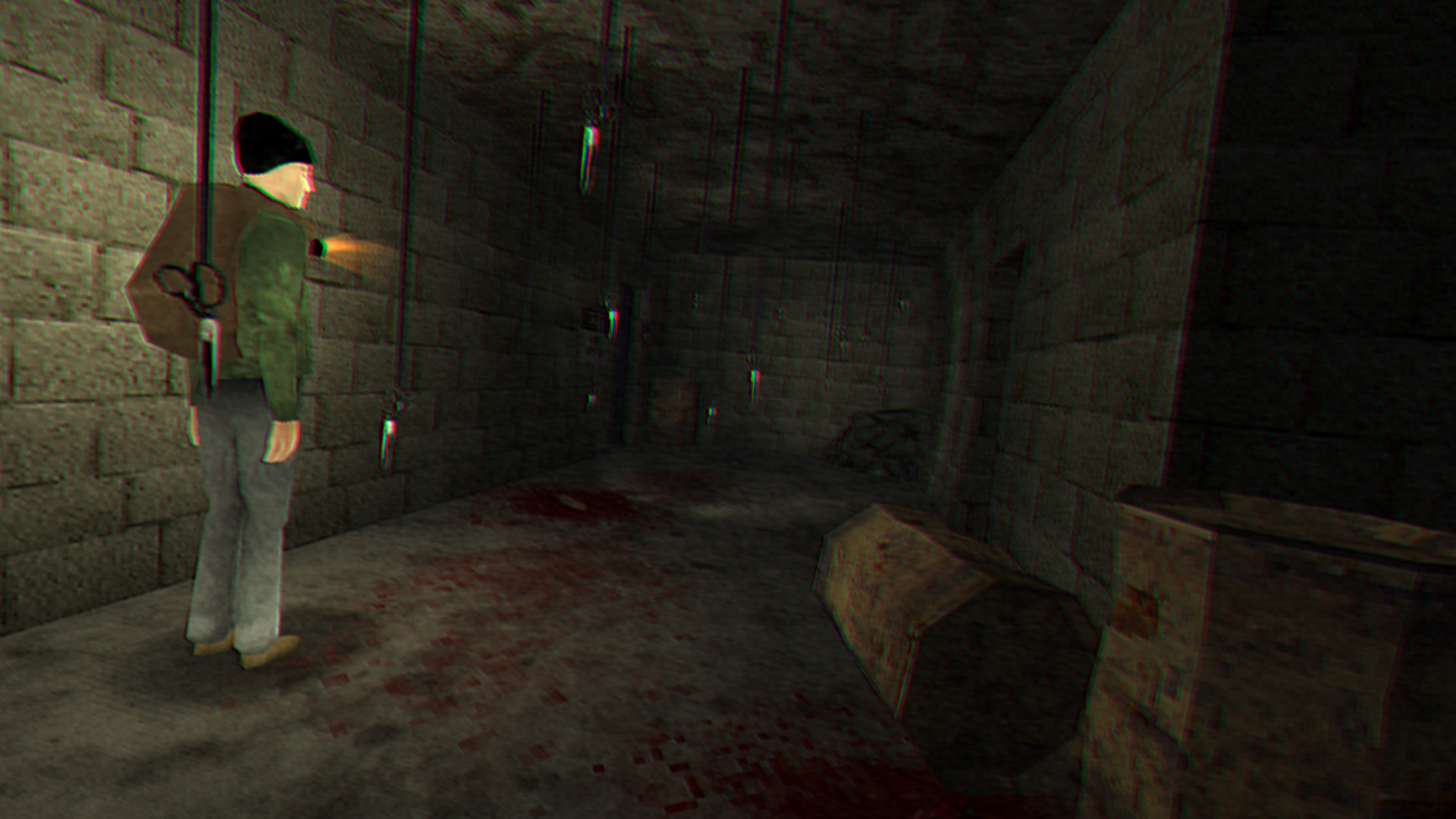
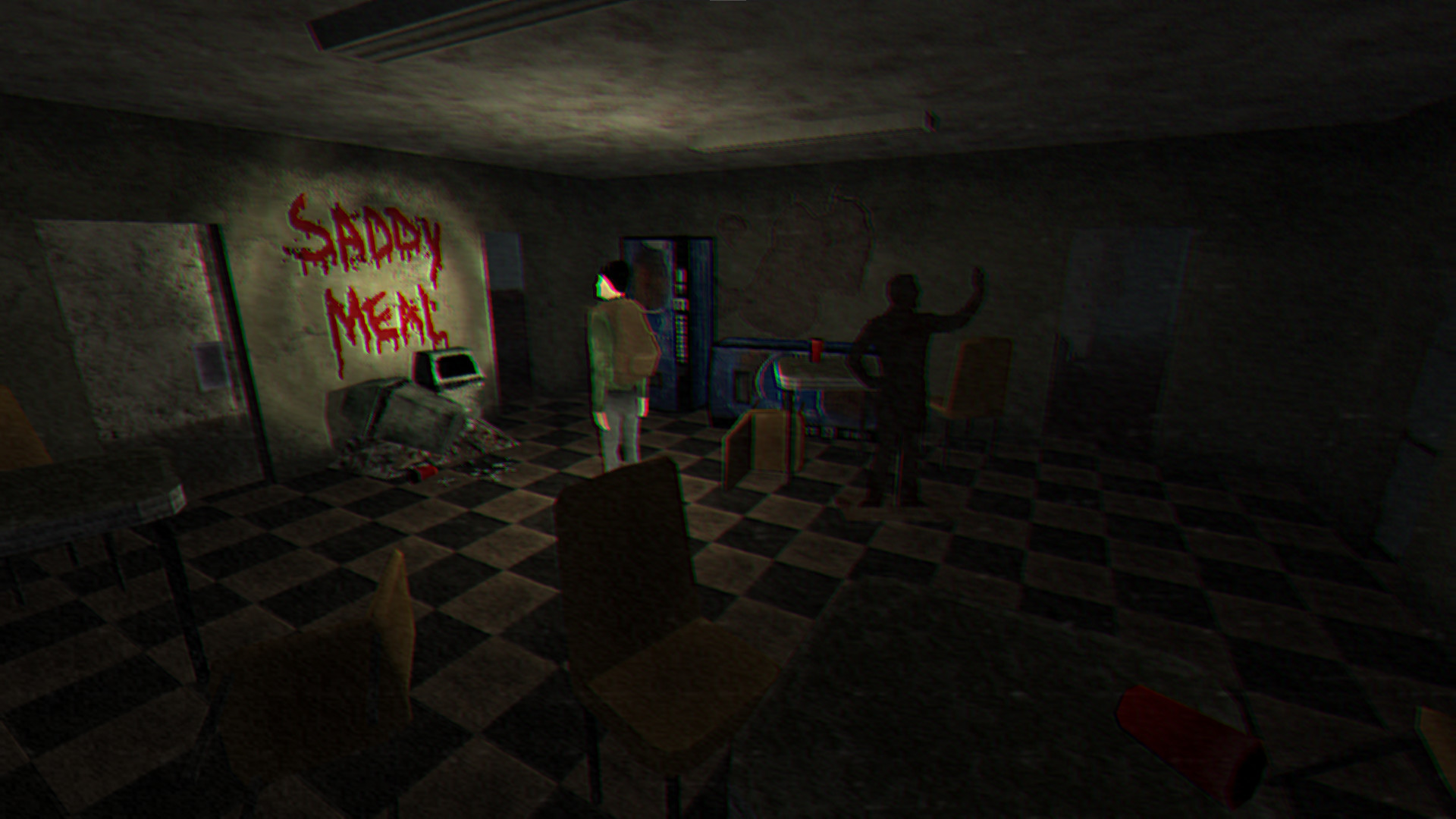
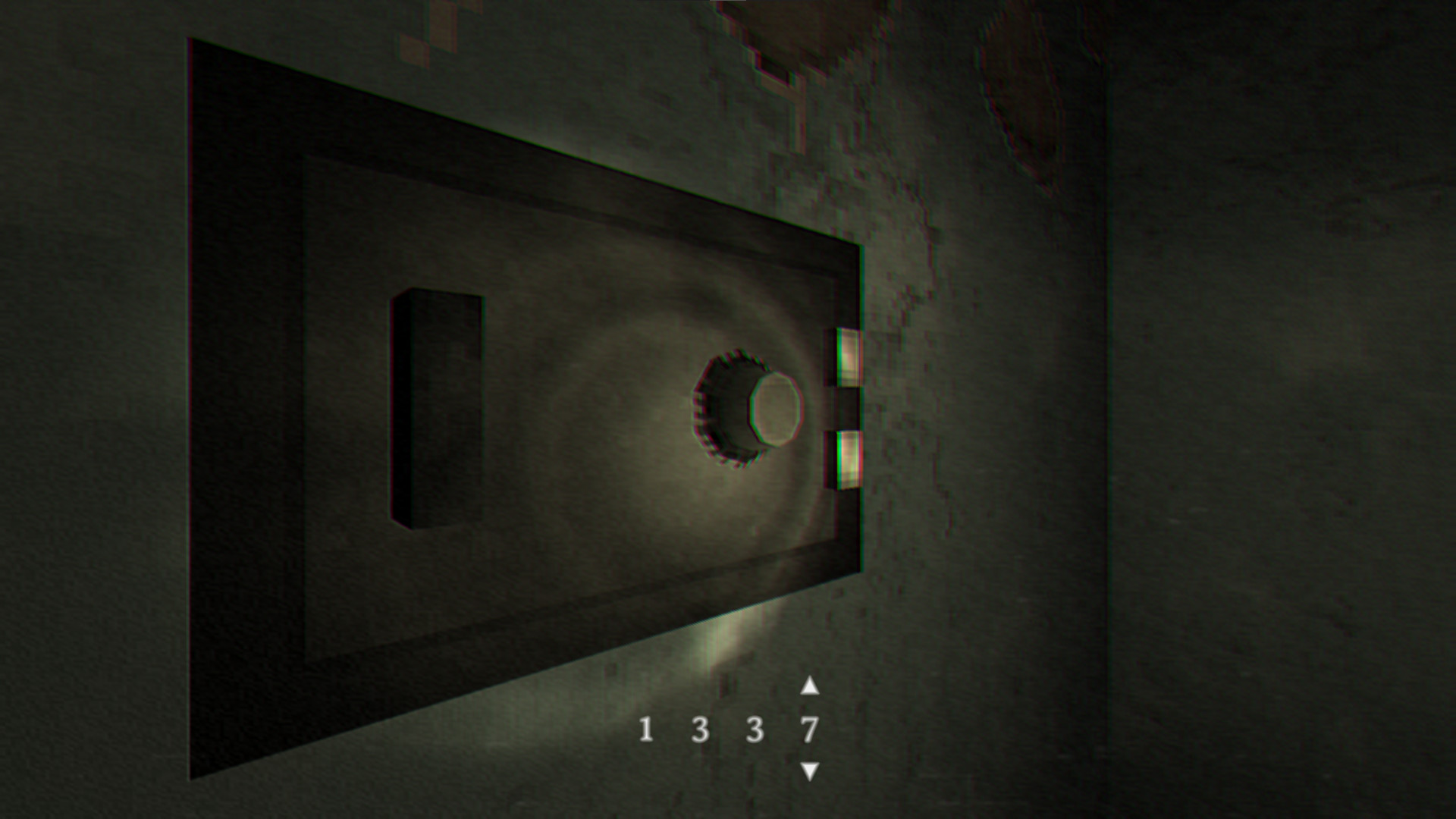
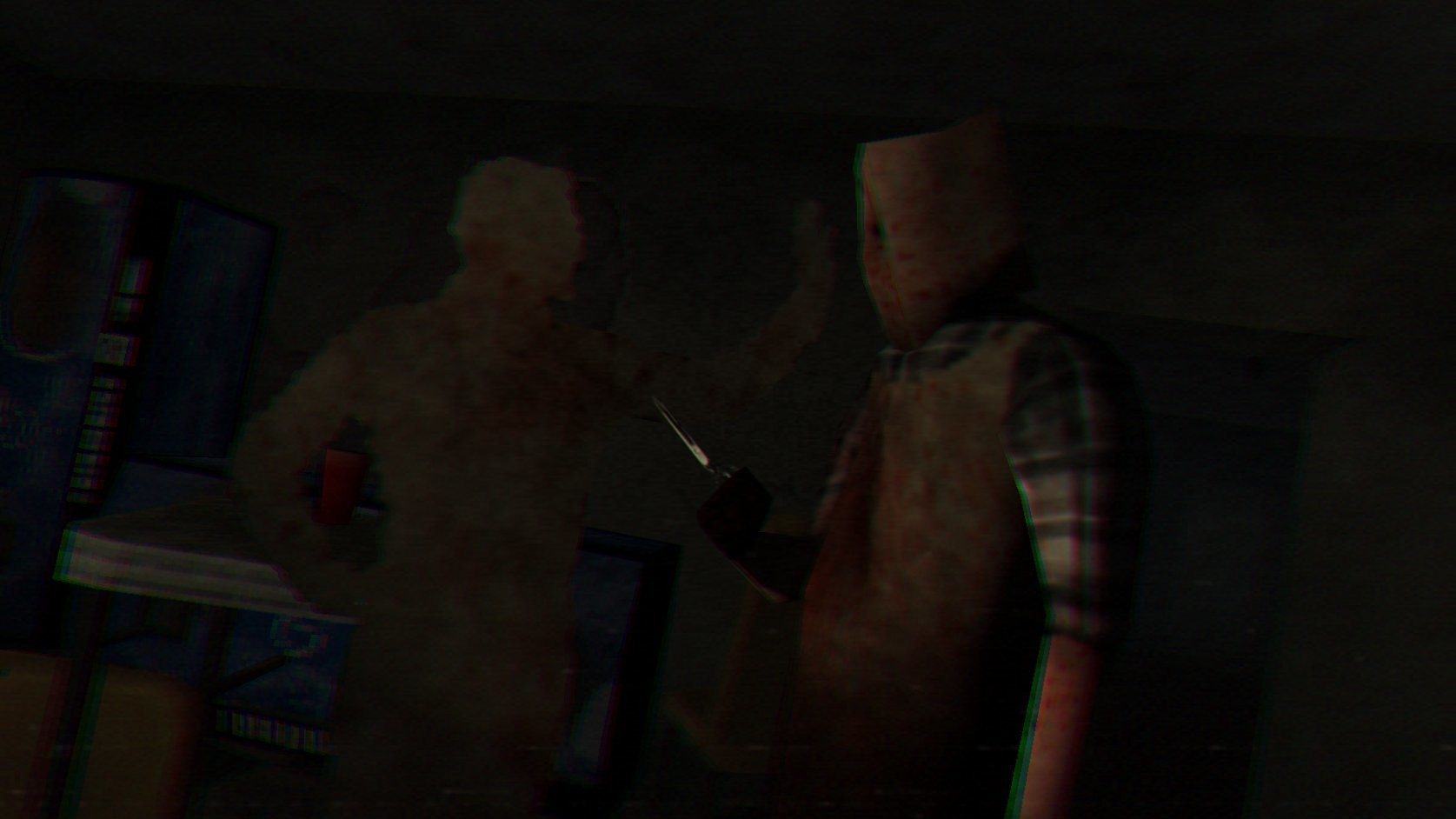
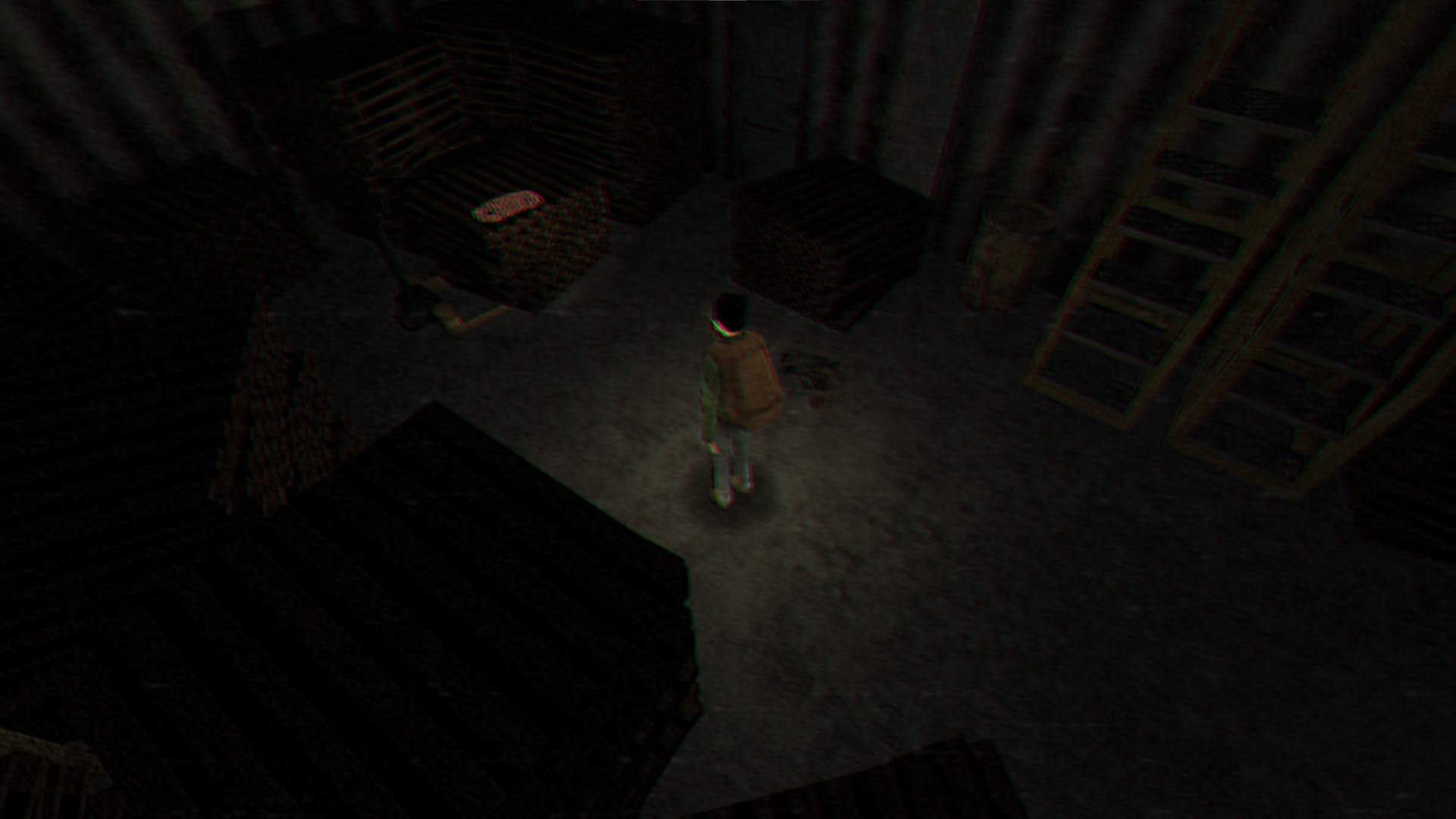
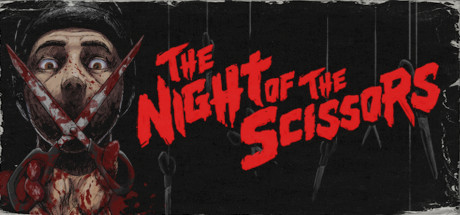
The Night of the Scissors, developed by Tomás Esconjaureguy and published by selewi, is a concise yet striking homage to retro survival horror and classic slasher cinema. Set within the confines of an abandoned post office, the game places the player in the shoes of Adam, a petty thief who, along with his friend, attempts to scavenge scrap metal from the derelict building. What begins as a simple act of desperation quickly transforms into a nightmare when Adam realizes that something is hunting him—a deranged killer armed with a pair of scissors. What follows is a tense, minimalist survival experience that relies on atmosphere, pacing, and sound design rather than complex mechanics or flashy visuals to evoke genuine dread. From the moment the game begins, it establishes a mood of isolation and unease. The post office is rendered in a deliberately crude, low-poly style reminiscent of PlayStation 1-era graphics, with grainy textures, flickering lights, and eerie VHS filters that make the world feel both nostalgic and unsettling. The art direction is purposeful rather than primitive; its imperfections amplify the sense of decay and claustrophobia. The static camera angles and limited field of vision heighten tension by restricting awareness, forcing players to commit to every movement without full knowledge of what lurks beyond the screen’s edge. The environment feels like a living relic of forgotten horror design principles—compact, grimy, and filled with oppressive silence punctuated only by the faint echo of footsteps or the unmistakable metallic snip that heralds danger. Gameplay is straightforward but effective, focusing on exploration, stealth, and evasion rather than combat or resource management. The player must navigate a maze of dimly lit rooms, searching for keys, notes, and other items that can help open locked doors or reveal hidden paths to escape. When the killer draws near, hiding becomes the only viable option. Wardrobes, lockers, and bathroom stalls serve as sanctuaries of fleeting safety, and the player must rely on timing and intuition to avoid being discovered. Each encounter with the killer is unpredictable; his sudden appearances and erratic movements inject a sense of panic that keeps the player constantly on edge. The simplicity of the mechanics works in the game’s favor—it strips away distractions, leaving the player alone with their fear and the sound of those relentless scissors cutting through the air. The sound design is arguably the most important component of the experience. Every creak of a door, every shuffle of footsteps, and every sharp metallic snip is positioned to make the player hyperaware of their surroundings. There is no musical score to soften the tension, only ambient noise and the occasional surge of sound when the killer appears. This reliance on sound cues mirrors the best traditions of early survival horror, where fear is derived from what is heard rather than what is seen. The audio landscape of The Night of the Scissors is intimate and suffocating, transforming the silence into a weapon that keeps players guessing whether they are alone or moments away from discovery. Despite its brevity, the game succeeds in delivering a concentrated dose of terror. The Night of the Scissors can be completed in under an hour, but every minute is crafted to maintain suspense. The pacing is deliberate; moments of stillness and slow exploration are frequently shattered by bursts of danger, keeping players in a state of perpetual alertness. The lack of combat reinforces the feeling of helplessness that defines classic survival horror. There is no way to fight back, only to hide, escape, and hope. This vulnerability gives each chase sequence a visceral edge, turning every narrow escape into a genuine relief. While some may find the game too short or mechanically simple, its conciseness prevents it from overstaying its welcome. Like a well-executed short film, it delivers its premise, builds its tension, and concludes before repetition can dull its impact. The visual and thematic inspiration from 1980s slasher films is evident throughout. The villain—silent, faceless, and armed with an iconic weapon—embodies the archetypal slasher antagonist, while the game’s presentation mimics the grainy, imperfect look of VHS tape recordings. Even the narrative framing feels familiar, with its simple setup of trespassers encountering a killer in an abandoned place. Yet what makes The Night of the Scissors stand out is how it recontextualizes these familiar tropes within the framework of interactive horror. The player’s perspective transforms passive fear into active participation, and the limited save system reinforces the risk and tension that defined the genre’s early days. Critically, The Night of the Scissors is not without its shortcomings. The story is minimalistic, offering only enough context to drive the action without delving into character motivation or backstory. The protagonist and antagonist exist as archetypes rather than fully realized figures, which may leave players craving more depth or lore. The camera angles, while nostalgic, can sometimes hinder movement in narrow spaces, and the controls feel intentionally stiff to emulate the awkward charm of old-school survival horror—but this can occasionally frustrate modern players unaccustomed to such restrictions. Nevertheless, these flaws feel deliberate, part of the game’s dedication to authenticity. They reinforce the feeling of vulnerability and imperfection that lies at the heart of its design philosophy. Ultimately, The Night of the Scissors is a love letter to the survival horror of the 1990s—a compact, atmospheric experience that distills fear into its purest elements. It demonstrates how effective tension and pacing can be achieved without high-end graphics, elaborate mechanics, or lengthy campaigns. Every detail—from the low-poly art and fixed cameras to the haunting sound design—serves the singular purpose of immersing the player in dread. It’s a brief, focused horror story that respects its inspirations while carving out its own identity through restraint and mood. For fans of retro horror, it is a reminder of why simplicity can sometimes be far more terrifying than complexity, and for newcomers, it offers a sharp, chilling introduction to the power of minimalist design in evoking fear. Rating: 9/10
Expand the review