
Hollow Cocoon
"Trapped in a cocoon, the silkworm weaves her final dream." Hollow Cocoon is a first-person horror adventure game set in 1980s Japan. Immerse yourself in meticulously recreated environments as you venture into the depths of unspeakable horrors that await you.
Sync your Steam wishlist to track the lowest game prices instantly. No login required, just paste your Steam profile URL!
⚡ Try Wishlist Radar!
Sync your Steam wishlist to track the lowest game prices instantly. No login required!
⚡ Try Wishlist Radar!
Close

Chicken Feet on Steam - User reviews, Price & Information
Quick menu
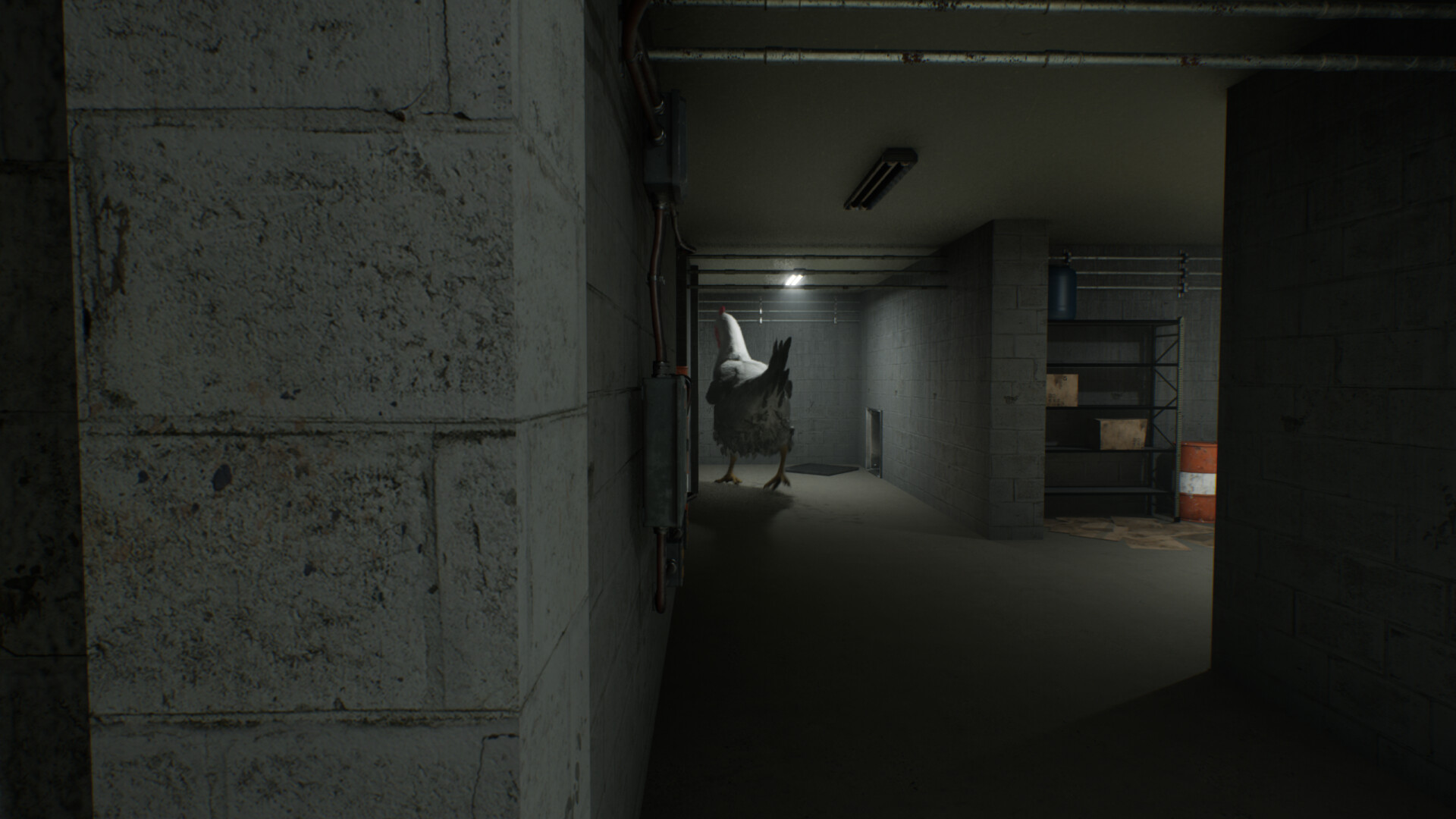
Chicken Feet is a first person survival-stealth horror game about a giant, angry chicken. Descend into the depths of GOOBER laboratories and uncover the horrors that lie beneath the lab's shiny façade.
Chicken Feet is a adventure, horror and psychological horror game
developed by Dylan Bassett
and published by Bassett Interactive.
Released on October 24th 2022 is available in English only on Windows.
It has received 435 reviews of which 396 were positive and 39 were negative resulting in a rating of 8.4 out of 10. 😎
The game is currently priced at 7.79€ on Steam.
The Steam community has classified Chicken Feet into these genres:
Media & Screenshots
Get an in-depth look at Chicken Feet through various videos and screenshots.

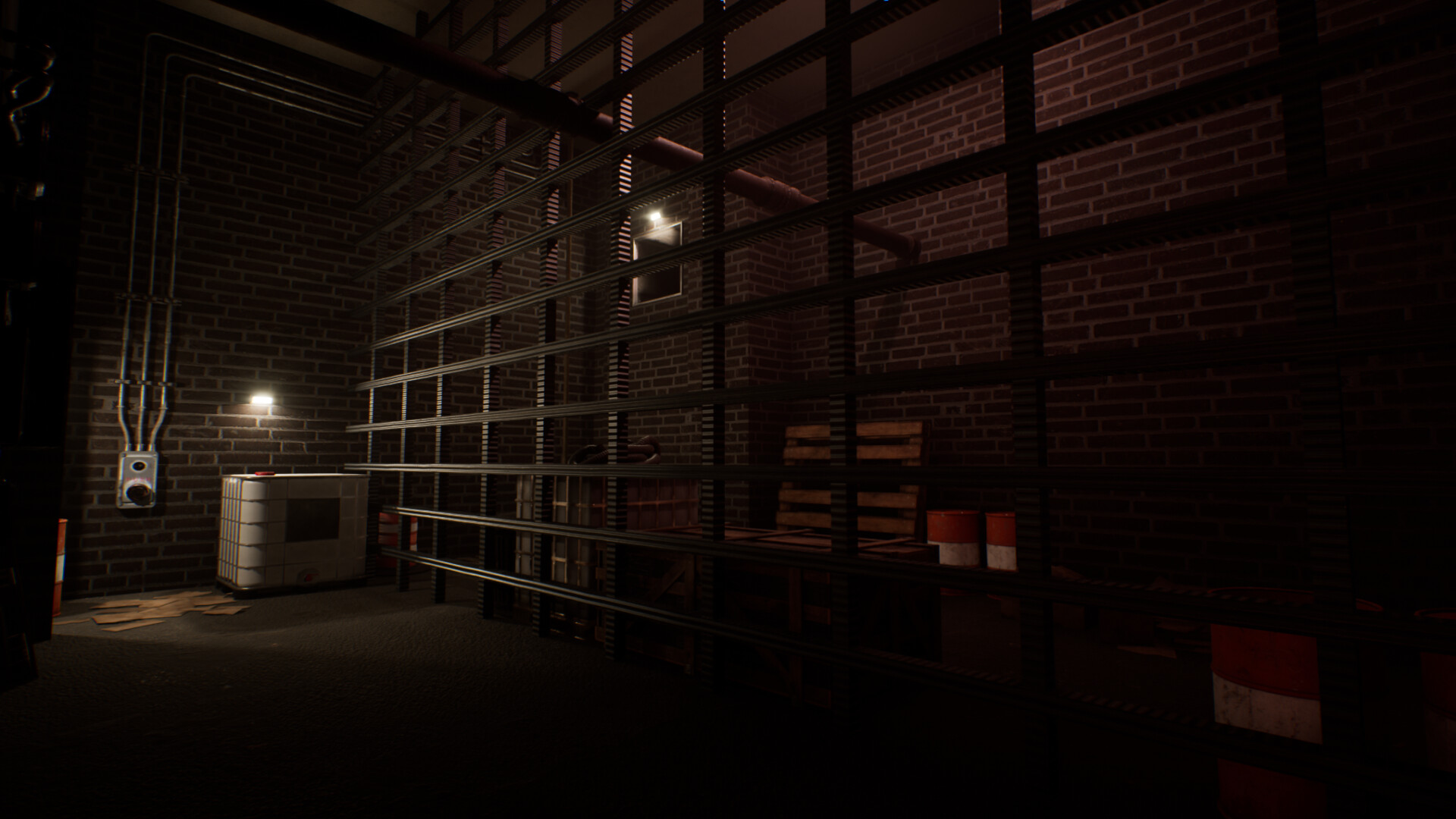
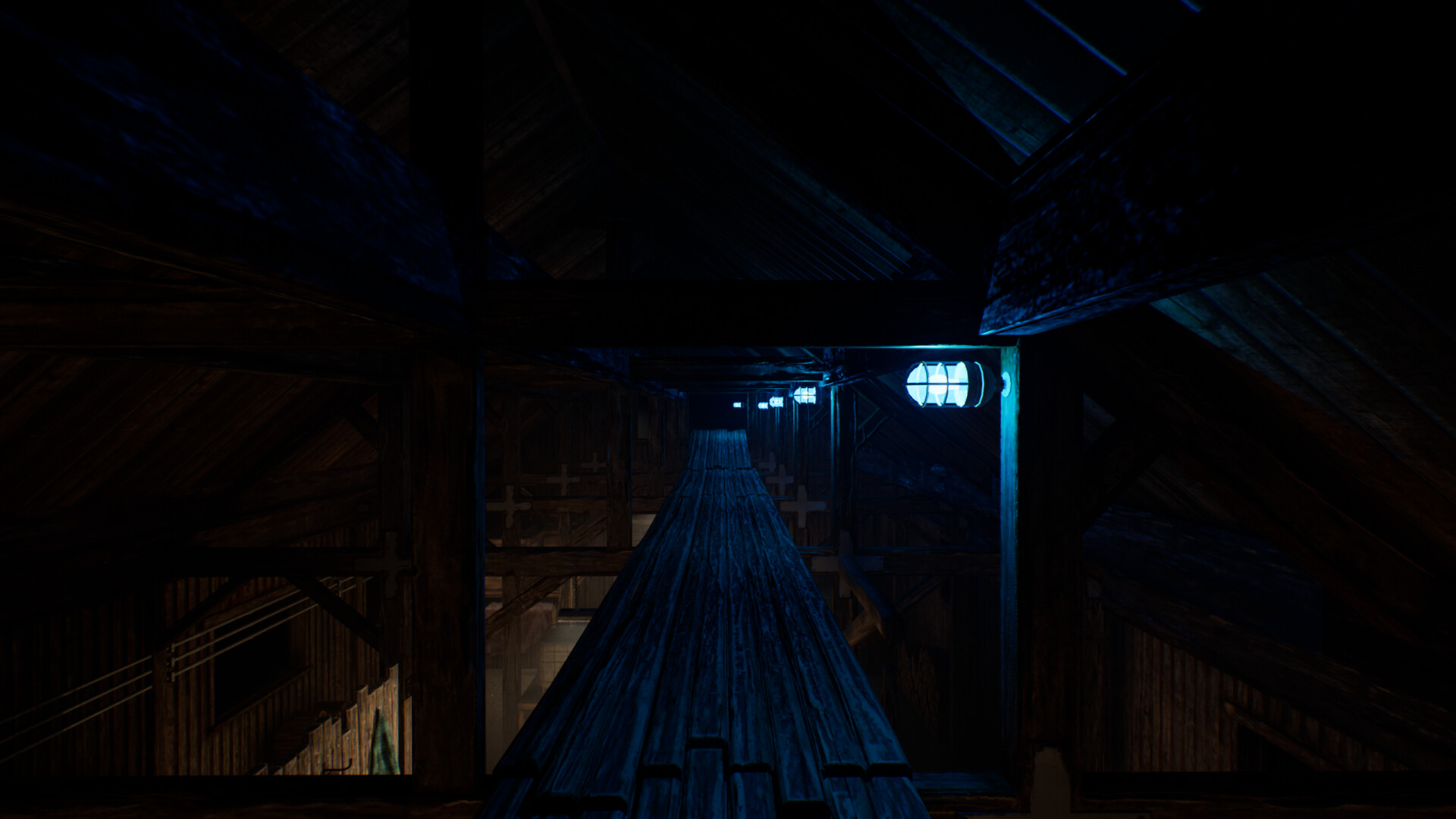
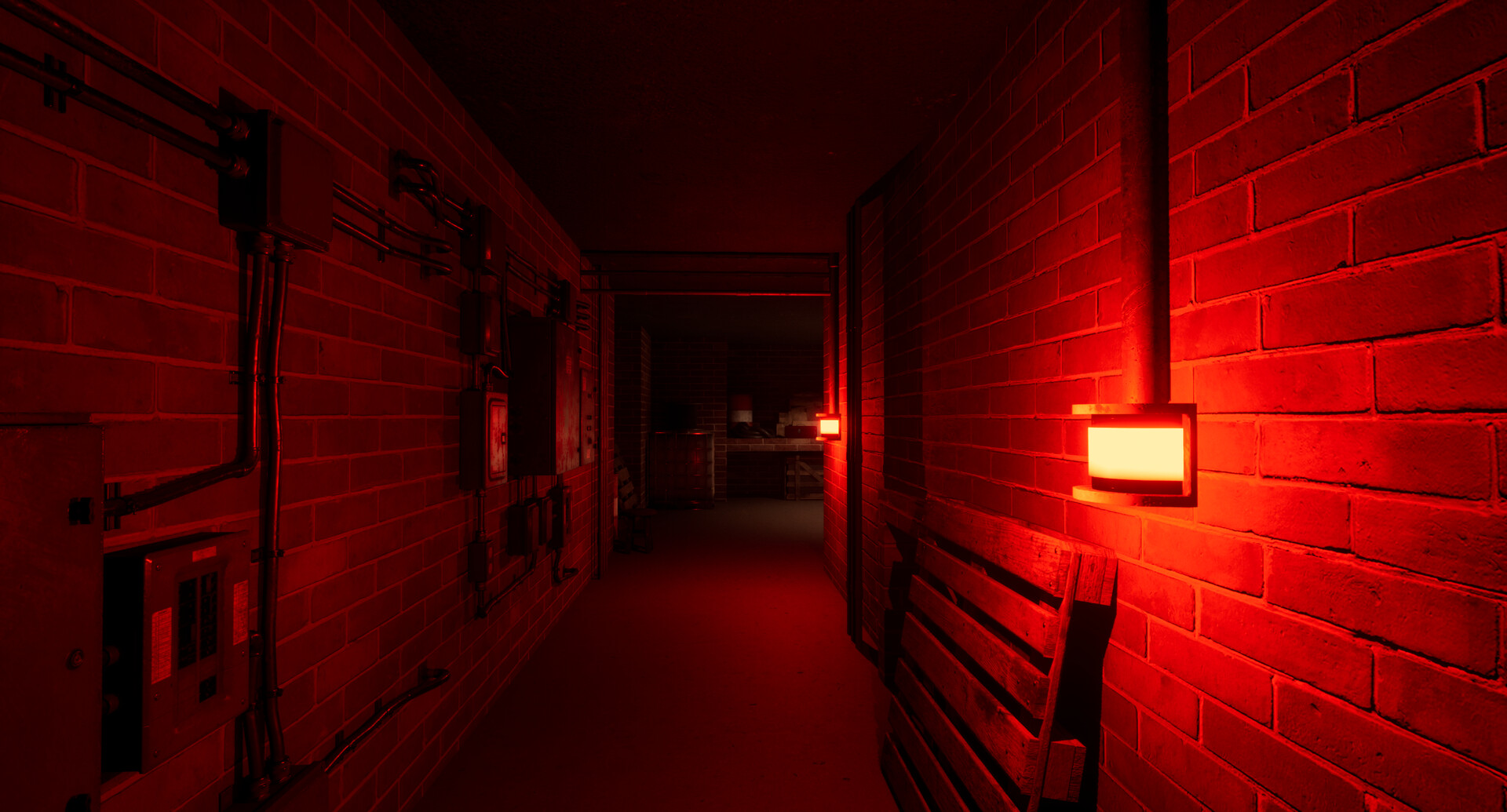
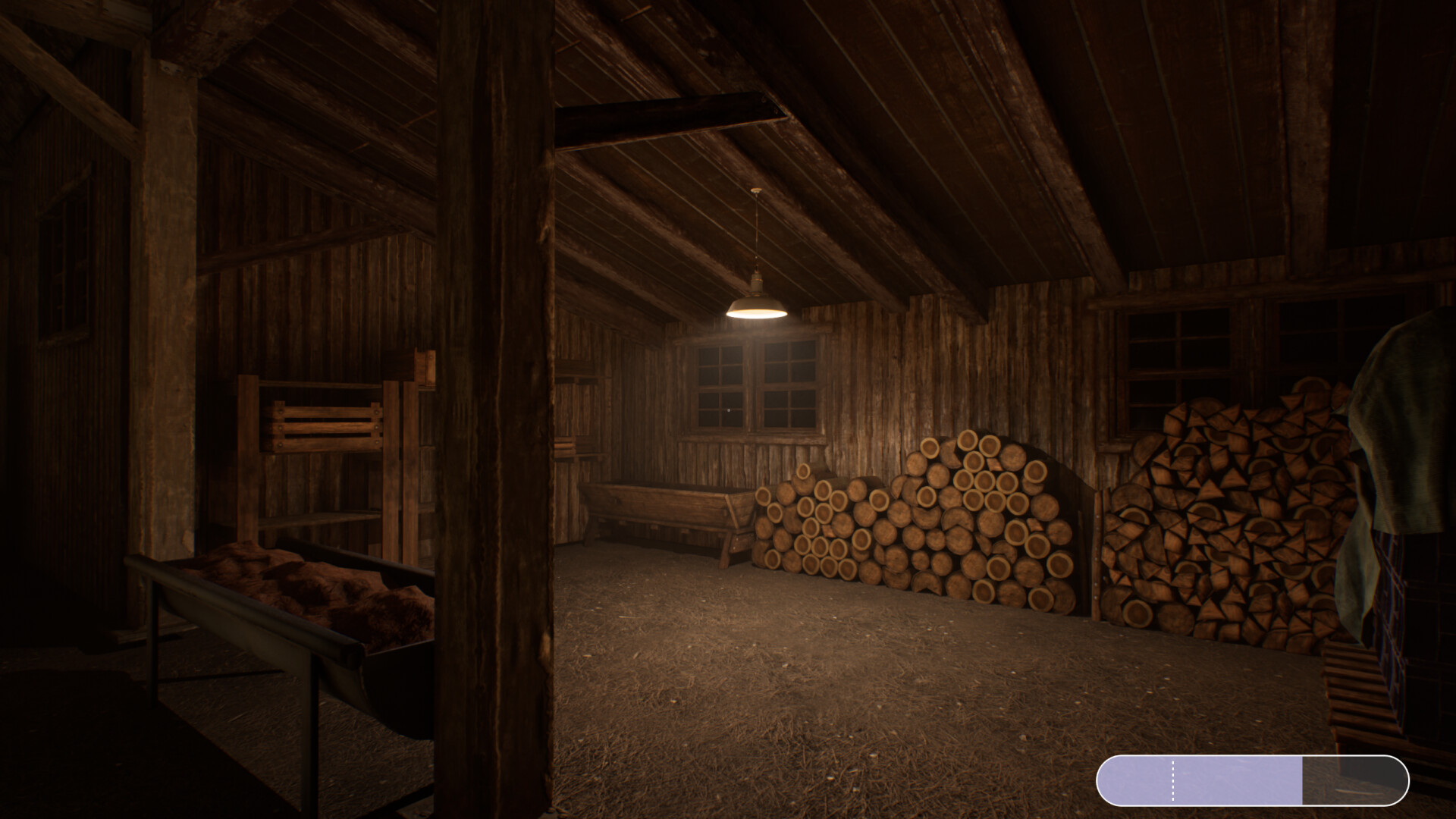
Load More
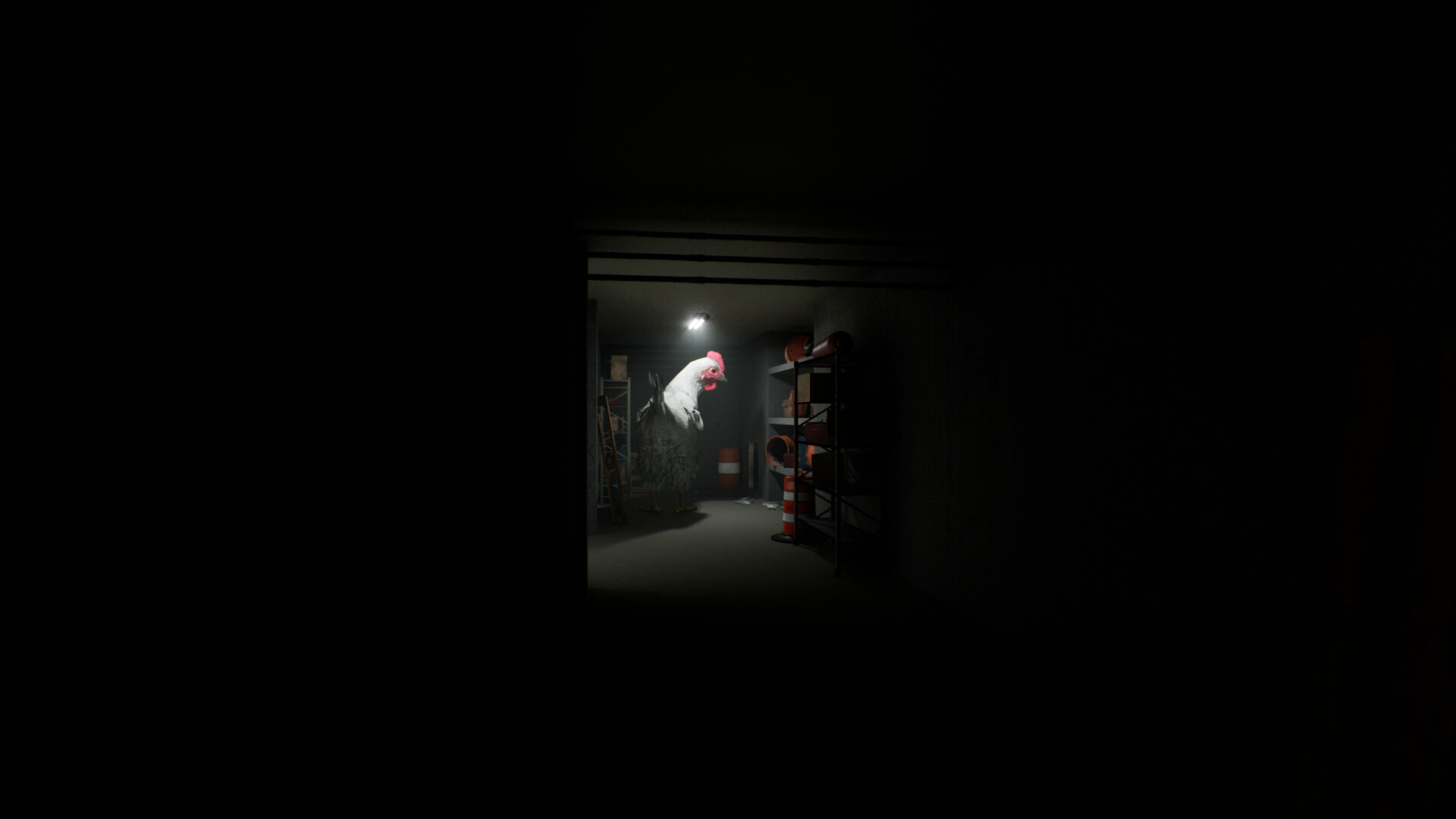
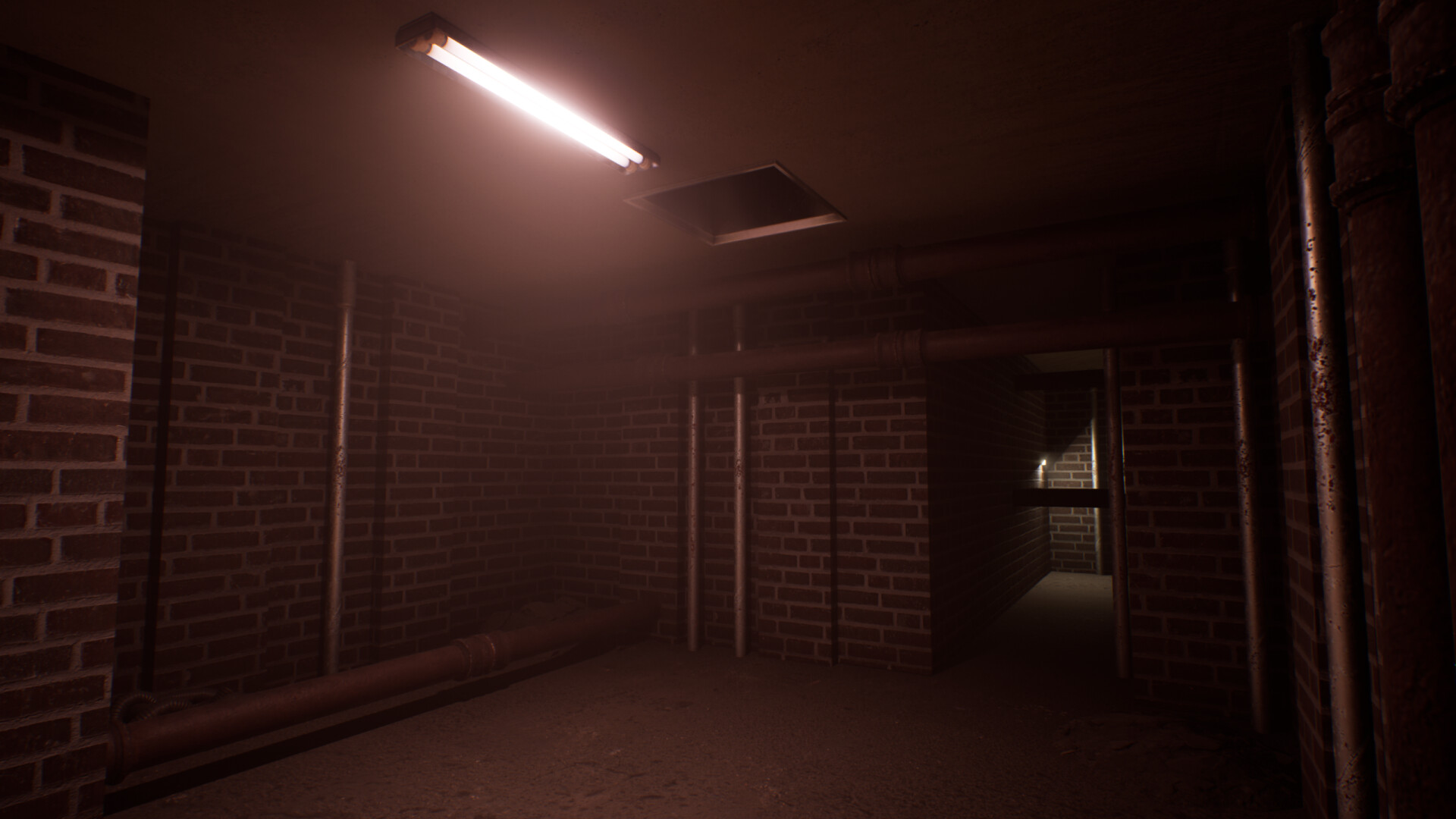
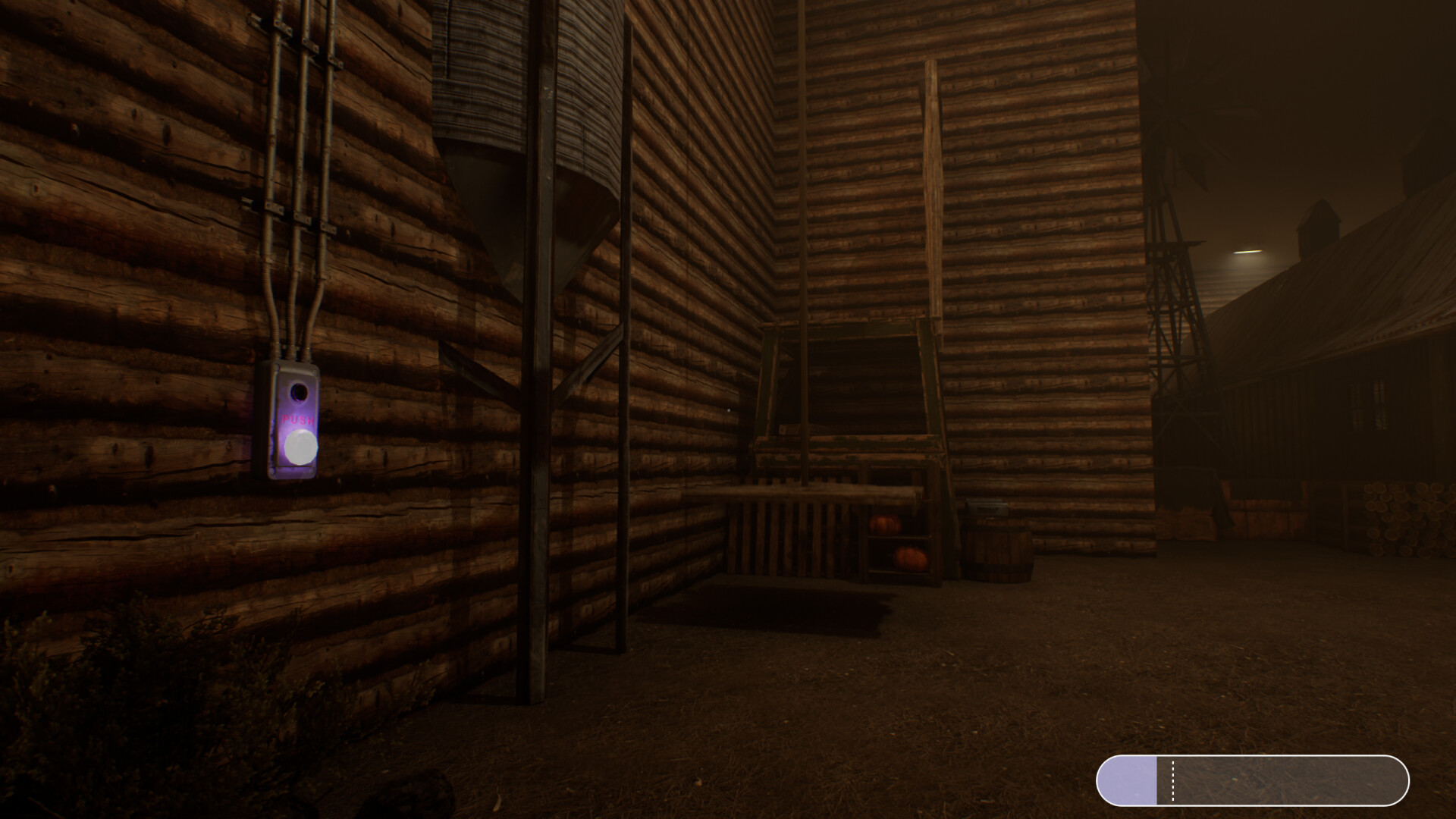
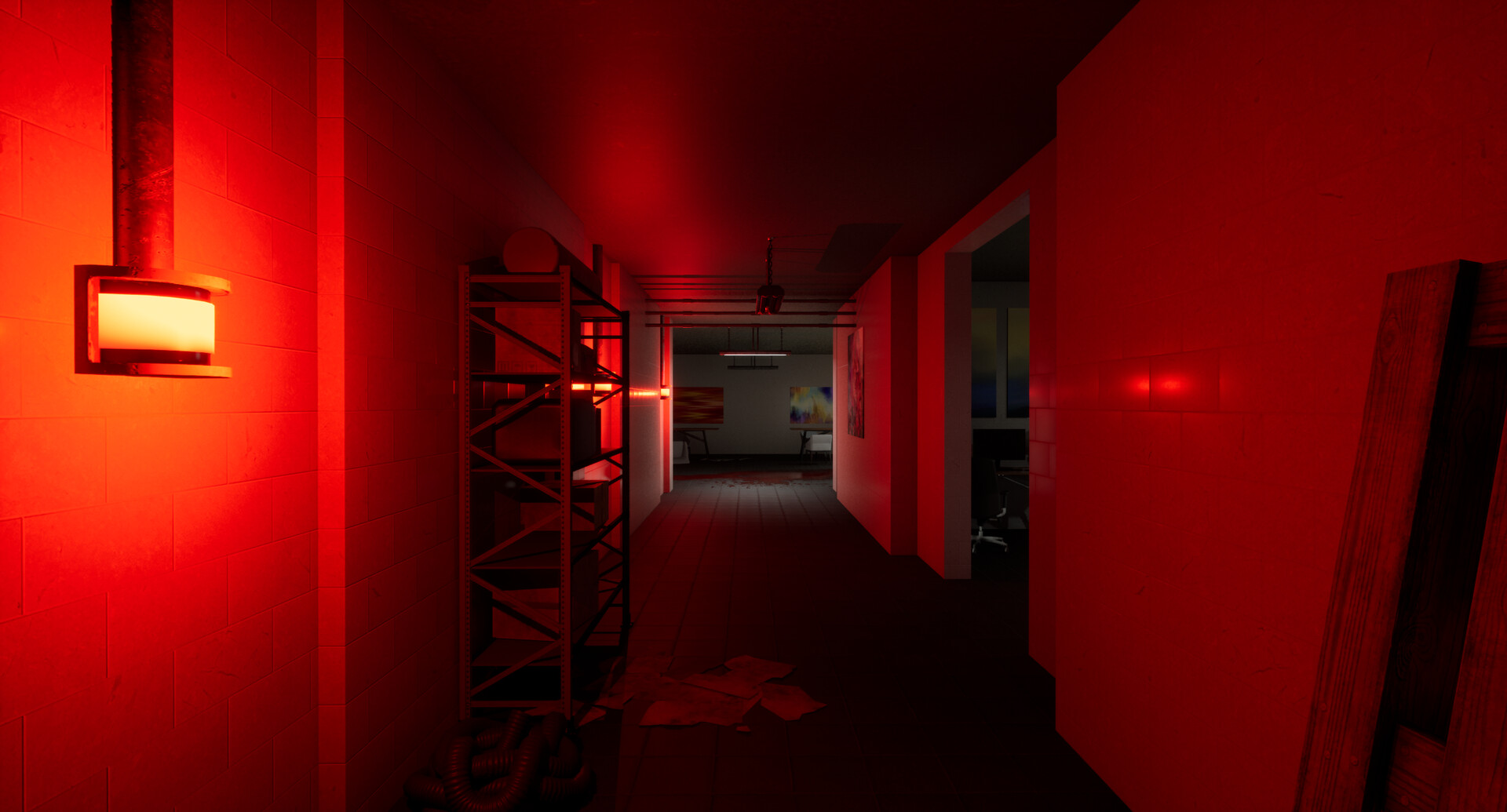
System requirements
These are the minimum specifications needed to play the game. For the best experience, we recommend that you verify them.
Windows
- OS: Windows 10
- Processor: Intel Core i5
- Memory: 8 GB RAM
- Graphics: Nvidia GeForce GTX 1070 or equivalent
- Storage: 8 GB available space
Steam Price & Best Deals
User reviews & Ratings
Explore reviews from Steam users sharing their experiences and what they love about the game.
My gameplay: https://youtu.be/KpHAfkECFQo?si=loFRwh6Zxa2ki1af https://youtu.be/WFcM9tCf4C0?si=O3XHt3ltQMbLIWdl This was a really cool game! I got jumped for sure a few times! The story's good! I like how the characters and enemies change the way you feel about them the more you learn. The controls, graphics, and audio/sounds were great! I had no big complaints. I finished this game (including the DLC) in under 2 hours. I recommend this game to everyone! Other playthroughs: https://www.youtube.com/@iAmLegendanny
Chicken Feet, developed and published by Dylan Bassett, is one of those rare indie horror titles that takes a premise that sounds inherently ridiculous—a giant, genetically modified chicken stalking a research facility—and commits to it with surprising sincerity and effectiveness. What initially feels like it might be a joke game quickly reveals itself to be a tightly focused survival horror experience that leans heavily on atmosphere, tension, and player vulnerability. Instead of undercutting its own concept with humor, it uses the absurdity as a foundation for something genuinely unsettling, creating a strange but memorable identity that sets it apart from more conventional horror titles. The gameplay is built around a simple but effective structure: you are unarmed, alone, and navigating a dangerous environment where survival depends entirely on awareness and caution. The absence of combat immediately shifts the tone, forcing players to think defensively at all times. Movement becomes deliberate, every corner feels risky, and even small decisions—whether to sprint, hide, or backtrack—carry weight. The titular creature is not just a novelty enemy but a persistent threat, moving unpredictably and reacting in ways that keep players on edge. Encounters feel dynamic rather than scripted, which enhances the tension and prevents the experience from becoming predictable. Even though the mechanics themselves are relatively straightforward, the way they are combined creates a steady rhythm of anxiety that sustains the game from beginning to end. The level design plays a crucial role in reinforcing this tension. The facility is constructed as a series of interconnected spaces that gradually become more oppressive and disorienting as you progress. Early areas may feel somewhat manageable, but deeper sections introduce tighter corridors, darker lighting, and more complex layouts that amplify the sense of being hunted. There is a deliberate pacing to how the environment evolves, allowing players to acclimate before increasing the pressure. The absence of clear safety zones ensures that the feeling of danger never fully dissipates, and the game does a good job of making even familiar spaces feel threatening when revisited under different circumstances. Sound design is one of the game’s strongest assets. Rather than relying heavily on loud, sudden scares, Chicken Feet builds dread through subtle audio cues—the echo of distant movement, the unsettling silence before an encounter, or the sudden shift in ambient noise that signals something is wrong. The creature’s presence is often felt before it is seen, which keeps players in a constant state of anticipation. This approach makes the horror feel more psychological than purely reactive, allowing tension to accumulate naturally instead of being forced through repeated jump scares. When the game does use more direct scares, they tend to land more effectively because they are supported by this underlying atmosphere. Narratively, the game offers more depth than its premise might suggest, though it remains intentionally restrained. Story elements are delivered through environmental details and audio logs, gradually painting a picture of the events that led to the catastrophe. While the narrative does not aim for complexity, it provides enough context to make the player’s journey feel purposeful. There is a subtle shift in tone as the story unfolds, moving from a straightforward containment scenario into something more ambiguous and unsettling. This progression mirrors the gameplay, reinforcing the sense that things are spiraling beyond control in ways that are not fully explained. Visually, Chicken Feet is solid within the scope of an indie project. The environments are detailed enough to feel believable, with effective use of lighting and shadows to enhance mood. While there is some repetition in assets and textures, it rarely detracts from the experience because the game relies more on atmosphere than visual spectacle. The creature design itself strikes a balance between absurd and disturbing, which is crucial to the game’s overall tone. It manages to be both strange and intimidating, avoiding the pitfall of becoming unintentionally comedic. The main drawback lies in the game’s length and limited replay value. It is a relatively short experience, and once completed, there is little incentive to return beyond revisiting specific moments. The simplicity of its mechanics, while effective during a first playthrough, does not leave much room for variation. Some players may also find that the game ends just as it feels like it could expand further, leaving a sense of untapped potential. However, this brevity also works in its favor to some extent, as it prevents the core idea from overstaying its welcome. In the end, Chicken Feet succeeds by understanding exactly what it wants to be and executing that vision with focus and confidence. It transforms an unusual concept into a tense and engaging horror experience without relying on gimmicks or excessive complexity. While it may not offer long-term depth or groundbreaking innovation, it delivers a memorable and well-crafted journey that stands out in the crowded indie horror landscape. Its strength lies in its ability to take something inherently odd and make it genuinely unsettling, proving that effective horror often comes from execution rather than premise. Rating: 8/10
Now hear me out- this is actually a really good game! The story is actually pretty interesting and plays between being really funny, but also pretty deep. The mechanic gameplay itself though- without spoiling, it's very much not what you'd expect and I'm definitely vouching for this being a great indie horror game to play.
Similar games
View all

Penumbra: Black Plague Gold Edition
Surrounded by enemies and assaulted by terror from all sides, Philip must collect clues and solve vexing puzzles while combating the gnawing psychological terrors that assail his mind and threaten to strip him of his sanity.
Dead Seater
Explore the halls and travel deeper into the Vincent estate, but beware what lurks there. Father is coming home.

The Evil Within 2
Detective Sebastian Castellanos has lost everything, including his daughter, Lily. To save her, he must descend into the nightmarish world of STEM. Horrifying threats emerge from every corner, and he must rely on his wits to survive. For his one chance at redemption, the only way out is in.

Maid of Sker
Maid of Sker is a first-person survival horror, set in a remote hotel with a gory and macabre history from Welsh folklore. Brave the nightmares of the Quiet Ones. Do not panic…don’t even breathe!

Dread X Collection
10 Tales of Terror from 10 Twisted Minds. Made in only 7 Sleepless Nights. The Dread X Collection is a series of small games created by some of the most talented indie devs around, all with the same mission: create the P.T. for the horror project of their dreams.

Total Chaos
Fort Oasis is no paradise—it's a decaying nightmare where reality crumbles. The creator of Turbo Overkill unleashes survival-horror stacked with mysteries and monstrosities. Scavenge to craft weapons, while a voice on your walkie-talkie guides you into the island's depths.

Last Floor
Оne day your life changes dramatically and you become a hostage of your own home. Your task is to survive but to do this you need to get outside.

The Coma 3: Bloodlines
Welcome to the world of The Coma 3: Bloodlines. In this realm of shadows rumors and urban legends become reality, and danger lurks around every corner. If a living intruder dies here, their body will be severed from their spirit and never wake again ...

A.A.U. Black Site
As an agent of the secret special forces A.A.U., your covert mission in Serbia goes wrong fast. Framed, intercepted, and stranded in the abandoned territory of Uzovnica, you’ll need every skill to survive, especially when everything around you is not what it seems.

The Lightkeeper
Alone on a remote island, you're tasked with keeping a lighthouse. But the horrific events that claimed the lives of previous keepers still whisper through the air. Each day, the line between reality and delusion fades and something in the dark is waiting for the last keeper

Gynophobia
Gynophobia is a horror themed shooter about abnormal fear of women. Gynophobia is using classic first person shooter gameplay, to convey story about Mark, who is suffering from different phobias, including abnormal fear of woman.
Frequently Asked Questions
Chicken Feet is currently priced at 7.79€ on Steam.
No, Chicken Feet is currently not on sale. You can purchase it for 7.79€ on Steam.
Yes, Chicken Feet received 396 positive votes out of a total of 435 achieving a rating of 8.44.
😎
Chicken Feet was developed by Dylan Bassett and published by Bassett Interactive.
Yes, Chicken Feet is playable and fully supported on Windows.
No, Chicken Feet is not playable on MacOS.
No, Chicken Feet is not playable on Linux.
No, Chicken Feet is not playable on Steam Deck.
This information about Chicken Feet is not available yet.
No, Chicken Feet does not support VR.
Chicken Feet is a single-player game.
No, Chicken Feet does not currently offer any DLC.
No, Chicken Feet does not support mods via Steam Workshop.
No, Chicken Feet does not support Steam Remote Play.
Yes, Chicken Feet is enabled for Steam Family Sharing. This means you can share the game with authorized users from your Steam Library, allowing them to play it on their own accounts. For more details on how the feature works, you can read the original Steam Family Sharing announcement or visit the Steam Family Sharing user guide and FAQ page.
You can find solutions or submit a support ticket by visiting the Steam Support page for Chicken Feet.
Data sources
The information presented on this page is sourced from reliable APIs to ensure accuracy and relevance. We utilize the Steam API to gather data on game details, including titles, descriptions, prices, and user reviews. This allows us to provide you with the most up-to-date information directly from the Steam platform.
Additionally, we incorporate data from the SteamSpy API, which offers insights into game sales and player statistics. This helps us present a comprehensive view of each game's popularity and performance within the gaming community.
Last Updates| Steam data | 07 September 2026 05:26 UTC |
|---|---|
| SteamSpy data | 09 September 2026 10:35 UTC |
| Steam price | 13 September 2026 02:32 UTC |
| Steam reviews | 10 September 2026 03:54 UTC |
If you'd like to dive deeper into the details about Chicken Feet, we invite you to check out a few dedicated websites that offer extensive information and insights. These platforms provide valuable data, analysis, and user-generated reports to enhance your understanding of the game and its performance.
- SteamDB - A comprehensive database of everything on Steam about Chicken Feet
- SteamCharts - Analysis of Chicken Feet concurrent players on Steam
- ProtonDB - Crowdsourced reports on Linux and Steam Deck Chicken Feet compatibility

Game modes
Features
Online players
0
Developer
Dylan Bassett
Publisher
Bassett Interactive
Release
24 Oct 2022
Platforms