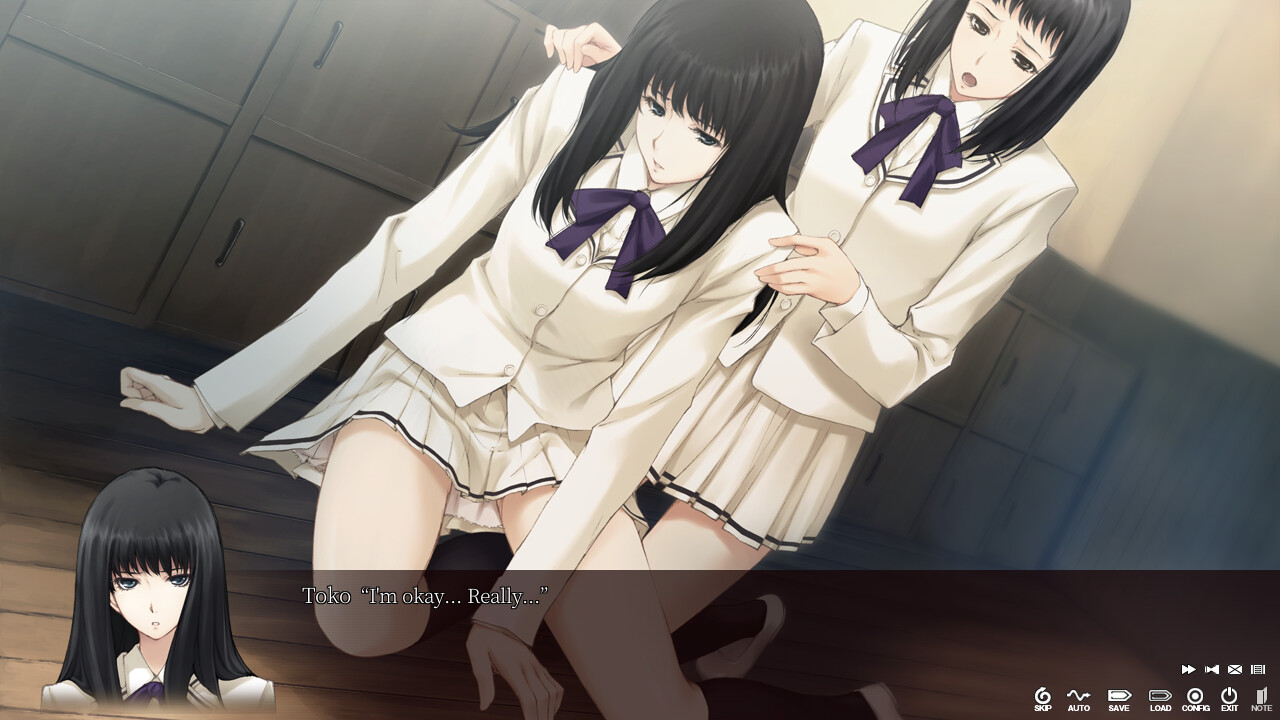
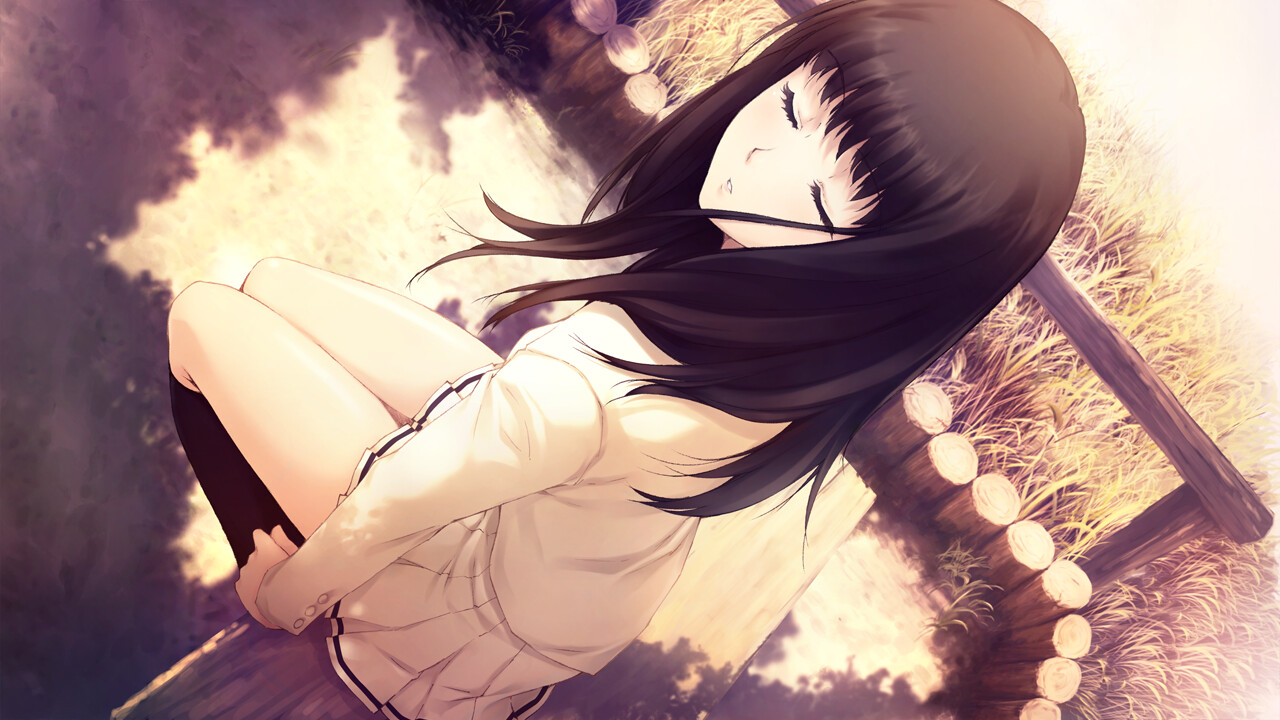
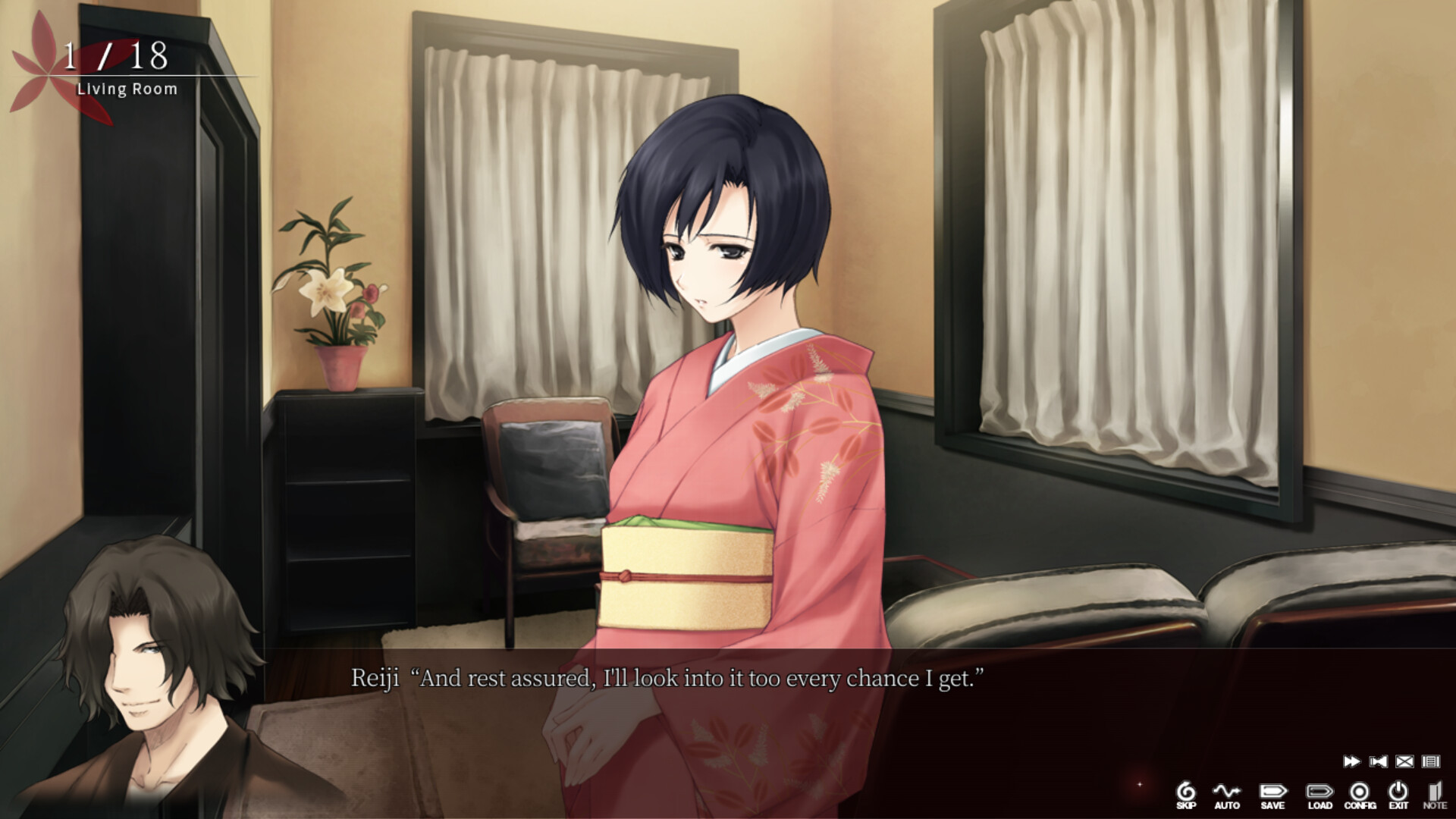
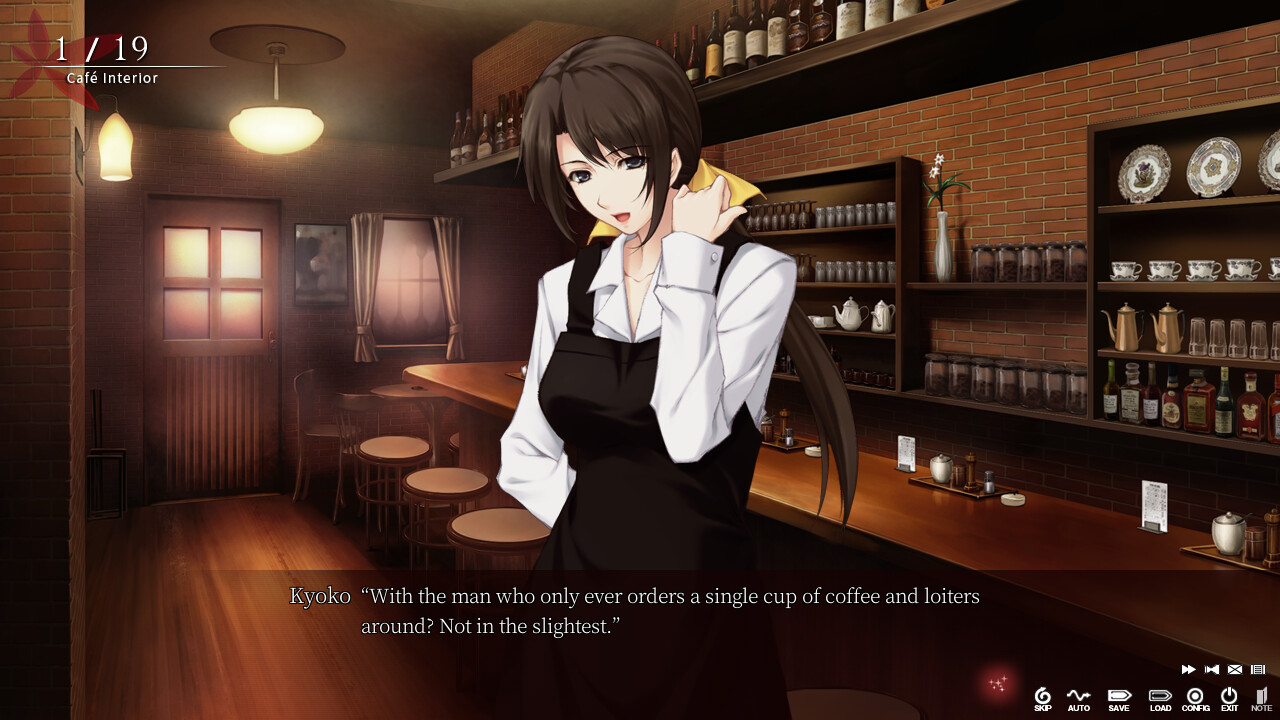
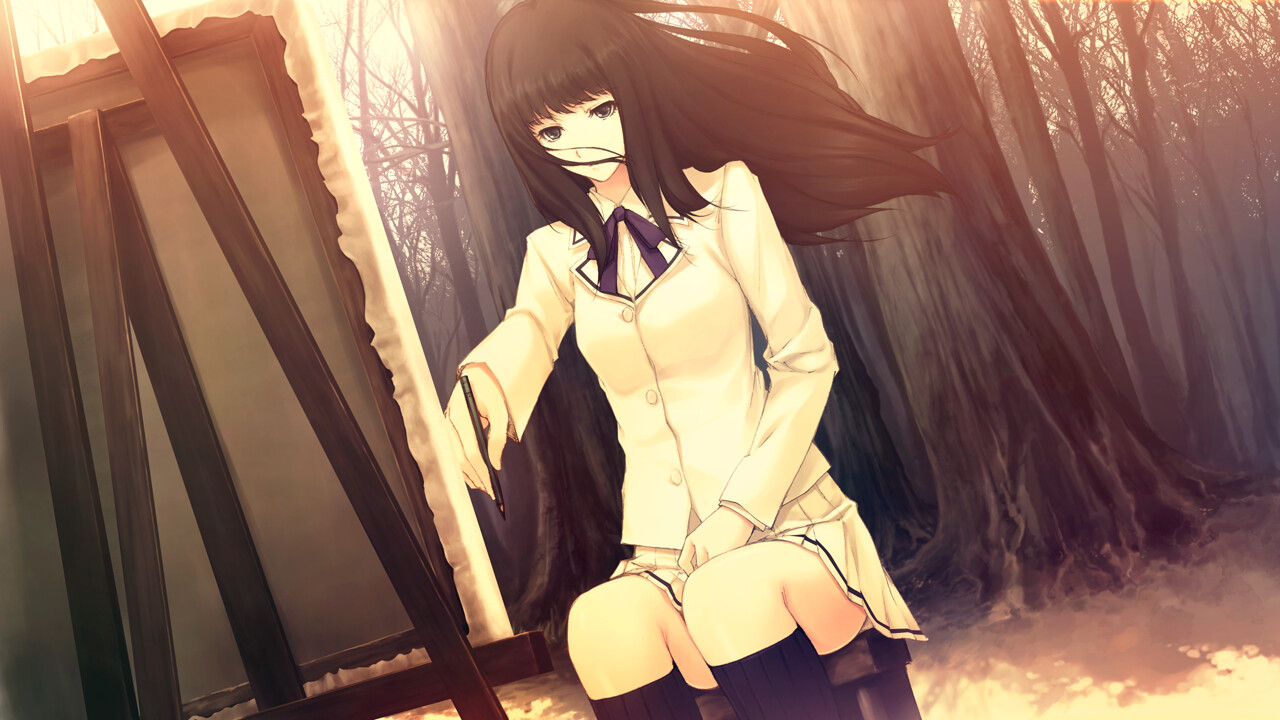
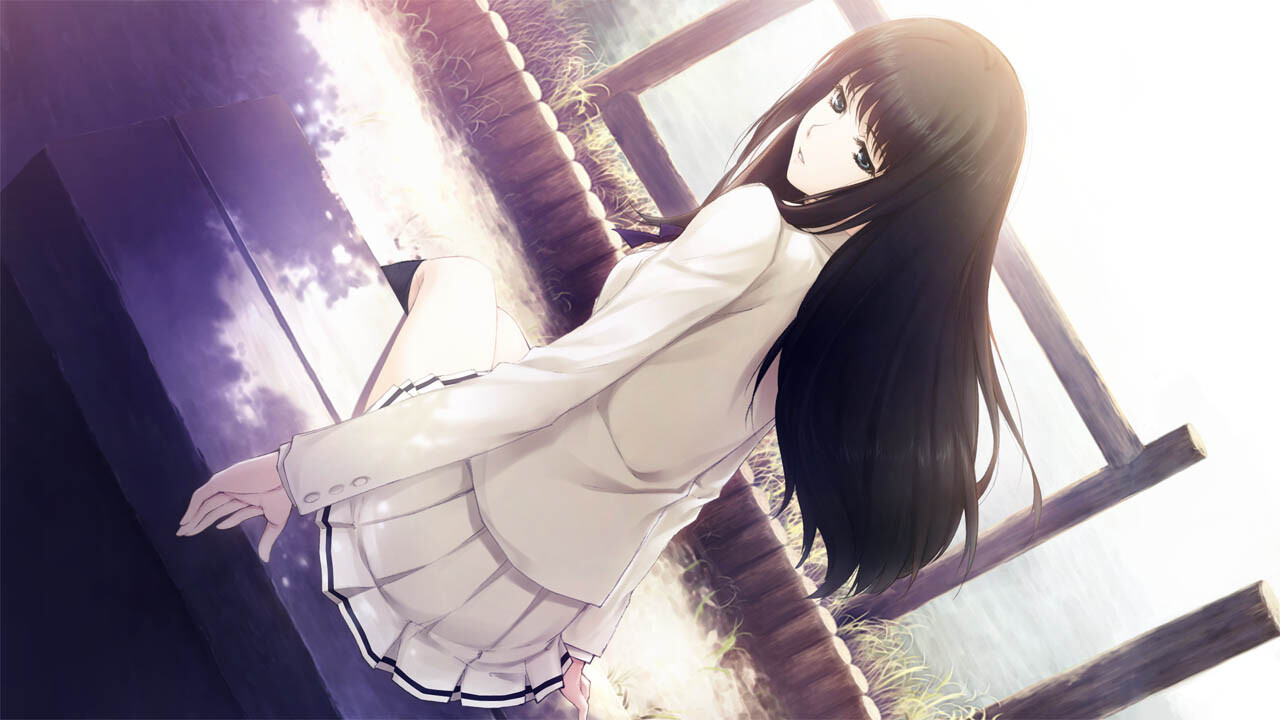
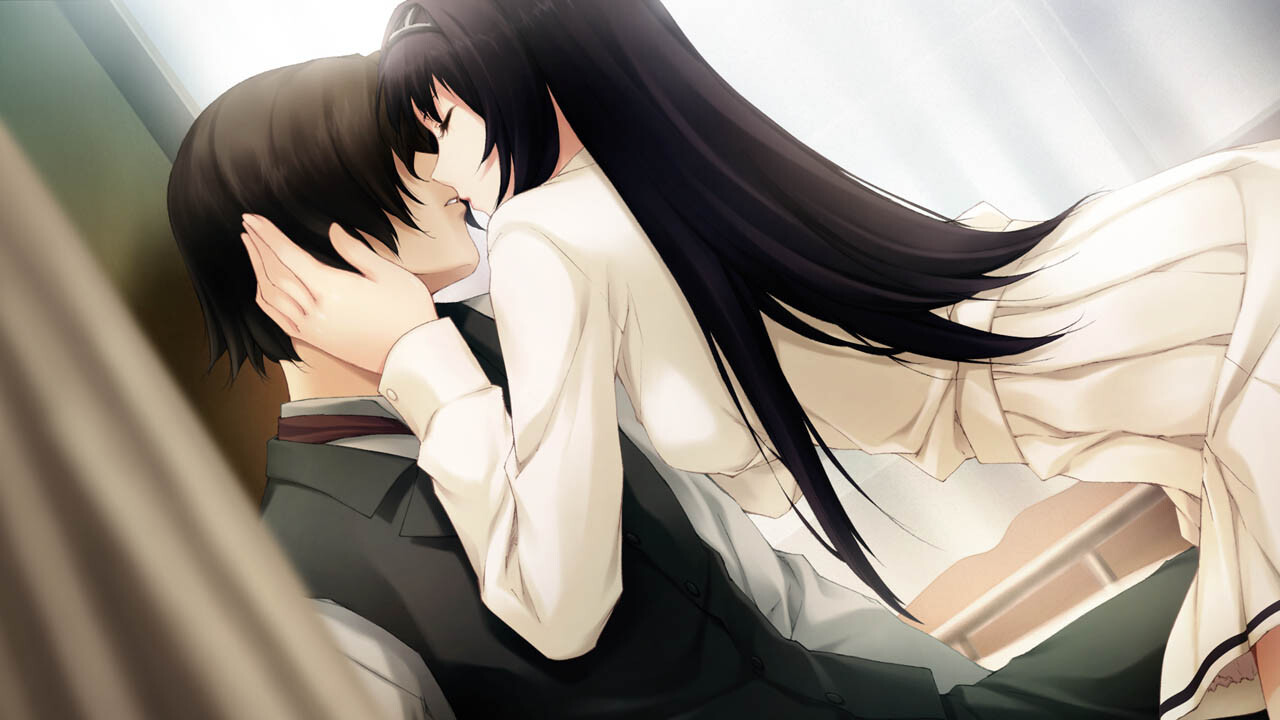
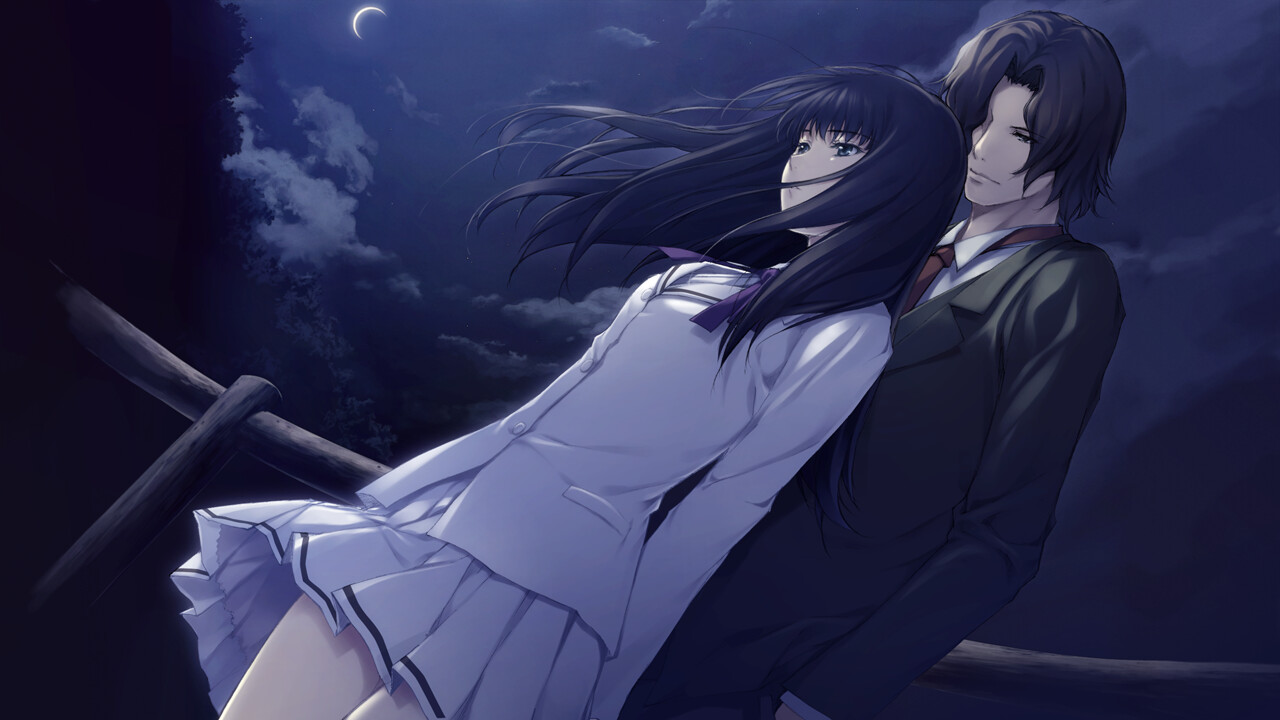
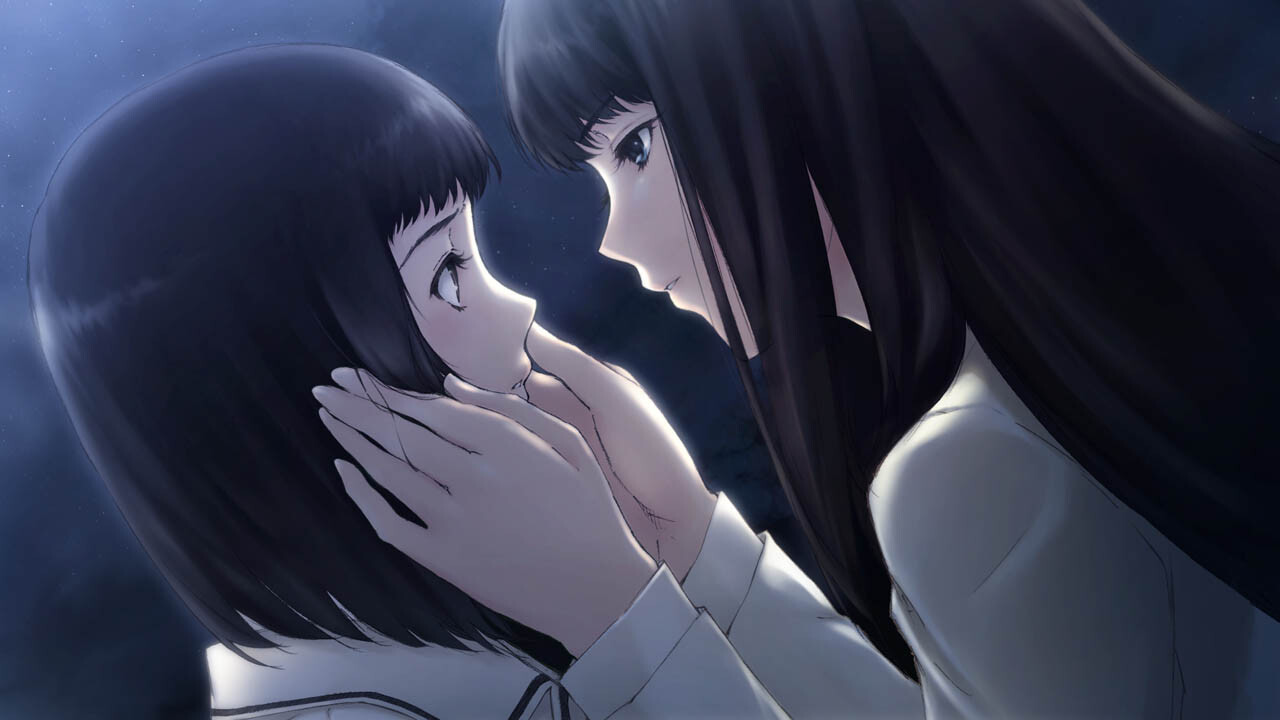
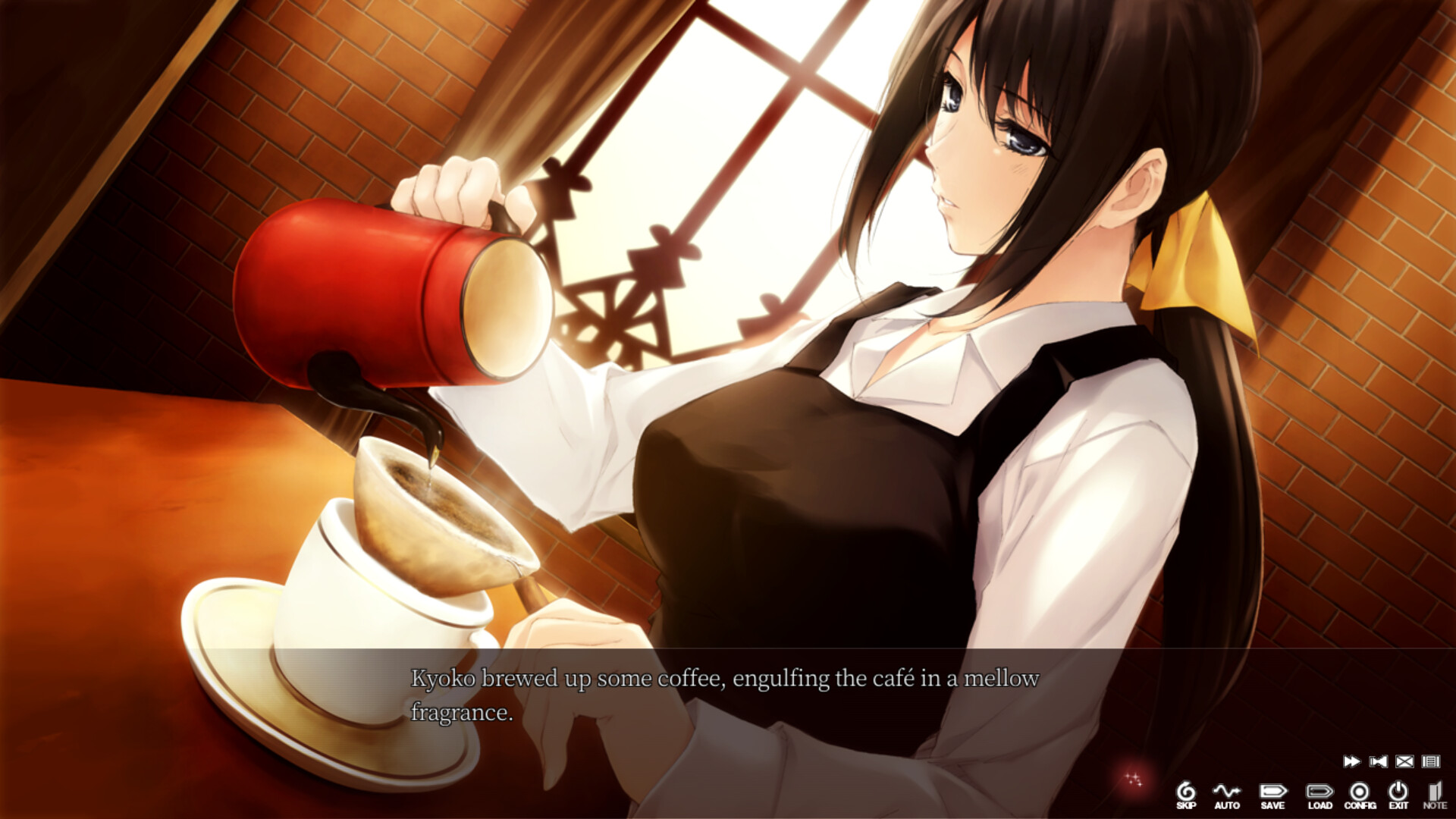
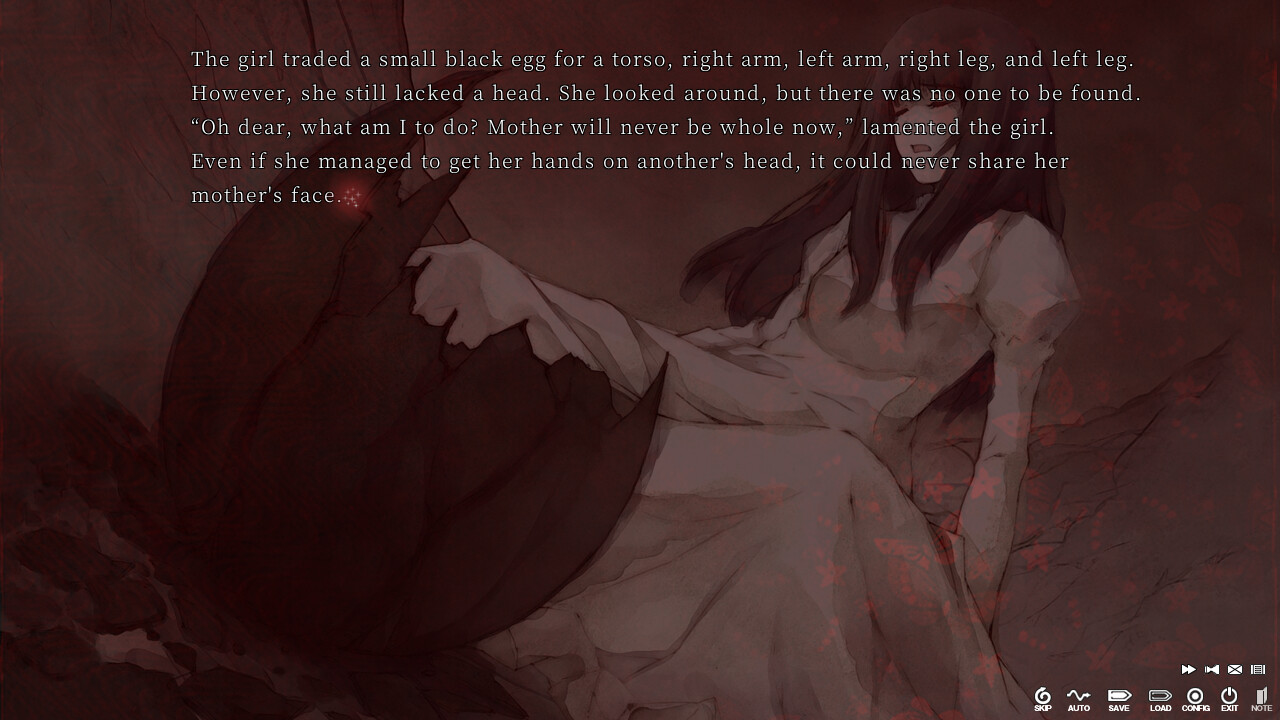
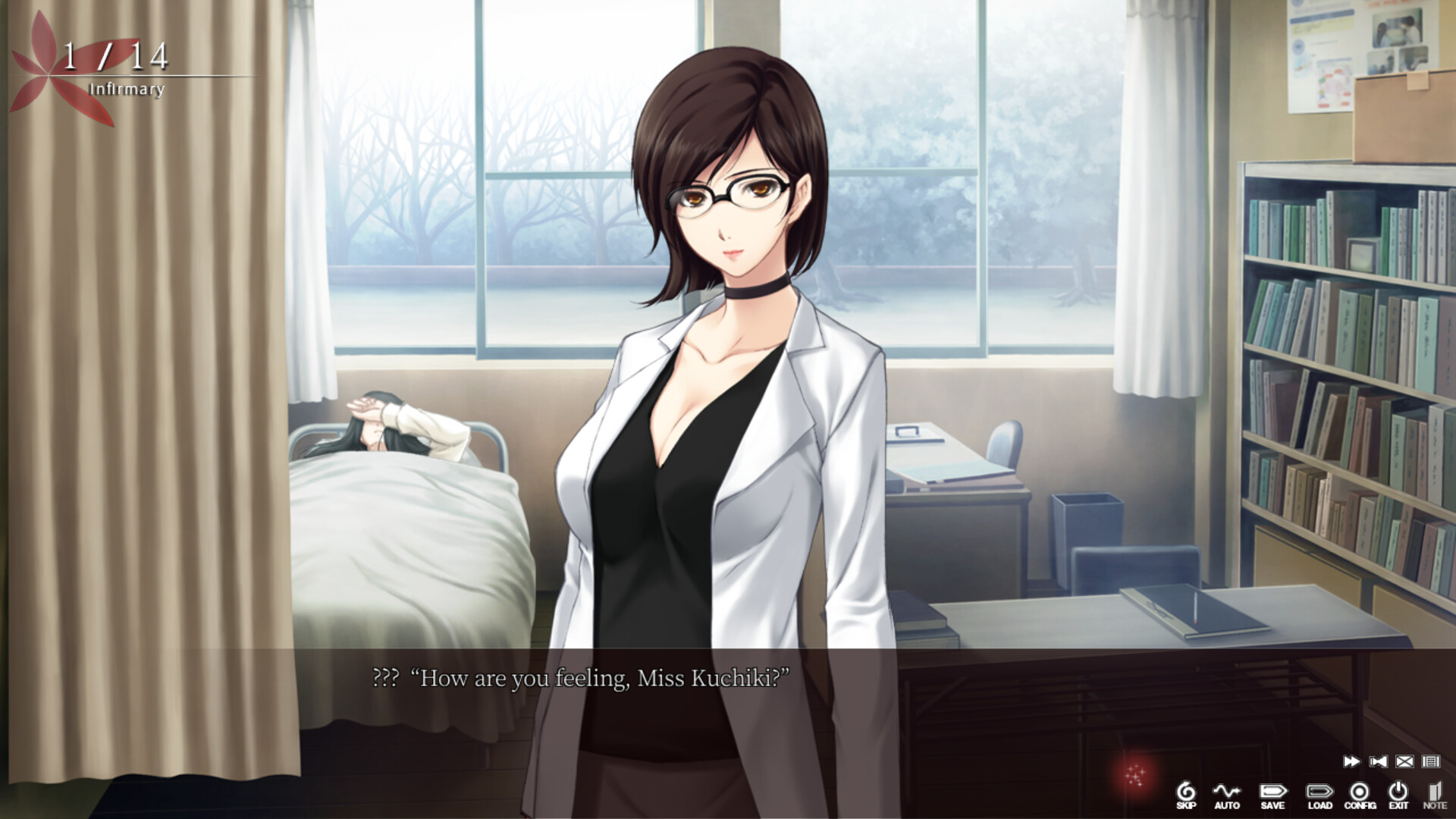
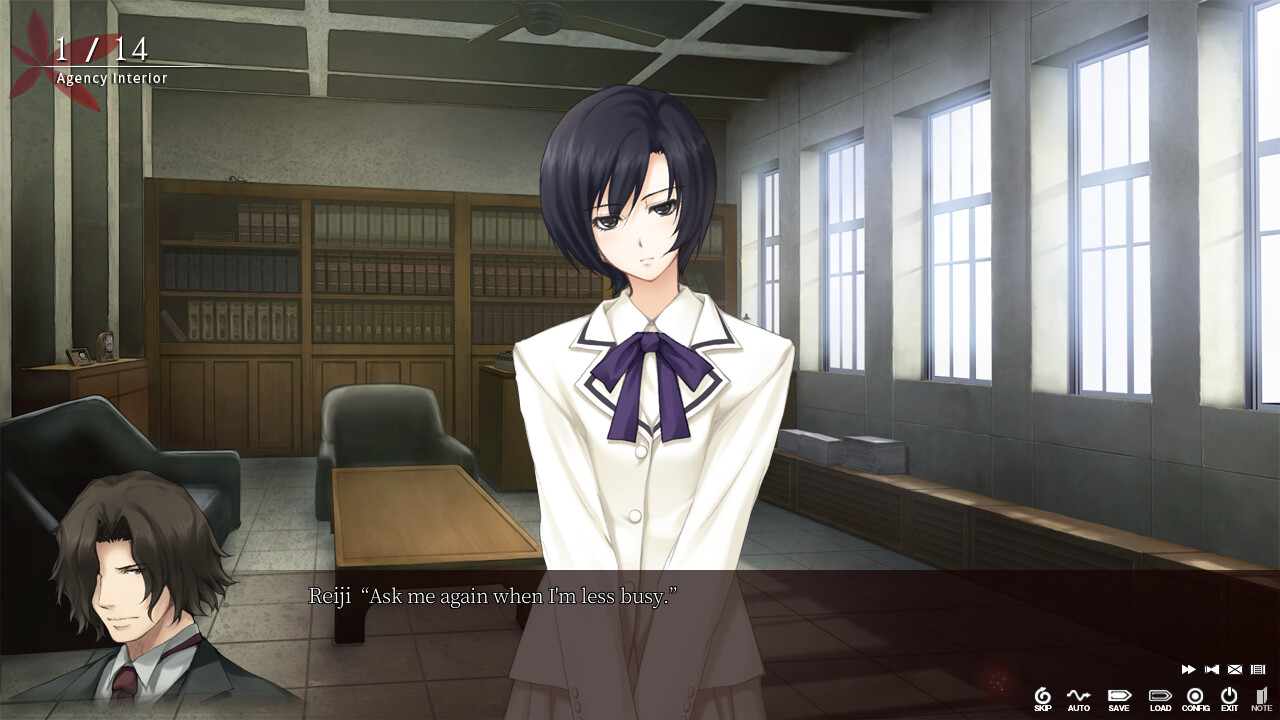
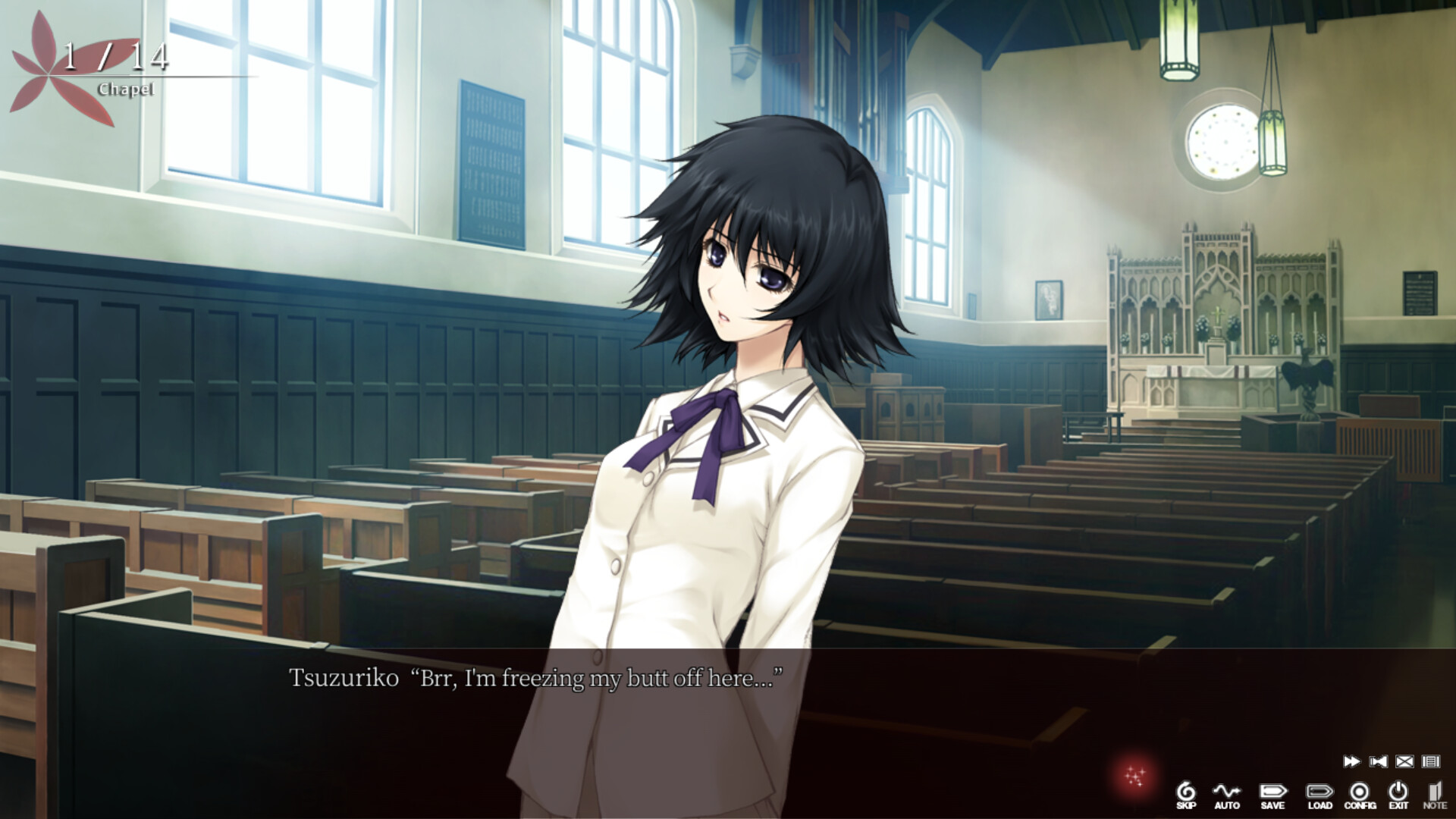
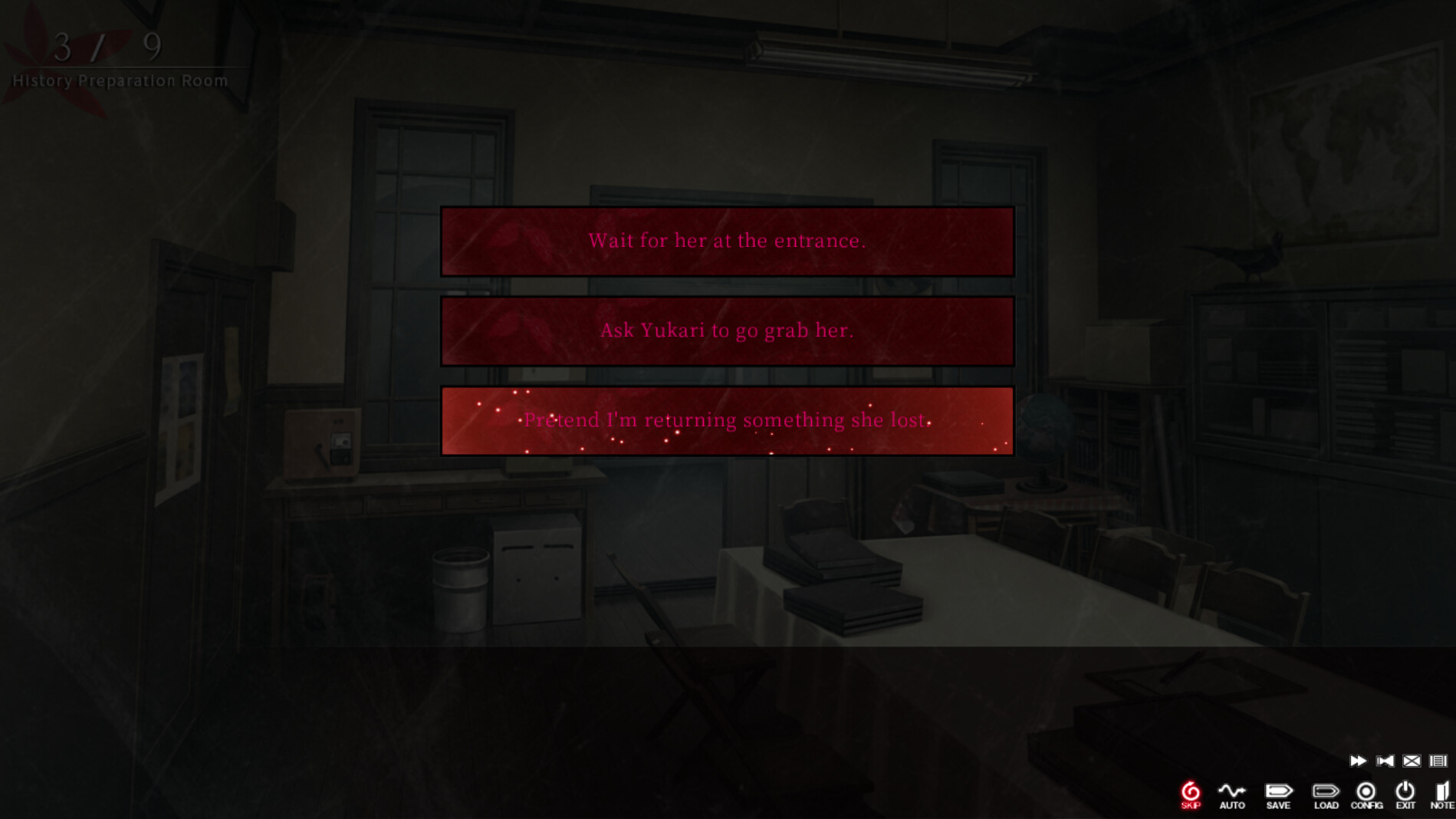
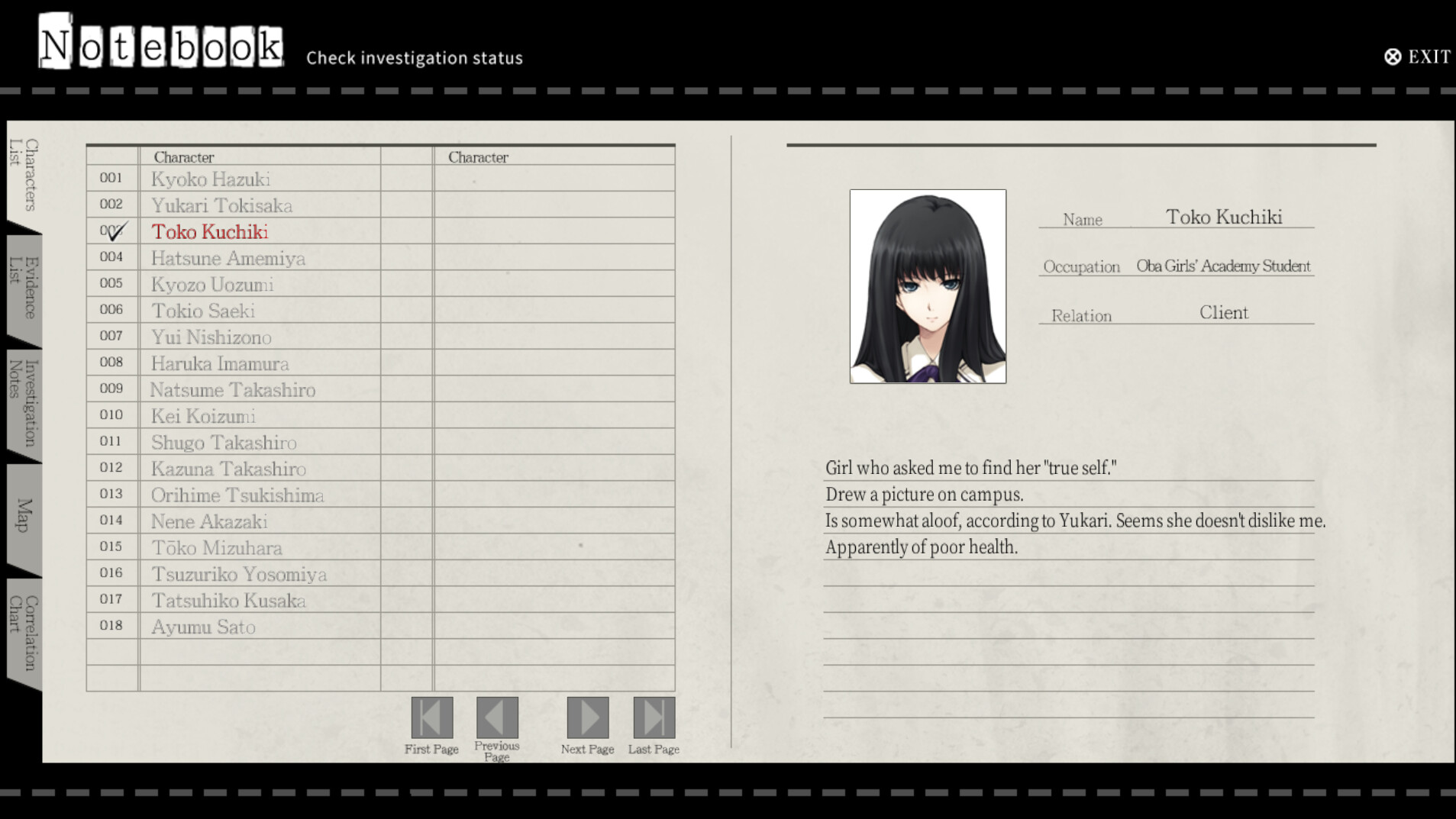
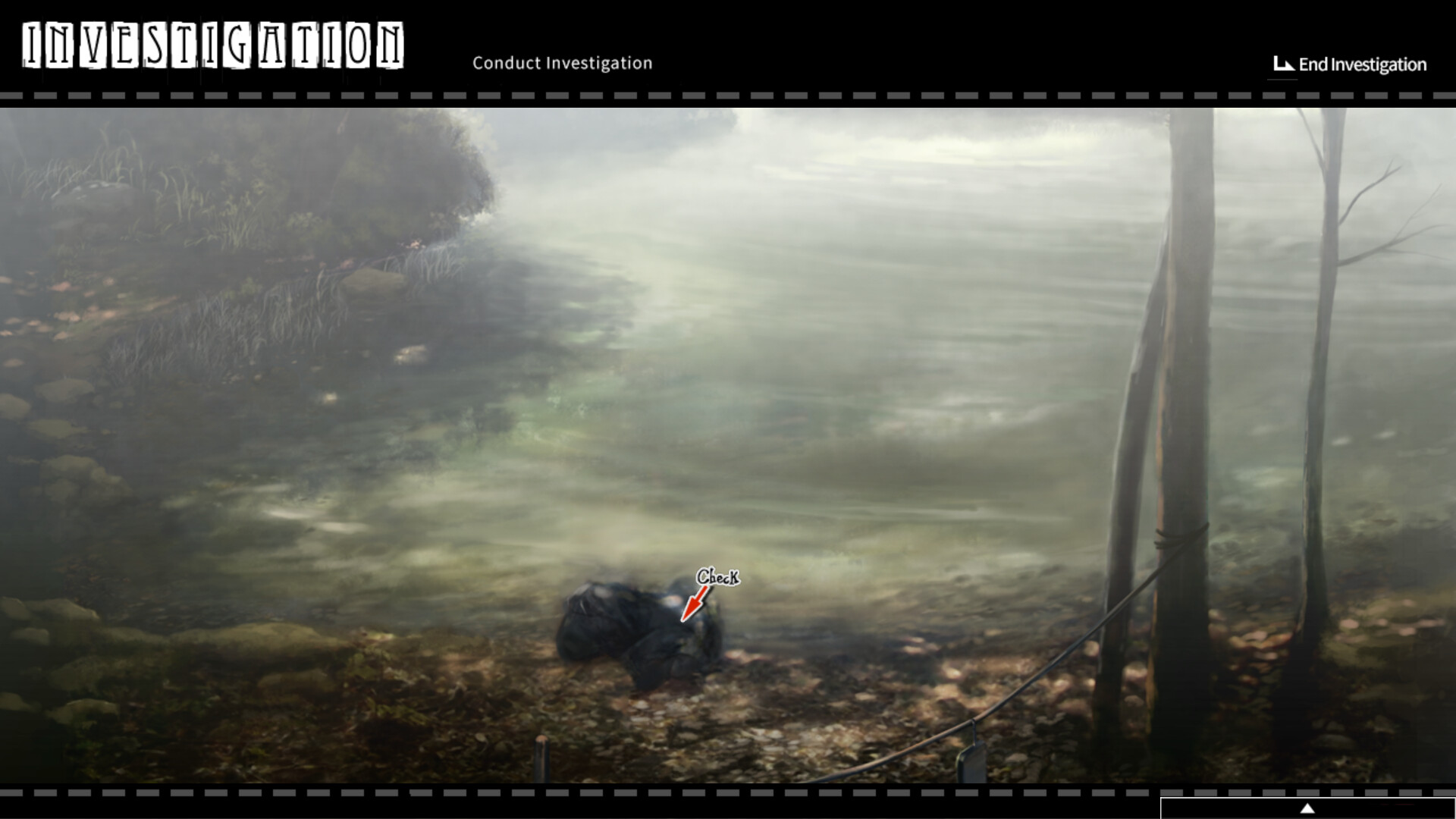
What stayed with me most about Kara no Shoujo wasn’t the gore, or even the ending itself. It was the way the game keeps giving you this quiet hope that if you just keep going, if you just understand a little more, you might still be in time to change something. By the end, what hurts is realizing you never really were. That’s probably the cruelest thing the game does. A lot of people will remember the bodies first, the crime scenes, and that strange mix of beauty and disgust in the way the game presents itself. And yes, Kara no Shoujo absolutely knows how to pull you in. It wraps everything in cold Showa-era streets, old buildings, rain, classrooms, clinics, mutilated bodies, and religious imagery, creating an atmosphere that feels almost poisonous. It makes you want to look away, but you keep going anyway. On paper, it looks like a grotesque murder mystery. But that’s not really why it stays with you. What keeps pulling you forward is the feeling that these people didn’t end up in tragedy by chance. Something had already gone wrong long before you got there. And especially Toko. If you reduce Toko to just “mysterious” or “tragic,” you miss what makes her unforgettable. What got to me most about her wasn’t just her design or her quiet distance from everyone else. It was the fact that she is always searching for something she can’t quite reach—herself, or maybe the right to be herself. When she says, “Please find the real me,” it sounds at first like a line meant to set the mood. But the more the story unfolds, the more you realize that line is the center of her whole character. She isn’t looking for some neat answer. She’s trying to find something that would let her exist as her own person, not just as the result of what’s been done to her. She feels like someone who has always lived inside things other people decided for her—inside the past, inside expectations, inside a fate that was already waiting for her. She seems calm and restrained, but that calmness never felt like peace to me. It felt more like someone who had lost the chance to live normally a long time ago. That’s what makes her so painful as a character. It’s not that she doesn’t want warmth or love. It’s that she barely gets the chance to understand who she is before everything around her closes in. That’s why I’ve never felt that the tragedy of Kara no Shoujo can be summed up by saying “Toko dies” or “someone couldn’t be saved.” What makes it painful is that Toko spends the whole story reaching outward in her own way, and the world never really gives her an answer. It just closes in around her again. That feeling runs through the whole game. Body, identity, memory, desire—even love—everything becomes a kind of shell. Everyone feels trapped inside something, sealed up in their own broken way of seeing the world. Some mistake obsession for love. Some mistake possession for salvation. Some cling to the past so hard that it becomes the only thing left holding them together. By the end, the most disturbing part isn’t really the murders themselves. It’s the fact that almost everyone is trying to reach someone else through ways of thinking that are already damaged beyond repair. Reiji works for me because of that too. He isn’t some perfect detective who arrives to put everything in order. He feels like someone who keeps getting closer to the center of everything while always being just a little too late. He investigates, he tries to understand, but there’s only so much he can actually do. That helplessness is frustrating, but it also makes him feel real. Kara no Shoujo never felt to me like a story about a detective overcoming evil. It felt more like a story about watching tragedy take shape in front of you and realizing that understanding it is not the same thing as being able to stop it. That’s also why my feelings about this game are mixed. I don’t think the mystery itself is strong enough to fully support the kind of reputation this game sometimes gets. The setup is striking, the atmosphere is incredible, and it knows exactly how to make things feel ominous. But once you look closely, not everything is as tight as people make it sound. Some developments rely too much on withheld information, some clues don’t land that elegantly, and some character actions feel more like plot convenience than natural behavior. Its real strength is not in building a perfect mystery. If anything, it works better when you stop asking it to be one. As a pure mystery, I don’t think it fully holds together. But as a story using murder, investigation, and grotesque imagery to talk about identity, desire, loss, and the awful distance between people, it becomes much more powerful. It’s not the kind of story that wins you over because every piece fits perfectly. It gets to you because of the mood, because of the characters, and because from a certain point on you can feel everything sliding somewhere bad and there’s no way to stop it. And the music matters a lot here. A lot of the moments that stayed with me were moments where the soundtrack had already done half the work before I even fully understood what I was feeling. Those cold piano pieces and restrained strings drain the warmth out of a scene almost immediately. Especially in the parts where you already know things are not going to end well, the music feels less like emotional manipulation and more like a quiet warning. Looking back, I think a lot of the game’s coldness comes from that. That’s why I can’t reduce my feelings on Kara no Shoujo to something simple like “I liked it” or “I didn’t.” It’s not a perfect game. It has real flaws, and some of them aren’t small. But I also can’t write it off as just another grotesque eroge with a strong atmosphere. It left too much behind for me to do that. When I think back on the game now, what comes back to me first usually isn’t a particular clue or reveal. It’s that question of hers: “Where is the real me?” That line stays with me because it doesn’t only belong to Toko. It feels like every major character in this game is giving their own broken answer to that same question. Some answer it through love. Some through desire. Some through violence. Some through destruction. But nobody ever reaches an answer that feels whole, or kind, or enough. And that, more than anything else, is why Kara no Shoujo still hurts to think about. It isn’t just a story with a tragic ending. It’s a story about people who were never really given the chance to become themselves in the first place. You watch them struggle, reach toward each other, miss each other, lose each other, and what stays with you in the end is that heavy sense that everything had already started breaking long before the story began. Kara no Shoujo is not a perfect game. Its mystery isn’t flawless, and neither is its structure. But it captures, with quiet cruelty, what it feels like to want to live as yourself and still be smothered by fate, obsession, memory, and everything other people place around you. Toko wasn’t destroyed by one case alone. She was swallowed up piece by piece by her past, by the people around her, and by a world that never really made room for her to exist as herself. And because of that, no matter how many flaws this game has, I can’t see it as just another dark mystery. It stayed with me in a way most games don’t.
Expand the review