
Tomb Raider I (1996)
Adventurer Lara Croft has been hired to recover the pieces of an ancient artifact known as the Scion. With her fearless acrobatic style she runs, jumps, swims and climbs her way towards the truth of its origin and powers - leaving only a trail of empty tombs and gun-cartridges in her wake.
Sync your Steam wishlist to find the lowest game prices instantly. No login required, just paste your Steam profile URL!
⚡ Try Wishlist Radar!
Sync your Steam wishlist to find the lowest game prices instantly. No login required!
⚡ Try Wishlist Radar!
Close

Tomb Raider II (1997) on Steam
Quick menu
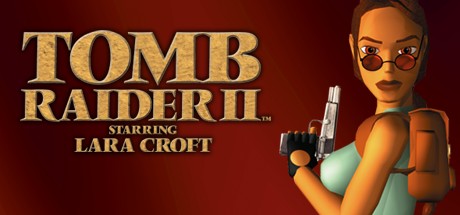
The second instalment in the Tomb Raider series invites you to join Lara as she travels around the globe to retrieve a precious artefact before it falls into the wrong hands. The legendary artefact, the Dagger of Xian, is said to give its possessor the power of a fire breathing dragon.
Tomb Raider II (1997) is a adventure, action and female protagonist game
developed by Core Design
and published by Crystal Dynamics.
Released on November 28th 2012 is available only on Windows.
It has received 2,306 reviews of which 2,004 were positive and 302 were negative resulting in a rating of 8.3 out of 10. 😎
The game is currently priced at 3.49€ on Steam with a 50% discount.
The Steam community has classified Tomb Raider II (1997) into these genres:
Media & Screenshots
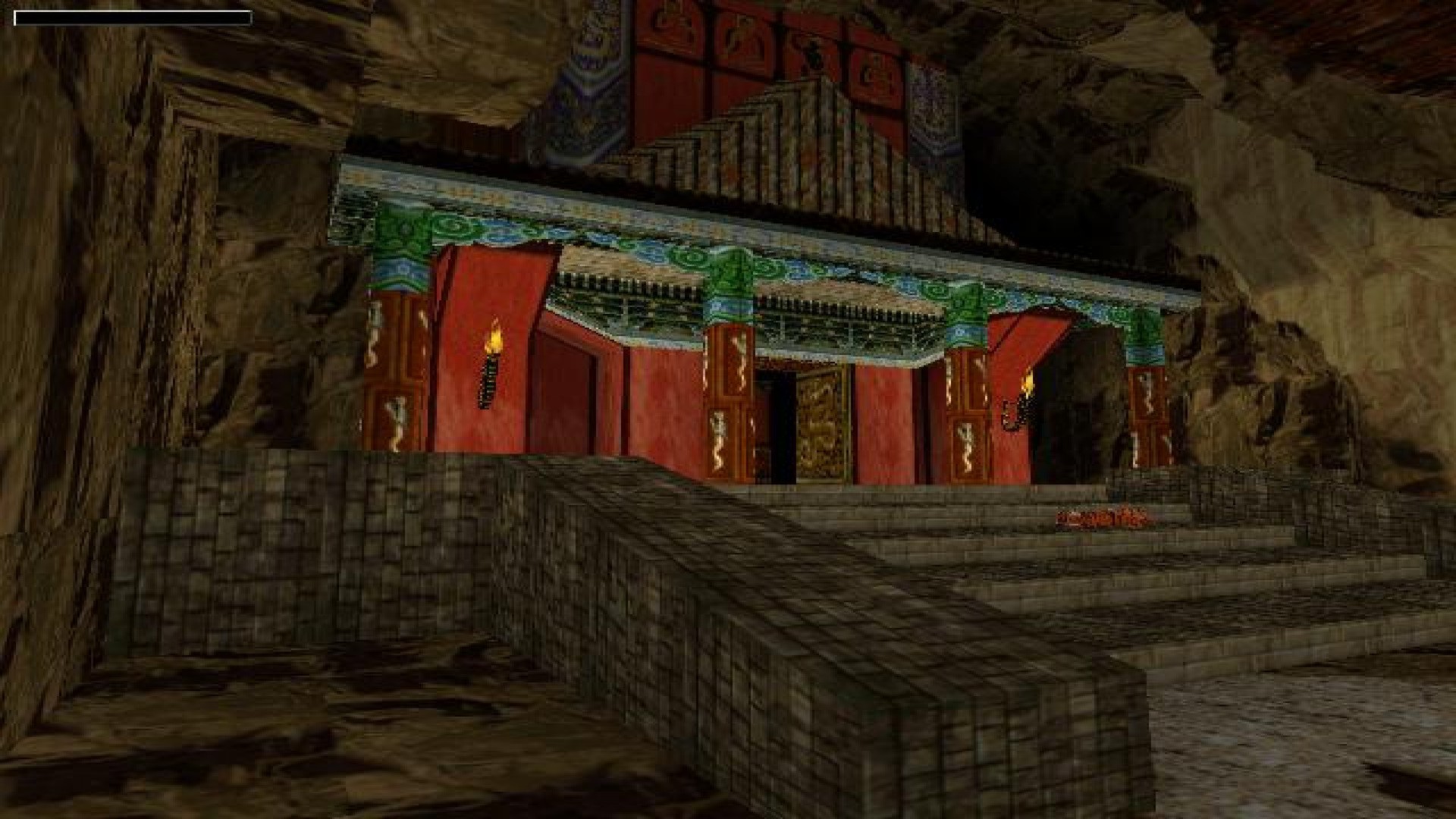
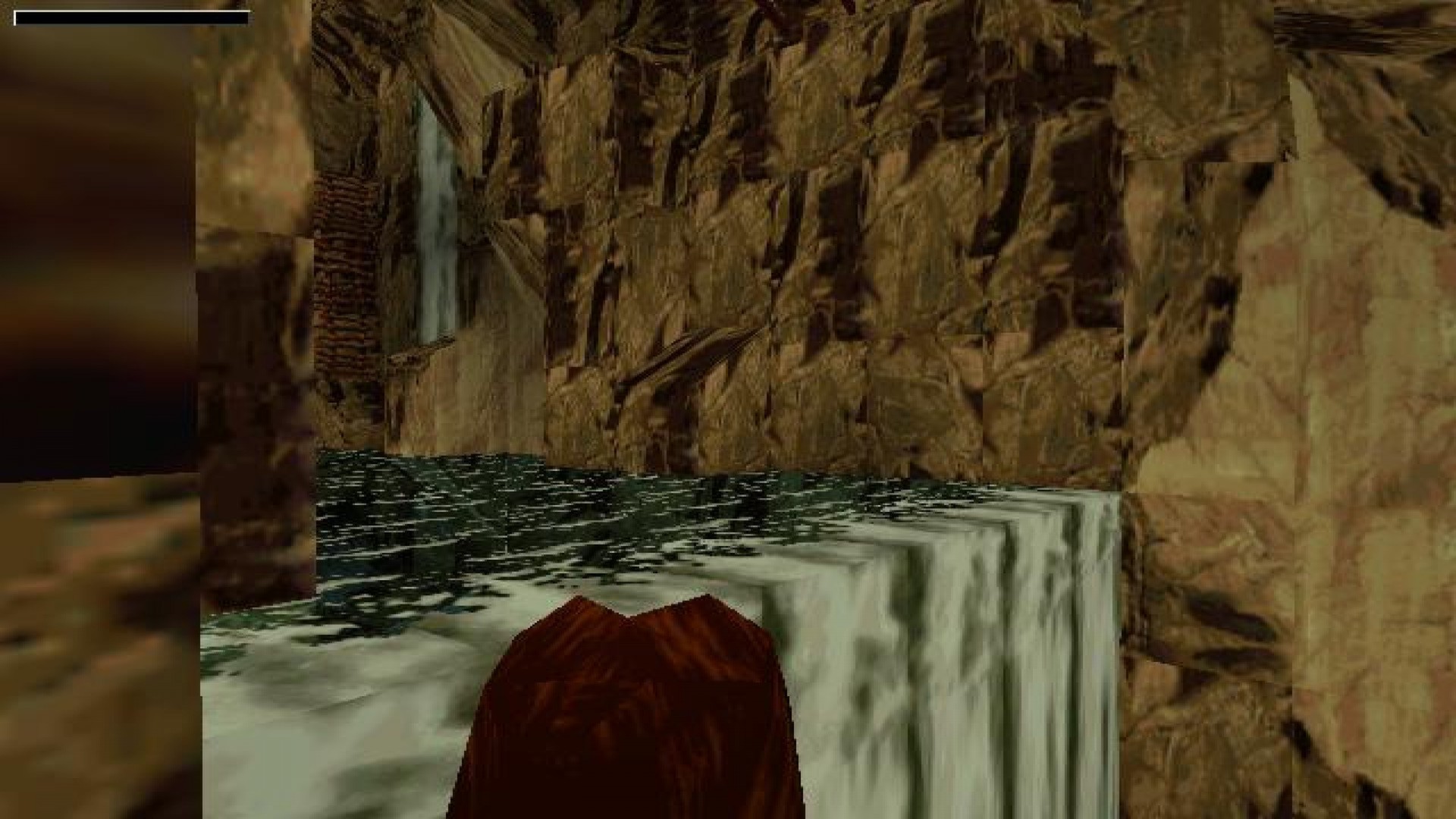
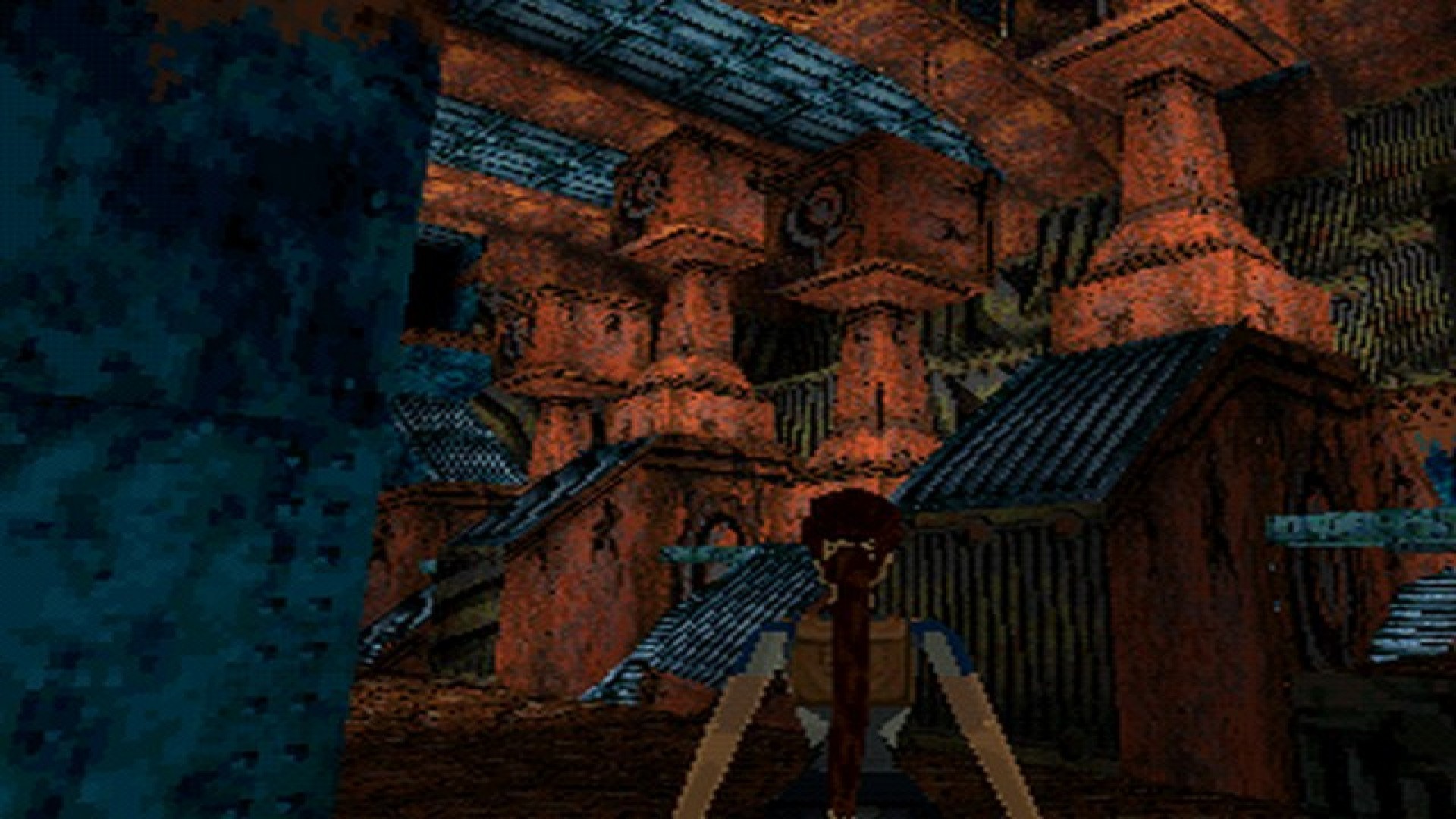
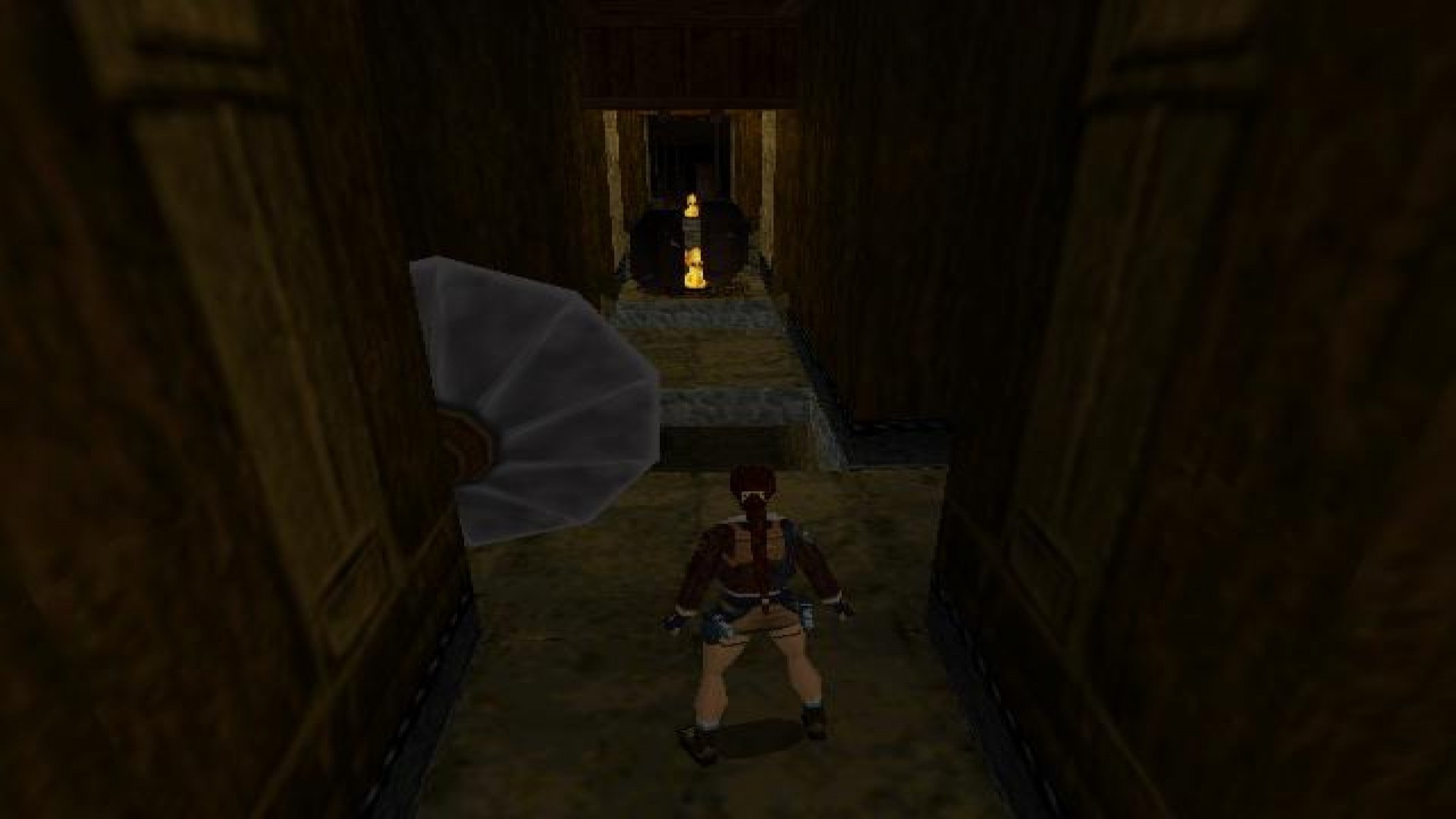
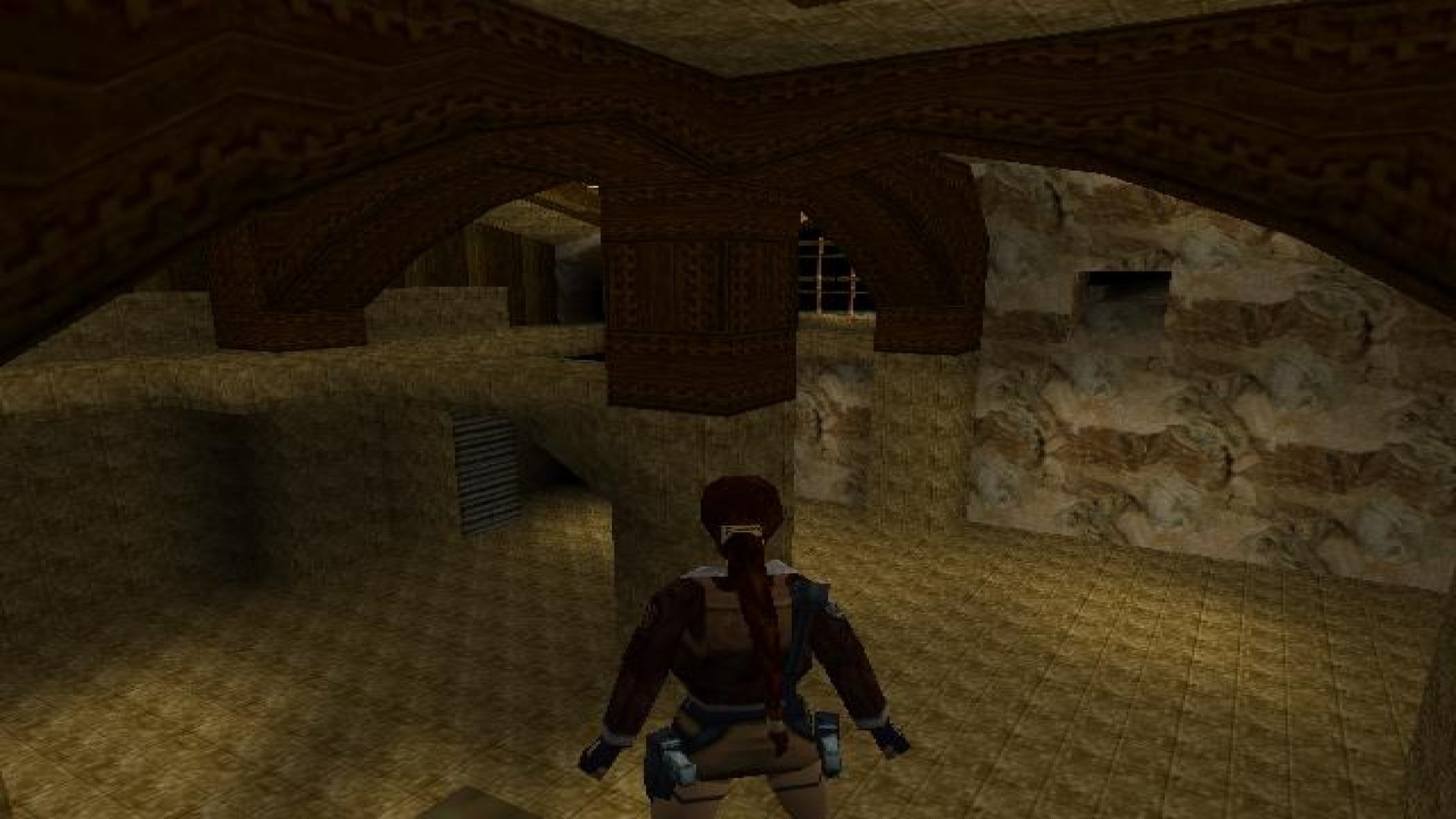
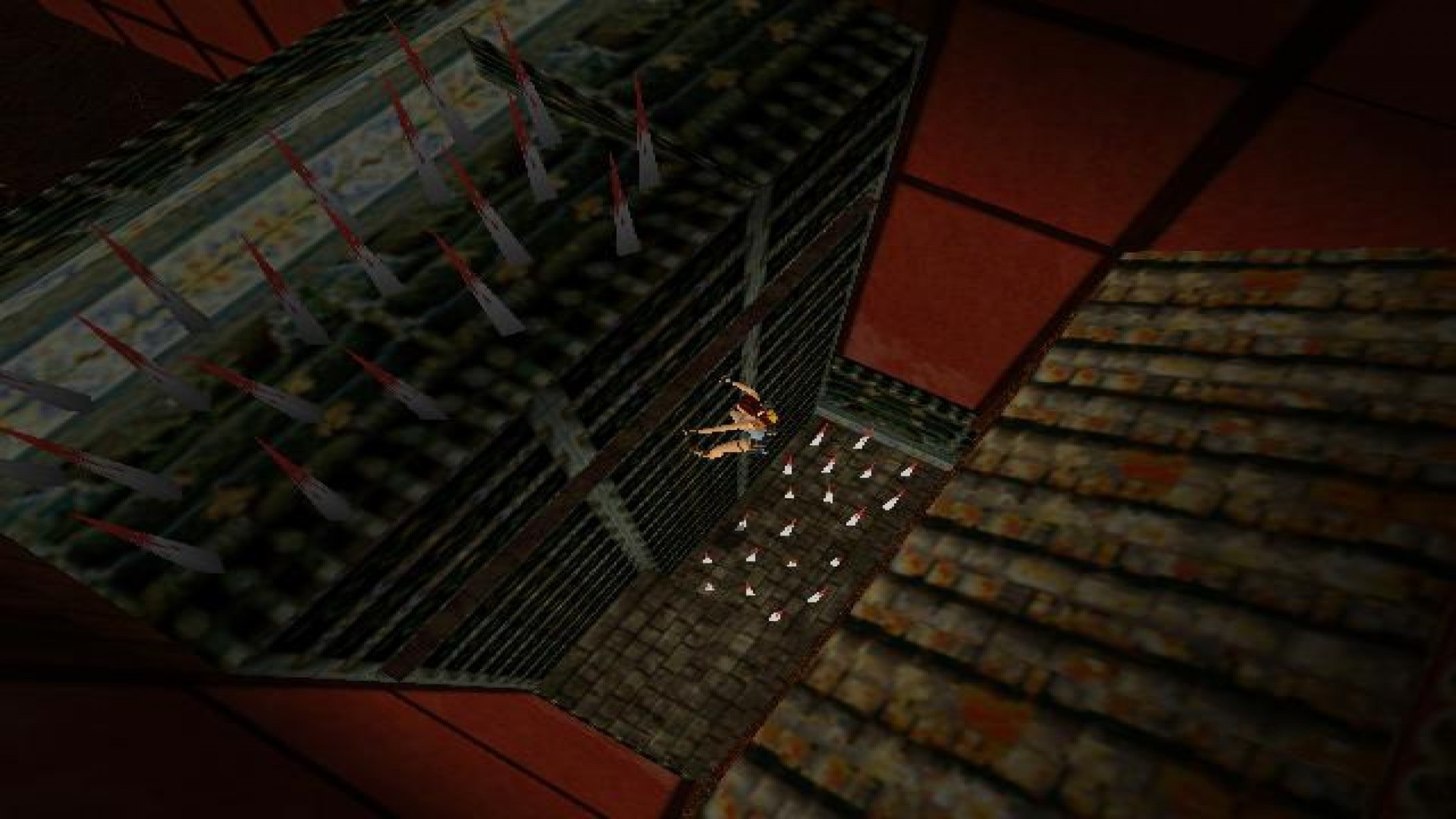
Get an in-depth look at Tomb Raider II (1997) through various videos and screenshots.
System requirements
These are the minimum specifications needed to play the game. For the best experience, we recommend that you verify them.
Windows
- OS *:Windows XP / Windows Vista / Windows 7
- Processor:1.8 GHz Processor
- Memory:512 MB RAM
- Graphics:3D graphics card compatible with DirectX 9
- DirectX®:9.0
- Hard Drive:2 GB HD space
Steam Price & Best Deals
User reviews & Ratings
Explore reviews from Steam users sharing their experiences and what they love about the game.
Expanding upon the first game, this one has bigger and more complex levels, with a greater variety of environments, while retaining the focus on exploration and puzzles that made the first game good. However, it doesn't do much to improve upon the core gameplay, which remains mostly unchanged. The environments are more varied and generally still interesting, but they often lack the atmosphere of the first game. There's less of a feeling of isolation and exploring long-forgotten places, something that's further diminished by the greater number of human enemies you encounter throughout.
Similar games
View all

Tomb Raider III (1998)
Thousands of years ago a meteor crashed into Antarctica and the shockwaves of its impact are being felt in the modern age. Lara Croft will follow clues leading to a deadly secret, boldly leaping chasms and blasting monsters that no one has leaped or blasted before. This time she faces a mystery that's from way out of this world.
Tomb Raider IV: The Last Revelation (1999)
According to Egyptian legend, Horus, son of the light, outwitted the evil God Set and imprisoned him in a secret tomb. Five thousand years later, Lara Croft discovers the lost tomb and unwittingly unleashes the evil God Set, fulfilling the ancient prophecy of his return to plunge mankind into darkness!
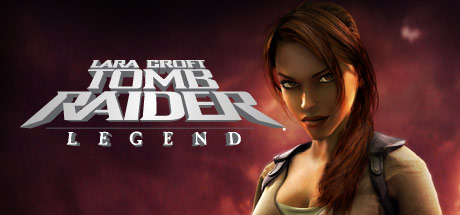
Tomb Raider: Legend
Follow Lara Croft down a path of discovery as she travels the globe to remote, exotic locales in search of one of history's greatest artifacts, that unleashes unwelcome figures from Lara's mysterious past.
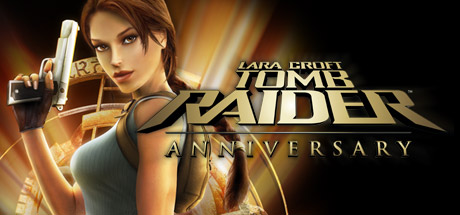
Tomb Raider: Anniversary
Tomb Raider: Anniversary retraces Lara Croft's original genre-defining adventure globe-trotting 3rd person action-adventure in pursuit of the legendary Scion artifact. Using an enhanced 'Tomb Raider: Legend' game engine, the graphics, technology and physics bring Lara's adventure and pursuit of a mystical artifact known only as the...
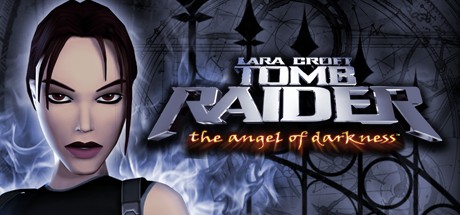
Tomb Raider VI: The Angel of Darkness (2003)
A series of grisly murders brings Lara into conflict with a sinister Alchemist from the past, and a secret alliance of powerful individuals shrouded in mystery. Accused of the murder of her one time mentor, Werner Von Croy, Lara becomes a fugitive on the run.
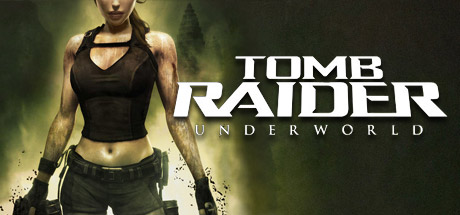
Tomb Raider: Underworld
Tomb Raider: Underworld represents a new advancement in exploration-based gameplay. As fearless adventurer Lara Croft explore exotic locations around the world, each designed with an incredible attention to detail resulting in breathtaking high-definition visual fidelity that creates a truly believable world and delivers a new level of...

Tomb Raider V: Chronicles (2000)
Lara Croft is missing in Egypt - presumed dead. Those closest to her gather together at the Croft Estate on a grey, rainy day for a memorial service in her honour. Afterwards, the friends sit quietly together in the study of the Croft Mansion and reminisce about Lara's past exploits; exploits that have until now remained a secret..
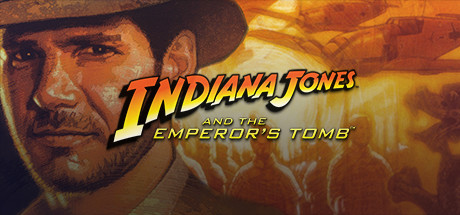
Indiana Jones and the Emperor's Tomb
As Indiana Jones, you’ll travel to 1935 China to prevent a powerful artifact from falling into evil hands. This globe-spanning adventure pits you against evil Nazis and the Asian underworld. It’ll take more than just a trusty whip and pistol to avoid the perils of the Emperor’s Tomb.

Indiana Jones and the Infernal Machine
The year is 1947. The Nazis have been crushed, the Cold War has begun and Soviet agents are sniffing around the ruins of the fabled Tower of Babel. What are they up to? The CIA recruits renowned archeologist and adventurer, Dr. Henry "Indiana" Jones, to find out.
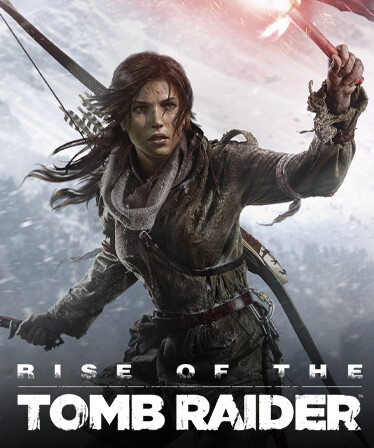
Rise of the Tomb Raider
Rise of the Tomb Raider: 20 Year Celebration includes the base game and Season Pass featuring all-new content. Explore Croft Manor in the new “Blood Ties” story, then defend it against a zombie invasion in “Lara’s Nightmare”.
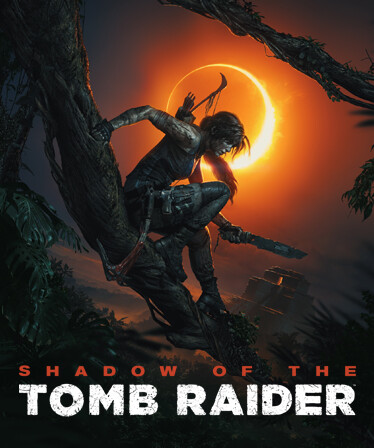
Shadow of the Tomb Raider: Definitive Edition
As Lara Croft races to save the world from a Maya apocalypse, she must become the Tomb Raider she is destined to be.
Frequently Asked Questions
Tomb Raider II (1997) is currently priced at 3.49€ on Steam.
Yes, Tomb Raider II (1997) is currently available at a 50% discount. You can purchase it for 3.49€ on Steam.
Yes, Tomb Raider II (1997) received 2,004 positive votes out of a total of 2,306 achieving a rating of 8.33.
😎
Tomb Raider II (1997) was developed by Core Design and published by Crystal Dynamics.
Yes, Tomb Raider II (1997) is playable and fully supported on Windows.
No, Tomb Raider II (1997) is not playable on MacOS.
No, Tomb Raider II (1997) is not playable on Linux.
No, Tomb Raider II (1997) is not playable on Steam Deck.
No, Tomb Raider II (1997) is not playable on Steam Machine.
No, Tomb Raider II (1997) does not support VR.
Tomb Raider II (1997) is a single-player game.
No, Tomb Raider II (1997) does not currently offer any DLC.
No, Tomb Raider II (1997) does not support mods via Steam Workshop.
No, Tomb Raider II (1997) does not support Steam Remote Play.
Yes, Tomb Raider II (1997) is enabled for Steam Family Sharing. This means you can share the game with authorized users from your Steam Library, allowing them to play it on their own accounts. For more details on how the feature works, you can read the original Steam Family Sharing announcement or visit the Steam Family Sharing user guide and FAQ page.
You can find solutions or submit a support ticket by visiting the Steam Support page for Tomb Raider II (1997).
Data sources
The information presented on this page is sourced from reliable APIs to ensure accuracy and relevance. We utilize the Steam API to gather data on game details, including titles, descriptions, prices, and user reviews. This allows us to provide you with the most up-to-date information directly from the Steam platform.
Additionally, we incorporate data from the SteamSpy API, which offers insights into game sales and player statistics. This helps us present a comprehensive view of each game's popularity and performance within the gaming community.
Last Updates| Steam data | 23 September 2026 01:22 UTC |
|---|---|
| SteamSpy data | 15 October 2026 23:45 UTC |
| Steam price | 27 October 2026 04:07 UTC |
| Steam reviews | 22 October 2026 17:50 UTC |
If you'd like to dive deeper into the details about Tomb Raider II (1997), we invite you to check out a few dedicated websites that offer extensive information and insights. These platforms provide valuable data, analysis, and user-generated reports to enhance your understanding of the game and its performance.
- SteamDB - A comprehensive database of everything on Steam about Tomb Raider II (1997)
- SteamCharts - Analysis of Tomb Raider II (1997) concurrent players on Steam
- ProtonDB - Crowdsourced reports on Linux and Steam Deck Tomb Raider II (1997) compatibility

Game modes
Features
Online players
5
Developer
Core Design
Publisher
Crystal Dynamics
Release
28 Nov 2012
Platforms