


Fantasy General II
The fantasy wargaming classic is back! Lead powerful heroes and mighty armies into battle in this critically acclaimed turn-based strategy milestone. Level up and train your units and guide them through a gripping story campaign to decide the fate of a world on the brink of destruction.
Sync your Steam wishlist to find the lowest game prices instantly. No login required, just paste your Steam profile URL!
⚡ Try Wishlist Radar!
Sync your Steam wishlist to find the lowest game prices instantly. No login required!
⚡ Try Wishlist Radar!
Close

Winter Falling: Battle Tactics on Steam
Quick menu
Lead troops in tense tactical battles, just you and your brain against the dying world. Can you save it? Manage a mercenary company, scavenge supplies, build an army. Go on a quest! Burn down a village or two... Explore the rich medieval fantasy world in a mix of LOTR, Warhammer, FTL and Total War.
Winter Falling: Battle Tactics is a turn-based, singleplayer and turn-based strategy game
developed by Rarykos and 7A Games
and published by Rarykos.
Released on November 08th 2022 is available on Windows, MacOS and Linux.
It has received 412 reviews of which 379 were positive and 33 were negative resulting in a rating of 8.5 out of 10. 😎
The game is currently priced at 10.94€ on Steam with a 27% discount, but you can find it for 8.19€ on Eneba.
The Steam community has classified Winter Falling: Battle Tactics into these genres:
Media & Screenshots
Get an in-depth look at Winter Falling: Battle Tactics through various videos and screenshots.


Load More


System requirements
These are the minimum specifications needed to play the game. For the best experience, we recommend that you verify them.
Windows
- Requires a 64-bit processor and operating system
- OS *: Windows 7
- Processor: i3
- Memory: 4 GB RAM
- Graphics: Intel HD Graphics 5000
- Storage: 500 MB available space
MacOS
- OS: Mac OS 10.13 High Sierra
- Processor: i3
- Memory: 4 GB RAM
- Graphics: Intel HD Graphics 5000
- Storage: 500 MB available space
Linux
- OS: Linux Kernel 3.2
- Processor: i3
- Memory: 4 GB RAM
- Graphics: Intel HD Graphics 5000
- Storage: 500 MB available space
- Additional Notes: ONLY 64 BIT ARCHITECTURE!!!
Steam Price & Best Deals
User reviews & Ratings
Explore reviews from Steam users sharing their experiences and what they love about the game.
a very fun and good concept rts made by what I believe is a solo dev? its not that long if I remember correctly (take that with a grain of salt its been a minute) but it is good quality and pretty fun and there's a solid amount of replability in there from different armies and what I believe is a daily challenge system (again its been a minute) solid game, praise the dev.
Winter Falling is a tactical strategy game developed by Rarykos in collaboration with 7A Games and published by Rarykos, designed as a focused yet deeply strategic experience that blends real-time combat with pause-and-plan mechanics. Set within a bleak medieval fantasy world, the game places players in the role of a mercenary commander tasked with guiding a small army through a land devastated by war, monsters, and political collapse. Rather than presenting a traditional empire-building strategy game with sprawling kingdoms and diplomatic systems, Winter Falling centers on the intimate challenges of leading a mercenary company—making difficult decisions, surviving dangerous battles, and navigating a campaign where every choice can have lasting consequences. The game’s narrative framework unfolds across a branching campaign that reflects the uncertainty of a world on the brink of ruin. Players travel across a fragmented region where villages struggle to survive, armies clash over dwindling resources, and ancient threats emerge from forgotten places. As the leader of a mercenary band, the player accepts contracts, defends settlements, escorts caravans, and confronts hostile forces that threaten the stability of the realm. The story is not delivered through elaborate cutscenes but instead emerges through the events and decisions encountered along the campaign map. Moral choices frequently arise, forcing players to weigh the benefits of profit against acts of compassion. A mercenary company might choose to defend vulnerable towns for little reward or pursue more lucrative but morally questionable opportunities, shaping the overall tone of the campaign as it progresses. At the heart of Winter Falling lies its tactical combat system, which combines real-time action with the ability to pause and issue commands at any moment. Battles take place on compact battlefields where positioning, terrain, and formation play critical roles in determining victory or defeat. Players deploy a variety of unit types such as infantry, archers, cavalry, and specialized warriors, each with distinct strengths and weaknesses. Combat rewards thoughtful planning rather than raw speed, as players can pause the game to carefully analyze enemy movements, reposition units, and coordinate attacks. This pause-based design creates a methodical style of gameplay that feels closer to solving a tactical puzzle than reacting to chaotic battlefield conditions. Unit management and battlefield awareness are key to mastering the game’s combat encounters. Infantry units can hold defensive lines and absorb enemy attacks, while archers provide ranged support from behind protective formations. Cavalry can sweep around the battlefield to disrupt enemy lines or chase down fleeing units. Terrain features such as hills, forests, and narrow passages can dramatically influence the outcome of battles, encouraging players to consider how geography affects movement and line of sight. A well-positioned army can defeat larger forces through careful tactics, making every engagement feel meaningful and rewarding. Outside of combat, the campaign layer introduces strategic elements that simulate the challenges of maintaining a mercenary army. Players must manage resources such as gold, supplies, and troop morale while traveling between locations on the world map. Supplies determine how long the company can operate without resupply, while gold allows the recruitment of additional soldiers or the purchase of better equipment. Poor resource management can leave an army vulnerable during future battles, adding an additional layer of strategic planning between combat encounters. The campaign also features a dynamic sense of progression as players gradually expand and strengthen their army. New units can be recruited as the mercenary company grows in reputation, and equipment upgrades allow soldiers to become more effective in battle. However, expansion must be handled carefully, as larger armies consume more supplies and require greater financial support. Balancing growth with sustainability becomes a constant challenge, especially as the campaign leads players into increasingly hostile territory filled with stronger enemies. One of the most distinctive aspects of Winter Falling is the flexibility it offers players in shaping their experience. In addition to the main campaign, the game includes a custom battle system and map editor that allows players to design their own scenarios. These tools enable players to create unique battlefields, modify unit compositions, and experiment with different tactical situations. The inclusion of modding support further expands the possibilities by allowing players to introduce new units, factions, and gameplay mechanics. This community-driven approach significantly extends the game’s replay value and encourages players to experiment with creative ideas beyond the original campaign. Visually, Winter Falling embraces a minimalist yet effective art style built around a top-down 2D perspective. The graphics prioritize clarity and readability, ensuring that players can easily distinguish units, terrain features, and battlefield conditions during combat. While the visuals may appear simple compared to large-scale strategy games with high-budget production values, the clean design allows players to focus entirely on tactical decision-making without unnecessary distractions. The environments—ranging from snowy battlefields and forests to ruined settlements—capture the harsh atmosphere of a war-torn fantasy landscape. The sound design complements the game’s tone through subtle yet effective audio elements. The soundtrack features atmospheric compositions that evoke the tension and uncertainty of commanding soldiers in dangerous conflicts. During battles, the clash of steel, the impact of arrows, and the roar of cavalry charges create a satisfying sense of battlefield intensity. The music remains understated, allowing the tactical gameplay to remain the central focus while still reinforcing the dark medieval atmosphere. Winter Falling succeeds in striking a balance between accessibility and depth. The core mechanics are relatively easy to understand, making the game approachable even for players who may not have extensive experience with strategy titles. However, the underlying systems offer enough complexity to keep experienced players engaged as they experiment with different army compositions and battlefield strategies. The ability to pause combat at any time also reduces the pressure commonly associated with real-time strategy games, allowing players to carefully consider their actions rather than relying on rapid reactions. Despite its strengths, the game does have certain limitations that reflect its smaller development scale. The variety of units and environments is somewhat limited compared to major strategy franchises, and the narrative presentation is relatively minimal. Some players may also find the campaign structure somewhat repetitive after extended play sessions, particularly if they prefer games with large-scale political or economic systems. However, these limitations are largely offset by the game’s strong focus on tactical combat and its robust customization tools. Ultimately, Winter Falling stands out as a thoughtfully designed tactical strategy experience that emphasizes careful planning, meaningful decisions, and battlefield awareness. By focusing on the challenges of leading a mercenary company rather than ruling an empire, the game offers a more personal and grounded perspective on fantasy warfare. Its blend of pause-based real-time combat, campaign resource management, and community-driven content creation makes it a compelling choice for players who enjoy strategy games that reward patience, experimentation, and tactical creativity. Rating: 8/10
Fun game not without it's flaws. Could become something much better. For the price though, it's worth it. My favorite part of the game is the art and style. It's very pretty, consistent, and polished. The game is still in EA but the experience feels complete and satisfying My least favorite part is the reliance on RNG and limited mobility. Depending on where the enemy spawns, and whether or not you have a hill to spawn your units on, the match can go completely differently. Your army completely lacks mobility. While the enemy can move 20+ troops all together in unison, you are limited to only moving a couple units at a time. This makes repositioning impossible, so the only strategy is to turtle and wait for the enemy to come. There's got to be a way to more more units at once, or maybe set a "rally" point for all troops to move towards. The "command your army with pidgeons" is a cool concept but I think there need to be exceptions for basic movement or it needs to be reworked in some way. If the combat is cleaned up more and movement is improved upon, I would spend a lot more time playing!
Similar games
View all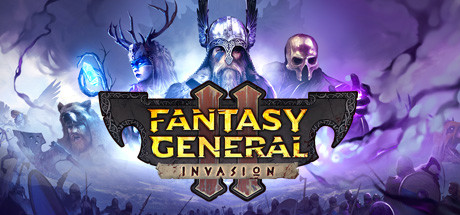

Hero's Hour
A fast turn-based strategy RPG with real-time combat. Develop your cities and armies, level up your heroes to gain new, powerful spells and skills, and explore the wonders and dangers of the procedurally generated maps as you aim to conquer your enemies before they do the same to you.

Eador. Masters of the Broken World
Eador is a universe made of countless shards of land drifting in the Great Nothing. Each of the shards is a little world unto itself, with geography and denizens of its own. The power over the shards is bitterly contested by Masters, the immortal beings mortals believe to be gods.

Heroes of Might & Magic V: Tribes of the East
For the first time, play as the Orc faction and recruit heroes, build armies and manage cities as you explore and conquer legendary lands. Use tactics, skills and magic to outsmart fantasy armies while developing your heroes and unveiling the dark plot that threatens to tear the world of Ashan apart.
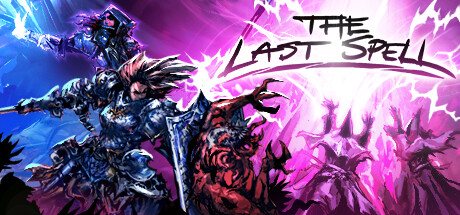
The Last Spell
Defend the last bastion of humanity with your squad of heroes! Exterminate fiendish monsters with magic and brute force by night and re-build your battered city defenses by day in this tactical RPG with rogue-lite mechanics.
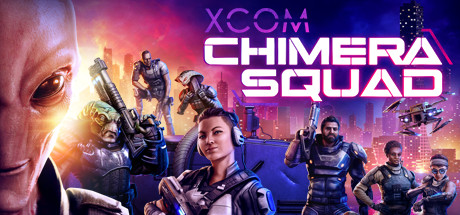
XCOM : Chimera Squad
XCOM: Chimera Squad delivers an all-new story and turn-based tactical combat experience in the XCOM universe.
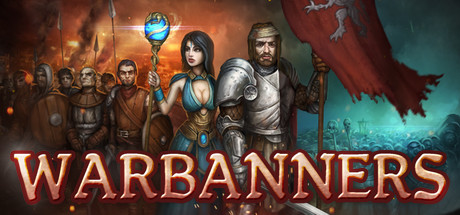
Warbanners
Warbanners: the turn-based, tactical strategy game with role-playing elements that lets you manage a squad of mercenaries, and survive 42 campaign missions. Your goal? To earn a place among ancient legends!

Age of Wonders Shadow Magic
Age of Wonders: Shadow Magic is the third entry in the award winning fantasy strategy series. This fan-favorite enhances the series' praised fusion of empire building, role-playing and tactical combat with the eerie Shadow World and battle with races never before seen, across new and diverse landscapes.
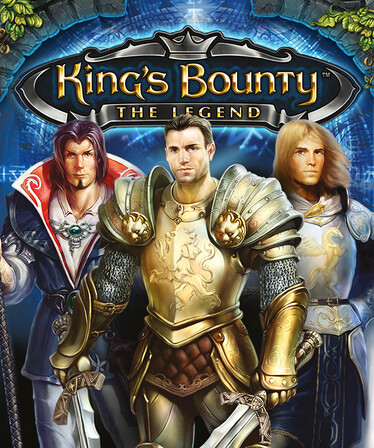
King's Bounty: The Legend
King’s Bounty: The Legend is a fan-favorite classic fantasy adventure and an early entry into the modern King’s Bounty era, built around tough battles, smart decisions, and turn-based tactics.


Anomaly Collapse
Command a squad of adorably fierce warriors in Anomaly Collapse, a turn-based Roguelite strategy game that offers a fresh twist to an old formula! Face off against otherworldly beings and uncover the dark secrets of supernatural calamities. Immerse yourself in a story where every move counts!

MASSIVE CHALICE
MASSIVE CHALICE is a tactical strategy game set on an epic timeline from Double Fine Productions. As the Immortal Ruler of the nation, you'll take command of its heroes, forge heroic marriages to strengthen your Bloodlines, and battle a mysterious enemy known as the Cadence in a 300 year war.
Frequently Asked Questions
Winter Falling: Battle Tactics is currently priced at 10.94€ on Steam.
Yes, Winter Falling: Battle Tactics is currently available at a 27% discount. You can purchase it for 10.94€ on Steam.
Yes, Winter Falling: Battle Tactics received 379 positive votes out of a total of 412 achieving a rating of 8.51.
😎
Winter Falling: Battle Tactics was developed by Rarykos and 7A Games and published by Rarykos.
Yes, Winter Falling: Battle Tactics is playable and fully supported on Windows.
Yes, Winter Falling: Battle Tactics is playable and fully supported on MacOS.
Yes, Winter Falling: Battle Tactics is playable and fully supported on Linux.
This information about Winter Falling: Battle Tactics is not available yet.
This information about Winter Falling: Battle Tactics is not available yet.
No, Winter Falling: Battle Tactics does not support VR.
Winter Falling: Battle Tactics is a single-player game.
No, Winter Falling: Battle Tactics does not currently offer any DLC.
No, Winter Falling: Battle Tactics does not support mods via Steam Workshop.
No, Winter Falling: Battle Tactics does not support Steam Remote Play.
Yes, Winter Falling: Battle Tactics is enabled for Steam Family Sharing. This means you can share the game with authorized users from your Steam Library, allowing them to play it on their own accounts. For more details on how the feature works, you can read the original Steam Family Sharing announcement or visit the Steam Family Sharing user guide and FAQ page.
You can find solutions or submit a support ticket by visiting the Steam Support page for Winter Falling: Battle Tactics.
Data sources
The information presented on this page is sourced from reliable APIs to ensure accuracy and relevance. We utilize the Steam API to gather data on game details, including titles, descriptions, prices, and user reviews. This allows us to provide you with the most up-to-date information directly from the Steam platform.
Additionally, we incorporate data from the SteamSpy API, which offers insights into game sales and player statistics. This helps us present a comprehensive view of each game's popularity and performance within the gaming community.
Last Updates| Steam data | 25 October 2026 23:53 UTC |
|---|---|
| SteamSpy data | 21 October 2026 17:30 UTC |
| Steam price | 26 October 2026 19:31 UTC |
| Steam reviews | 19 October 2026 05:48 UTC |
If you'd like to dive deeper into the details about Winter Falling: Battle Tactics, we invite you to check out a few dedicated websites that offer extensive information and insights. These platforms provide valuable data, analysis, and user-generated reports to enhance your understanding of the game and its performance.
- SteamDB - A comprehensive database of everything on Steam about Winter Falling: Battle Tactics
- SteamCharts - Analysis of Winter Falling: Battle Tactics concurrent players on Steam
- ProtonDB - Crowdsourced reports on Linux and Steam Deck Winter Falling: Battle Tactics compatibility

Game modes
Features
Online players
0
Developer
Rarykos,
7A Games
Publisher
Rarykos
Release
08 Nov 2022
Platforms
Clicking and buying through these links helps us earn a commission to maintain our services.