
Axon TD: Uprising - Tower Defense
Axon TD lets you expand the map boundaries themselves. A huge arsenal of towers and a wide variety of enemies clash in a battlefield that grows to your whims. Engage in single, cooperative, and roguelite gameplay.
Sync your Steam wishlist to find the lowest game prices instantly. No login required, just paste your Steam profile URL!
⚡ Try Wishlist Radar!
Sync your Steam wishlist to find the lowest game prices instantly. No login required!
⚡ Try Wishlist Radar!
Close

Yokai Art: Night Parade of One Hundred Demons on Steam
Quick menu
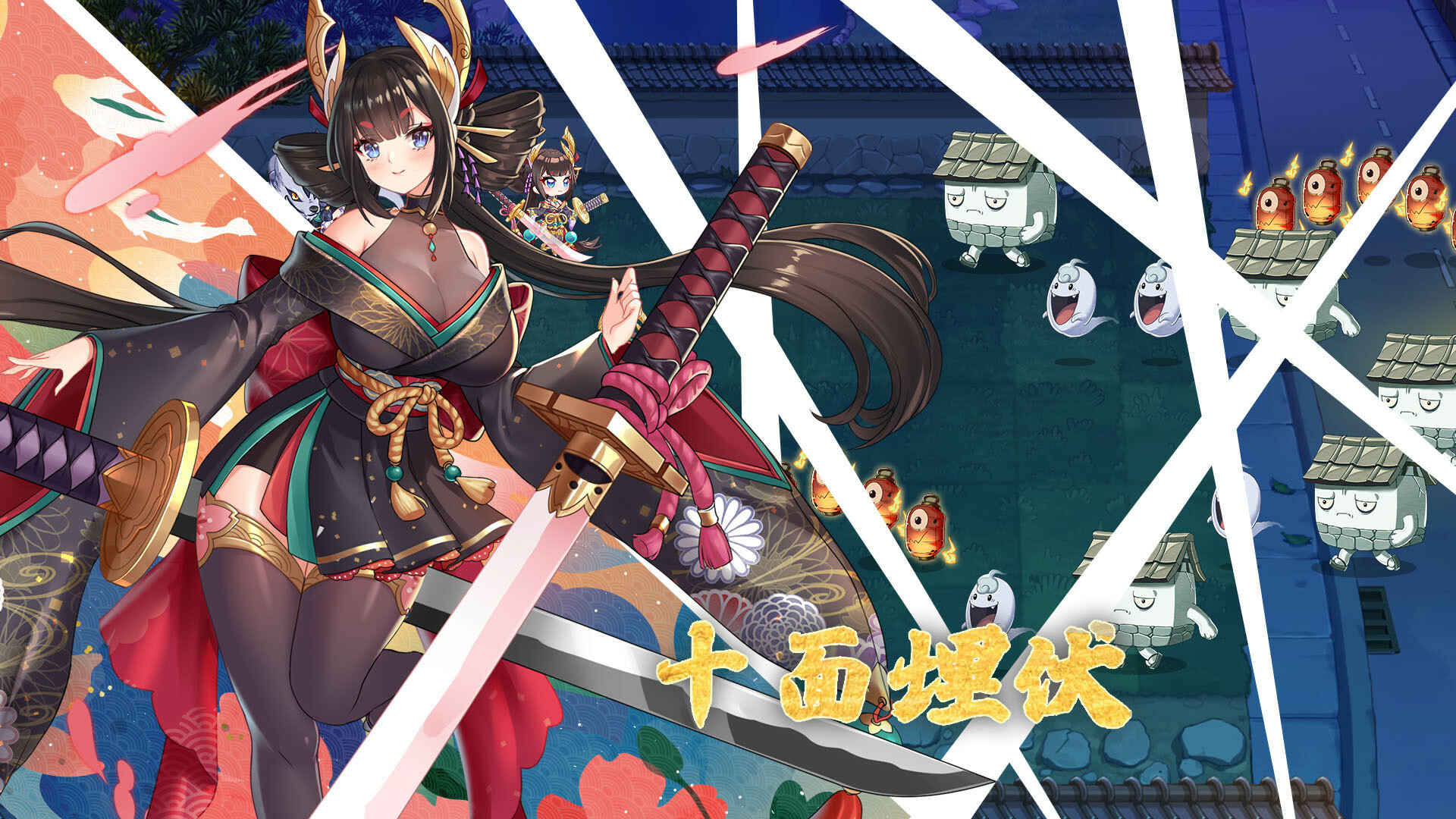
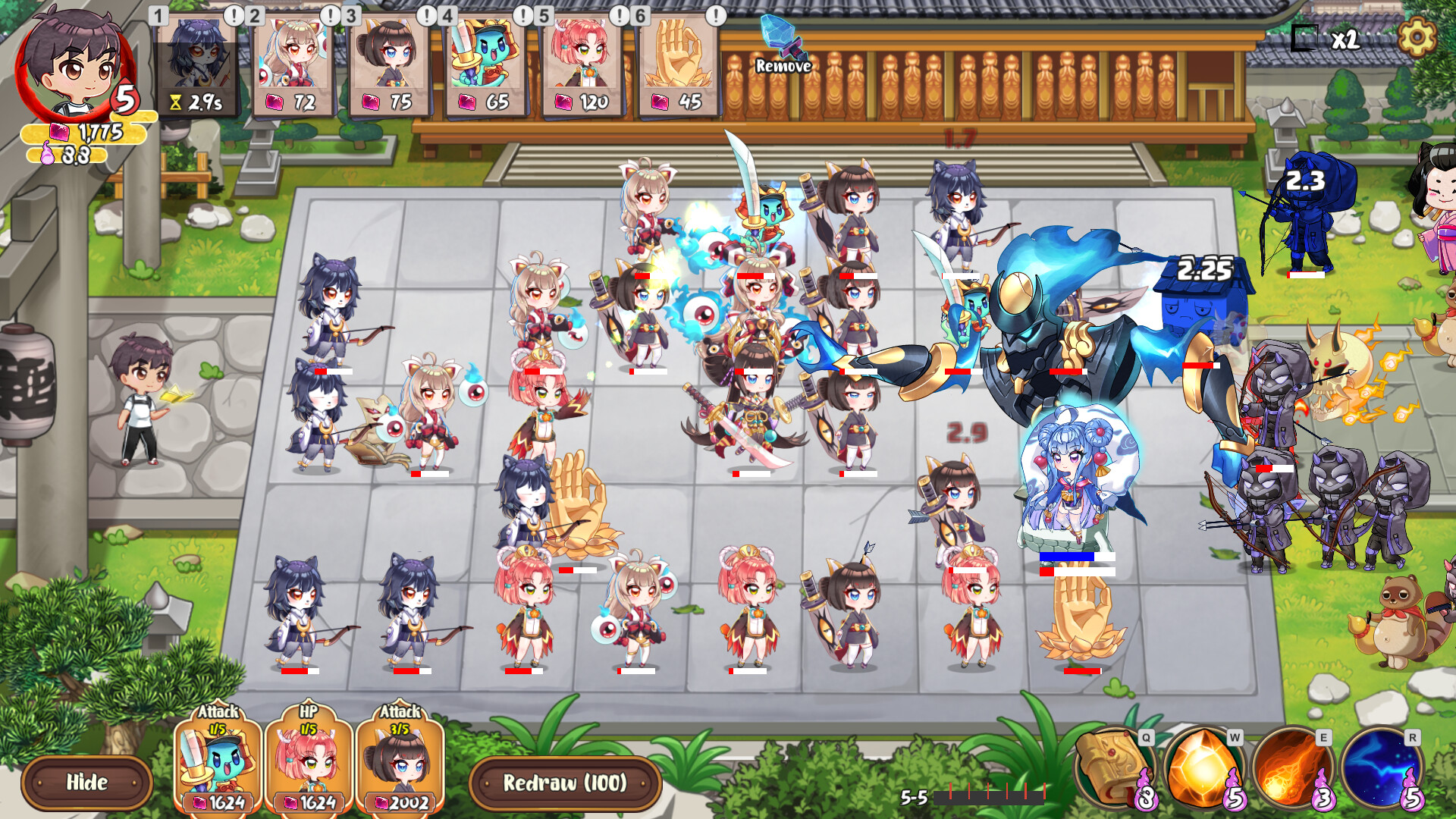
By accident, you broke the seal of the mysterious book, which contains an enormous magical power that allows users to control any Yokai by defeating them and recording their names. This godly power is too much which alerts all the Yokai. You must find your own way to defeat them and survive.
Yokai Art: Night Parade of One Hundred Demons is a tower defense, strategy and real time tactics game
developed and published by Secret Labo.
Released on September 28th 2022 is available on Windows, Steam Deck and Steam Machine.
It has received 1,064 reviews of which 963 were positive and 101 were negative resulting in a rating of 8.6 out of 10. 😎
The game is currently priced at 6.89€ on Steam.
The Steam community has classified Yokai Art: Night Parade of One Hundred Demons into these genres:
Media & Screenshots
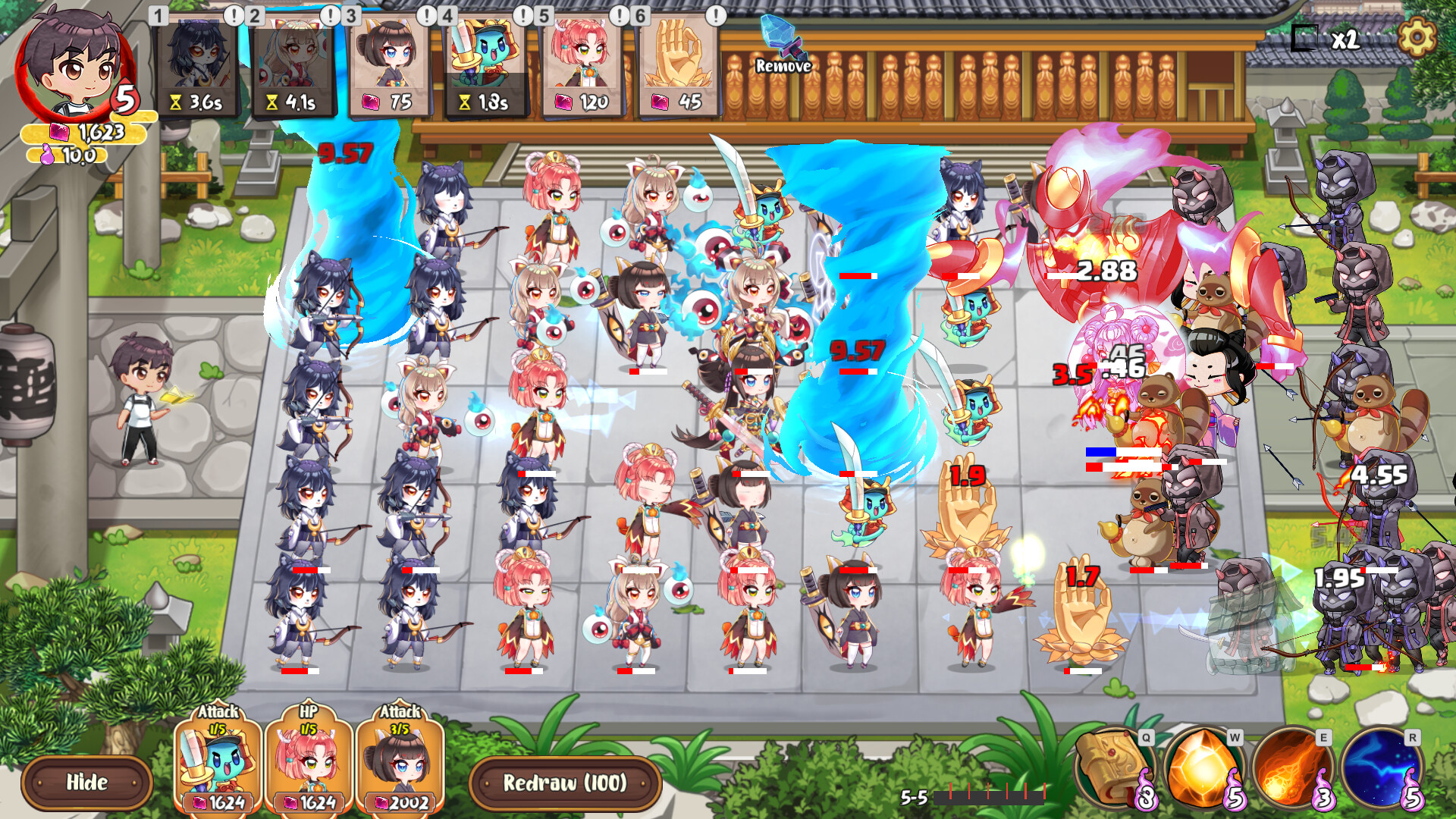
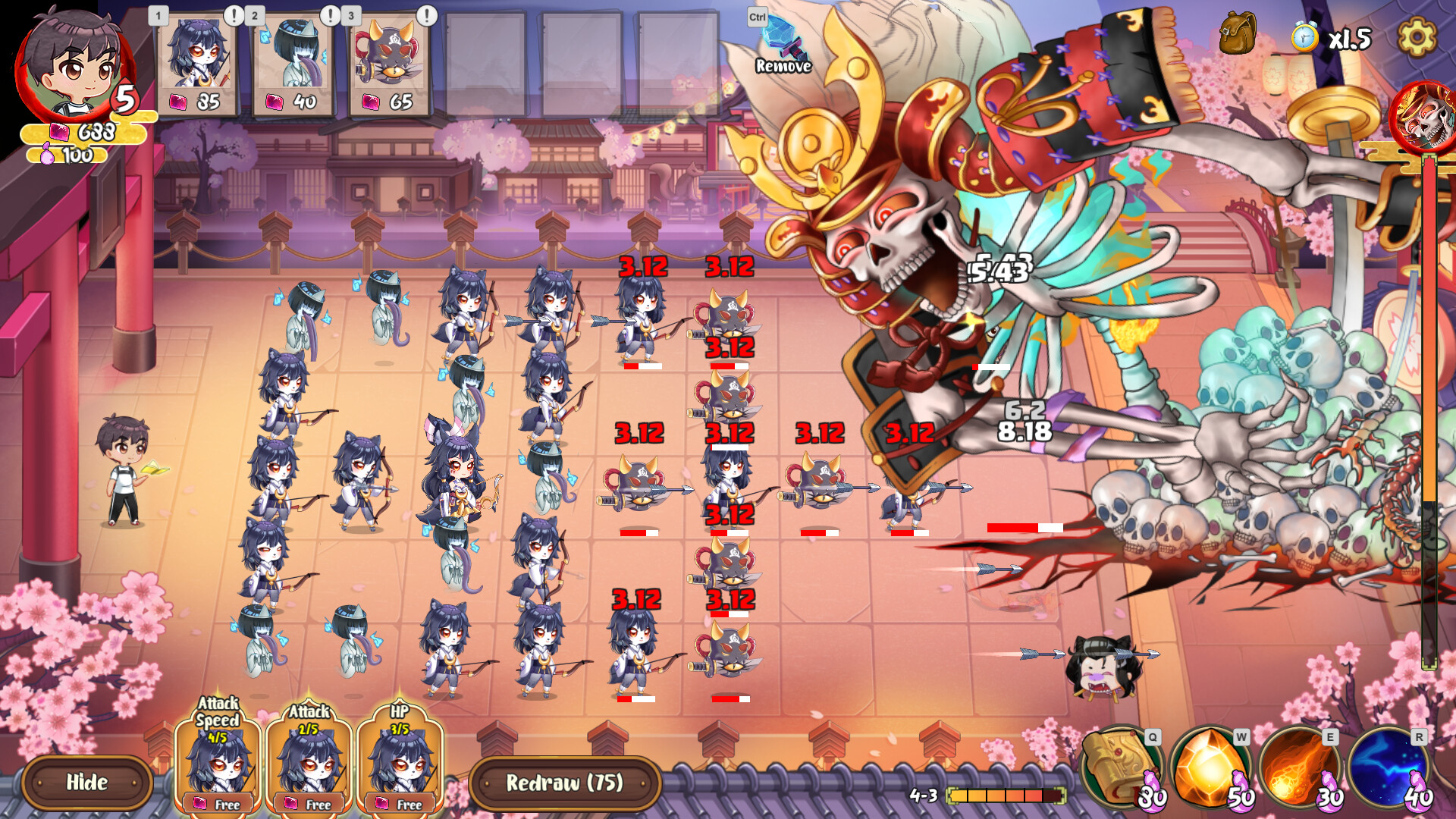
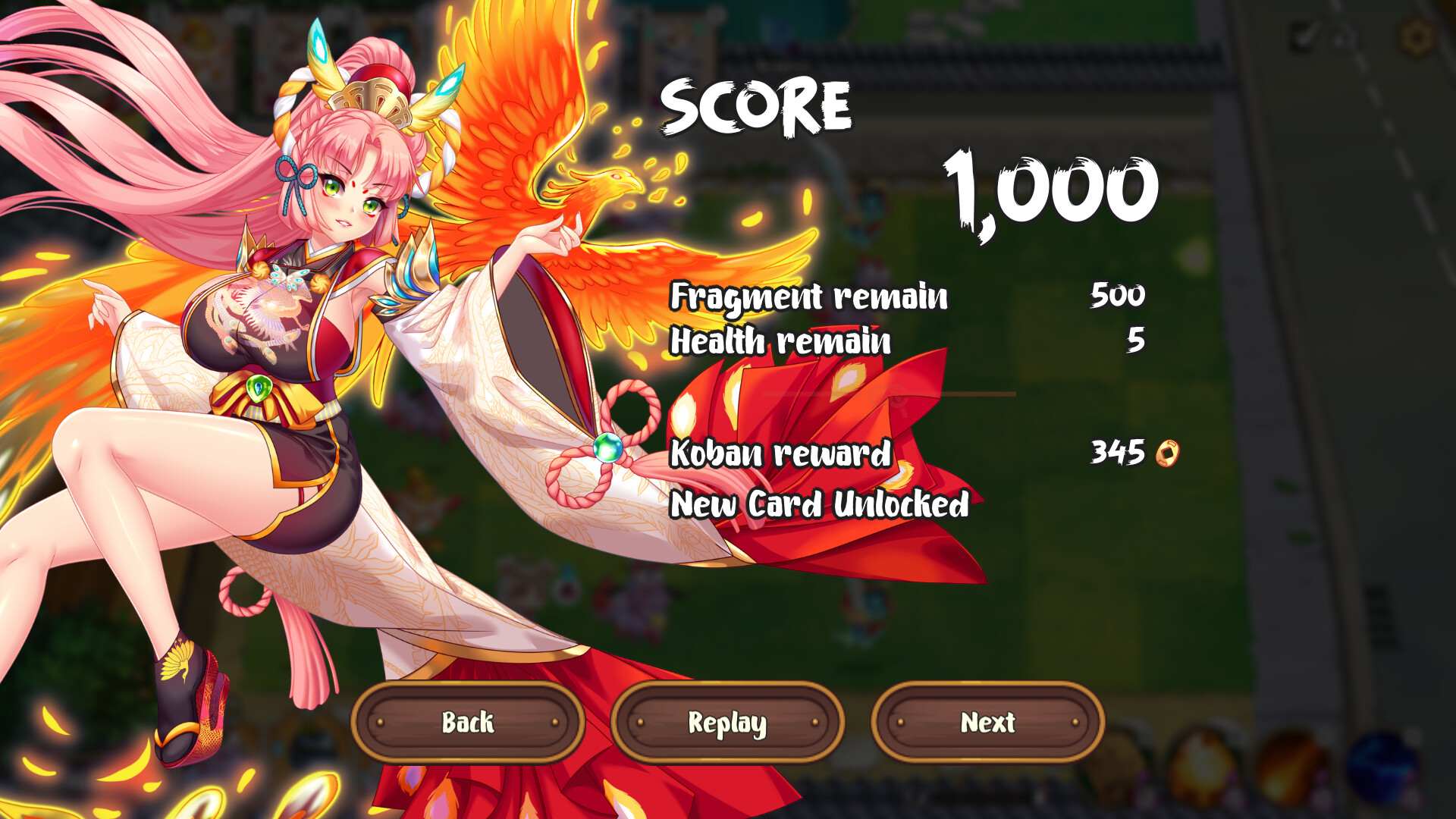
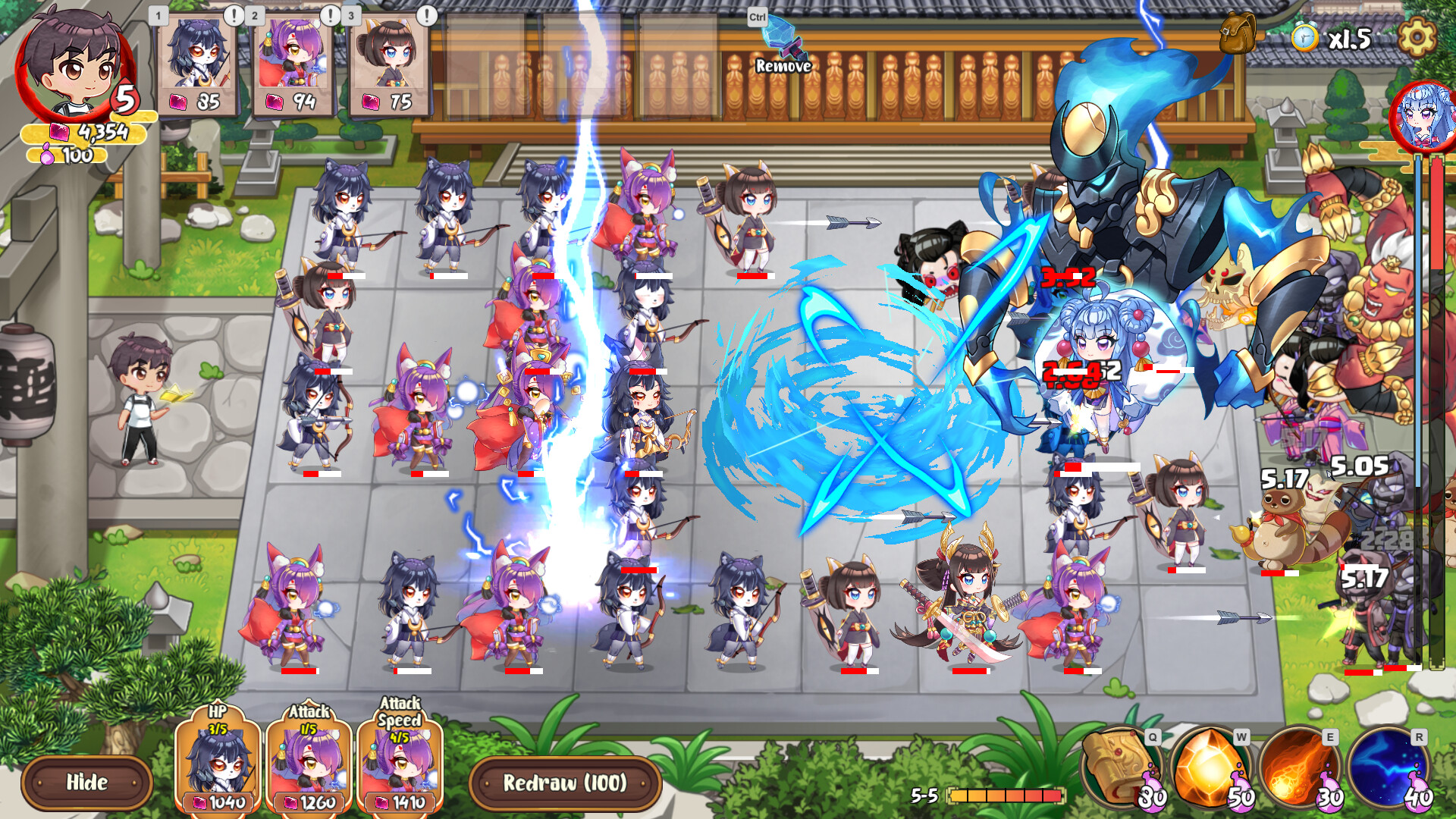
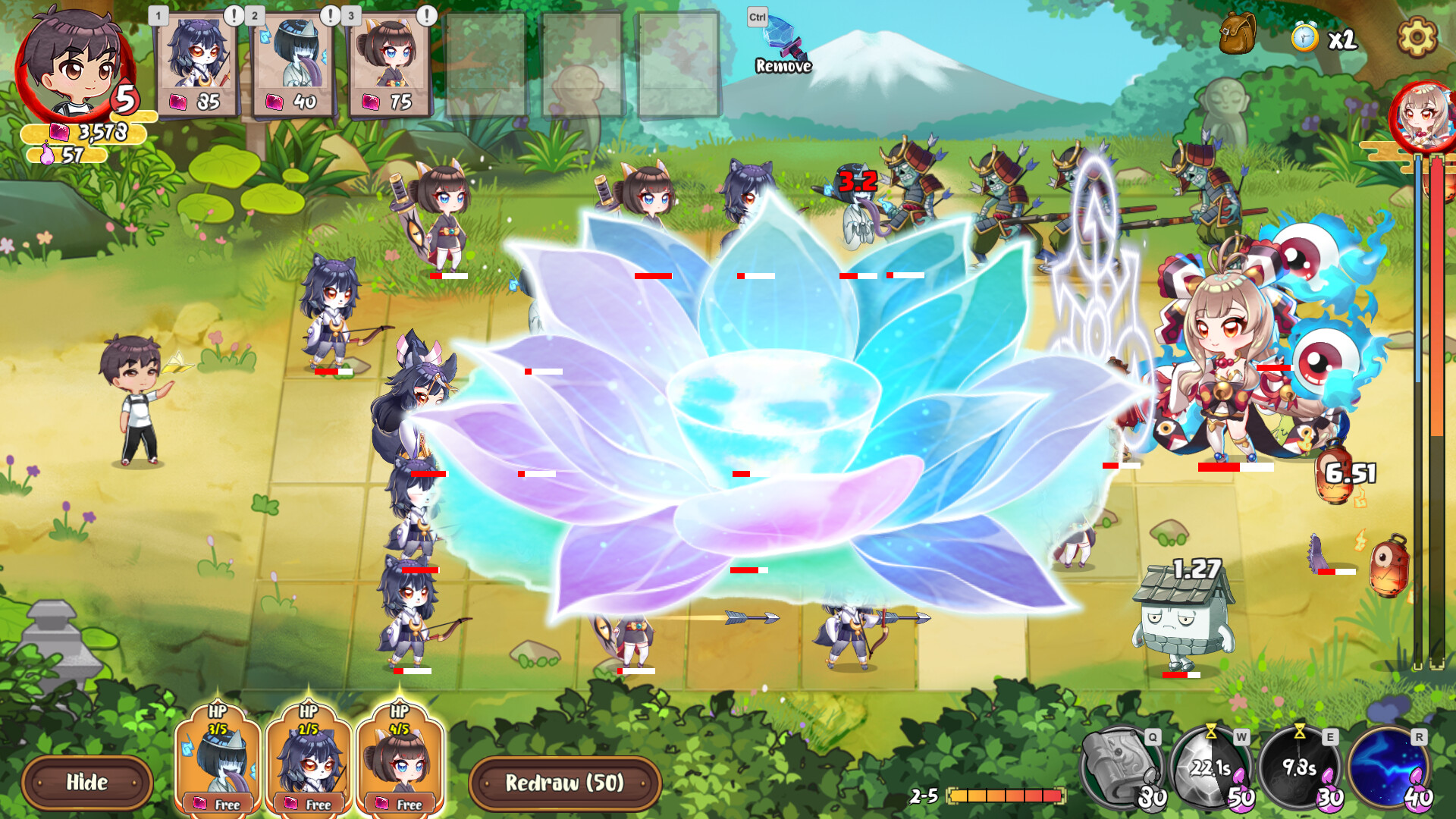
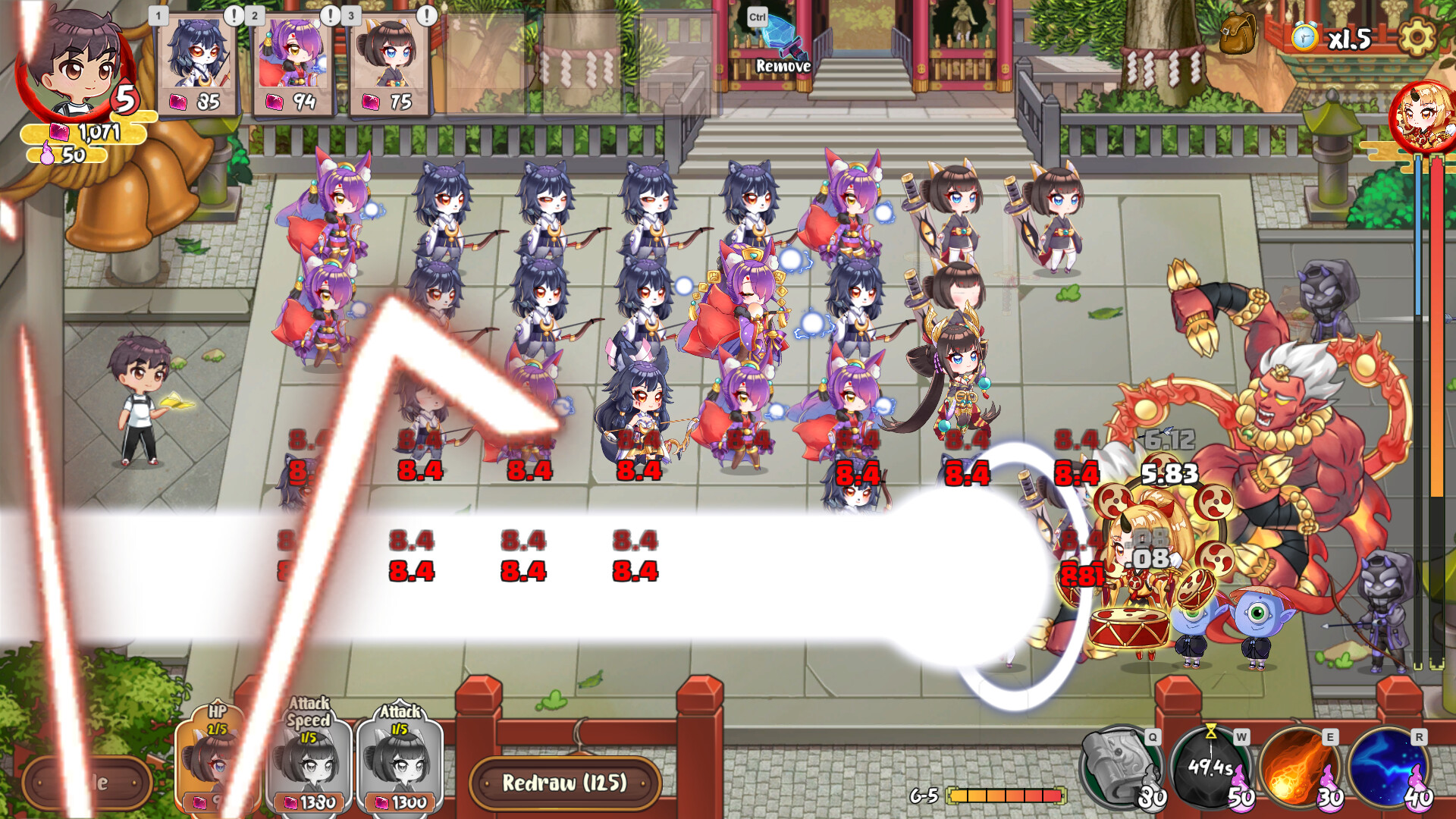
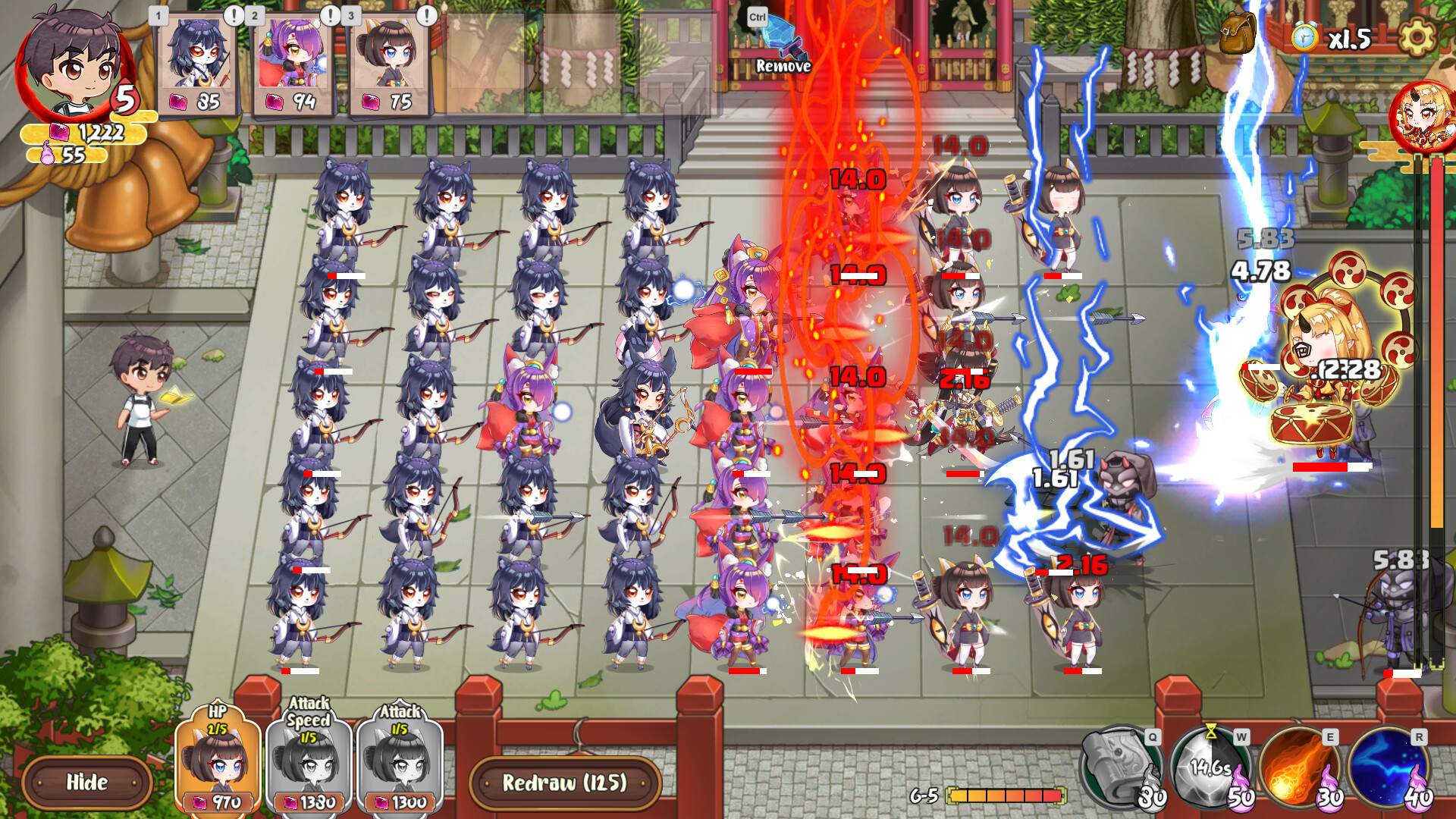
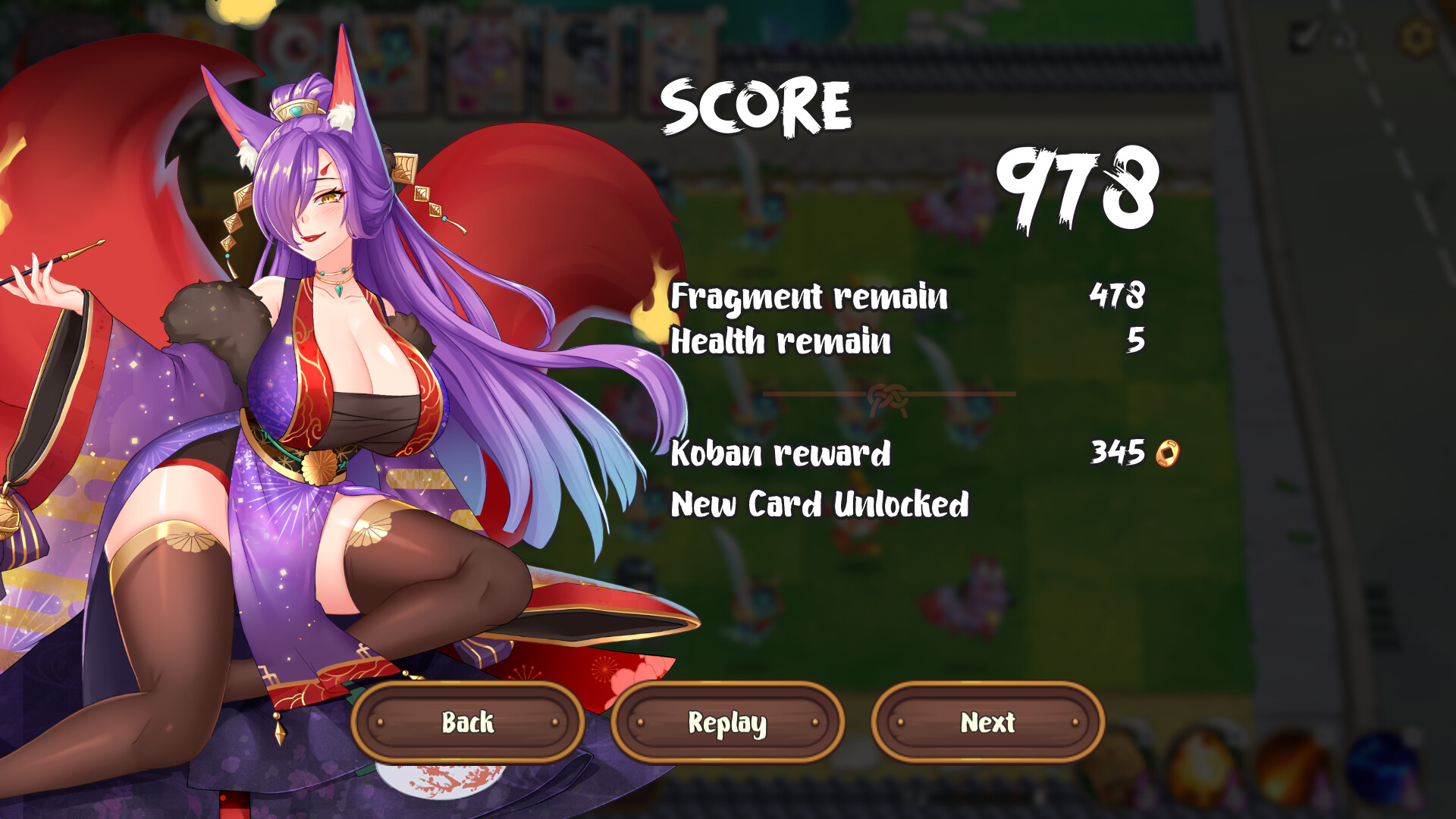
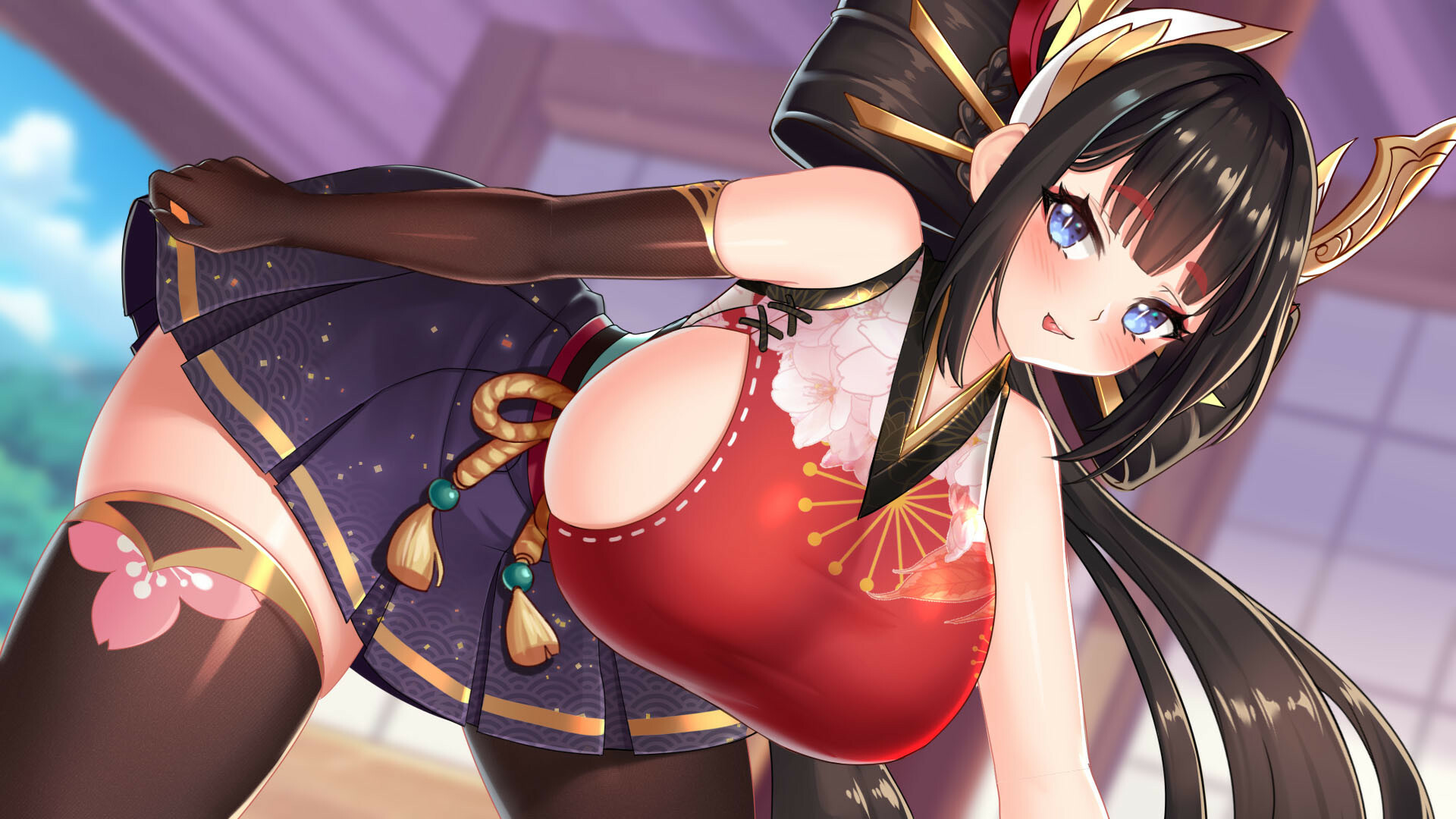
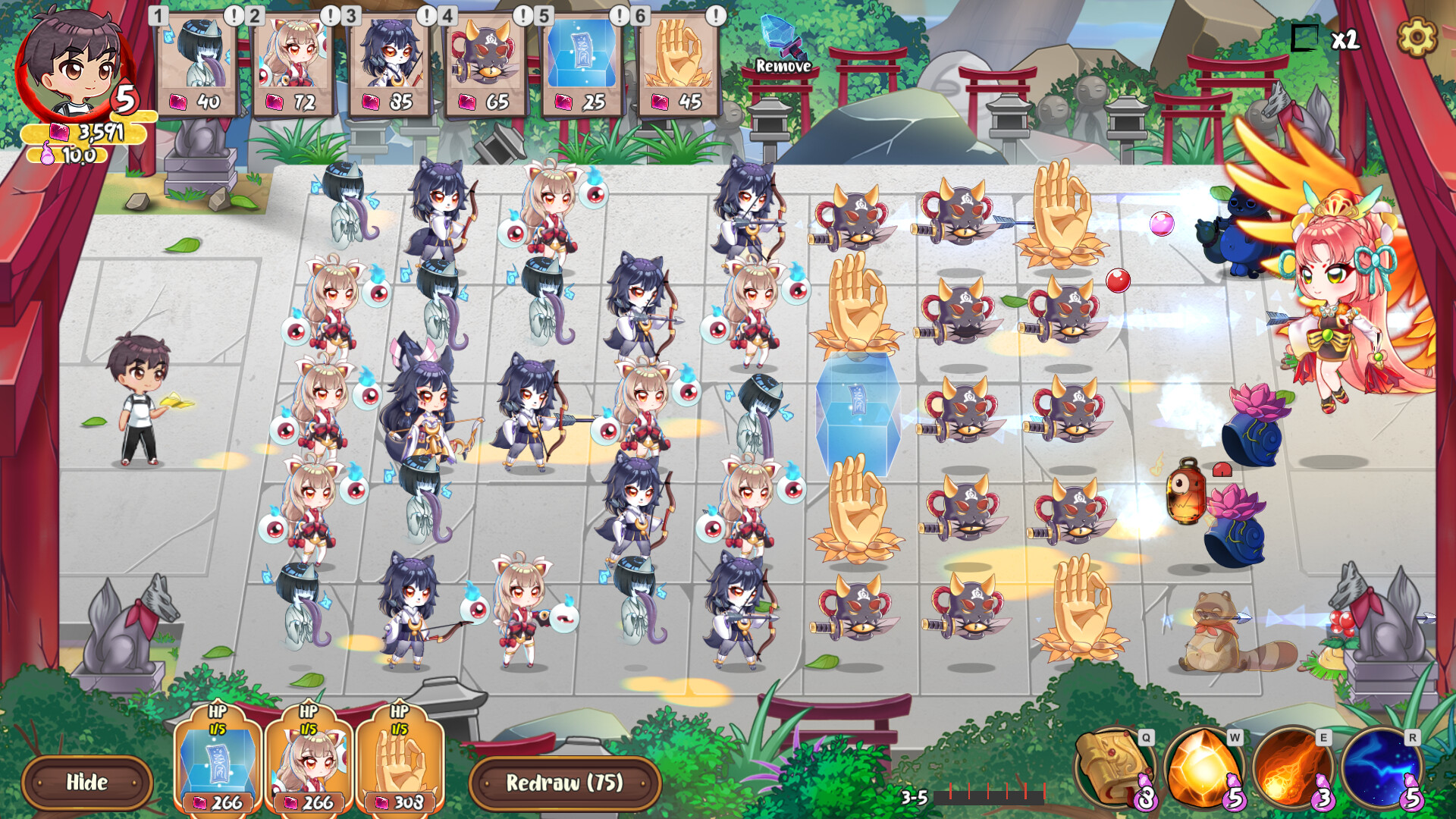
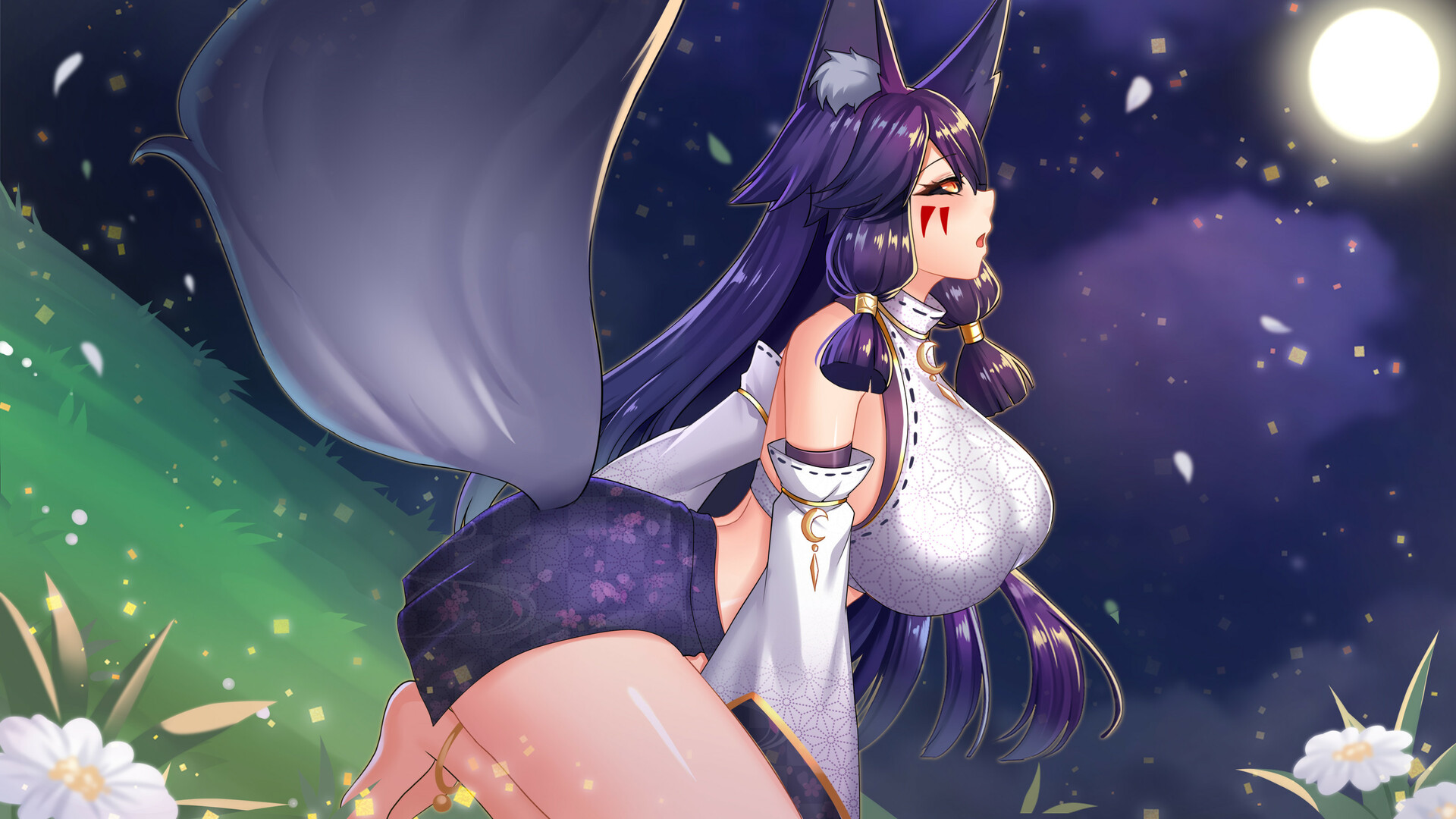
Get an in-depth look at Yokai Art: Night Parade of One Hundred Demons through various videos and screenshots.

Load More
System requirements
These are the minimum specifications needed to play the game. For the best experience, we recommend that you verify them.
Windows
- Requires a 64-bit processor and operating system
- OS: Windows 10+
- Processor: Intel Core i3 / AMD Ryzen 3
- Memory: 6 GB RAM
- Graphics: with 512 MB VRAM or higher
- DirectX: Version 11
- Storage: 10 GB available space
Steam Price & Best Deals
User reviews & Ratings
Explore reviews from Steam users sharing their experiences and what they love about the game.
These are rare. H-games with ACTUAL gameplay. It's basically and Yokai girl version of plants vs zombies and it does it well. There's also an added layer of depth with the upgrade/evolution system. You have to download the DLC/patch to get the H stuff which for me is nice because I can still play it in a SFW setting when needed. For those here purely for the H stuff it's kinda mid but still pretty good considering all the AI slop thats been going around. One of the best adult games around IMO if you're looking something beyond the standard "quickie."
Yokai Art: Night Parade of One Hundred Demons is a strategy-focused tower defense game that combines Japanese folklore, anime-inspired presentation, roguelite progression systems, and collectible character mechanics into a surprisingly polished experience. Developed by Secret Labo, the game draws heavily from traditional yokai mythology while presenting it through a modern anime aesthetic filled with supernatural creatures, magical battles, and stylized character designs. Beneath the colorful visuals and fanservice-heavy presentation is a genuinely entertaining tactical game built around careful positioning, unit upgrades, and resource management. The game’s world is inspired by the legendary “Night Parade of One Hundred Demons,” a famous Japanese folkloric concept involving large gatherings of supernatural beings roaming through the darkness. This mythology gives the game a distinctive atmosphere that separates it from more generic fantasy strategy titles. The story centers around a mysterious magical book capable of recording and controlling yokai after defeating them, which naturally attracts dangerous enemies hoping to seize its power. While the narrative itself remains fairly simple, it provides enough context to support the game’s supernatural setting and introduce the growing cast of yokai-inspired characters. Gameplay revolves around defending lanes against waves of enemies using strategically placed yokai units. Battles take place on a grid-like battlefield where positioning and timing are critical to survival. Different units fulfill specialized roles including frontline attackers, ranged damage dealers, defensive tanks, and support-oriented characters. Managing these units effectively becomes increasingly important as stronger enemies and elite yokai begin appearing later in the game. Although the mechanics are easy to understand initially, battles gradually become more demanding as enemy formations grow more aggressive and varied. Resource management adds another layer of strategy to combat. Players earn currency by defeating enemies and can spend it to strengthen units, evolve yokai into stronger forms, or unlock new abilities during battle. Deciding whether to upgrade existing units immediately or save resources for more advanced evolutions creates a satisfying tactical rhythm throughout each encounter. The progression systems constantly reward players with stronger attacks, improved defenses, and increasingly flashy abilities that help make battles feel rewarding even during longer sessions. The evolution mechanics are among the game’s most enjoyable features. Yokai units do not simply become stronger numerically but also transform visually into more elaborate and powerful forms as upgrades progress. Watching weaker units evolve into highly destructive supernatural warriors adds a satisfying sense of progression to the experience. Outside of combat, players can also increase affection levels with characters, unlocking additional scenes, bonuses, and interactions that further expand the progression systems. Visually, the game is extremely appealing for an indie strategy title. Character artwork is highly detailed and expressive, with every yokai possessing its own distinct design inspired by Japanese supernatural folklore. Some creatures are based directly on traditional yokai legends while others take more creative liberties with their interpretation. The environments, menus, combat effects, and animations all contribute to a polished presentation that constantly reinforces the game’s mystical atmosphere. The use of Japanese folklore is one of the game’s most interesting qualities. Rather than relying solely on generic fantasy monsters, the game draws heavily from actual yokai mythology involving spirits, demons, and supernatural creatures tied to Japanese ghost stories and legends. This folkloric influence helps the world feel unique and culturally distinctive, especially for players interested in Japanese mythology and supernatural folklore. Sound design also supports the atmosphere effectively. Music combines traditional Japanese influences with energetic battle themes that maintain excitement during combat. Sound effects for attacks, upgrades, and abilities feel satisfying without overwhelming the battlefield, while voice acting helps give the characters more personality during interactions and story sequences. The game consistently maintains a strong supernatural atmosphere through both its visual and audio presentation. One of the strengths of Yokai Art is how approachable its gameplay remains despite the number of systems involved. The controls are simple, battles move at a steady pace, and progression mechanics are easy to understand. This accessibility makes the game enjoyable even for players unfamiliar with more complicated strategy games. At the same time, the increasing enemy difficulty and upgrade management still provide enough tactical depth to keep battles engaging. However, the game does have limitations that become more noticeable during extended play. While the tower defense mechanics are enjoyable, the overall strategic complexity is somewhat limited compared to larger-scale strategy games. Certain unit combinations become extremely effective, allowing players to rely on similar tactics repeatedly once powerful setups are discovered. This can eventually make battles feel repetitive despite the steady stream of upgrades and evolutions. The story is another weaker element. Although the yokai setting and supernatural themes are appealing, the narrative itself remains relatively shallow. Most characters exist primarily to support gameplay progression and collectible systems rather than develop meaningful emotional arcs. Players looking for deep storytelling or complex character development may find the narrative lacking compared to the much stronger gameplay systems and art direction. The fanservice-heavy presentation will also divide players. The game openly embraces revealing character designs, suggestive scenes, and anime-inspired humor throughout much of the experience. For some players this will simply feel like part of the game’s identity, while others may find it distracting or excessive. Fortunately, the strategy gameplay itself remains enjoyable enough that the game still functions as a legitimate tactical experience rather than relying entirely on visual appeal. What ultimately makes Yokai Art: Night Parade of One Hundred Demons enjoyable is how effectively it balances accessible strategy gameplay with strong visual identity and addictive progression systems. The combination of yokai mythology, character evolution mechanics, tactical lane defense, and stylish anime presentation creates a game that feels distinctive despite its relatively familiar gameplay structure. Yokai Art may not revolutionize the tower defense genre, but it succeeds at delivering an entertaining and visually memorable strategy experience supported by polished artwork, enjoyable upgrade mechanics, and a strong supernatural atmosphere. Its blend of Japanese folklore and tactical gameplay gives it a unique personality that helps it stand out among indie strategy games, making it a worthwhile experience for players who enjoy anime-inspired tower defense titles with supernatural themes. Rating: 8/10
Similar games
View all

变量 Variables
We created this unique single player game with a combination of Tower Defence and Roguelike. Come and create your maze, build your turret, defeat the invaders, and save the world!

Fieldrunners
Fieldrunners is now available on Steam! Download it now to play the hit tower defense game critics and fans have been raving about. Descend into the world of Fieldrunners, the most anticipated and visually stunning game in tower defense history!

Evil Defenders
Evil Defenders is a fun, frenetic defense game: build and upgrade your towers, сast spells to repel enemy forces, use special landmarks and defend the Lands of Evil from invaders! Feel free to play the game in many different ways through unique tower upgrades, a deep skill tree and 100 in-game achievements.


Particula
Destroy negativity, clear your mind! Particula brings you a new perspective in gaming, helping you to concentrate and relax. A three players co-op tower defense experience with a relaxing soundtrack, smooth visuals and gameplay.

Defend Your Life: TD
Defend Your Life! Is tower defense set in human body where players are fighting against villain hordes of viruses and bacteria. Levels and units correspond to reality of human anatomy.

Yokai Art 2: Tales of the Nine-Tails
After defeating Fujin and Raijin, Hiro and his allies found peace at his grandfather’s house. One day, Sanbi sensed a distant summon. After tracing the energy, they discovered it came from her true form—the nine-tailed fox. Determined to help, Hiro and his friends set off on a new journey.
Tower Dominion
Build and design the terrain while defending your stronghold against alien invasion in this unique Roguelike tower defense. Choose from 30 heroes, survive enemy waves, and upgrade a variety of destructive towers to hold the line!
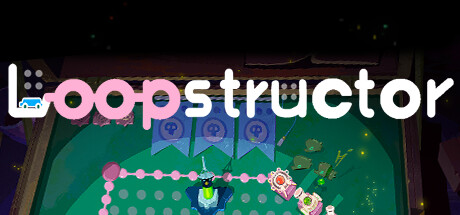
Loopstructor
This is a strategy game that combines tower defense with Roguelike. Unlike traditional tower defense game, the towers in the game are vehicles that move along ‘loops’.You need to create defense loop and build battle trains to defend against enemy attacks.
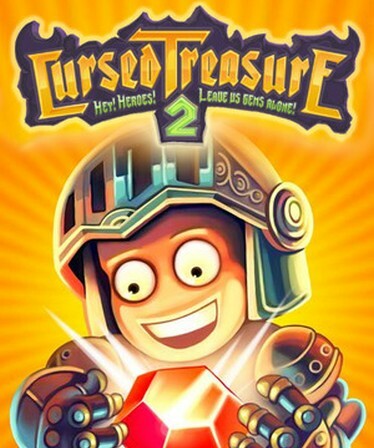
Cursed Treasure 2
Why be good when you can be... bad? Cursed Treasure 2 is an addictive tower-defense game that puts the power of darkness at your fingertips. Build towers of powerful orcs, demons, and undead, and master powerful spells, to protect your precious hoard from all manner of no-good do-gooders.
Frequently Asked Questions
Yokai Art: Night Parade of One Hundred Demons is currently priced at 6.89€ on Steam.
No, Yokai Art: Night Parade of One Hundred Demons is currently not on sale. You can purchase it for 6.89€ on Steam.
Yes, Yokai Art: Night Parade of One Hundred Demons received 963 positive votes out of a total of 1,064 achieving a rating of 8.55.
😎
Yokai Art: Night Parade of One Hundred Demons was developed and published by Secret Labo.
Yes, Yokai Art: Night Parade of One Hundred Demons is playable and fully supported on Windows.
No, Yokai Art: Night Parade of One Hundred Demons is not playable on MacOS.
No, Yokai Art: Night Parade of One Hundred Demons is not playable on Linux.
Yes, Yokai Art: Night Parade of One Hundred Demons is playable on Steam Deck, though it might require a few minor tweaks. Make sure to check the Steam store page and community feedback on ProtonDB for exact compatibility details.
Yes, Yokai Art: Night Parade of One Hundred Demons is playable on Steam Machine, though it might require a few minor tweaks. Make sure to check the Steam store page and community feedback on ProtonDB for exact compatibility details.
No, Yokai Art: Night Parade of One Hundred Demons does not support VR.
Yokai Art: Night Parade of One Hundred Demons is a single-player game.
Yes, there are 2 DLCs available for Yokai Art: Night Parade of One Hundred Demons. Explore additional content available for Yokai Art: Night Parade of One Hundred Demons on Steam.
No, Yokai Art: Night Parade of One Hundred Demons does not support mods via Steam Workshop.
No, Yokai Art: Night Parade of One Hundred Demons does not support Steam Remote Play.
Yes, Yokai Art: Night Parade of One Hundred Demons is enabled for Steam Family Sharing. This means you can share the game with authorized users from your Steam Library, allowing them to play it on their own accounts. For more details on how the feature works, you can read the original Steam Family Sharing announcement or visit the Steam Family Sharing user guide and FAQ page.
You can find solutions or submit a support ticket by visiting the Steam Support page for Yokai Art: Night Parade of One Hundred Demons.
Data sources
The information presented on this page is sourced from reliable APIs to ensure accuracy and relevance. We utilize the Steam API to gather data on game details, including titles, descriptions, prices, and user reviews. This allows us to provide you with the most up-to-date information directly from the Steam platform.
Additionally, we incorporate data from the SteamSpy API, which offers insights into game sales and player statistics. This helps us present a comprehensive view of each game's popularity and performance within the gaming community.
Last Updates| Steam data | 20 September 2026 13:32 UTC |
|---|---|
| SteamSpy data | 18 October 2026 17:16 UTC |
| Steam price | 27 October 2026 15:12 UTC |
| Steam reviews | 18 October 2026 09:55 UTC |
If you'd like to dive deeper into the details about Yokai Art: Night Parade of One Hundred Demons, we invite you to check out a few dedicated websites that offer extensive information and insights. These platforms provide valuable data, analysis, and user-generated reports to enhance your understanding of the game and its performance.
- SteamDB - A comprehensive database of everything on Steam about Yokai Art: Night Parade of One Hundred Demons
- SteamCharts - Analysis of Yokai Art: Night Parade of One Hundred Demons concurrent players on Steam
- ProtonDB - Crowdsourced reports on Linux and Steam Deck Yokai Art: Night Parade of One Hundred Demons compatibility

Game modes
Features
Online players
2
Developer
Secret Labo
Publisher
Secret Labo
Release
28 Sep 2022
Platforms