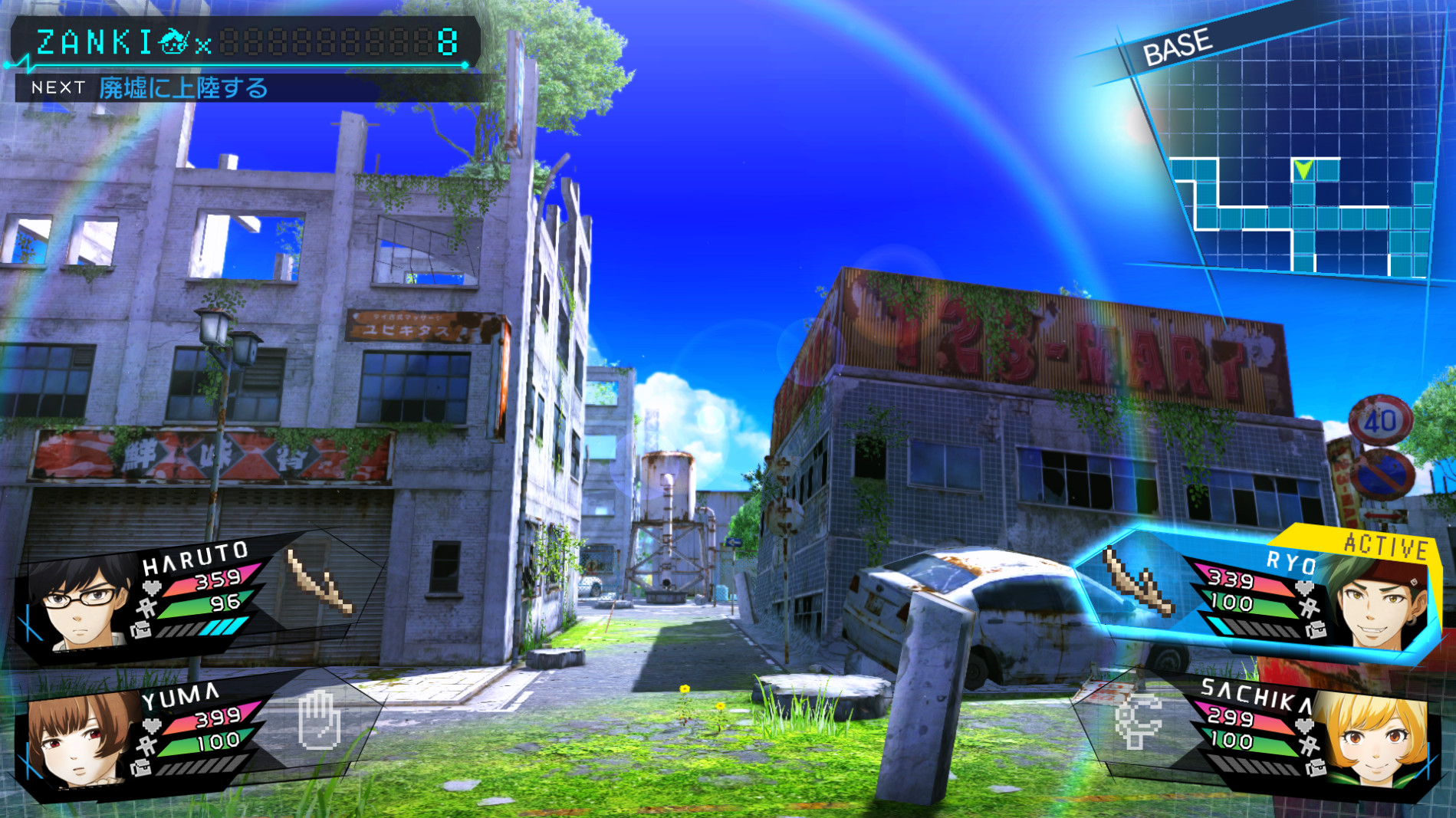
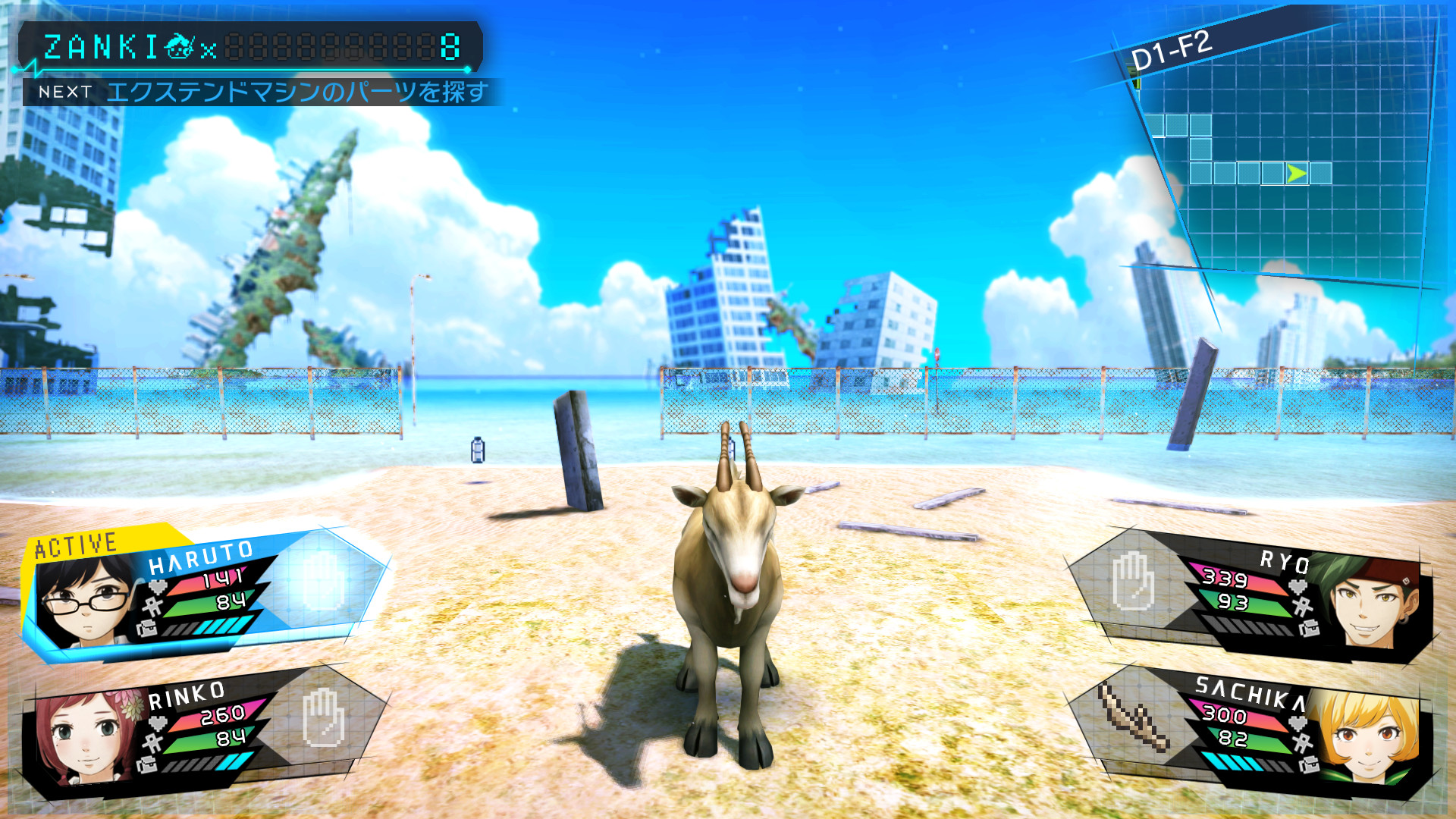
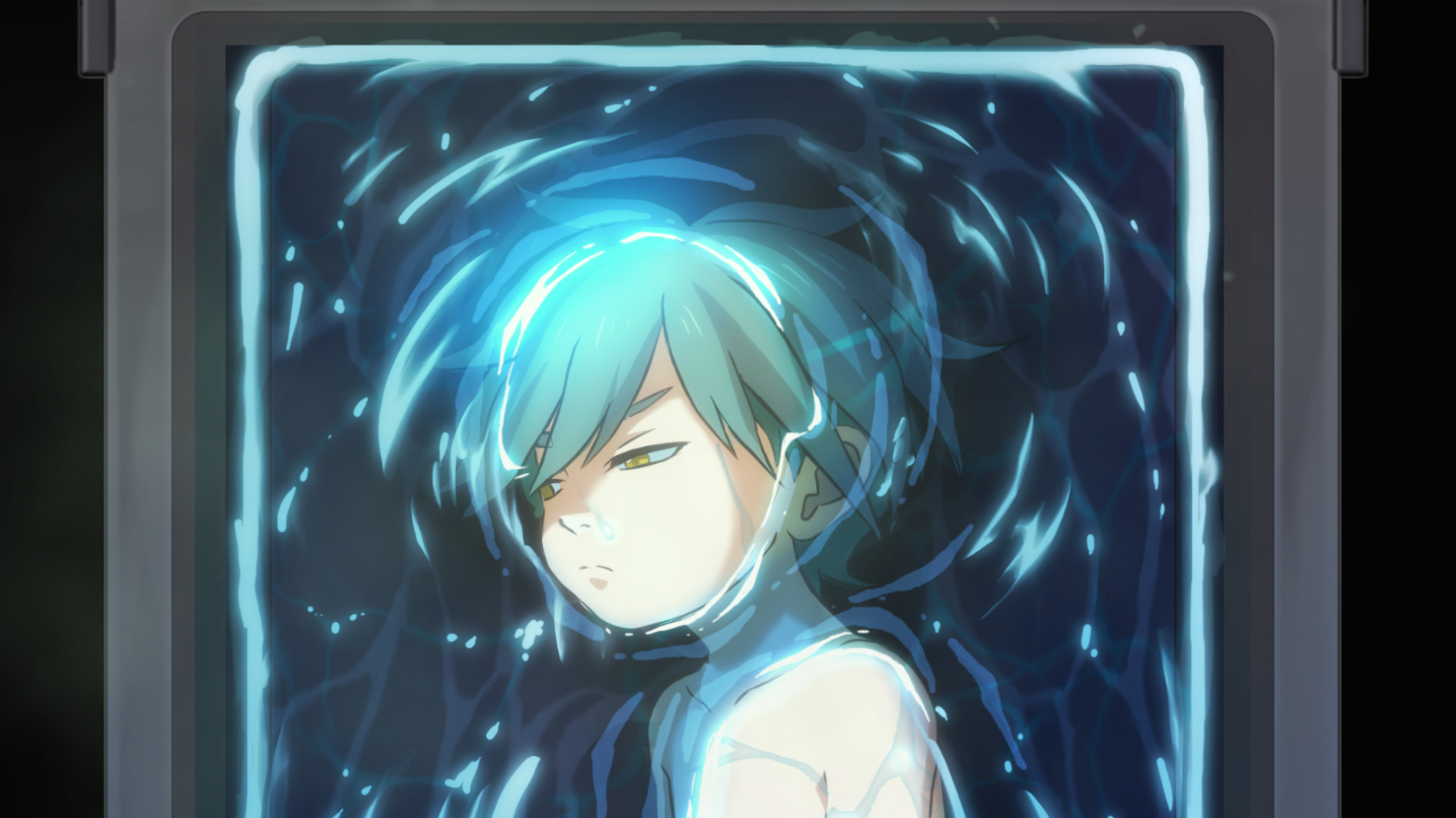
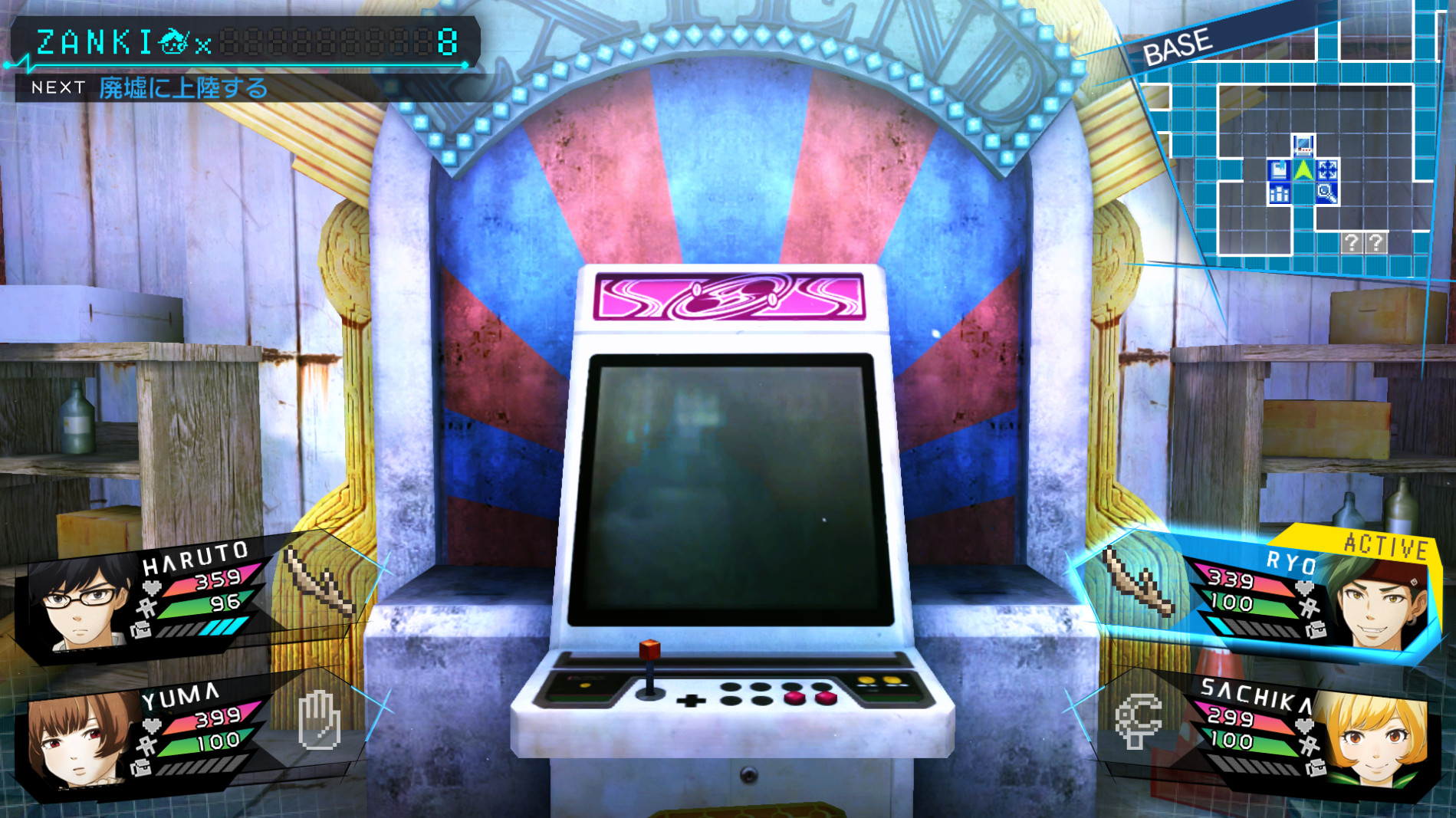
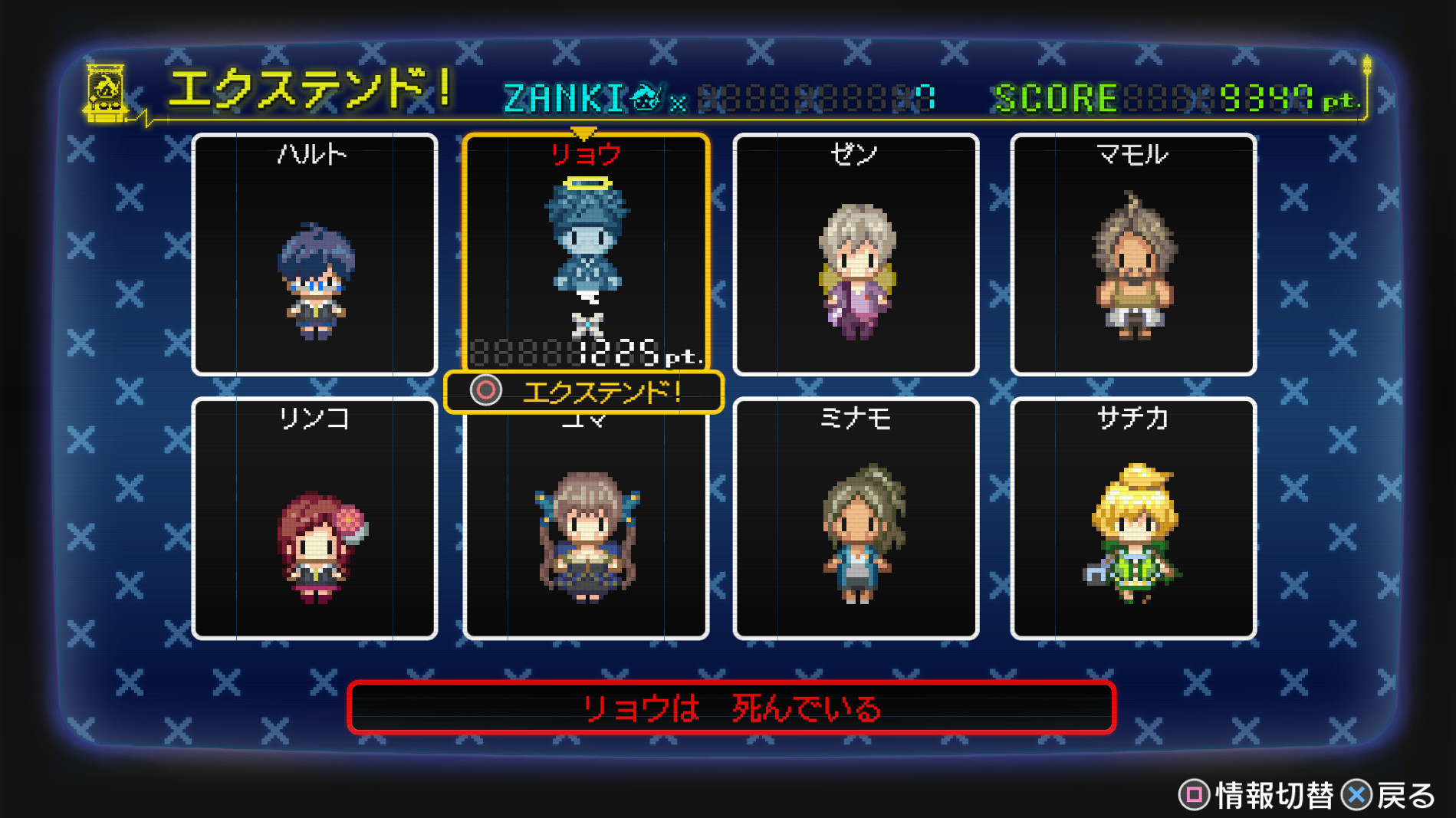
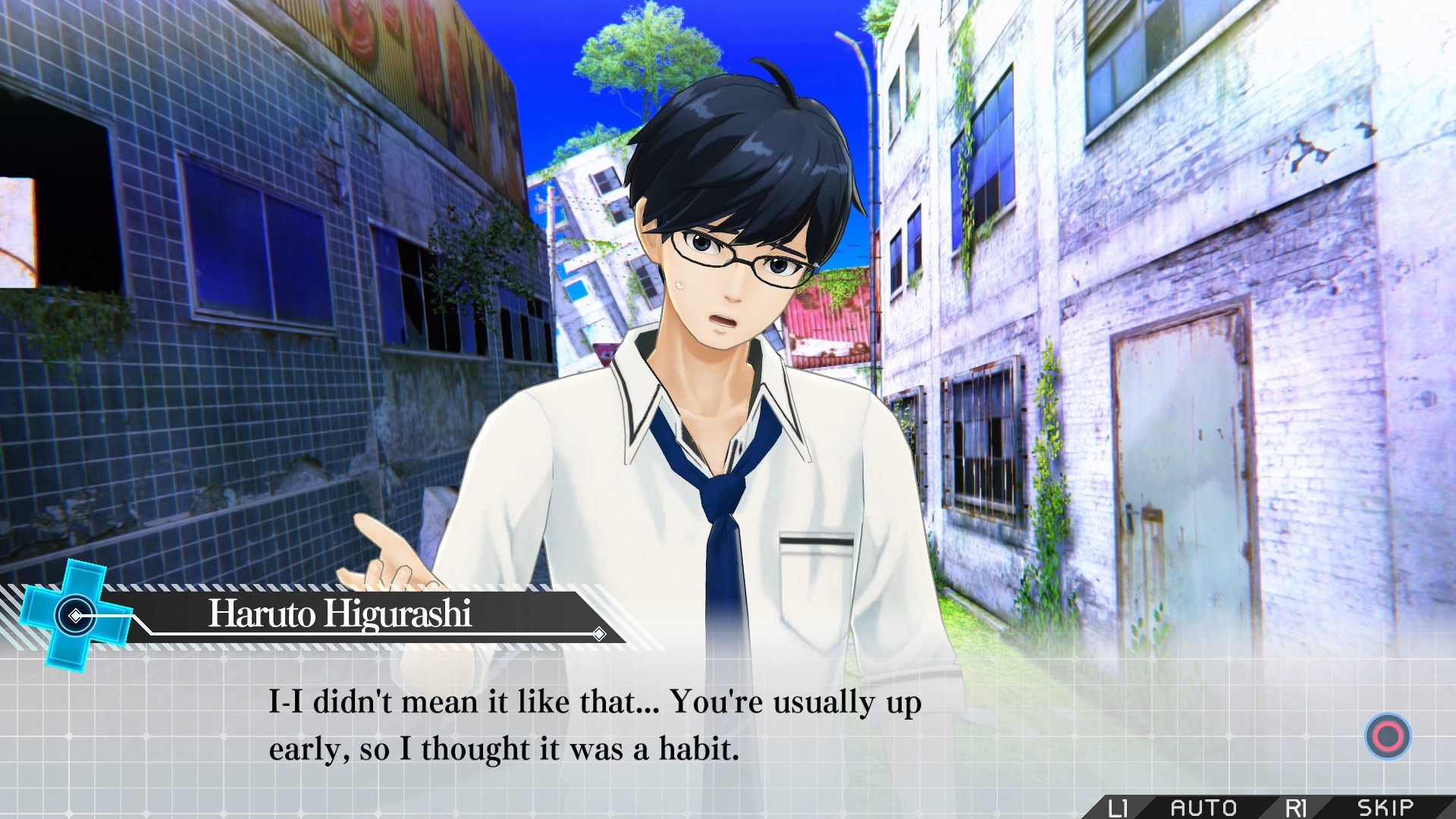
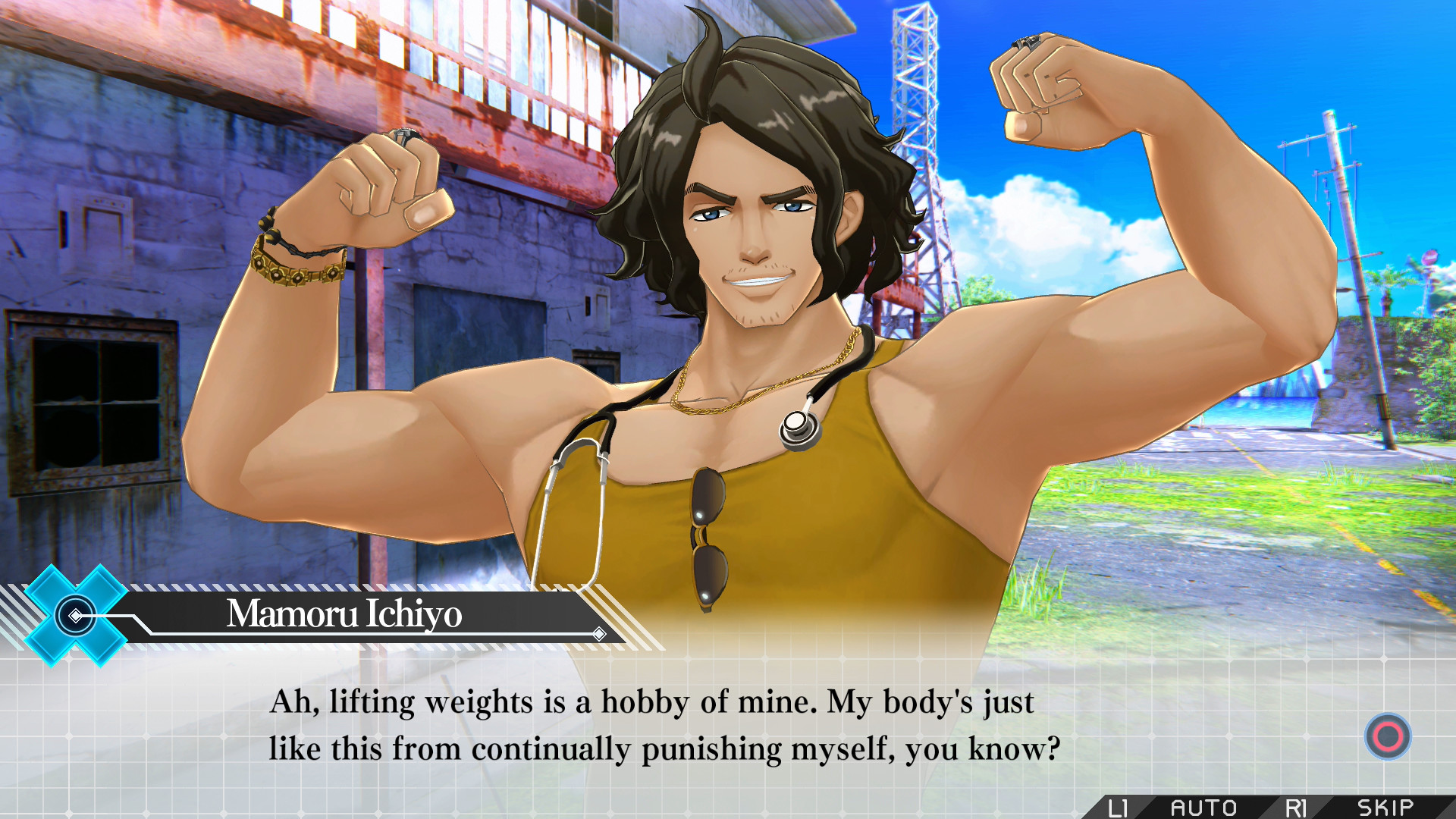
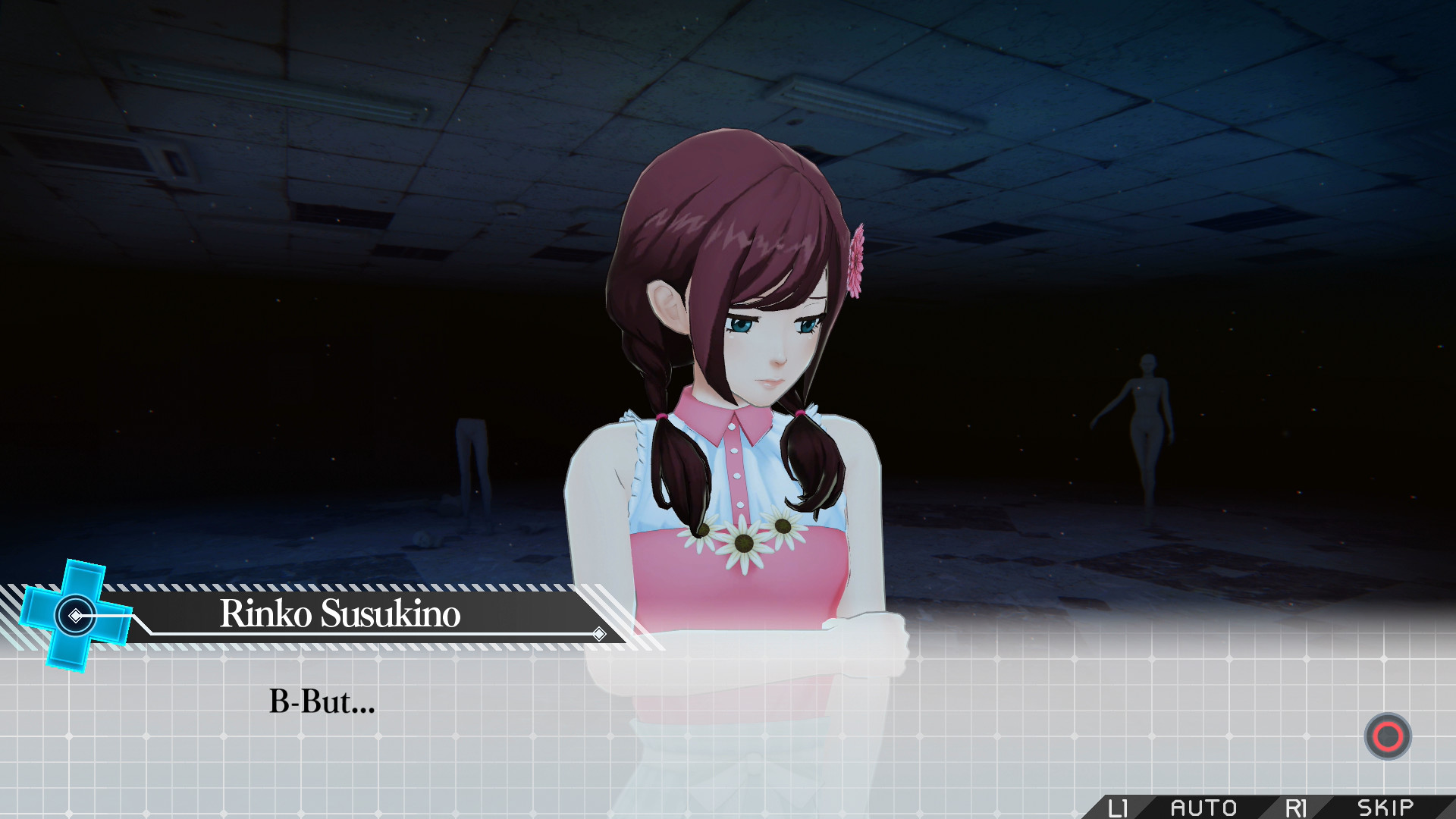
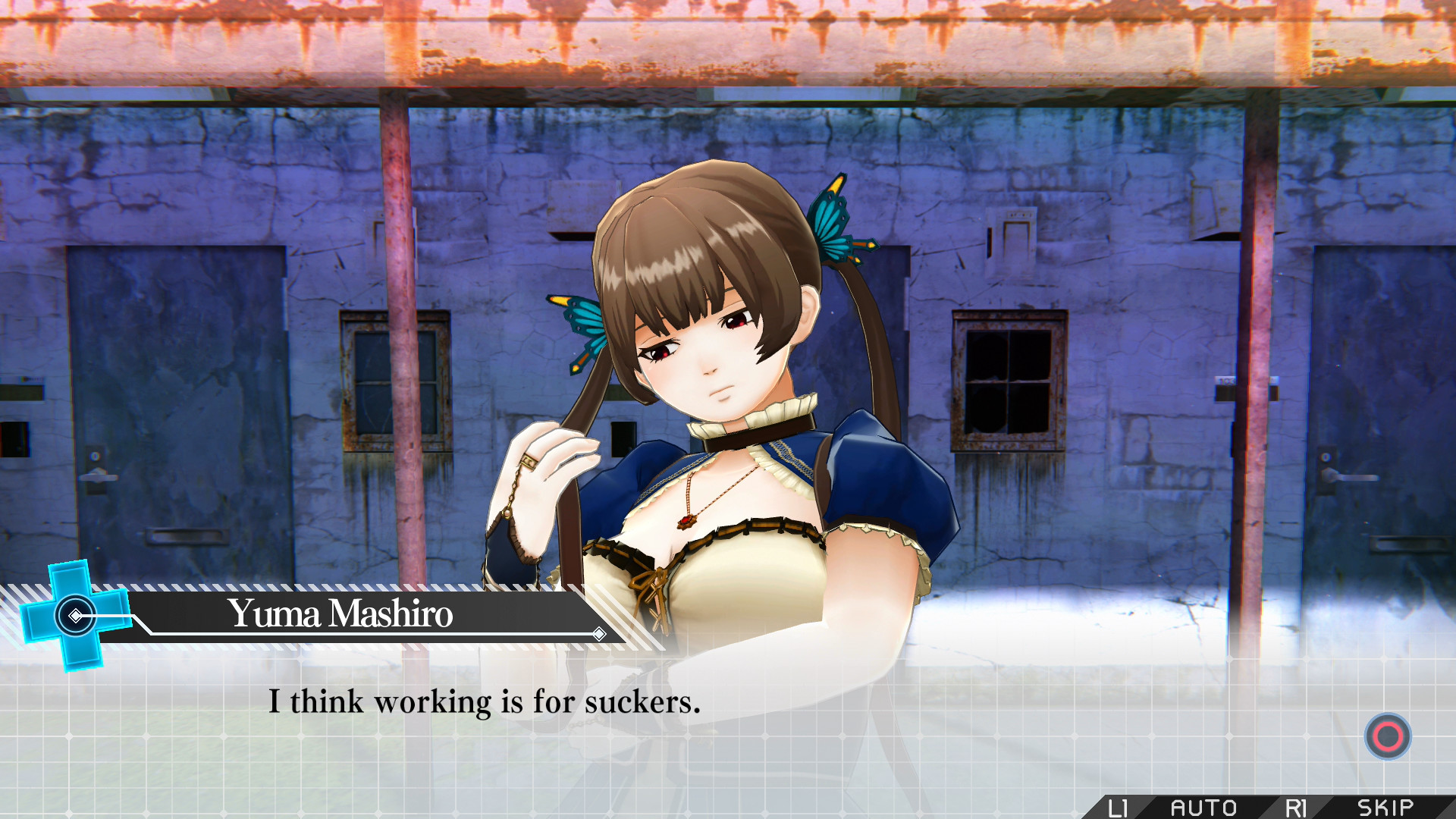
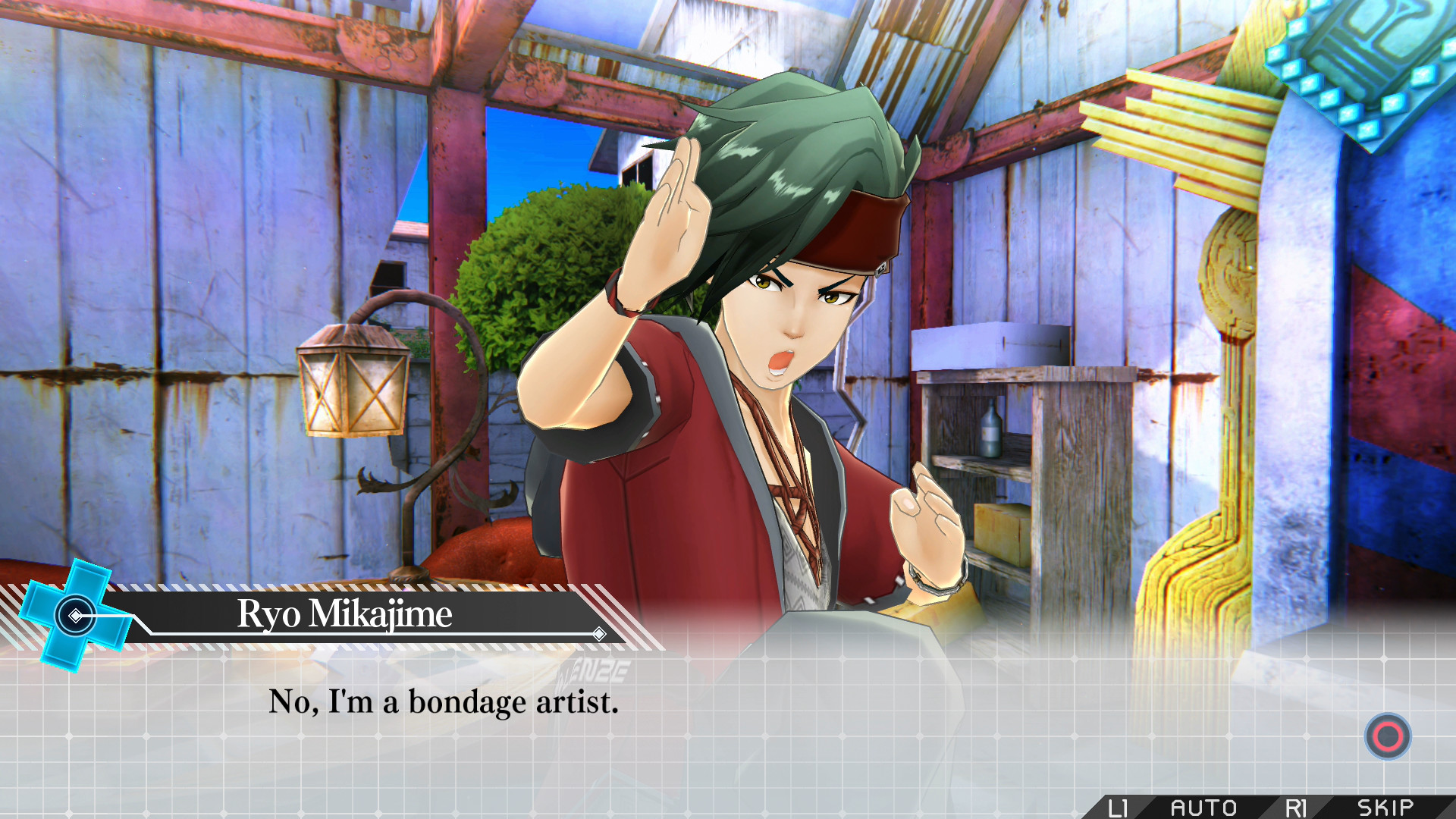
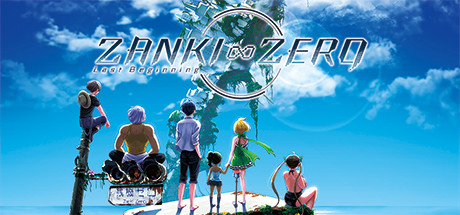
Zanki Zero: Last Beginning is an unusual hybrid role-playing game developed by Lancarse and published by Spike Chunsoft, bringing together elements of dungeon crawling, survival mechanics, and visual-novel storytelling. The project also carries the creative fingerprints of several developers who previously worked on narrative-heavy titles such as the Danganronpa series, and that influence is immediately noticeable in the game’s tone and structure. Rather than delivering a straightforward fantasy adventure, Zanki Zero presents a bleak, mysterious world where identity, mortality, and the cycle of life itself become central themes. The result is a strange but memorable experience that blends emotional storytelling with unconventional gameplay systems. The story begins with eight strangers awakening on a desolate island known as Garage Island, surrounded by the ruins of what appears to be a collapsed civilization. The group has no clear memory of how they arrived there, and the outside world seems to have been wiped out entirely. As they explore the island and attempt to understand their situation, they uncover a shocking truth: each of them is actually a clone created from the memories of someone who previously died. Their existence is artificial, and even worse, each clone has a drastically shortened lifespan. Within thirteen days they rapidly age from childhood to adulthood and eventually old age before dying again. Fortunately—or perhaps disturbingly—the island contains a mysterious machine that recreates them as new clones every time they die, forcing them to repeat the cycle endlessly. This concept of accelerated life cycles forms the backbone of the game’s gameplay mechanics. Characters pass through different stages of life during each thirteen-day period, and these stages directly influence their abilities. As children they are physically weak and limited in what they can carry, but they gradually grow stronger as they mature into adults. Later, as they reach old age, their abilities begin to decline again, making them more fragile in combat. Eventually they die naturally or fall to enemies, only to be reborn through the cloning system and begin the cycle once more. This mechanic creates a constantly shifting party dynamic where players must adapt their strategies depending on the age and condition of each character. Exploration in Zanki Zero primarily takes place in first-person dungeon environments scattered throughout the island. These ruins, laboratories, and abandoned structures are explored through grid-based maps reminiscent of classic Japanese dungeon crawlers. As players move through corridors and rooms, they encounter enemies, gather materials, and uncover fragments of the story hidden within the ruins. Combat occurs in real time rather than turn-based form, allowing players to move freely while attacking enemies and avoiding their attacks. This system adds a sense of urgency to battles, as positioning and quick reactions can make the difference between survival and defeat. The game also introduces a number of survival elements that add complexity to the exploration process. Characters must manage several personal conditions such as hunger, stamina, stress levels, and even bodily needs that arise during long expeditions. Ignoring these factors can weaken characters or impair their performance, encouraging players to return to the base regularly to rest and prepare for the next journey. This system reinforces the feeling that the characters are struggling to survive in a hostile environment rather than simply exploring it. Crafting is another key part of the gameplay loop. Materials collected from defeated enemies and the surrounding environment can be used to create weapons, tools, food, and other essential supplies. Because resources are limited, players must carefully decide which items to craft and which to conserve for future use. This crafting system works closely with the survival mechanics, as maintaining a steady supply of equipment and provisions becomes crucial for surviving the deeper and more dangerous sections of the island. Between expeditions, players return to their home base on Garage Island, where they can upgrade facilities, craft equipment, and trigger story events. The narrative unfolds through visual-novel-style cutscenes that explore the past lives of each character. Each chapter focuses on one member of the group, revealing fragments of their memories from before they died and became clones. These backstories are often tragic or disturbing, touching on themes such as guilt, betrayal, trauma, and personal failure. The characters themselves are loosely associated with the concept of the seven deadly sins, which subtly influences their personalities and narrative arcs. The storytelling is arguably the strongest aspect of Zanki Zero. As the story progresses, the mystery surrounding the destruction of the world and the purpose of the cloning system gradually comes into focus. The game delivers a number of surprising twists that challenge the player’s understanding of the characters and their situation. While the narrative occasionally shifts between dark drama and strange humor, these tonal contrasts contribute to the game’s distinctive identity. Visually, the game adopts a stylized anime aesthetic that combines illustrated character portraits with fully rendered 3D environments for dungeon exploration. The character designs are expressive and memorable, helping convey the emotional intensity of the story during dialogue scenes. The environments themselves emphasize the sense of abandonment and decay that defines the post-apocalyptic setting. Ruined buildings, overgrown corridors, and strange mechanical structures reinforce the idea that the world has long since collapsed. The audio presentation further enhances the atmosphere. The soundtrack alternates between melancholic melodies during narrative sequences and tense, dramatic compositions during dungeon exploration. Voice acting is available in both Japanese and English, and the performances help bring emotional depth to the characters’ personal stories. Combined with the unsettling themes of the narrative, the audio design contributes significantly to the overall mood of the game. Despite its creative ideas, Zanki Zero is not without flaws. The dungeon environments can feel repetitive after extended play sessions, as many areas rely on similar corridor layouts and exploration patterns. The inventory and crafting systems can also become somewhat cumbersome, requiring frequent menu navigation that slows down the pace of exploration. Additionally, the combination of survival mechanics, dungeon crawling, and visual-novel storytelling may feel overwhelming or uneven to some players. The game’s tone can also be divisive. Its narrative moves between deeply serious psychological themes and moments of exaggerated humor or eccentric character behavior. For some players this contrast adds personality and unpredictability, while others may find it difficult to fully engage with the story’s emotional weight due to these tonal shifts. Ultimately, the game is best suited for players who enjoy experimental RPGs and story-driven experiences. Those willing to embrace its unusual mechanics and darker themes will discover a haunting and thought-provoking journey through a broken world where life and death repeat endlessly. Even with its imperfections, Zanki Zero delivers a distinctive adventure that remains difficult to forget once its mysteries are finally revealed. Rating: 7/10
Expand the review