
Dungeon Of Dragon Knight
Dungeon of Dragon Knight is a retro dungeon crawler RPG in modern visual design. Pointed by a mysterious witch, your party will descend into a dungeon with traps and monsters in search of the evil Dragon Knight and his treasure weapon. Or, are you fooled by the witch?
Sync your Steam wishlist to find the lowest game prices instantly. No login required, just paste your Steam profile URL!
⚡ Try Wishlist Radar!
Sync your Steam wishlist to find the lowest game prices instantly. No login required!
⚡ Try Wishlist Radar!
Close

Zavix Tower on Steam
Quick menu
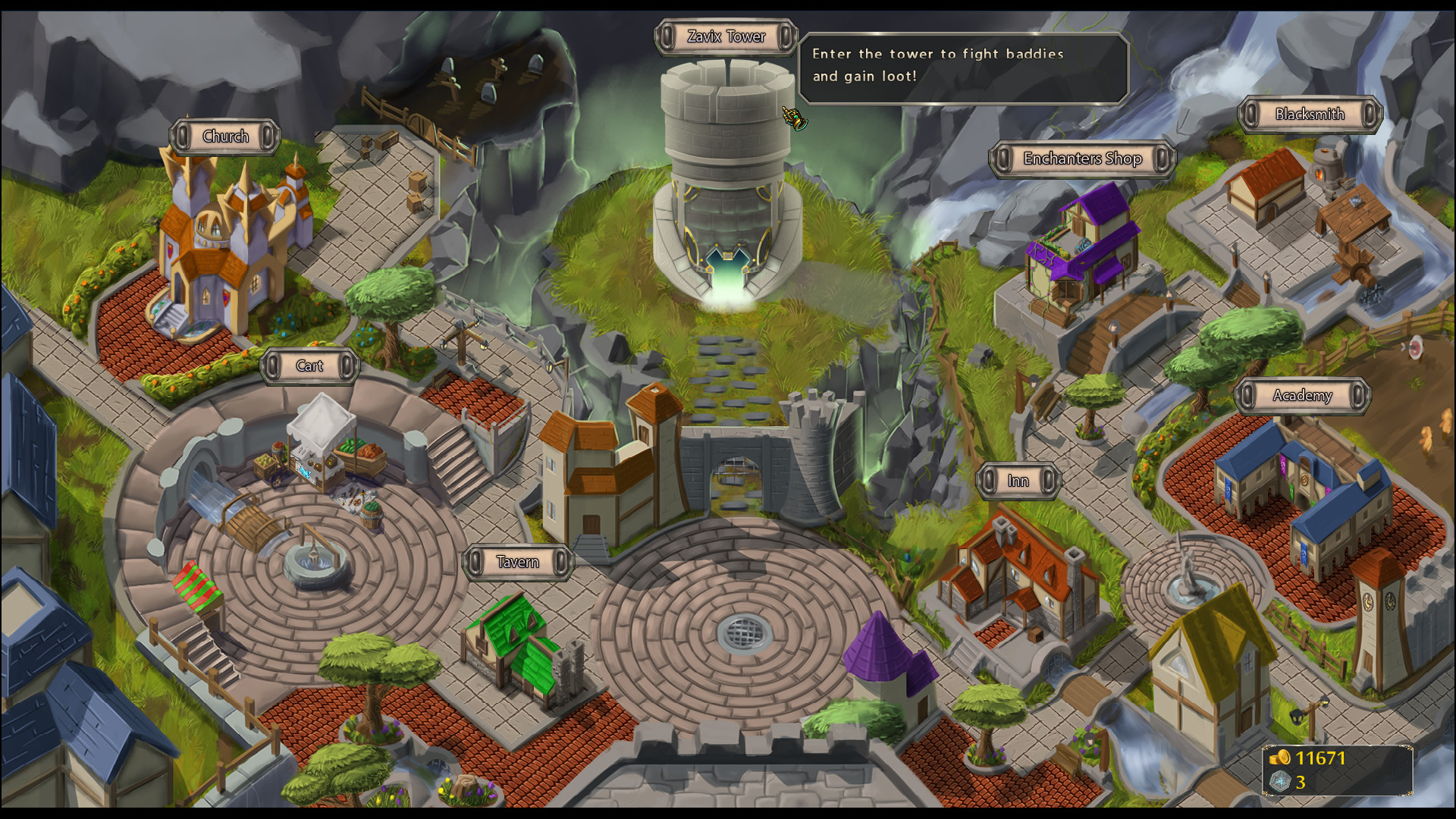
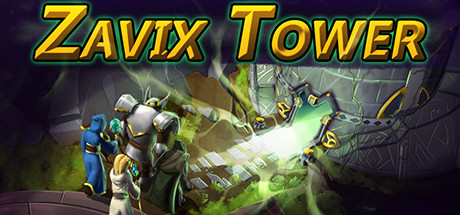
Zavix Tower is an old-school, party-based, first-person CRPG with rogue-like elements, an upgrade-able and persistent town, and turn-based combat.
Zavix Tower is a rpg, indie and dungeon crawler game
developed by Batholith Entertainment
and published by Indie Voyage.
Released on July 21st 2016 is available only on Windows.
It has received 343 reviews of which 250 were positive and 93 were negative resulting in a rating of 6.9 out of 10. 😐
The game is currently priced at 9.99€ on Steam.
The Steam community has classified Zavix Tower into these genres:
Media & Screenshots
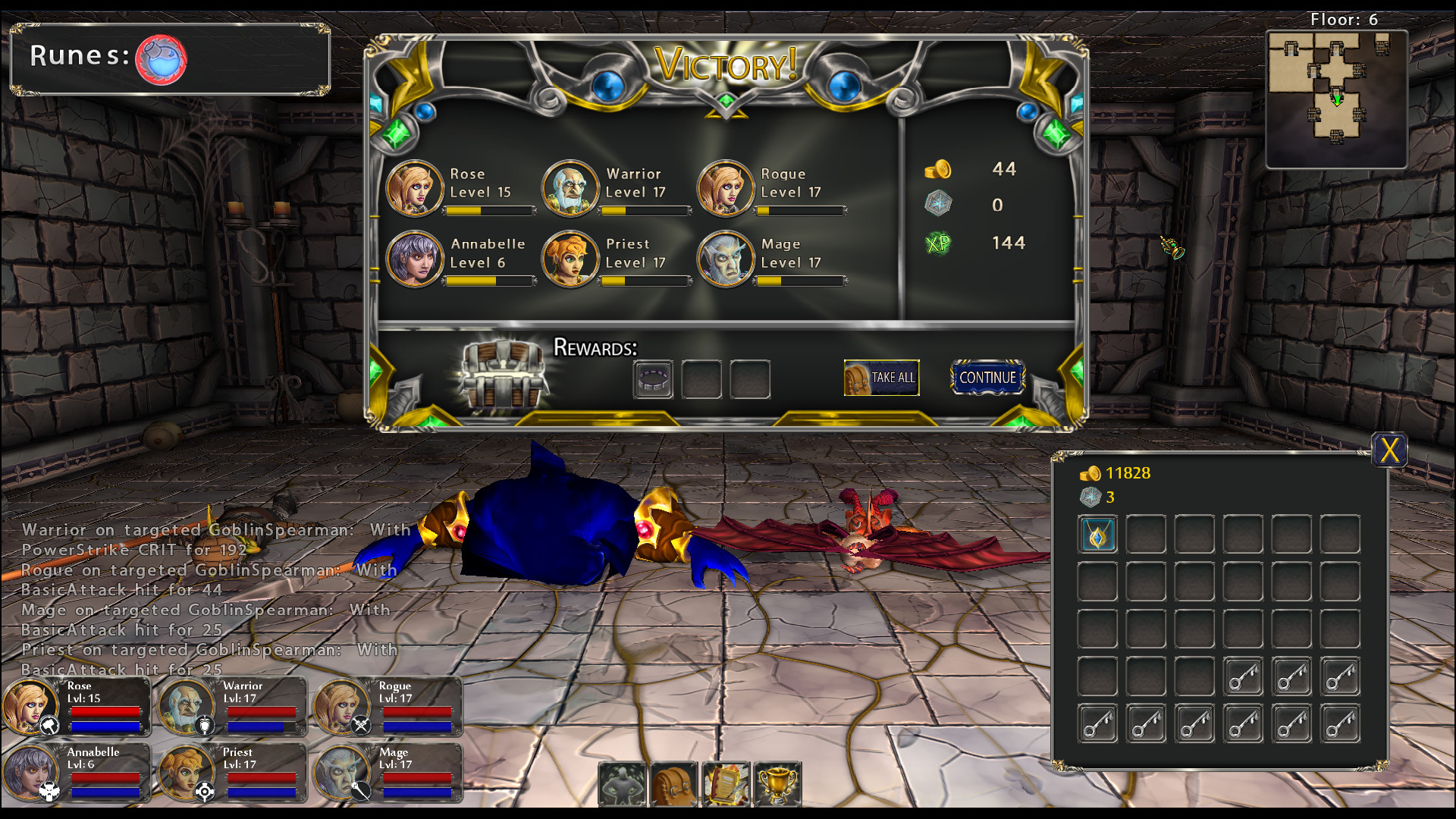
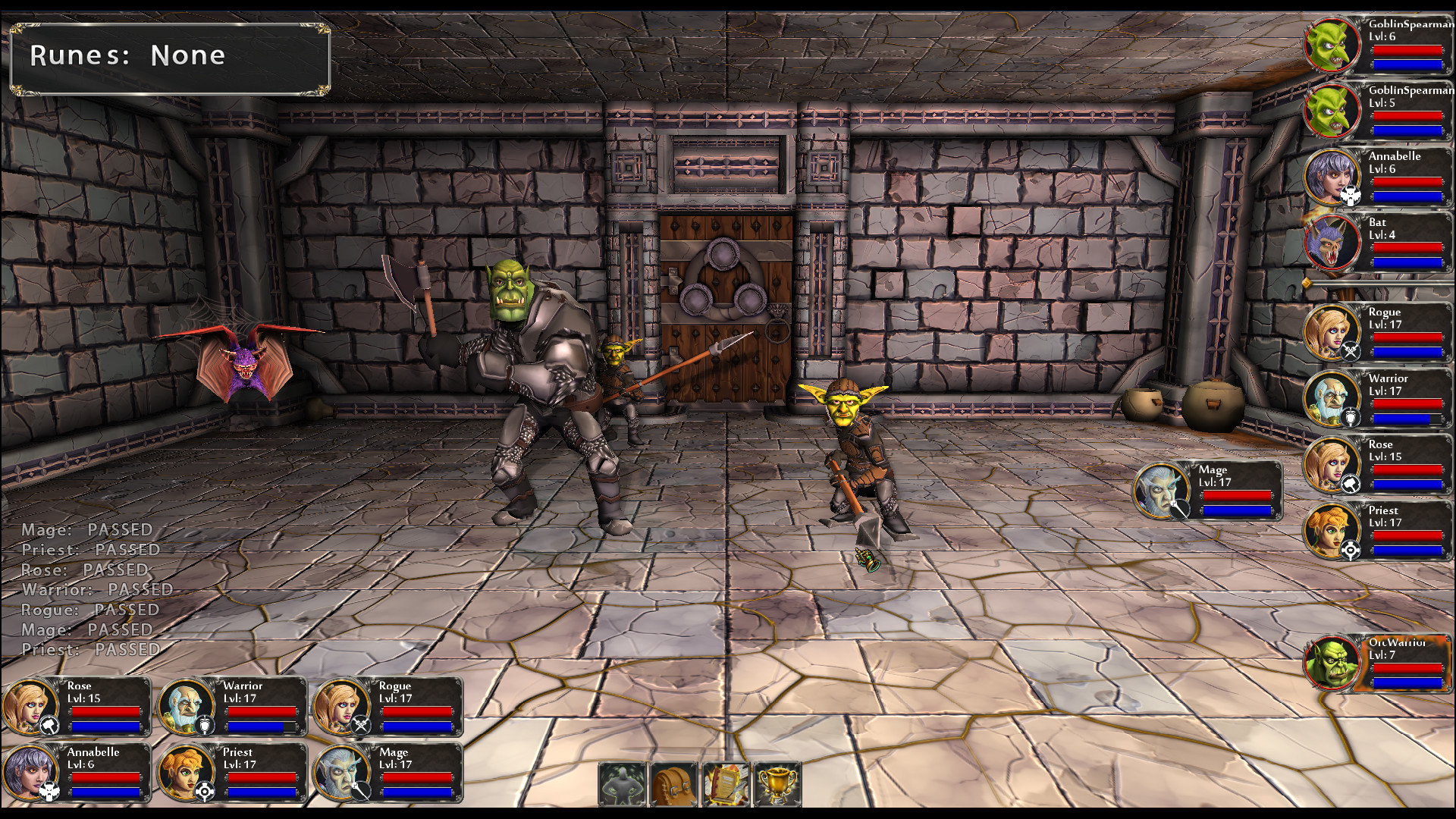
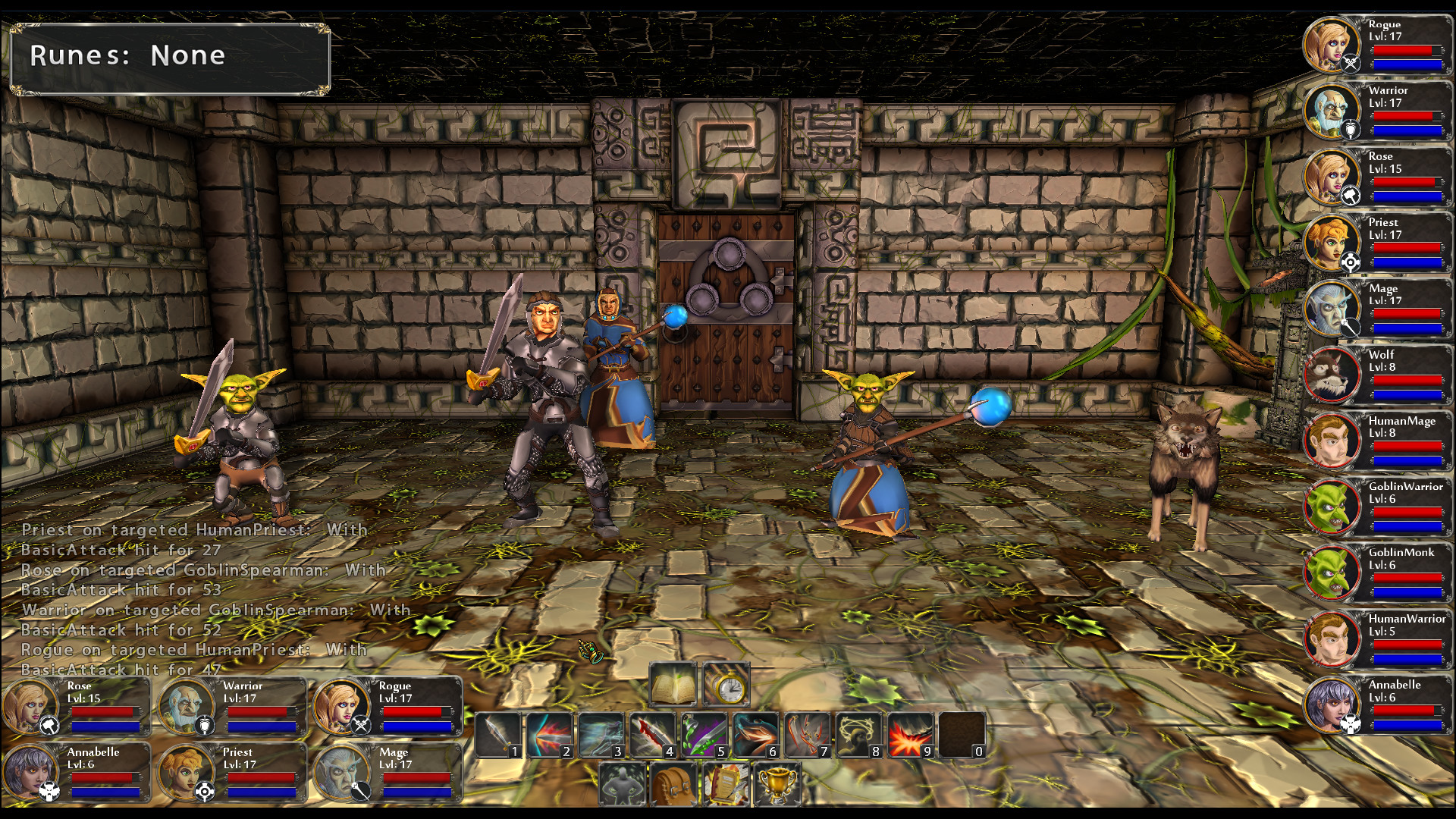
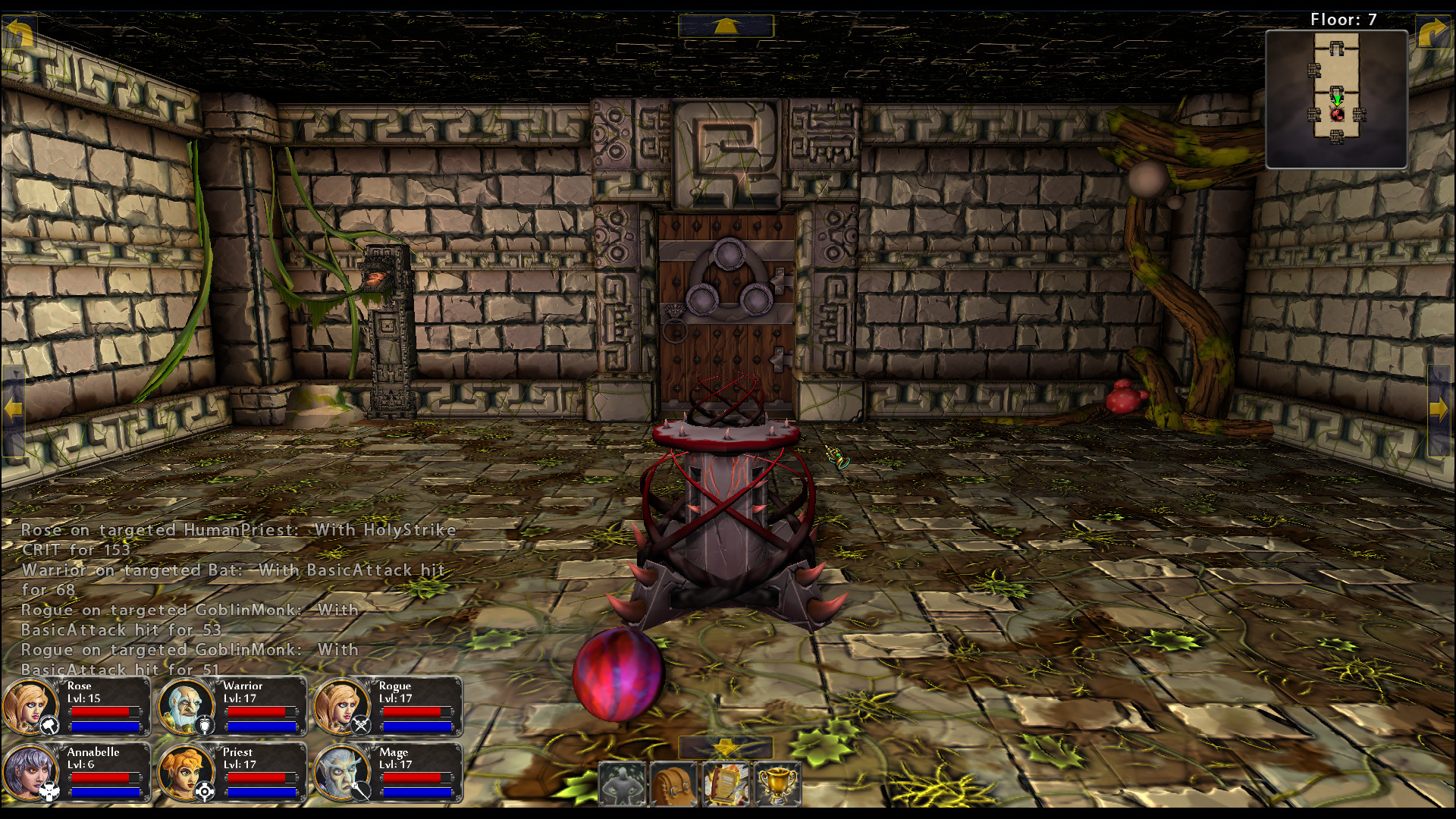
Get an in-depth look at Zavix Tower through various videos and screenshots.



Load More


System requirements
These are the minimum specifications needed to play the game. For the best experience, we recommend that you verify them.
Windows
- OS *: Windows 7
- Processor: 2200k i3
- Memory: 2 GB RAM
- Graphics: Intel Integrated HD5000
- Storage: 500 MB available space
- Additional Notes: Requres DirectX 10.1 or higher
Steam Price & Best Deals
User reviews & Ratings
Explore reviews from Steam users sharing their experiences and what they love about the game.
Zavix Tower is a traditional fantasy dungeon crawler that puts character development, tactical combat, equipment hunting, and long-term party progression ahead of elaborate storytelling or cinematic presentation. Developed by Batholith Entertainment and published by Indie Voyage, it draws heavily from classic first-person computer RPGs while incorporating roguelike ideas and an effectively endless tower to explore. Its premise is intentionally simple: assemble a capable group of adventurers, enter the tower, defeat increasingly dangerous creatures, gather better equipment, and continue improving until the party can survive challenges that previously seemed overwhelming. Party building provides much of the game's strategic depth. Players can recruit characters from seven different hero classes, allowing groups to be constructed around different combinations of offensive power, defense, support, and utility. More than 100 skills are available across the character-development systems, accompanied by substantial talent trees that provide room for specialization. Progression therefore involves more than simply increasing basic statistics. Deciding how individual heroes should develop and making their abilities complement the rest of the group becomes increasingly important as the difficulty rises. Combat follows a turn-based structure that emphasizes planning rather than quick reactions. Every encounter provides an opportunity to evaluate which abilities should be used, which enemies deserve immediate attention, and how the party's resources should be managed. The first-person dungeon perspective and grid-oriented exploration reinforce the game's old-school identity. While these mechanics can initially appear straightforward, stronger enemies expose weaknesses in poorly constructed parties and encourage players to reconsider their skills, equipment, and overall team composition. Equipment is one of the strongest incentives to keep climbing. Zavix Tower is heavily focused on loot, with an enormous number of potential equipment combinations giving players frequent opportunities to discover upgrades. Finding a valuable weapon, piece of armor, or other useful item can noticeably improve a character and occasionally influence the direction of an entire build. Players who enjoy comparing statistics and repeatedly optimizing equipment are likely to get considerably more mileage from the game than those who view inventory management as an inconvenience. The tower's effectively endless nature is simultaneously one of the game's biggest attractions and one of its main limitations. There is always another challenge to pursue and another opportunity to strengthen the party, making it suitable for players who enjoy repetitive progression loops. However, the environments and encounters eventually become familiar. With more than 30 monster types and 10 bosses, there is enough opposition to create meaningful challenges, but not enough variety to completely prevent repetition during extended play sessions. The game consequently depends heavily on the player's enjoyment of character advancement and loot acquisition. A persistent and upgradeable town gives progression another layer beyond the dungeon itself. Developing this hub provides a sense that accomplishments extend beyond individual expeditions. Moving between preparation, character management, town development, exploration, combat, and equipment upgrades creates a dependable gameplay rhythm. It is a straightforward structure, but the interconnected progression systems make it satisfying when the party gradually becomes capable of reaching increasingly difficult sections of the tower. Presentation is considerably more modest than the underlying character systems. Zavix Tower has the appearance and interface philosophy of an older PC dungeon crawler, which gives it a certain nostalgic personality but can also make it feel dated. Players accustomed to highly polished modern RPGs may find the visuals and interface relatively plain. Storytelling is similarly secondary to mechanics. This is primarily a game about building characters and overcoming increasingly difficult encounters rather than following an elaborate narrative filled with cinematic sequences and heavily developed companions. Steam Deck compatibility is currently best regarded as unverified rather than officially guaranteed. The game was designed around traditional PC controls and does not carry the same level of confirmed handheld optimization associated with titles that have an official Steam Deck Verified designation. Players interested specifically in portable play should therefore expect that controller configuration, interface readability, or other adjustments may be necessary rather than assuming a completely optimized experience. Ultimately, Zavix Tower works best for a specific kind of RPG player. Anyone who enjoys turn-based battles, first-person dungeon exploration, extensive character progression, talent experimentation, party composition, randomized equipment, and the pursuit of increasingly powerful builds can find a surprisingly absorbing experience here. Its repetition, restrained presentation, and limited emphasis on narrative prevent it from competing with more ambitious RPGs on spectacle or storytelling, but those qualities matter less when the appeal comes from steadily transforming an ordinary adventuring party into an efficient dungeon-clearing machine. The game's systems provide enough flexibility to make experimentation rewarding, and its endless structure means dedicated players can continue chasing improvements long after the fundamental mechanics have become familiar. It is not especially flashy, nor does it attempt to reinvent the dungeon-crawler formula, but it understands the satisfaction of incremental advancement and meaningful character optimization. For fans of mechanically focused, old-school fantasy RPGs who value builds and loot more than presentation, Zavix Tower remains a worthwhile niche experience. Rating: 6/10
Similar games
View all

Legend of Grimrock
Use the Dungeon Editor to build entirely new adventures and challenges for other players to solve.

Grimoire : Heralds of the Winged Exemplar (V2)
Cleveland Mark Blakemore's Magnum Opus! The ultimate classic style turn-based roleplaying game in the tradition of Wizardry, Might&Magic, Lands Of Lore and Eye of the Beholder! 600+ hours of play with hand-painted graphics and old skool goodness!
Heroes of the Monkey Tavern
Heroes of the Monkey Tavern is a first-person dungeon-crawling game designed as an introduction to the genre : simplified rules, balanced puzzles and challenges. An independent project developed solo.
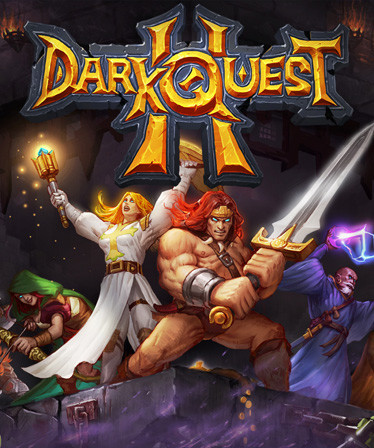
Dark Quest 2
Dark Quest 2 is a turn based RPG where you control a party of heroes on your epic quest to defeat the evil sorcerer and his minions.

Legend of Grimrock 2
Legend of Grimrock 2 is a dungeon crawling role playing game with a modern execution but an oldschool heart. A group of four prisoners have shipwrecked on the secluded Isle of Nex. The island is filled with ancient crumbled ruins, mysterious shrines and a vast underground network of dungeons.

Fearless Fantasy
As Leon, the world’s most dangerous bounty hunter, you embark on a mission to slay the world’s weirdest creatures, and save a girl from an awful marriage.

StarCrawlers
StarCrawlers is a modern take on a classic cRPG dungeon crawler set in a gritty spacepunk universe. Build a crew of renegade adventurers on the fringes of space, taking jobs from megacorps to hunt bounties, sabotage rivals and conduct corporate espionage.

ReignMaker
ReignMaker: Saving the World One Tower at a Time. ReignMaker is a match-3 game with tower defense, city building, and political strategy elements. Your policy decisions determine the fate of your city and the direction of the story. Your match-3 and tower defense skills determine the fate of the world.
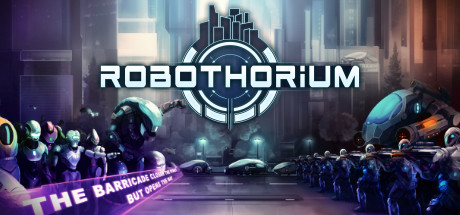
Robothorium
Robothorium is a cyberpunk dungeon crawler with turn-based fights, where all your choices will have a direct impact on your revolution against Humankind. Deep Strategy, Crafting, Party Based management, Talents and so much more in this roguelike!

Vambrace: Cold Soul
Vambrace: Cold Soul is a story-driven roguelite set amidst a frozen landscape. Plan expeditions, then journey to the cursed city surface with your party. Wield unique powers, avoid traps, brave strange encounters, and survive deadly combat in this gothic fantasy adventure!
Frequently Asked Questions
Zavix Tower is currently priced at 9.99€ on Steam.
No, Zavix Tower is currently not on sale. You can purchase it for 9.99€ on Steam.
Yes, Zavix Tower received 250 positive votes out of a total of 343 achieving a rating of 6.89.
😐
Zavix Tower was developed by Batholith Entertainment and published by Indie Voyage.
Yes, Zavix Tower is playable and fully supported on Windows.
No, Zavix Tower is not playable on MacOS.
No, Zavix Tower is not playable on Linux.
This information about Zavix Tower is not available yet.
This information about Zavix Tower is not available yet.
No, Zavix Tower does not support VR.
Zavix Tower is a single-player game.
No, Zavix Tower does not currently offer any DLC.
No, Zavix Tower does not support mods via Steam Workshop.
No, Zavix Tower does not support Steam Remote Play.
Yes, Zavix Tower is enabled for Steam Family Sharing. This means you can share the game with authorized users from your Steam Library, allowing them to play it on their own accounts. For more details on how the feature works, you can read the original Steam Family Sharing announcement or visit the Steam Family Sharing user guide and FAQ page.
You can find solutions or submit a support ticket by visiting the Steam Support page for Zavix Tower.
Data sources
The information presented on this page is sourced from reliable APIs to ensure accuracy and relevance. We utilize the Steam API to gather data on game details, including titles, descriptions, prices, and user reviews. This allows us to provide you with the most up-to-date information directly from the Steam platform.
Additionally, we incorporate data from the SteamSpy API, which offers insights into game sales and player statistics. This helps us present a comprehensive view of each game's popularity and performance within the gaming community.
Last Updates| Steam data | 23 September 2026 01:20 UTC |
|---|---|
| SteamSpy data | 15 October 2026 06:13 UTC |
| Steam price | 26 October 2026 20:05 UTC |
| Steam reviews | 22 October 2026 06:06 UTC |
If you'd like to dive deeper into the details about Zavix Tower, we invite you to check out a few dedicated websites that offer extensive information and insights. These platforms provide valuable data, analysis, and user-generated reports to enhance your understanding of the game and its performance.
- SteamDB - A comprehensive database of everything on Steam about Zavix Tower
- SteamCharts - Analysis of Zavix Tower concurrent players on Steam
- ProtonDB - Crowdsourced reports on Linux and Steam Deck Zavix Tower compatibility
Game modes
Features
Online players
0
Developer
Batholith Entertainment
Publisher
Indie Voyage
Release
21 Jul 2016
Platforms