
Assassin’s Creed IV Black Flag
Discover Assassin's Creed IV Black Flag, the classic pirate action-adventure game from 2013. Command your ship, hunt Templars and carve your legend as Edward Kenway across the Caribbean's Golden Age of Piracy.
Sync your Steam wishlist to find the lowest game prices instantly. No login required, just paste your Steam profile URL!
⚡ Try Wishlist Radar!
Sync your Steam wishlist to find the lowest game prices instantly. No login required!
⚡ Try Wishlist Radar!
Close

Assassin's Creed Black Flag Resynced on Steam
Quick menu
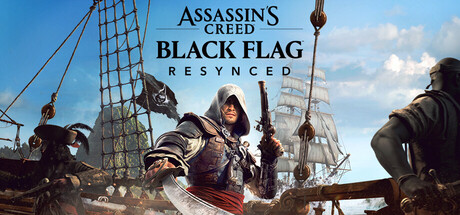
The iconic solo pirate adventure returns. Sail the Caribbean as Edward Kenway during the Golden Age of Piracy in this faithfully enhanced remake featuring stunning visuals, upgraded gameplay, and new content.
Assassin's Creed Black Flag Resynced is a action-adventure, assassins and pirates game
developed by Ubisoft Singapore, Ubisoft Barcelona, Ubisoft Bordeaux, Ubisoft Belgrade, Ubisoft Chengdu, Ubisoft India, Ubisoft Kyiv, Ubisoft Montpellier, Ubisoft Philippines, Ubisoft Quebec, Ubisoft Shanghai, Ubisoft Montreal and Ubisoft Romania
and published by Ubisoft.
Released on July 09th 2026 is available only on Windows.
It has received 30,122 reviews of which 24,251 were positive and 5,871 were negative resulting in a rating of 7.9 out of 10. 😊
The game is currently priced at 59.99€ on Steam.
The Steam community has classified Assassin's Creed Black Flag Resynced into these genres:
Media & Screenshots
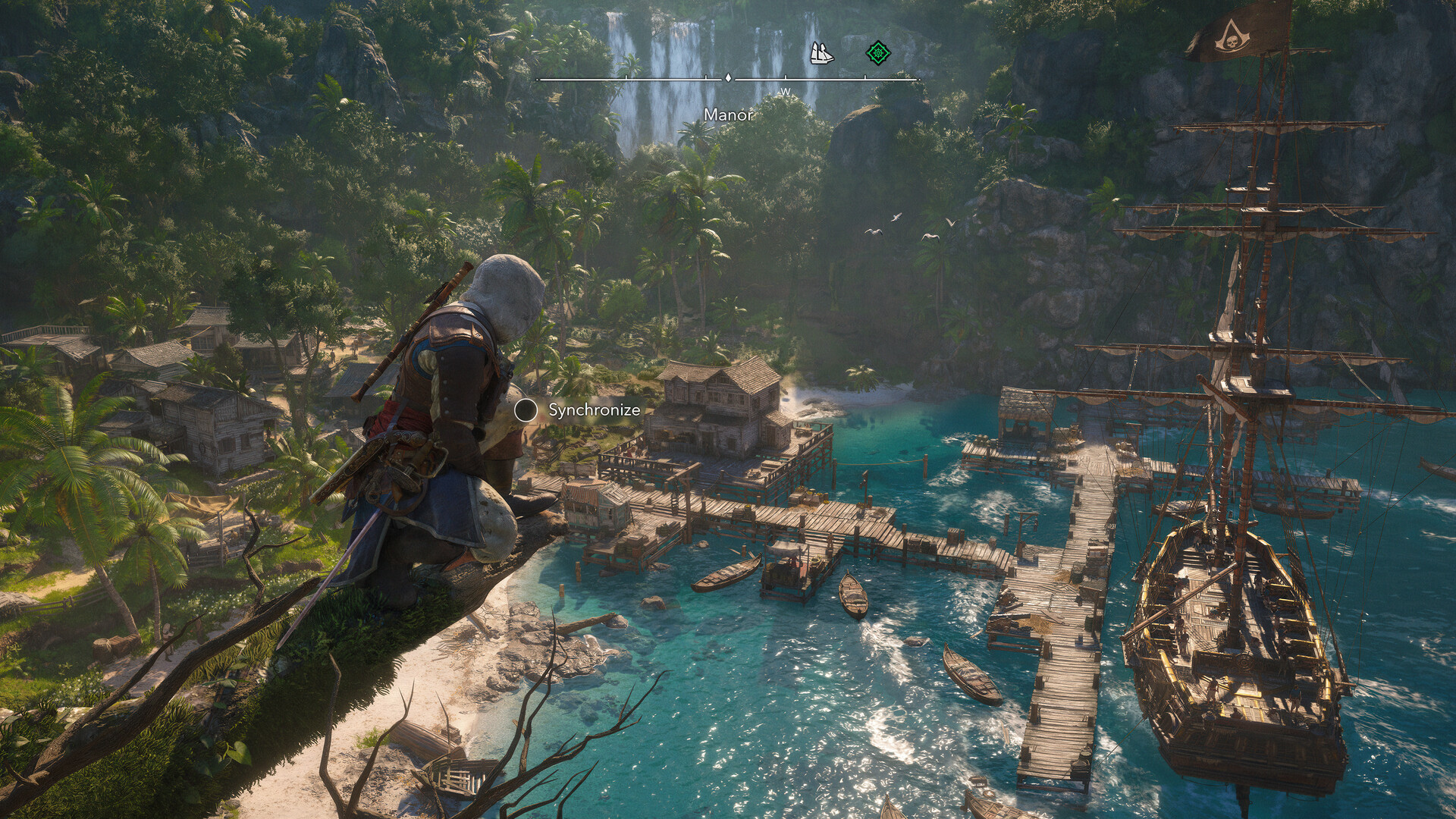
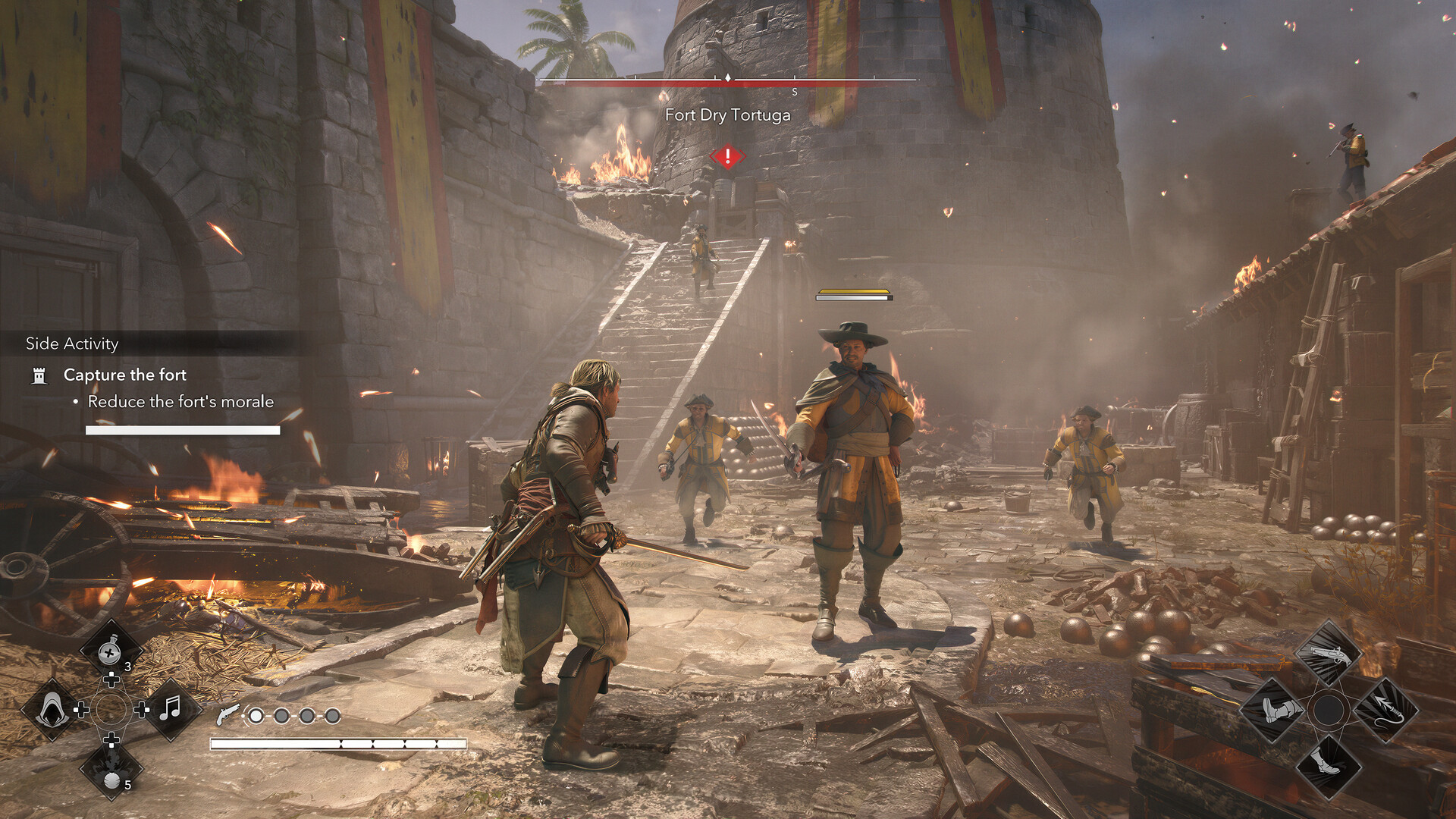
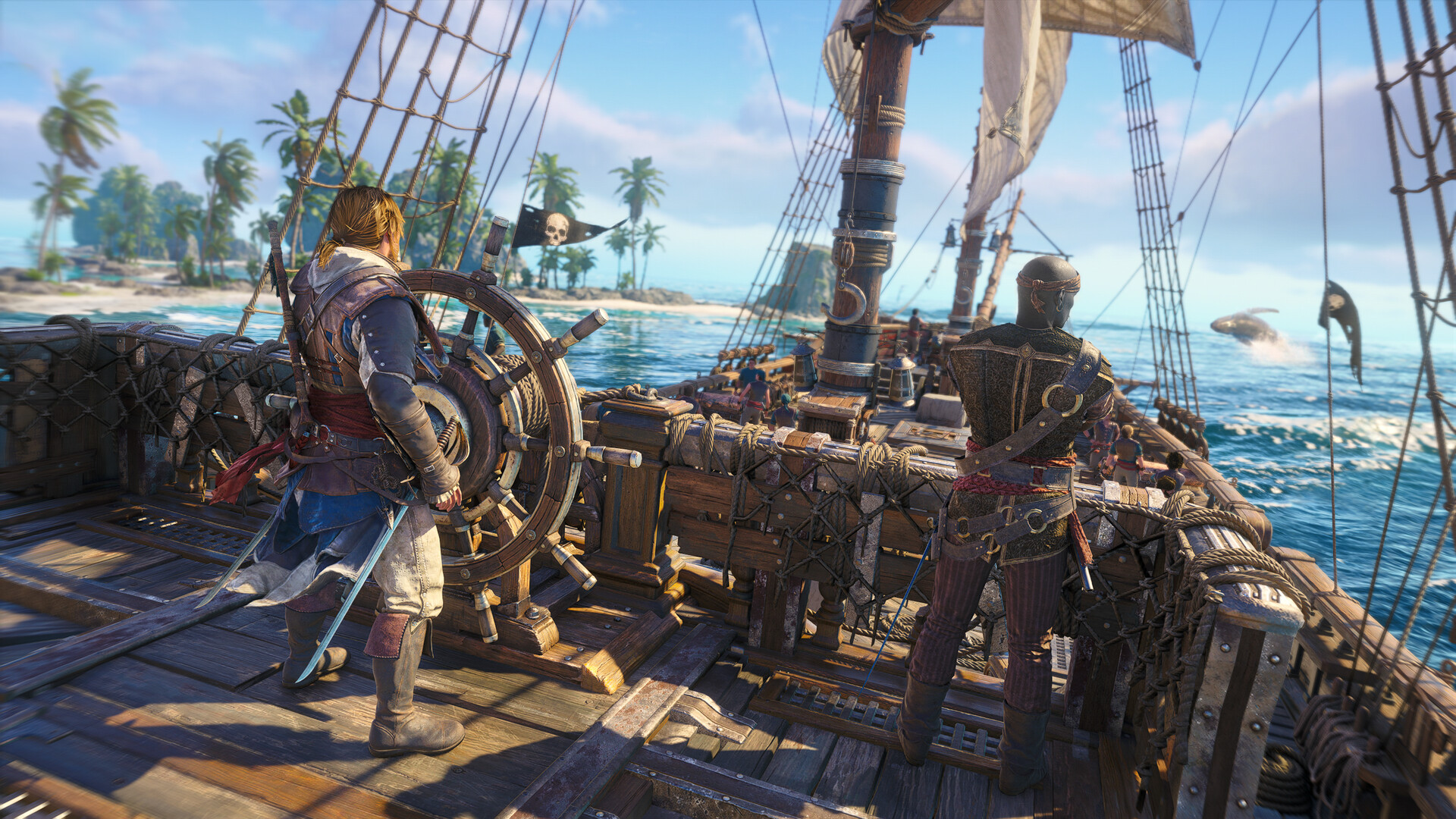
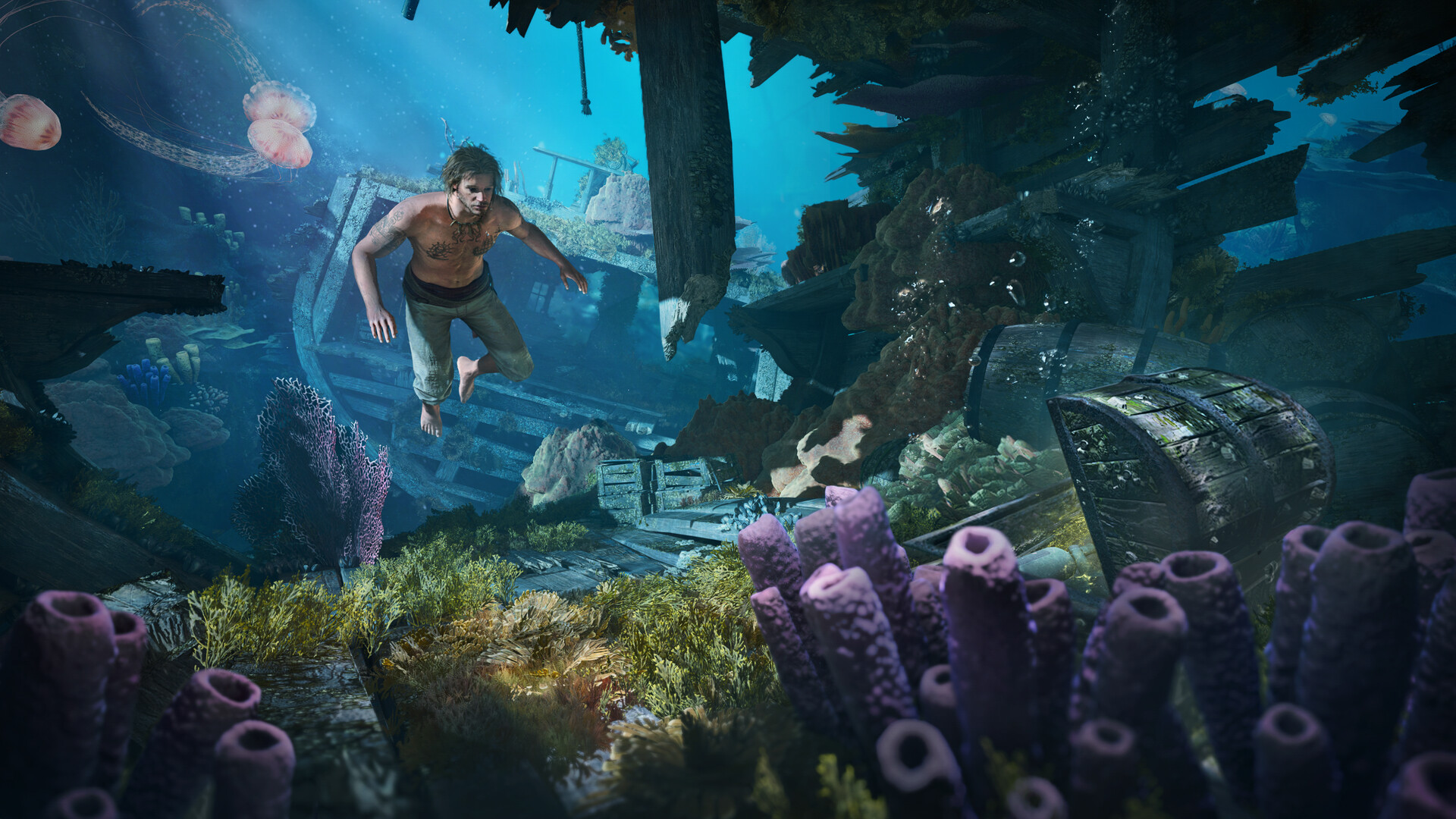
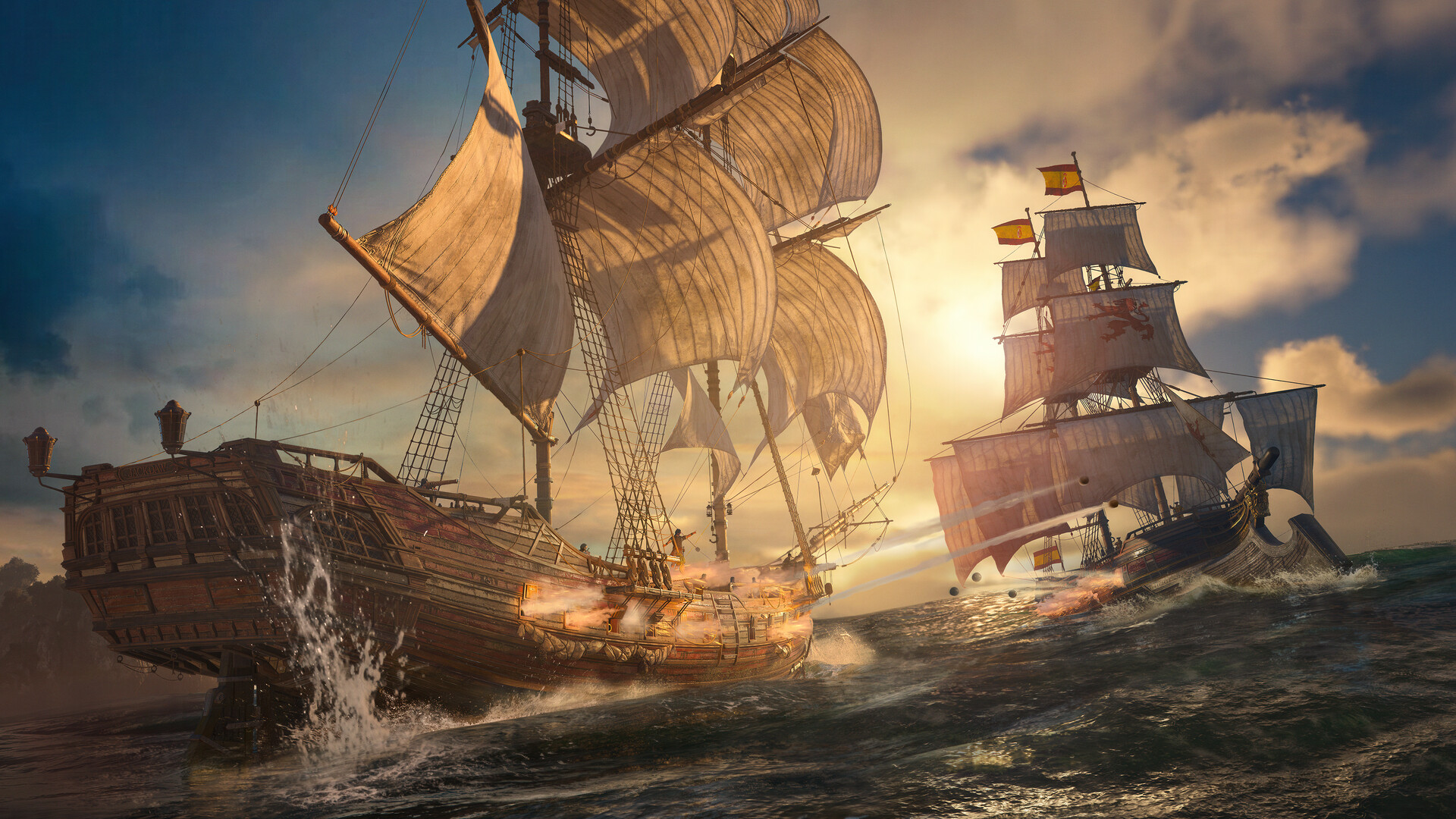
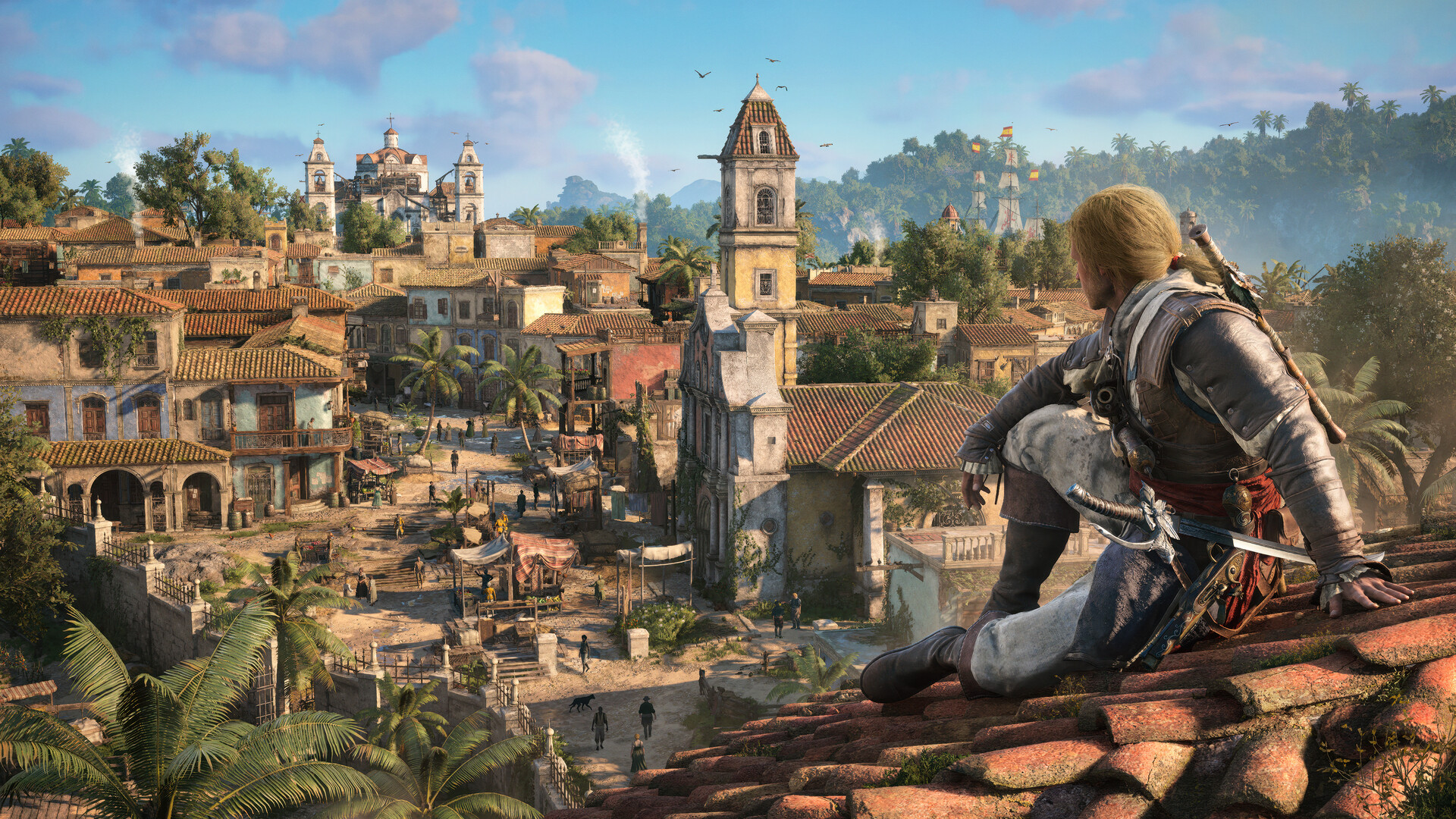
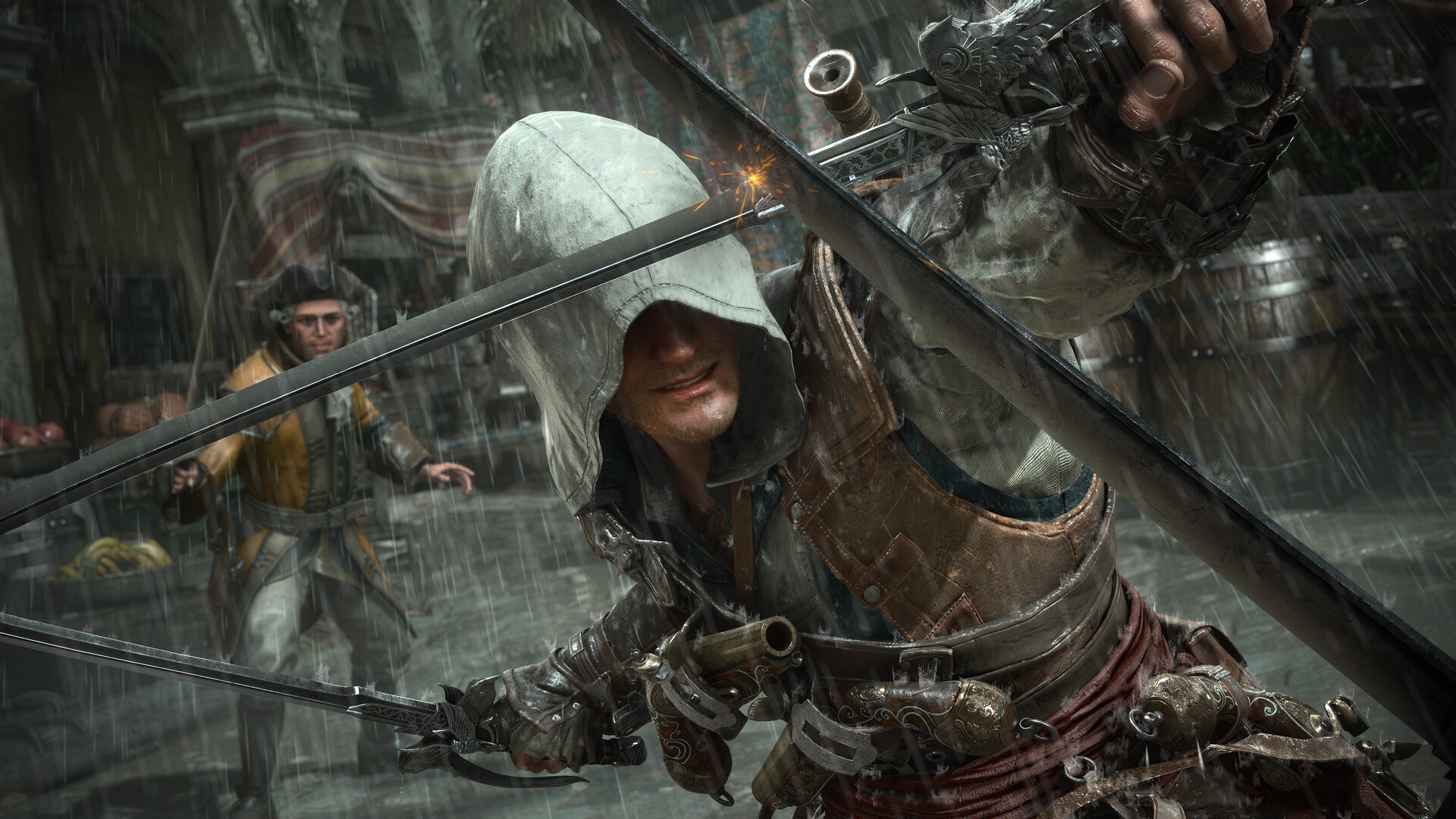
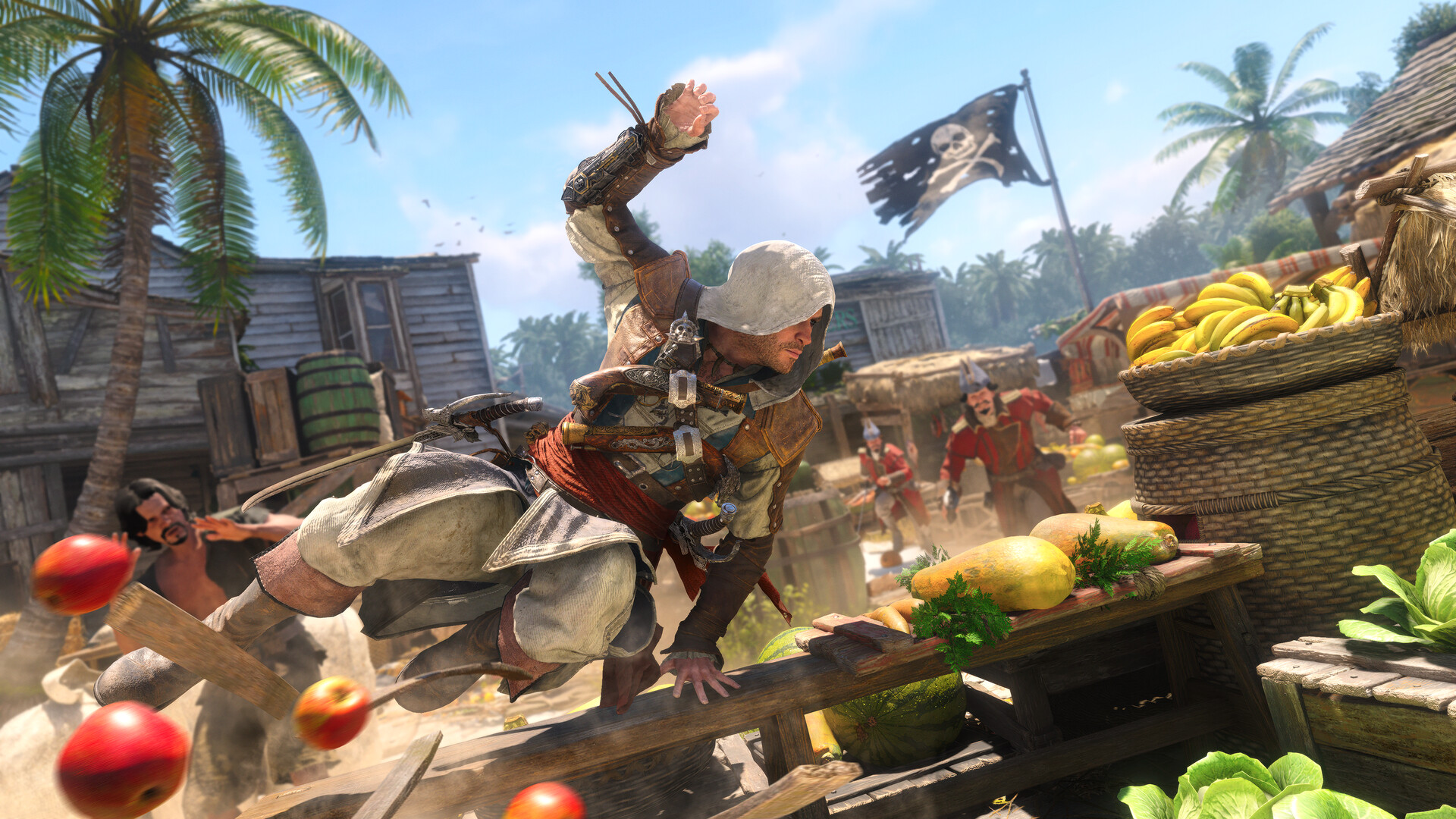
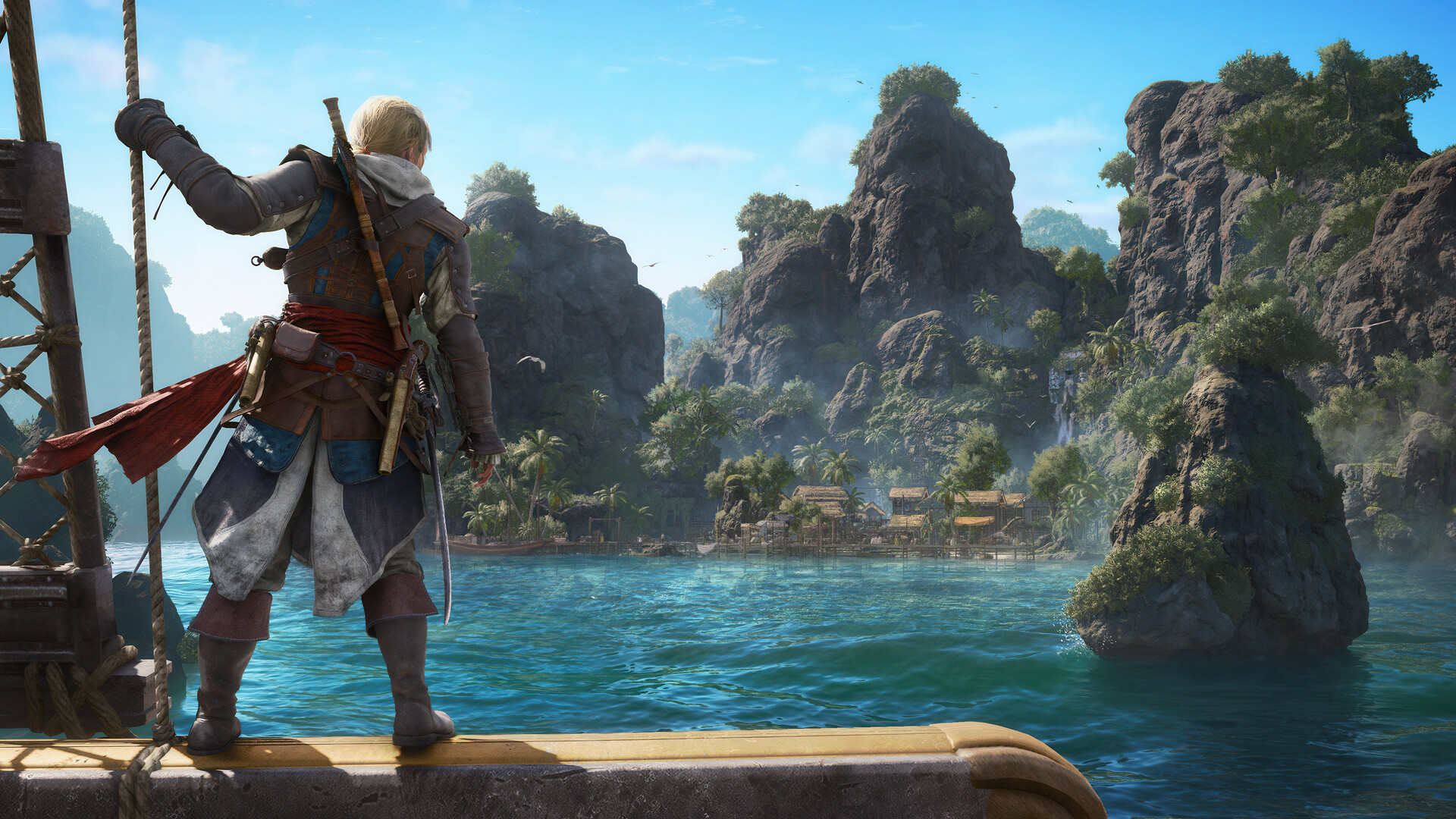
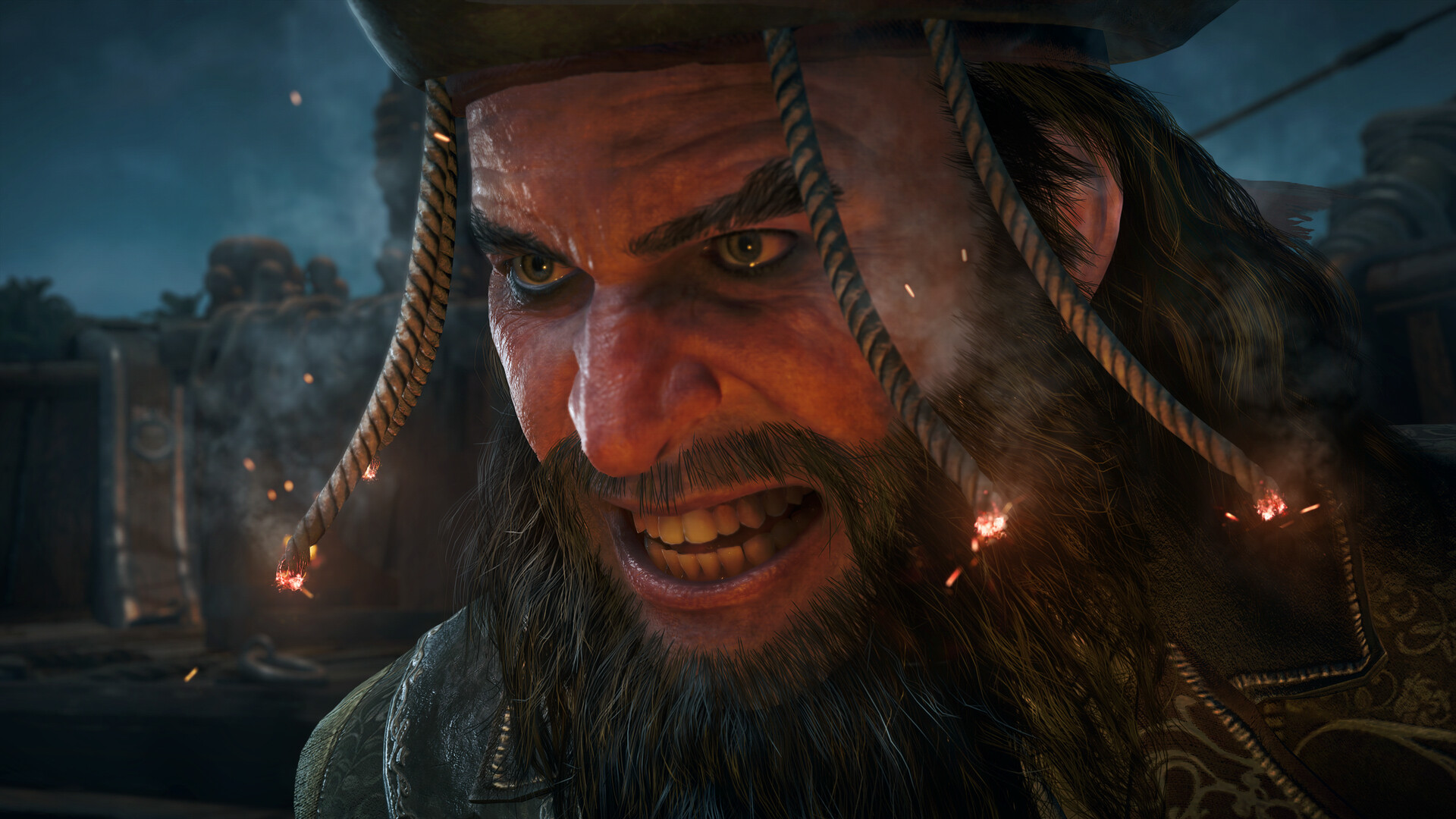
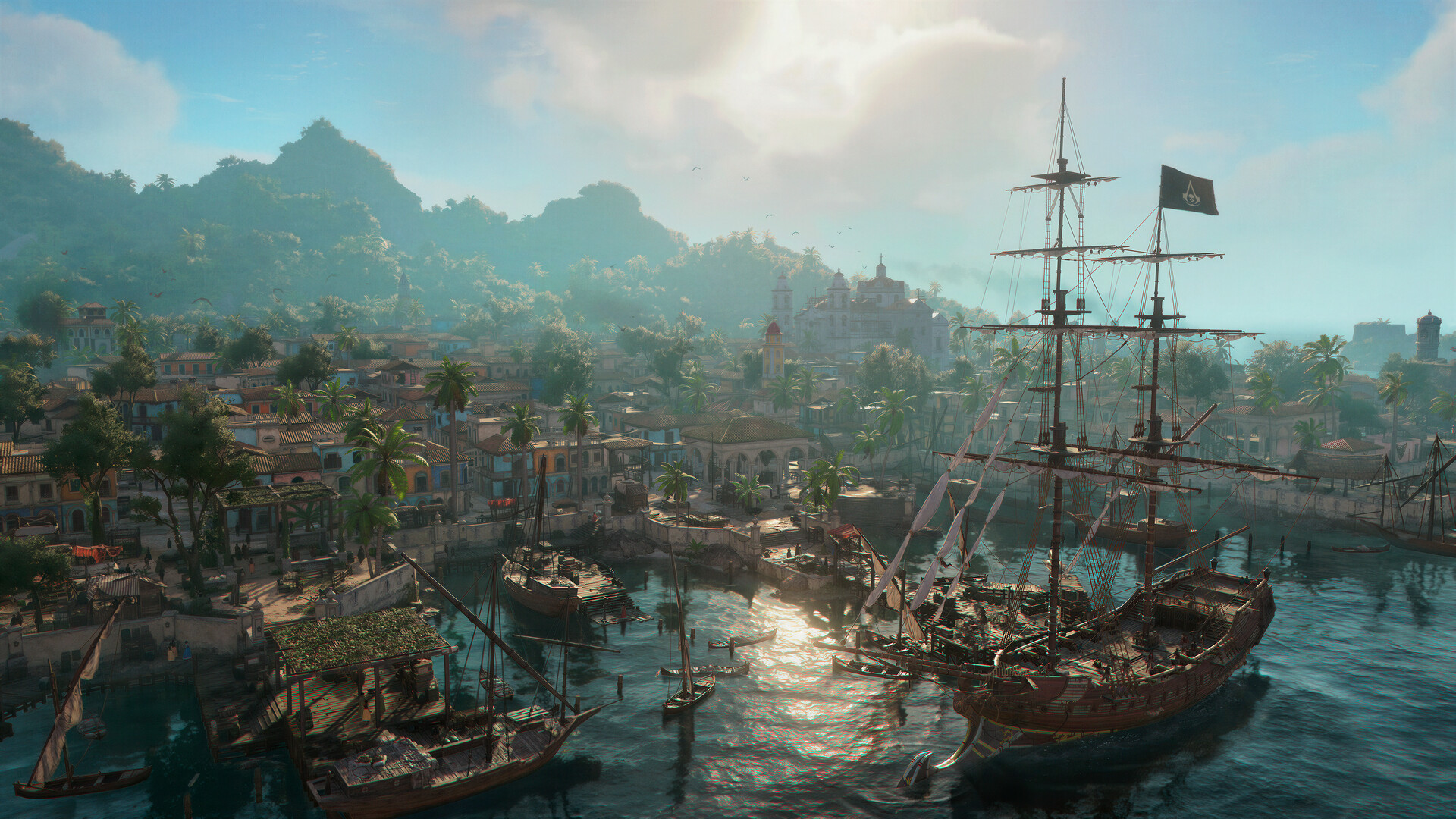
Get an in-depth look at Assassin's Creed Black Flag Resynced through various videos and screenshots.

Load More
System requirements
These are the minimum specifications needed to play the game. For the best experience, we recommend that you verify them.
Windows
- Requires a 64-bit processor and operating system
- OS: Windows 10 (64 bit only), Windows 11
- Processor: Intel Core i7-8700K 3.7 GHz, AMD Ryzen 5 3600 3.6 GHz
- Memory: 16 GB RAM
- Graphics: NVIDIA GeForce GTX 1660 (6GB), AMD Radeon RX5500XT (8GB) or Intel ARC A580 (8GB)
- DirectX: Version 12
- Storage: 65 GB available space
- Additional Notes: SSD with DRAM cache required
Steam Price & Best Deals
User reviews & Ratings
Explore reviews from Steam users sharing their experiences and what they love about the game.
Leave her johnny leave her... The biggest thing for me is just the vibe. Everything feels so much nicer to play than the OG. The Caribbean is beautiful, the graphics are impressive as hell, and somehow the game is actually well optimized too. I can play this with RTX on, High settings and still stay above 60 FPS, which is something I really appreciate. Combat is also way more fun for me now. It actually feels like I’m fighting instead of just waiting to counter everyone. The new combat has more going on, even though I do miss being able to use the Hidden Blade in actual combat and picking up enemy weapons. The side content is another thing I enjoyed way more this time. Yeah, a lot of it is basically the same stuff from the original, but with the new visuals, animations and overall feel, it’s somehow way more satisfying to actually go out and do it. And THANK GOD the forced tailing missions aren’t as painful anymore. Getting spotted doesn’t instantly ruin everything, and you can just adapt and keep going. Definitely more beginner-friendly. I also personally don’t mind the modern-day sections being gone. I know some people loved that stuff, but I never really cared about it in Black Flag, so removing it actually made the game feel more focused to me. That said, I completely understand why OG fans would be pissed about it. My biggest complain is that certain things from the original were removed instead of being improved. But honestly? If someone told me they wanted to play Black Flag for the first time in 2026, I’d recommend Resynced over the OG without even thinking twice. It’s not perfect, and it definitely changes some things that didn’t need changing, but yk what they say? Leave her johnny leave her...!!! Hahaha
Sorry if my review ends up being a little long, but I hope you’ll read it all. Well, I should probably start with a little misunderstanding…, I had never actually played Assassin’s Creed IV: Black Flag, which is rather ironic, considering that it is precisely the kind of game I should have played years ago, I work in history and archaeology, with a particular specialization in the societies and historical dynamics of Alaska and the North Pacific, so questions of maritime mobility, territorial occupation, material culture, and the circulation of goods are very much within my field of interest, yet, for one reason or another, I simply never had the opportunity to experience the original game, Black Flag Resynced finally gave me the excuse to correct that omission, and after spending time with it, I can understand much more clearly why this particular entry in the series has retained such a strong reputation, what immediately interested me was not necessarily the presence of historical figures or the game's attempt to reproduce every detail of the eighteenth century accurately, what I found much more compelling was the way the game constructs a historical space through maritime geography, that distinction matters A historical reconstruction is not necessarily successful because it contains an enormous quantity of individually accurate details, It can also be successful when it manages to reproduce broader historical dynamics, patterns of movement, economic dependency, territorial organization, technological constraints, and the circulation of people and commodities, from that perspective, Black Flag is remarkably effective, the sea is never simply an empty space between points of interest. It functions as an actual transportation infrastructure, islands, ports, commercial routes, naval encounters, and different territorial scales create a dynamic geographical environment in which movement itself becomes part of the gameplay, this was probably the aspect I appreciated the most As someone who studies the historical societies of Alaska and the North Pacific, I am particularly interested in the way maritime environments can function not as barriers, but as corridors, interfaces, and spaces of interaction, obviously, I am not suggesting that the Caribbean world represented in Black Flag can be directly compared with the historical realities of Alaska, the ecological, cultural, political, and economic contexts are radically different, but the underlying principle is surprisingly comparable, historical spaces are often better understood through the movements occurring within them than through the political borders we impose on them afterward, the naval gameplay is another particularly interesting example of the compromise between simulation and accessibility, the game obviously does not attempt to reproduce the full technical complexity of historical sailing vessels, real navigation involved an enormous number of variables, hull design, draft, rigging configuration, hydrodynamic resistance, wind conditions, crew organization, visibility, currents, cargo distribution, and countless other factors that would be completely impractical to reproduce in an action adventure game Yet Black Flag incorporates just enough of these principles to create the impression that the player's vessel is actually operating within a physical environment, wind direction, speed, positioning, turning radius, weapon placement, and relative movement all contribute to the experience. Naval combat consequently becomes more than simply pointing a cannon at another ship and firing, positioning often matters more than raw firepower, that is a surprisingly good abstraction of the underlying logic of naval warfare, the boarding mechanics are obviously heavily dramatized, but I still appreciated their emphasis on materiality, wooden decks, rigging, firearms, blades, cannons, ropes, and the physical presence of the crew all contribute to a sense that combat is taking place within a tangible technological environment, this is particularly interesting from an archaeological perspective, maritime archaeology constantly deals with this relationship between technology, material culture, and human behavior. A ship is never simply a vehicle, it is a complex technological system reflecting economic priorities, military requirements, available resources, shipbuilding traditions, and the organization of the people operating it, Black Flag obviously simplifies all of this enormously, but it nevertheless manages to communicate something that many historical games fail to convey, technology shapes behavior I would never consider Black Flag a historical source in the academic sense, of course, the game simplifies social structures, piracy, political institutions, economic relationships, and the material conditions of eighteenth-century life, chronology is compressed, historical personalities are adapted to the narrative, and numerous elements are deliberately exaggerated, but I don't think that is necessarily a weakness, the more interesting question is whether these historical liberties destroy the internal coherence of the world being represented, for me, they don't The game establishes a sufficiently coherent fictional interpretation of maritime mobility, commerce, violence, exploration, and political instability that the historical atmosphere remains convincing even when the underlying details are obviously stylized, I also found Edward Kenway's progression interesting from this perspective, his story touches, sometimes indirectly, on several historical phenomena associated with maritime societies: economic opportunism, social mobility, accumulation of wealth, shifting loyalties, private violence, and the gradual integration of individuals into political and commercial networks much larger than themselves, again, these ideas are not unique to the Caribbean When studying the history of Alaska and the wider North Pacific, one quickly learns that political borders are often a poor starting point for understanding historical interaction, people, technologies, commodities, information, and cultural practices moved across enormous distances according to networks that frequently had little relationship to the borders that would later appear on modern maps, that is one of the reasons I found the structure of Black Flag so satisfying, the game makes movement itself meaningful, you are not merely travelling from one mission marker to another, you are learning a maritime landscape, gradually understanding its routes, its dangers, its economic opportunities, and its strategic geography, the world becomes legible through repeated movement, that is excellent game design, and this is ultimately why I am so glad Resynced gave me the opportunity to finally experience Black Flag, I had wanted to play the original for years, I simply never had the opportunity, and somehow it remained one of those games I kept postponing, coming to it now through Resynced feels almost like discovering a historical artifact several years after everyone else has already written about it, I finally understand the reputation, It is obviously not a scholarly reconstruction, and it would be unreasonable to evaluate it according to the standards of academic historiography or archaeological research, but as a fictional representation of a maritime world, as an exploration game, and especially as a playable interpretation of mobility, territory, technology, and circulation, Black Flag is remarkably successful For anyone interested in material culture, maritime archaeology, historical geography, or the way human societies organize themselves around networks of movement, there is considerably more going on here than the simple premise of "pirates and assassins" might suggest, my only real regret is that I didn't play the original sooner, fortunately, Resynced gave me the opportunity to finally step aboard, excellent discovery, better late than never :)
no matter how many years pass, Black Flag will ALWAYS have a special place in my heart. i still remember playing it 13 years ago when it first came out. i replayed it again a few years later, and now here i am finishing it 100% for the fourth time with Resynced. somehow, it still hits almost exactly the same as it did back then. there’s just something about the pirate atmosphere in this game. sailing through the open ocean, hearing the waves, listening to the crew sing shanties while the sun is setting over the Caribbean… nothing else really feels like it. and the characters are just as memorable. edward kenway’s story is still one of my fav in gaming. i genuinely can’t skip the cutscenes, even after playing the game this many times. the dialogue, the friendships, the arguments, all of it feels like it actually matters. to me, Black Flag is way more than just a game. it’s nostalgia, memories, and a lot of emotion all mixed together. and that ending still gets me every single time, especially when you think about the whole journey and everyone who was left behind. 10/10. a timeless masterpiece. i honestly don’t care how many new AC games come out. nothing is ever going to replace this one for me.
I missed this damn game. What a remake of an absolute classic, my personal favourite Assassin's Creed of all time, and I'm so glad Ubisoft didn't screw it up. It's still the same old Black Flag from 2013 at heart, but god the visuals. Ray tracing here does things that Shadows, which came out just a year ago and already looked incredible, couldn't. The lighting especialy, every golden hour at sea, every dingy tavern it all just feels right. The jungle is insanely lush, Mayan ruins half-swallowed by vegetation roots cracking through stone, sunlight bouncing off colorful buildings in Havana, candlelight that actualy feels warm. And weirdly it all looks exactly how I always remembered it looking when I played it back in 2013, even though obviously it didnt look like this at all. Make of that what you will. I genuinely hope Ubisoft takes a lesson from this, people would rather play narrative-focused Assassin's Creed games with a great cast of characters than watered-down 200-hour RPG slogs. Edward Kenway is still one of the best protagonists Ubisoft has ever written, charming, flawed, genuinely compelling. But what makes it work is the supporting cast around him. Every major side character has their own motivations their own arc, nobody exists just to fill a role and dissapear. Thats rarer than it should be in games this size and it shows. This game's ending carries more emotion than the last three mainline entries combined. Still a top 5 video game moment for me and I dont think thats ever going to change. My only real complaint is that Freedom Cry didnt get the same treatment. Adewale deserved a remake too, and I genuinely hope Ubisoft releases it separatly down the line. Just go and play it.
Similar games
View all
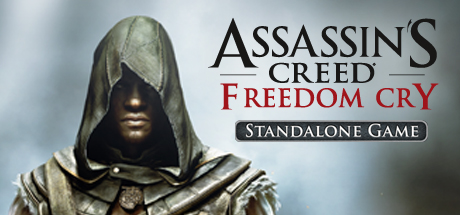
Assassin's Creed Freedom Cry
Play as Adewale, an ex-slave turned Assassin fighting for freedom with the help of his own Pirate crew.

Assassin’s Creed Shadows
Experience an epic action-adventure story set in feudal Japan! Become a lethal shinobi assassin and powerful legendary samurai as you explore a beautiful open world in a time of chaos.
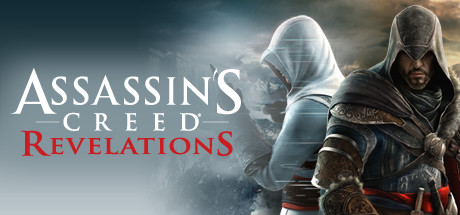
Assassin's Creed Revelations
Ezio Auditore walks in the footsteps of the legendary mentor Altair, on a dangerous journey of discovery and revelation.
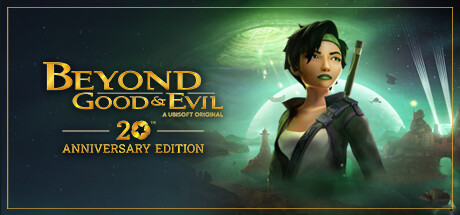
Beyond Good & Evil - 20th Anniversary Edition
Embark on this epic adventure in up to 4K 60 fps with improved graphics and audio, a new speedrun mode, updated achievements, and an exclusive anniversary gallery.

Risen 2: Dark Waters
Set several years after the end of Risen, raging titans have devastated the world and pushed humanity to the brink of existence. Subsequently, monstrous creatures have risen from the watery depths of the sea and their attacks have brought all seafaring to a grinding halt.
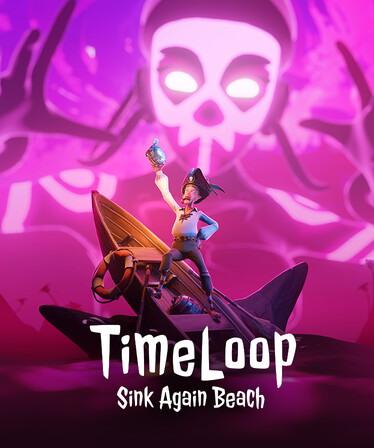
Timeloop: Sink Again Beach
A non-linear first-person action adventure in a pirate setting. A single player time travel simulation game. Unusual gaming experience.Moving in space and time, the player must understand what is happening on the island and how the main character can move away from there.
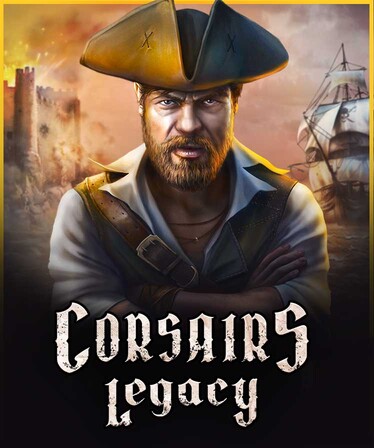
Corsairs Legacy - Pirate Action RPG & Sea Battles
Get ready for ‘Corsairs Legacy’. It’s an open-world adventure in the Caribbean, the historical pirate life simulator. Sail the sea, fight the enemies, and explore islands. Will you rise to become a legendary pirate or meet your end at the hands of your enemies? The choice is yours.
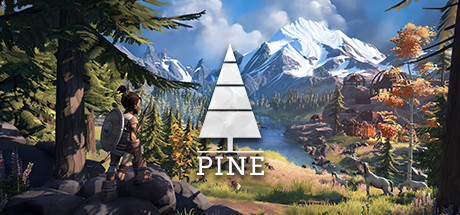
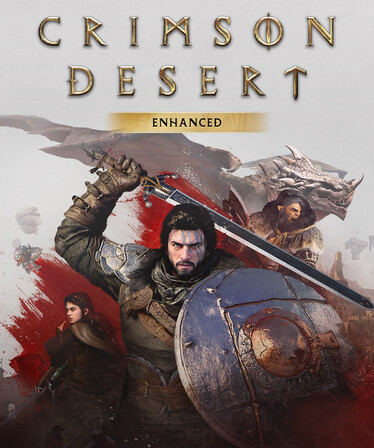
Crimson Desert Enhanced
Crimson Desert is an open-world action-adventure set on the continent of Pywel. Join Kliff on his journey to rebuild the Greymane faction and to save the land from a looming threat. From vast wilderness and cities to ruins and the mysterious Abyss, forge your path through battles and discovery.
Frequently Asked Questions
Assassin's Creed Black Flag Resynced is currently priced at 59.99€ on Steam.
No, Assassin's Creed Black Flag Resynced is currently not on sale. You can purchase it for 59.99€ on Steam.
Yes, Assassin's Creed Black Flag Resynced received 24,251 positive votes out of a total of 30,122 achieving a rating of 7.91.
😊
Assassin's Creed Black Flag Resynced was developed by Ubisoft Singapore, Ubisoft Barcelona, Ubisoft Bordeaux, Ubisoft Belgrade, Ubisoft Chengdu, Ubisoft India, Ubisoft Kyiv, Ubisoft Montpellier, Ubisoft Philippines, Ubisoft Quebec, Ubisoft Shanghai, Ubisoft Montreal and Ubisoft Romania and published by Ubisoft.
Yes, Assassin's Creed Black Flag Resynced is playable and fully supported on Windows.
No, Assassin's Creed Black Flag Resynced is not playable on MacOS.
No, Assassin's Creed Black Flag Resynced is not playable on Linux.
This information about Assassin's Creed Black Flag Resynced is not available yet.
This information about Assassin's Creed Black Flag Resynced is not available yet.
No, Assassin's Creed Black Flag Resynced does not support VR.
Assassin's Creed Black Flag Resynced is a single-player game.
Yes, there are 9 DLCs available for Assassin's Creed Black Flag Resynced. Explore additional content available for Assassin's Creed Black Flag Resynced on Steam.
No, Assassin's Creed Black Flag Resynced does not support mods via Steam Workshop.
No, Assassin's Creed Black Flag Resynced does not support Steam Remote Play.
No, Assassin's Creed Black Flag Resynced does not currently support Steam Family Sharing.
You can find solutions or submit a support ticket by visiting the Steam Support page for Assassin's Creed Black Flag Resynced.
Data sources
The information presented on this page is sourced from reliable APIs to ensure accuracy and relevance. We utilize the Steam API to gather data on game details, including titles, descriptions, prices, and user reviews. This allows us to provide you with the most up-to-date information directly from the Steam platform.
Additionally, we incorporate data from the SteamSpy API, which offers insights into game sales and player statistics. This helps us present a comprehensive view of each game's popularity and performance within the gaming community.
Last Updates| Steam data | 26 October 2026 01:05 UTC |
|---|---|
| SteamSpy data | 23 October 2026 03:30 UTC |
| Steam price | 27 October 2026 04:39 UTC |
| Steam reviews | 19 October 2026 07:46 UTC |
If you'd like to dive deeper into the details about Assassin's Creed Black Flag Resynced, we invite you to check out a few dedicated websites that offer extensive information and insights. These platforms provide valuable data, analysis, and user-generated reports to enhance your understanding of the game and its performance.
- SteamDB - A comprehensive database of everything on Steam about Assassin's Creed Black Flag Resynced
- SteamCharts - Analysis of Assassin's Creed Black Flag Resynced concurrent players on Steam
- ProtonDB - Crowdsourced reports on Linux and Steam Deck Assassin's Creed Black Flag Resynced compatibility

Game modes
Online players
1,178
Developer
Ubisoft Singapore,
Ubisoft Barcelona,
Ubisoft Bordeaux,
Ubisoft Belgrade,
Ubisoft Chengdu,
Ubisoft India,
Ubisoft Kyiv,
Ubisoft Montpellier,
Ubisoft Philippines,
Ubisoft Quebec,
Ubisoft Shanghai,
Ubisoft Montreal,
Ubisoft Romania
Publisher
Ubisoft
Release
09 Jul 2026
Platforms