
SiN Gold (1998)
SiN: Gold (1998) has returned! Free update for original owners!
Sync your Steam wishlist to find the lowest game prices instantly. No login required, just paste your Steam profile URL!
⚡ Try Wishlist Radar!
Sync your Steam wishlist to find the lowest game prices instantly. No login required!
⚡ Try Wishlist Radar!
Close

Blood: Refreshed Supply™ on Steam
Quick menu
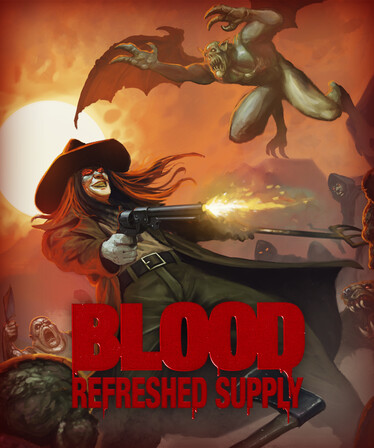
Things are about to get… bloody! Soak up 42 pulse-pounding levels dripping with Lovecraftian atmosphere as you battle your way through armies of sycophantic cultists, zombies, gargoyles, hell hounds, and other insatiable horrors, in your quest to defeat the loathsome Tchernobog.
Blood: Refreshed Supply™ is a boomer shooter, singleplayer and fps game
developed by Nightdive Studios and Monolith Productions
and published by Nightdive Studios, Warner Bros. Games and Atari.
Released on December 04th 2025 is available on Windows, Steam Deck and Steam Machine
in 5 languages: English, French, Italian, German and Spanish - Spain.
It has received 723 reviews of which 521 were positive and 202 were negative resulting in a rating of 6.9 out of 10. 😐
The game is currently priced at 27.99€ on Steam.
The Steam community has classified Blood: Refreshed Supply™ into these genres:
Boomer Shooter
Singleplayer
FPS
Action
Shooter
Horror
Multiplayer
1990's
Co-op Campaign
First-Person
Gore
Violent
Retro
PvE
PvP
Voxel
Local Co-Op
Local Multiplayer
Here is the detailed breakdown of supported languages for Blood: Refreshed Supply™:
| UI | Subtitle | Audio | |
|---|---|---|---|
| English | |||
| German | |||
| French | |||
| Italian | |||
| Spanish - Spain |
Media & Screenshots
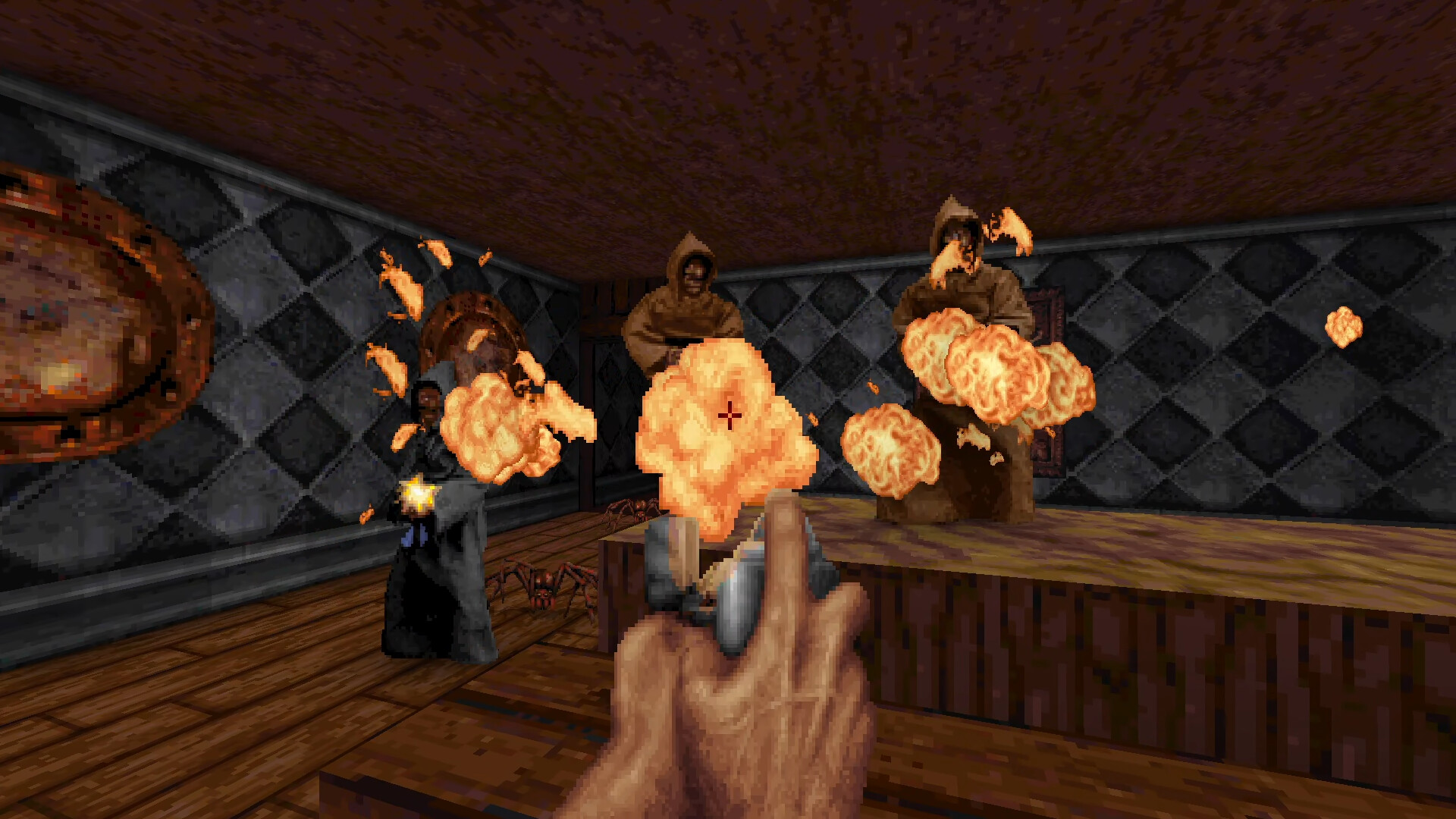
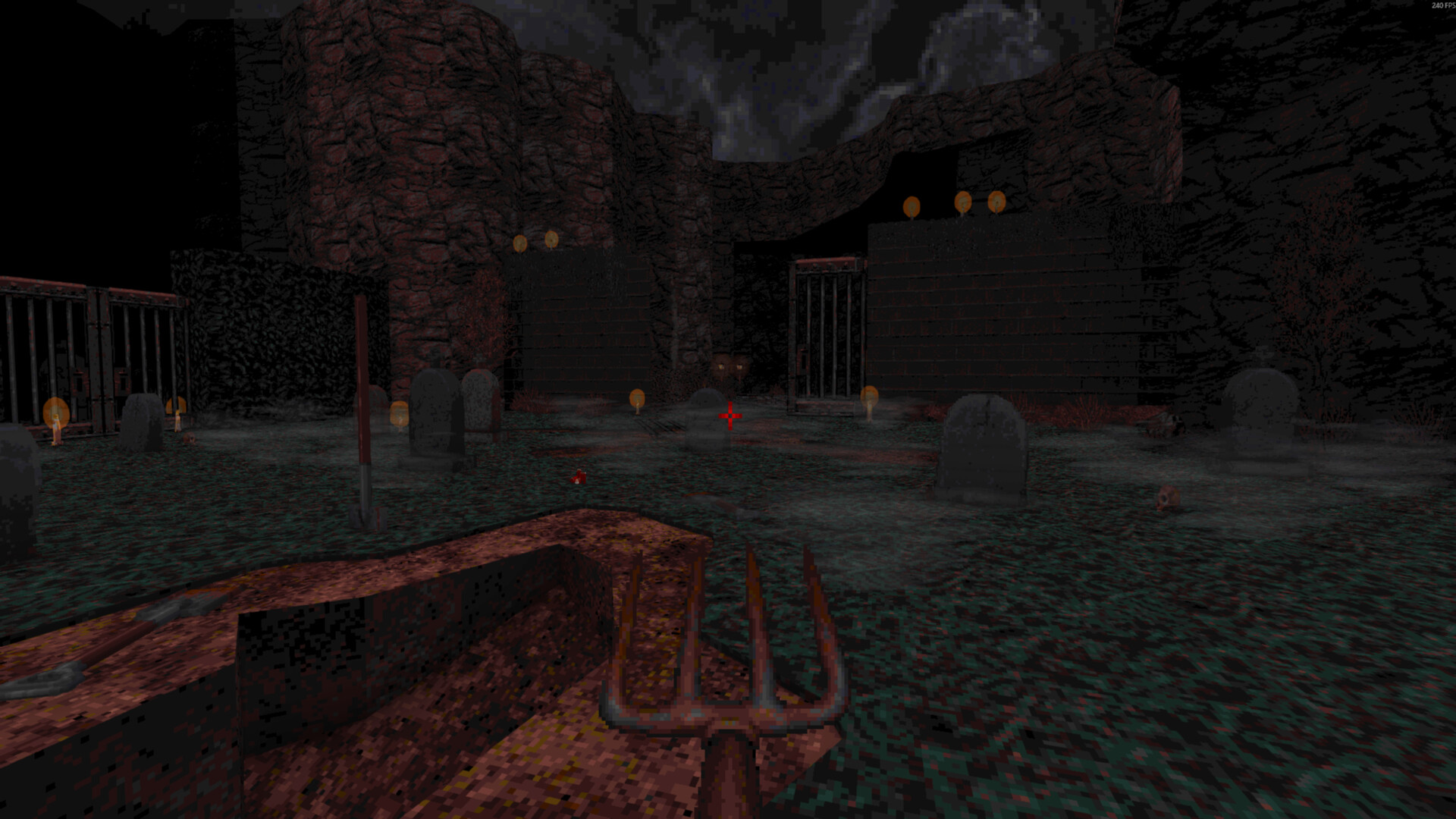
Get an in-depth look at Blood: Refreshed Supply™ through various videos and screenshots.




System requirements
These are the minimum specifications needed to play the game. For the best experience, we recommend that you verify them.
Windows
- Requires a 64-bit processor and operating system
- OS: Windows 10 64-bit
- Processor: Intel or AMD Dual-Core at 2.0 GHz
- Memory: 1 GB RAM
- Graphics: GPU with DirectX 11 or Vulkan 1.1 support
- DirectX: Version 11
- Network: Broadband Internet connection
- Storage: 2 GB available space
- Sound Card: 100% DirectX compatible sound card or onboard sound
Steam Price & Best Deals
User reviews & Ratings
Explore reviews from Steam users sharing their experiences and what they love about the game.
The anger towards WB and Atari is absolutely deserved, Nightdive however has done a good job. A lot of the issues I would run into with Fresh Supply hasn't reappeared here. Like not being crushed to death by presses and wall textures flickering and disappearing after changing resolutions. Any differences between this version and running DOS files through a source port is negligible to anyone that isn't a pedantic jackass. Definitely wait for a sale.
I do hope the developer of Death Wish is getting a sizeable cut from this game's sales because some of the levels included in their mod still managed to blow my mind all these years later. Some of the absolute best work I've seen out of a game's modding community solely driven from the developer's raw passion and love for the original work.
English It would be an intellectual blunder to reduce Blood to the eponymous red fluid or the celebration of naked violence. Brutal combat is, of course, an essential ingredient that gives the game its sweet and sour flavor: Fountains of blood spurt against the wall textures, flesh and body parts fly through the levels and one capital crime follows another. Never mind! First of all, it should be emphasized that Blood still has exceptionally charming graphics today. Of course, the presentation is showing its age and is certainly just a pixelated eyesore for spoiled zoomers. But even the color palette of rich and soft reds, browns and grays offers a surprisingly contrasting feast for the eyes, complemented by amazing lighting effects that transform the thunderstorms above the unholy cathedrals as well as the satanic fires in the halls of Tchernobog into picturesque eye candy. The gothic horror story proves to be outrageous: At the beginning of the first episode in 1928, the protagonist Caleb, once a high-ranking disciple of a cult dedicated to the forgotten god Tchernobog, rises from his grave to avenge Ophelia, his beloved, and other chosen ones. The universal goal is the destruction of the Tchernobog cult, The Cabal, which throws thousands of enemies against the player and, at the end of each episode, a final boss. While the plot is interesting but secondary, the locations are fantastic. Just look at the course of the first campaign: After rising from the grave, the path leads us through a cemetery chapel to a train station and from there to a train racing through the countryside; we derail the Phantom Express by overheating the locomotive firebox and end up not far from the wreckage at an obscure fairground with macabre attractions, from where we take a ghost train ride to reach the temple of the hated Cabal, whose underground dungeons lead to the first boss fight. The following chapter takes us to a winter landscape complete with maze and Overlook Hotel; the third to a city besieged by government troops; and the fourth to a large research laboratory complex in the middle of swampy forests. This cocktail is interspersed with numerous references to Poe and Lovecraft, as well as countless Easter eggs to horror and slasher films. The assortment of weapons is extravagant, their dual attack modes are spectacular. In addition to the more genre-typical tools such as the shotgun and the rocket launcher, there are unusual implements such as the pitchfork, the aerosol flamethrower and the voodoo doll. The selection of enemies is also pleasantly varied, ranging from undead cannon fodder to obese slime spitters to fire-breathing hellhounds to flying demons from the underworld. For me, the Tchernobog monks, who often attack in groups wearing their fancy potato sack robes, remain the most entertaining opponents, especially since their bright battle cries ("Cruo stragarana malaxos!" <3) always make me smile. Last but not least, the charismatic one-liners of the main character Caleb deserve special mention. Blood plays more modern than ever - classy, cool, smooth as butter. In terms of variety and atmosphere, it is definitely superior to the two Build Engine parallel developments Duke Nukem 3D and Shadow Warrior . Wolfenstein 3D and Doom pioneered the genre and cannot be dethroned, but one thing is certain: Blood is the best first-person shooter of the nineties. There. I said it. Deutsch Es wäre eine intellektuelle Fehlleistung, Blood auf die namensgebende rote Körperflüssigkeit oder das Zelebrieren nackter Gewalt zu reduzieren, welche Frau Monssen-Engberding, den banhammer-schwingenden Nemesis aller Kids der Neunziger, einst zur Weißglut brachte. Der brutale Kampf ist freilich elementare Zutat, die dem Game seine süßsaure Würze beschert: Da spritzen Fontänen aus Blut gegen die Wandtexturen, da fliegen Fleisch und Leichtenteile durch den Levelbau, da jagt ein Kapitalverbrechen das nächste. Geschenkt! Zunächst sei hervorgehoben, dass Blood eine noch heute außerordentlich charmante Grafik aufweist. Freilich ist die Präsentation in die Jahre gekommen und gewiss für verwöhnte Zoomer-Augen nur ein pixeliger Pupillenschreck. Doch bereits die Farbpalette aus saftig weichen Rot-, Braun- und Grautönen bietet einen überraschend kontrastreichen Schmaus für's Auge; hinzu gesellen sich erstaunliche Lichteffekte, welche die Gewitter über den unheiligen Kathedralen und die satanischen Feuer in den Hallen des Tchernobog in pittoreskes eye candy verwandeln. Die Gothic-Horror-Story erweist sich als hanebüchen: Der Protagonist Caleb, einst hoch gestellter Jünger eines dem vergessenen Gott Tchernobog gewidmeten Glaubenskultes, steigt zu Beginn der ersten Episode im Jahr 1928 aus seinem Grab, um Ophelia, seine Geliebte, und andere Auserwählte zu rächen. Universelles Ziel ist die Zerstörung des Tchernobog-Kultes The Cabal, der dem Spieler tausende Feinde und am Ende jeder Episode einen Endgegner entgegenwirft. Während der Plot zwar interessant, aber zweitrangig ist, sind die Schauplätze fantastisch. Man sehe sich nur den Verlauf der ersten Kampagne an: Nach dem Aufsteigen aus dem Grabe führt uns der Weg durch eine Friedhofskapelle zu einem Bahnhof und von dort auf einen durch die Landschaft rasenden Zug; den Phantom Express bringen wir durch das Überhitzen der Lokomotiv-Ofens zum Entgleisen und landen unweit des Unfallwracks auf einem obskuren Jahrmarkt mit makabren Attraktionen, um von dort eine Geisterbahnfahrt zu unternehmen und den Tempel des verhassten Kabal zu erreichen, dessen unterirdische Dungeons zum ersten Boss Fight führen. Im nachfolgenden Kapitel geht es in eine winterliche Landschaft mitsamt Irrgarten und Overlook Hotel; im dritten in eine von Regierungstruppen belagerte Stadt; im vierten in den Komplex eines großen Forschungslabors inmitten sumpfiger Wälder. Durchsetzt ist der Cocktail mit etlichen Poe- und Lovecraft-Anleihen sowie zahllosen Easter Eggs zu Horror- und Slasherfilmen. Das Sortiment an Waffen ist extravagant, ihre dualen Angriffsmodi sind spektakulär. Neben den eher genretypischen Hilfsmitteln wie der Schrotflinte, der Tommy Gun oder dem Raketenwerfer warten außergewöhnliche Tools wie die Mistgabel, die Spraydose mit dem Feuerzeug und die Voodoo-Puppe. Auch die Gegnerauswahl ist angenehm sattsam und reicht von untotem Kanonenfutter über adipöse Schleimspeier und feuerspuckende Höllenhunde bis hin zu fliegenden Dämonen der Unterwelt. Für mich bleiben die oft in Pulks angreifenden Tchernobog-Mönche mit ihren fancy Kartoffelsack-Kutten noch die unterhaltsamsten Kontrahenten, zumal ihre hellen Kampfrufe ("Cruo stragarana malaxos!" <3) immer wieder zum Schmunzeln einladen. Hervorgehoben seien zuletzt die charismatischen One-Liner der Hauptfigur Caleb. Blood spielt sich moderner denn je - edel, geil, butterweich. In den Kategorien Abwechslungsreichtum und Atmosphäre ist es den beiden Build-Engine-Parallelentwicklungen Duke Nukem 3D und Shadow Warrior fraglos überlegen. Wolfenstein 3D und Doom haben für das Genre Pionierarbeit geleistet und sind nicht vom Throne zu stoßen, aber eines ist gewiss: Blood ist der beste 3D-Egoshooter der Neunziger. There. I said it.
Do I recommend Blood: Refreshed Supply? Yes, but it's kinda conditional. If you've never played Blood before, I **highly** recommend getting this, as it is by far the definitive edition. (DOS version is also included) If you've played Blood, but never got the Fresh Supply version, I recommend getting this, but you may want to wait for a discount. (currently on sale as of this review's writing for 20% off) If you've played Fresh Supply, and missed out on RS's pre-order discount, you're probably gonna want to wait for a solid discount (50+% off) as there isn't exactly enough here to justify spending another 30 bucks. (I'd like to note that I'm putting 100% of the blame there on WB) Purists who were more put off by FS's issues than I was are likely to find this an easier sell though even at 30 bucks.
On one hand, this is the best port of Blood you will find. Much more accurate and faithful than Blood: Fresh Supply was. This is the best way to experience this Build engine classic. On the other, Atari and Warner Brothers are charging a whopping 30 bucks for it. They had a rebate going for owners of Fresh Supply, but only as a preorder bonus. Even as Monolith lies in ruins, WB finds ways to ruin their legacy. Wait for a rebate before getting this. It's a great game, but not worth the price you're being asked for.
Similar games
View all

Quake II
You are humanity’s last hope to stop the Strogg, a hostile alien race waging war against Earth. Play this military sci-fi FPS, now upgraded for modern platforms with improved visuals, new campaign content, online multiplayer/co-op, and more.
Warhammer 40,000: Boltgun 2
Obliterate heretics in the name of the Emperor in Warhammer 40,000: Boltgun 2! Play as Ultramarine Malum Caedo or Sister of Battle Nyra Veyrath in this sequel to retro FPS Warhammer 40,000: Boltgun with MORE enemies, MORE weapons, and NEW ways to purge!
Quake
Developed by the award-winning id Software, Quake® is the ground-breaking, original dark fantasy first-person shooter that inspires today’s retro-style FPS games. With Quake (Enhanced), experience the authentic, updated, and visually enhanced version of the original.

PAPERHEAD EP.0
In this cute cardboard world, something went horribly wrong... You wake up in a prison cell. A strange voice calls to you from the depths of dark corridors covered in runic symbols and blood. Reload your trusty shotgun and find out... WHY WOULD CARDBOARD... BLEED?

F.E.A.R. 2: Project Origin
Assume the role of Special Forces Sgt. Becket as your routine mission quickly turns into a fight for survival against the wrath of Alma Wade. As Alma's terrifying power surges out of control, your squad is forced to battle through an apocalyptic landscape in search of clues for how to destroy her!

Painkiller Overdose
The critically-acclaimed and award-winning FPS franchise is back! Packed with tons of fast-paced, adrenaline-fueled single player and multiplayer action, Painkiller Overdose brings with it 6 innovative new demonic weapons, mind-bending physics, lightning-player maps, over 40 demented and sickly-twisted monsters from Hell and gigantic end...

PAPERHEAD
In the cute cardboard world, something went horribly wrong... Use the magical pencil, a good old shotgun, and various other weapons as well as the strength of your mighty boots, to uncover the dark truth and find out WHY WOULD CARDBOARD... BLEED?
WRATH: Aeon of Ruin
Blast, slice and shred through your enemies in this hardcore FPS inspired by the icons of the '90s, powered by the legendary Quake-1 Tech. Taking place in a realm left to rot, take up arms, unearth long-forgotten secrets and hunt down the Guardians of the Old World.

Frontlines : Fuel of War
Frontlines™: Fuel of War™ is an open-world First Person Shooter set on the frontlines of tomorrow. In a world ravaged by a global energy crisis, environmental decay, and economic depression, players assume the role of an elite soldier in the Western Coalition Army on an epic crusade against the Red Star Alliance to control the last of...

Hands of Necromancy
Hands of Necromancy is a Dark Fantasy FPS metroidvania, inspired by classics such as Heretic and made with the GZDoom engine. Wield weapons, magic or transform into a fearsome monster to slay your foes, then raise them as undead servants and unleash even more carnage to become a master Necromancer!

DOOM 3
A demonic invasion has overwhelmed the Union Aerospace Corporation's Mars research facility. As one of only a few survivors, you must fight your way to hell and back against a horde of demons in this award-winning horror/action FPS and reimagining of the original DOOM.
Frequently Asked Questions
Blood: Refreshed Supply™ is currently priced at 27.99€ on Steam.
No, Blood: Refreshed Supply™ is currently not on sale. You can purchase it for 27.99€ on Steam.
Yes, Blood: Refreshed Supply™ received 521 positive votes out of a total of 723 achieving a rating of 6.90.
😐
Blood: Refreshed Supply™ was developed by Nightdive Studios and Monolith Productions and published by Nightdive Studios, Warner Bros. Games and Atari.
Yes, Blood: Refreshed Supply™ is playable and fully supported on Windows.
No, Blood: Refreshed Supply™ is not playable on MacOS.
No, Blood: Refreshed Supply™ is not playable on Linux.
Yes, Blood: Refreshed Supply™ is playable and fully supported on Steam Deck.
Yes, Blood: Refreshed Supply™ is playable and fully supported on Steam Machine.
No, Blood: Refreshed Supply™ does not support VR.
Blood: Refreshed Supply™ offers both single-player and multi-player modes.
Blood: Refreshed Supply™ offers both Co-op and PvP modes.
No, Blood: Refreshed Supply™ does not currently offer any DLC.
No, Blood: Refreshed Supply™ does not support mods via Steam Workshop.
Yes, Blood: Refreshed Supply™ supports Remote Play Together. Discover more about Steam Remote Play.
Yes, Blood: Refreshed Supply™ is enabled for Steam Family Sharing. This means you can share the game with authorized users from your Steam Library, allowing them to play it on their own accounts. For more details on how the feature works, you can read the original Steam Family Sharing announcement or visit the Steam Family Sharing user guide and FAQ page.
You can find solutions or submit a support ticket by visiting the Steam Support page for Blood: Refreshed Supply™.
Data sources
The information presented on this page is sourced from reliable APIs to ensure accuracy and relevance. We utilize the Steam API to gather data on game details, including titles, descriptions, prices, and user reviews. This allows us to provide you with the most up-to-date information directly from the Steam platform.
Additionally, we incorporate data from the SteamSpy API, which offers insights into game sales and player statistics. This helps us present a comprehensive view of each game's popularity and performance within the gaming community.
Last Updates| Steam data | 25 September 2026 12:25 UTC |
|---|---|
| SteamSpy data | 15 October 2026 07:44 UTC |
| Steam price | 26 October 2026 20:36 UTC |
| Steam reviews | 20 October 2026 09:49 UTC |
If you'd like to dive deeper into the details about Blood: Refreshed Supply™, we invite you to check out a few dedicated websites that offer extensive information and insights. These platforms provide valuable data, analysis, and user-generated reports to enhance your understanding of the game and its performance.
- SteamDB - A comprehensive database of everything on Steam about Blood: Refreshed Supply™
- SteamCharts - Analysis of Blood: Refreshed Supply™ concurrent players on Steam
- ProtonDB - Crowdsourced reports on Linux and Steam Deck Blood: Refreshed Supply™ compatibility

Game modes
Multiplayer
Features
Online players
25
Developer
Nightdive Studios,
Monolith Productions
Publisher
Nightdive Studios,
Warner Bros. Games,
Atari
Release
04 Dec 2025
Platforms
Remote Play