
Hollow Cocoon
"Trapped in a cocoon, the silkworm weaves her final dream." Hollow Cocoon is a first-person horror adventure game set in 1980s Japan. Immerse yourself in meticulously recreated environments as you venture into the depths of unspeakable horrors that await you.
Sync your Steam wishlist to find the lowest game prices instantly. No login required, just paste your Steam profile URL!
⚡ Try Wishlist Radar!
Sync your Steam wishlist to find the lowest game prices instantly. No login required!
⚡ Try Wishlist Radar!
Close

[Chilla's Art] The Karaoke | ヒトカラ🎤 on Steam
Quick menu
The Karaoke | ヒトカラ is a Japanese horror game about a high school girl at a Karaoke.
[Chilla's Art] The Karaoke | ヒトカラ🎤 is a horror, psychological horror and 1990's game
developed and published by Chilla's Art.
Released on February 03rd 2023 is available on Windows, Steam Deck and Steam Machine
in 11 languages: Japanese, English, Hungarian, Portuguese - Brazil, Korean, German, Russian, Simplified Chinese, Spanish - Spain, Vietnamese and French.
It has received 656 reviews of which 531 were positive and 125 were negative resulting in a rating of 7.7 out of 10. 😊
The game is currently priced at 4.12€ on Steam with a 30% discount.
The Steam community has classified [Chilla's Art] The Karaoke | ヒトカラ🎤 into these genres:
Horror
Psychological Horror
1990's
Multiple Endings
Survival Horror
Adventure
Choices Matter
Atmospheric
3D
First-Person
Realistic
Crime
Dark
Dark Fantasy
Mystery
Retro
Supernatural
Surreal
Dialogue Heavy
Female Protagonist
Here is the detailed breakdown of supported languages for [Chilla's Art] The Karaoke | ヒトカラ🎤:
| UI | Subtitle | Audio | |
|---|---|---|---|
| English | |||
| German | |||
| French | |||
| Korean | |||
| Spanish - Spain | |||
| Simplified Chinese | |||
| Russian | |||
| Japanese | |||
| Hungarian | |||
| Portuguese - Brazil | |||
| Vietnamese |
Media & Screenshots
Get an in-depth look at [Chilla's Art] The Karaoke | ヒトカラ🎤 through various videos and screenshots.
![[Chilla's Art] The Karaoke | ヒトカラ🎤 screenshot](https://shared.fastly.steamstatic.com/store_item_assets/steam/apps/2200190/ss_a846d23229510d548bce1c083af95c9372ac26d6.1920x1080.jpg)
![[Chilla's Art] The Karaoke | ヒトカラ🎤 screenshot](https://shared.fastly.steamstatic.com/store_item_assets/steam/apps/2200190/ss_234e27f5021fbf9ca620d0b9744ee60bbea2b119.1920x1080.jpg)
![[Chilla's Art] The Karaoke | ヒトカラ🎤 screenshot](https://shared.fastly.steamstatic.com/store_item_assets/steam/apps/2200190/ss_13f4483f1fa7f94a000bf2f4b063b6b6a237eccf.1920x1080.jpg)
![[Chilla's Art] The Karaoke | ヒトカラ🎤 screenshot](https://shared.fastly.steamstatic.com/store_item_assets/steam/apps/2200190/ss_cad5a3ef0f84c0491d9414d2645f8cf51574de31.1920x1080.jpg)
![[Chilla's Art] The Karaoke | ヒトカラ🎤 screenshot](https://shared.fastly.steamstatic.com/store_item_assets/steam/apps/2200190/ss_9b25aa4753f70b4a82aab93a5152f672b7fc6f62.1920x1080.jpg)
Load More
![[Chilla's Art] The Karaoke | ヒトカラ🎤 screenshot](https://shared.fastly.steamstatic.com/store_item_assets/steam/apps/2200190/ss_36a3724b5e773048afa684509efa2446ec09a5b8.1920x1080.jpg)
![[Chilla's Art] The Karaoke | ヒトカラ🎤 screenshot](https://shared.fastly.steamstatic.com/store_item_assets/steam/apps/2200190/ss_9a6c92135ce7e2ad553e8a7d160eca4b1bfc2a87.1920x1080.jpg)
![[Chilla's Art] The Karaoke | ヒトカラ🎤 screenshot](https://shared.fastly.steamstatic.com/store_item_assets/steam/apps/2200190/ss_811e0d5fd6b937b3ca2a31c6d3ccc04b24e79fcb.1920x1080.jpg)
System requirements
These are the minimum specifications needed to play the game. For the best experience, we recommend that you verify them.
Windows
- Requires a 64-bit processor and operating system
- OS *: Windows 7 SP1+ x64
- Processor: Intel/AMD X64 architecture with SSE2 instruction set support
- Memory: 4 GB RAM
- Graphics: NVIDIA GTX 460 or AMD equivalent
- DirectX: Version 11
- Storage: 8 GB available space
- Sound Card: Yes
- Additional Notes: Turn off room lights and Put your headset on for best experience.
Steam Price & Best Deals
User reviews & Ratings
Explore reviews from Steam users sharing their experiences and what they love about the game.
The Devs must've saved a lot of time by not syncing any of the karaoke songs to your inputs. Seriously though, this game does a great job displaying the everyday fears that women experience. A few endings are pretty bleak to say the least, but I'm glad there was a happy ending. I appreciate varied endings like this that require multiple decisions rather than a single choice just before you finish a game.
Edit: I have returned to update my review for this, as it was the first game by Chilla's Art that I had the pleasure of playing. This one definitely lands in my top 3 for their titles so far (I'm playing my way through their bundle). Definitely had a good share of jump scares mixed with lingering tension, and a very climactic ending. I think the plot is excellent, and that all of their games present some kind of horror "vignette" worth enjoying. It is a 2-man team funded through Patreon making these games, so mad respect to the team for what they accomplish. I'd like to try my hand at doing something like this someday. Pro tip to new players: Click around a lot on what makes "sense" to you. These devs treat their players with respect and try to make it "make sense" what you need to do next. Listen to your character. Good luck!
Terrifying. A good horror game that doesn't have too much gore, but is still really anxiety-inducing. I will say that if your bad at puzzles (such as hiding in certain places in different times), this game may have a part or two that you need to watch a tutorial like I did. Yet, I also suck at puzzles! Another good Chinchilla art game.
Similar games
View all

Directive 8020
Earth is dying and humanity is running out of time. 12 light years from home, Tau Ceti f offers a small sliver of hope. When the colony ship Cassiopeia crash lands on the planet, its crew soon realize they are far from being alone. In space, death takes many forms.
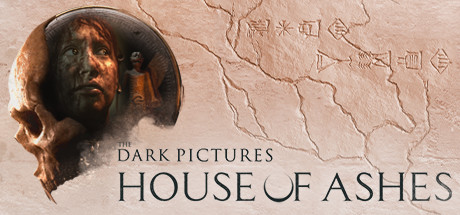
The Dark Pictures Anthology: House of Ashes
At the close of the Iraq War, Special Forces hunting for weapons of mass destruction unearth something far deadlier – a buried Sumerian temple containing a nest of unearthly creatures. To survive the night below, they must forge a brotherhood with their enemies from the world above.

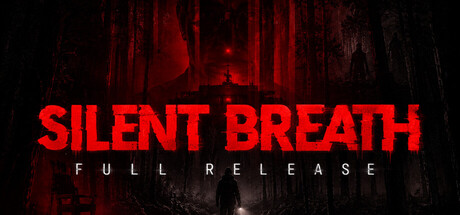
SILENT BREATH
Unpredictable horrors lurk around every corner, forcing you to find the missing people while desperately clinging to survival. In this experience even your own mind can become your enemy. Stay vigilant and keep your voice hushed, or risk becoming another victim of the forest's darkness

Lily's Well
It is a rainy night in the Spring of 2005. Lily is left home alone after her Papa put her to bed. She is awoken by a cry for help outside her window. It is coming from the well. Help Lily gather rope to go down the well and save the poor soul trapped down there.

Bad Parenting 1: Mr. Red Face
Mr. Red Face, a fictional character created by adults to teach their children, suddenly becomes real..

HORROR TALES: The Wine
Explore a post-pandemic fictional Mediterranean island and confront your fears! Immerse yourself in a seemingly abandoned city and struggle to find a precious Banydebosc red wine bottle to cure your loved ones. But be aware; your Nemesis is hunting you. Indie Jumpscares included! :D

The Cabin Factory
Your job at the Cabin Factory is simple: inspect the cabins and decide on whether they’re haunted or not. If you do find any anomalies, get out…immediately.
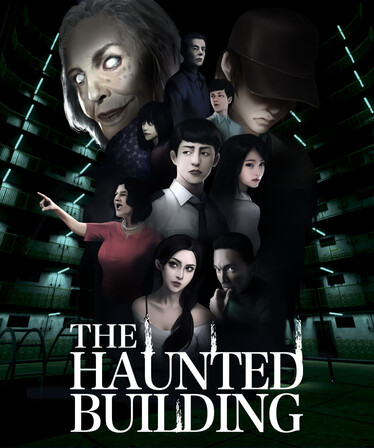
The Haunted Building
A 90s Hong Kong public housing block hides twisted tenants, buried truths, and ghosts. As security guard Lee Shing, your choices shape the story and unlock multiple endings. A mystery full of foreshadowing—some truths can only be uncovered through repeated playthroughs.
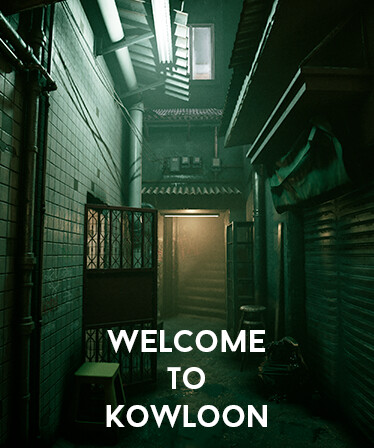
Welcome to Kowloon
This is an indie horror from the first person, in which you find yourself in an area called Kowloon in search of cheap housing. The inhabitants of this place only at first glance seem to be ordinary people, but if we dig deeper, we will see their real faces.
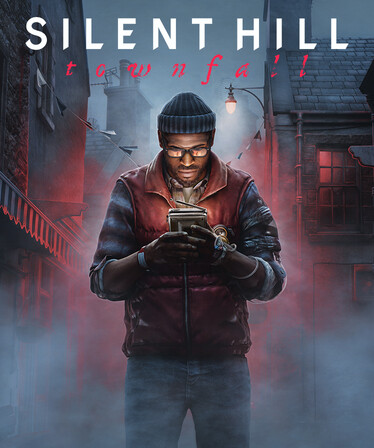
SILENT HILL: Townfall
Returning to an island town to ‘put things right’, Simon Ordell descends into a world of tense evasion, explosive confrontations, and mind-bending puzzles that slowly surface the truth of St. Amelia.
Frequently Asked Questions
[Chilla's Art] The Karaoke | ヒトカラ🎤 is currently priced at 4.12€ on Steam.
Yes, [Chilla's Art] The Karaoke | ヒトカラ🎤 is currently available at a 30% discount. You can purchase it for 4.12€ on Steam.
Yes, [Chilla's Art] The Karaoke | ヒトカラ🎤 received 531 positive votes out of a total of 656 achieving a rating of 7.66.
😊
[Chilla's Art] The Karaoke | ヒトカラ🎤 was developed and published by Chilla's Art.
Yes, [Chilla's Art] The Karaoke | ヒトカラ🎤 is playable and fully supported on Windows.
No, [Chilla's Art] The Karaoke | ヒトカラ🎤 is not playable on MacOS.
No, [Chilla's Art] The Karaoke | ヒトカラ🎤 is not playable on Linux.
Yes, [Chilla's Art] The Karaoke | ヒトカラ🎤 is playable on Steam Deck, though it might require a few minor tweaks. Make sure to check the Steam store page and community feedback on ProtonDB for exact compatibility details.
Yes, [Chilla's Art] The Karaoke | ヒトカラ🎤 is playable on Steam Machine, though it might require a few minor tweaks. Make sure to check the Steam store page and community feedback on ProtonDB for exact compatibility details.
No, [Chilla's Art] The Karaoke | ヒトカラ🎤 does not support VR.
[Chilla's Art] The Karaoke | ヒトカラ🎤 is a single-player game.
No, [Chilla's Art] The Karaoke | ヒトカラ🎤 does not currently offer any DLC.
No, [Chilla's Art] The Karaoke | ヒトカラ🎤 does not support mods via Steam Workshop.
No, [Chilla's Art] The Karaoke | ヒトカラ🎤 does not support Steam Remote Play.
Yes, [Chilla's Art] The Karaoke | ヒトカラ🎤 is enabled for Steam Family Sharing. This means you can share the game with authorized users from your Steam Library, allowing them to play it on their own accounts. For more details on how the feature works, you can read the original Steam Family Sharing announcement or visit the Steam Family Sharing user guide and FAQ page.
You can find solutions or submit a support ticket by visiting the Steam Support page for [Chilla's Art] The Karaoke | ヒトカラ🎤.
Data sources
The information presented on this page is sourced from reliable APIs to ensure accuracy and relevance. We utilize the Steam API to gather data on game details, including titles, descriptions, prices, and user reviews. This allows us to provide you with the most up-to-date information directly from the Steam platform.
Additionally, we incorporate data from the SteamSpy API, which offers insights into game sales and player statistics. This helps us present a comprehensive view of each game's popularity and performance within the gaming community.
Last Updates| Steam data | 27 October 2026 09:59 UTC |
|---|---|
| SteamSpy data | 19 October 2026 20:11 UTC |
| Steam price | 27 October 2026 19:48 UTC |
| Steam reviews | 21 October 2026 21:46 UTC |
If you'd like to dive deeper into the details about [Chilla's Art] The Karaoke | ヒトカラ🎤, we invite you to check out a few dedicated websites that offer extensive information and insights. These platforms provide valuable data, analysis, and user-generated reports to enhance your understanding of the game and its performance.
- SteamDB - A comprehensive database of everything on Steam about [Chilla's Art] The Karaoke | ヒトカラ🎤
- SteamCharts - Analysis of [Chilla's Art] The Karaoke | ヒトカラ🎤 concurrent players on Steam
- ProtonDB - Crowdsourced reports on Linux and Steam Deck [Chilla's Art] The Karaoke | ヒトカラ🎤 compatibility
![[Chilla's Art] The Karaoke | ヒトカラ🎤](https://shared.fastly.steamstatic.com/store_item_assets/steam/apps/2200190/hero_capsule.jpg?t=1676274987)
Game modes
Features
Online players
2
Developer
Chilla's Art
Publisher
Chilla's Art
Release
03 Feb 2023
Platforms