

The Temple of Elemental Evil
Years ago a demoness’s elemental cult ruled from a temple near Nulb until the Circle of Eight razed it. Now bandits stalk Hommlet and dark forces gather at the ruins. In this classic party‑based D&D RPG, unmask their true purpose and confront the reborn evil before chaos engulfs the land.
Sync your Steam wishlist to find the lowest game prices instantly. No login required, just paste your Steam profile URL!
⚡ Try Wishlist Radar!
Sync your Steam wishlist to find the lowest game prices instantly. No login required!
⚡ Try Wishlist Radar!
Close

Desktop Dungeons on Steam
Quick menu
Each step into the unknown heals you and reveals new obstacles as you guide fresh heros to glorious retirement or ignominious death. Master tactical spells, appease ancient gods and get rich through taxidermy in this award-winning quick-play puzzle-roguelike.
Desktop Dungeons is a roguelike, turn-based and puzzle game
developed and published by QCF Design.
Released on April 18th 2023 is available on Windows, MacOS, Linux, Steam Deck and Steam Machine
in 2 languages: English and Simplified Chinese.
It has received 1,134 reviews of which 998 were positive and 136 were negative resulting in a rating of 8.3 out of 10. 😎
The game is currently priced at 13.99€ on Steam, but you can find it for 9.06€ on G2A.
The Steam community has classified Desktop Dungeons into these genres:
Roguelike
Turn-Based
Puzzle
RPG
Singleplayer
Fantasy
Resource Management
Difficult
Casual
Great Soundtrack
Roguelite
2D
Comedy
Dungeon Crawler
Procedural Generation
Addictive
Top-Down
Traditional Roguelike
Dwarves
Replay Value
Here is the detailed breakdown of supported languages for Desktop Dungeons:
| UI | Subtitle | Audio | |
|---|---|---|---|
| English | |||
| Simplified Chinese |
Media & Screenshots
Get an in-depth look at Desktop Dungeons through various videos and screenshots.


Load More


System requirements
These are the minimum specifications needed to play the game. For the best experience, we recommend that you verify them.
Windows
- OS *: Windows XP
- Processor: 1.2GHz
- Memory: 1 GB RAM
- Graphics: any Direct3D 9 card
- DirectX: Version 9.0c
- Storage: 350 MB available space
MacOS
- OS: OSX Lion
- Processor: 1.2GHz
- Memory: 1 GB RAM
- Graphics: any Direct3D 9 card
- Storage: 350 MB available space
Linux
- OS: Ubuntu
- Processor: 1.2GHz
- Memory: 1 GB RAM
- Graphics: any Direct3D 9 card
- Storage: 350 MB available space
Steam Price & Best Deals
User reviews & Ratings
Explore reviews from Steam users sharing their experiences and what they love about the game.
So much depth for such a simple-looking game. And so much content - you're not just doing dungeon runs; there are special challenges, puzzles, and tremendous variability in how the classes and dungeons play. A dungeon run takes only 10-30 minutes, so it's really nicely paced gaming, and you feel super-smart when you beat a hard dungeon. The visual style is perfect, and the humour throughout feels right - corny but clever. Still feels very fresh after so many years, and I have come back to it several times, even starting from scratch. Perfecting your town - all upgrades, all special runs, all puzzles... takes several hundred hours. It never feels like a grind. Final note - play the original, not the 3D "rewind" version. Trust me, the graphics on rewind just don't do the game justice.
Desktop Dungeons is an exceptional hybrid of role-playing, strategy, puzzle-solving, and roguelike design developed and published by QCF Design. What initially appears to be a simple dungeon-crawling adventure quickly reveals itself as one of the most intelligent and carefully crafted strategy games available. Instead of focusing on lengthy campaigns or endless exploration, it condenses the entire RPG experience into short but highly rewarding sessions where every action matters. The result is a game that offers extraordinary depth without requiring a massive time commitment, making it both accessible and endlessly replayable. The premise is familiar on the surface. Players choose a hero, enter a dungeon, defeat monsters, gather resources, and eventually challenge a powerful boss. However, Desktop Dungeons transforms these traditional RPG elements into a strategic puzzle where success depends less on grinding and more on careful planning. Every decision carries weight, and even seemingly minor choices can influence the outcome of an entire run. This focus on meaningful decision-making is what elevates the game far beyond a standard dungeon crawler. One of the most innovative mechanics revolves around exploration. In most role-playing games, exploring a map is simply a means of discovering new areas. Here, unexplored sections of the dungeon function as a valuable resource. Revealing new tiles restores health and mana, effectively turning exploration into a strategic tool. Players must constantly decide whether to save unexplored territory for later recovery or use it immediately to gain an advantage. This simple mechanic creates a surprising amount of tension and forces players to think several moves ahead. Combat is equally unique. Rather than relying on quick reflexes or real-time action, battles revolve around tactical calculations and resource management. Before engaging an enemy, players can see exactly how much damage both sides will deal, allowing them to plan encounters carefully. Victory depends on understanding character abilities, managing health and mana efficiently, and identifying opportunities to defeat stronger opponents through clever strategies. Every fight becomes a puzzle that rewards thoughtful decision-making rather than brute force. The variety of character classes contributes significantly to the game's longevity. Each class introduces distinct strengths, weaknesses, and mechanics that dramatically alter how players approach a dungeon. A warrior may focus on direct combat, while a spellcaster relies on magical attacks and resource management. Other classes introduce unusual abilities that encourage experimentation and unconventional tactics. Learning how each class functions and discovering effective strategies for them becomes a rewarding experience in itself. The game also features an impressive assortment of races, items, spells, and upgrades that further expand strategic possibilities. These systems interact in meaningful ways, creating countless combinations for players to explore. A successful run often depends on identifying synergies between abilities and adapting to the resources available within a particular dungeon. This flexibility ensures that no single strategy dominates and encourages creativity throughout the experience. One of the most memorable mechanics is the inclusion of various deities that players can worship. These gods offer powerful bonuses and unique abilities but demand adherence to specific principles. Pleasing a deity can grant significant advantages, while violating their expectations may result in severe penalties. This creates fascinating risk-reward scenarios where players must decide whether the benefits justify the potential consequences. The system adds another layer of strategic depth and contributes to the game's remarkable complexity. Procedural generation ensures that every dungeon presents a fresh challenge. Enemy placement, item distribution, resource availability, and map layouts vary from run to run, preventing players from relying solely on memorization. Instead, success depends on adapting to changing circumstances and making the best possible decisions with the tools available. This unpredictability keeps the gameplay engaging even after dozens or hundreds of hours. Beyond individual dungeon runs, Desktop Dungeons includes a kingdom management system that provides long-term progression. Completing quests and conquering challenges allows players to expand their kingdom, unlocking new classes, races, buildings, and dungeons. This broader progression structure creates a satisfying sense of advancement and continually introduces new content. Every successful expedition contributes to future opportunities, giving players meaningful goals beyond individual victories. One of the game's greatest accomplishments is its pacing. While many roguelikes and RPGs require lengthy play sessions, Desktop Dungeons delivers a complete strategic experience in a fraction of the time. Individual runs can often be completed in under half an hour, yet they contain enough meaningful decisions and challenging encounters to feel substantial. This makes the game ideal for both short sessions and extended play periods. Visually, the game adopts a colorful and charming fantasy aesthetic. The presentation prioritizes readability and functionality, ensuring that important information is always easy to understand. While the graphics are not designed to compete with modern AAA productions, the visual style remains appealing and supports the game's strategic focus. Every element on screen serves a clear purpose, helping players make informed decisions without unnecessary distractions. The soundtrack further enhances the experience. Featuring memorable compositions that balance fantasy adventure with lighthearted charm, the music helps establish a welcoming atmosphere while complementing the game's strategic gameplay. Combined with effective sound design, it creates an enjoyable environment that remains engaging across countless dungeon runs. The primary obstacle for new players is the game's steep learning curve. Desktop Dungeons introduces a large number of interconnected systems, and mastering them requires patience and experimentation. Early failures can feel discouraging until players begin to understand how exploration, combat, deities, items, and character abilities interact. Fortunately, the learning process is rewarding, and each defeat often teaches valuable lessons that contribute to future success. What makes Desktop Dungeons truly remarkable is its ability to merge multiple genres into a cohesive and highly polished experience. It combines the progression of role-playing games, the unpredictability of roguelikes, the planning of strategy games, and the logic of puzzle design into something entirely its own. Few games manage to offer this level of depth while remaining so approachable and replayable. For players who enjoy strategic thinking, meaningful choices, and gameplay systems that reward mastery, Desktop Dungeons remains one of the finest examples of independent game design. Its brilliant mechanics, exceptional replay value, and endlessly satisfying problem-solving make it a standout title that continues to feel fresh long after the first dungeon has been conquered. Rating: 8/10
Similar games
View all

Mimic Logic
"Mimic Logic" is an automatically generated logic puzzle roguelike. Listen to the statements of the treasure chests, find the lying mimics, and open the rest of the treasure chests! Opening a mimic results in a game over.
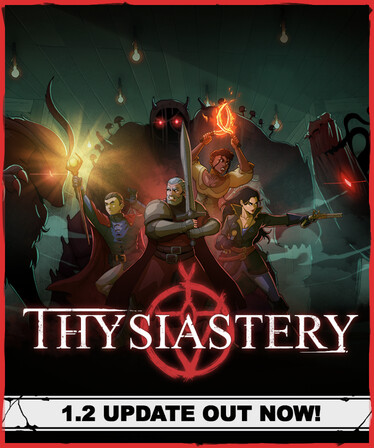
THYSIASTERY
THYSIASTERY is a dungeon crawler RPG featuring traditional roguelike and turn-based gameplay. Command a party of bearers of the Brand, drawn into a vast Labyrinth. Recruit while exploring the Labyrinth in hope of finding a way out, and its secrets will be revealed as you delve deeper.
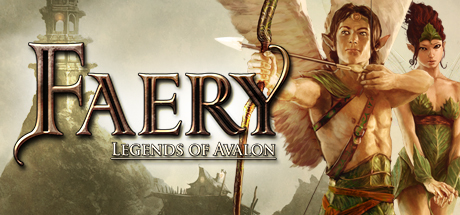
Faery - Legends of Avalon
Faery: Legends of Avalon is a big role playing game packed with a very distinctive ambience and graphic style. Create your character, embark in a great adventure and discover the fantastic world of Avalon!
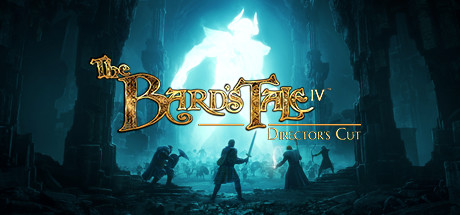
The Bard's Tale IV: Director's Cut
The Bard's Tale IV: Director's Cut is the triumphant return of one of the most iconic RPG series of all-time. Delve into a tactically rich combat system that rewards creativity, solve puzzles to gain treasure and advantages, and discover a beautifully crafted world.

The World is Your Weapon
Wells, pitfalls, houses, villagers, monsters (!?), anything around you can be a weapon! An action RPG that you've never seen before, you can fight with all the objects you see in the game. There are more than 300 kinds of weapons.Aim to complete the weapon gallery!
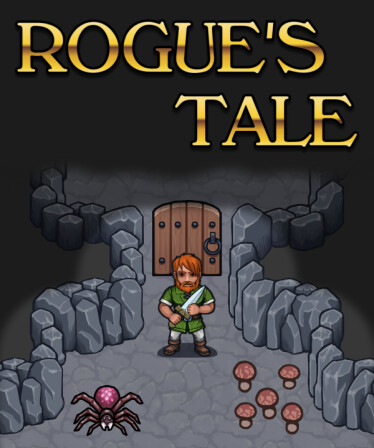
Rogue's Tale
Rogue's Tale is a single player turn-based dungeon crawling game.
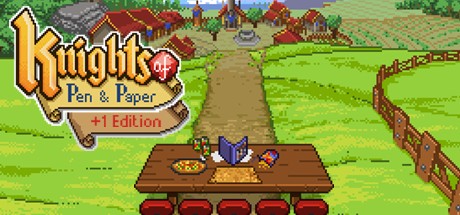
Knights of Pen and Paper +1 Edition
Set out on a grand adventure in this turn-based, retro style, pixel-art RPG, inspired by the great titles of the 90's. Take on the roles of in-game players taking on the roles of their characters in a traditional pen and paper RPG session in the ultimate meta roleplaying experience.
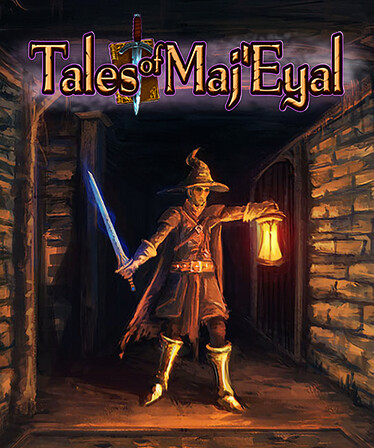
Tales of Maj'Eyal
Tales of Maj’Eyal is a roguelike RPG, featuring tactical turn-based combat and advanced character building. Play as one of many unique races and classes in the lore-filled world of Eyal, exploring random dungeons, facing challenging battles, and developing characters with your own tailored mix of abilities and powers.
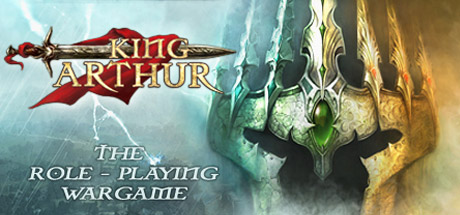
King Arthur - The Role-playing Wargame
Welcome to the lost age of chivalry, where magic and myth is alive, and you are destined to be one of the living legends: Arthur, the son of Uther Pendragon, the Once and Future King of the prophecies. Fulfill your destiny and claim your rightful place on the throne of Britannia.

Guild of Dungeoneering Ultimate Edition
Now fully rebuilt and remastered, Guild of Dungeoneering Ultimate Edition is a turn-based dungeon crawler with a twist: instead of controlling the hero you build the dungeon around them.

Child of Light
Aurora, a young girl from 1895 Austria, awakens on the lost fairytale continent of Lemuria. To return home she must fight against the dark creatures of the Queen of the Night, who have stolen the sun, the moon and the stars. At stake is not only Lemuria, but Aurora’s true destiny.
Frequently Asked Questions
Desktop Dungeons is currently priced at 13.99€ on Steam.
No, Desktop Dungeons is currently not on sale. You can purchase it for 13.99€ on Steam.
Yes, Desktop Dungeons received 998 positive votes out of a total of 1,134 achieving a rating of 8.34.
😎
Desktop Dungeons was developed and published by QCF Design.
Yes, Desktop Dungeons is playable and fully supported on Windows.
Yes, Desktop Dungeons is playable and fully supported on MacOS.
Yes, Desktop Dungeons is playable and fully supported on Linux.
Yes, Desktop Dungeons is playable on Steam Deck, though it might require a few minor tweaks. Make sure to check the Steam store page and community feedback on ProtonDB for exact compatibility details.
Yes, Desktop Dungeons is playable on Steam Machine, though it might require a few minor tweaks. Make sure to check the Steam store page and community feedback on ProtonDB for exact compatibility details.
No, Desktop Dungeons does not support VR.
Desktop Dungeons is a single-player game.
Yes, there are 2 DLCs available for Desktop Dungeons. Explore additional content available for Desktop Dungeons on Steam.
No, Desktop Dungeons does not support mods via Steam Workshop.
No, Desktop Dungeons does not support Steam Remote Play.
Yes, Desktop Dungeons is enabled for Steam Family Sharing. This means you can share the game with authorized users from your Steam Library, allowing them to play it on their own accounts. For more details on how the feature works, you can read the original Steam Family Sharing announcement or visit the Steam Family Sharing user guide and FAQ page.
You can find solutions or submit a support ticket by visiting the Steam Support page for Desktop Dungeons.
Data sources
The information presented on this page is sourced from reliable APIs to ensure accuracy and relevance. We utilize the Steam API to gather data on game details, including titles, descriptions, prices, and user reviews. This allows us to provide you with the most up-to-date information directly from the Steam platform.
Additionally, we incorporate data from the SteamSpy API, which offers insights into game sales and player statistics. This helps us present a comprehensive view of each game's popularity and performance within the gaming community.
Last Updates| Steam data | 23 September 2026 20:33 UTC |
|---|---|
| SteamSpy data | 14 October 2026 00:17 UTC |
| Steam price | 26 October 2026 20:02 UTC |
| Steam reviews | 21 October 2026 07:46 UTC |
If you'd like to dive deeper into the details about Desktop Dungeons, we invite you to check out a few dedicated websites that offer extensive information and insights. These platforms provide valuable data, analysis, and user-generated reports to enhance your understanding of the game and its performance.
- SteamDB - A comprehensive database of everything on Steam about Desktop Dungeons
- SteamCharts - Analysis of Desktop Dungeons concurrent players on Steam
- ProtonDB - Crowdsourced reports on Linux and Steam Deck Desktop Dungeons compatibility

Game modes
Features
Online players
11
Developer
QCF Design
Publisher
QCF Design
Release
18 Apr 2023
Platforms
Clicking and buying through these links helps us earn a commission to maintain our services.