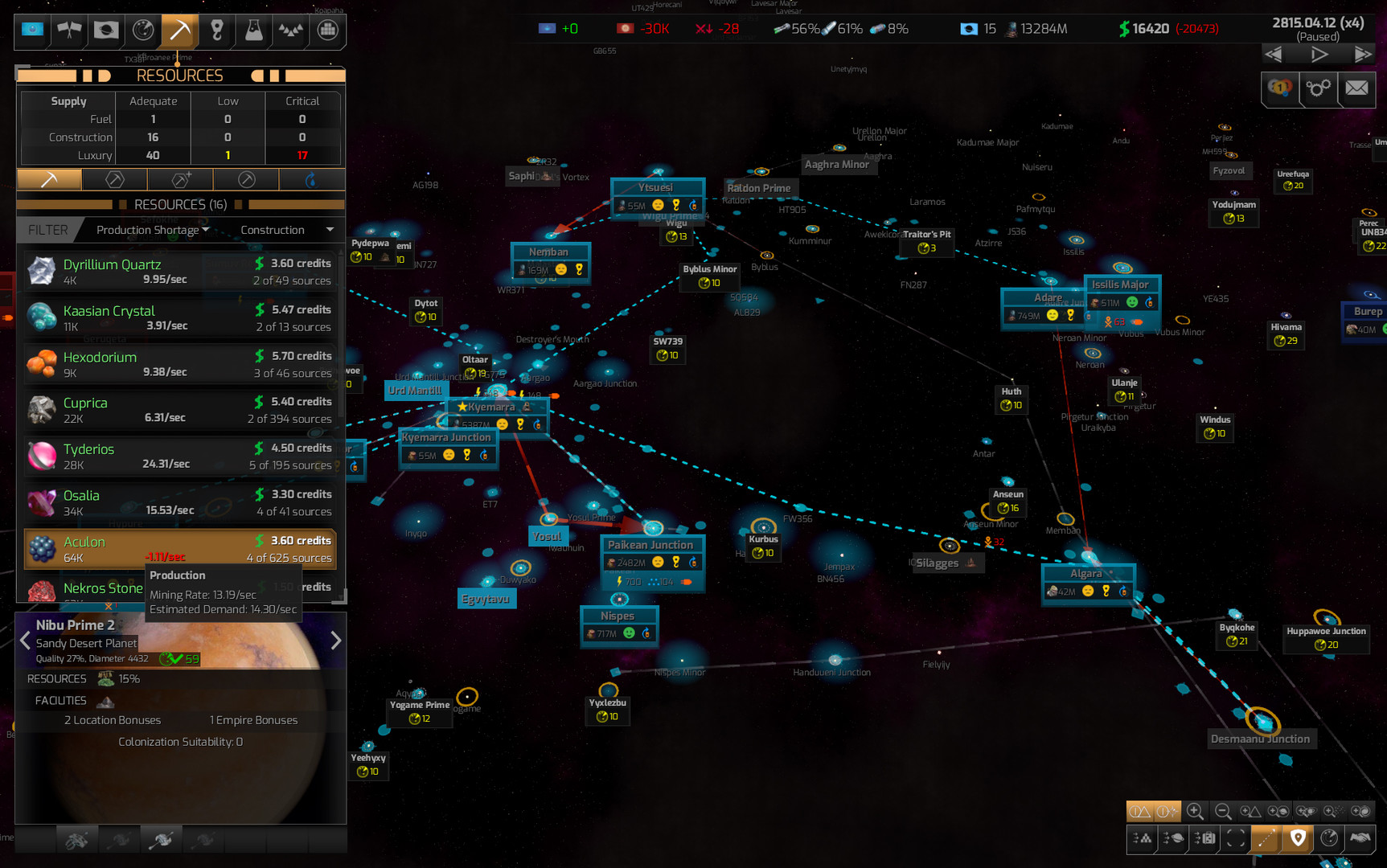
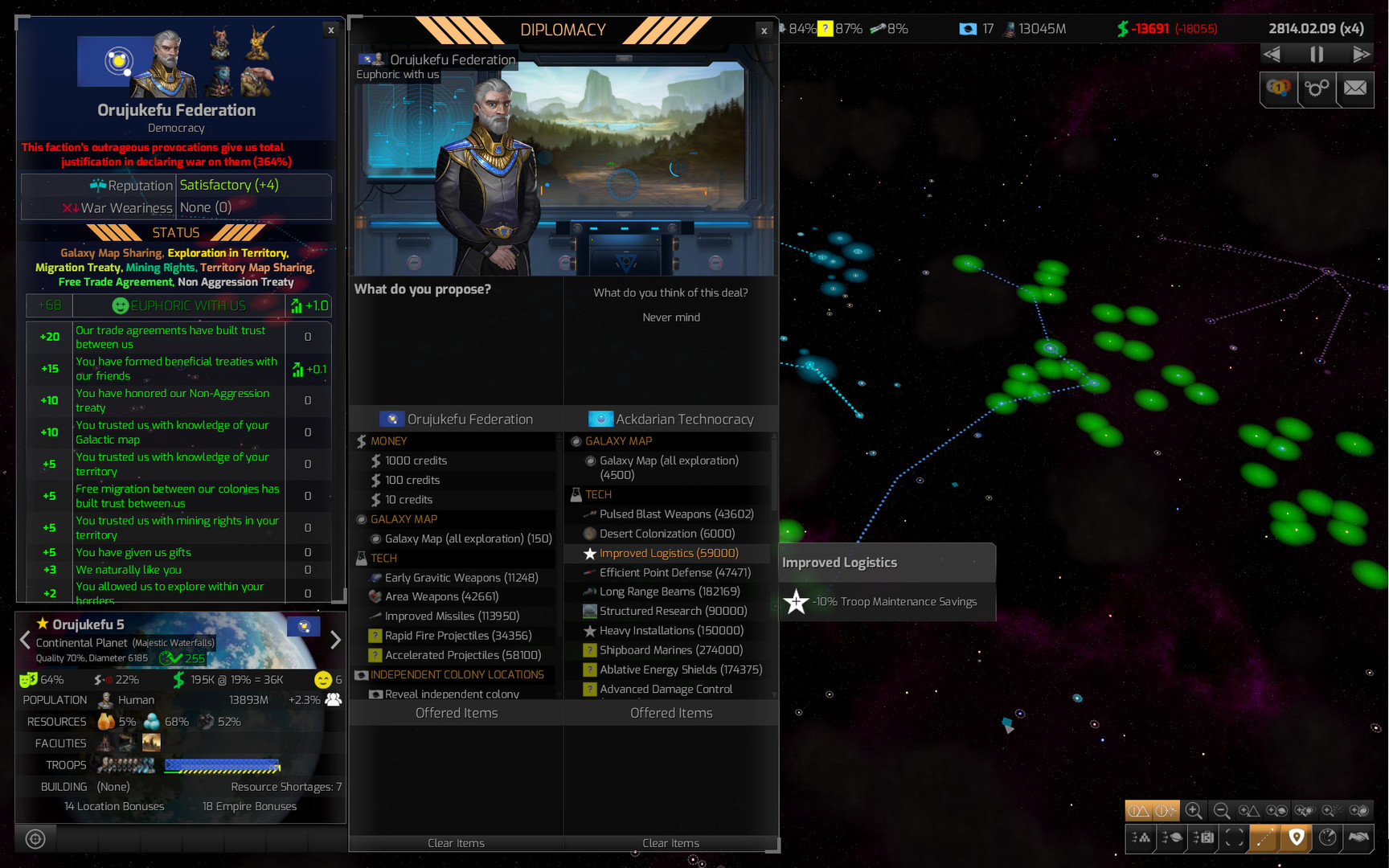
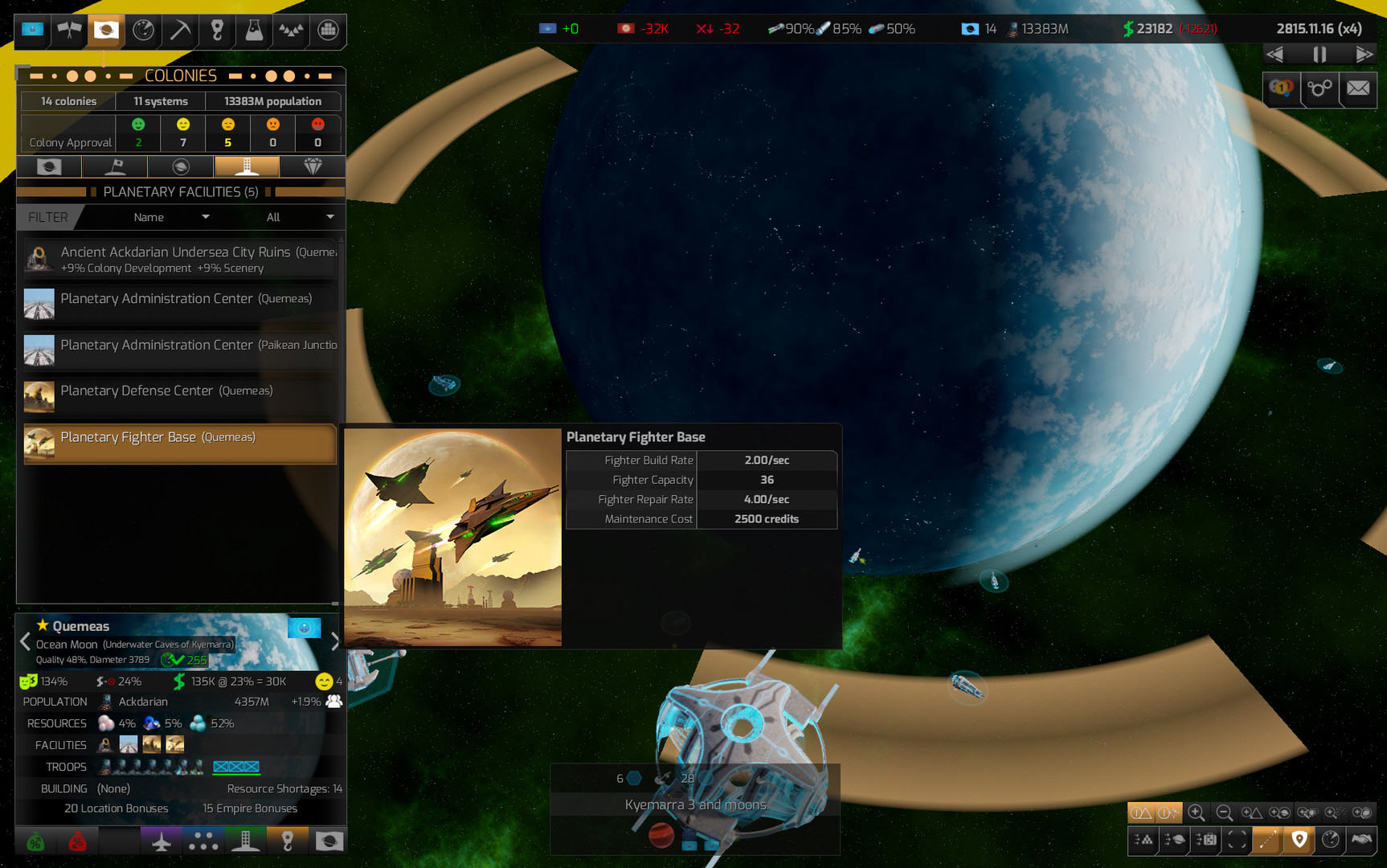
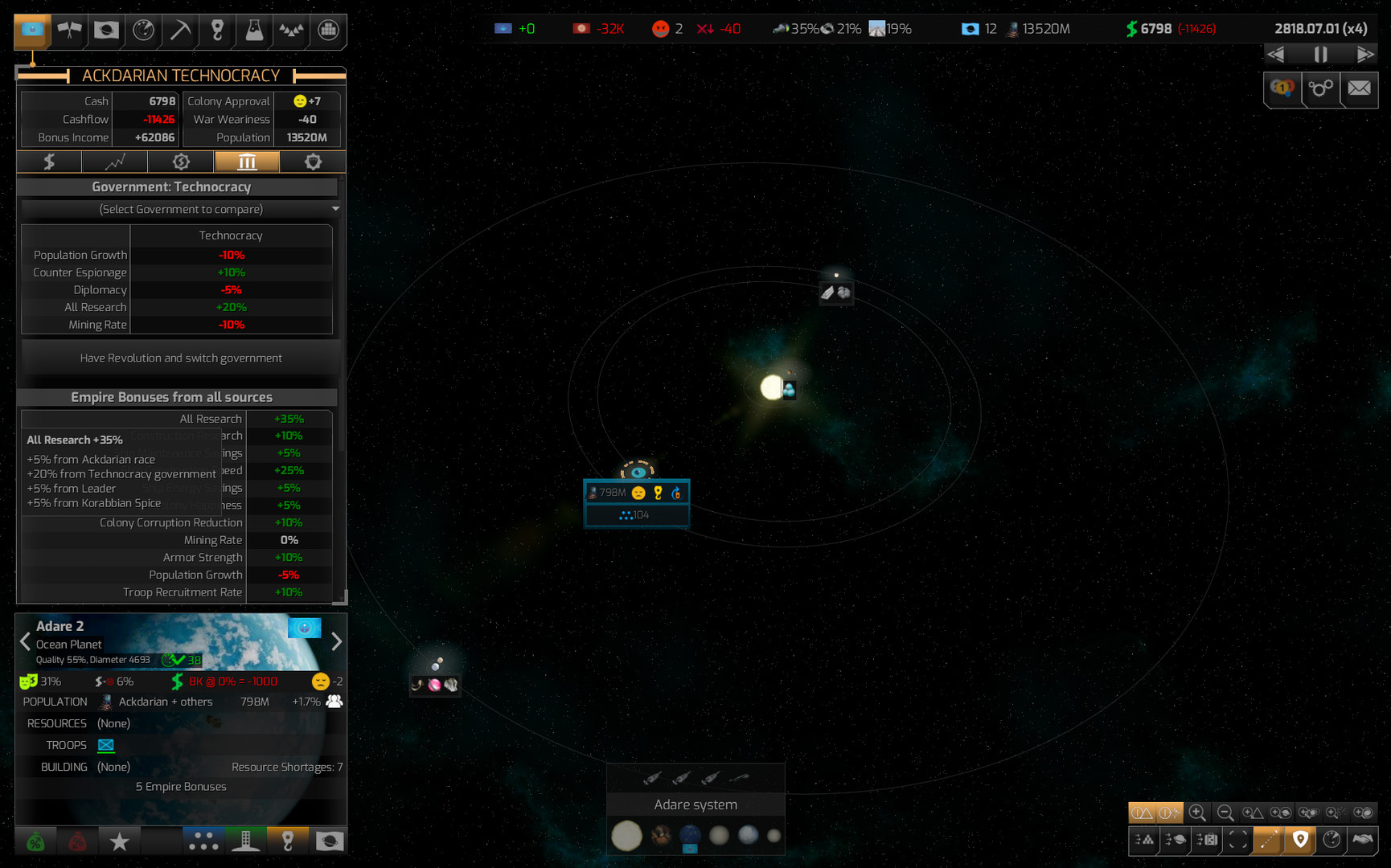
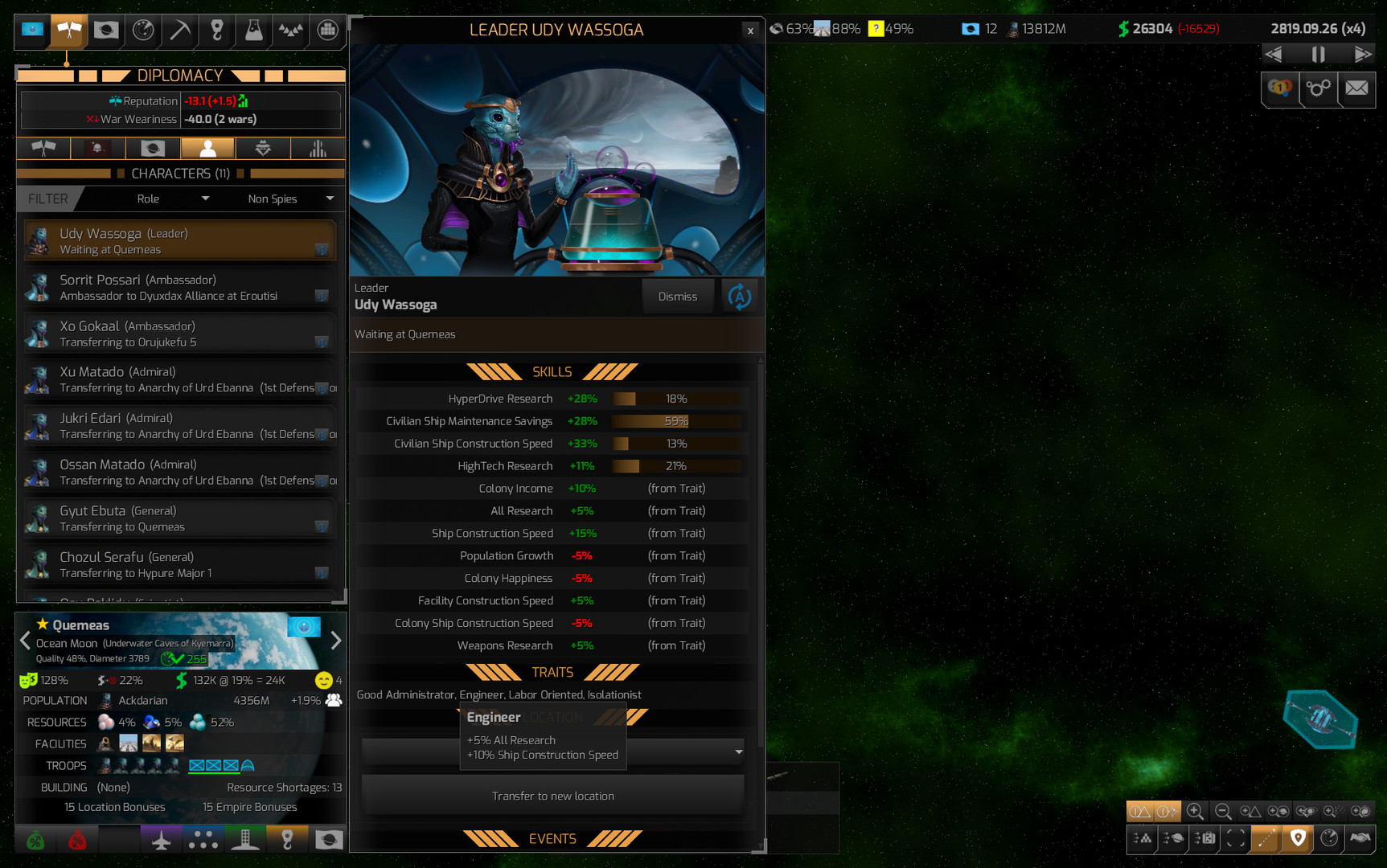
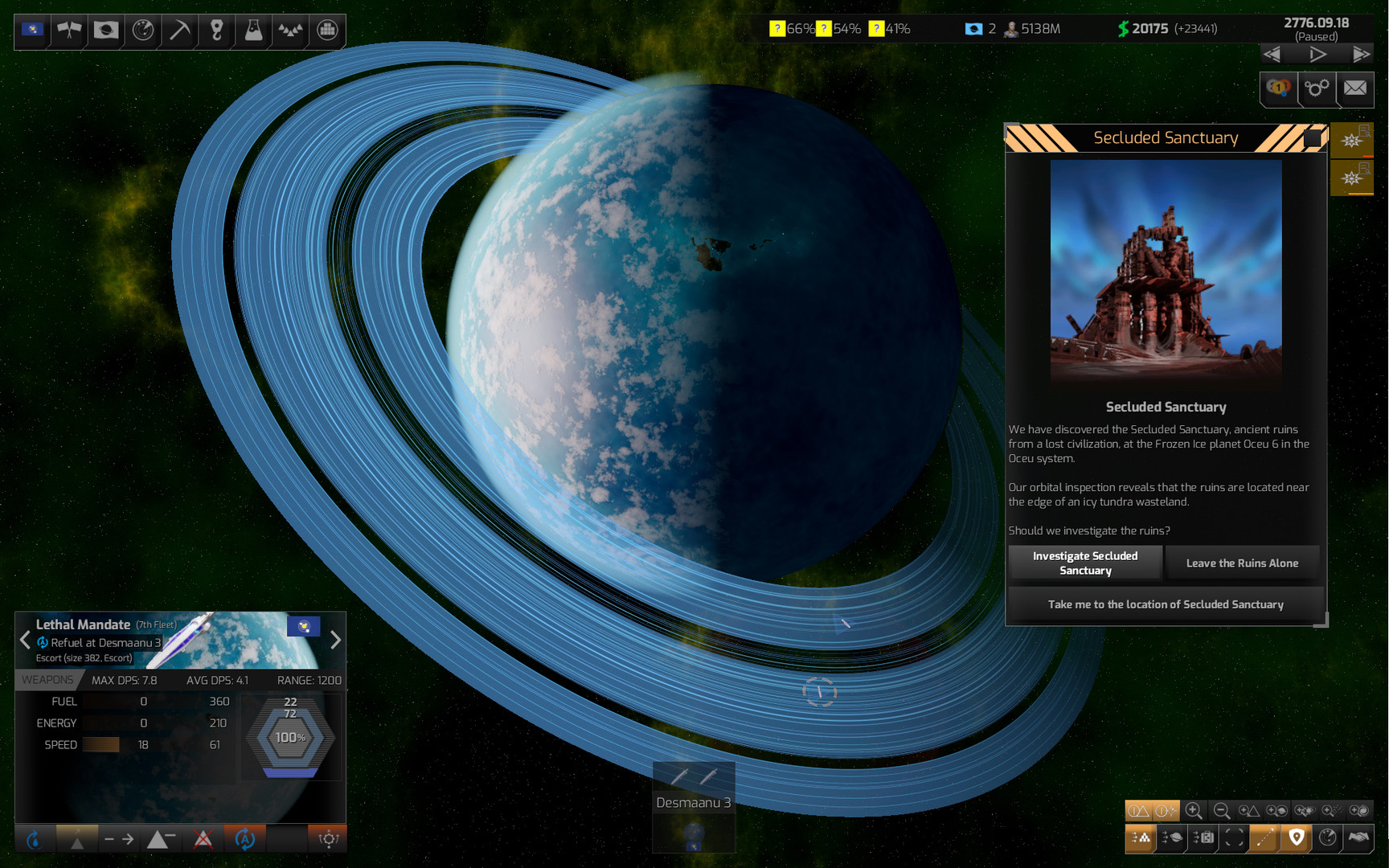
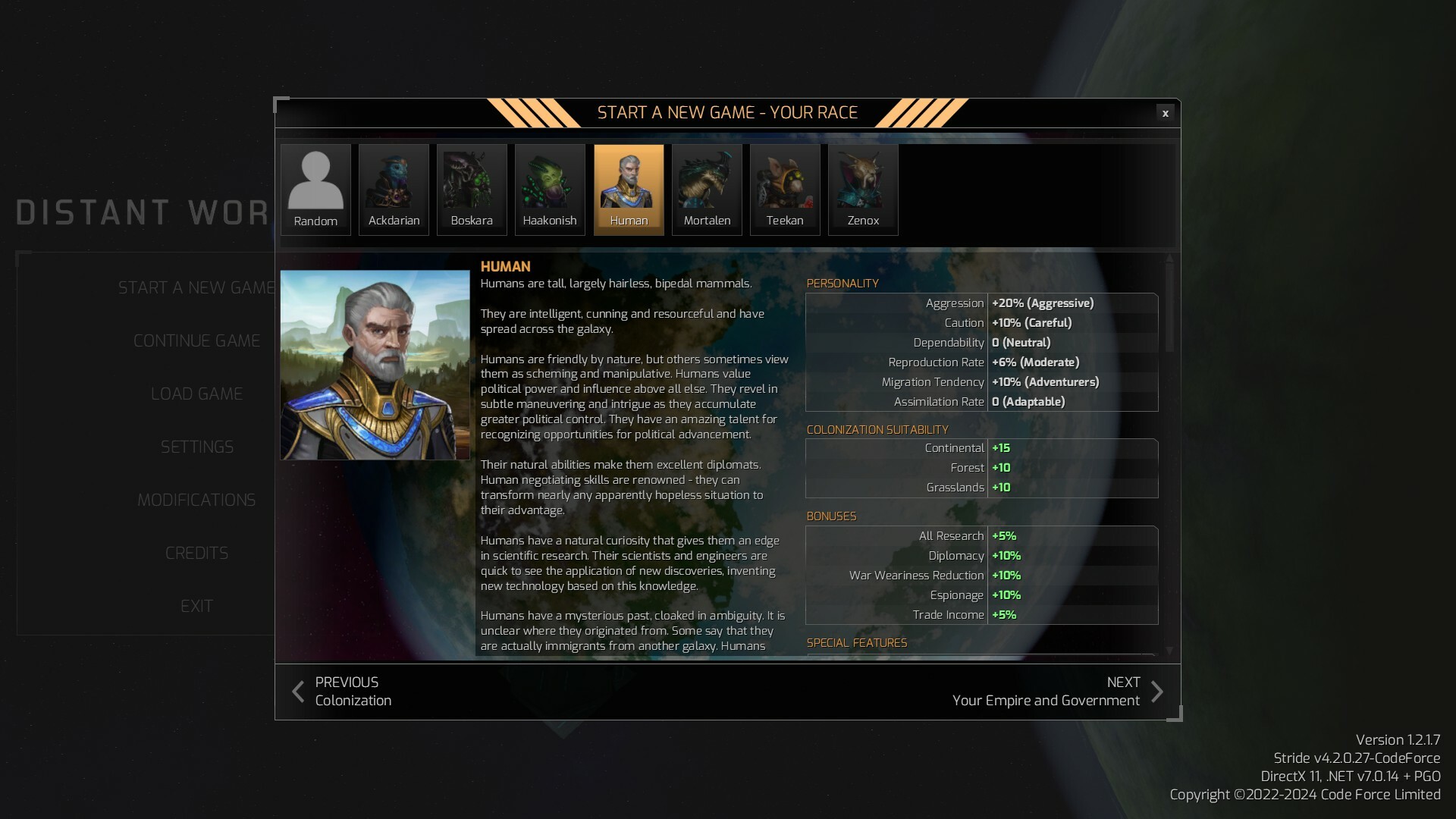
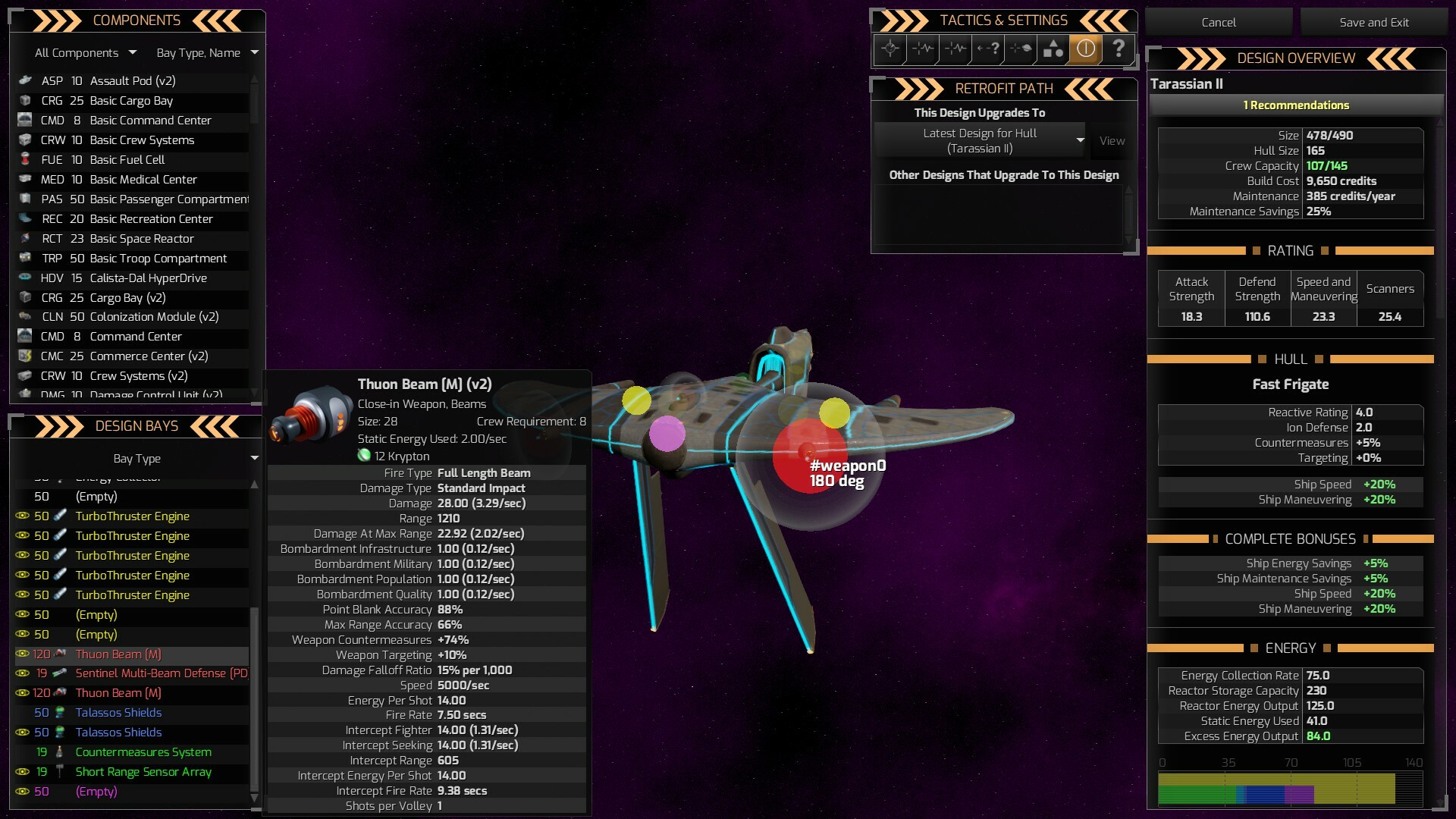
Distant Worlds 2 is a 4X space opera at a grand scale, and it mostly lives up to that promise. It’s a game for those who love their empire-building, invasion tactics, and sometimes morally ambiguous extremes. It doesn’t shy from epic political maneuvers, planetary domination, or the cost of power. What’s Cool and Very Strong in the Game • Massive Scope + Customizability The scale is immense. You can run empires with hundreds of planets, set galaxy size, nebula density, independent colonies, adjust colonization settings — lots of levers for players who like fine control over the sandbox.  If micromanagement isn’t your jam, a robust automation system lets you delegate things (ship design, research, colonial management), so you can focus on big-picture strategy.  • Ground Combat & Invasions When you invade a planet, there are multiple phases: orbit, bombardment, ground troops. Planetary defenses, population, and facility strength matter. High-population, well-developed colonies get defensive bonuses.  You can blockade, destroy orbital defenses, and then send in troops. Bombardment can soften things up but has consequences (damage to facilities, population, etc.).  • Extreme Colony Policies One of the darker edges: you can enforce colony population policies like extermination of a species. Yes — in some cases, “exterminate” is an option. This is not just flavour; it has in-game mechanics: population removal, potential backlash, rebellion, unrest. It’s meant to be an extreme policy, not something you take lightly.  • Factions and Unique Modifiers The DLCs (e.g. Quameno, Gizureans) give you very distinct playstyles. Gizureans do well in ground combat, excel at boarding, can choose “breeding worlds” via extermination policy to boost growth, etc.  Government types, leader traits, and special events further shape how different empires feel — militaristic, research-focused, hive-minded, etc.  • Morality, Consequences, Unrest Policies like enslaving or exterminating races carry real costs. Colonies can rebel if they feel oppressed. Unrest, population dissatisfaction, etc. It’s not a simple “use your power, no consequences” game.  • A Rich (if imperfect) Late Game As empires grow, complexity increases: more colonies to think of; thousands of ships; increasing logistical and defensive concerns. You can automate more, but the burden still rises. The sense of “this is now my galactic machine” is powerful.  What Could Be Better: • Performance Issues The endgame can be rough. With huge numbers of colonies and ships, things can stutter, freeze, or even crash. Visuals sometimes degrade into slide-shows.  Notification overload becomes real — the flood of messages, alerts, etc., especially in mid-to-late game, can become overwhelming.  • AI / Challenge Scaling Once you’re well into the game, some players feel that the AI becomes less of a threat, or that victory feels inevitable but tedious to claim.  • Repetitiveness / Lack of Dramatic Flair Some mechanics — logistics, economics (especially the civilian/private economy) — feel like scaffolding rather than living, breathing systems. Some decisions feel like set-and-forget once optimised, rather than ones that keep evolving. The emotional or narrative stakes could be higher.  Advice / Suggestions for the Developer Because Distant Worlds 2 already has so much, the following might push it from excellent to legendary. 1. Flesh Out a Monarchy / Dynastic system The game’s governmental types are already interesting, but imagine adding a fully realised monarchy/dynasty system: heirs, succession crises, rival claimants, nobles with ambitions, court intrigue. For instance: nobility who control regions/colonies/powerful posts; loyalty vs betrayal; legitimacy that can be challenged; exiling rivals; political marriages (if you have multiple species or factions, maybe alliances via marriages). Such systems could add rich strategic and dramatic consequences: what if your heir is weak? What if nobles conspire to overthrow you? What if different planets favour different claimants? This adds tension beyond fleet strength or tech advantage. 2. More NPCs with Backgrounds,Motivations, Personalities Right now, leaders, spies, generals etc. have traits, but more could be done to make them characters in their own right. • Give major NPCs backstories that influence their behaviour: e.g. a general who once lost his home planet, who is more aggressive; an admiral who detests exterminate policy; a governor who seeks independence. • Make motivations dynamic: perhaps an NPC wants promotion, or fears rivals, or desires glory. Their goals could sometimes conflict with the player’s or with each other. • Personality influences decisions, relationships, events. For example, some characters might sabotage certain policies (e.g. forced migration, genocide) or complain, or try to persuade the empire toward more benign or more brutal directions. • Rivalries, alliances, betrayals among NPCs could generate emergent drama: plot-lines that emerge organically rather than being purely scripted. 3. Improve Narrative and Dramatic Stakes The game is strong in mechanics, but the narrative or emotional weight of big policies (especially harmful ones, like extermination) could be heightened. For instance, events or reactions that reflect moral cost, long-term consequences beyond immediate unrest — maybe diplomatic penalties, internal dissent, even rebellions triggered by NPCs moral choices. 4. Better Late Game Flow / Endgame Climax Since the late game tends to become more of a grind (for many players), adding mechanics that build toward a climax might help: perhaps ancient threats, rebellions, or narrative arcs triggered when an empire becomes too big, or when extermination policies become widespread. Maybe rivals band together. Or internal political crises that force choices. 5. Polish QoL and Performance Further optimization so that even at very large scale things remain smooth. More filtering of UI feedback, better notification management. Maybe better scaling of AI threat so the challenge remains meaningful. Verdict In sum: Distant Worlds 2 is a bold, ambitious game. It does many things right — sweeping empire-scale strategy; invasive ground combat with consequences; the ability to choose morally extreme policies; a richly varied set of factions and gameplay styles. For players who enjoy the darkness of power and all its consequences, the game delivers. But it also teeters on the edge of being overwhelming in the late game, and sometimes emotion and story arc take a backseat to numbers and logistics. With more character, more political drama, more internal tension (monarchy squabbles, personality clashes), it could become not just a great strategy sandbox, but one of the most compelling sci-fi epics in the genre. If you asked me: for anyone who loves 4X, this is a must-try. And to the developers: lean in heavily on the dynastic, the dramatic, the moral weight. The contrast between being a ruthless emperor and being a ruler with honour (or at least reputation) could give Distant Worlds 2 that extra spark.
Expand the review