
Hatsuyuki Sakura
"Hatsuyuki Sakura" is one of the most popular works by SAGA PLANETS, a popular Japanese developer for visual novels. Experience Hatsuyuki Sakura for the first time in 1080p! This version includes the English, Simplified Chinese, Traditional Chinese, and Japanese versions.
Sync your Steam wishlist to find the lowest game prices instantly. No login required, just paste your Steam profile URL!
⚡ Try Wishlist Radar!
Sync your Steam wishlist to find the lowest game prices instantly. No login required!
⚡ Try Wishlist Radar!
Close

First Date : Late To Date on Steam
Quick menu
FIRSTDATE: LATE TO DATE is a romantic-comedy interactive cinematic (FMV) game in which the audience determines the progress of the movie with the options that appear every minute.
First Date : Late To Date is a adventure, casual and interactive fiction game
developed by Digital Fossil and Eyexapp Play
and published by Digital Fossil.
Released on August 19th 2022 is available only on Windows.
It has received 844 reviews of which 694 were positive and 150 were negative resulting in a rating of 7.8 out of 10. 😊
The game is currently priced at 2.99€ on Steam.
The Steam community has classified First Date : Late To Date into these genres:
Media & Screenshots
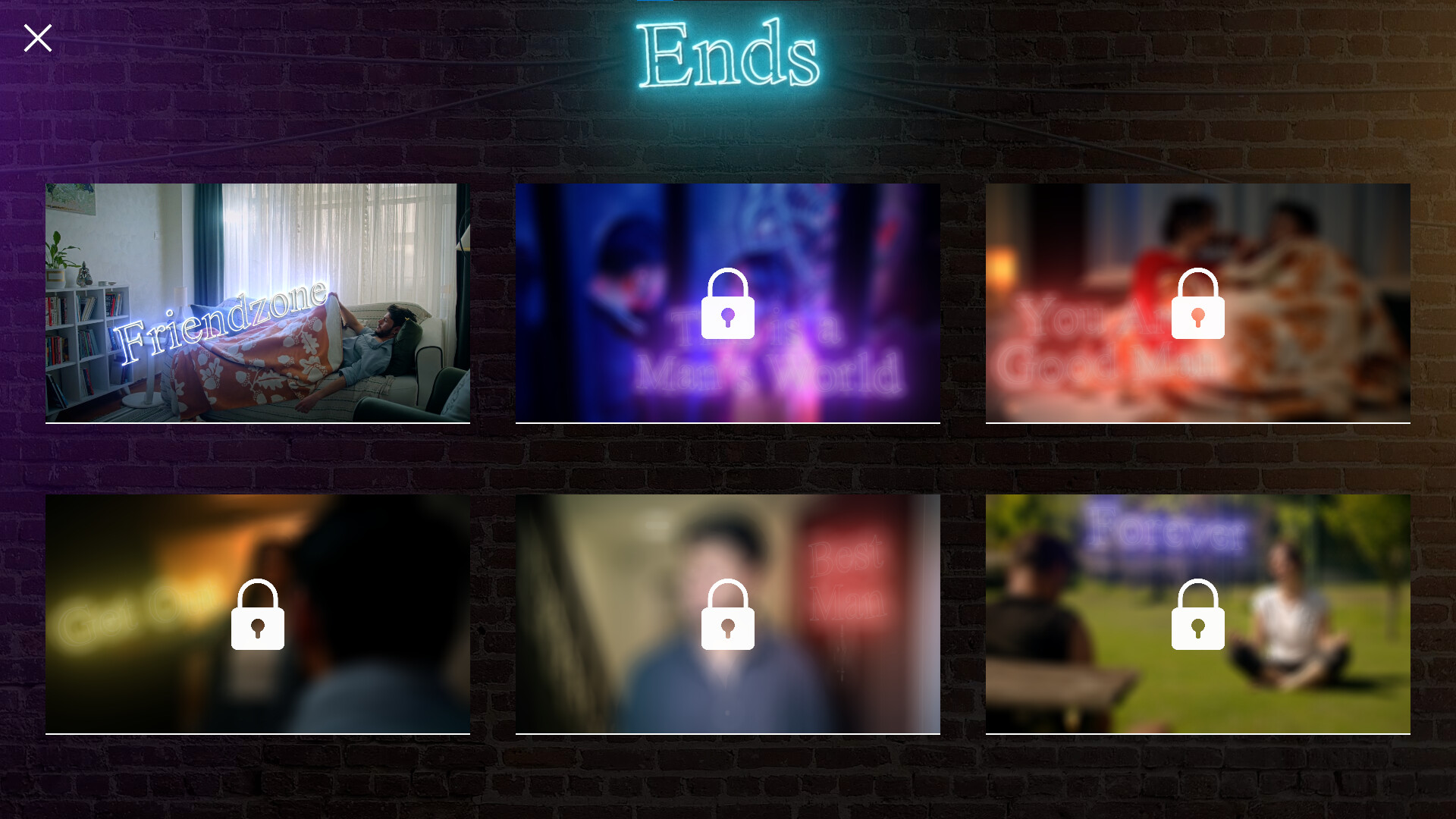
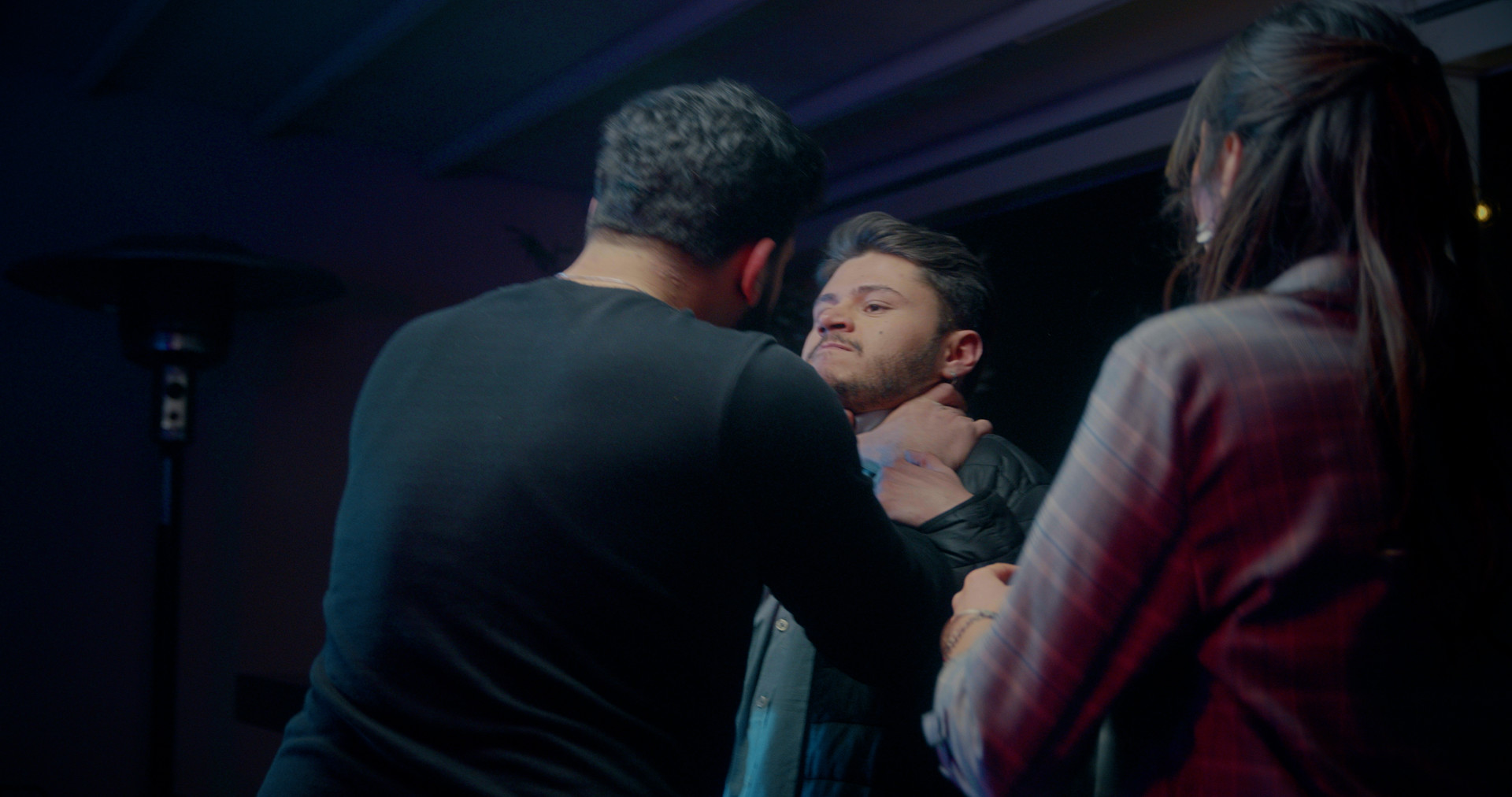
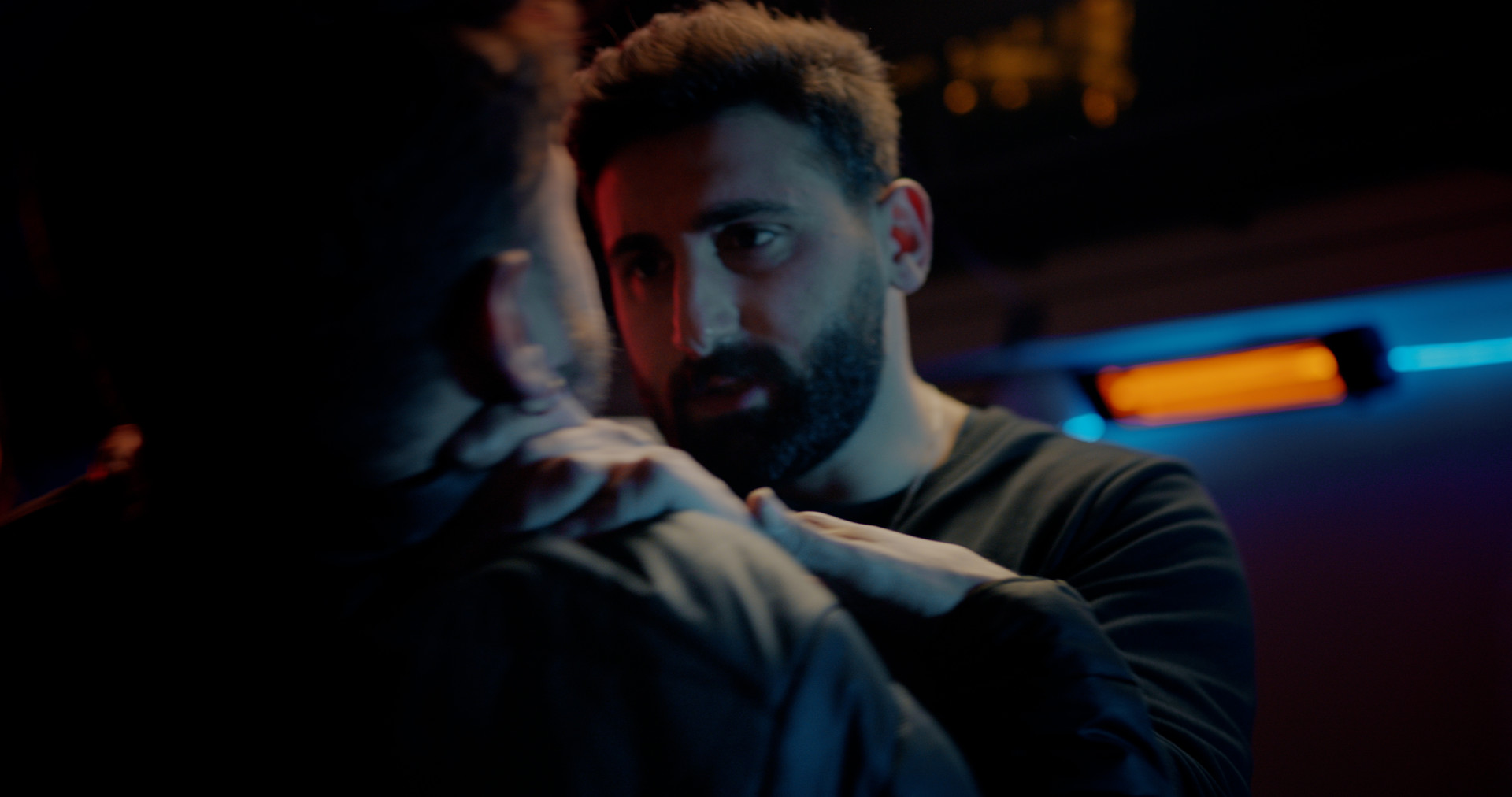
Get an in-depth look at First Date : Late To Date through various videos and screenshots.




Load More


System requirements
These are the minimum specifications needed to play the game. For the best experience, we recommend that you verify them.
Windows
- OS *: Windows 8, 10, 11
- Processor: 1.8 GHz
- Memory: 4 GB RAM
- Graphics: HD Graphics 4000 or better
- Storage: 6 GB available space
Steam Price & Best Deals
User reviews & Ratings
Explore reviews from Steam users sharing their experiences and what they love about the game.
The game is really nice, I enjoyed opening all endings, the skip option allows it to be fast. Sadly translation into english here is automatic, the idea of dialog is still understood....but its bad xD Although the game is so cute and the actors are so nice that I still want to give it a positive feedback. The game is so short tho to play it once, its aimed that you replay it a few times.
First Date: Late To Date, developed by Digital Fossil and Eyexapp Play and published by Digital Fossil, is an interactive romantic comedy that leans heavily into the charm of its full-motion video presentation. It puts players in the middle of an awkward yet relatable scenario—being late for a first date—and allows them to shape how that date unfolds through a series of timed choices. The premise is simple, but the execution turns it into a surprisingly engaging little experiment in decision-making and consequence. Presented more like an interactive film than a conventional video game, it thrives on its humor, personality, and the universal anxiety that comes from trying to make a good first impression when everything seems to go wrong. The structure of the game is refreshingly straightforward. Each scene plays out in live-action, with actors performing fully filmed sequences rather than animated characters. Every minute or so, the game pauses to offer the player a choice—sometimes moral, sometimes comedic, and sometimes downright absurd. These decisions branch into multiple outcomes, leading to one of several endings depending on how you handle the increasingly chaotic situation. The story revolves around Erdem, who’s late to meet Derya, his date, and must navigate a gauntlet of misunderstandings, mishaps, and emotional landmines to keep the evening from spiraling out of control. The pacing is brisk, and the entire experience can be completed in under an hour, though replaying to uncover all the endings adds plenty of incentive to return. From a technical and artistic standpoint, First Date: Late To Date succeeds in what it sets out to do. The use of full-motion video gives the story an immediacy that traditional animation or text-based visual novels can’t replicate. The real-world environments, natural lighting, and authentic performances make it feel more like an indie film with branching choices than a typical interactive game. The cinematography is simple but effective—shots are well-framed, and editing keeps the story flowing without overstaying its welcome. The performances are intentionally exaggerated, amplifying the awkward humor that defines the tone. Both leads deliver their lines with a mixture of charm and self-awareness, keeping the mood light even when the situation becomes ridiculous. The production quality won’t rival big-budget FMV games, but it has a sincerity and intimacy that make it easy to enjoy. The heart of the experience lies in its branching structure. Each decision you make slightly alters the direction of the narrative, creating a sense of personal involvement in how the story unfolds. Some choices lead to surprisingly heartwarming moments, while others descend into comedic disasters. The game boasts over a dozen possible endings, including multiple “elimination” outcomes where the date goes so poorly that it ends abruptly. These outcomes encourage experimentation; players are likely to replay the game multiple times just to see how differently each scenario can unfold. The short runtime of each playthrough makes this process enjoyable rather than tedious. It’s the kind of game where failure is just as entertaining as success, and part of the fun lies in watching how wrong things can go. Where First Date: Late To Date stumbles is in its limited interactivity and occasional uneven writing. The choice-based gameplay, while accessible, offers little challenge or complexity—there are no puzzles to solve or systems to master. Once you understand the basic rhythm of choice-making, the only real variable is curiosity. Some dialogue exchanges feel stiff or awkward, and a few jokes land flat, likely due to translation or cultural context. That said, these imperfections can also add to the game’s quirky charm. The slightly amateurish feel gives it an indie authenticity that fits its tone perfectly—it’s not trying to be a polished Hollywood production but rather a fun, low-stakes experience meant to make you smile. Despite its simplicity, the game’s design shows care and intention. The user interface is clean and unobtrusive, ensuring that the player’s focus remains on the unfolding story. The music complements the romantic and comedic moments nicely, with a light, playful score that enhances the mood without overpowering it. Technical performance is smooth, and the game runs well even on modest hardware. It’s clear that Digital Fossil aimed to make something accessible to a broad audience, from casual gamers to those who simply enjoy interactive storytelling. The inclusion of multiple language options also makes it appealing to an international audience, broadening its reach beyond the usual niche for FMV titles. Ultimately, First Date: Late To Date is a short, charming experience that knows exactly what it wants to be. It’s not a game for those seeking deep mechanics or complex storytelling, but rather a playful experiment in interactivity and humor. Its appeal lies in its relatability—the nervousness of a first date, the comedy of small mistakes, and the unpredictability of human interaction. The replayability of its branching paths ensures that even after seeing one ending, there’s always another variation worth exploring. It’s a small game with modest ambitions, but within its limited scope, it delivers a satisfying and enjoyable experience. For players looking for a lighthearted and unconventional interactive story, First Date: Late To Date is a fun and surprisingly endearing way to spend an evening. Rating: 8/10
Uhmm, it's made with love but it's loose. The story lasts about 20', you can skip the scenes viewed and the English subtitles are a little bad. Achievements don't jump until you leave the game. It hasn't been a bad experience, they act well and the endings are good but it doesn't have much content.
Similar games
View all

Doctor Who: The Lonely Assassins
Uncover the dark secrets of Wester Drumlins and confront a new evil in a thrilling found-phone mystery from the award-winning creators of Sara Is Missing and SIMULACRA.

Vampires' Melody
3 centuries have passed after sleeping for one night!? On a rainy night filled with thunderstorms, a young chef Raylan encountered a mysterious girl who resembled Sleeping Beauty in a huge tree hole, but everything suddenly went black before he could find out what happened...

Hua Manlou
Infiltrate the enemy capital, using the entertainment venue "Hua Man Lou" as a cover, and secretly train six talented and beautiful women as spies to carry out reconnaissance and assassinations. Advance the plot through skill development, and unlock three endings through love, hate, and revenge.

Rewrite+
In this city built upon the ideal coexistence of civilization and the environment, Tennouji Kotarou spends his days with his friends, Kanbe Kotori and Yoshino Haruhiko. In this peaceful city, a tumultuous event shakes the foundations of Kazamatsuri once a year.

LOOPERS
Tyler is a high schooler on a mission. He's going to use every minute of summer vacation to go on as many GPS-assisted scavenger hunts as possible. After running into some old friends during one of these hunts, strange things start happening: The day resets and today plays out exactly like yesterday

[Chilla's Art] The Radio Station | 深夜放送
The Radio Station | 深夜放送 is a Japanese psychological horror game.

Mr Right Simulator
A youth to his student era,, 、awakening a Temporal Love System. With wingman Tong Jincheng, he navigates campus innocence and corporate battles using future intel. Bonds with 7 girls across timelines—witness you from bike to AMG. Can spacetime's equation balance love and ambition?

AIR
Summer stretches on endlessly. Beneath the vast blue sky. Beneath the air in which she awaits— AIR, the second game released by visual novel studio Key, is now available on Steam! Now featuring the side story novel, "First Sky Chapter" and full voice support!

Hamidashi Creative
Tomohiro Izumi, recognized by himself and those around him as an introvert, is spending another quiet day in his little corner of his classroom… or so he thought.

Drive Me Crazy
"Drive me crazy" is a game inspired by the urban legend "Yua Mikami's wedding and retirement event." You play as her fiancé, qiangzi, in this interactive adventure. During the game, you will be asked one question: "With Yua Mikami by your side, would you still have a change of heart?"

Making*Lovers
Making*Lovers A story about the way love can bloom after dating begins. The focus in Making*Lovers is on the things that come after a relationship's beginning. With "start dating, then fall in love" as the concept, you will work towards the moment when love truly blooms.
Frequently Asked Questions
First Date : Late To Date is currently priced at 2.99€ on Steam.
No, First Date : Late To Date is currently not on sale. You can purchase it for 2.99€ on Steam.
Yes, First Date : Late To Date received 694 positive votes out of a total of 844 achieving a rating of 7.80.
😊
First Date : Late To Date was developed by Digital Fossil and Eyexapp Play and published by Digital Fossil.
Yes, First Date : Late To Date is playable and fully supported on Windows.
No, First Date : Late To Date is not playable on MacOS.
No, First Date : Late To Date is not playable on Linux.
This information about First Date : Late To Date is not available yet.
This information about First Date : Late To Date is not available yet.
No, First Date : Late To Date does not support VR.
First Date : Late To Date is a single-player game.
No, First Date : Late To Date does not currently offer any DLC.
No, First Date : Late To Date does not support mods via Steam Workshop.
No, First Date : Late To Date does not support Steam Remote Play.
Yes, First Date : Late To Date is enabled for Steam Family Sharing. This means you can share the game with authorized users from your Steam Library, allowing them to play it on their own accounts. For more details on how the feature works, you can read the original Steam Family Sharing announcement or visit the Steam Family Sharing user guide and FAQ page.
You can find solutions or submit a support ticket by visiting the Steam Support page for First Date : Late To Date.
Data sources
The information presented on this page is sourced from reliable APIs to ensure accuracy and relevance. We utilize the Steam API to gather data on game details, including titles, descriptions, prices, and user reviews. This allows us to provide you with the most up-to-date information directly from the Steam platform.
Additionally, we incorporate data from the SteamSpy API, which offers insights into game sales and player statistics. This helps us present a comprehensive view of each game's popularity and performance within the gaming community.
Last Updates| Steam data | 30 September 2026 14:03 UTC |
|---|---|
| SteamSpy data | 15 October 2026 13:32 UTC |
| Steam price | 27 October 2026 14:38 UTC |
| Steam reviews | 19 October 2026 16:00 UTC |
If you'd like to dive deeper into the details about First Date : Late To Date, we invite you to check out a few dedicated websites that offer extensive information and insights. These platforms provide valuable data, analysis, and user-generated reports to enhance your understanding of the game and its performance.
- SteamDB - A comprehensive database of everything on Steam about First Date : Late To Date
- SteamCharts - Analysis of First Date : Late To Date concurrent players on Steam
- ProtonDB - Crowdsourced reports on Linux and Steam Deck First Date : Late To Date compatibility

Game modes
Features
Online players
0
Developer
Digital Fossil,
Eyexapp Play
Publisher
Digital Fossil
Release
19 Aug 2022
Platforms