


Chicken Feet
Chicken Feet is a first person survival-stealth horror game about a giant, angry chicken. Descend into the depths of GOOBER laboratories and uncover the horrors that lie beneath the lab's shiny façade.
Sync your Steam wishlist to find the lowest game prices instantly. No login required, just paste your Steam profile URL!
⚡ Try Wishlist Radar!
Sync your Steam wishlist to find the lowest game prices instantly. No login required!
⚡ Try Wishlist Radar!
Close

House of Lizards on Steam
Quick menu
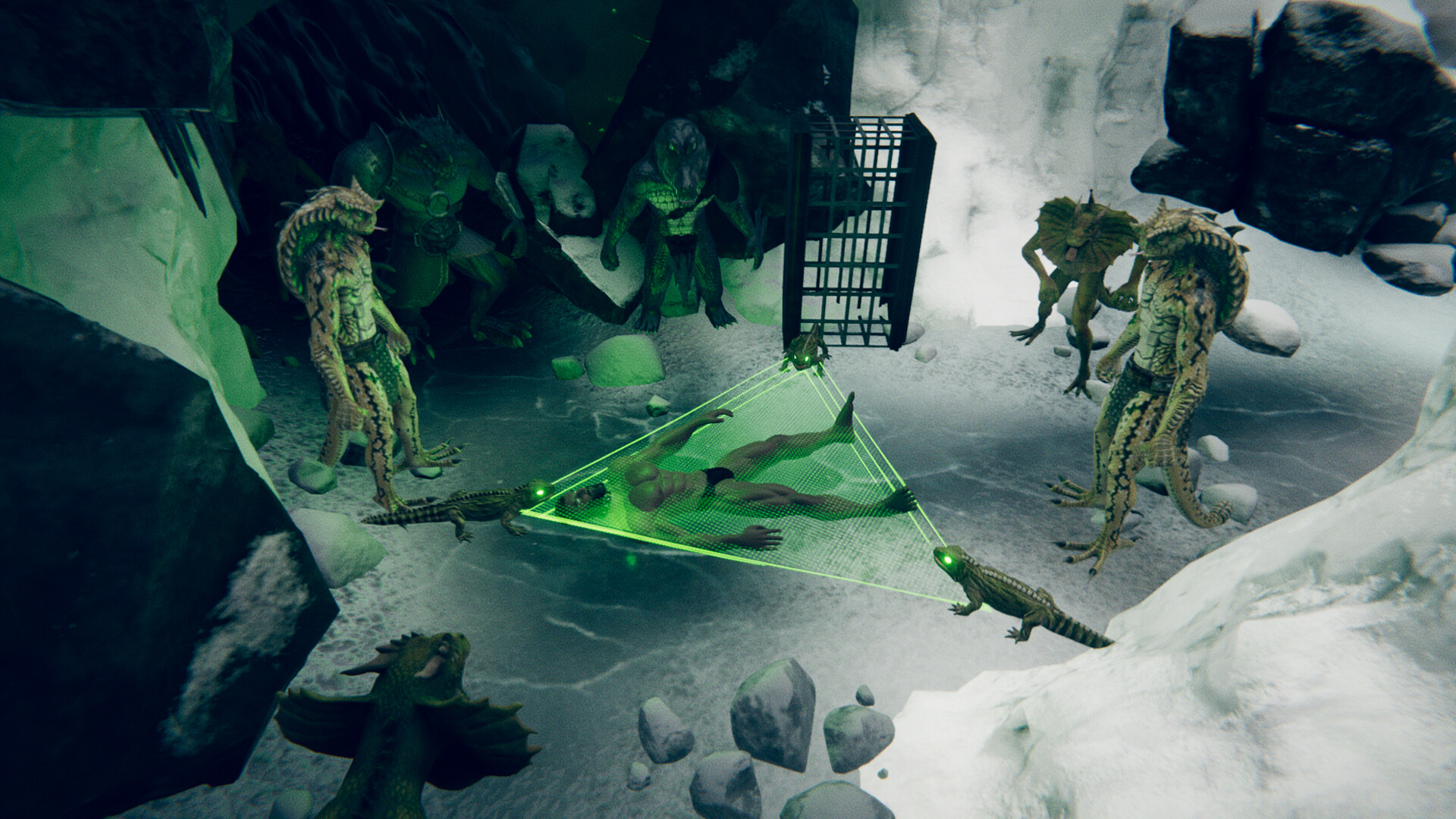
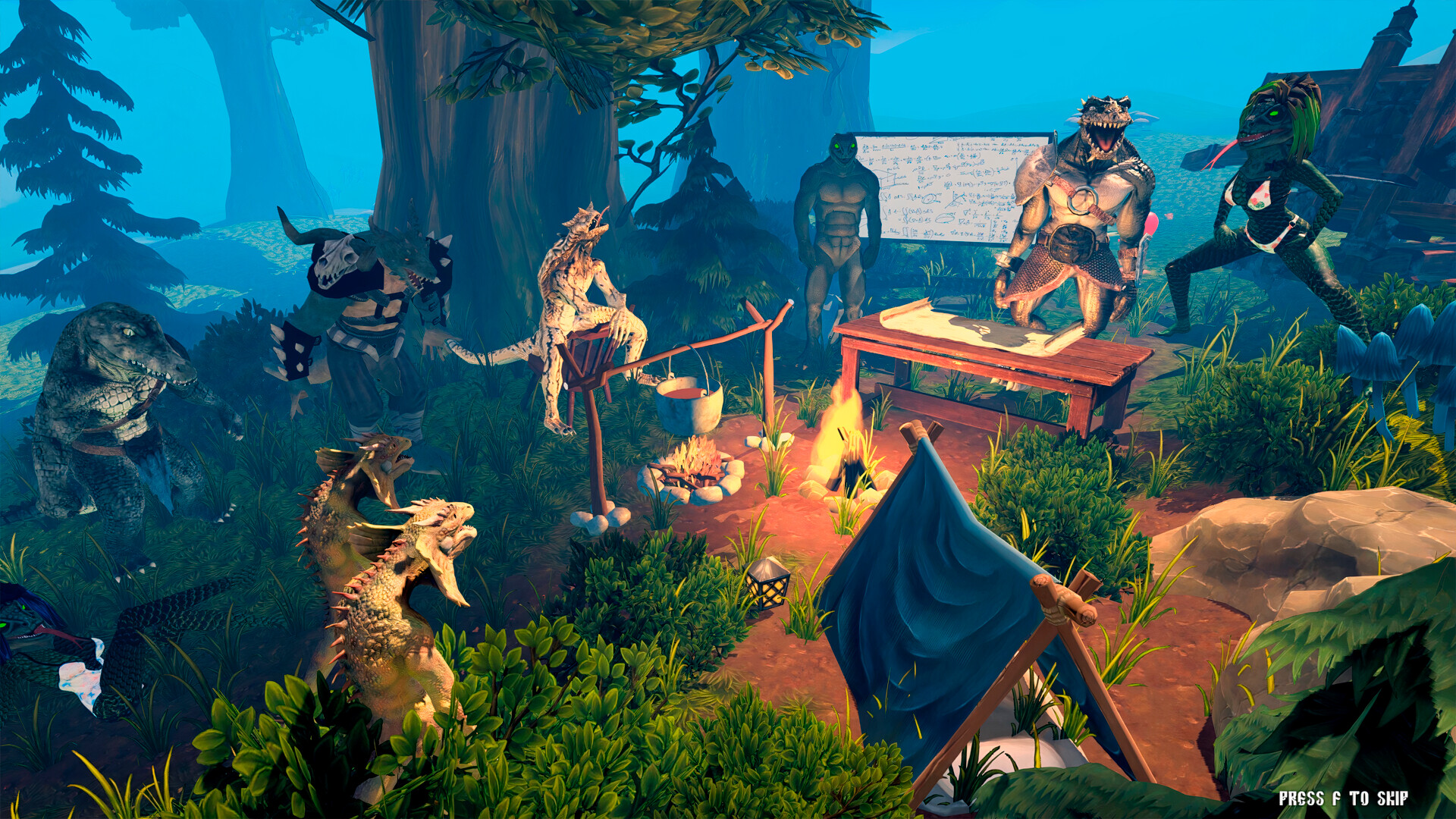
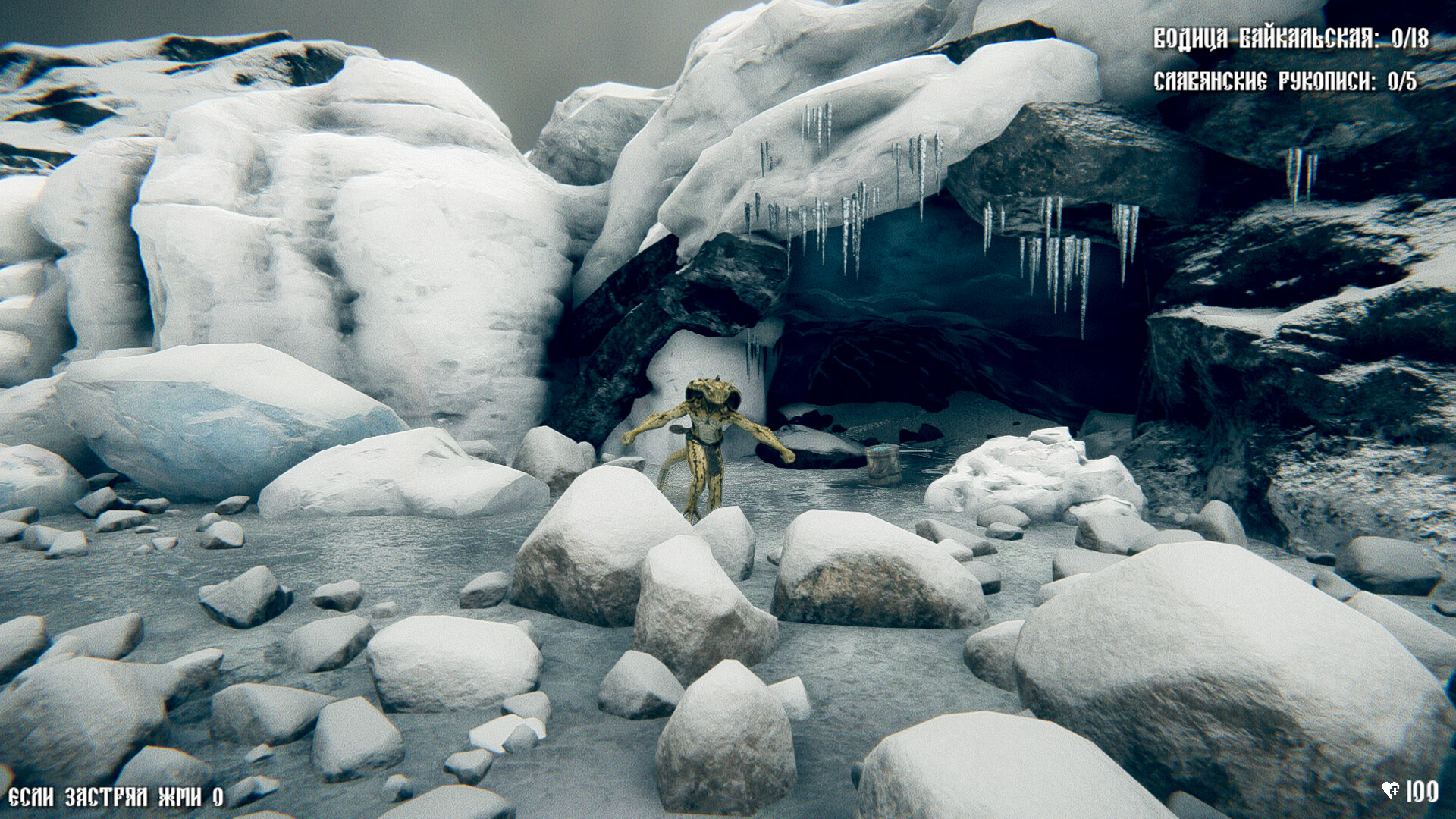
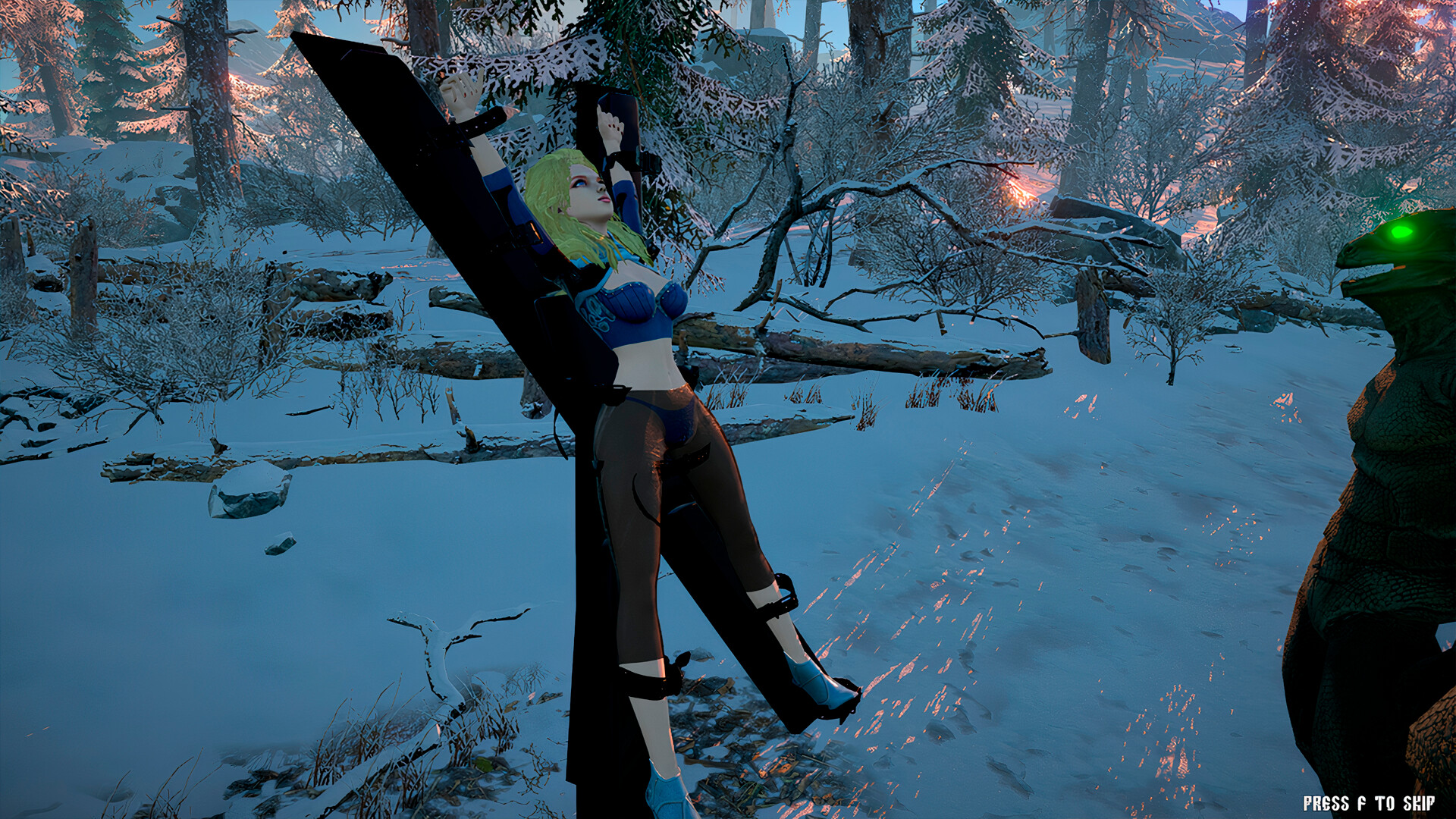
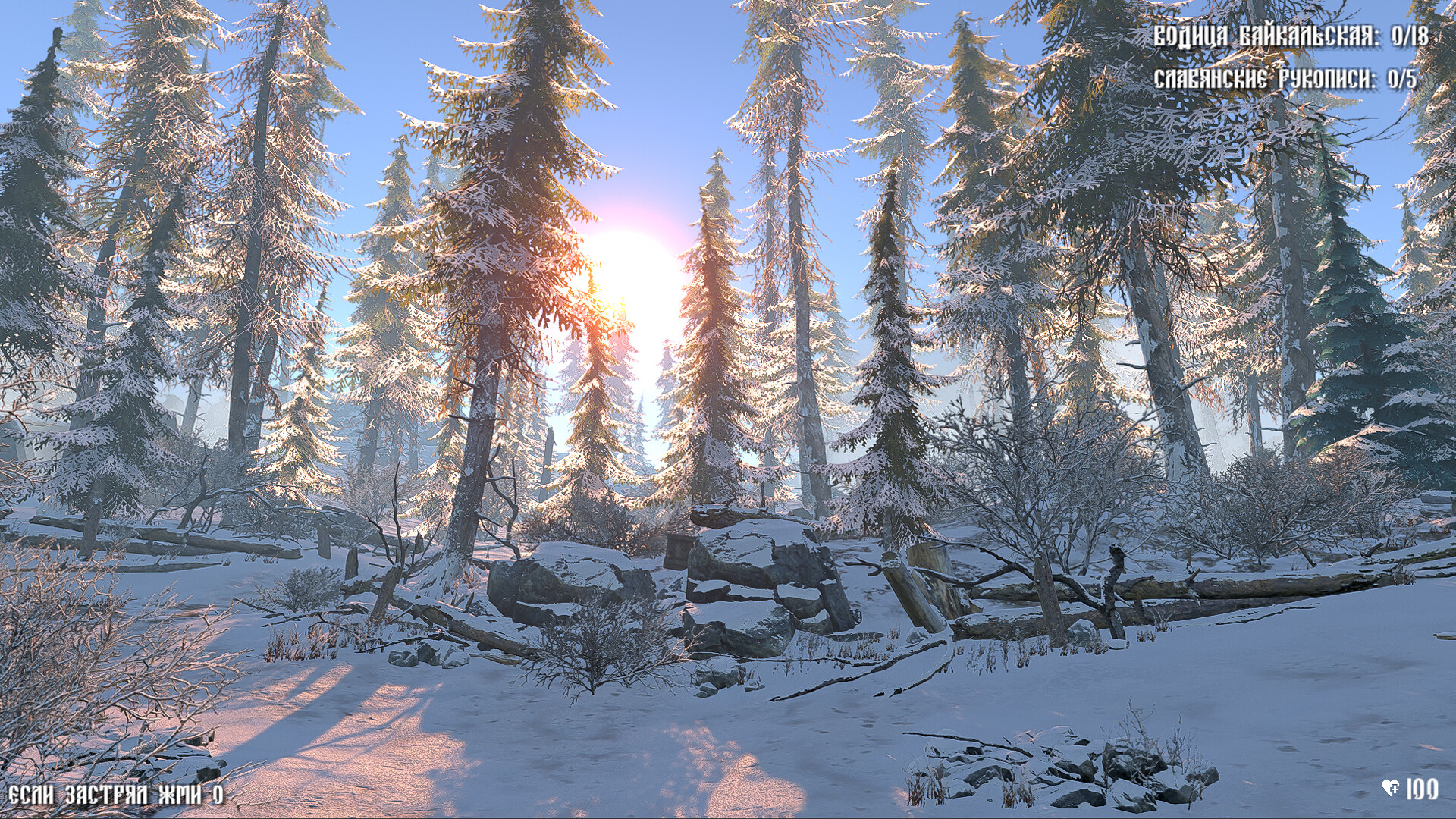
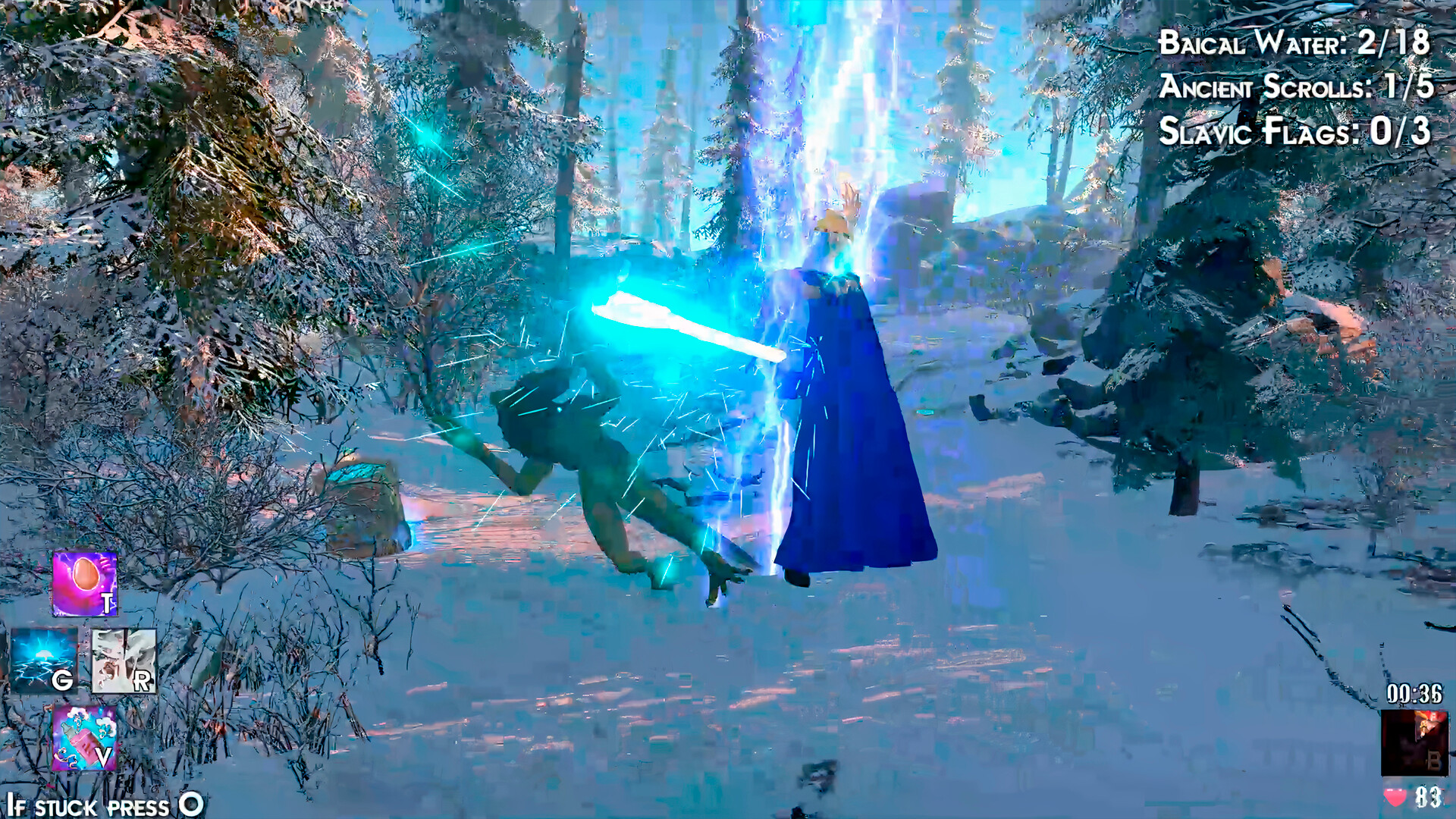
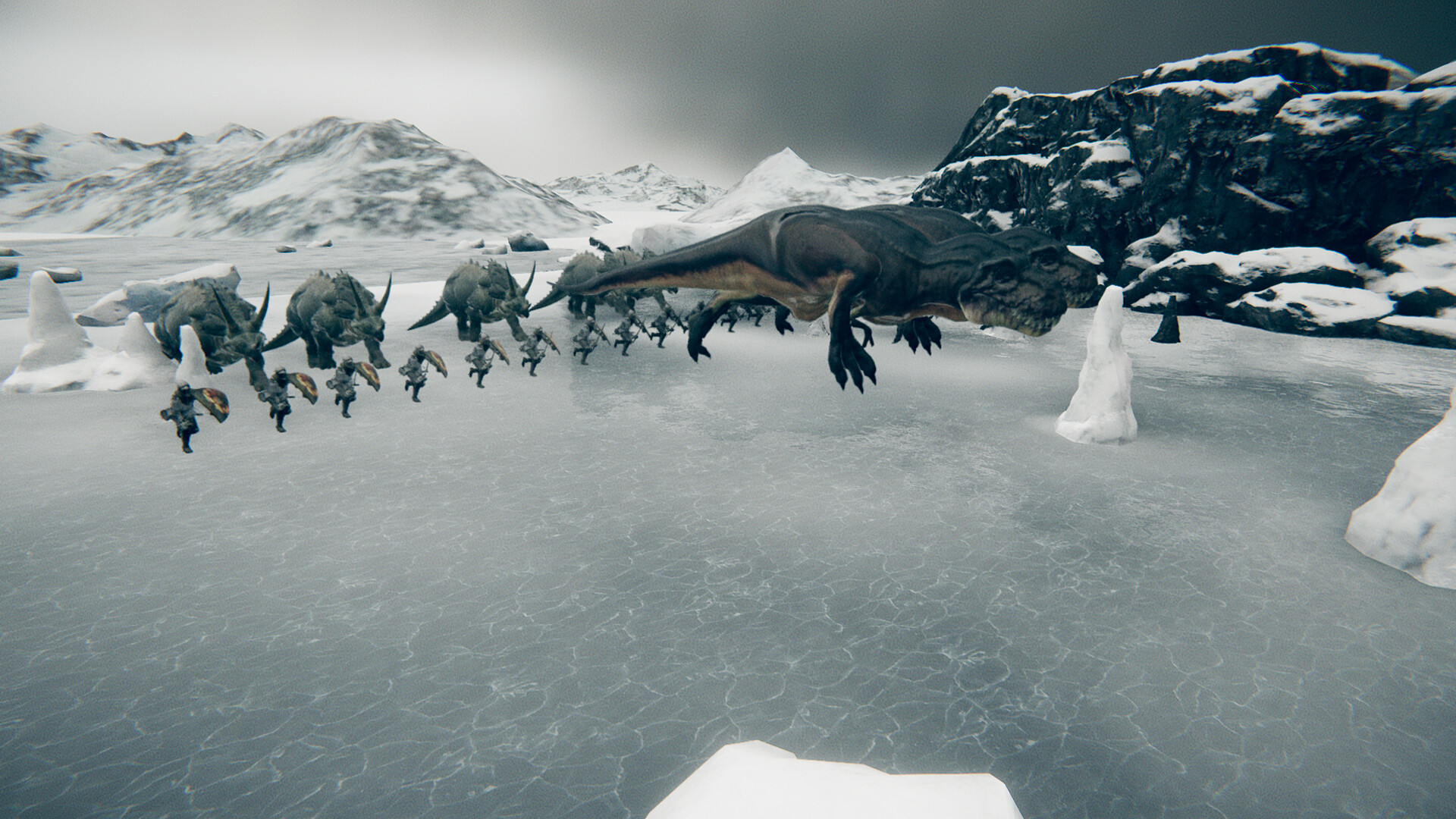
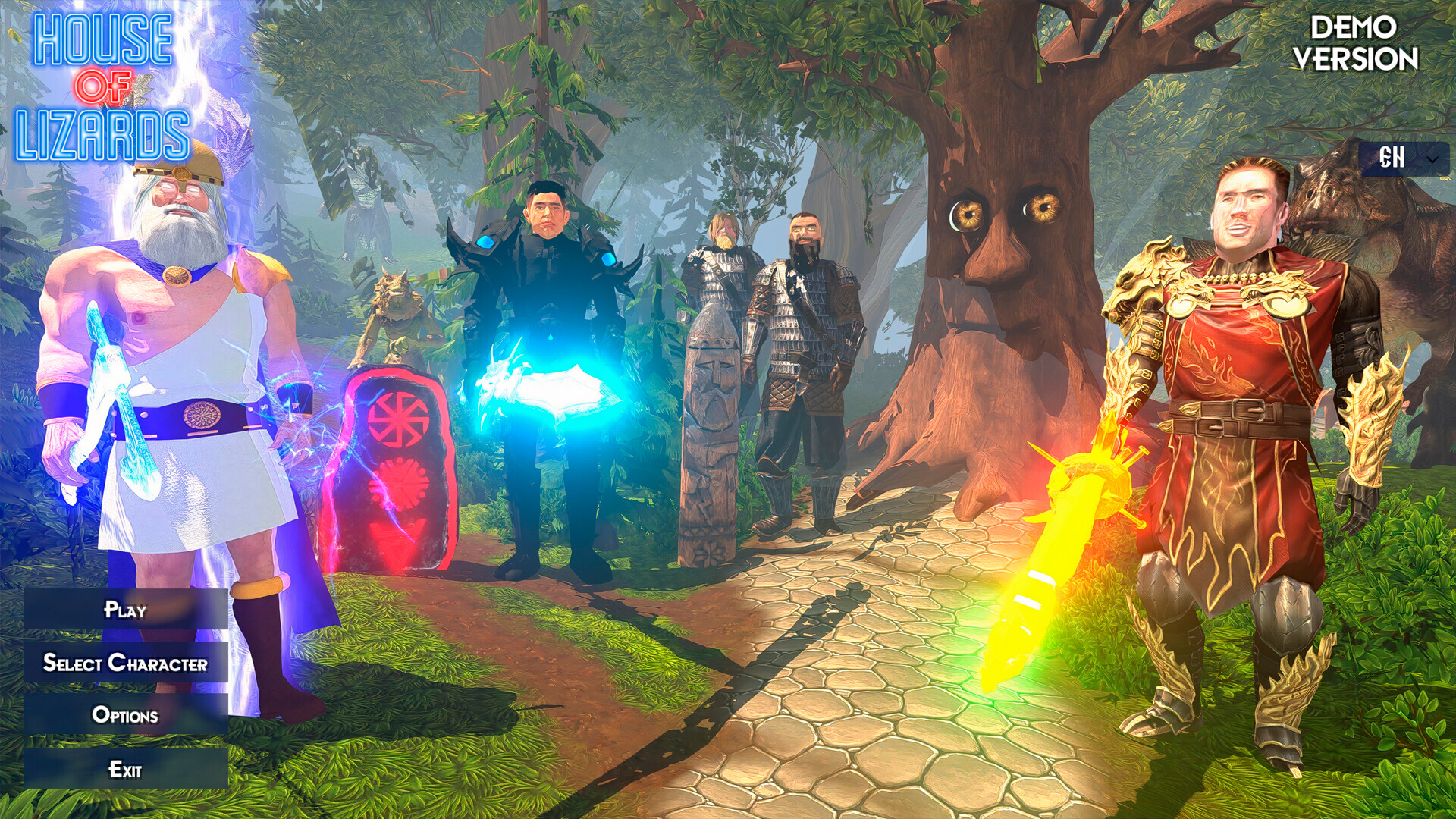
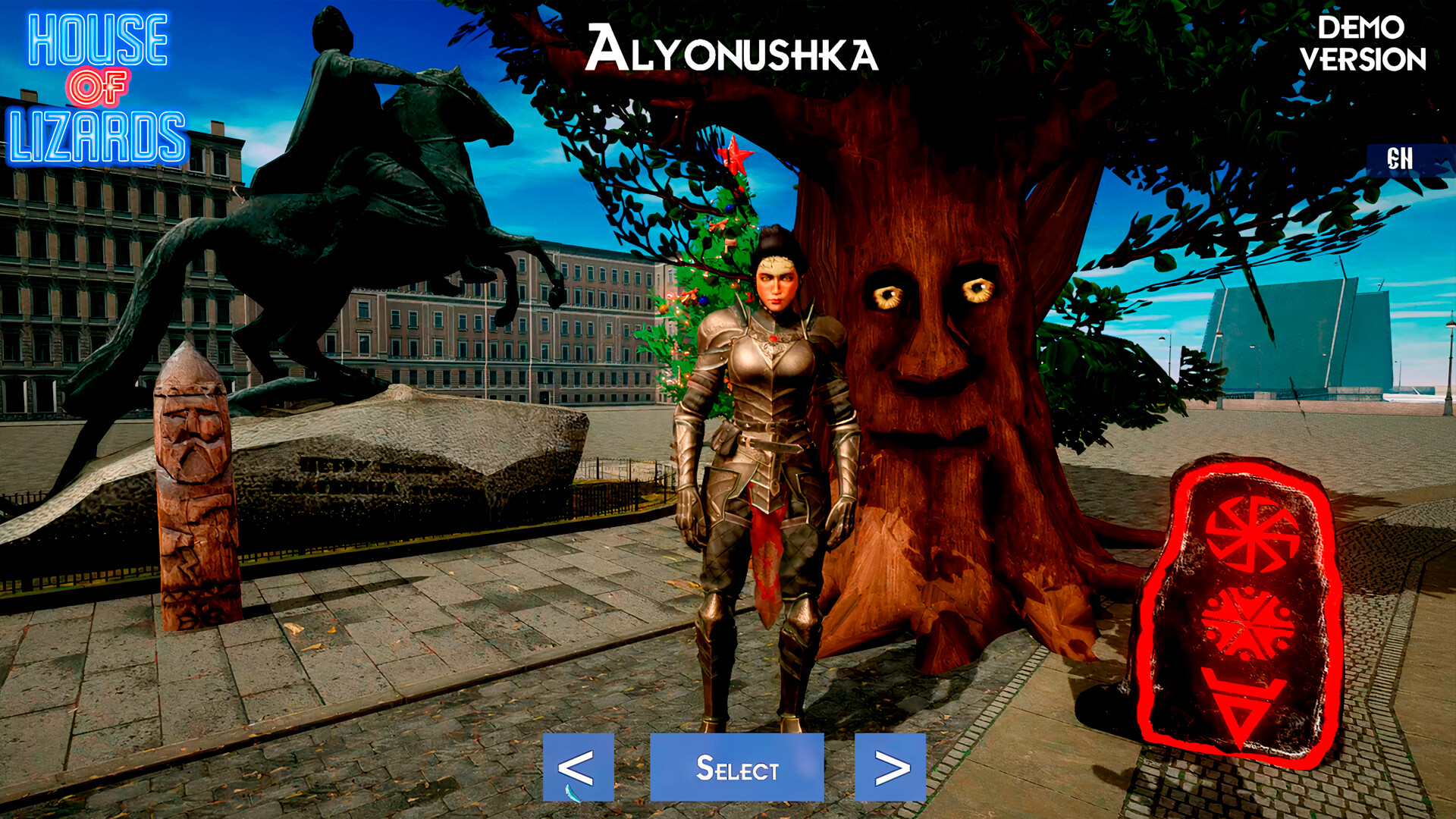
Unique Ancient Knight Simulator with Horror Elements. Get Intelligence for Knight Brothers, return to the base Ancient Manuscripts, drink Baikal Water and Destroy the base of Lizards!
House of Lizards is a simulation, horror and dinosaurs game
developed by Ancient Russ
and published by Dungeon Master.
Released on December 15th 2023 is available on Windows, MacOS and Linux.
It has received 424 reviews of which 363 were positive and 61 were negative resulting in a rating of 8.0 out of 10. 😊
The game is currently priced at 0.99€ on Steam, but you can find it for 0.45€ on Eneba.
The Steam community has classified House of Lizards into these genres:
Media & Screenshots
Get an in-depth look at House of Lizards through various videos and screenshots.


Load More


















System requirements
These are the minimum specifications needed to play the game. For the best experience, we recommend that you verify them.
Windows
- OS *: Windows Vista SP2 or newer
- Processor: 2 GHz
- Memory: 1 GB RAM
- Graphics: GT 650M
- DirectX: Version 9.0c
- Storage: 1 GB available space
- Sound Card: Any
MacOS
- OS: Mac OS X 10.5+
- Processor: 2 GHz
- Memory: 1 GB RAM
- Graphics: GT 650M
- Storage: 1 GB available space
- Sound Card: Any
Linux
- OS: Ubuntu 12.04+
- Processor: 2 GHz
- Memory: 1 GB RAM
- Graphics: GT 650M
- Storage: 1 GB available space
- Sound Card: Any
Steam Price & Best Deals
User reviews & Ratings
Explore reviews from Steam users sharing their experiences and what they love about the game.
I don't know how to play this game. As far as I can tell, I'm a Nord running around stealing vodka(?) from a bunch of Argonians who seem to be just minding their business(?), while also tearing down what look to be wanted posters for me and my fellow Companions(?). I dunno, I had it muted so I could listen to/watch Distractible in the background. But I got nearly 40 cheevos in like 11 minutes, so that's pretty rad.
This game feels like a fever dream created after reading too many conspiracy theories at 3 AM and somehow that is exactly what makes it entertaining. The absurd premise combined with the over the top humor makes the whole experience hard to take seriously in the best possible way. If you enjoy bizarre games that fully embrace their ridiculous ideas and do not care about being realistic this is definitely worth trying. Sometimes you just need to fight lizards and drink Baikal water.
Similar games
View all

MOLE
Pilot the MOLE, a monstrous post-war drilling machine built to descend deep below the Slavic soil. Fix failing systems, follow voices of the dead, and pray you can survive whatever is sharing your coffin. Will the vessel or your mind break first?

Dino Crisis 2
The game takes place in the world of the Cretaceous Period... Dinosaurs attack players in various scenes, including jungles, caves, lakes, and some buildings eroded by plants! Use the characteristics of increased number of weapons to overcome difficult challenges!

Rise of Insanity
In Rise of Insanity, as a doctor of psychology you will explore the darkest recesses of the human mind. Overcome your fear to find the truth behind the tragedy that has befallen your family.
![[Chilla's Art] Okaeri | おかえり](https://shared.fastly.steamstatic.com/store_item_assets/steam/apps/1147960/header.jpg?t=1662351711)
[Chilla's Art] Okaeri | おかえり
Okaeri is a VHS Japanese psychological horror game about a middle school girl and her mother who recently moved to a new house.

Dino Crisis
Raw Instinct takes over in this new, adrenaline-pumping journey into Survival Horror. Something is terribly wrong. Your covert mission has gone haywire… now you find yourself pursued by a relentless, prehistoric terror. Suddenly, your mission becomes a desperate fight for survival.

The Backrooms Game FREE Edition
Nothing but the stink of old, moist carpets, the madness of mono-yellow, and the blinding light of fluorescent bulbs at maximum hum-buzz. Over 600 million sq. miles of randomly segmented rooms. God save you if you hear something wandering nearby, because it sure as hell has heard you.


The Salesman
In the Salesman, you play as a recently laid-off employee trying to survive the grind of job applications, debt, and dwindling hope. Trade your belongings for ad-supported replacements as you slowly sell away your life in this psychological horror game
![[Chilla's Art] The Convenience Store | 夜勤事件](https://shared.fastly.steamstatic.com/store_item_assets/steam/apps/1228520/header.jpg)
[Chilla's Art] The Convenience Store | 夜勤事件
The Convenience Store | 夜勤事件 is a J-horror game about a college girl on a night shift.

SIMULACRA: Pipe Dreams
A spin-off of the critically acclaimed SIMULACRA, Pipe Dreams tells a brand new story, with a new interface, live-action cast and horrors to unravel. Follow the story of Teddy as he tries desperately to break free from the hold of a cursed video game.

Penumbra: Black Plague Gold Edition
Surrounded by enemies and assaulted by terror from all sides, Philip must collect clues and solve vexing puzzles while combating the gnawing psychological terrors that assail his mind and threaten to strip him of his sanity.
Frequently Asked Questions
House of Lizards is currently priced at 0.99€ on Steam.
No, House of Lizards is currently not on sale. You can purchase it for 0.99€ on Steam.
Yes, House of Lizards received 363 positive votes out of a total of 424 achieving a rating of 7.99.
😊
House of Lizards was developed by Ancient Russ and published by Dungeon Master.
Yes, House of Lizards is playable and fully supported on Windows.
Yes, House of Lizards is playable and fully supported on MacOS.
Yes, House of Lizards is playable and fully supported on Linux.
No, House of Lizards is not playable on Steam Deck.
This information about House of Lizards is not available yet.
No, House of Lizards does not support VR.
House of Lizards is a single-player game.
No, House of Lizards does not currently offer any DLC.
No, House of Lizards does not support mods via Steam Workshop.
No, House of Lizards does not support Steam Remote Play.
Yes, House of Lizards is enabled for Steam Family Sharing. This means you can share the game with authorized users from your Steam Library, allowing them to play it on their own accounts. For more details on how the feature works, you can read the original Steam Family Sharing announcement or visit the Steam Family Sharing user guide and FAQ page.
You can find solutions or submit a support ticket by visiting the Steam Support page for House of Lizards.
Data sources
The information presented on this page is sourced from reliable APIs to ensure accuracy and relevance. We utilize the Steam API to gather data on game details, including titles, descriptions, prices, and user reviews. This allows us to provide you with the most up-to-date information directly from the Steam platform.
Additionally, we incorporate data from the SteamSpy API, which offers insights into game sales and player statistics. This helps us present a comprehensive view of each game's popularity and performance within the gaming community.
Last Updates| Steam data | 20 September 2026 09:21 UTC |
|---|---|
| SteamSpy data | 19 October 2026 15:28 UTC |
| Steam price | 26 October 2026 19:49 UTC |
| Steam reviews | 19 October 2026 21:59 UTC |
If you'd like to dive deeper into the details about House of Lizards, we invite you to check out a few dedicated websites that offer extensive information and insights. These platforms provide valuable data, analysis, and user-generated reports to enhance your understanding of the game and its performance.
- SteamDB - A comprehensive database of everything on Steam about House of Lizards
- SteamCharts - Analysis of House of Lizards concurrent players on Steam
- ProtonDB - Crowdsourced reports on Linux and Steam Deck House of Lizards compatibility

Game modes
Features
Online players
1
Developer
Ancient Russ
Publisher
Dungeon Master
Release
15 Dec 2023
Platforms
Clicking and buying through these links helps us earn a commission to maintain our services.