Demolish & Build 2017
Become a boss of Demolition & Build company. Destroy small wooden huts and huge concrete buildings. Manage your workers. Invest earned cash in your own land properties and rent them for profit in open sandbox world. Use various hand tools, buy new machines and customize their parts.
Sync your Steam wishlist to find the lowest game prices instantly. No login required, just paste your Steam profile URL!
⚡ Try Wishlist Radar!
Sync your Steam wishlist to find the lowest game prices instantly. No login required!
⚡ Try Wishlist Radar!
Close

Landlord's Super on Steam
Quick menu
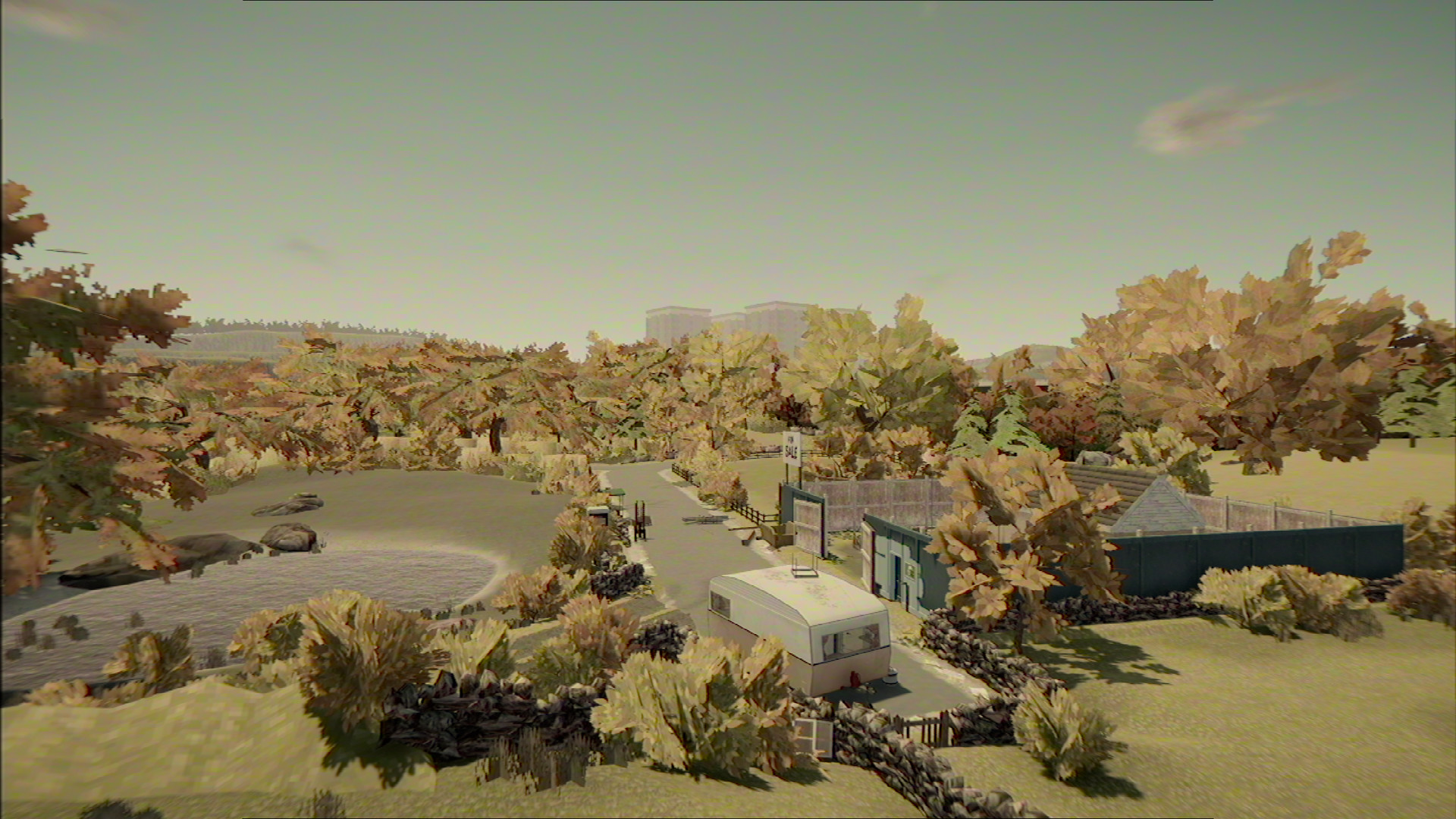
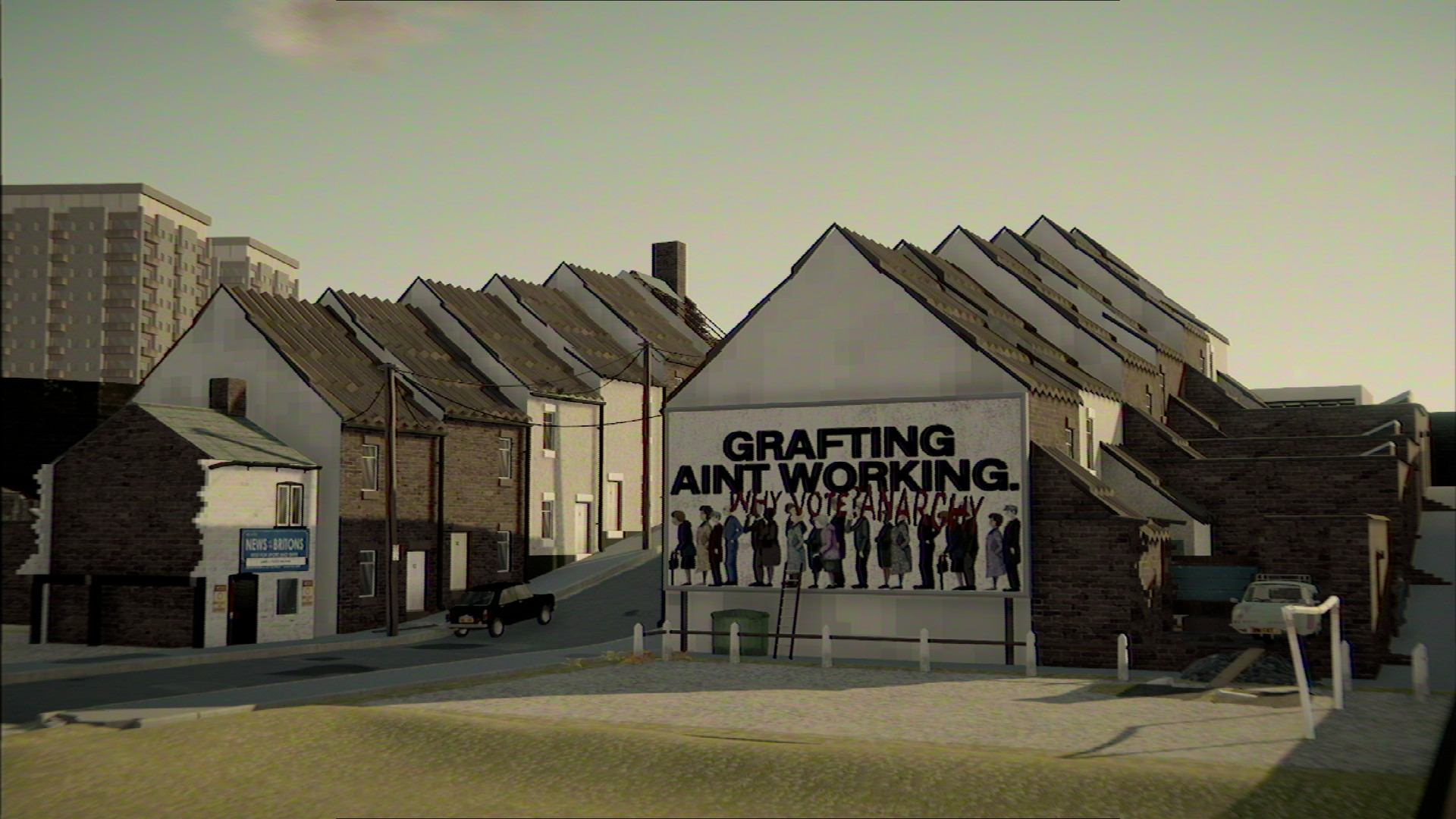
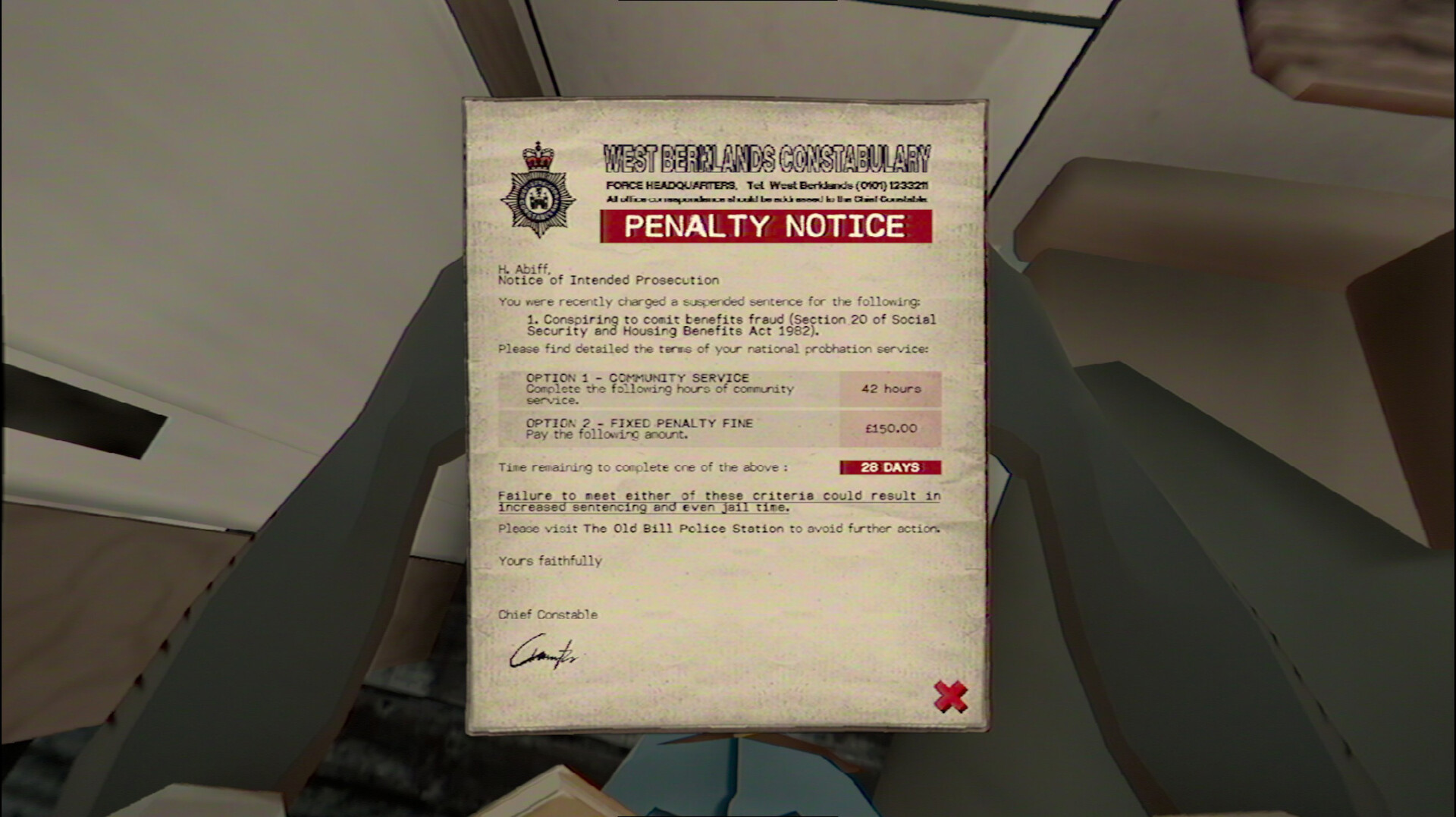
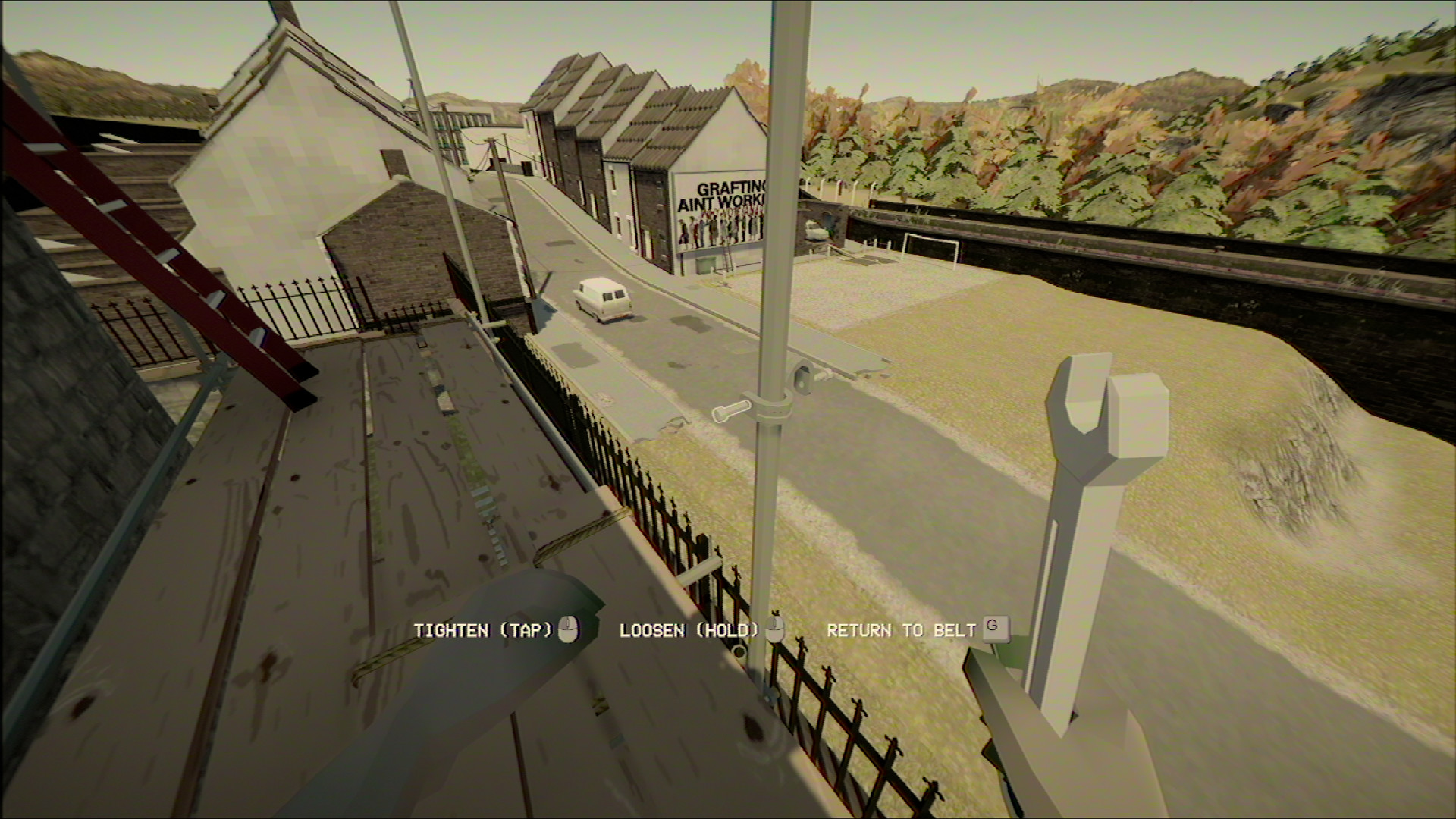
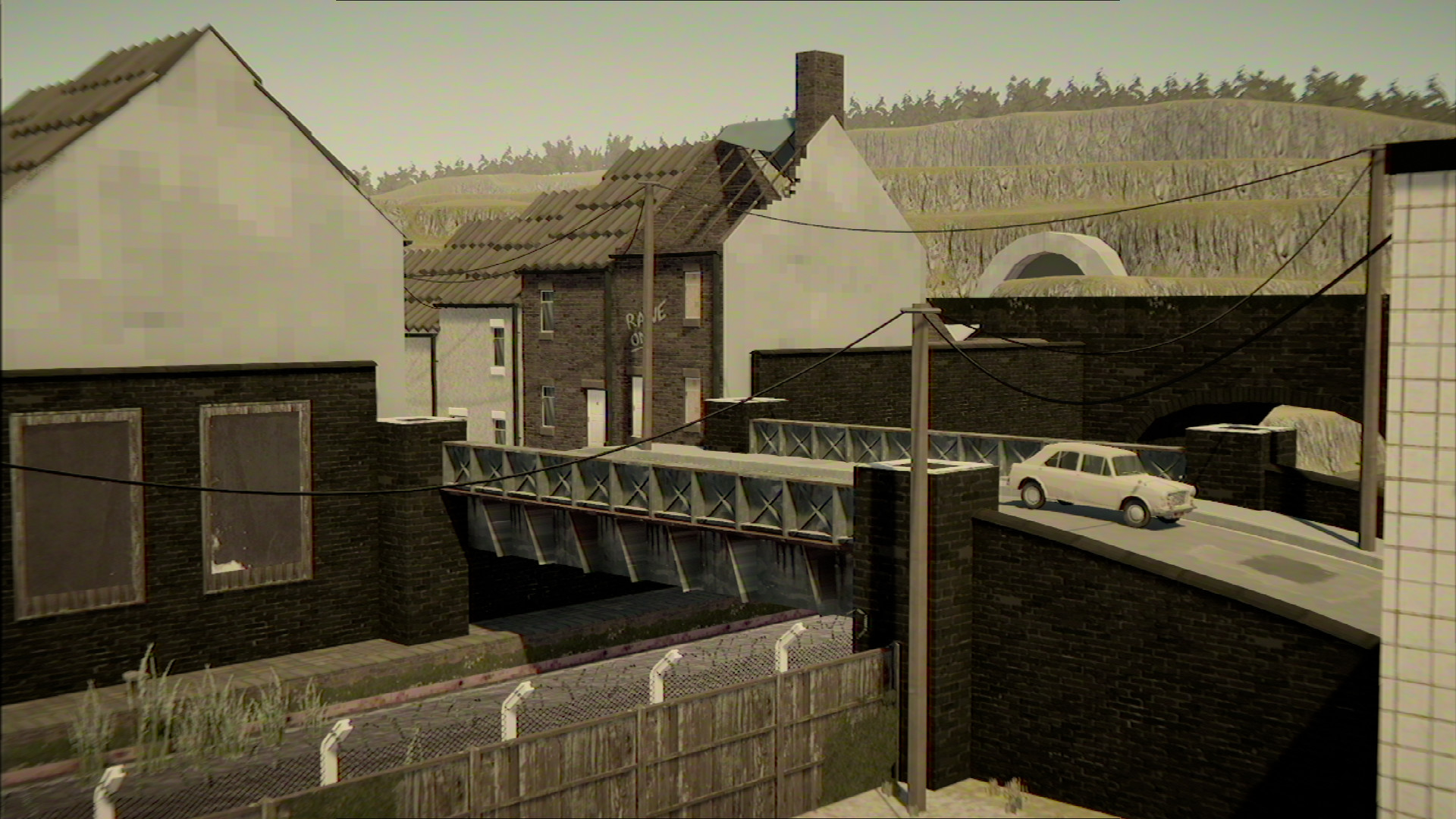
Your quintessential construction simulator is here. Take a dodgy loan, restore a property, move in the locals, attend to their grievances, then celebrate with a pint in this fully-simulated, open-world 1980's Britain.
Landlord's Super is a building, simulation and open world game
developed by Minskworks
and published by Yogscast Games.
Released on May 25th 2023 is available on Windows and Steam Deck
in 6 languages: English, German, Dutch, Norwegian, Swedish and Romanian.
It has received 1,446 reviews of which 1,157 were positive and 289 were negative resulting in a rating of 7.7 out of 10. 😊
The game is currently priced at 3.90€ on Steam with a 80% discount, but you can find it for 1.71€ on Eneba.
The Steam community has classified Landlord's Super into these genres:
Building
Simulation
Open World
Destruction
Immersive Sim
Life Sim
Base Building
Physics
First-Person
RPG
Sandbox
Singleplayer
3D
1980s
Atmospheric
Dystopian
Stylized
Driving
Adventure
Realistic
Here is the detailed breakdown of supported languages for Landlord's Super:
| UI | Subtitle | Audio | |
|---|---|---|---|
| English | |||
| German | |||
| Dutch | |||
| Norwegian | |||
| Swedish | |||
| Romanian |
Media & Screenshots
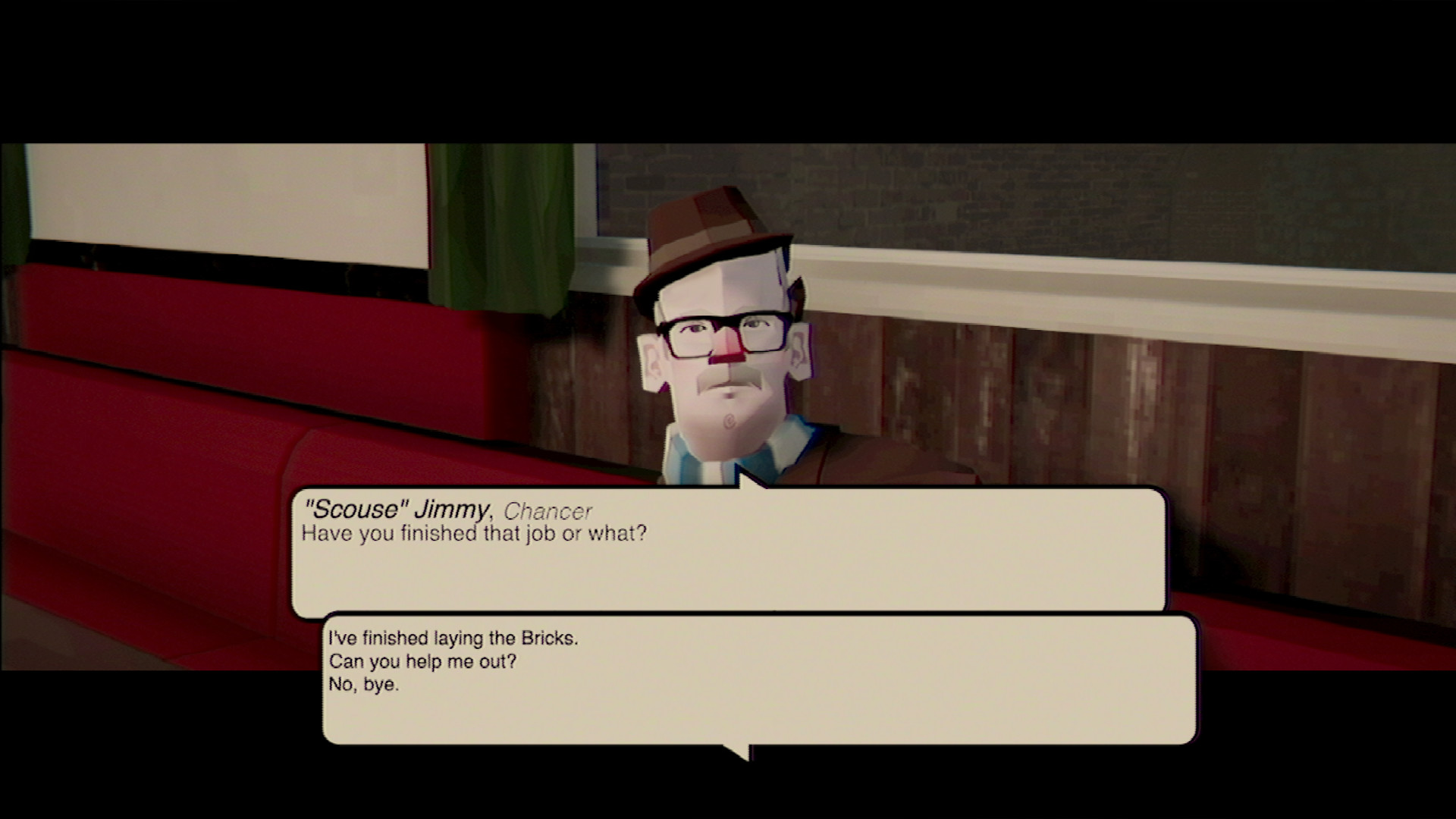
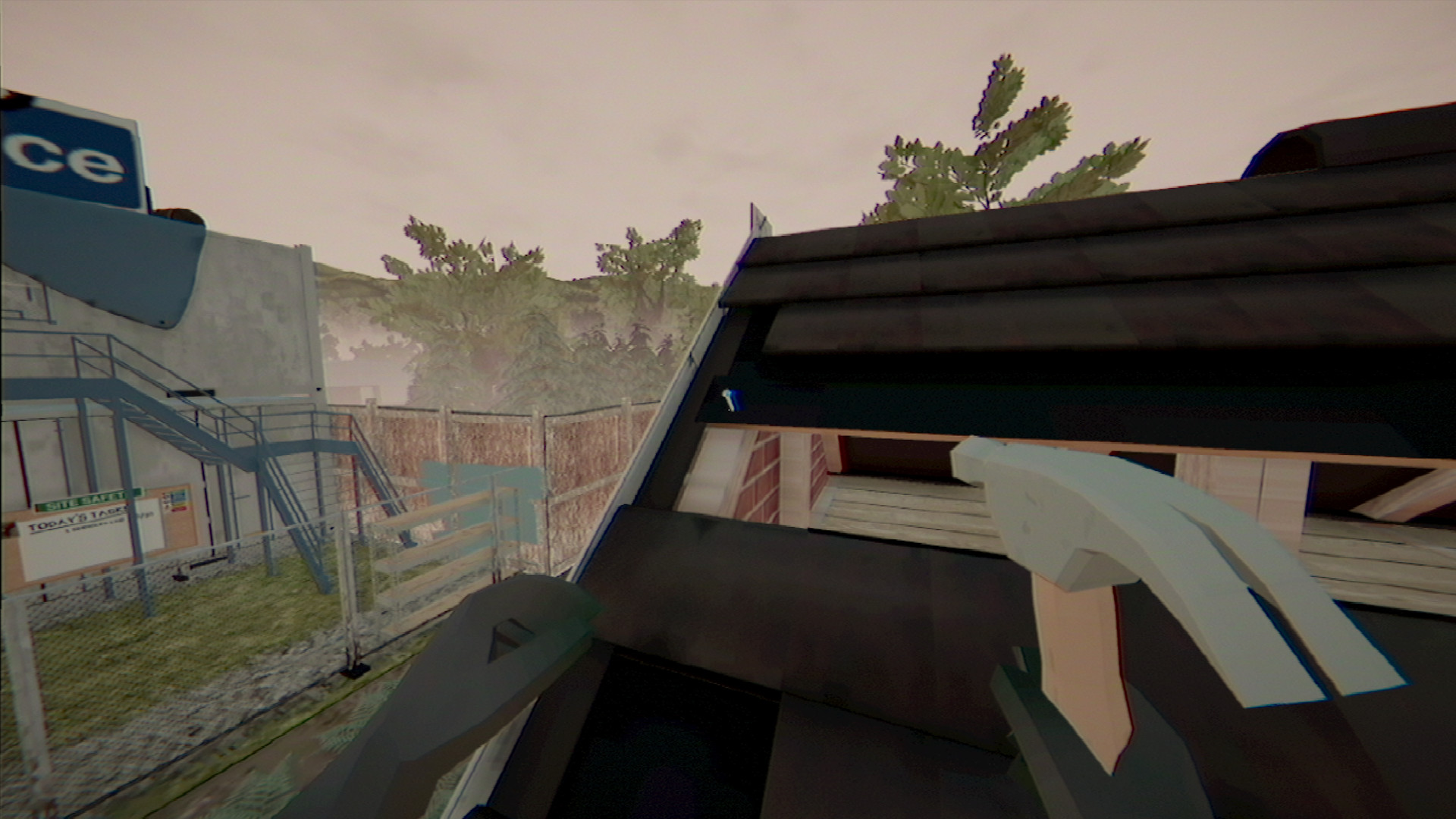
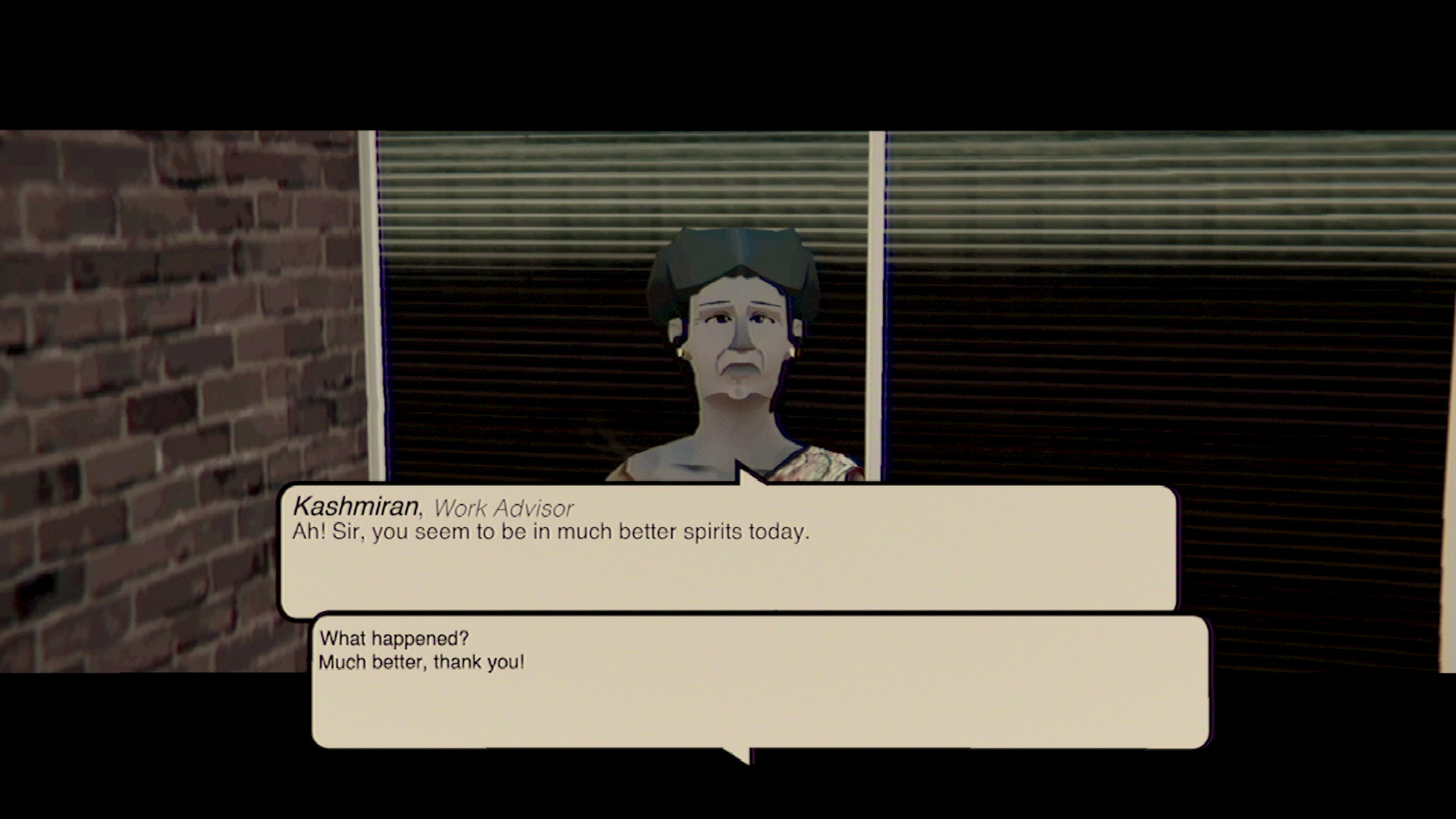
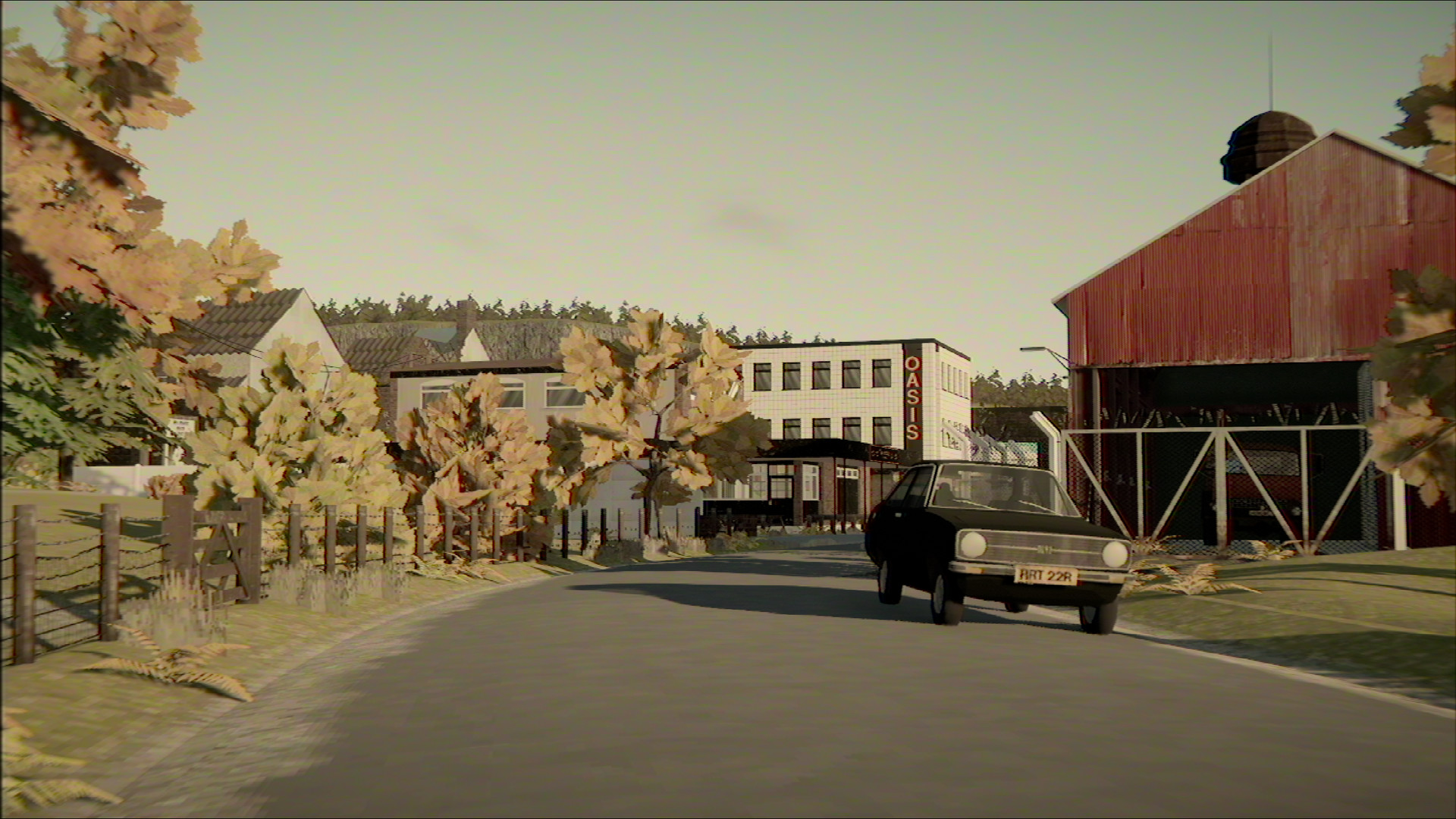
Get an in-depth look at Landlord's Super through various videos and screenshots.
Load More

System requirements
These are the minimum specifications needed to play the game. For the best experience, we recommend that you verify them.
Windows
- Requires a 64-bit processor and operating system
- OS *: Windows 7/8/10 (64bit)
- Processor: Intel Core i3 2GHz or equivalent
- Memory: 4 GB RAM
- Graphics: Dedicated graphics card with 1GB memory
- Storage: 1 GB available space
Steam Price & Best Deals
User reviews & Ratings
Explore reviews from Steam users sharing their experiences and what they love about the game.
Is this game a bit of a buggy mess? Yes! Is it a cool indie game that grounds you in reality while also letting you have a bit of cheeky fun while building homes that may or may not pass building code? Also yes. Would I buy this game at full price? Probably not. This game is really entertaining and I love the small town vibe and the towns folk. Just don't pee in front of the bartender. Some aspects are super relaxing, but some are super stressful. I do like that they don't expect you to properly finish roofs because they will probably be incomplete or just look downright awful. Sell your first house when you complete it and buy the nofines + mortar silos and hire out the foundation pour, mixing concrete by hand is for the birds. XD
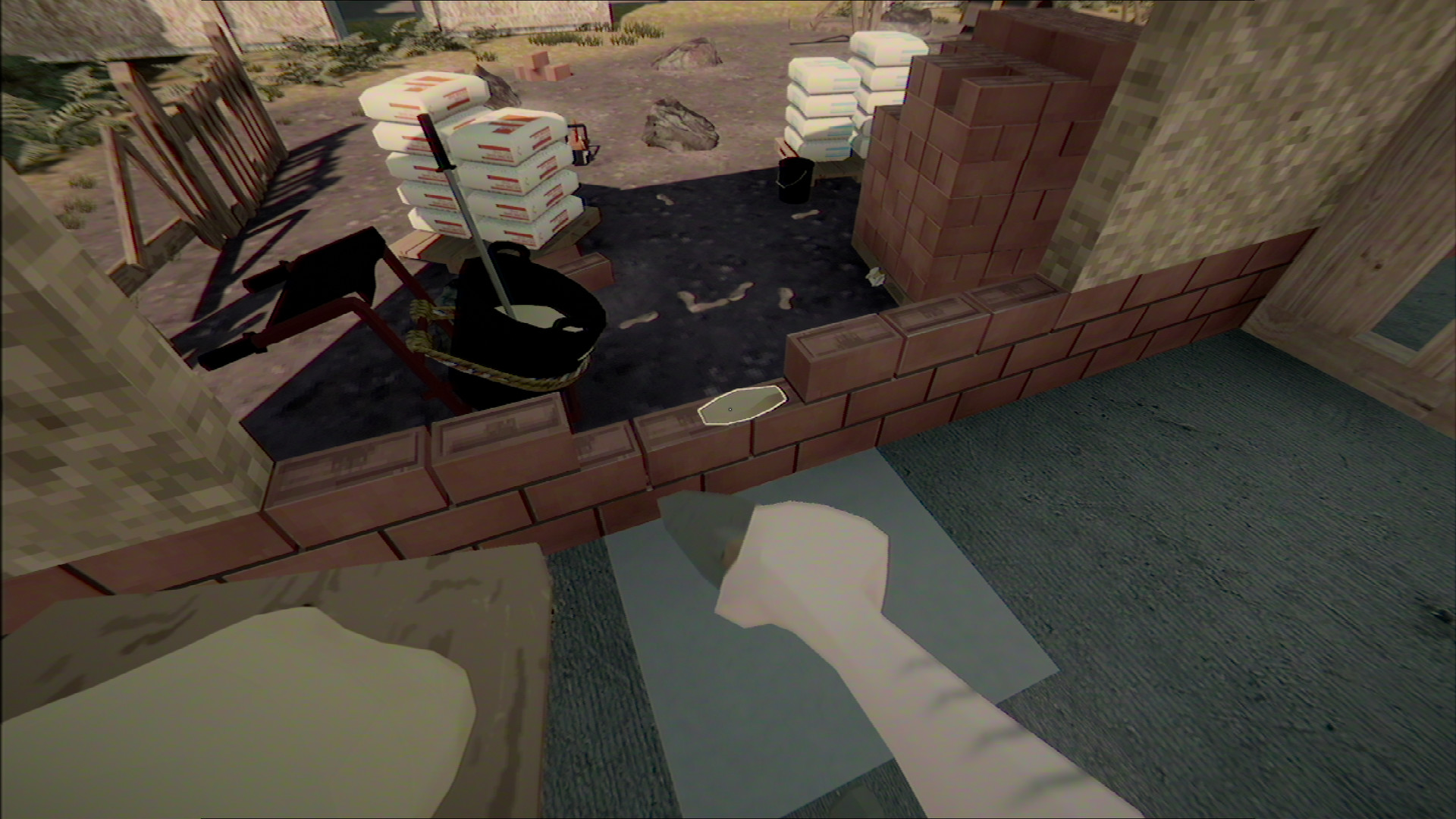
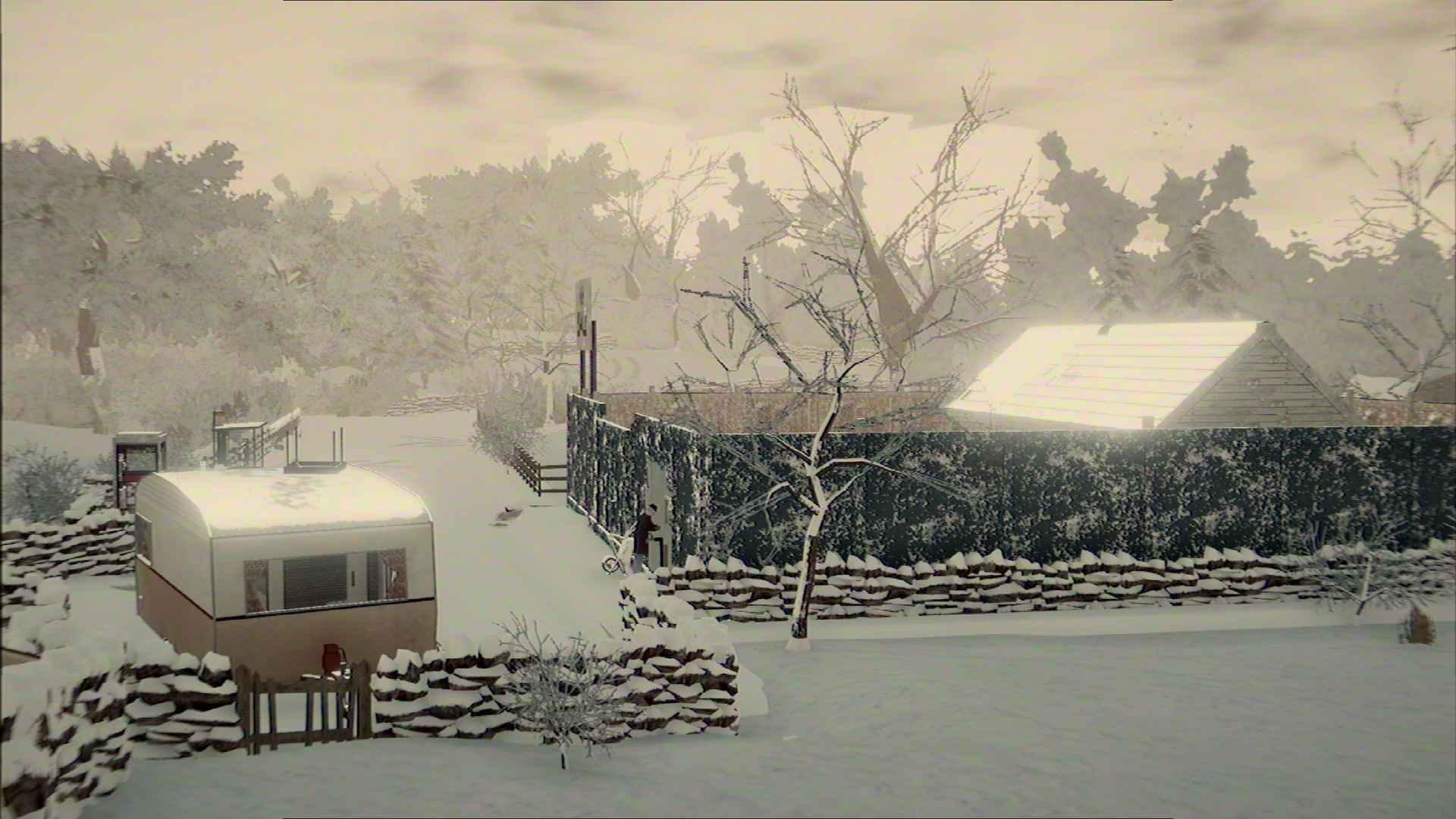
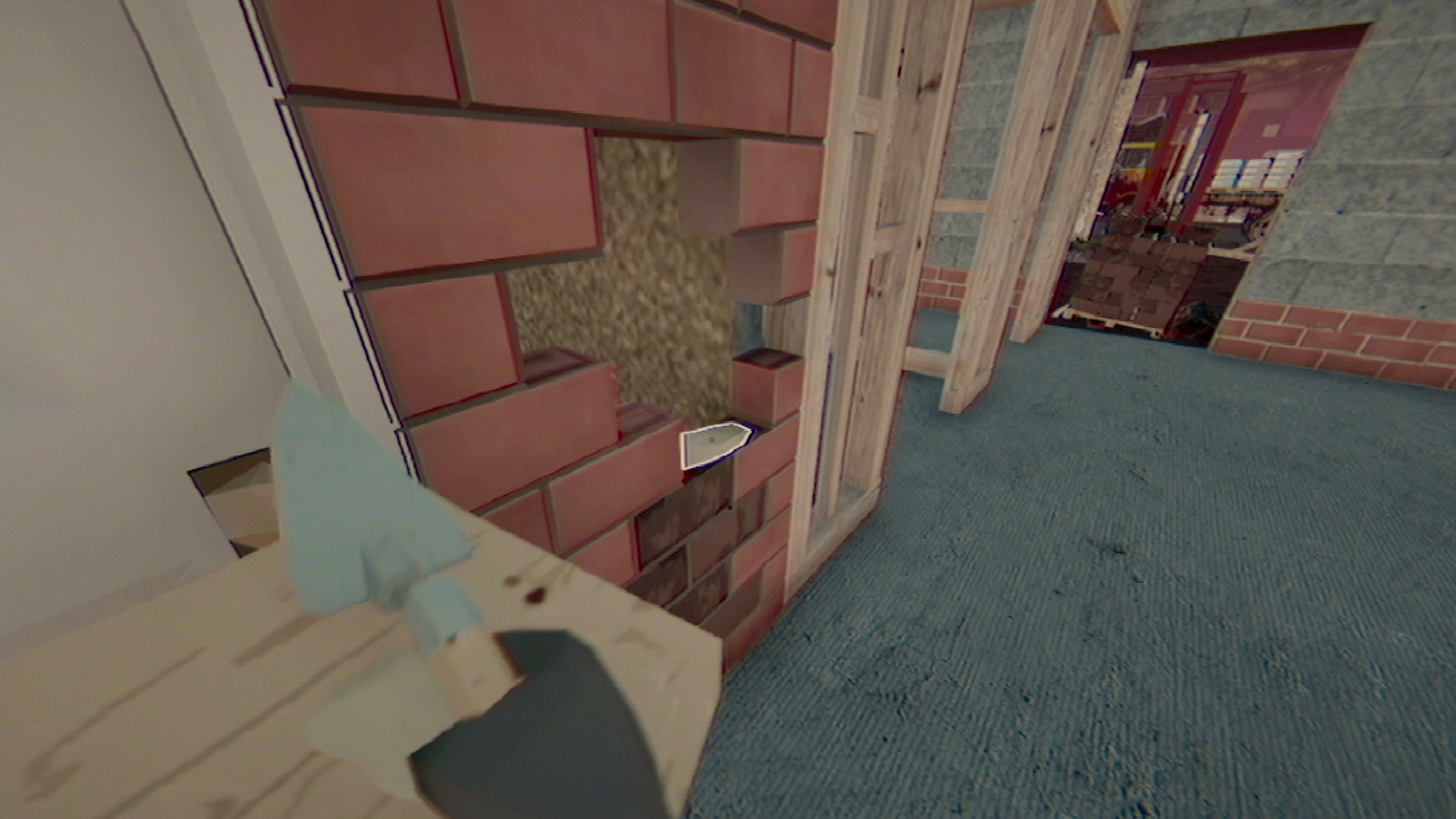
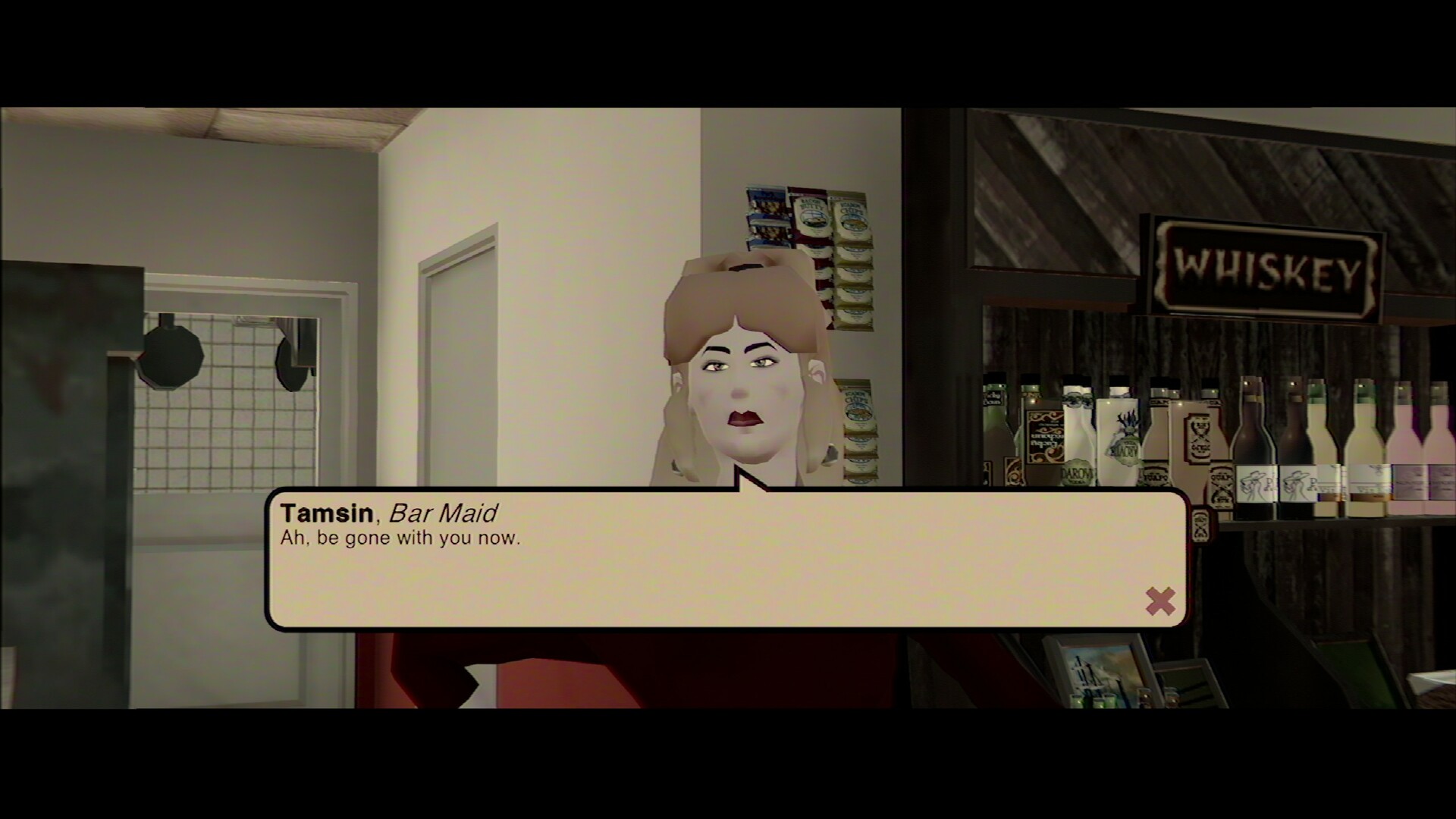
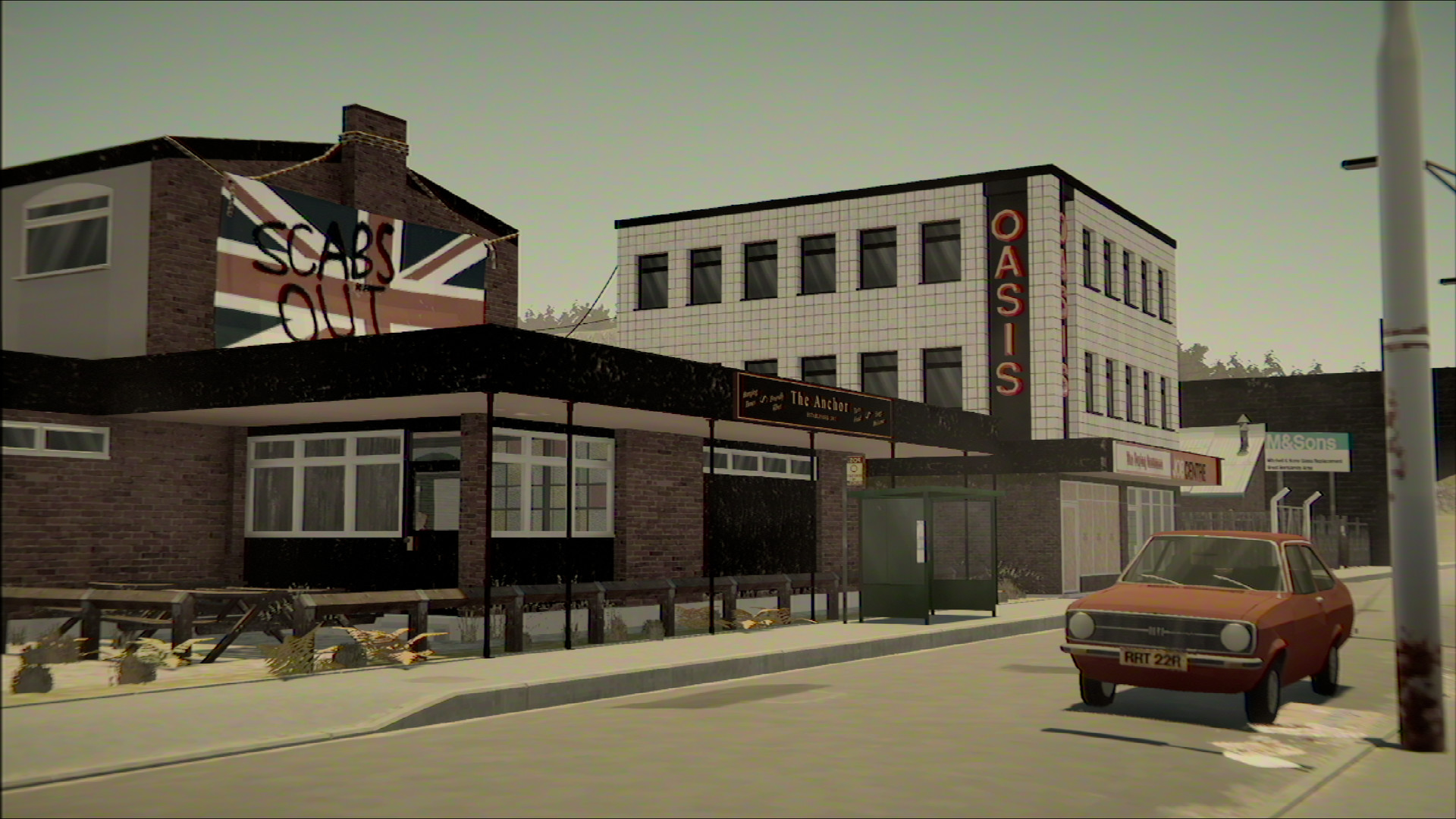
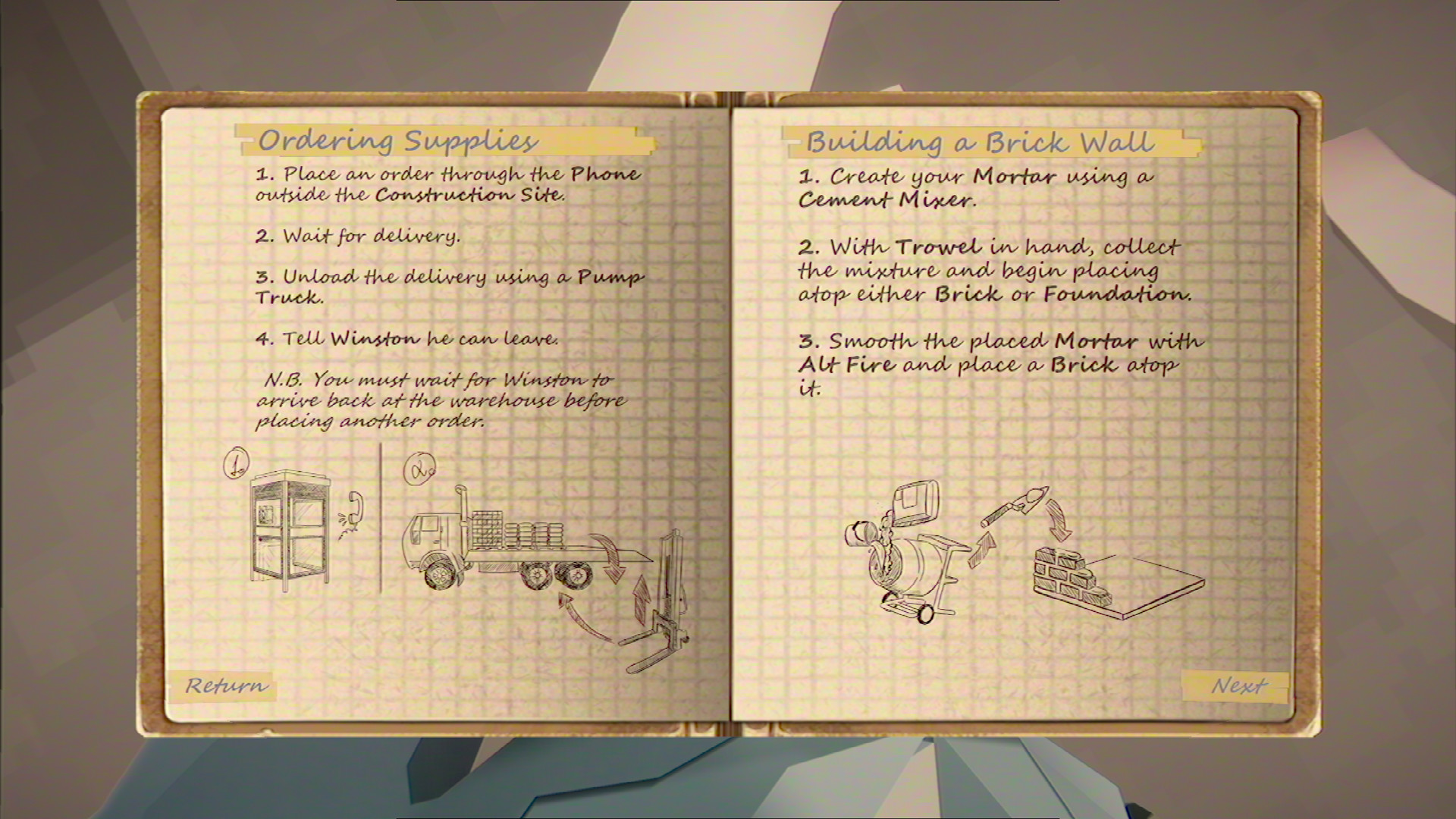
Landlord’s Super is one of the most distinctive life simulation games released in recent years because it completely rejects the glamorous fantasy usually associated with management and renovation games. Instead of turning property ownership into a quick path toward wealth and success, the game focuses on the exhausting reality of surviving in a struggling British town during the late 1980s. Players are not powerful entrepreneurs building empires overnight. They are ordinary people trying to repair a collapsing house while dealing with unemployment, financial pressure, endless rain, alcoholism, and the slow decay of a forgotten working-class community. The result is an experience that feels strangely immersive, darkly funny, and surprisingly emotional despite its rough and low-budget appearance. The main gameplay revolves around renovating a damaged property almost entirely by hand. Unlike many construction simulators that simplify building into fast menu interactions, Landlord’s Super forces players to physically perform nearly every task themselves. Cement must be mixed manually, scaffolding needs to be assembled piece by piece, bricks are carried individually, and roofing materials must be hauled across the site with effort and planning. Every improvement to the house feels earned because progress is intentionally slow and labor-intensive. Even relatively small tasks can consume an entire in-game day, but this deliberate pacing gives the renovation process a strong sense of realism and satisfaction. What truly makes the game stand out is its atmosphere. The fictional British Midlands town feels incredibly authentic in how it captures the mood of economic decline and working-class frustration during the Thatcher era. Streets are grey and empty, rain falls constantly, buildings look neglected, and many residents seem trapped in routines built around unemployment, drinking, and survival. Yet despite the depressing setting, the town never feels lifeless. Local characters, pub conversations, strange interactions, and bits of dark humor constantly give the world personality. The game captures a very specific cultural atmosphere that feels personal and sincere rather than exaggerated or stereotypical. The social side of the experience becomes just as important as the construction itself. Visiting the pub, speaking with locals, collecting benefits, scavenging for scrap, and wasting evenings drinking become part of the game’s daily rhythm. There is an ongoing tension between productivity and self-destruction because the player constantly balances long-term goals against immediate escapism. Some days are spent rebuilding walls and roofing structures, while others disappear entirely into drunken nights and pointless routines. This balance gives the game an unusual emotional depth because it reflects how easily exhaustion and hopelessness can slowly consume motivation. Another major strength is the game’s commitment to physical interaction and realism. Materials are not magically stored in unlimited inventories. Players transport tools manually, push wheelbarrows through muddy streets, and physically organize supplies around the worksite. The game constantly reminds players that construction is exhausting labor rather than an instant reward system. There is a strangely relaxing quality to these repetitive routines, especially during quieter moments where players focus on slow progress while listening to rain and distant ambient sounds across the town. The visual presentation may initially look rough, but it perfectly fits the game’s atmosphere. The low-resolution textures, muddy environments, faded colors, and gloomy weather all reinforce the sense of economic decline and emotional exhaustion. The world rarely feels cheerful or vibrant, but that visual bleakness becomes one of the game’s defining strengths. Combined with the soundtrack’s nostalgic and melancholic tone, the presentation creates a surprisingly immersive recreation of ordinary working-class life rarely explored in video games. The pacing of the game will likely divide players more than anything else. Landlord’s Super is intentionally slow, repetitive, and often uncomfortable. Progress takes time, and many systems are designed to feel inconvenient rather than efficient. Traveling across town for materials, performing repetitive labor, or dealing with basic survival mechanics can become tedious during longer sessions. Players looking for fast progression, constant rewards, or highly streamlined gameplay may quickly become frustrated with how deliberately slow everything feels. Technical roughness is another issue throughout the experience. Bugs, awkward physics, clunky controls, and inconsistent interactions occasionally interrupt immersion. Some systems feel unfinished or poorly explained, forcing players to figure out mechanics through experimentation rather than proper tutorials. Inventory management and interface design can also become frustrating, especially during larger construction projects where organization matters heavily. While some players may see this roughness as part of the game’s strange charm, others will likely view it as unnecessary frustration. The open-ended structure can also feel aimless at times. While there are long-term goals related to finishing the house and eventually improving the player’s financial situation, much of the game revolves around simply existing within the town’s repetitive routines. Some players will appreciate the immersion and atmosphere this creates, while others may feel like the game lacks strong direction or meaningful progression beyond manual labor and survival. Despite these flaws, Landlord’s Super succeeds because of how unique and honest it feels. Very few games attempt to portray ordinary working-class life with this level of specificity and realism. It does not romanticize poverty or struggle, but it also finds humor and humanity within the exhaustion of daily life. Beneath the construction mechanics lies a surprisingly thoughtful social simulation about survival, loneliness, addiction, and finding small moments of satisfaction within difficult circumstances. For players who enjoy slow-paced simulators, atmospheric experiences, and unconventional life simulation games, Landlord’s Super offers something genuinely memorable. It is messy, repetitive, and occasionally frustrating, but its authenticity and commitment to its setting create an experience unlike almost anything else available. The game may not appeal to everyone, but for the right audience, its mixture of construction gameplay, bleak humor, and immersive worldbuilding makes it deeply rewarding. Rating: 8/10
Similar games
View all

Toilet Management Simulator
Improve your toilet and make money. You want to go on a holiday but the bus company tells that there is not enough passengers. So you have to stop by dance school and maybe you can make new friends there.

GearBlocks
Explore a world of creative building, interactive machines, and gears - lots of gears. Build all things mechanical: cars, trucks, cranes, tanks, gearboxes, engines, clocks, anything you can think of. Test your creations to destruction in challenging scenarios, and share them in the workshop!

Deconstruction Simulator
Deconstruction Simulator is the ultimate demolition simulator, offering you complete freedom of action and a wide array of contracts to complete. Get ready for spectacular destruction.

SimplePlanes 2
SimplePlanes is back! Build planes, cars, or anything else using powerful procedural parts! Explore detailed environments with friends in multiplayer, cause chaos, or download 1,000,000 community crafts for free.

ACTION SANDBOX
A physics sandbox game for people who like to play with digital toys. Create, control toys and define your goals.

Stormworks: Build and Rescue
Join a world where you design, create and pilot your own air sea rescue service. Release your inner hero as you battle fierce storms out at sea to rescue those in need.

Brick Rigs
Do whatever you want in a physics sandbox full of chaotic destruction, endless player-made creations and unpredictable adventures. Build, destroy, roleplay and mess around solo or with friends!
Streamer Life Simulator 2
In the second game of the series, competition has increased and now everyone wants to be a streamer. Are you ready to stream until your cpu burns out?


Lumberjack's Dynasty
A unique life simulation where you are a lumberjack building up a business and founding a lasting dynasty for generations to come.

Frequently Asked Questions
Landlord's Super is currently priced at 3.90€ on Steam.
Yes, Landlord's Super is currently available at a 80% discount. You can purchase it for 3.90€ on Steam.
Yes, Landlord's Super received 1,157 positive votes out of a total of 1,446 achieving a rating of 7.67.
😊
Landlord's Super was developed by Minskworks and published by Yogscast Games.
Yes, Landlord's Super is playable and fully supported on Windows.
No, Landlord's Super is not playable on MacOS.
No, Landlord's Super is not playable on Linux.
Yes, Landlord's Super is playable on Steam Deck, though it might require a few minor tweaks. Make sure to check the Steam store page and community feedback on ProtonDB for exact compatibility details.
This information about Landlord's Super is not available yet.
No, Landlord's Super does not support VR.
Landlord's Super is a single-player game.
Yes, there is a DLC available for Landlord's Super. Explore additional content available for Landlord's Super on Steam.
No, Landlord's Super does not support mods via Steam Workshop.
No, Landlord's Super does not support Steam Remote Play.
Yes, Landlord's Super is enabled for Steam Family Sharing. This means you can share the game with authorized users from your Steam Library, allowing them to play it on their own accounts. For more details on how the feature works, you can read the original Steam Family Sharing announcement or visit the Steam Family Sharing user guide and FAQ page.
You can find solutions or submit a support ticket by visiting the Steam Support page for Landlord's Super.
Data sources
The information presented on this page is sourced from reliable APIs to ensure accuracy and relevance. We utilize the Steam API to gather data on game details, including titles, descriptions, prices, and user reviews. This allows us to provide you with the most up-to-date information directly from the Steam platform.
Additionally, we incorporate data from the SteamSpy API, which offers insights into game sales and player statistics. This helps us present a comprehensive view of each game's popularity and performance within the gaming community.
Last Updates| Steam data | 02 October 2026 13:12 UTC |
|---|---|
| SteamSpy data | 26 October 2026 03:05 UTC |
| Steam price | 26 October 2026 19:34 UTC |
| Steam reviews | 19 October 2026 08:06 UTC |
If you'd like to dive deeper into the details about Landlord's Super, we invite you to check out a few dedicated websites that offer extensive information and insights. These platforms provide valuable data, analysis, and user-generated reports to enhance your understanding of the game and its performance.
- SteamDB - A comprehensive database of everything on Steam about Landlord's Super
- SteamCharts - Analysis of Landlord's Super concurrent players on Steam
- ProtonDB - Crowdsourced reports on Linux and Steam Deck Landlord's Super compatibility

 -80%
19.50€
3.90€
Visit Store
-80%
19.50€
3.90€
Visit Store
 🔥 Deal
-92%
19.50€
1.71€
Buy Now
🔥 Deal
-92%
19.50€
1.71€
Buy Now
 -92%
19.50€
1.75€
Visit Store
-92%
19.50€
1.75€
Visit Store
 -87%
19.50€
2.58€
Visit Store
-87%
19.50€
2.58€
Visit Store
 -75%
19.50€
4.89€
Visit Store
-75%
19.50€
4.89€
Visit Store
Game modes
Features
Online players
9
Developer
Minskworks
Publisher
Yogscast Games
Release
25 May 2023
Platforms
Clicking and buying through these links helps us earn a commission to maintain our services.