
Silent Hunter III
The king of submarine simulations returns with an all-new 3D engine, new crew command features, and more realistic WWII naval action than ever before. The movie-like graphics and simple, tension-filled gameplay make this the perfect game for the realism fanatic and the casual gamer.
Sync your Steam wishlist to track the lowest game prices instantly. No login required, just paste your Steam profile URL!
⚡ Try Wishlist Radar!
Sync your Steam wishlist to track the lowest game prices instantly. No login required!
⚡ Try Wishlist Radar!
Close

Silent Hunter®: Wolves of the Pacific on Steam - User reviews, Price & Information
Quick menu
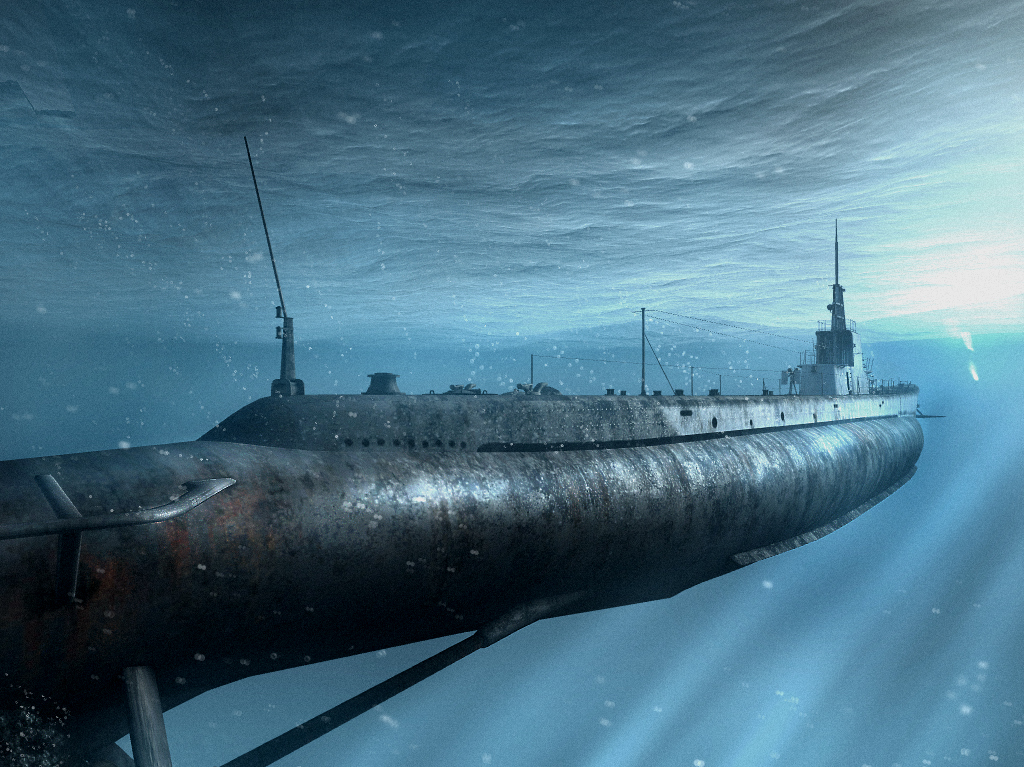
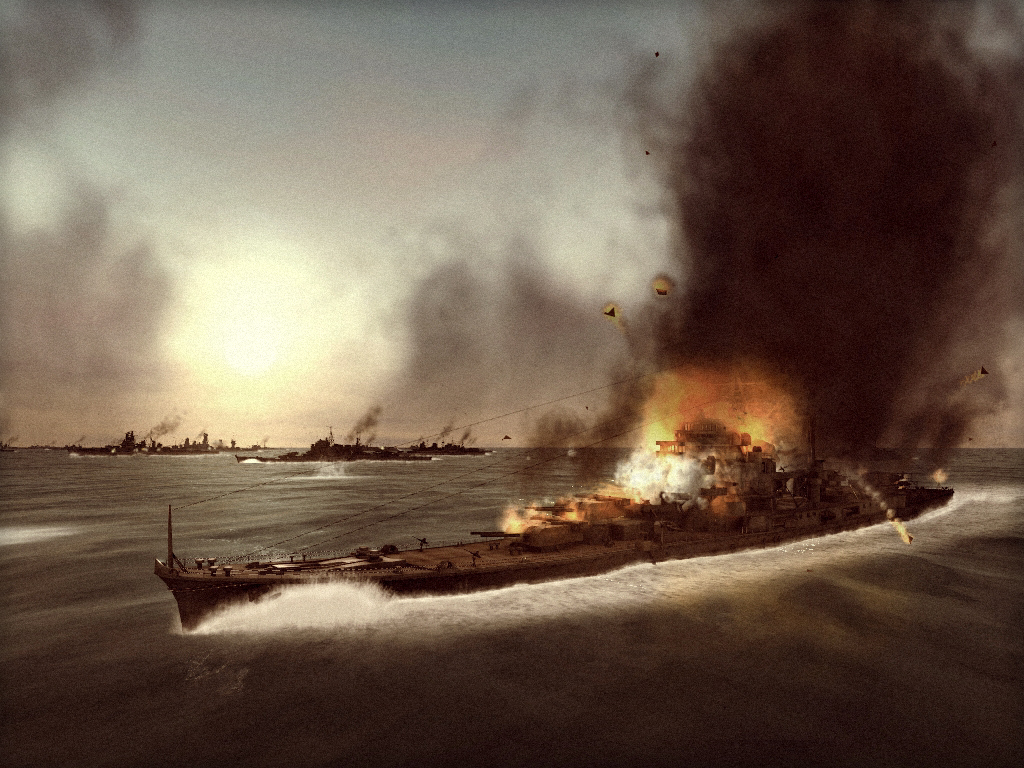
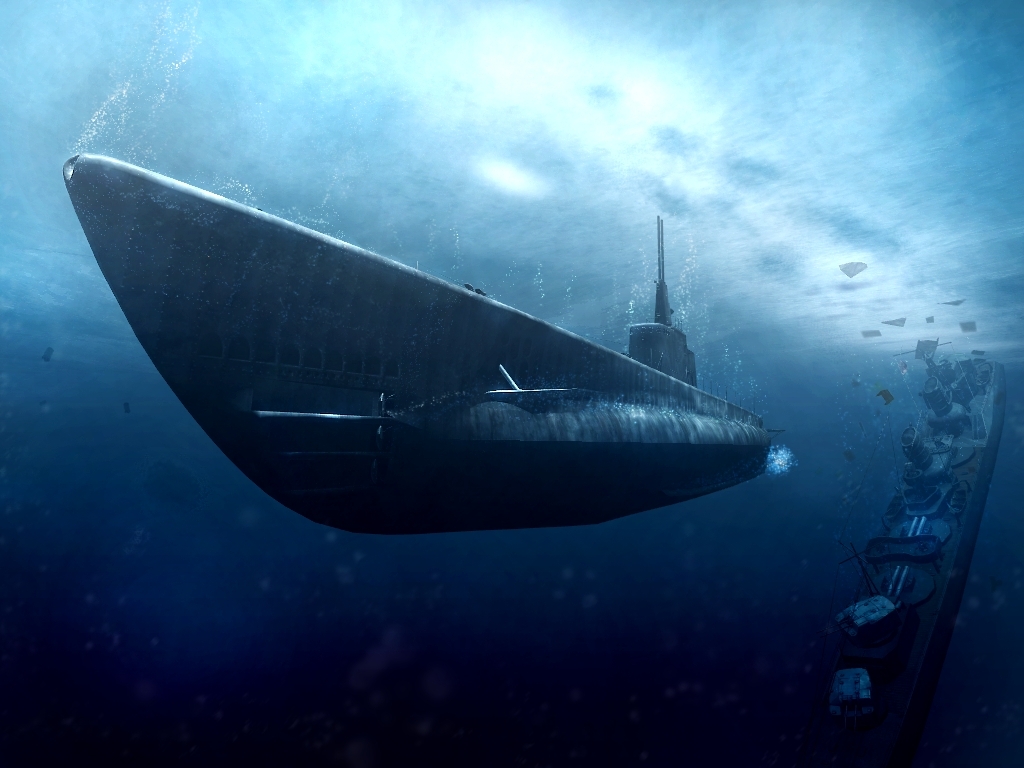
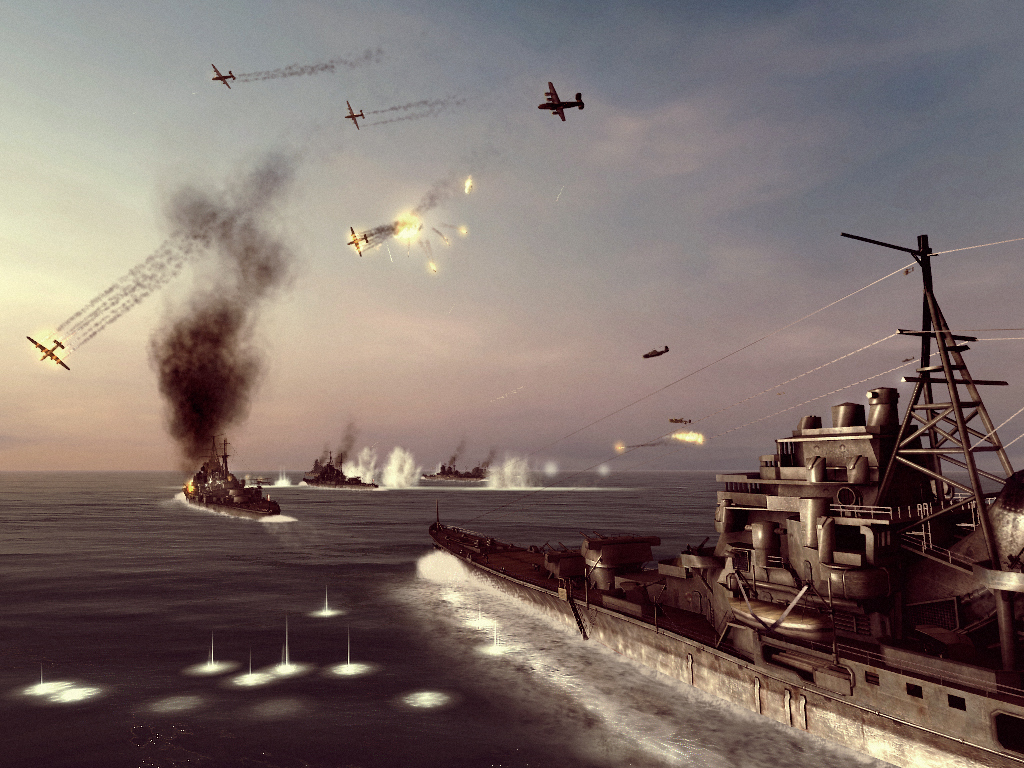
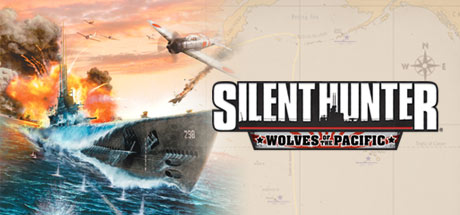
Hunt, hide and kill as you take command of U.S. submarines and crews and navigate the treacherous waters of the Pacific during WWII. Silent Hunter, the industry-leading naval warfare simulation franchise for over a decade, returns to its roots with next-generation graphical realism, immersive gameplay, innovative crew evolution and more...
Silent Hunter®: Wolves of the Pacific is a simulation, submarine and world war ii game
developed by Ubisoft Romania
and published by Ubisoft.
Released on August 27th 2009 is available only on Windows
in 3 languages: English, French and Spanish - Spain.
It has received 1,046 reviews of which 728 were positive and 318 were negative resulting in a rating of 6.7 out of 10. 😐
The game is currently priced at 2.49€ on Steam with a 75% discount.
The Steam community has classified Silent Hunter®: Wolves of the Pacific into these genres:
Media & Screenshots
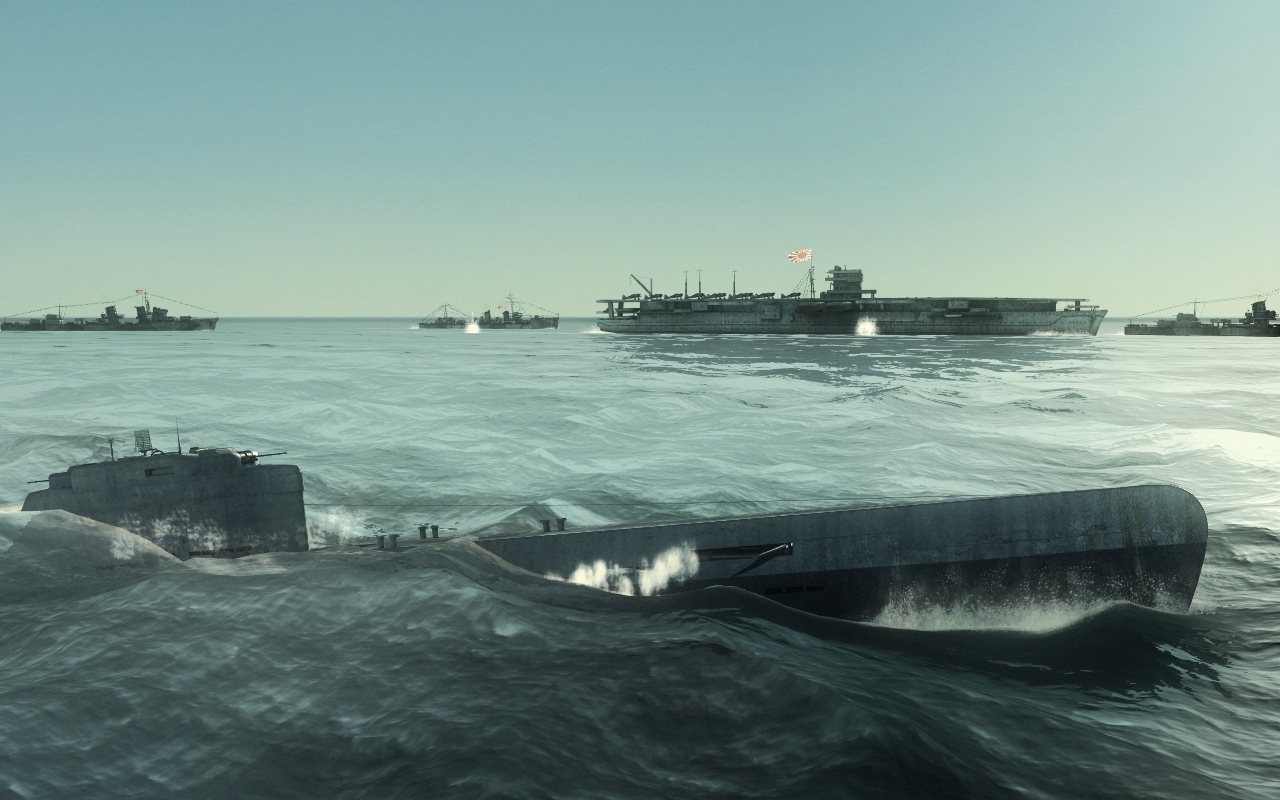
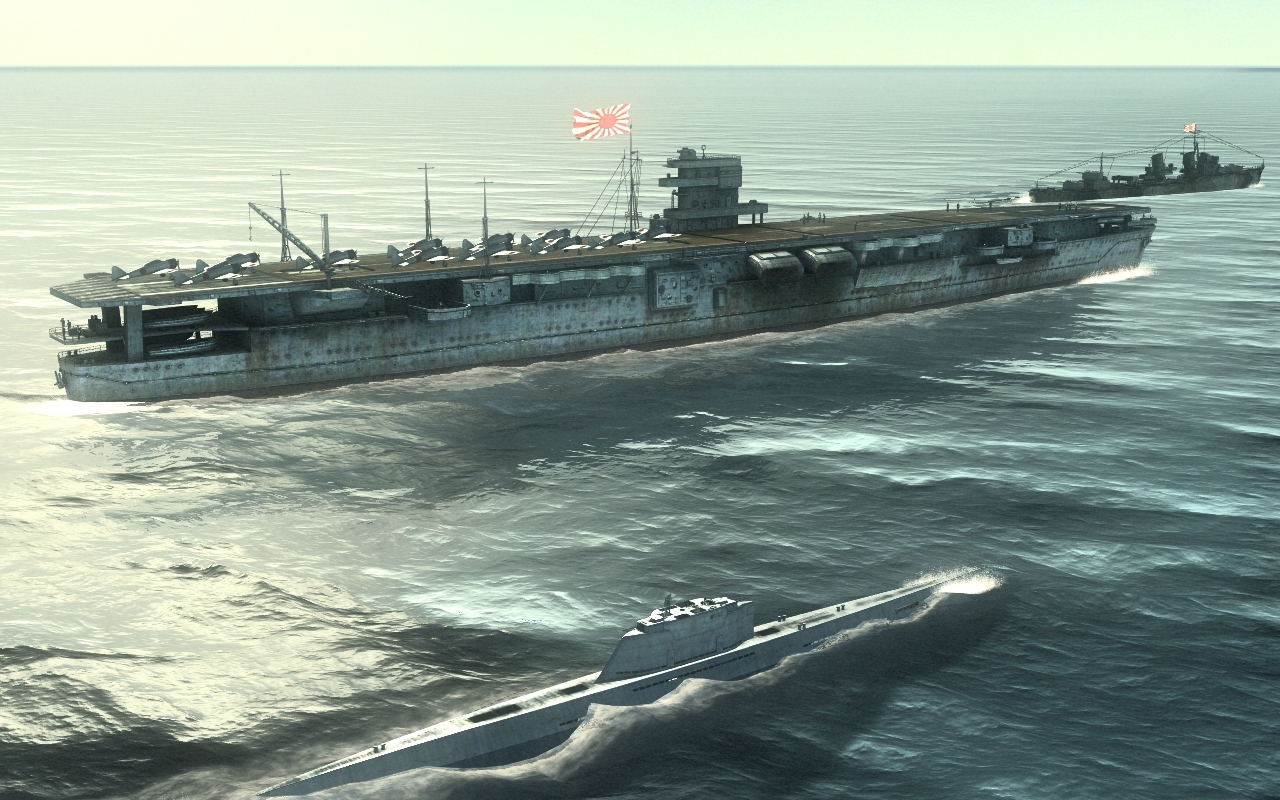
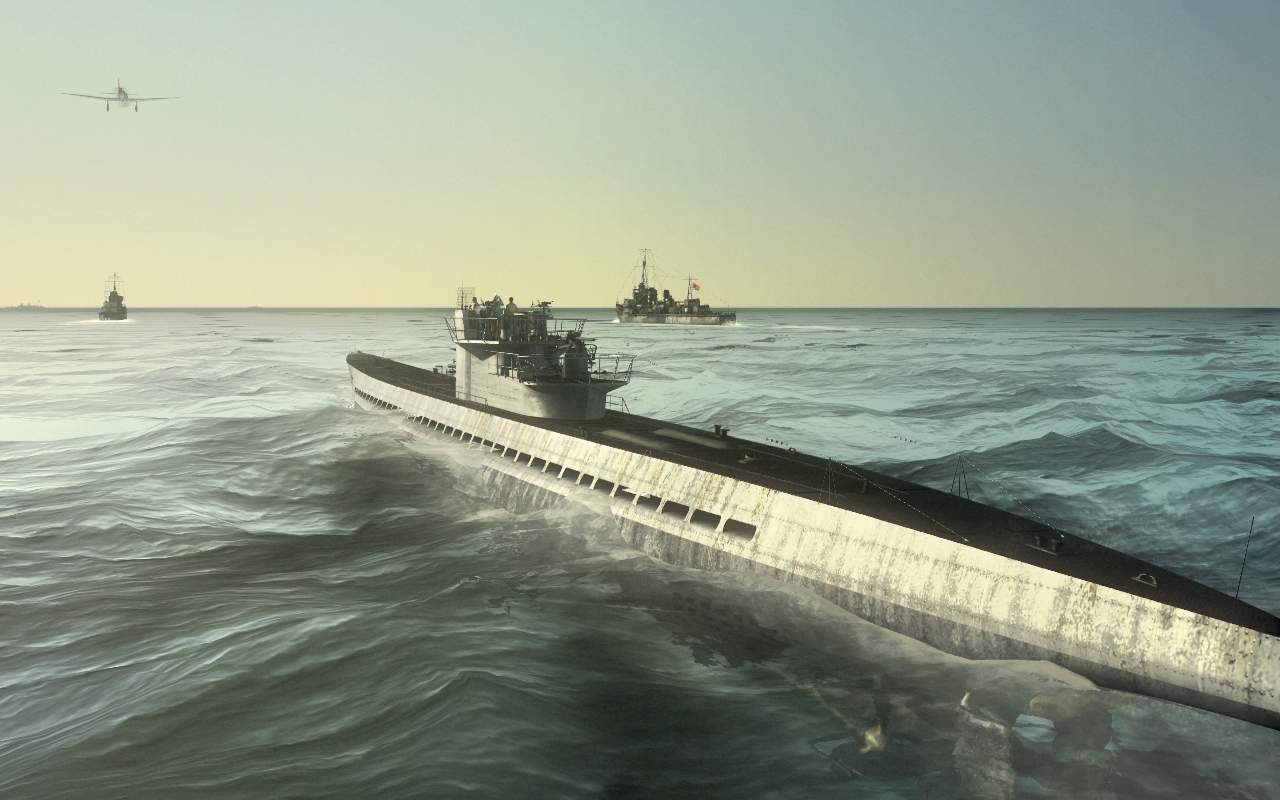
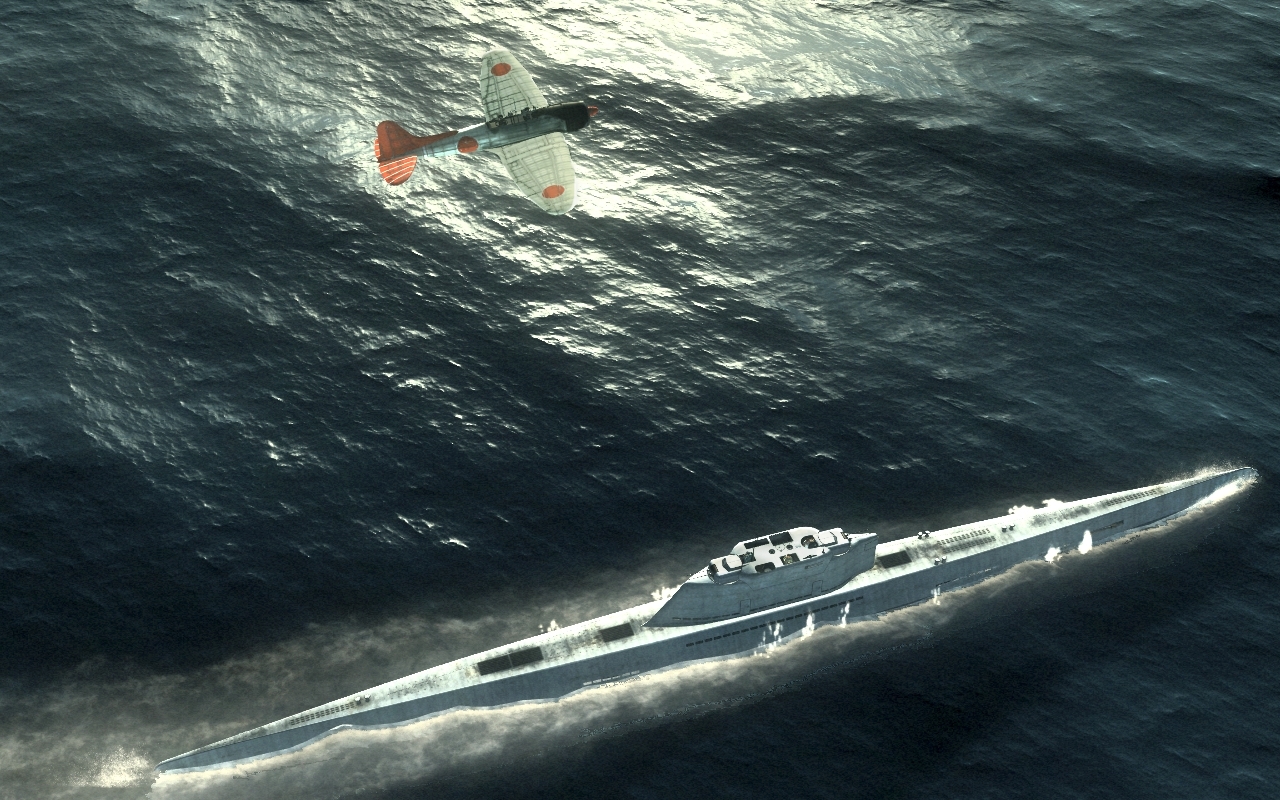
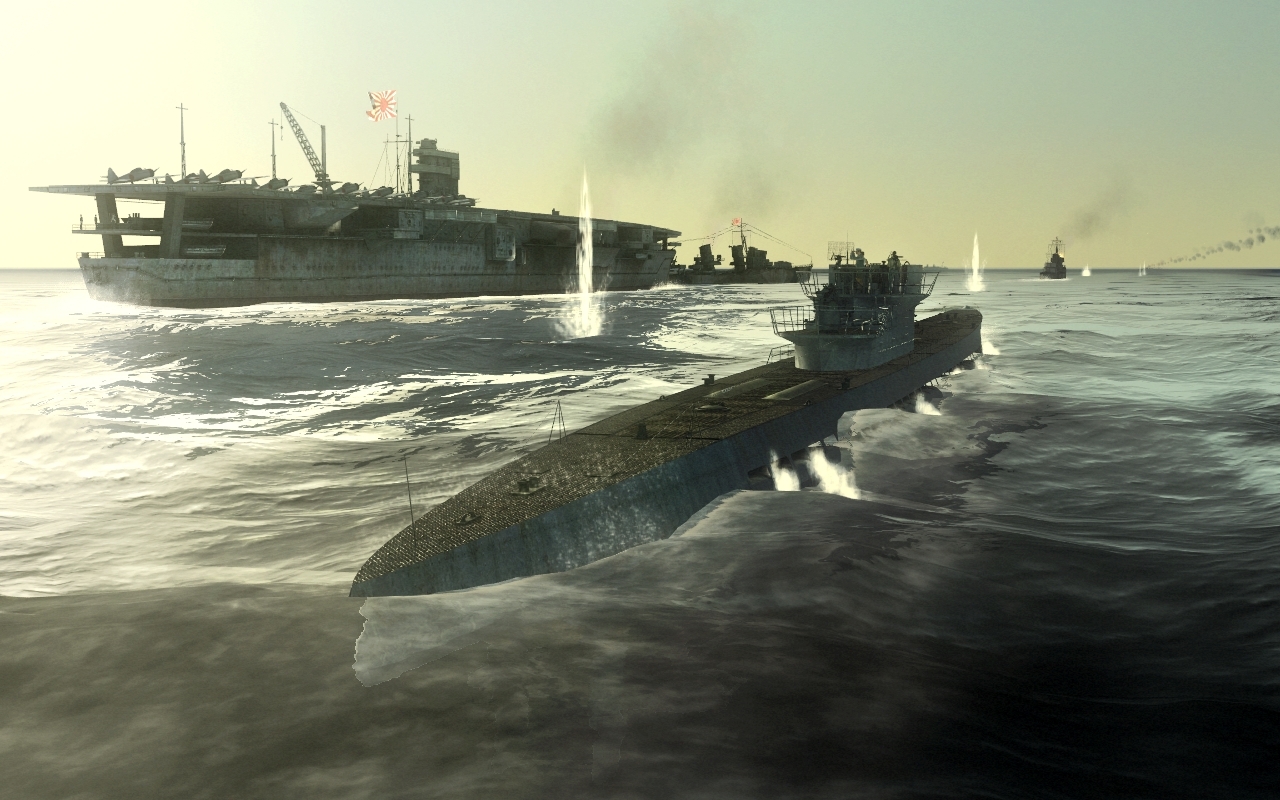
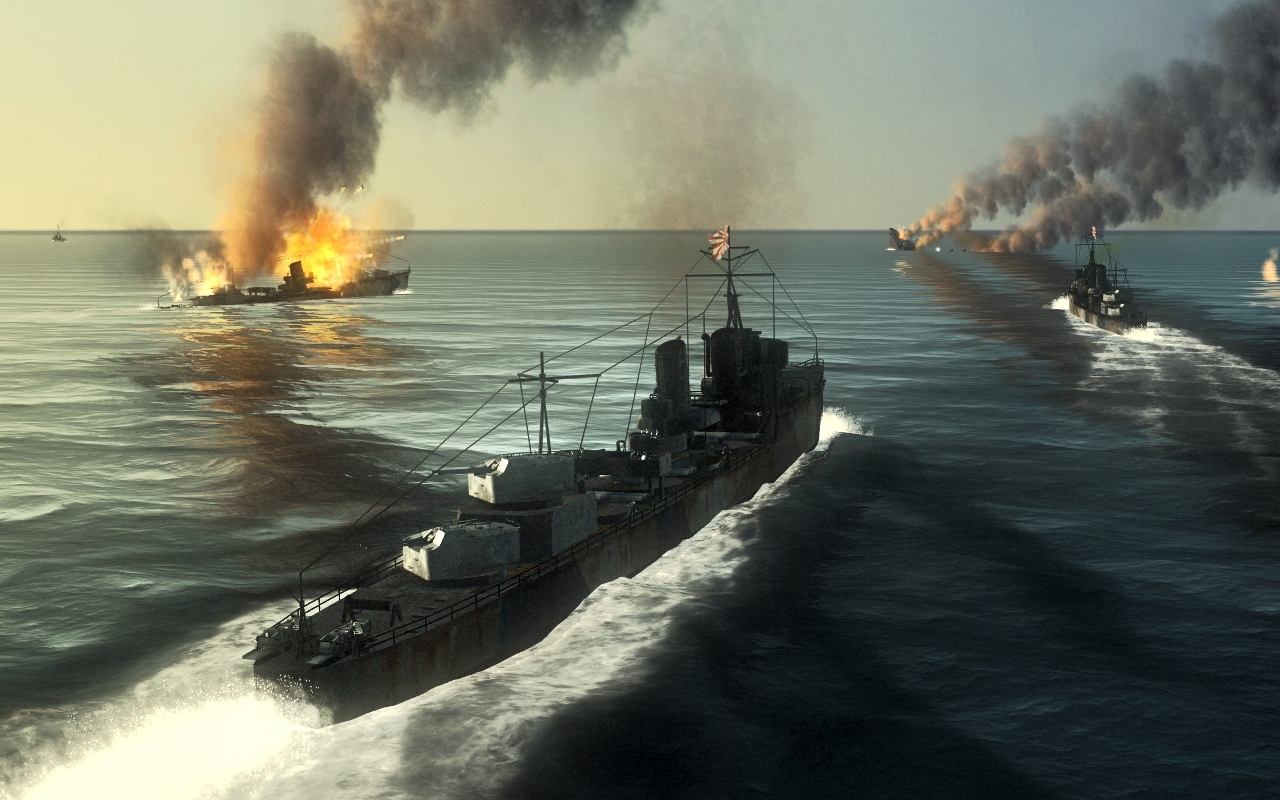
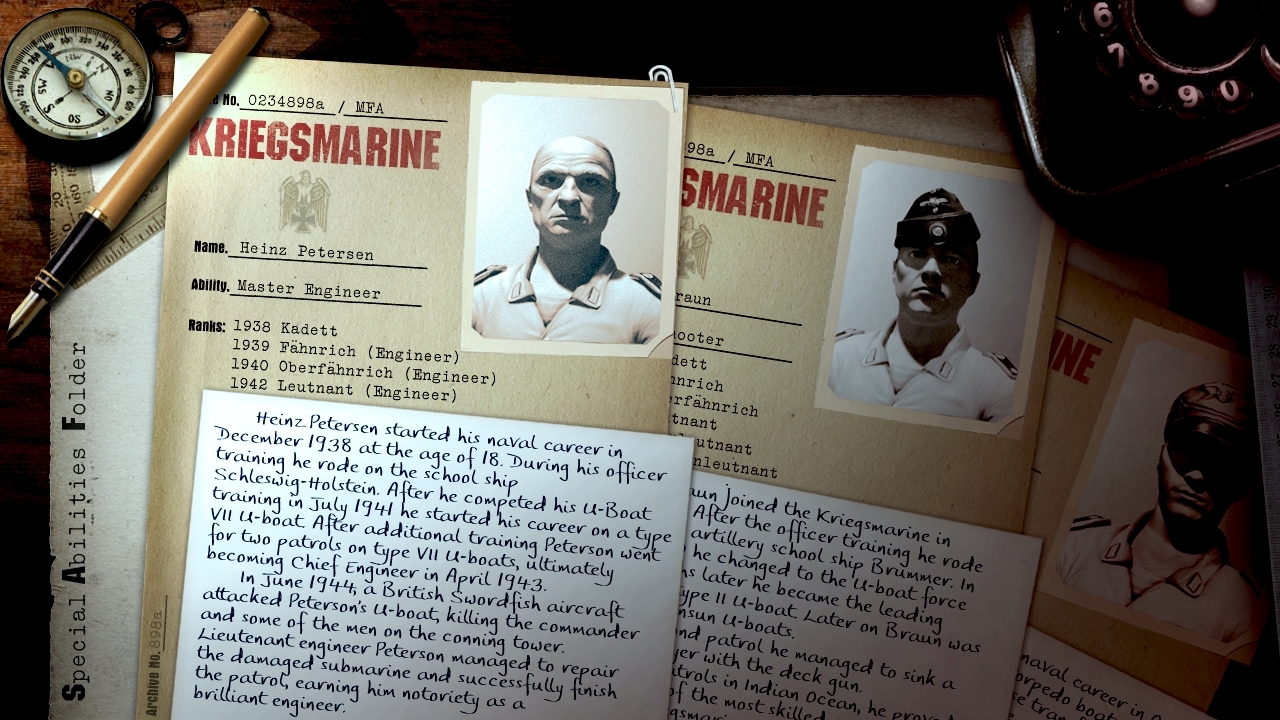
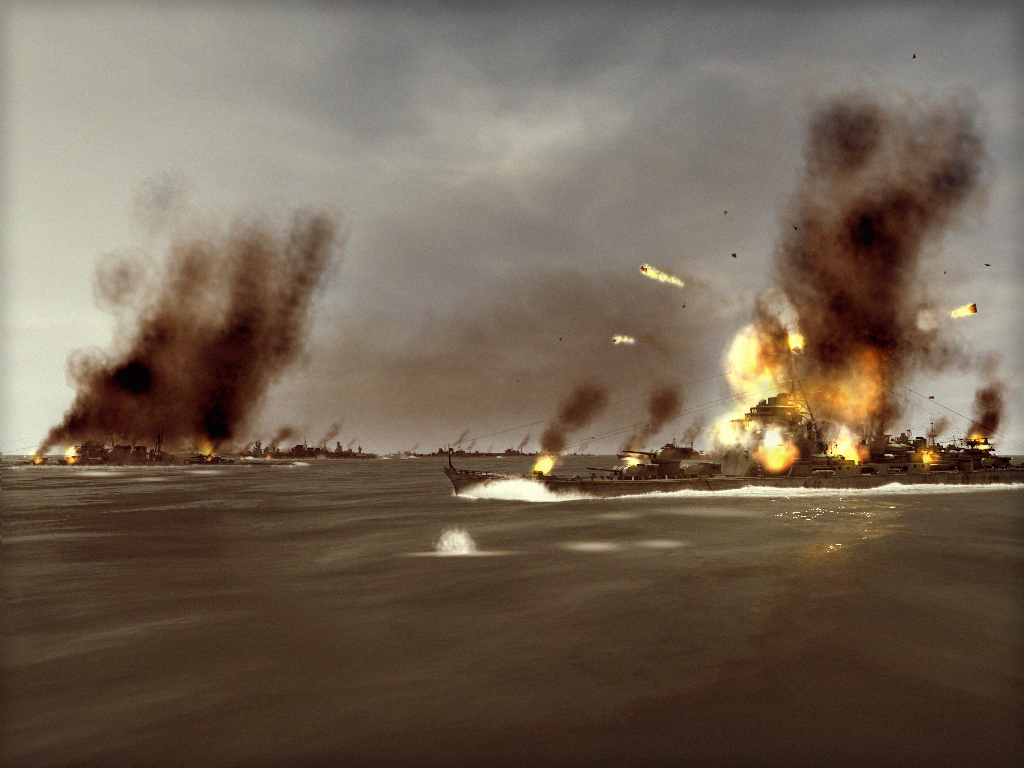
Get an in-depth look at Silent Hunter®: Wolves of the Pacific through various videos and screenshots.
Load More
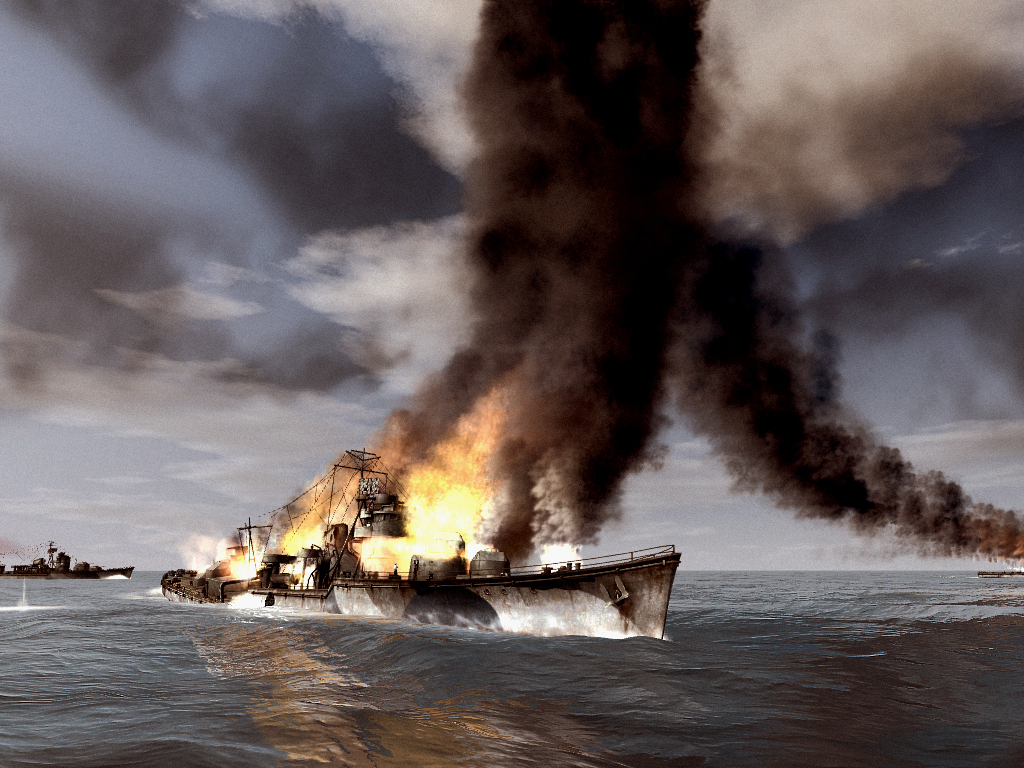
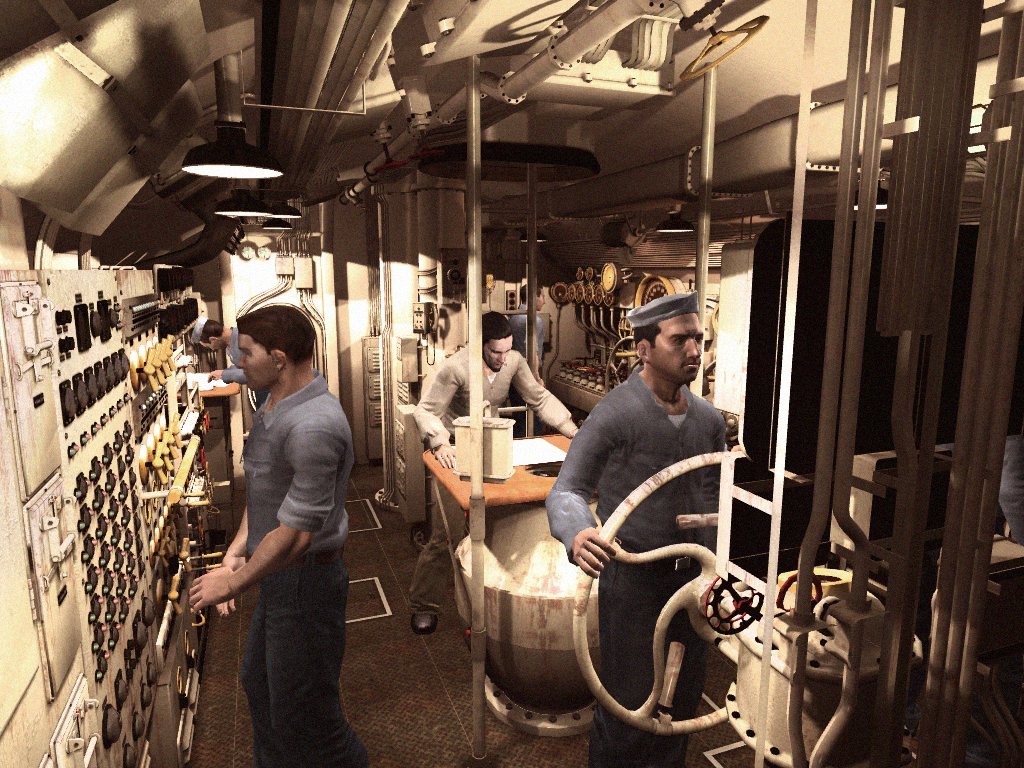
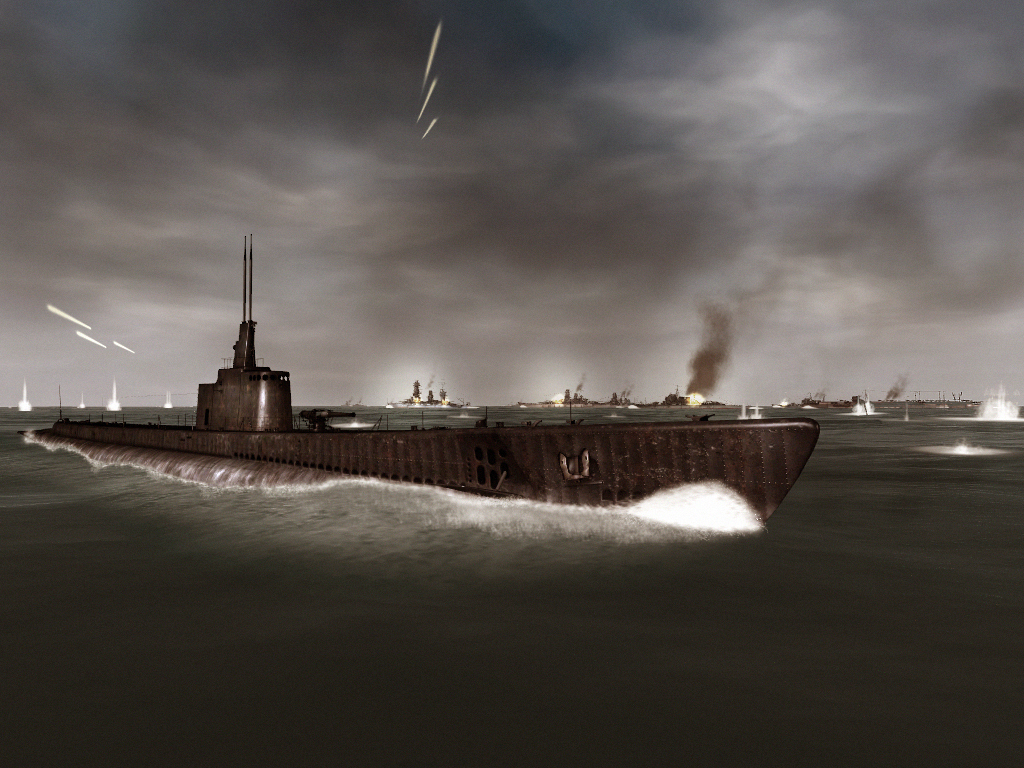
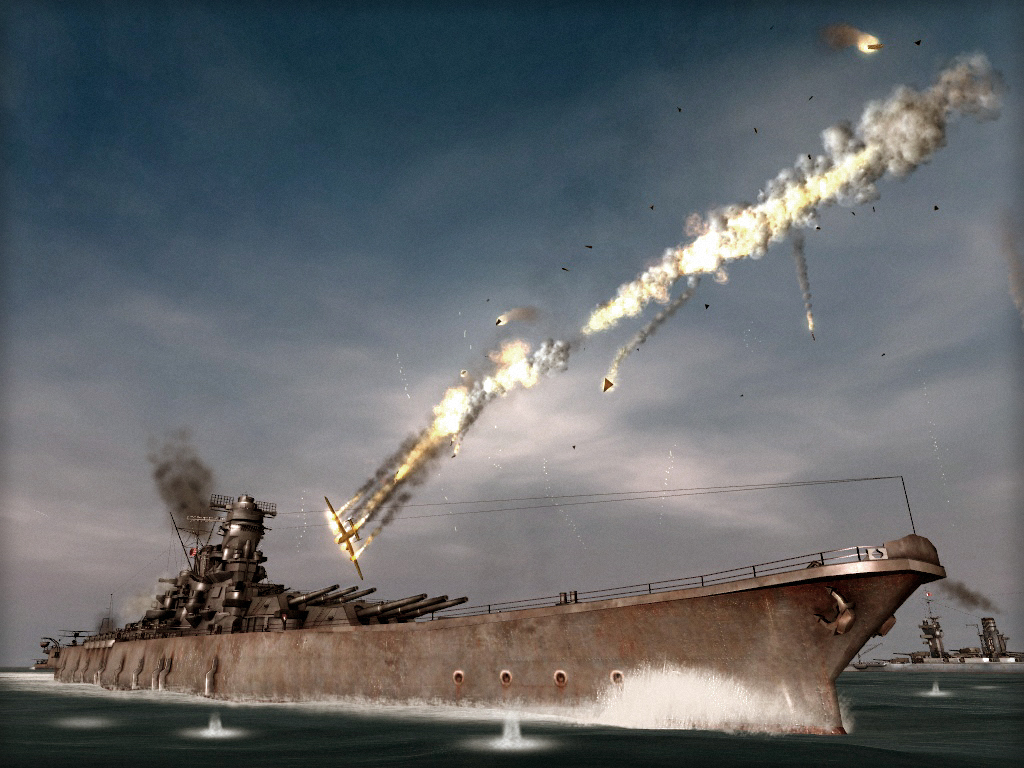
System requirements
These are the minimum specifications needed to play the game. For the best experience, we recommend that you verify them.
Windows
Minimum:
- Supported OS: Windows® XP/Vista Only
- Processor: 2GHz Pentium 4 or AMD Athlon (4 3GHz Pentium or AMD Athlon recommended)
- Memory: 1 GB (2 GB recommended)
- Graphics: 128 MB RAM DirectX® 9-compliant, video card capable of rendering Pixel Shader 2.0 (256 MB RAM recommended) (see supported list*)
- DirectX Version: DirectX 9.0c or later (included)
- Sound: DirectX 9 -compliant sound card
- Network: 128 kbps upstream or faster (512 kbps upstream or faster needed to host online games)
- Hard Drive: 6 GB
- *Supported Video Cards: ATI® RADEON® 9600/9700/9800, X300 to X850, X1300 to X1800NVIDIA® GeForce™ 6200/6600/6800/7800
Steam Price & Best Deals
User reviews & Ratings
Explore reviews from Steam users sharing their experiences and what they love about the game.
Silent Hunter: Wolves of the Pacific is a detailed naval warfare simulation developed by Ubisoft Romania and published by Ubisoft. As the fourth installment in the long-running Silent Hunter franchise, the game shifts the focus of submarine warfare to the Pacific theater of World War II. Unlike earlier entries that centered on German U-boats in the Atlantic, this installment places players in command of United States Navy fleet submarines operating against the Imperial Japanese Navy. The game aims to recreate the tension, strategy, and long periods of anticipation associated with submarine warfare while maintaining a strong emphasis on historical authenticity. Through its combination of complex simulation systems and immersive presentation, the game attempts to capture the responsibilities and challenges faced by real submarine commanders during the war. The campaign spans the years between 1941 and 1945 and places players in the role of a submarine captain tasked with disrupting Japanese naval operations across the vast Pacific Ocean. From the moment players begin their first patrol, they become responsible for navigating enormous distances while searching for enemy shipping lanes and convoys. Missions are not presented as simple scripted scenarios but instead occur within a dynamic wartime environment where ships travel along simulated trade routes. This system allows each patrol to feel unpredictable, as players may encounter merchant vessels, heavily defended convoys, or powerful warships depending on their location and timing. The gameplay revolves around the careful operation of a submarine and the strategic decisions required to survive in hostile waters. Players must manage navigation, monitor sonar contacts, calculate torpedo firing solutions, and control the submarine’s depth and speed. A key part of the experience is the tension created by stealth-based gameplay. Submarines are extremely effective when undetected, but they are vulnerable once enemy forces become aware of their presence. Approaching an enemy convoy requires patience and precise maneuvering, as a single mistake can expose the submarine to escort ships equipped with sonar and depth charges. One of the defining mechanics of the game is the torpedo attack system. Players must carefully analyze enemy ship movements before launching an attack. This involves estimating the target’s speed, distance, and direction in order to determine the correct firing angle. On lower realism settings the game can assist with these calculations, but players who choose higher realism levels must perform these tasks manually. Successfully striking a ship with torpedoes can be incredibly satisfying, particularly when a well-planned attack sinks multiple vessels within a convoy. However, the aftermath of an attack is often the most dangerous moment of a mission. Once torpedoes hit their targets, enemy escort ships begin searching for the submarine responsible for the attack. Destroyers equipped with sonar sweep the surrounding waters while launching depth charges in an attempt to destroy the hidden submarine. During these tense encounters, players must remain calm and maneuver carefully through the depths while avoiding detection. The constant threat of depth charge explosions creates some of the most intense moments in the entire game. The career campaign serves as the centerpiece of the experience. Players begin as a relatively inexperienced submarine commander and gradually rise in rank through successful patrols. Each mission contributes to the broader war effort by weakening enemy shipping lines and disrupting supply routes. Radio messages throughout the campaign keep players informed about major wartime events and shifting naval strategies, reinforcing the sense that their actions are part of a much larger conflict. This dynamic campaign system helps maintain immersion by allowing the war to evolve around the player rather than forcing them through a predetermined sequence of events. Crew management also plays a significant role in the gameplay. Each submarine is staffed by a crew responsible for operating sonar equipment, loading torpedoes, maintaining navigation systems, and performing repairs. Over time, crew members gain experience that improves their efficiency and responsiveness during combat situations. Skilled crew members can reload torpedoes faster, detect enemy ships more quickly, and handle emergency situations with greater effectiveness. This system adds another strategic layer to the game, as the performance of the crew can determine whether a mission ends in success or disaster. The game offers several different submarine classes used by the United States Navy during World War II. Each vessel has unique characteristics such as speed, durability, and torpedo capacity. As players progress through the campaign, they may gain access to more advanced submarines with improved technology. These upgrades reflect the historical development of submarine warfare during the war, as American submarines became more effective through technological improvements and refined tactics. Visually, the game delivers a convincing depiction of naval warfare for its time. The submarine interiors are fully modeled, allowing players to move between compartments such as the control room, torpedo room, and sonar station. Watching crew members operate equipment inside the submarine helps reinforce the sense of commanding a functioning warship rather than simply controlling a vehicle. Above the surface, the ocean environments are vast and atmospheric, with dynamic weather conditions that can influence visibility and combat tactics. Storms, fog, and nighttime patrols all add additional challenges to submarine operations. Sound design is equally important in creating immersion. Much of submarine warfare depends on listening for subtle audio cues, and the game reflects this by emphasizing sonar pings, distant engine noises, and the creaking of the submarine hull under pressure. When enemy destroyers begin dropping depth charges nearby, the sound of explosions echoing through the water creates a powerful sense of urgency. These moments are often accompanied by the tense silence of underwater navigation, reinforcing the feeling of isolation deep beneath the ocean. The game features a wide variety of enemy ships, each with different levels of threat. Merchant vessels carrying supplies are common targets and can often be destroyed with minimal risk. However, convoys protected by destroyers or cruisers present a much greater challenge. These escort ships actively search for submarines and will aggressively attack once they detect a threat. Deciding when to attack and when to remain hidden becomes a crucial tactical decision during longer patrols. Overall, Silent Hunter: Wolves of the Pacific remains one of the most respected submarine simulation games ever created. Its dynamic campaign system, realistic gameplay mechanics, and immersive presentation combine to create an experience that faithfully recreates the tension and strategy of underwater combat. While its complexity and slower pacing may not appeal to every player, those who appreciate historical simulations and tactical naval warfare will find it to be a deeply engaging and rewarding experience. Through its careful attention to historical detail and gameplay depth, the game successfully places players in the role of a World War II submarine commander navigating one of the most dangerous theaters of the war. Rating: 7/10
The game is okay to me. It's not as good as SH3 but if you a game where your sub can visit the Pacific, then i would still recommend it. But here's the catch, if you are about to buy this game on Steam then you can buy SH4 U-Boat Missions directly without the base game, it's cheaper and most importantly, it has version 1.5v instead of 1.3v in the base game. You can either buy both to support the dev or save the money.
An old game, but still one of my favorites to play from time-to-time. You can keep it alive and improve it by going to www.subsim.com. People have made lots of mods for this game. You can find upgrades there. "Trigger Maru Overhaul" is a great mod for this game. It adds better graphics and gameplay -and it is free to get from subsim.com. I get tired of all the U-boat games out there. I don't want to use a Nazi sub. I want to go American! This is the game. I like that it is a simulation and not an arcade game. You feel like you are in the sub and not an outside observer (like certain sub games now). You can adjust the difficulty of this game. If you like submarine simulators (and would prefer American subs), then this is worth a try. Unless someone comes along, gets away from stupid U-boats, and somehow updates this game with better realism, I'll gladly play Silent Hunter 4 for many years to come.
I forgot how amazing this game was until I saw it was only £1 ! and got it again. Still looks and feels brilliant in 2025. Atmospheric, absorbing and engaging. Well worth the money and the time. Oh The Add-on Uboat missions, sadly make the game crash and bug out a lot, so just don't bother with that. The base game is big enough Happy hunting
Similar games
View all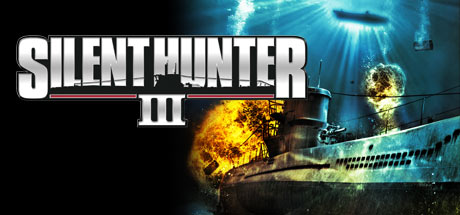
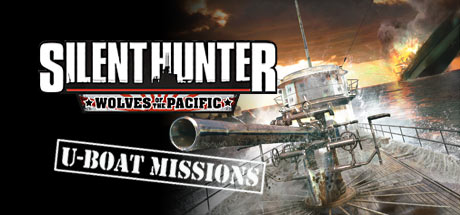
Silent Hunter : Wolves of the Pacific U-Boat Missions
Experience the thrill of the hunt! Prowl the waters as the captain of a German submarine in a never-before-seen theatre of operations the Indian Ocean. Take part in the war against British supply lines off the coast of North Africa and support the Japanese war against the U.S. Navy.
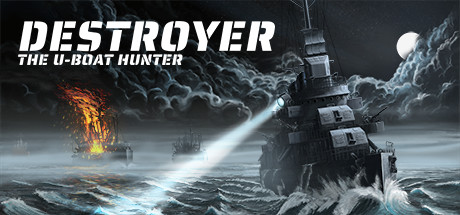
Destroyer: The U-Boat Hunter
Destroyer: The U-Boat Hunter brings you an authentic and historically accurate destroyer simulation along with gripping anti-submarine warfare set in the turmoils of the Atlantic Ocean during World War II.
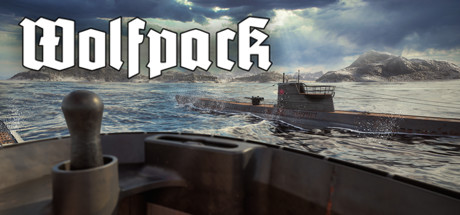
Wolfpack
A crew of players experience the tense atmosphere of a WW2 U-boat, manning the stations in this realistic co-op simulation game. Several crews may play together in a wolfpack, completing missions based on iconic events during the different stages of German U-boat warfare. Solo play included.
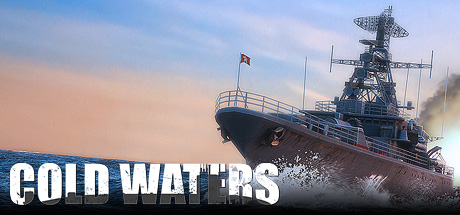
Cold Waters
Spiritual Successor to the Microprose Classic “Red Storm Rising”.
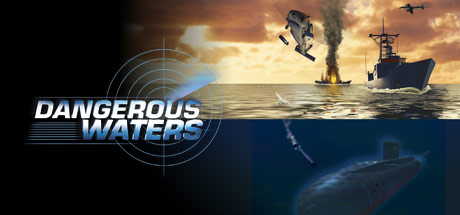
Dangerous Waters
S.C.S. - Dangerous Waters allows you total control over multiple air, surface, and submarine platforms in a modern-day naval environment. Take direct control of individual crew stations and also plan and execute combined arms naval strategies from a top-down 'Commanders Eye' perspective.
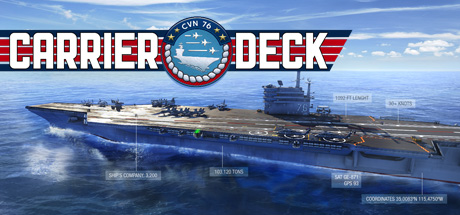
Carrier Deck
Carrier Deck is a fast paced time management game where you play as the Air Boss on board the CVN-76 in the midst of active war.
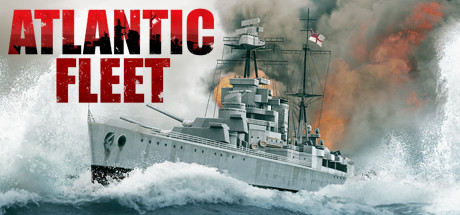
Atlantic Fleet
Turn based tactical and strategic naval combat. Atlantic Fleet puts you in command of the Allies or Kriegsmarine (German Navy) in the longest military campaign of WWII, The Battle of the Atlantic.Take command of surface ships, submarines as well as carrier and land based aircraft in the deadly struggle for control of Atlantic shipping...
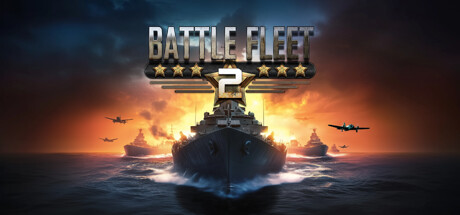
Battle Fleet 2
Welcome Admiral! Select your fleet, assign weapons, and sink the enemy fleet by controlling each of your ships down to setting the aim and range of each weapon's shot. Features include full open world Pacific & Atlantic campaigns, cross-platform multiplayer and awesome turn-based naval battles.
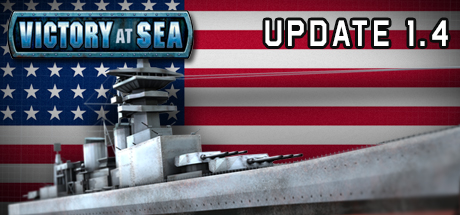
Victory At Sea
Engage in epic RTS warfare across 3 huge campaigns as well as other battle modes. Create your own fleet of ships, pick your side and enter into World War II naval combat on a global scale.
IronWolf VR
IronWolf VR is a roomscale submarine game playable either singleplayer or online co-op with motion controls. Built from the ground up for VR, each part of the submarine has been crafted for an optimal VR experience.
Frequently Asked Questions
Silent Hunter®: Wolves of the Pacific is currently priced at 2.49€ on Steam.
Yes, Silent Hunter®: Wolves of the Pacific is currently available at a 75% discount. You can purchase it for 2.49€ on Steam.
Yes, Silent Hunter®: Wolves of the Pacific received 728 positive votes out of a total of 1,046 achieving a rating of 6.72.
😐
Silent Hunter®: Wolves of the Pacific was developed by Ubisoft Romania and published by Ubisoft.
Yes, Silent Hunter®: Wolves of the Pacific is playable and fully supported on Windows.
No, Silent Hunter®: Wolves of the Pacific is not playable on MacOS.
No, Silent Hunter®: Wolves of the Pacific is not playable on Linux.
This information about Silent Hunter®: Wolves of the Pacific is not available yet.
This information about Silent Hunter®: Wolves of the Pacific is not available yet.
No, Silent Hunter®: Wolves of the Pacific does not support VR.
Silent Hunter®: Wolves of the Pacific offers both single-player and multi-player modes.
Silent Hunter®: Wolves of the Pacific offers both Co-op and PvP modes.
No, Silent Hunter®: Wolves of the Pacific does not currently offer any DLC.
No, Silent Hunter®: Wolves of the Pacific does not support mods via Steam Workshop.
No, Silent Hunter®: Wolves of the Pacific does not support Steam Remote Play.
Yes, Silent Hunter®: Wolves of the Pacific is enabled for Steam Family Sharing. This means you can share the game with authorized users from your Steam Library, allowing them to play it on their own accounts. For more details on how the feature works, you can read the original Steam Family Sharing announcement or visit the Steam Family Sharing user guide and FAQ page.
You can find solutions or submit a support ticket by visiting the Steam Support page for Silent Hunter®: Wolves of the Pacific.
Data sources
The information presented on this page is sourced from reliable APIs to ensure accuracy and relevance. We utilize the Steam API to gather data on game details, including titles, descriptions, prices, and user reviews. This allows us to provide you with the most up-to-date information directly from the Steam platform.
Additionally, we incorporate data from the SteamSpy API, which offers insights into game sales and player statistics. This helps us present a comprehensive view of each game's popularity and performance within the gaming community.
Last Updates| Steam data | 18 September 2026 22:22 UTC |
|---|---|
| SteamSpy data | 18 September 2026 09:13 UTC |
| Steam price | 20 September 2026 18:43 UTC |
| Steam reviews | 18 September 2026 04:04 UTC |
If you'd like to dive deeper into the details about Silent Hunter®: Wolves of the Pacific, we invite you to check out a few dedicated websites that offer extensive information and insights. These platforms provide valuable data, analysis, and user-generated reports to enhance your understanding of the game and its performance.
- SteamDB - A comprehensive database of everything on Steam about Silent Hunter®: Wolves of the Pacific
- SteamCharts - Analysis of Silent Hunter®: Wolves of the Pacific concurrent players on Steam
- ProtonDB - Crowdsourced reports on Linux and Steam Deck Silent Hunter®: Wolves of the Pacific compatibility

Game modes
Features
Online players
31
Developer
Ubisoft Romania
Publisher
Ubisoft
Release
27 Aug 2009
Platforms