
Tom Clancy's Splinter Cell
Enter the world of cinematic stealth action with Splinter Cell, the game that propelled the genre to cult status. You are Sam Fisher, an elite covert agent in the NSA's top-secret division: Third Echelon.
Sync your Steam wishlist to find the lowest game prices instantly. No login required, just paste your Steam profile URL!
⚡ Try Wishlist Radar!
Sync your Steam wishlist to find the lowest game prices instantly. No login required!
⚡ Try Wishlist Radar!
Close

Tom Clancy's Splinter Cell Chaos Theory® on Steam
Quick menu
Experience one of the most critically acclaimed stealth-action games of all time. Uncover a conspiracy that hits close to home and stop World War III.
Tom Clancy's Splinter Cell Chaos Theory® is a stealth, action and third person game
developed by Ubisoft Montreal
and published by Ubisoft.
Released on August 27th 2009 is available only on Windows
in 5 languages: English, French, German, Spanish - Spain and Italian.
It has received 5,403 reviews of which 4,971 were positive and 432 were negative resulting in a rating of 8.9 out of 10. 😎
The game is currently priced at 9.99€ on Steam.
The Steam community has classified Tom Clancy's Splinter Cell Chaos Theory® into these genres:
Stealth
Action
Third Person
Classic
Co-op
Great Soundtrack
Atmospheric
Espionage
Singleplayer
Tactical
Immersive
Multiplayer
Shooter
Story Rich
Controller
Third-Person Shooter
Adventure
Strategy
Local Co-Op
Open World
Here is the detailed breakdown of supported languages for Tom Clancy's Splinter Cell Chaos Theory®:
| UI | Subtitle | Audio | |
|---|---|---|---|
| English | |||
| German | |||
| French | |||
| Italian | |||
| Spanish - Spain |
Media & Screenshots
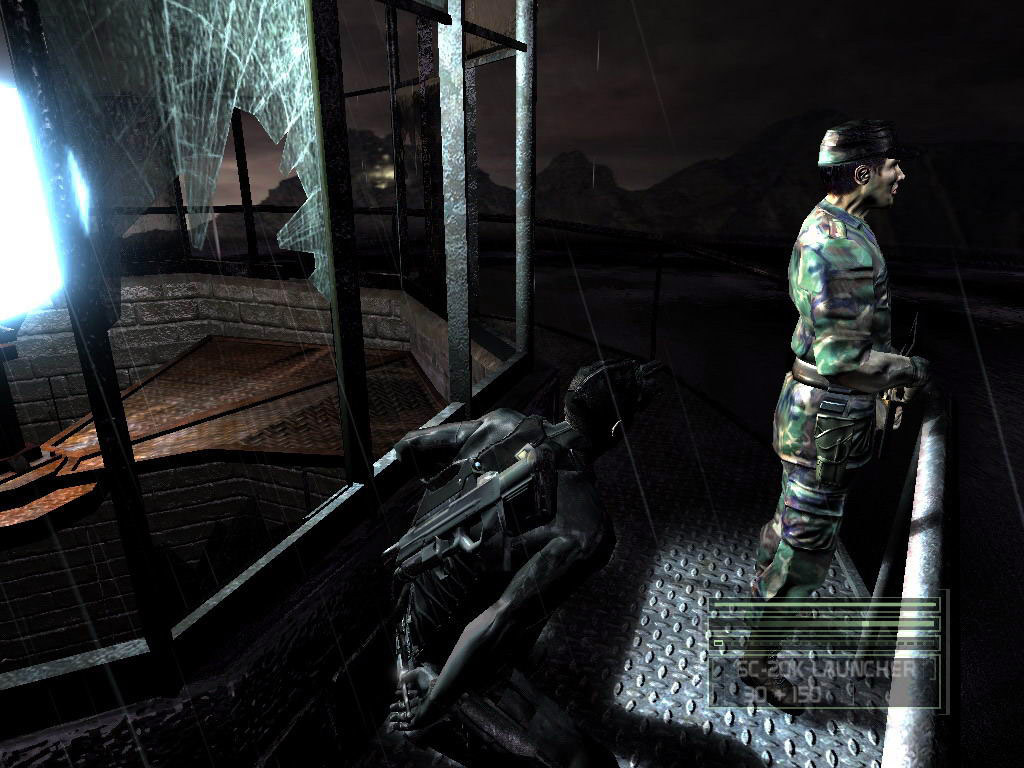
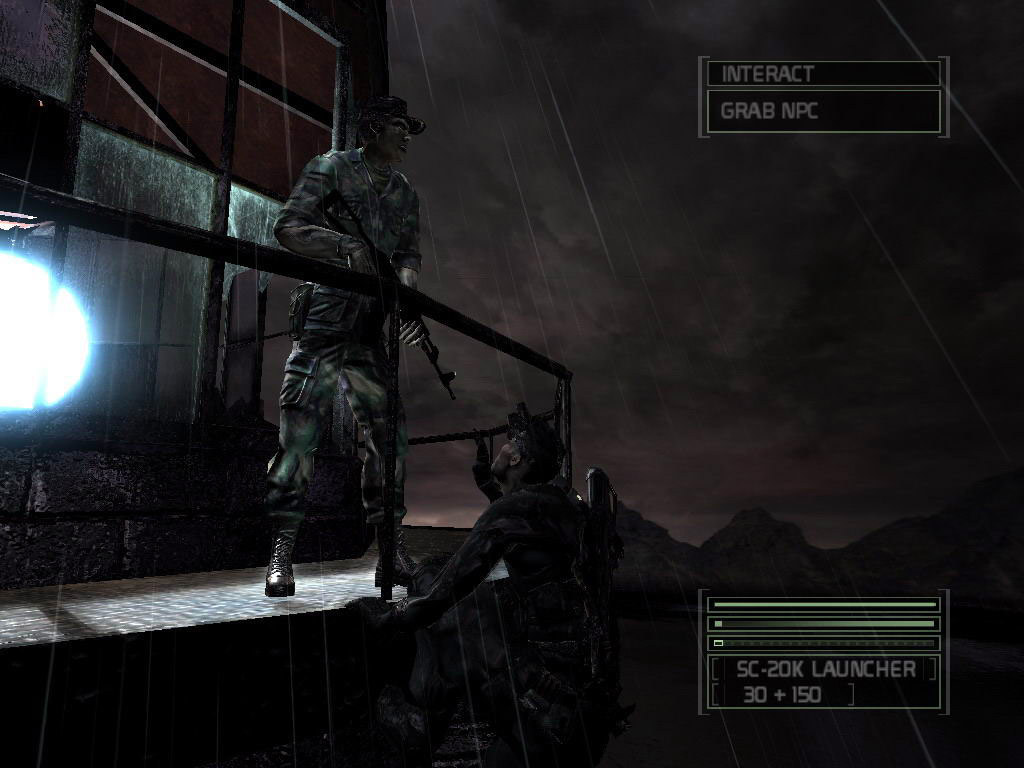
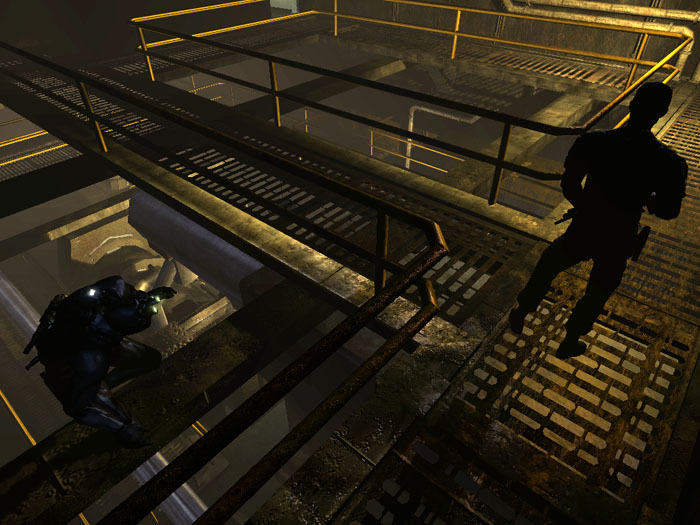
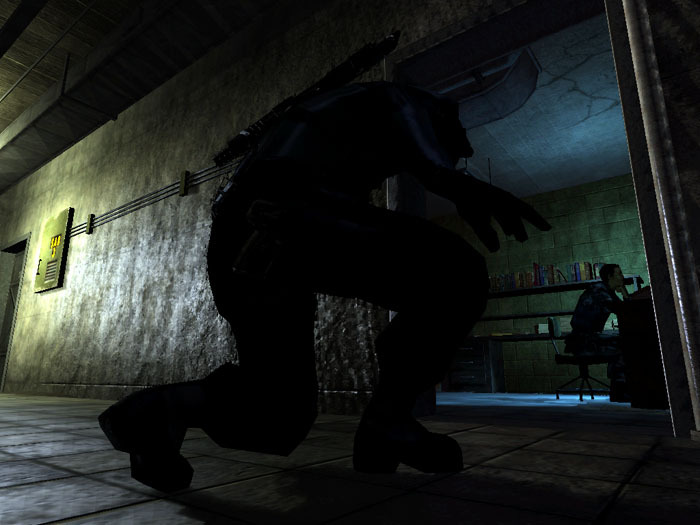
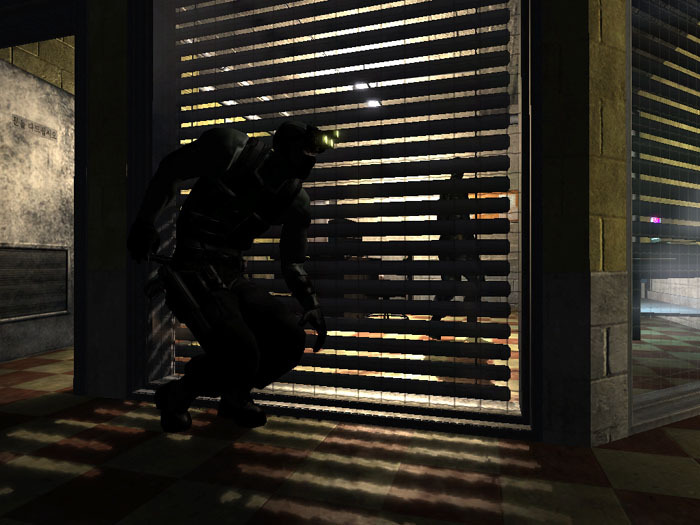
Get an in-depth look at Tom Clancy's Splinter Cell Chaos Theory® through various videos and screenshots.
System requirements
These are the minimum specifications needed to play the game. For the best experience, we recommend that you verify them.
Windows
- Supported OS: Originally released for Windows 7, the game can be played on Windows 10 and Windows 11 OS
- Processor: Intel Pentium III or AMD Athlon, 1.4 GHz (Pentium IV or Athlon 2.2 GHz recommended)
- System Memory: 256 MB of RAM or above (512 MB recommended)
- Video Card: 64 MB DirectX 9.0c compliant graphics card (128 MB recommended)
- Sound Card: DirectX 9.0c compliant sound card (EAX 2.0 or higher recommended)
- DirectX Version: DirectX® version 9.0c or higher
- Hard Disk: 4 GB available hard disk space
- Supported Peripherals: Windows compatible mouse and keyboard, joystick for Solo and Co-op modes
- Multiplay: Broadband with 64 Kbps data transfer upload rate (128 kbps recommended)
- Note: For the most up-to-date minimum requirement listings, please visit the FAQ for this game on our support website at: .
Steam Price & Best Deals
User reviews & Ratings
Explore reviews from Steam users sharing their experiences and what they love about the game.
The DEFINITIVE Splinter Cell game. After SC: Pandora Tomorrow, I expected SC: Chaos Theory to feel more like a DLC to its predecessor..... It's safe to say I was entirely wrong. This is the best Splinter Cell game anybody will ever play. It does everything better than the last two instalments. Gameplay has been refined with a comb, allowing you to play with a more versatile approach. For starters, before getting into a mission, you can choose whether you want to go in with a stealth or combat focused approach. Sam is equipped with a knife now, meaning he can cut through fabrics to open up more routes to sneak around or straight up kill people with a slice to the throat. You can hack terminals to gain access to hidden documents/access points which is vital for optional objectives that have been added to missions. Along with hacking, You are now given an EEV (Electronically Enhanced Vision) goggles which can also hack computers/electronics from a distance. A sound meter has been added to the game to show how loud Sam is when walking on specific surfaces. Sam can now neutralise people by hanging on surface edges/pipes which couldn't be done before surprisingly. The story/levels in this game are brilliant. Whoever designed these levels deserves the praise they get because there are SO MANY ways to actually approach a mission now. SC:SAR and SC:PT struggled with this VERY SIMPLE concept of just giving us, the player a better way to get around missions. I usually explore every single nook and cranny in most games I play so it was great to walk into a room and find a hidden vent that pushes me a few rooms or a section ahead. This is what Splinter Cell needed. Interrogating is helpful for objectives, door codes and general intel for the designated level, You might even hear some comedic dialogue from Sam, messing with his victims when they have nothing to give. AI awareness to their surroundings has improved a lot. Guards will notice other guards missing when they patrol, they'll notice open doors or lights turned off and they'll be alerted if a conversation is interrupted due to Sam grabbing a person. Sam's pistol comes equipped with an OCP, this gadget alone will be the only reason you can do a lot of stealth. It lets you temporarily disable electronical devices, this can range from a computer to a light you can't shoot out. It will save you a lot of bullets and help you in the long run. There's a bunch of other stuff I probably haven't mentioned which shows the huge amount of changes this game has had from its predecessor. I would recommend looking at the "Improvements for Splinter Cell: Chaos Theory" guide for fixes to get the game running better. This honestly might be my favourite TP stealth game ever and I'd recommend everybody (including non-stealth fans) to try it
This is peak Splinter Cell. That is it. There are no other entries in the Splinter Cell series that even come close to what this game did in terms of gameplay, aesthetics, story, mechanics. For a dark, stealth shooter with high levels of realism - I would even say this game is peak for the entire stealth genre if those qualities are what you are looking for.
hit 40 recently... having three screaming kids constantly running around the house is the literal definition of a chaos theory. work has been absolutely brutal too. doing IT audits all day—just constantly searching for a splinter in the cell of our spreadsheets. Was getting totally burnt out. coming home feeling completely drained. operating completely in the dark. bought this game on a whim because honestly i just needed a desperate escape from the third echelon of corporate middle management. didn't expect a retro stealth game to actually cure my midlife crisis. suddenly i'm sneaking around shadows instead of sneaking past my sleeping toddler at 2 am. my wife noticed i've been acting different... asked if i was just fishing for excuses to avoid chores. told her i wasn't just fishing... i'm a fisher of men now. mostly unconscious, zip-tied mercenary men. she groaned so hard she almost pulled a muscle and walked out of the room. but seriously—dropping onto a guard from the ceiling is a fantastic way to cure a splitting headache. and hitting a guy with a sticky shocker is exactly the kind of current event i want to be involved in right now. thanks to the devs for shedding some green light on a dark time in my life... you guys really executed this flawlessly. PC Requirements ☐ A potato battery wired to a lightbulb ☑ Runs flawlessly on a Fisher-Price laptop you stole from Third Echelon ☐ Needs a rig with three glowing green lenses ☐ Fast ☐ Ask NASA if they have a spare supercomputer Gameplay ☐ Mindless run and gun ☐ Point and click ☑ Giving a guard a splitting headache by perfectly executing a split jump ☐ Interrogating a guy just to ask if he's having a knife day ☐ Sitting in absolute pitch-black darkness for 40 minutes because shooting out a lightbulb is way too expensive Grind ☐ None at all ☐ Standard leveling ☑ Hitting F8 to quickload so many times your keyboard files for domestic abuse ☐ Trying to perfectly ghost a level but realizing your stealth skills are completely transparent ☐ Soul crushing Audio ☐ Muted ☐ Standard elevator muzak ☑ Amon Tobin dropping beats that are quite literally shocking to the system ☐ The iconic night vision whine permanently living rent-free in your frontal lobe ☐ Michael Ironside's voice dropping way lower than your actual bank account balance Bugs ☐ Flawless ☐ Minor visual glitches ☑ Spending 4 hours configuring a router just to play co-op... guess it really is a chaos theory ☐ Guards developing x-ray vision because you breathed too loud behind a solid titanium door ☐ Held together by duct tape, sheer hope, and sticky cameras
This, right here, is peak Splinter Cell. No game in the series is better than this one, despite this one still having its flaws. Graphically, this game may have aged in texture and model fidelity, but the shadows are top-notch. The gameplay is similar to SC 1 and Pandora Tomorrow, but refined to its limit. Pandora Tomorrow might have conceptually cooler levels, but Chaos Theory has significantly better execution. Gone are the forced combat sections, mostly anyways. The gadget selection is perfected. The introduction of the ranged EMP on your pistol gives a massive upgrade to your options, as does the pre-mission loadout selection. The story stays true to the style of the past two games, but its real strength is its ability to come up with reasons to put you in cool settings for levels. This is also where I feel Sam as a character was really "finished", like a D&D character whose backstory was already done before but the player only just got comfortable playing the role. The previous games didn't have bad Sams, but this iteration feels like the right amount of serious vs jokes, the right tone, etc. I don't think there's any voice line I heard and went "That's the take you're going with?" Main downside is the online features being disabled. There are ways to do co-op still, but having to work around GameSpy's death is still annoying, so I've never gone through the co-op nor Spys vs. Mercs. If I had to pick only one Splinter Cell game to ever play again, this is it.
Splinter Cell Chaos Theory AKA the Greatest Stealth Game Ever Made ⚠️ Please note: This review is only half. The continuation is in the comments below as I wasn’t aware of the characters limit (yes, I’m stupid) From all of the dozen of games I played over the years, only a few resonated with me and got stuck lingering in my head. Upon hearing the end credits music and seeing all of the talented names who made this masterpiece, I knew that it too just got a place on my list of games I won’t forget. Context To understand why Chaos Theory is so special, you need to understand the making of this game and the team behind it. The original Splinter Cell game that came out in 2002 for the original Xbox was called “stealth action redefined” and indeed it redefined the stealth genre. With a burning passion, Ubisoft Montreal cooked a game so atmospheric with its music and visuals, but most importantly so ahead of its time with revolutionary stealth gameplay mechanics, where the gameplay loop was revolved around both the sound you make and the dynamic light of the environment. It was one hell of a game. Sure… it had its drawbacks such as the janky platforming or the forced action sequences. Nevertheless, it sold well enough to convince Ubisoft to greenlight not just one, but two new mainline games. The second game in the series (Pandora Tomorrow) was developed and released two years after the first one by a different studio. Ubisoft Shanghai took the first game and built on what was already good. As much as I adore Pandora Tomorrow and find it a bit underrated, it just wasn’t a better game than the original overall (it’s pretty close though). Meanwhile the original developers (Ubisoft Montreal) were quietly cooking the masterpiece that is Chaos Theory. Gameplay & Level Design Compared to the previous titles, every single aspect in this game was cranked up to eleven, and the most refined one is gameplay. The gameplay is just ridiculously fun. Right from the start, you’re given multiple ways to tackle obstacles and enemies. You can distract enemies or remain unseen by using environmental lights, either by shooting the light source or using your laser to disable it for a few seconds, letting you slip right past them without them ever knowing you’re there. Or you can use the sticky camera to lead them away, or even shoot gas at their face to get them out of the way. This scenario only shows three of your gadgets, and you have many more. Each one of your gadgets has at least one or two different uses. Combine that with the cool moves that Sam can perform from grabbing and climbing ledges, holding along pipes (which you can take down an enemy while Sam’s legs facing up like Spider-Man), sticking to walls with your back, hanging up with your legs wide open, and sliding down passing a whole levels with zip lines. All these endless possibilities are not useless, and you constantly find new ways because of one thing, level design. The level design and mapping of the levels is genuinely great. The moment you start a level you instantly see multiple routes you can go with, and a lot of the time there are unique sequences for each route itself. If one is a straight up obvious entrance like a door for example, it will be more guarded with soldiers and cameras in a lit area. You can go there by cutting the power supply temporarily, or take a not so obvious route like going to the roof and climbing down. This is just one little decision you unconsciously make within a few seconds. And each time, the game responds with something you can find or do. I don’t remember a single place where I went for it only to not find anything. Although something I noticed (which is my biggest complaint of the game) is that the good, memorable levels are in the first half of the game. While the second half is not bad, it’s obviously worse than the first. I played the game about a week before writing this and I still remember every room on the bank level, yet I forget most of the late levels. I especially remember the bank level, as it was the highlight of the game for me. All of these elements perfectly blend together to create the best moment to moment stealth gameplay I have ever seen. Sound Design & Music Sound design can single-handedly BREAK or MAKE immersion, and it’s here where Chaos Theory thrives. My ears tickle every time I hear “tck… tck… click,” that soft metallic lock-picking sound scratches an itch in my brain I never knew I had. And there’s the iconic night-vision sound that you hear at least 3 times every 5 minutes or so throughout the whole game, somehow it’s satisfying each and every time, and it never gets old, that should tell you something. On top of that, the random fans or generators you find which directly affect gameplay, they can cover your footsteps sound so you can move faster without the enemy noticing you. Your footsteps sound will vary not just by your speed, but based on the kind of floor surfaces as well. Recklessly walk on a hard metal floor and you will get caught, but walk on a soft mattress on the other hand, and you officially have a footsteps silencer. The knife material cutting sound, the hacking sound, and so many others to name. I can go on and on forever. But you know what sounds even better? The insane music. It absolutely had no right to be that good, but it did. I can’t talk about the music without mentioning the composer of the game, Amon Tobin. In no world would Chaos Theory have been this good without this guy. I’m not exaggerating when I say his music elevated the game to a level of perfection. He took the dark vibe of the game and twisted it with his own jazzy, smooth style, only to channel it straight to my soul. It also achieved something I find rare in spy themed music. It made me feel like an actual spy without it being generic spy music. I don’t know how to describe it, you just have to listen to it. It never fully fades away, and it’s always present, quietly fading in and out. While it doesn’t take over the gameplay, once it’s gone you instantly realize something is missing. Also, every level has its own track, and each track has four different layers stacked on top of each other depending on the enemy’s state. As enemies notice something, hearing your footsteps, or when you straight up get caught, more layers fade in, which is absolutely genius. Basically, sounds in general are one of, if not the strongest element in the game, which is wild considering every aspect of this game is as good as it gets. Writing & Characters I didn’t care about the story when I played the first two games, all I needed was the objective of the level with few dialogues between Sam and Lambert, and that was more than enough for me. As I lost interest with the story after seeing how the game handled the storytelling. Not saying it was bad by any means, it just wasn’t the reason I continued playing the series. As Chaos Theory’s story goes, I didn’t care either, if I’m being honest, but it was way better than the first two games. Every plot has enough building with it being grounded with the world rules. But what I was most pleasantly impressed with the writing is the character dynamics and their dialogues. Unlike the previous games, all the characters have a... character, funny enough. Especially Grimsdottir, her relationship with Sam was so wholesome.
Similar games
View all
Tom Clancy's Splinter Cell Conviction
In this stealth-action thriller, Sam Fisher investigates his daughter’s death, only to uncover a betrayal by his former agency. Now hunted, he races against time to thwart a terrorist plot threatening millions.

Tom Clancy’s Splinter Cell Blacklist
In this stealth-action thriller, a terrorist group known as the Engineers launches the Blacklist, a series of escalating attacks on US interests. Only one man can stop them: legendary covert agent Sam Fisher.
Hitman: Contracts
Enter the world of a HITMAN - a world of crime, sin and greed. Delve into the mind of Agent 47 and encounter his greatest adversaries, completing the work that made him so brutally efficient and shaped him as an assassin. Eliminate your targets by any means necessary. There are no rules... only the contract, signed in blood.

Hitman 2: Silent Assassin
Enter the realm of a retired assassin, forced back into action by treason. You may be a hired killer but you still have a sense of loyalty and justice. Visit the dark recesses of a world corrupted by crime, greed, degradation and dishonor. And a past that catches up with you.
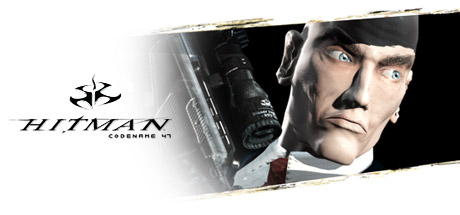
Hitman: Codename 47
As the enigmatic Hitman, you must use stealth and tactical problem solving to enter, execute and exit your assignment with minimum attention and maximum effectiveness. For a price, you have access to the most devious devices, but how you use them will determine if you retire as a millionaire or get permanently retired.
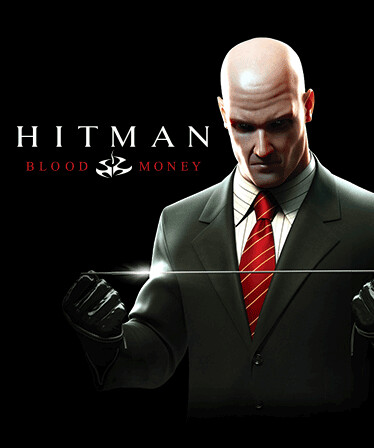
Hitman: Blood Money
Money Talks. Silence Pays. Prepare to Make a Killing. When assassins from Agent 47's contract agency, The ICA, are eliminated in a series of hits, it seems a larger, more powerful agency has entered the fray. Sensing he may be a target, 47 travels to America, and prepares to make a killing.
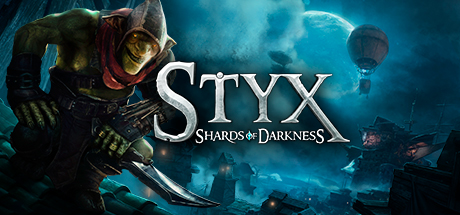
Styx: Shards of Darkness
Styx returns in a new stealth adventure! Explore and master huge open environments, sneak past or assassinate new enemies and bosses, and experiment with the new array of lethal abilities and weapons in our goblin assassin's arsenal.
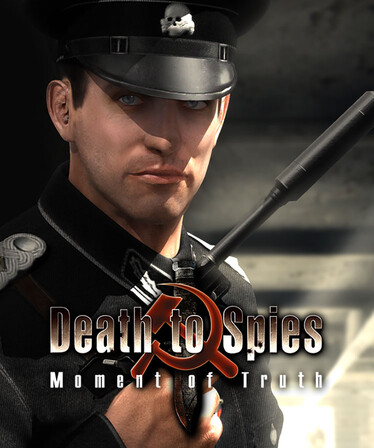
Death to Spies: Moment of Truth
The Most Mysterious Secret Service Agency of WWII This is a third-person stealth-action game describing the activities of the SMERSH, the most mysterious secret service agency of World War II. Moment of Truth is a sequel to the popular stealth action title Death to Spies.
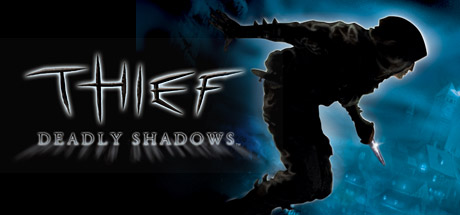
Thief: Deadly Shadows
You are Garrett, the master thief. Rarely seen and never caught, Garrett is the best that ever was. Able to sneak past any guard, pick any lock, and break into the most ingeniously secured residences. Garrett steals from the wealthy and gives to himself, making his living in the dark and foreboding City.
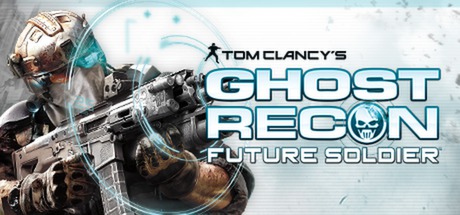
Tom Clancy's Ghost Recon: Future Soldier
In Ghost Recon Future Soldier join an elite team of highly trained, cut-throat special-ops soldiers. Armed to the teeth with unrivalled combat technology, Ghost Recon takes you to the globe’s most deadly warzones to hunt down the highest value targets.
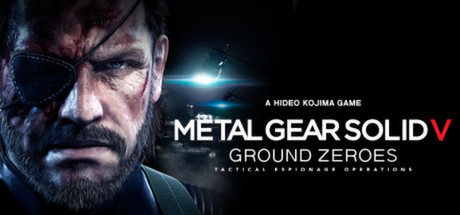
METAL GEAR SOLID V: GROUND ZEROES
World-renowned Kojima Productions brings the Metal Gear Solid franchise to Steam with METAL GEAR SOLID V: GROUND ZEROES. Play as the legendary hero Snake and infiltrate a Cuban military base to rescue the hostages. Can you make it out alive?
Frequently Asked Questions
Tom Clancy's Splinter Cell Chaos Theory® is currently priced at 9.99€ on Steam.
No, Tom Clancy's Splinter Cell Chaos Theory® is currently not on sale. You can purchase it for 9.99€ on Steam.
Yes, Tom Clancy's Splinter Cell Chaos Theory® received 4,971 positive votes out of a total of 5,403 achieving a rating of 8.88.
😎
Tom Clancy's Splinter Cell Chaos Theory® was developed by Ubisoft Montreal and published by Ubisoft.
Yes, Tom Clancy's Splinter Cell Chaos Theory® is playable and fully supported on Windows.
No, Tom Clancy's Splinter Cell Chaos Theory® is not playable on MacOS.
No, Tom Clancy's Splinter Cell Chaos Theory® is not playable on Linux.
No, Tom Clancy's Splinter Cell Chaos Theory® is not playable on Steam Deck.
No, Tom Clancy's Splinter Cell Chaos Theory® is not playable on Steam Machine.
No, Tom Clancy's Splinter Cell Chaos Theory® does not support VR.
Tom Clancy's Splinter Cell Chaos Theory® is a single-player game.
No, Tom Clancy's Splinter Cell Chaos Theory® does not currently offer any DLC.
No, Tom Clancy's Splinter Cell Chaos Theory® does not support mods via Steam Workshop.
No, Tom Clancy's Splinter Cell Chaos Theory® does not support Steam Remote Play.
Yes, Tom Clancy's Splinter Cell Chaos Theory® is enabled for Steam Family Sharing. This means you can share the game with authorized users from your Steam Library, allowing them to play it on their own accounts. For more details on how the feature works, you can read the original Steam Family Sharing announcement or visit the Steam Family Sharing user guide and FAQ page.
You can find solutions or submit a support ticket by visiting the Steam Support page for Tom Clancy's Splinter Cell Chaos Theory®.
Data sources
The information presented on this page is sourced from reliable APIs to ensure accuracy and relevance. We utilize the Steam API to gather data on game details, including titles, descriptions, prices, and user reviews. This allows us to provide you with the most up-to-date information directly from the Steam platform.
Additionally, we incorporate data from the SteamSpy API, which offers insights into game sales and player statistics. This helps us present a comprehensive view of each game's popularity and performance within the gaming community.
Last Updates| Steam data | 26 September 2026 04:15 UTC |
|---|---|
| SteamSpy data | 14 October 2026 18:11 UTC |
| Steam price | 26 October 2026 20:04 UTC |
| Steam reviews | 19 October 2026 21:47 UTC |
If you'd like to dive deeper into the details about Tom Clancy's Splinter Cell Chaos Theory®, we invite you to check out a few dedicated websites that offer extensive information and insights. These platforms provide valuable data, analysis, and user-generated reports to enhance your understanding of the game and its performance.
- SteamDB - A comprehensive database of everything on Steam about Tom Clancy's Splinter Cell Chaos Theory®
- SteamCharts - Analysis of Tom Clancy's Splinter Cell Chaos Theory® concurrent players on Steam
- ProtonDB - Crowdsourced reports on Linux and Steam Deck Tom Clancy's Splinter Cell Chaos Theory® compatibility

Game modes
Features
Online players
26
Developer
Ubisoft Montreal
Publisher
Ubisoft
Release
27 Aug 2009
Platforms