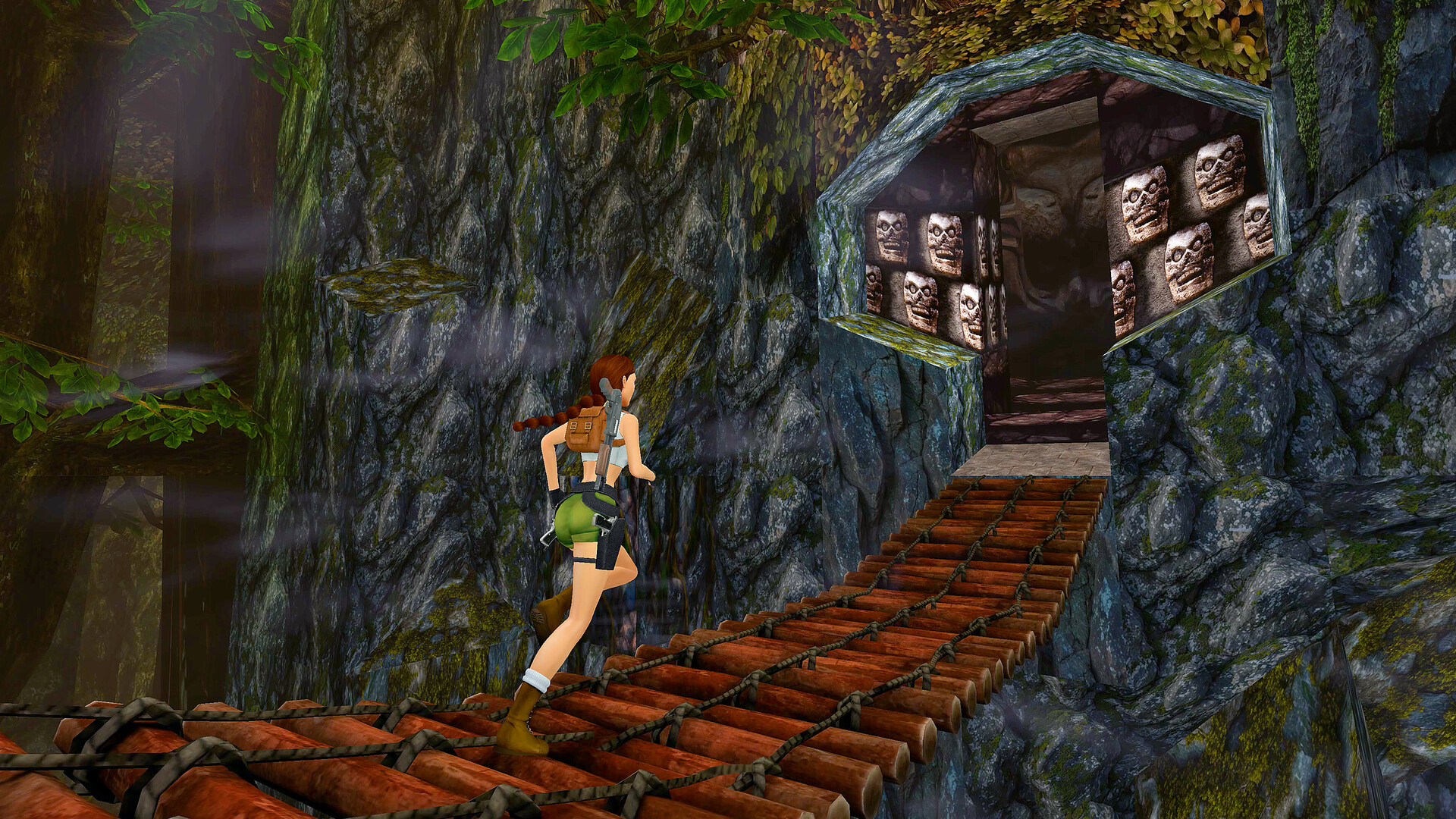
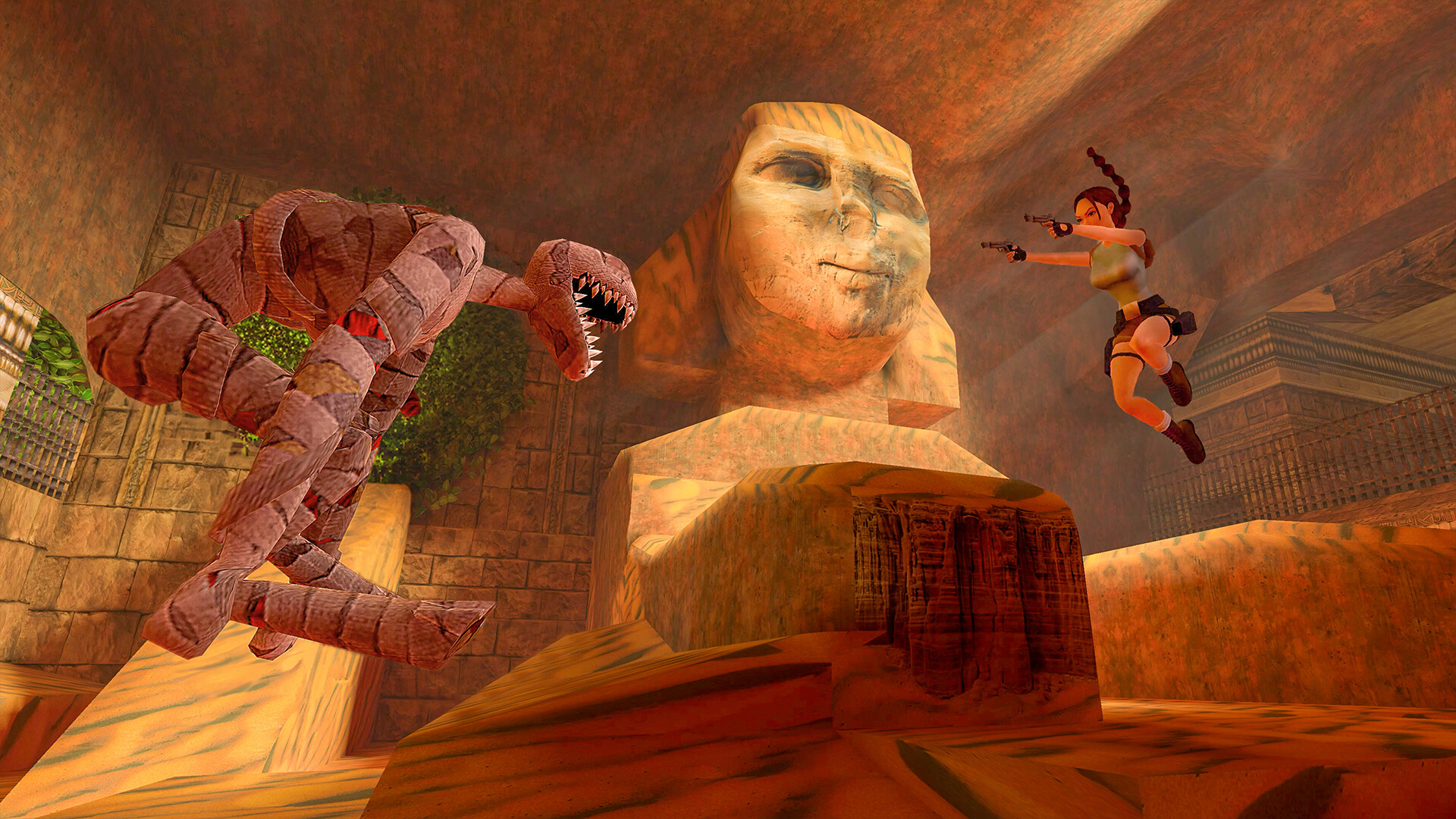
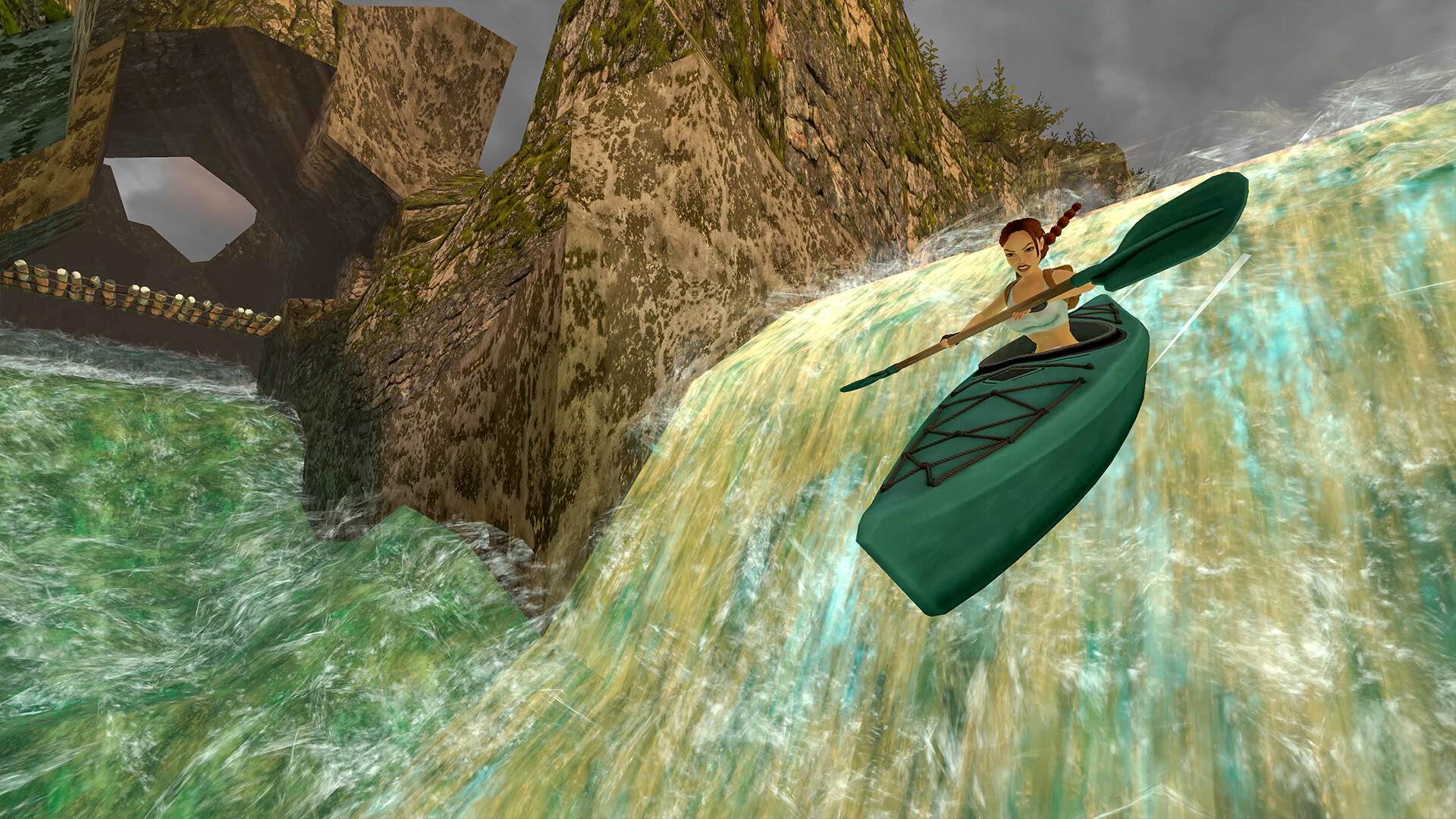
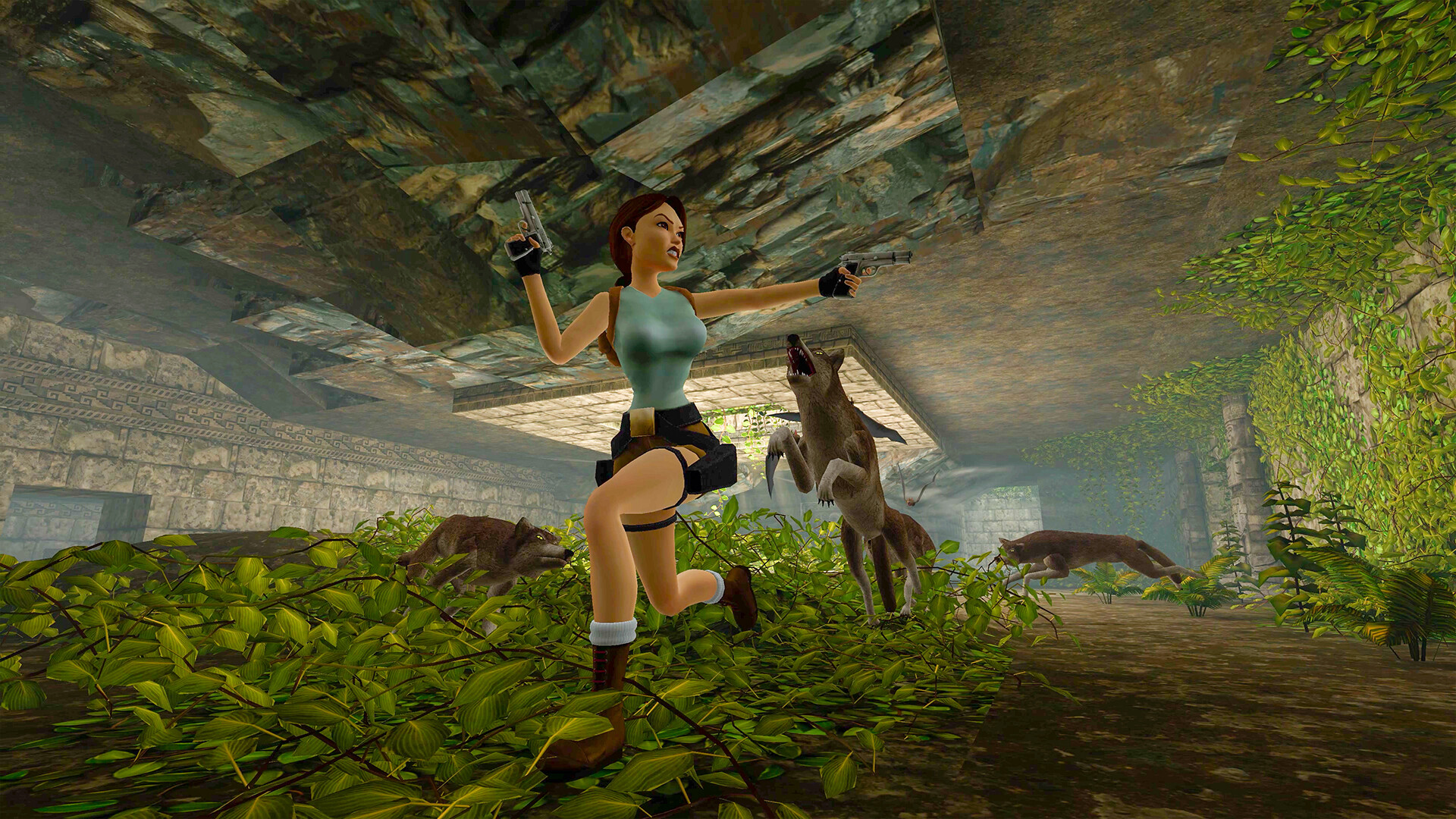
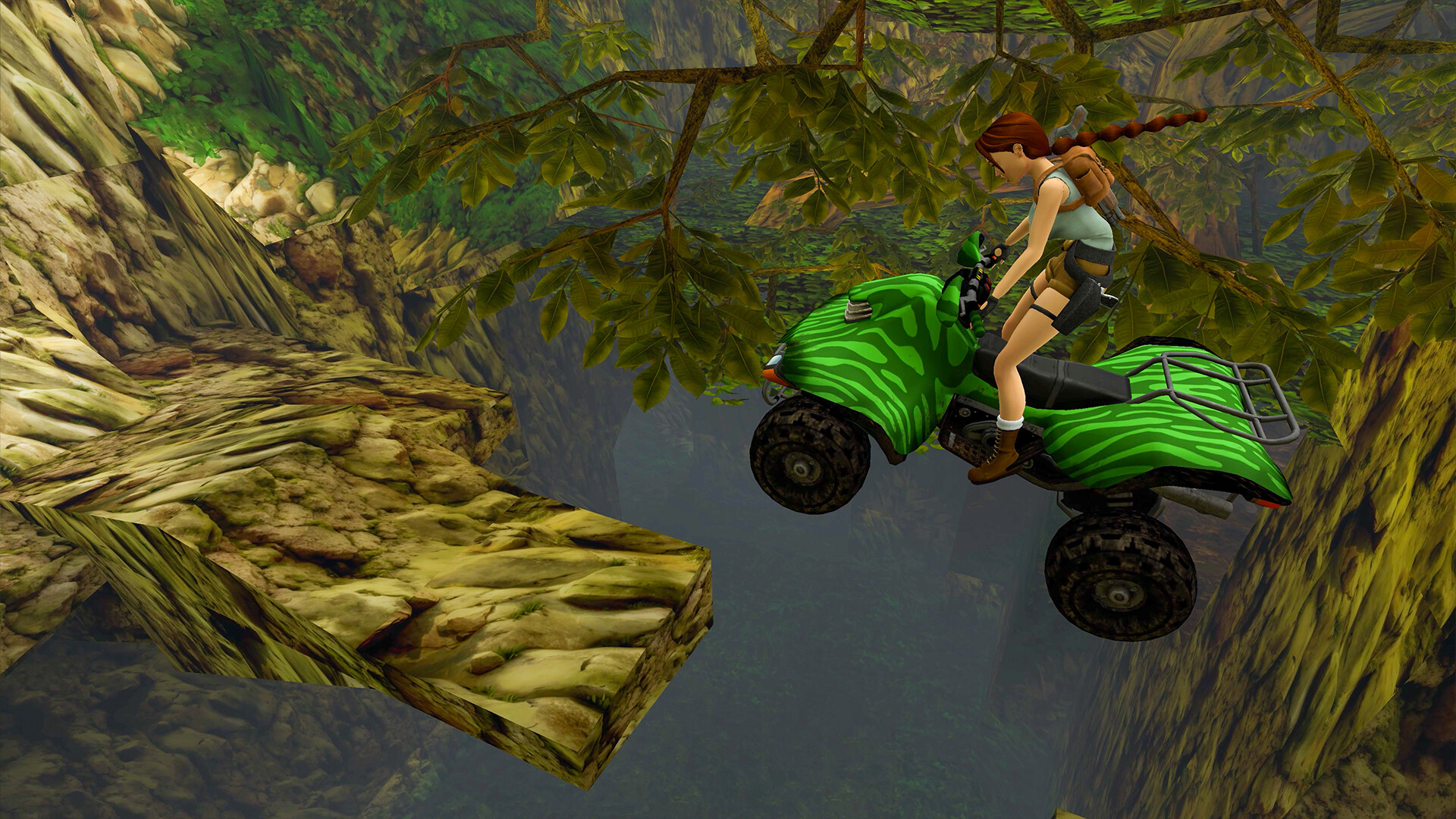
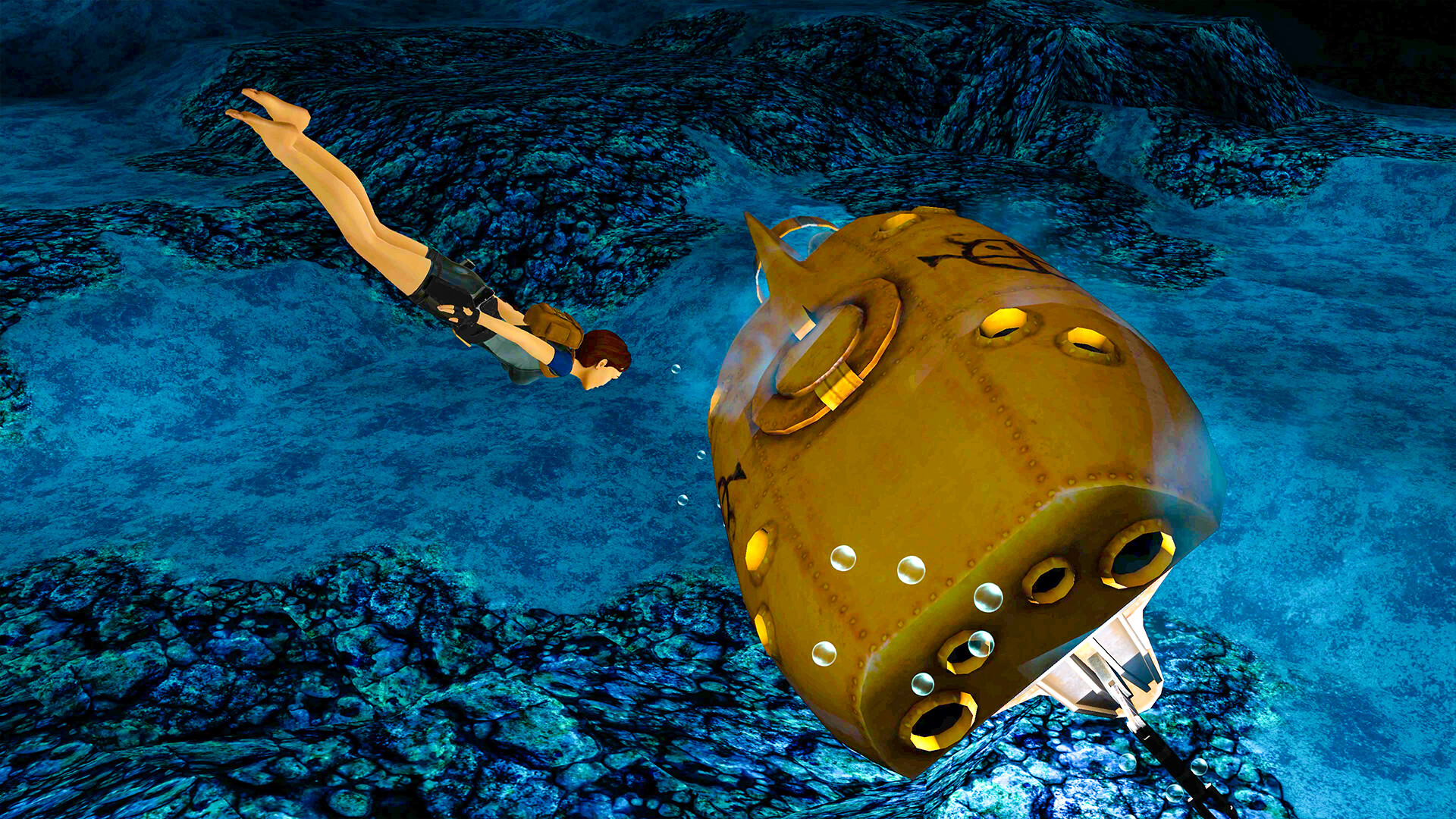
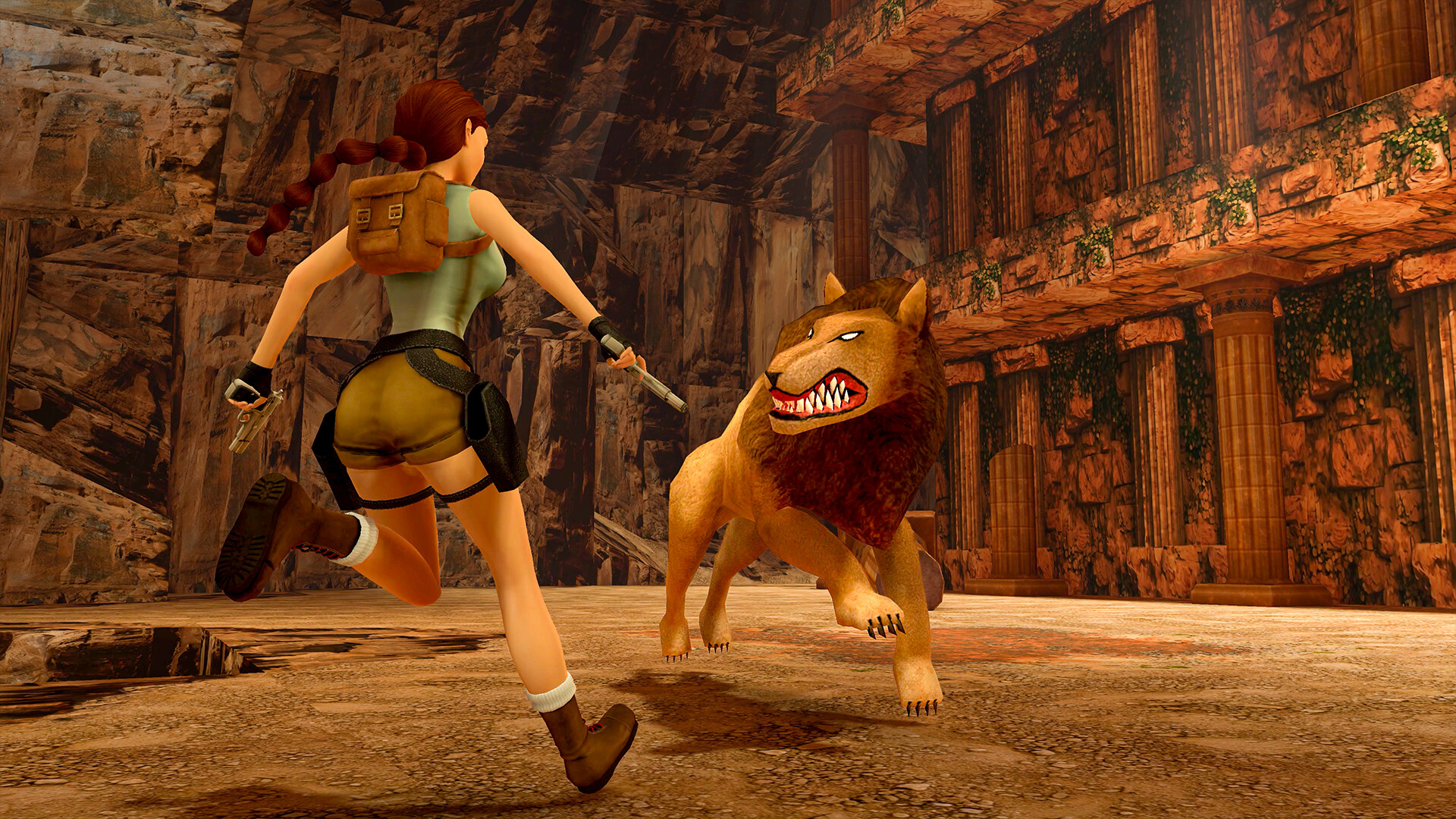
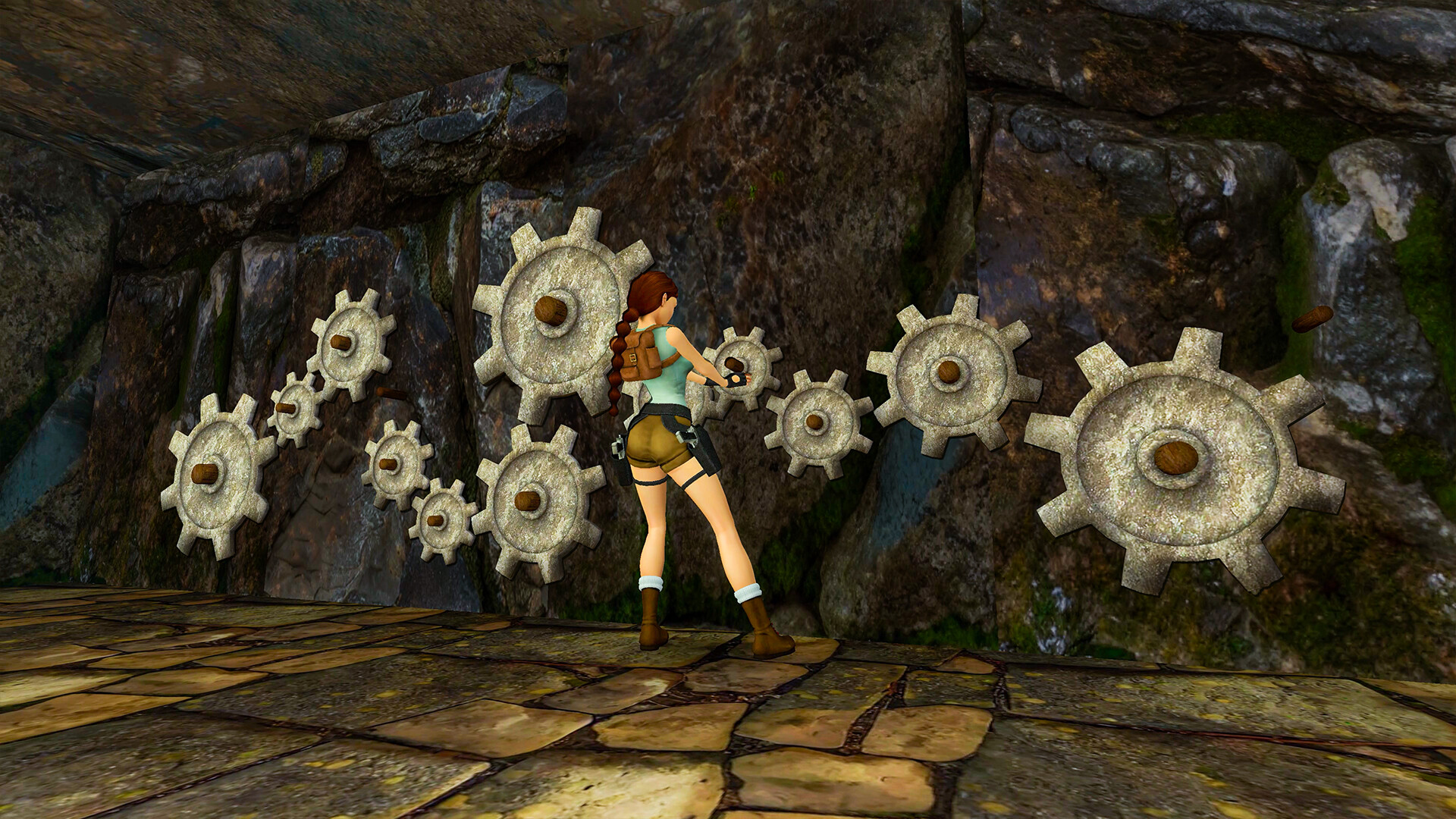
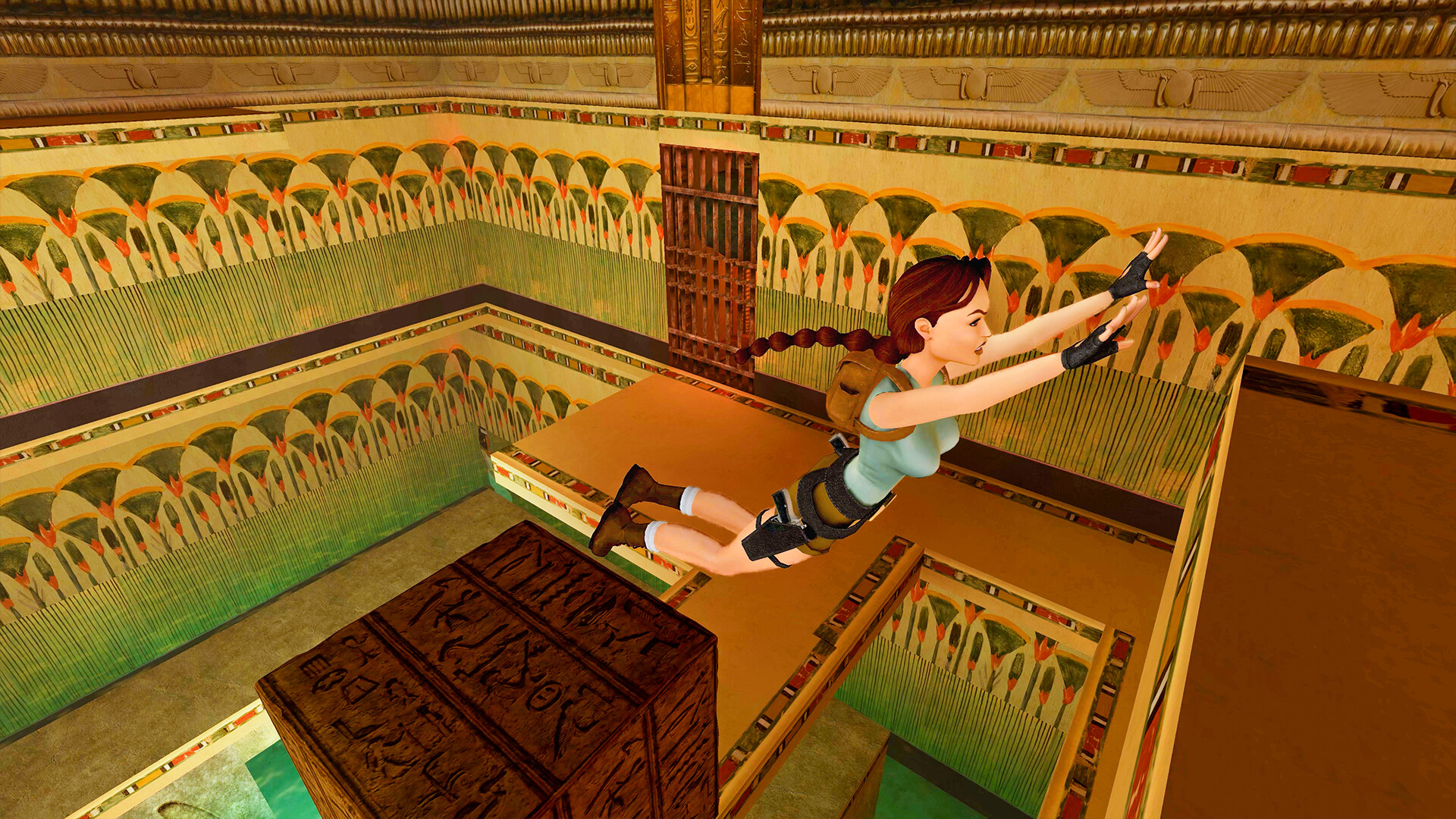
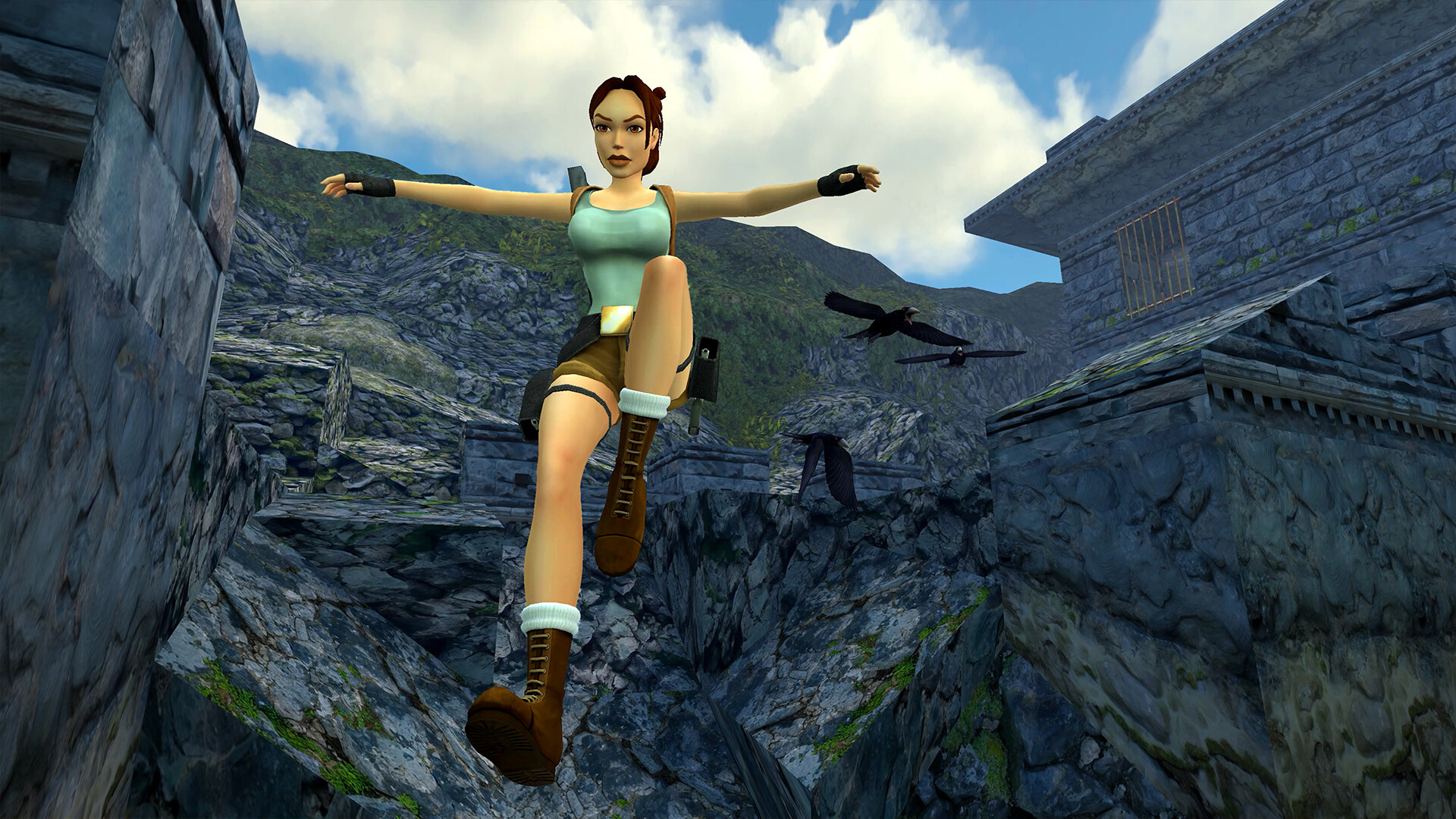
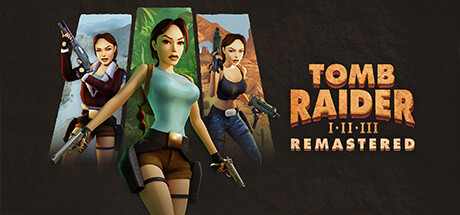
TL;DR; If you’re coming into this remaster expecting a fully polished, seamless modern experience, you'll likely be disappointed. This is a remaster after all, so yes, the core mechanics of these games still show their age. Don’t expect miracles. What you should expect, though, are the games that made Lara Croft a gaming icon. I DO recommend them but be aware of their flaws before diving in AND expect to struggle at times. These games reflect a very different era of game development. They won’t explain everything. They will let you get lost, make mistakes and occasionally question your life choices. But they’ll also immerse you in ancient worlds, reward your curiosity and remind you why this series left such a lasting mark. ⠀⠀⠀⠀⠀⠀⠀⠀⠀⠀⠀⠀⠀⠀⠀⠀⠀⠀⠀⠀⠀⠀⠀⠀⠀⠀⠀⠀⠀⠀⠀⠀⠀⠀⠀⠀ This is a solid remaster, you don't need any mods or config file changes to be able to play the games. Works great on both PC and Steam Deck. Even if you play the games with old graphics, higher frame rate and widescreen support give you a smoother performance. My honest recommendation for these games? [*] Save often , F5 is your best friend. These games will not hesitate to punish a single misstep and nothing hurts more than replaying twenty minutes because you were feeling confident. [*] Use photo mode. You can move the camera freely to scout for traps, check for enemies around corners and see where a ledge actually leads before committing to a leap of faith. It feels a little like cheating... but so does surviving. [*] Don’t hesitate to use a walkthrough. Stella’s website has saved countless frustrated players many hours. These games were designed in an era where developers assumed you had unlimited time and possibly a strategy guide nearby. [*]Be patient and embrace the struggle. Grab your pistols, here we go. Tomb Raider I – Where the Legend Began TR1's atmosphere carries everything. The tombs feel ancient in a way that modern games often try to simulate but rarely achieve. They are vast, indifferent spaces that existed long before you arrived and will continue to exist long after you leave. You truly feel like you’re somewhere untouched, a place where no one has set foot for centuries. That sense of solitude is the game’s greatest strength. There is something profoundly immersive about that loneliness. You spend long stretches alone with nothing but the echo of Lara’s boots against stone. The game never rushes to entertain you. It gives you room to breathe, to examine your surroundings, to find the missing pieces of a puzzle, to feel small within architecture designed for something far older than yourself. The story is simple but effective, unfolding gradually as you move from forgotten ruins to something much bigger. It never overwhelms you, but it keeps you curious. Of course, TR1's not flawless. Some platforming can feel rigid and the final act shifts tonally in a way that surprises many players. But overall, it remains a masterclass in mood and environmental storytelling. This is Lara before the fame, before the dual pistols became iconic. Just you, ancient architecture, suspiciously placed switches and puzzles that demand your full attention. Tomb Raider II – From Explorer to Action Hero If TR1 was about isolation and quiet exploration, TR2 looked at that formula and said, "What if... more?" More enemies, more action, more explosions. It keeps the same grid-based structure and puzzle-driven design of the first game, but it shifts the balance toward combat. You’re still solving environmental puzzles and navigating deadly traps, but now you’re also clearing rooms of mostly human enemies on a regular basis. That shift can be divisive. Some players miss the lonely, almost meditative atmosphere of TR1. Others love the added intensity. Personally, I think it gives TR2 its own identity. It’s less about being completely alone in ancient ruins and more about surviving hostile environments + the people who are chasing the same artifact. What TR2 does exceptionally well is variety. The locations are iconic and memorable, each with a distinct identity. The scale feels larger, more ambitious. Introducing vehicles adds a new layer of gameplay that breaks up the traditional tomb crawling and makes certain levels feel dynamic and cinematic in a way the first game didn’t attempt. It’s clear the developers were pushing beyond what the first game established. Tomb Raider III – Mastery or Madness? If you finished TR1-2 thinking, "That wasn’t as bad as I expected. I’ve got this classic Tomb Raider thing figured out." TR3 is waiting patiently to humble you. Good luck, you'll need it. Out of all the classics TR3 is the hardest by a significant margin . Not "oh, this jump is tricky" hard. I mean "who placed that trap there and why do they hate me!!" hard. You will die frequently. This game is not shy about spike pits, hidden hazards, aggressive enemies and jumps that demand perfect alignment. The game expects you to learn through failure and it does not cushion that lesson. It simply lets you fall, impale yourself, reload and try again. You will get lost more. The level design is more layered and non-linear. This ambition is impressive, but it can become overwhelming. You’ll press a switch and think, "Great! That opened something." Where? Well, good question. Somewhere, maybe three rooms back, maybe underwater. For players who genuinely enjoy a true test of skill and patience, TR3 is incredibly rewarding. There’s a strange satisfaction in mastering it. If you’ve read this far, thank you. I know this was long, but these games mean a lot to me and I wanted to do them justice. There’s just one more thing I want to mention. Even a glance at the achievement list makes it clear that the developers genuinely understand and respect the originals. The references, the challenges, the small nods, they feel intentional. Like it was put together by people who didn’t just know these games, but genuinely understood them. Yes, you can still lock the butler in the freezer. Yes, you can become golden Lara. Of course those are achievements. But what really surprised me were the alternative challenge runs like finishing Tibetan Foothills on foot, obtaining the library key without moving the chandeliers etc. I’ve played these levels for years and still didn’t know some of these were even possible. I thought I had memorized every corner. Apparently, the games still had secrets left to teach me. These details aren’t required. They don’t sell copies on their own. They’re there because someone cared enough to think, "What would longtime fans smile at?" And that care shows. Because loving these games isn’t always logical. They’re frustrating, stubborn, sometimes unfair and yet they stay with you. So when I see achievements that reference obscure strategies, alternate routes I didn’t even know were possible or old community jokes, it feels like being seen. It doesn’t feel like nostalgia being sold back to me. It feels like the originals were treated gently, respectfully. And as someone who holds these games close to her heart, that kind of care is something I don’t take lightly.
Expand the review