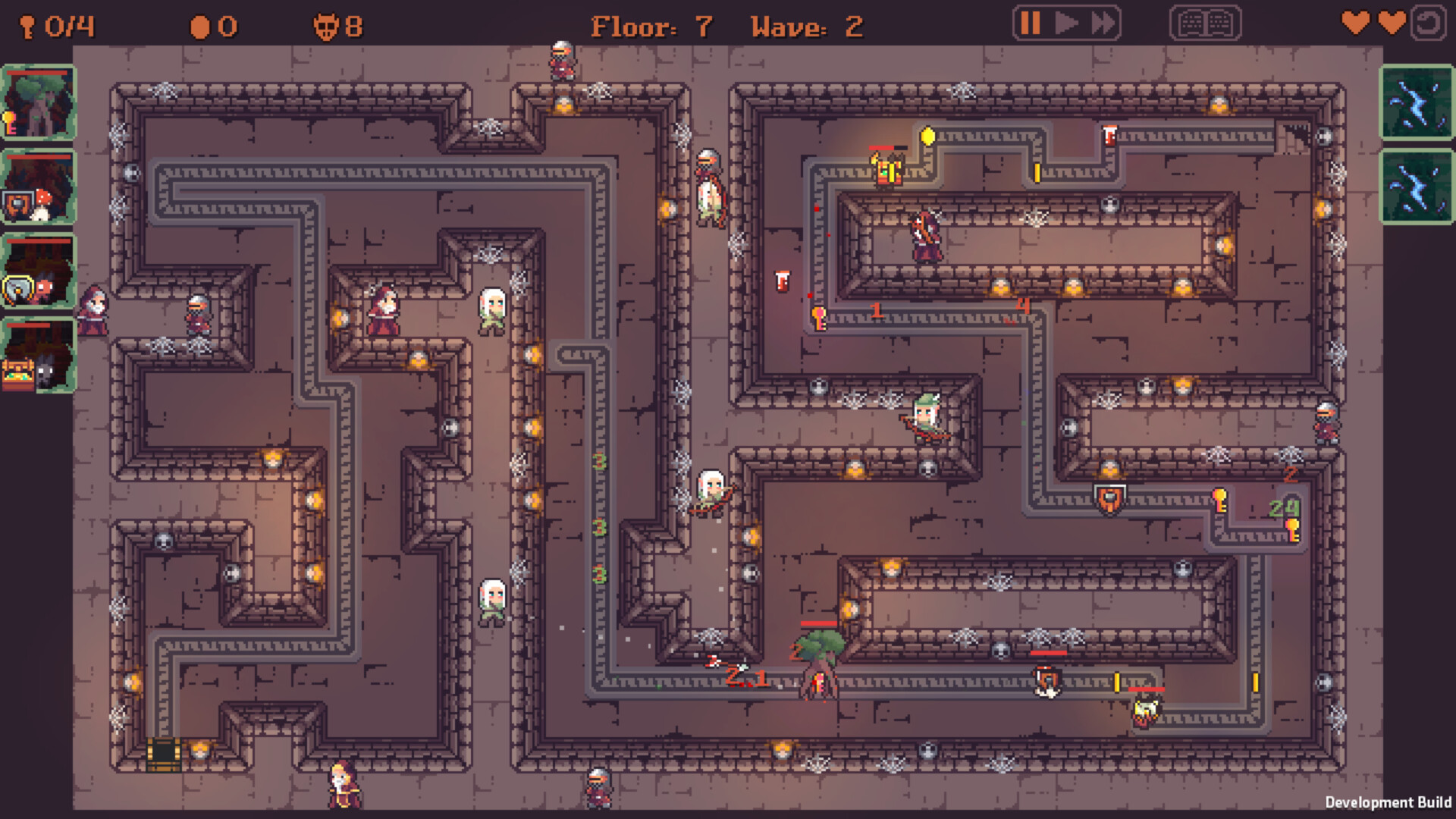
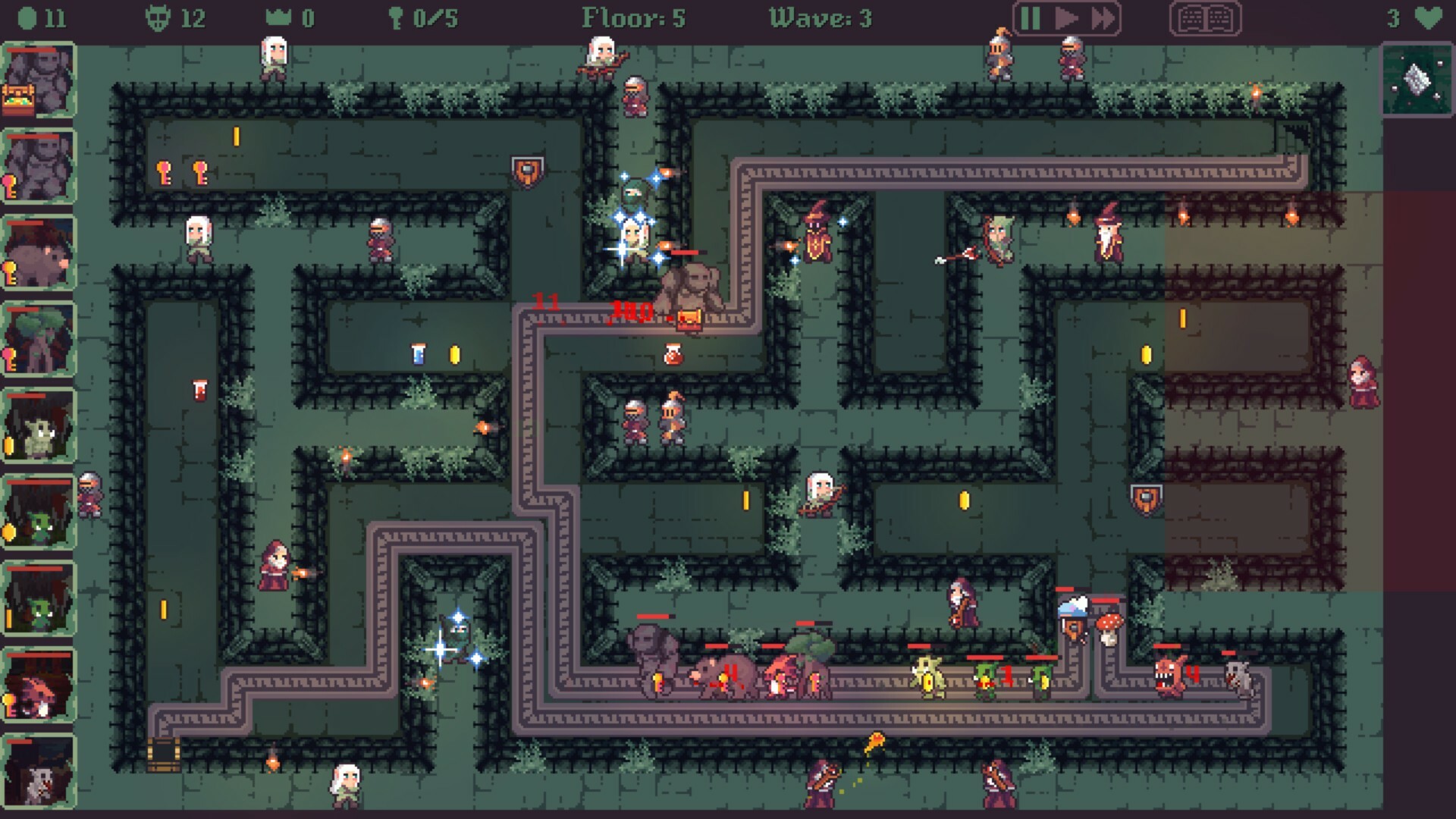
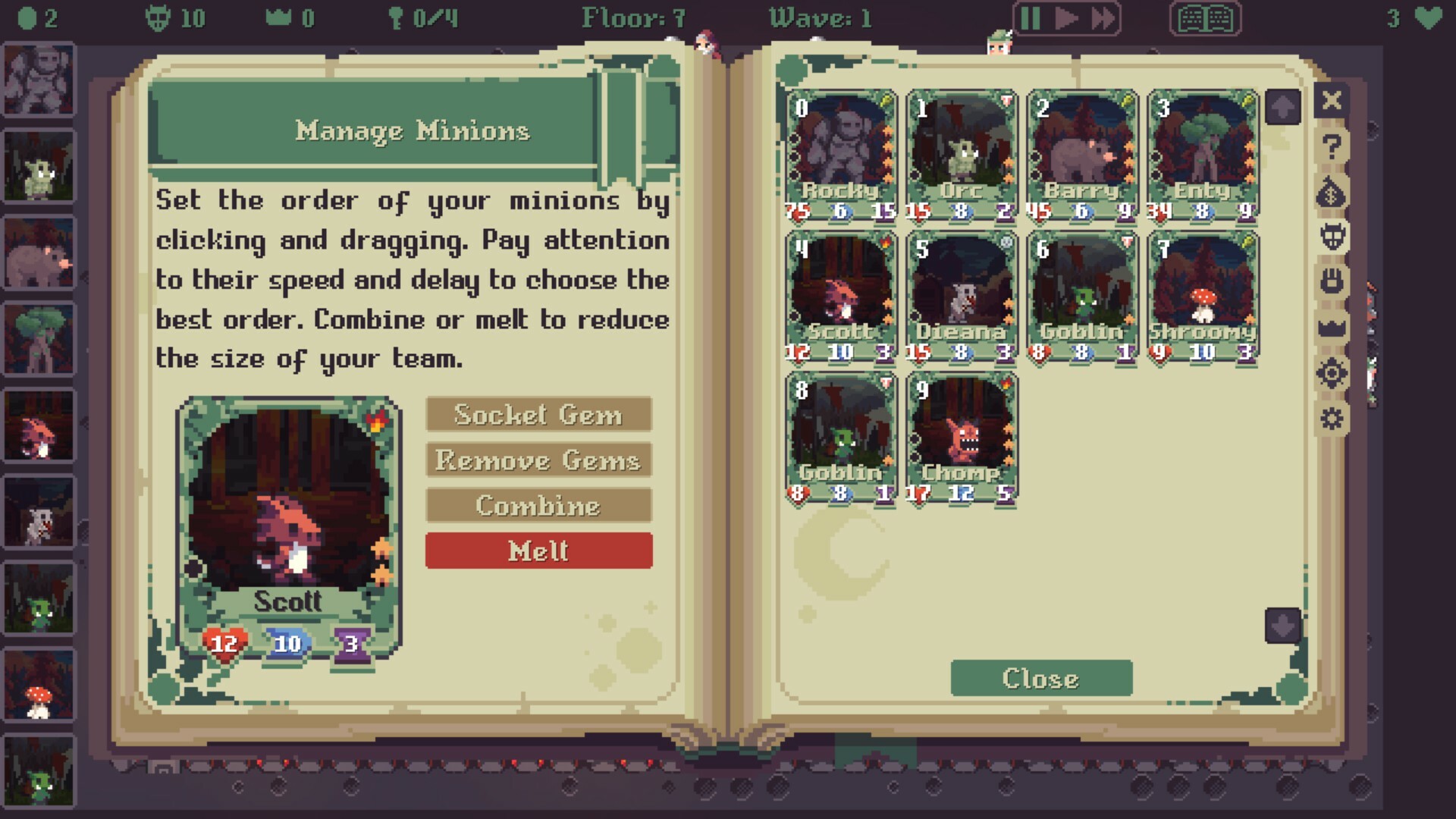
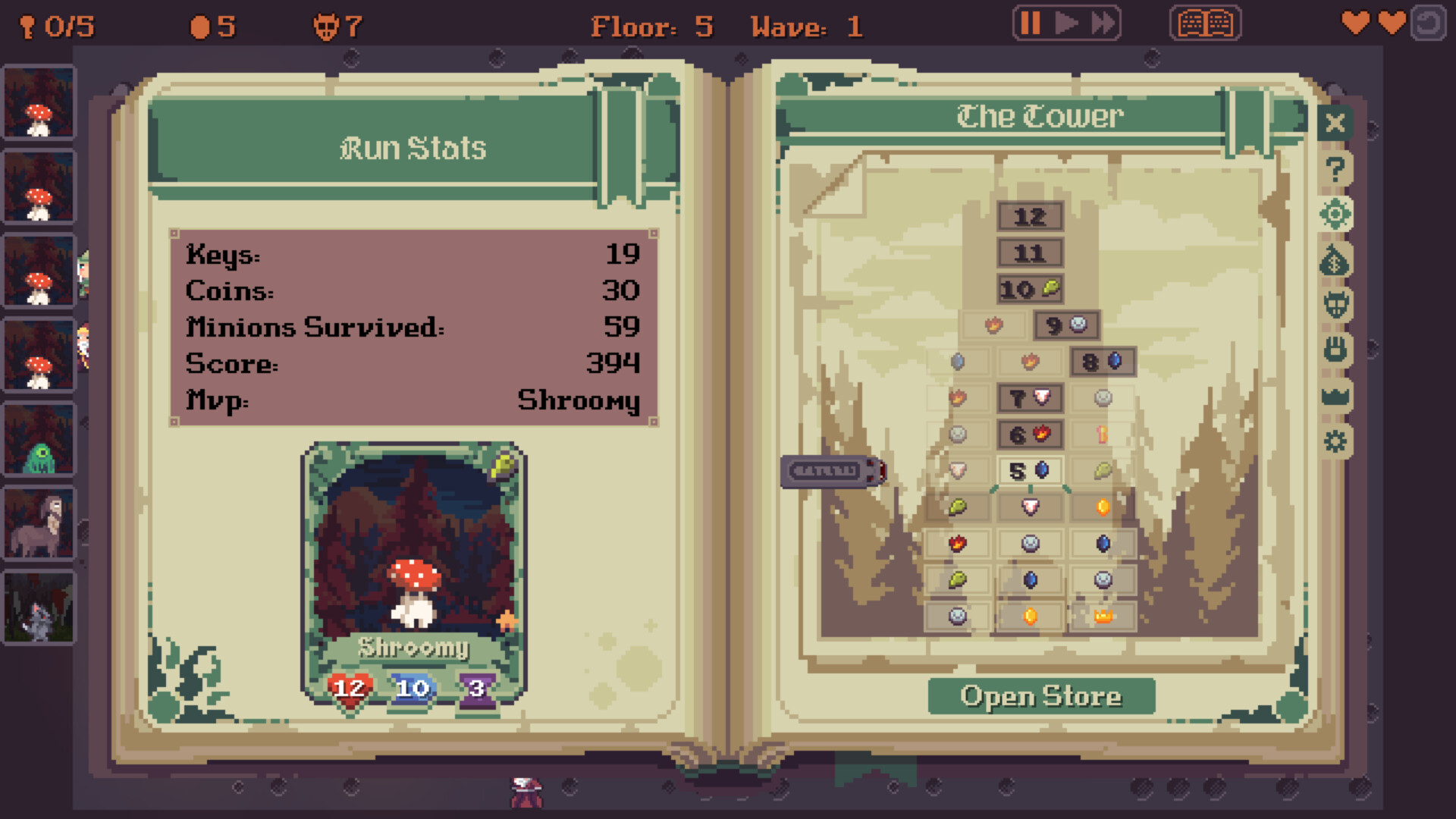
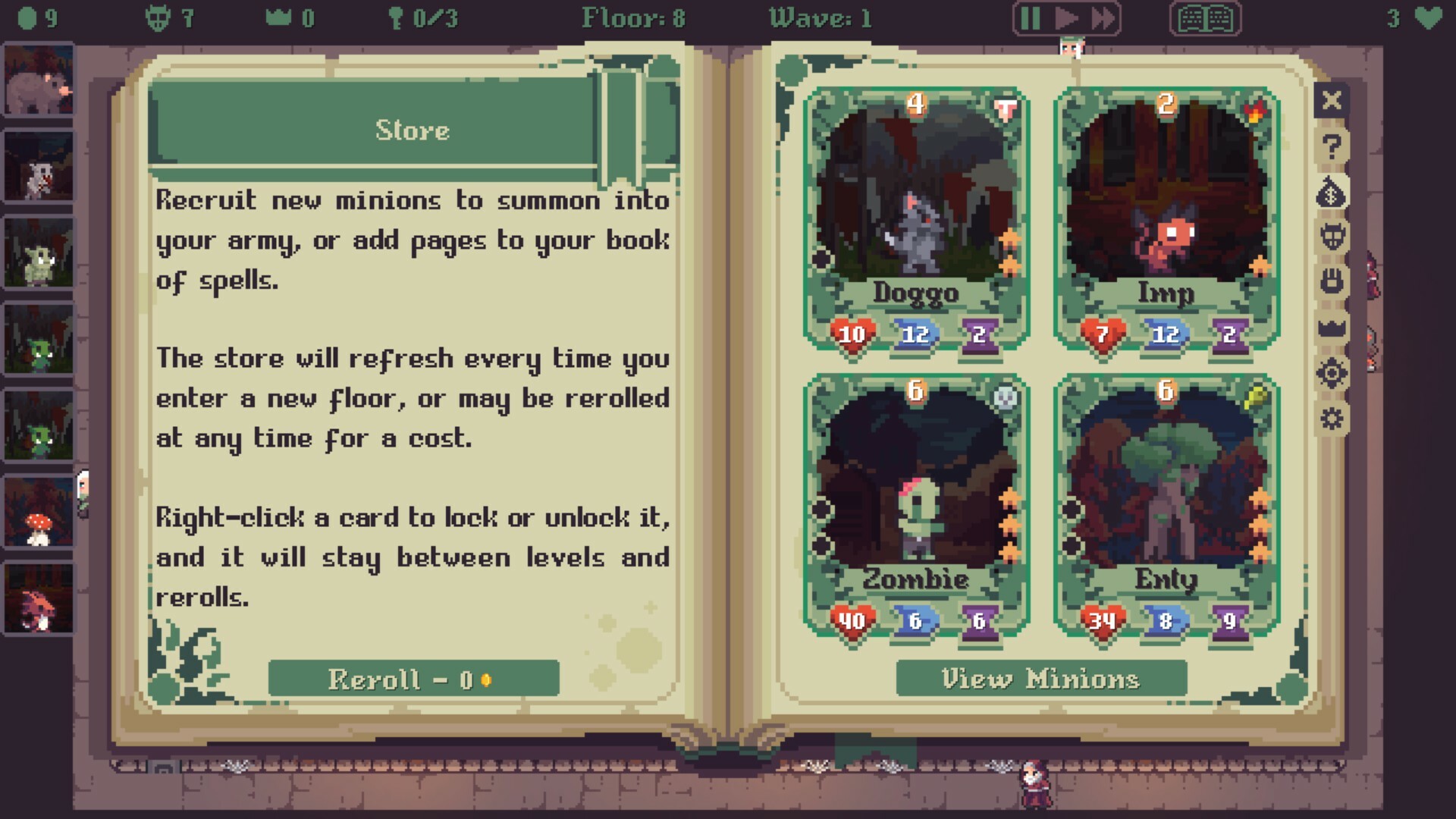
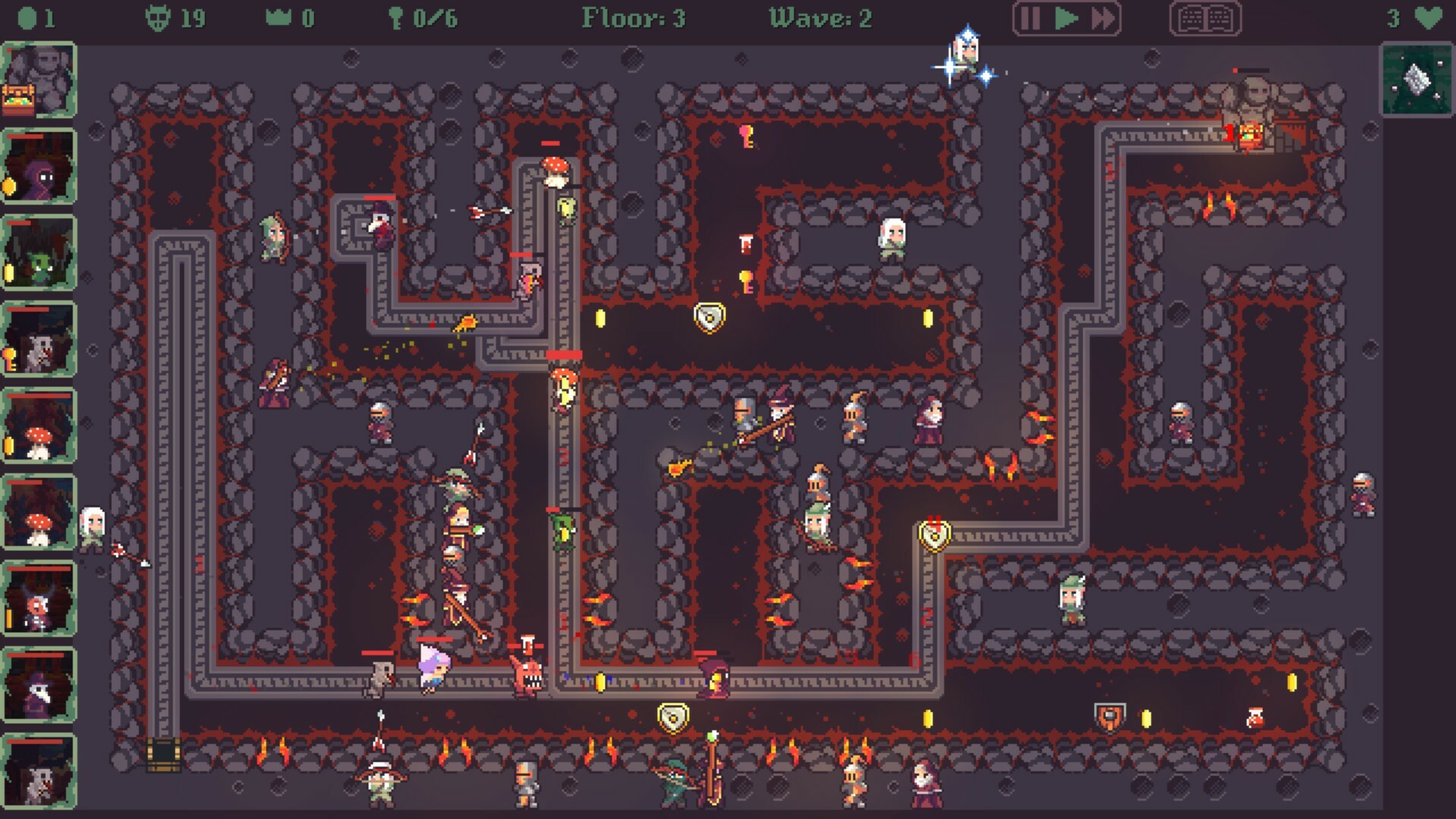
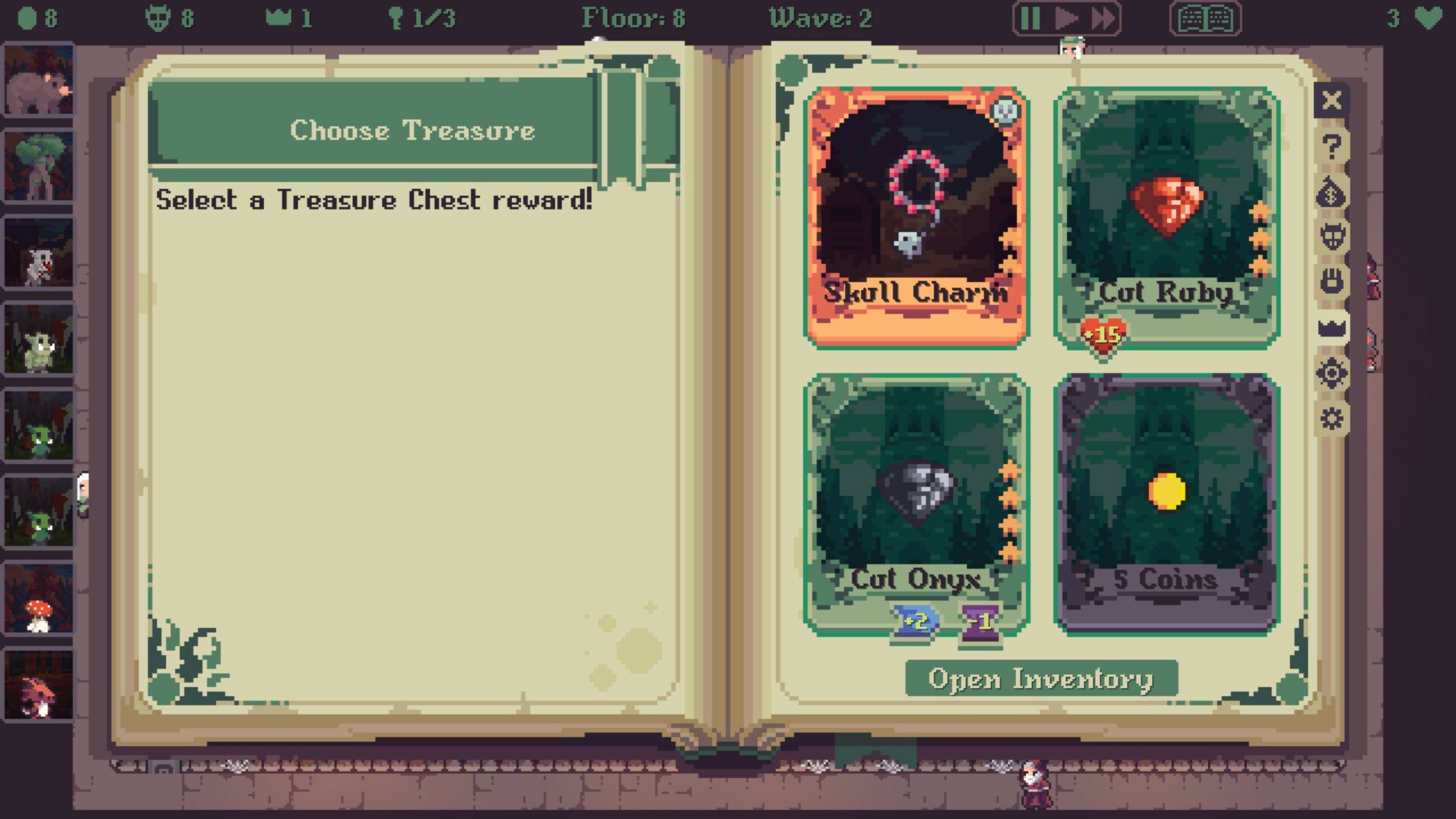
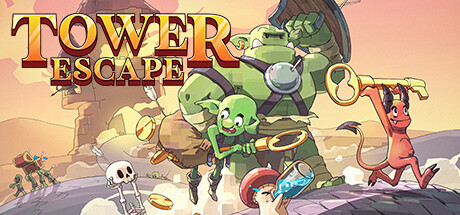
Tower Escape is a refreshing and inventive twist on the traditional tower defense formula, turning the genre completely on its head. Developed by Final Screw and published in partnership with IndieArk, it asks a simple but brilliant question: what if you weren’t defending the tower, but trying to escape it? The player takes on the role of a necromancer who, after being imprisoned by arrogant elves, must orchestrate a daring escape by sending waves of undead minions through a series of maze-like levels filled with traps and defenders. The result is a roguelike strategy game that blends elements of path planning, deck-building, and puzzle-solving, creating an experience that is both familiar and surprisingly original. What begins as a quirky premise soon unfolds into a surprisingly strategic and engaging journey, where every choice can mean the difference between liberation and annihilation. Unlike most tower defense games that focus on building defenses to stop enemies, Tower Escape asks players to think in reverse. Each level begins with a top-down view of the maze you must navigate. Before releasing your minions, you chart a path for them to follow—through corridors, around traps, and toward the exit. Once the route is drawn, you unleash your horde and watch the plan play out in real time. This reversal of perspective is the game’s defining mechanic, and it works beautifully. There’s a constant sense of tension as you watch your undead army march along the route you’ve designed, knowing that one misjudged path or overlooked hazard could spell disaster. Between runs, you acquire loot, new minions, and magical relics that can drastically change your strategy. Each minion type comes with unique abilities—some are fast but fragile, others strong but slow—and figuring out how to combine their traits effectively becomes the heart of the gameplay. Tower Escape’s roguelike structure gives it a steady rhythm of trial, error, and improvement. Every failed attempt teaches you something new about the game’s systems, encouraging adaptation rather than punishment. After each run, you can use the gold and relics you’ve gathered to unlock new cards for your minion deck or upgrade existing ones. The deck-building element gives the game depth beyond its simple presentation, letting you customize your army to suit your preferred playstyle. Maybe you focus on brute force and durability, or perhaps you favor speed and trickery, using stealth units to bypass defenses. The synergies that emerge between different unit types and relic bonuses provide a satisfying sense of experimentation, and no two runs ever feel quite the same. The procedural generation of maps also ensures a degree of unpredictability, forcing players to continuously rethink their strategies with each new floor of the tower. Visually, Tower Escape embraces a clean pixel-art style that perfectly suits its indie roots. The art is colorful and full of personality, with expressive minion designs and charming animations that lend the game a lighthearted tone despite its darkly comic premise. The environments, though simple, are easy to read and efficiently designed, ensuring that the focus remains on strategy rather than spectacle. The soundtrack reinforces the game’s whimsical-yet-menacing atmosphere, featuring quirky tunes that evoke a mischievous underworld adventure. Together, the presentation elements make the experience feel cohesive and polished, even if the scope remains modest. It’s a game that understands its limitations and uses them to its advantage, prioritizing clarity and mood over flashiness. The balance between risk and reward lies at the core of what makes Tower Escape so compelling. Each level tempts you with treasure chests, hidden relics, and bonus resources scattered along more dangerous routes. Choosing whether to take the long path for a potential payoff or the short route to guarantee survival becomes an ongoing strategic dilemma. The more rewards you gather, the stronger you become in future runs, but greed often leads to failure. This tension creates a satisfying push and pull that keeps each playthrough engaging. The game’s difficulty curve feels fair, rewarding clever planning rather than reflexes, and while luck plays a role in the relics and cards you acquire, skillful players can consistently adapt to overcome unfavorable odds. Despite its strengths, Tower Escape does have some limitations that hold it back from true greatness. Its innovative concept is undeniably clever, but once you become familiar with the mechanics, the experience can begin to feel repetitive. The levels, though procedurally generated, rely on similar patterns of traps and enemies, and after several hours, the sense of discovery starts to wane. Likewise, while the deck-building system is satisfying, the available minion types and relics could use greater variety to keep long-term play interesting. Some players may also find the early stages of the game slightly opaque, as the tutorial leaves certain nuances unexplained—understanding how to effectively sequence your units or make the most of their synergy often comes through experimentation rather than guidance. However, these flaws are relatively minor and don’t diminish the core enjoyment of the experience. What makes Tower Escape stand out is how confidently it embraces its identity as a “reverse” tower defense game. It delivers a refreshing blend of strategy and chaos, wrapped in a whimsical aesthetic that balances humor with challenge. Each run feels like an evolving puzzle, demanding careful planning, adaptability, and just a touch of luck. It doesn’t try to overwhelm the player with complexity or endless systems; instead, it focuses on refining its core idea until it shines. For fans of roguelikes, strategy games, or simply those looking for a creative spin on a classic genre, Tower Escape offers a delightfully unconventional experience. It may not be grand in scope, but it’s crafted with precision and heart—a game that reminds players that sometimes, the most fun comes not from defending the tower, but from breaking out of it. Rating: 8/10
Expand the review