


Sword and Fairy 7
An action RPG based on Chinese art style, as the 7th lineal sequel of this series, it earns a lot of anicipations. Better gaming experience than any of its previous episode will be brought to all the players.
Sync your Steam wishlist to find the lowest game prices instantly. No login required, just paste your Steam profile URL!
⚡ Try Wishlist Radar!
Sync your Steam wishlist to find the lowest game prices instantly. No login required!
⚡ Try Wishlist Radar!
Close

Xuan-Yuan Sword VII on Steam
Quick menu
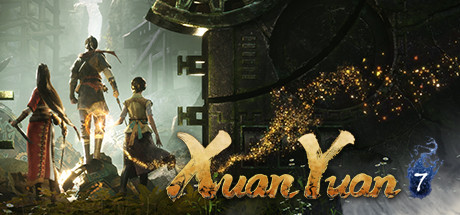
Xuan-Yuan Sword VII is an ARPG rooted in Chinese history and mythology. Players take on the role of Taishi Zhao, a calm and reliable swordsman who was accidentally involved in a tragic fate. To protect his beloved family, he starts a journey in this chaotic realm to find the truth.
Xuan-Yuan Sword VII is a rpg, martial arts and historical game
developed by SOFTSTAR and DOMO Studio
and published by SOFTSTAR and Yooreka Studio.
Released on October 28th 2020 is available only on Windows.
It has received 9,484 reviews of which 5,949 were positive and 3,535 were negative resulting in a rating of 6.2 out of 10. 😐
The game is currently priced at 29.99€ on Steam.
The Steam community has classified Xuan-Yuan Sword VII into these genres:
Media & Screenshots
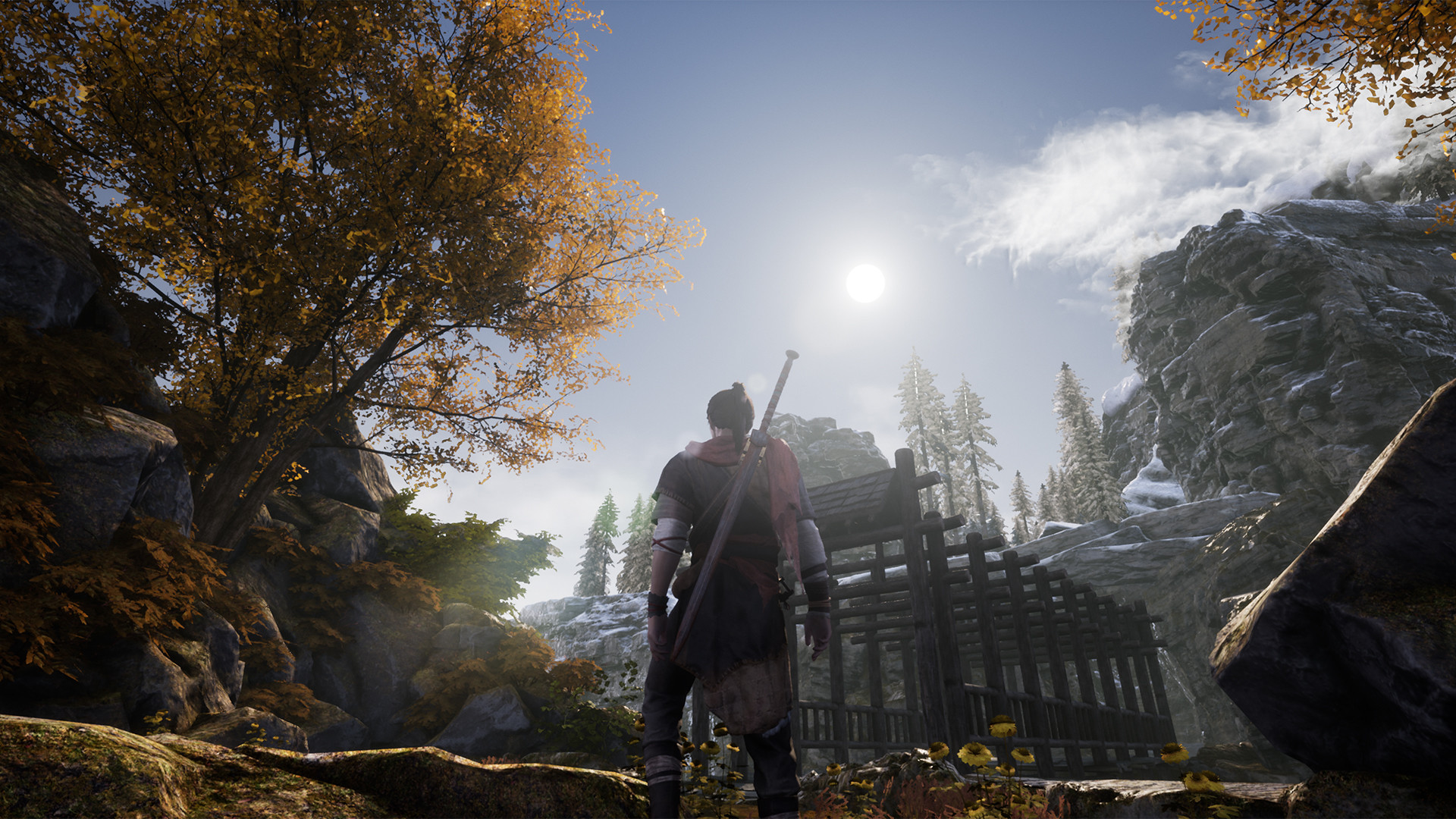
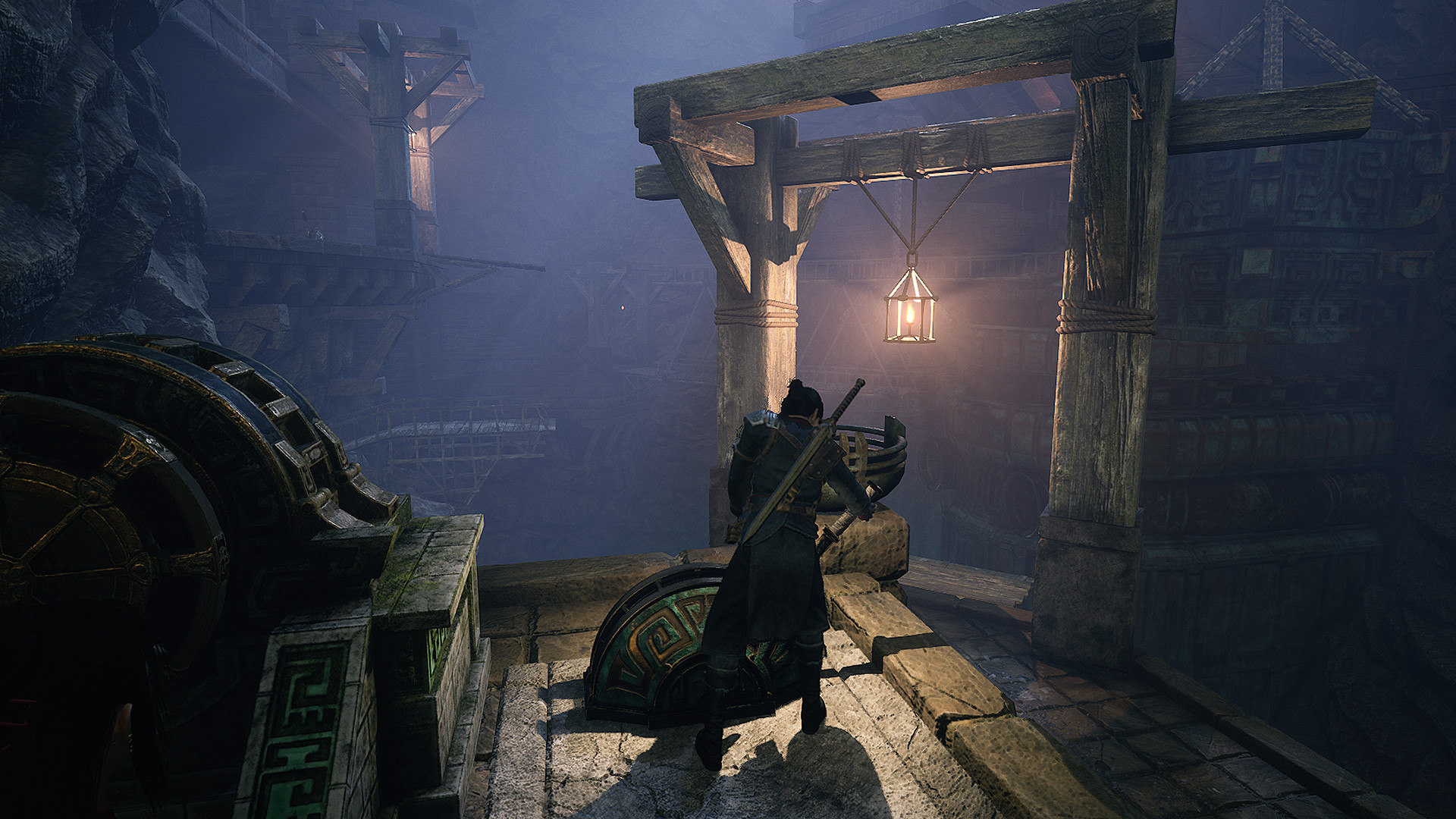
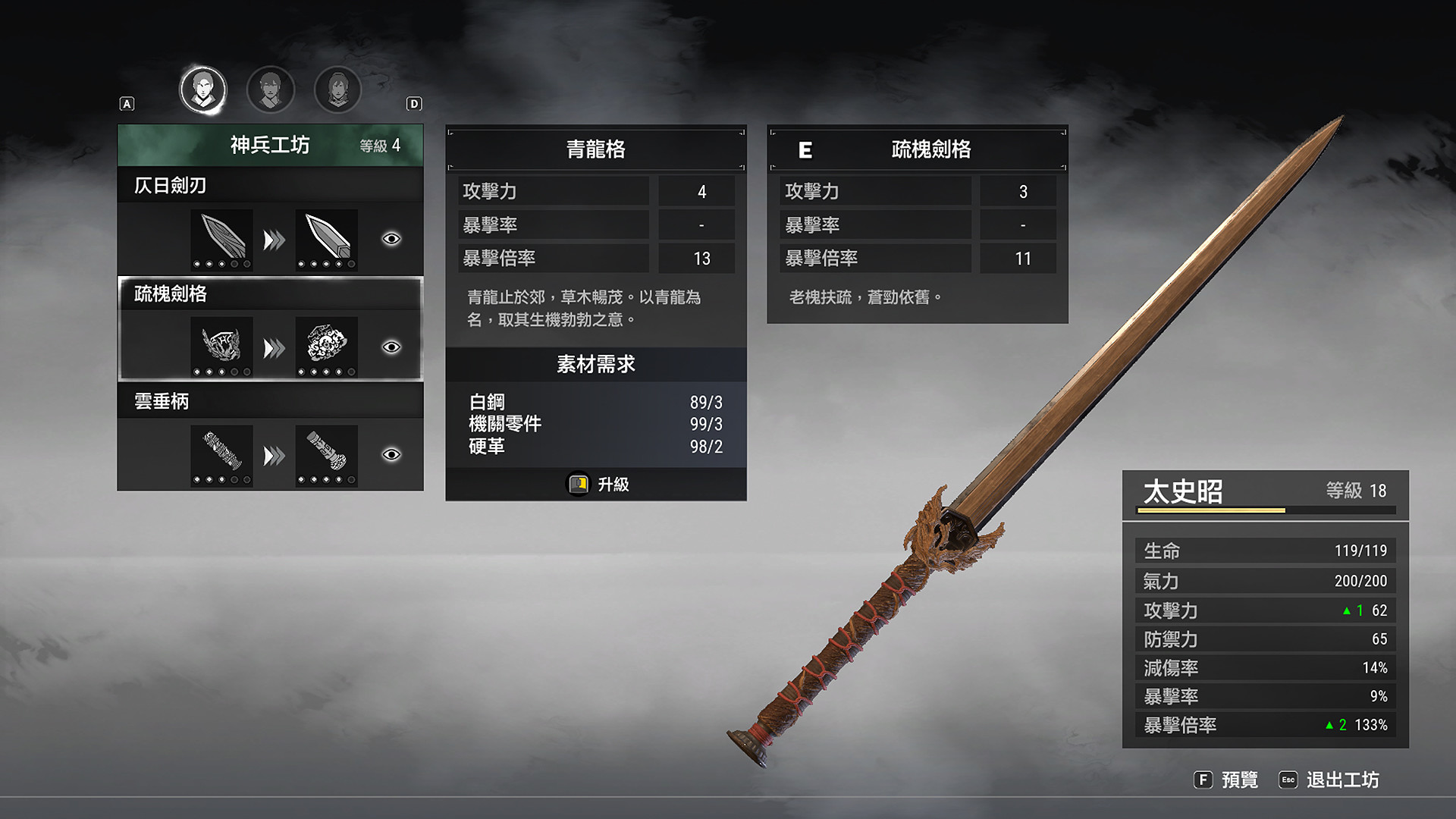
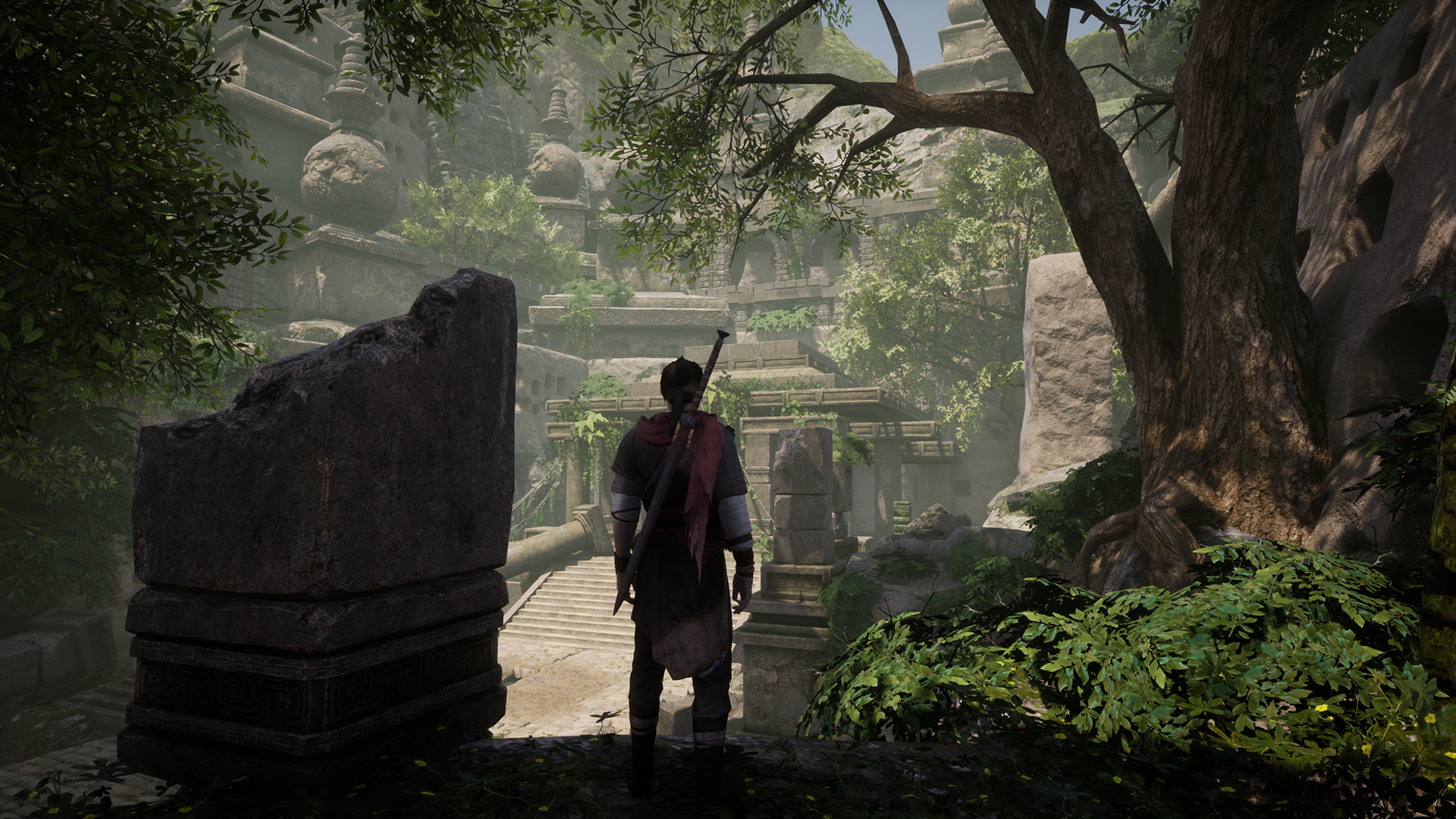
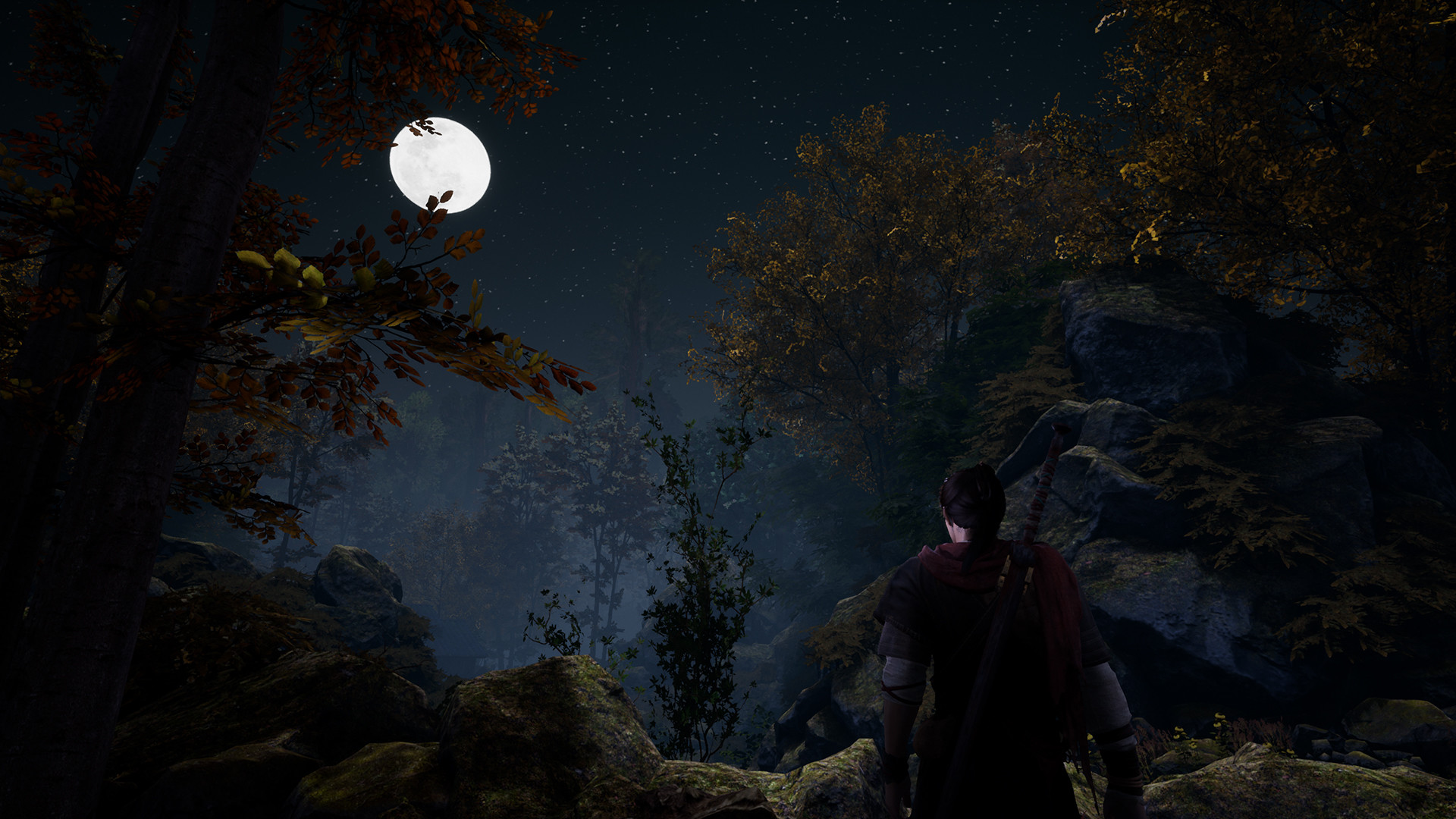
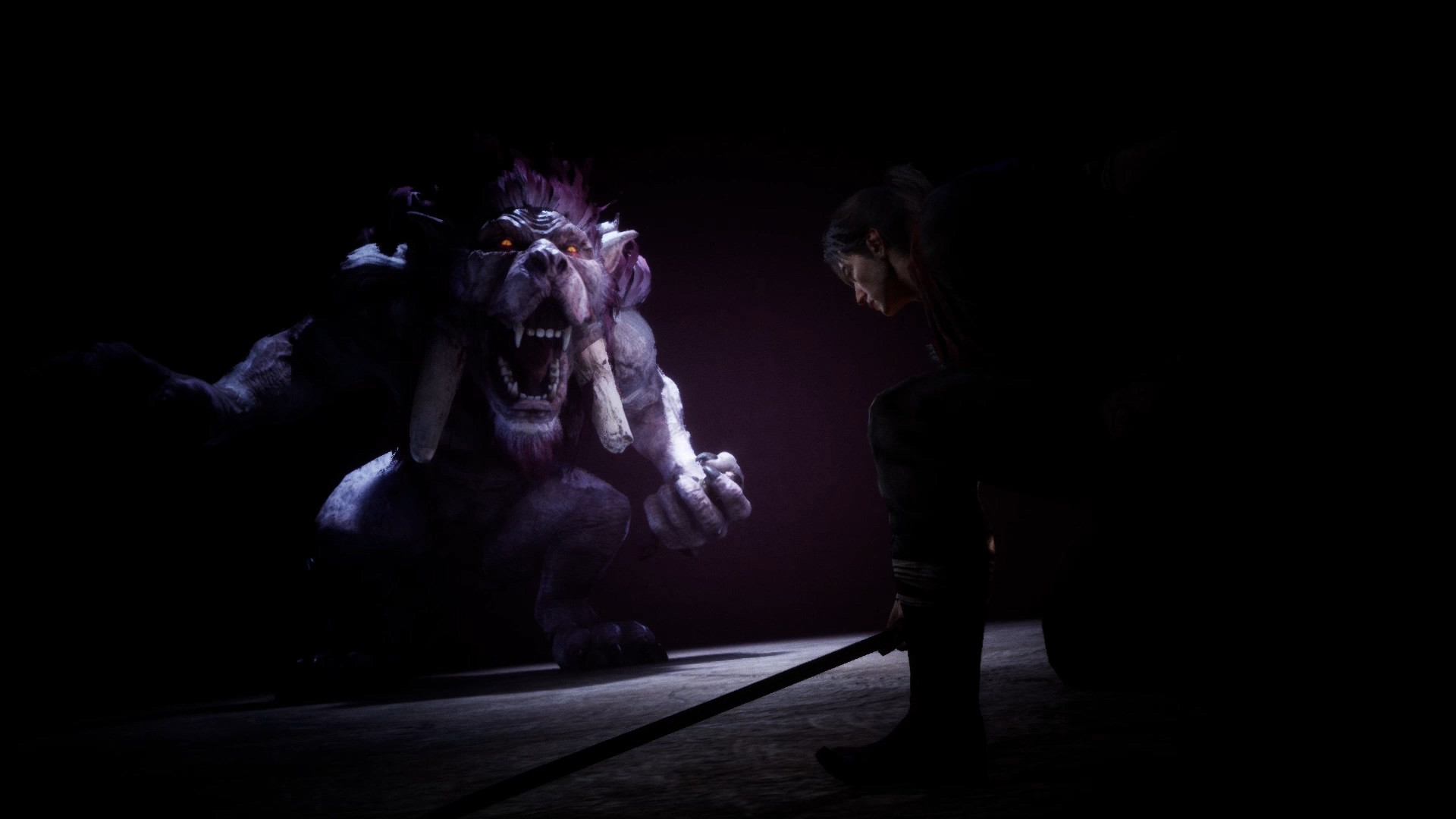
Get an in-depth look at Xuan-Yuan Sword VII through various videos and screenshots.



Load More


System requirements
These are the minimum specifications needed to play the game. For the best experience, we recommend that you verify them.
Windows
- Requires a 64-bit processor and operating system
- OS *: 64-bit Windows 7, 64-bit Windows 8 (8.1) or 64-bit Windows 10
- Processor: Intel Core i5 4590 or AMD equivalent (or better)
- Memory: 8 GB RAM
- Graphics: NVIDIA GTX 960 or equivalent (or better)
- DirectX: Version 11
- Storage: 50 GB available space
- Sound Card: Direct compatible sound card for audio
Steam Price & Best Deals
User reviews & Ratings
Explore reviews from Steam users sharing their experiences and what they love about the game.
To be honest, the storyline was poor compare to other games in Xuan-Yuan Sowrd series. After walked along the path of the Lady in Green, I felt the story completed, but it was after the final battle...... The UI is another losing part, the game used to have very beautiful Chinese ink painting style for UI and items, but nothing left in VII...... The action was good actually, but do need time to get to the battle style, and it can be very tough at the beginning of the game. I would say the graphics is not too bad. It is 6 years old game, but still better than other games released recently. The good thing is the dev team was continuing the series' long-standing tradtion, the game seamlessly blends real historical figures and events with its storyline. It also gave the Lady in Green a good ending. I would recommend this game for Xuan-Yuan Sword series lovers.
Overall: 6.5/10 Story: This is the first Xuan-Yuan Sword game I’ve played, but from what I gathered before jumping in, each entry tells its own story, so you don’t really need knowledge of the previous games to understand what’s going on here. In theory, that’s great for newcomers like me. The narrative is clearly meant to be one of the biggest focuses of XYS7, and I appreciated being able to jump in without homework from older titles. That said though, by the end of the game the overall narrative still felt a little all over the place, slightly disjointed, and unfortunately pretty undercooked. XYS7 is also a bit of a slow burn at the start, and it takes a while before things really get moving. However, the core motivation is clear enough: Taishi Zhao is trying to restore his sister Xiang’s body through magic after she gets mortally wounded. It’s a strong and personal starting point, but the journey that follows and all the information you learn along the way ends up feeling scattered and difficult to follow at times. The real issue, at least for me, is that this game tries to juggle too many plot threads for a story that only lasts around 15 to 20 hours. You can tell the developers didn’t want the plot to be as simple as “just go resurrect your sister,” (which is understandable), but the way the journey is extended doesn’t always feel convincing. You’ll run into elements like the Blackflame disaster, political conflicts between factions, and various pieces of Chinese mythology. All of these ideas are interesting on their own, but they rarely feel like they connect together in a satisfying way. It’s not outright bad, but the best way I can describe the narrative is "surface level", in a game where the narrative is a HUGE focus. Outside of the main goal of saving Xiang, most of the other story threads only give you just enough context to understand the immediate situation you’re in. They rarely go deeper than that, even if you take the time to read the character logs and location entries the game provides. By the end, I felt like there were a lot of potentially cool ideas floating around, but not enough time or focus spent tying them together into something more cohesive. Gameplay: The gameplay left me feeling slightly conflicted. On one hand, the combat is a pretty fun and approachable action RPG system that focuses on fast swordplay, stance switching, and flashy executions rather than overtly punishing difficulty, but just like the story, it took a while to really “get there.” Going in, I had also seen a lot of comparisons between this game and the souls-like genre because of features like a stamina bar, parry/dodge mechanics, and enemies respawning after resting at campfires, but in my experience this is 100% not a souls-like. At most, it’s an action RPG with a few moderate souls-like elements layered in. Regardless, when I first started playing, the combat actually felt pretty stiff, and I had to reel myself in and meet the game where it was at for a while before things began to click. But even then I'd say XYS7 is just good at what it does, not great. Despite that, most encounters revolve around locking onto enemies, chaining light and heavy attacks into quick combos, and dodging/blocking when monsters try to attack, which quickly felt familiar without getting the sense that the game was trying to do too much. Furthermore, there are four martial art stances you unlock throughout the game, which change the properties of your heavy attack and give you access to unique special techniques, keeping combat fresh while further proving its distance from a souls-like formula. With all that said though, one of my biggest pet peeves with the combat is how bosses always seem to target you, the player, exclusively during boss fights. On hard difficulty this made certain bosses with faster move sets like Sun Ke or Mo Huang feel genuinely tedious, especially when potion + stamina cooldowns forced me to back off constantly. There were several moments where I found myself getting chased around an arena while my companions freely attacked from the sidelines without ever pulling the boss’s attention, leaving them completely unharmed while I tried to survive. It just made some moments feel more frustrating than challenging. World: I genuinely liked the map, but there is no sense in beating around the bush about its structure, the entire world is basically one long corridor. Progression is extremely linear, with each area feeding directly into the next rather than offering any real exploration opportunities off the beaten path. Still though, I would not call the world lazy or even repetitive. In fact, XYS7 does a pretty good job of giving each city/region you pass through along the way its own distinct personality. My biggest issue with the world design, then, is that although you have the option to, there's honestly no real reason to ever return to any of these cities after you move on from them for narrative reasons. Aside from the Chess players or merchants, there is nothing to interact with. From a technical standpoint, however, the world generally runs quite well. I experienced little to no frame drops during my playthrough, and aside from a couple spots inside Kunyang or right outside Caiyang, there was not much noticeable pop-in either. It is just a shame that there is not more to actually do in any of the towns, because the world itself has enough charm and identity that I found myself wishing the game gave me more reasons to spend time in it. Visuals: By the time I finished XYS7, I actually felt that the visuals were also good, especially considering what the game is and the scale of the project. During normal gameplay the environments, character models, and lighting all look very solid. The real problems with the visuals show up in the cutscenes rather than the gameplay. A lot of the major story scenes are surprisingly cinematic and almost movie-like in how they are framed and directed, but several of the smaller/more transitional cutscenes can feel a little funky. More than once I noticed subtle issues like characters moving/rotating faster than their animations, or camera angles that feel awkwardly positioned during conversations. The biggest visual issue for me, though, is how blurry some of the cutscenes can look. Even the well produced ones. At times, it feels like the depth of field is way too aggressive or simply not positioned correctly, which causes characters or parts of the scene to lose clarity when they are obviously intended to be in focus. It is not something that happens in every cutscene, but it certainly happened throughout the entire game. It's a shame too, because when the camera isn't smeared in Vaseline, XYS7 genuinely looks good. Music/Sound Design: The music is easily one of the best aspects of XYS7, hands down. The soundtrack leans heavily into traditional Chinese instruments, which fits the game’s historical fantasy setting extremely well and gives the world a distinct musical identity. However, what surprised me the most was just how much variety there is across the soundtrack, and how well the music reinforces the atmosphere of each location and moment in the narrative. On the dialogue side of things, even though I couldn't understand exactly what was being said since the game is voiced in Chinese, I still felt like most of the character performances were expressive and well acted. The tone, emotion, and delivery still came through clearly enough that I rarely felt disconnected from what was happening in big narrative moments. On the other hand, the general sound design outside of the music and voice acting is not anything particularly special. It was all serviceable, but at the same time nothing about them ever really stood out or left me particularly impressed.
Similar games
View all

Assassin's Creed Odyssey
In this action-adventure game, set sail for Ancient Greece to alter its fate. Fight in visceral battles on land and sea, shape your destiny from outcast to legend, and uncover secrets of your past.
Xuan-Yuan Sword: The Gate of Firmament
The “Xuan-Yuan Sword” is an epic oriental RPG series with 25 years of history.It elaborates on the very heart of this series, the idea of "one, looking at the same thing from different angles, may come to different conclusions. " through a variety of historical incidents in different times.
FINAL FANTASY VII REBIRTH
The Unknown Journey Continues... After escaping the city of Midgar, Cloud and his friends set out on a journey across the planet. New adventures await in a vibrant, expansive world in this standalone entry of the FFVII remake trilogy.
Jade Empire : Special Edition
Step into the role of an aspiring martial-arts master and follow the path of the open palm or the closed fist.
Three Kingdoms Zhao Yun
At the end of the Eastern Han Dynasty, the heroes were fighting for hegemony, and the flames were everywhere. In the game, players played the role of Zhao Yun, a well-known general of the Three Kingdoms, and interpreted the story of his youth.

The Last Soldier of the Ming Dynasty
The Japanese pirates have terrorized the Ming Dynasty for generations. You've devoted your life as a soldier to fighting them.And now you are in their turf, alone with your sword; the last soldier in pirate's land in this 3D-action game inspired by traditional Chinese ink painting landscapes.

Tales of Spark
"Tales of Spark" is a Hack & Slash Action RPG with an Eastern flair. Players assume the role of a young wandering swordsman, exploring the vast desert, seeking treasures, defeating powerful bosses, and even slaying gigantic celestial dragons.
Darksiders II Deathinitive Edition
The ultimate DARKSIDERS II experience! 1080p native resolution. Reworked and tuned game balancing and loot distribution. Improved Graphic Render Engine for even higher visual quality, lighting and shadows. Improved and reworked level, character and environment graphics.
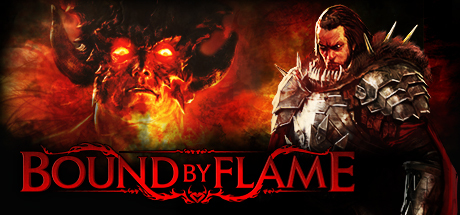
Bound By Flame
You are a mercenary possessed by a flame demon in a desperate world ravaged by seven Ice Lords. In this RPG where every choice counts, you will have to choose between unleashing the powers of the beast within and rejecting its demonic influence.

KINGDOM HEARTS III + Re Mind (DLC)
KINGDOM HEARTS III + Re Mind (DLC) brings one chapter of the series to a close. Travel to exciting new Disney and Pixar worlds, and prepare for the final showdown.
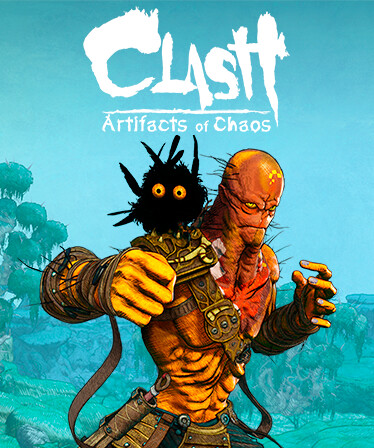
Clash: Artifacts of Chaos
Hunted by mercenaries of an enemy with untold power, the fighter Pseudo and the creature under his protection begin a perilous quest to the edges of strange lands.
Frequently Asked Questions
Xuan-Yuan Sword VII is currently priced at 29.99€ on Steam.
No, Xuan-Yuan Sword VII is currently not on sale. You can purchase it for 29.99€ on Steam.
Yes, Xuan-Yuan Sword VII received 5,949 positive votes out of a total of 9,484 achieving a rating of 6.19.
😐
Xuan-Yuan Sword VII was developed by SOFTSTAR and DOMO Studio and published by SOFTSTAR and Yooreka Studio.
Yes, Xuan-Yuan Sword VII is playable and fully supported on Windows.
No, Xuan-Yuan Sword VII is not playable on MacOS.
No, Xuan-Yuan Sword VII is not playable on Linux.
No, Xuan-Yuan Sword VII is not playable on Steam Deck.
This information about Xuan-Yuan Sword VII is not available yet.
No, Xuan-Yuan Sword VII does not support VR.
Xuan-Yuan Sword VII is a single-player game.
Yes, there are 3 DLCs available for Xuan-Yuan Sword VII. Explore additional content available for Xuan-Yuan Sword VII on Steam.
No, Xuan-Yuan Sword VII does not support mods via Steam Workshop.
No, Xuan-Yuan Sword VII does not support Steam Remote Play.
Yes, Xuan-Yuan Sword VII is enabled for Steam Family Sharing. This means you can share the game with authorized users from your Steam Library, allowing them to play it on their own accounts. For more details on how the feature works, you can read the original Steam Family Sharing announcement or visit the Steam Family Sharing user guide and FAQ page.
You can find solutions or submit a support ticket by visiting the Steam Support page for Xuan-Yuan Sword VII.
Data sources
The information presented on this page is sourced from reliable APIs to ensure accuracy and relevance. We utilize the Steam API to gather data on game details, including titles, descriptions, prices, and user reviews. This allows us to provide you with the most up-to-date information directly from the Steam platform.
Additionally, we incorporate data from the SteamSpy API, which offers insights into game sales and player statistics. This helps us present a comprehensive view of each game's popularity and performance within the gaming community.
Last Updates| Steam data | 17 September 2026 13:12 UTC |
|---|---|
| SteamSpy data | 22 October 2026 17:03 UTC |
| Steam price | 26 October 2026 19:32 UTC |
| Steam reviews | 19 October 2026 05:59 UTC |
If you'd like to dive deeper into the details about Xuan-Yuan Sword VII, we invite you to check out a few dedicated websites that offer extensive information and insights. These platforms provide valuable data, analysis, and user-generated reports to enhance your understanding of the game and its performance.
- SteamDB - A comprehensive database of everything on Steam about Xuan-Yuan Sword VII
- SteamCharts - Analysis of Xuan-Yuan Sword VII concurrent players on Steam
- ProtonDB - Crowdsourced reports on Linux and Steam Deck Xuan-Yuan Sword VII compatibility
Game modes
Features
Online players
4
Developer
SOFTSTAR,
DOMO Studio
Publisher
SOFTSTAR,
Yooreka Studio
Release
28 Oct 2020
Platforms
Clicking and buying through these links helps us earn a commission to maintain our services.