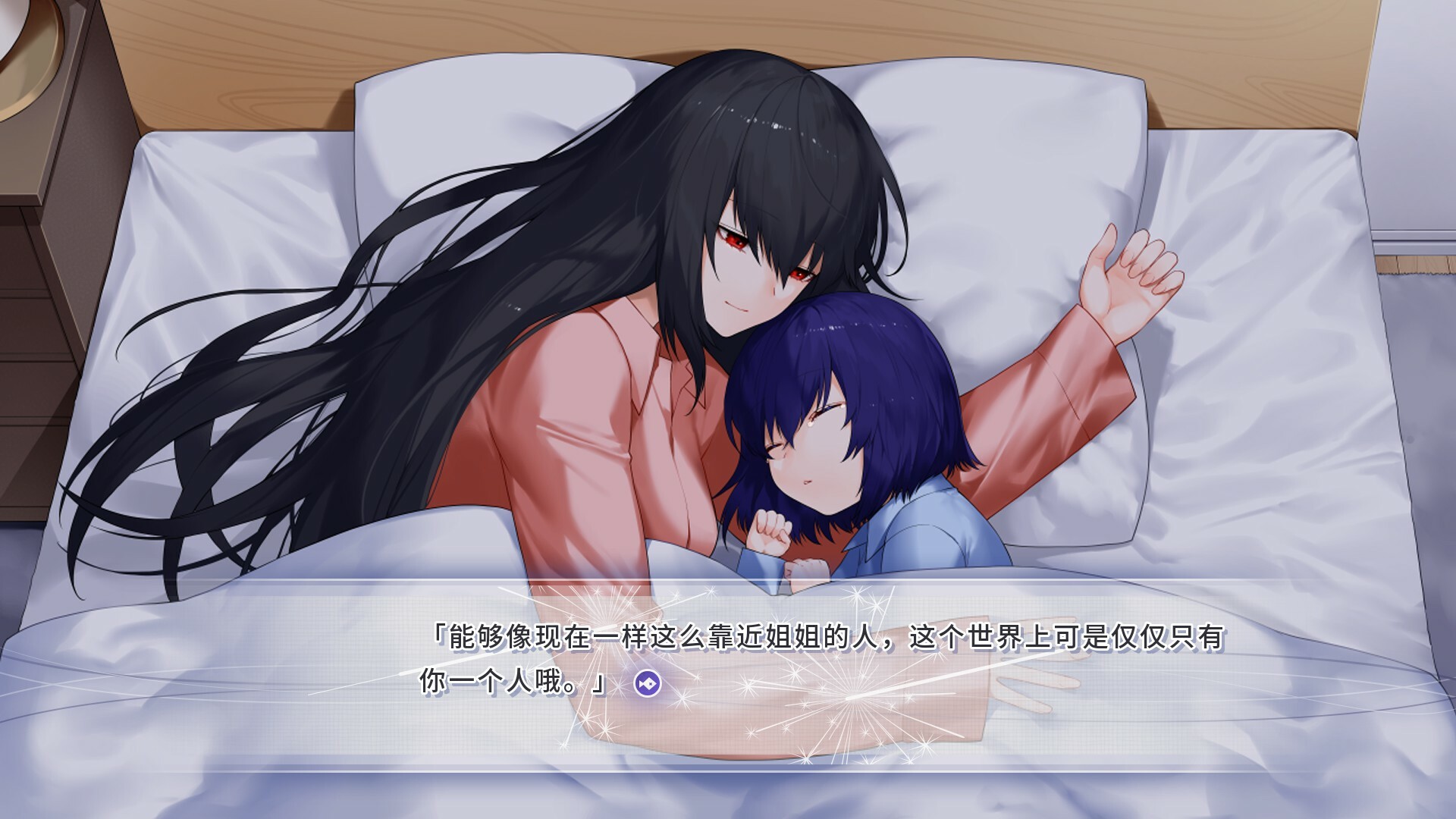
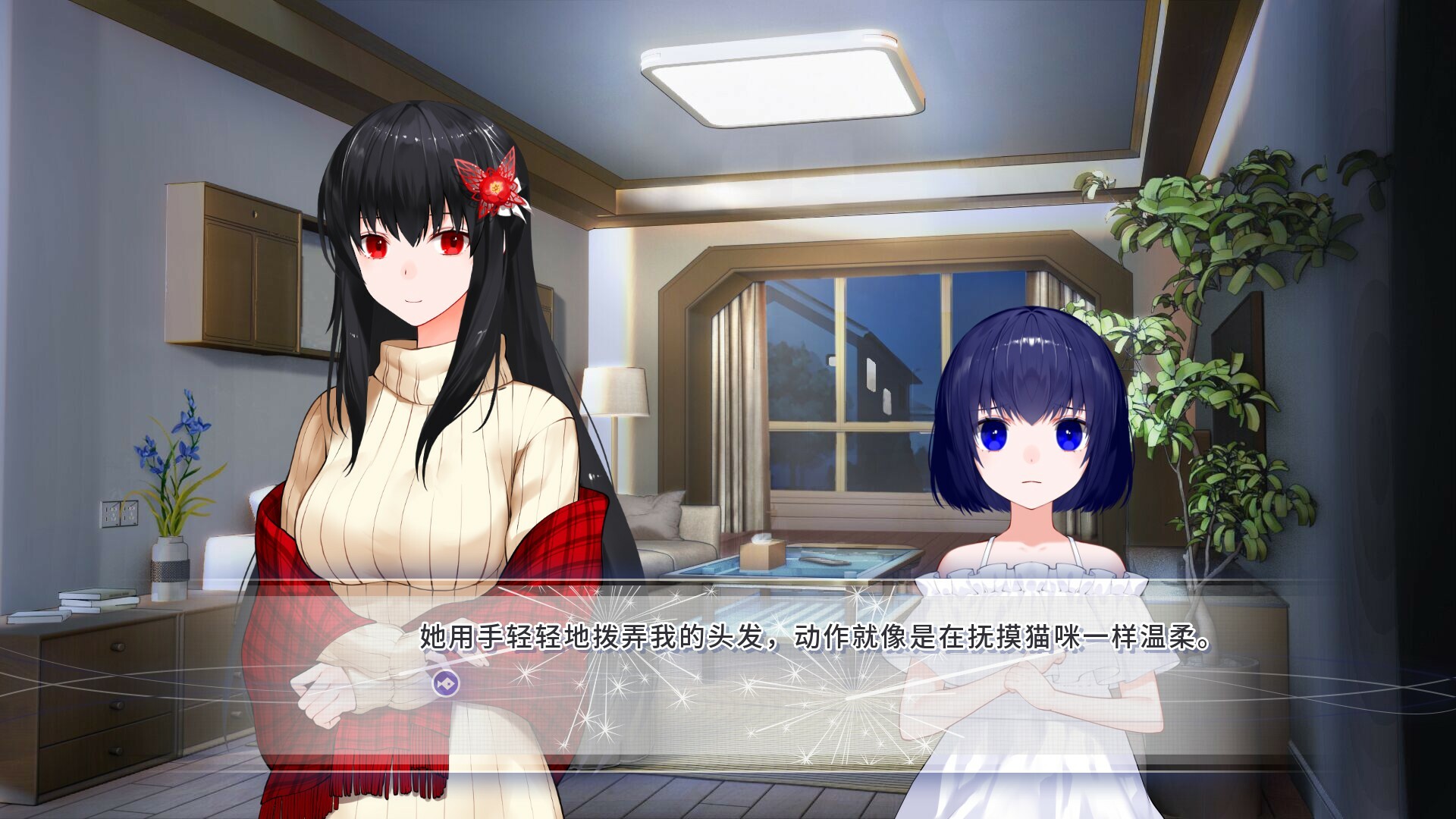
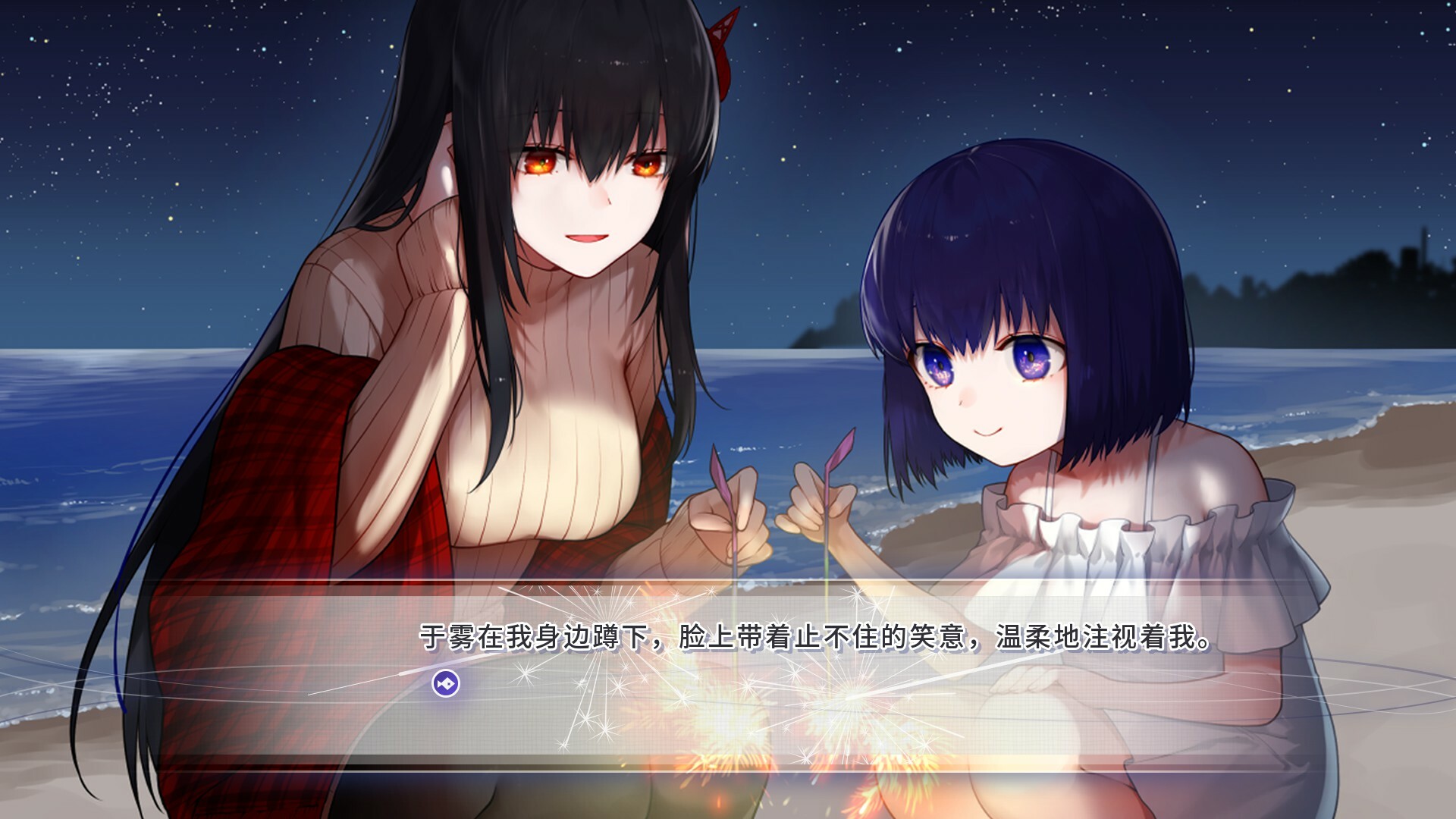
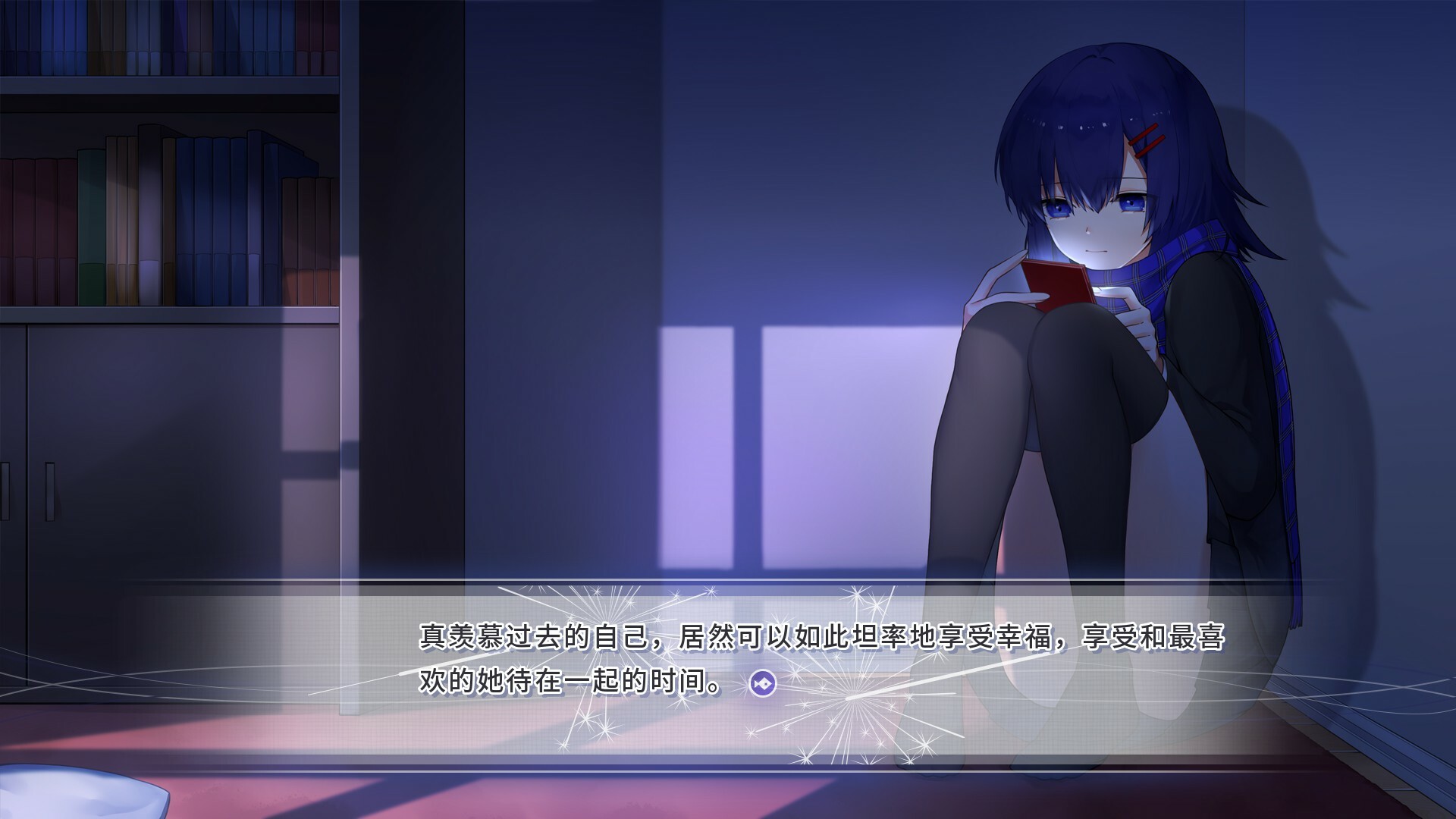
风岬 – The Everlasting Lovestory at the Windcap is a narrative-focused visual novel developed and published by 百歌CentChansons. Built around romance, memory, and quiet reflection, the game presents an emotionally driven story set in a coastal town where the wind and sea shape both the landscape and the lives of the characters who inhabit it. Like many visual novels, the experience is primarily driven by dialogue and player choices rather than traditional gameplay mechanics, allowing the story and its characters to take center stage. The result is a contemplative journey that blends romantic storytelling with themes of nostalgia, personal growth, and the enduring influence of the past. The story begins when the protagonist returns to Windcap, a peaceful seaside town tied closely to his earlier life. Years have passed since he last walked its streets, yet the town itself feels almost unchanged. The cliffs overlooking the ocean, the gentle sea breeze, and the quiet rhythm of daily life all contribute to an atmosphere that feels suspended between past and present. What begins as a simple return soon turns into a rediscovery of memories long buried, as the protagonist reconnects with familiar places and encounters people whose lives have continued evolving during his absence. As the narrative unfolds, several central characters gradually enter the story, each representing a different connection to the town and its history. Some of them share childhood memories with the protagonist, while others represent new relationships that develop during his return. Through conversations, shared experiences, and emotional confessions, the player learns more about the dreams, regrets, and hidden struggles that shape these characters’ lives. The game carefully develops these relationships over time, allowing players to see how each character’s perspective contributes to the larger narrative about love and personal change. Gameplay follows the traditional visual novel structure in which players progress by reading dialogue and occasionally selecting choices that influence how events unfold. These decisions affect character relationships and determine which story routes become available. Each route focuses on a different character and explores their personal story in greater depth. Because the narrative branches into multiple paths, players are encouraged to replay the game in order to experience alternate perspectives and uncover different endings. Some routes emphasize romantic relationships, while others explore themes of reconciliation, personal healing, or accepting the passage of time. The pacing of the game is intentionally calm and reflective. Instead of relying on dramatic twists or fast-moving plot developments, the story takes time to explore the emotional connections between characters. Many scenes revolve around everyday moments such as walking along the shoreline, watching the sunset from the cliffs, or reminiscing about childhood memories. These quiet interactions help create a sense of intimacy that draws players into the world of Windcap and allows the characters’ emotions to unfold naturally. Visually, the game features a soft anime-inspired art style that complements the peaceful seaside setting. Character portraits are detailed and expressive, making it easy to interpret the emotional tone of each scene. The backgrounds depict coastal landscapes, small town streets, and open horizons shaped by wind and sea. These environments are rendered with gentle colors and subtle lighting that reinforce the nostalgic atmosphere of the story. The town of Windcap itself becomes a central visual element, serving as both a physical location and a symbol of the memories that connect the characters. The soundtrack plays a key role in reinforcing the emotional tone of the narrative. Much of the music consists of quiet piano compositions and soft instrumental pieces that reflect the tranquil environment of the seaside town. The melodies often accompany moments of reflection or emotional revelation, enhancing the impact of the characters’ conversations. The music rarely becomes overwhelming, instead maintaining a gentle presence that allows the story to remain the focus. One of the most notable aspects of the game is its thematic exploration of time and memory. Windcap represents a place where past experiences continue to shape the present. As the protagonist revisits familiar locations, memories resurface and old relationships are reevaluated. The story repeatedly examines how people carry their past with them and how returning to meaningful places can reopen unresolved feelings. Through its characters and narrative routes, the game explores the idea that love and connection can endure even as circumstances and individuals change over time. However, the slow pacing that defines the game’s atmosphere may not appeal to every player. Because much of the experience involves reading lengthy dialogue and observing quiet character interactions, those looking for fast-paced storytelling or complex gameplay systems may find the progression somewhat slow. Additionally, while the branching narrative structure provides replay value, many of the routes share similar themes, which can make multiple playthroughs feel somewhat repetitive. Despite these limitations, the emotional sincerity of the story remains one of the game’s greatest strengths. The characters feel grounded and relatable, and their personal struggles are portrayed with a sense of authenticity. Rather than focusing on dramatic conflict, the narrative emphasizes subtle emotional growth and the gradual rebuilding of relationships. This approach allows the story to resonate with players who appreciate reflective storytelling and character-driven narratives. Ultimately, 风岬 – The Everlasting Lovestory at the Windcap succeeds as a gentle and introspective visual novel that invites players to experience a story about love, memory, and the quiet passage of time. Its serene coastal setting, expressive artwork, and thoughtful soundtrack combine to create a peaceful atmosphere that supports the narrative’s emotional themes. While the game may lack the complexity or dramatic intensity of larger visual novel productions, it offers a heartfelt story that lingers through its characters and the memories they share. Rating: 8/10
Expand the review