
[Chilla's Art] Parasocial | パラソーシャル
Parasocial | パラソーシャル is a Japanese horror game about a live streamer.
Sync your Steam wishlist to find the lowest game prices instantly. No login required, just paste your Steam profile URL!
⚡ Try Wishlist Radar!
Sync your Steam wishlist to find the lowest game prices instantly. No login required!
⚡ Try Wishlist Radar!
Close

[Chilla's Art] The Kidnap | 誘拐事件 on Steam
Quick menu
The Kidnap | 誘拐事件 is a Japanese horror game about a kidnapping incident.
[Chilla's Art] The Kidnap | 誘拐事件 is a horror, psychological horror and thriller game
developed and published by Chilla's Art.
Released on October 31st 2023 is available on Windows, Steam Deck and Steam Machine
in 12 languages: Japanese, English, Korean, Simplified Chinese, Vietnamese, Italian, Spanish - Spain, Traditional Chinese, Hungarian, Portuguese - Brazil, German and Russian.
It has received 515 reviews of which 433 were positive and 82 were negative resulting in a rating of 7.9 out of 10. 😊
The game is currently priced at 6.82€ on Steam with a 30% discount.
The Steam community has classified [Chilla's Art] The Kidnap | 誘拐事件 into these genres:
Horror
Psychological Horror
Thriller
Choices Matter
Survival Horror
Immersive Sim
Immersive
3D
2.5D
Investigation
Old School
Retro
Multiple Endings
Stealth
Adventure
Story Rich
Singleplayer
Indie
Gore
Violent
Here is the detailed breakdown of supported languages for [Chilla's Art] The Kidnap | 誘拐事件:
| UI | Subtitle | Audio | |
|---|---|---|---|
| English | |||
| German | |||
| Italian | |||
| Korean | |||
| Spanish - Spain | |||
| Simplified Chinese | |||
| Traditional Chinese | |||
| Russian | |||
| Japanese | |||
| Hungarian | |||
| Portuguese - Brazil | |||
| Vietnamese |
Media & Screenshots
Get an in-depth look at [Chilla's Art] The Kidnap | 誘拐事件 through various videos and screenshots.
![[Chilla's Art] The Kidnap | 誘拐事件 screenshot](https://shared.fastly.steamstatic.com/store_item_assets/steam/apps/2593900/ss_608d95a6b8cd63ab881d16ddae274814421e4d35.1920x1080.jpg)
![[Chilla's Art] The Kidnap | 誘拐事件 screenshot](https://shared.fastly.steamstatic.com/store_item_assets/steam/apps/2593900/ss_c98400af1a75b4436c548c6d20162655acc54905.1920x1080.jpg)
![[Chilla's Art] The Kidnap | 誘拐事件 screenshot](https://shared.fastly.steamstatic.com/store_item_assets/steam/apps/2593900/ss_fc2c7b9272cb5bbfd8819425ec2ec844d5201e53.1920x1080.jpg)
![[Chilla's Art] The Kidnap | 誘拐事件 screenshot](https://shared.fastly.steamstatic.com/store_item_assets/steam/apps/2593900/ss_da1151bab535450d200df8605eeb18fbac821da7.1920x1080.jpg)
![[Chilla's Art] The Kidnap | 誘拐事件 screenshot](https://shared.fastly.steamstatic.com/store_item_assets/steam/apps/2593900/ss_25763b0a7daa13ae95a0352a3ab89238584b00c5.1920x1080.jpg)
![[Chilla's Art] The Kidnap | 誘拐事件 screenshot](https://shared.fastly.steamstatic.com/store_item_assets/steam/apps/2593900/ss_8ac89e8714ecff5be3c354b13586e8657b218a23.1920x1080.jpg)
System requirements
These are the minimum specifications needed to play the game. For the best experience, we recommend that you verify them.
Windows
- OS *: Windows 7 SP1+ x64
- Processor: Intel/AMD X64 architecture with SSE2 instruction set support
- Memory: 4 GB RAM
- Graphics: AMD RX 550 or NVIDIA equivalent @Lowest Settings
- DirectX: Version 11
- Storage: 10 GB available space
- Sound Card: Yes
- Additional Notes: Turn off room lights and Put your headset on for best experience.
Steam Price & Best Deals
User reviews & Ratings
Explore reviews from Steam users sharing their experiences and what they love about the game.
My gameplay: https://youtu.be/jWCkgu3_1E4?si=6c23WqEDrvXJEioF I loved Chilla's Art games, so I think this game was great! It caught the eerie-ness, the feeling of dread and isolation. It was a great horror experience! The controls and graphics were basic, but for the type of game it is, that's all it needed. The audio and music was great as well! It took me roughly 1.5 hours to beat, could be beat a little quicker. I recommend this game to everyone! Other playthroughs: https://www.youtube.com/@iAmLegendanny
Out of all of the Chilla's Art games I've played thus far, this one scared me the most. The way that the game establishes daily life chores, etc. really gives you a sense of realism to build off of. As the game progresses, there's a deep-seated sense of dread throughout. 10/10!
really enjoyed it, especially the first act! really tense and atmospheric. It dips in quality at the final act, which really was a let down overall, but still has some good moments. It nails the atmosphere as always, good music too. It's worth playing for sure, but not quite as great quality as other Chilla's Art projects.
Similar games
View all![[Chilla's Art] Parasocial | パラソーシャル](https://shared.fastly.steamstatic.com/store_item_assets/steam/apps/2314720/header.jpg)
![[Chilla's Art] Shinkansen 0 | 新幹線 0号](https://shared.fastly.steamstatic.com/store_item_assets/steam/apps/2793370/header.jpg)
[Chilla's Art] Shinkansen 0 | 新幹線 0号
Shinkansen 0 | 新幹線 0号 is a game set in Japan where players are tasked with finding anomalies in the Shinkansen. (Japanese bullet train)

Back
《Back》 is a full-motion audio live horror game. Special Note 1: This game is very supernatural and scary, timid or heart disease players do not buy !!!! The game will reveal different ending plots step by step through various searches and choices for your character.

The Cabin Factory
Your job at the Cabin Factory is simple: inspect the cabins and decide on whether they’re haunted or not. If you do find any anomalies, get out…immediately.
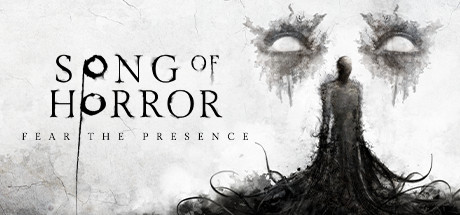
SONG OF HORROR COMPLETE EDITION
A 3rd person, fixed-camera survival horror adventure. Fear the Presence, a mysterious entity you cannot fight: stay alert, hide, breathe slowly... Explore cursed places where unseen spirits and lost souls linger in a true horror story for the ages.

The Dark Pictures Anthology: House of Ashes
At the close of the Iraq War, Special Forces hunting for weapons of mass destruction unearth something far deadlier – a buried Sumerian temple containing a nest of unearthly creatures. To survive the night below, they must forge a brotherhood with their enemies from the world above.

Directive 8020
Earth is dying and humanity is running out of time. 12 light years from home, Tau Ceti f offers a small sliver of hope. When the colony ship Cassiopeia crash lands on the planet, its crew soon realize they are far from being alone. In space, death takes many forms.

Unspoken
You find yourself in the center of inexplicable nightmare. Make your way through the horror, come face to face with terrible events. Immerse yourself in the dark mystery of the events in which you found yourself an unwitting participant.

The Bathhouse | 地獄銭湯 Restored Edition
The Bathhouse | 地獄銭湯 Remake is a Japanese horror game that revolves around working at a bathhouse. A complete revamp of the original bathhouse.
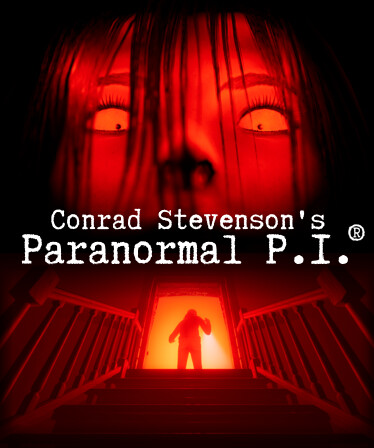
Conrad Stevenson's Paranormal P.I.
I made this first-person single player ghost hunting simulation game, trying to take an authentic approach at investigating ghosts. Use essential paranormal tools to help your community alleviate their concerns and put their minds at ease.
![[Chilla's Art] The Karaoke | ヒトカラ🎤](https://shared.fastly.steamstatic.com/store_item_assets/steam/apps/2200190/hero_capsule.jpg?t=1676274987)
[Chilla's Art] The Karaoke | ヒトカラ🎤
The Karaoke | ヒトカラ is a Japanese horror game about a high school girl at a Karaoke.
Frequently Asked Questions
[Chilla's Art] The Kidnap | 誘拐事件 is currently priced at 6.82€ on Steam.
Yes, [Chilla's Art] The Kidnap | 誘拐事件 is currently available at a 30% discount. You can purchase it for 6.82€ on Steam.
Yes, [Chilla's Art] The Kidnap | 誘拐事件 received 433 positive votes out of a total of 515 achieving a rating of 7.89.
😊
[Chilla's Art] The Kidnap | 誘拐事件 was developed and published by Chilla's Art.
Yes, [Chilla's Art] The Kidnap | 誘拐事件 is playable and fully supported on Windows.
No, [Chilla's Art] The Kidnap | 誘拐事件 is not playable on MacOS.
No, [Chilla's Art] The Kidnap | 誘拐事件 is not playable on Linux.
Yes, [Chilla's Art] The Kidnap | 誘拐事件 is playable on Steam Deck, though it might require a few minor tweaks. Make sure to check the Steam store page and community feedback on ProtonDB for exact compatibility details.
Yes, [Chilla's Art] The Kidnap | 誘拐事件 is playable on Steam Machine, though it might require a few minor tweaks. Make sure to check the Steam store page and community feedback on ProtonDB for exact compatibility details.
No, [Chilla's Art] The Kidnap | 誘拐事件 does not support VR.
[Chilla's Art] The Kidnap | 誘拐事件 is a single-player game.
No, [Chilla's Art] The Kidnap | 誘拐事件 does not currently offer any DLC.
No, [Chilla's Art] The Kidnap | 誘拐事件 does not support mods via Steam Workshop.
No, [Chilla's Art] The Kidnap | 誘拐事件 does not support Steam Remote Play.
Yes, [Chilla's Art] The Kidnap | 誘拐事件 is enabled for Steam Family Sharing. This means you can share the game with authorized users from your Steam Library, allowing them to play it on their own accounts. For more details on how the feature works, you can read the original Steam Family Sharing announcement or visit the Steam Family Sharing user guide and FAQ page.
You can find solutions or submit a support ticket by visiting the Steam Support page for [Chilla's Art] The Kidnap | 誘拐事件.
Data sources
The information presented on this page is sourced from reliable APIs to ensure accuracy and relevance. We utilize the Steam API to gather data on game details, including titles, descriptions, prices, and user reviews. This allows us to provide you with the most up-to-date information directly from the Steam platform.
Additionally, we incorporate data from the SteamSpy API, which offers insights into game sales and player statistics. This helps us present a comprehensive view of each game's popularity and performance within the gaming community.
Last Updates| Steam data | 24 September 2026 05:18 UTC |
|---|---|
| SteamSpy data | 23 October 2026 03:08 UTC |
| Steam price | 27 October 2026 14:16 UTC |
| Steam reviews | 18 October 2026 16:04 UTC |
If you'd like to dive deeper into the details about [Chilla's Art] The Kidnap | 誘拐事件, we invite you to check out a few dedicated websites that offer extensive information and insights. These platforms provide valuable data, analysis, and user-generated reports to enhance your understanding of the game and its performance.
- SteamDB - A comprehensive database of everything on Steam about [Chilla's Art] The Kidnap | 誘拐事件
- SteamCharts - Analysis of [Chilla's Art] The Kidnap | 誘拐事件 concurrent players on Steam
- ProtonDB - Crowdsourced reports on Linux and Steam Deck [Chilla's Art] The Kidnap | 誘拐事件 compatibility
![[Chilla's Art] The Kidnap | 誘拐事件](https://shared.fastly.steamstatic.com/store_item_assets/steam/apps/2593900/hero_capsule.jpg?t=1698800412)
Game modes
Features
Online players
1
Developer
Chilla's Art
Publisher
Chilla's Art
Release
31 Oct 2023
Platforms