

Line War
A new type of RTS with elements from 4X, Wargame, and Real-Time Tactics. Draw commands and execute a superior strategy to defeat your opponent, focusing on high-level decisions rather than constant micromanagement.
Sync your Steam wishlist to find the lowest game prices instantly. No login required, just paste your Steam profile URL!
⚡ Try Wishlist Radar!
Sync your Steam wishlist to find the lowest game prices instantly. No login required!
⚡ Try Wishlist Radar!
Close

Iron Marines Invasion on Steam
Quick menu
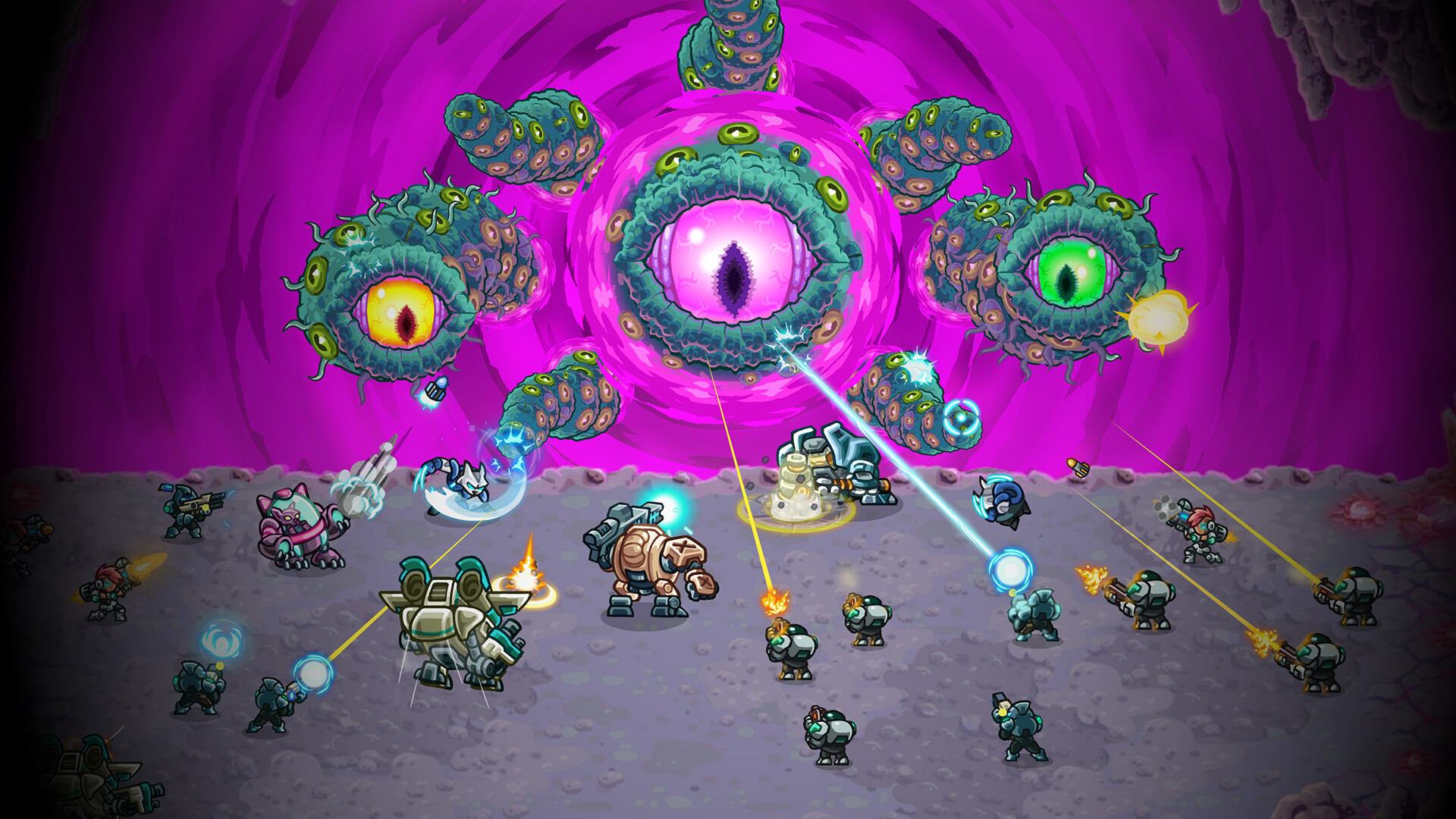
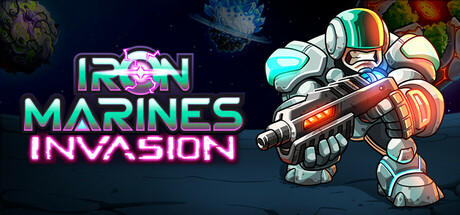
Prepare to take off, soldier! The galaxy needs your strategy! Prove your RTS expertise, explore an entire galaxy and defend it from a threatening invasion.
Iron Marines Invasion is a rts, action roguelike and action rts game
developed and published by Ironhide Game Studio.
Released on November 03rd 2023 is available only on Windows.
It has received 300 reviews of which 213 were positive and 87 were negative resulting in a rating of 6.7 out of 10. 😐
The game is currently priced at 14.79€ on Steam, but you can find it for 12.99€ on Eneba.
The Steam community has classified Iron Marines Invasion into these genres:
Media & Screenshots
Get an in-depth look at Iron Marines Invasion through various videos and screenshots.
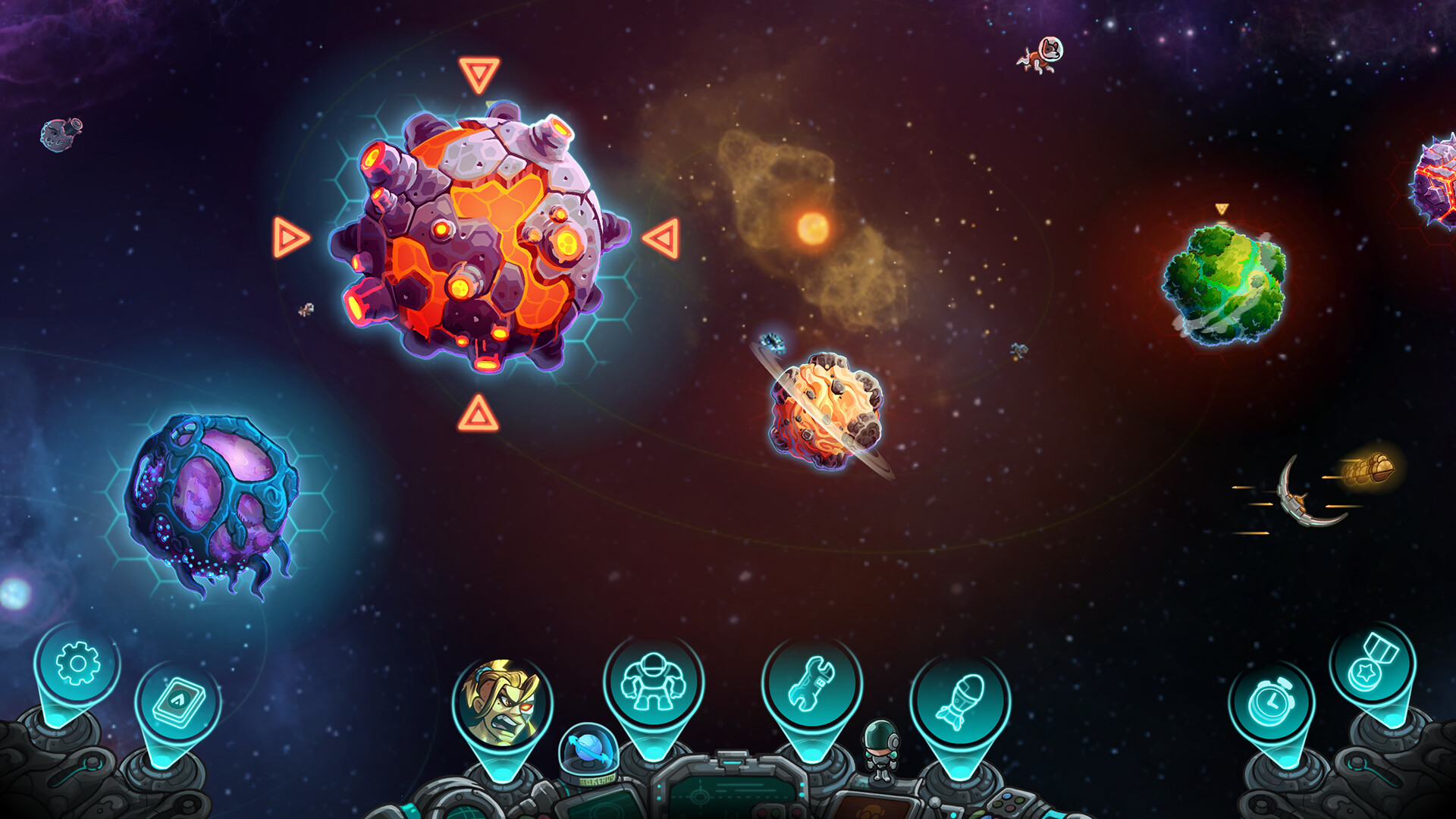
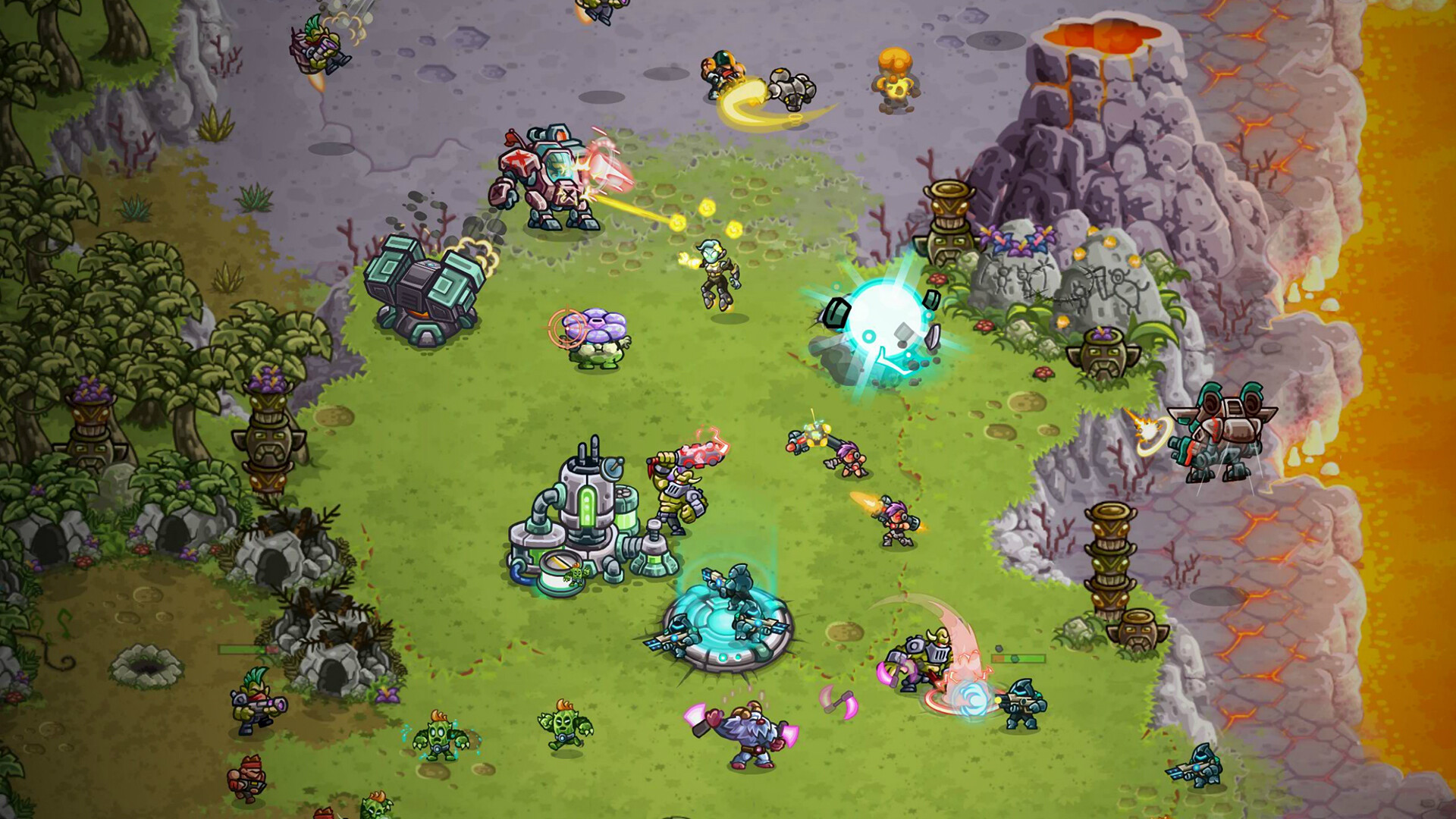
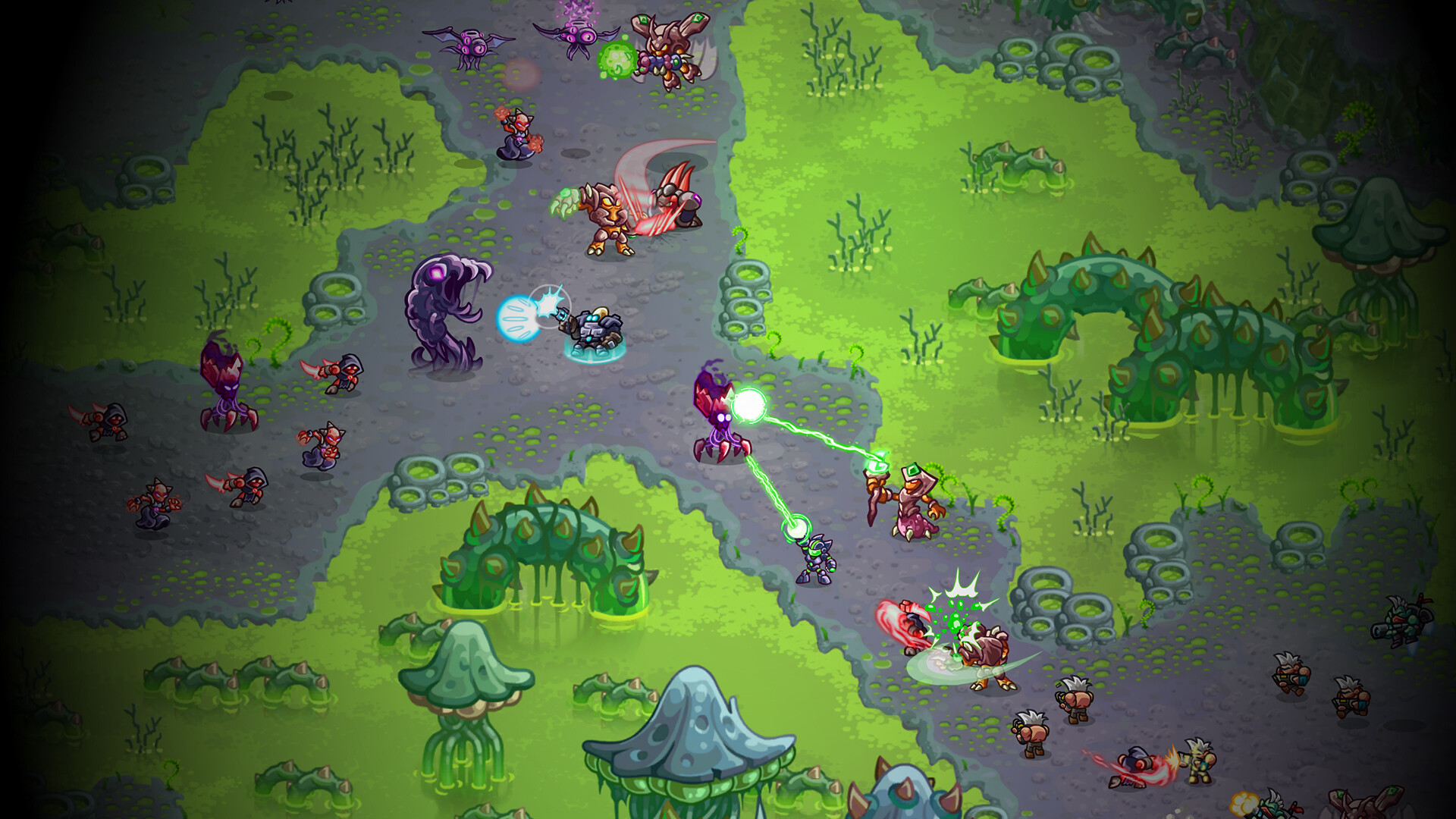
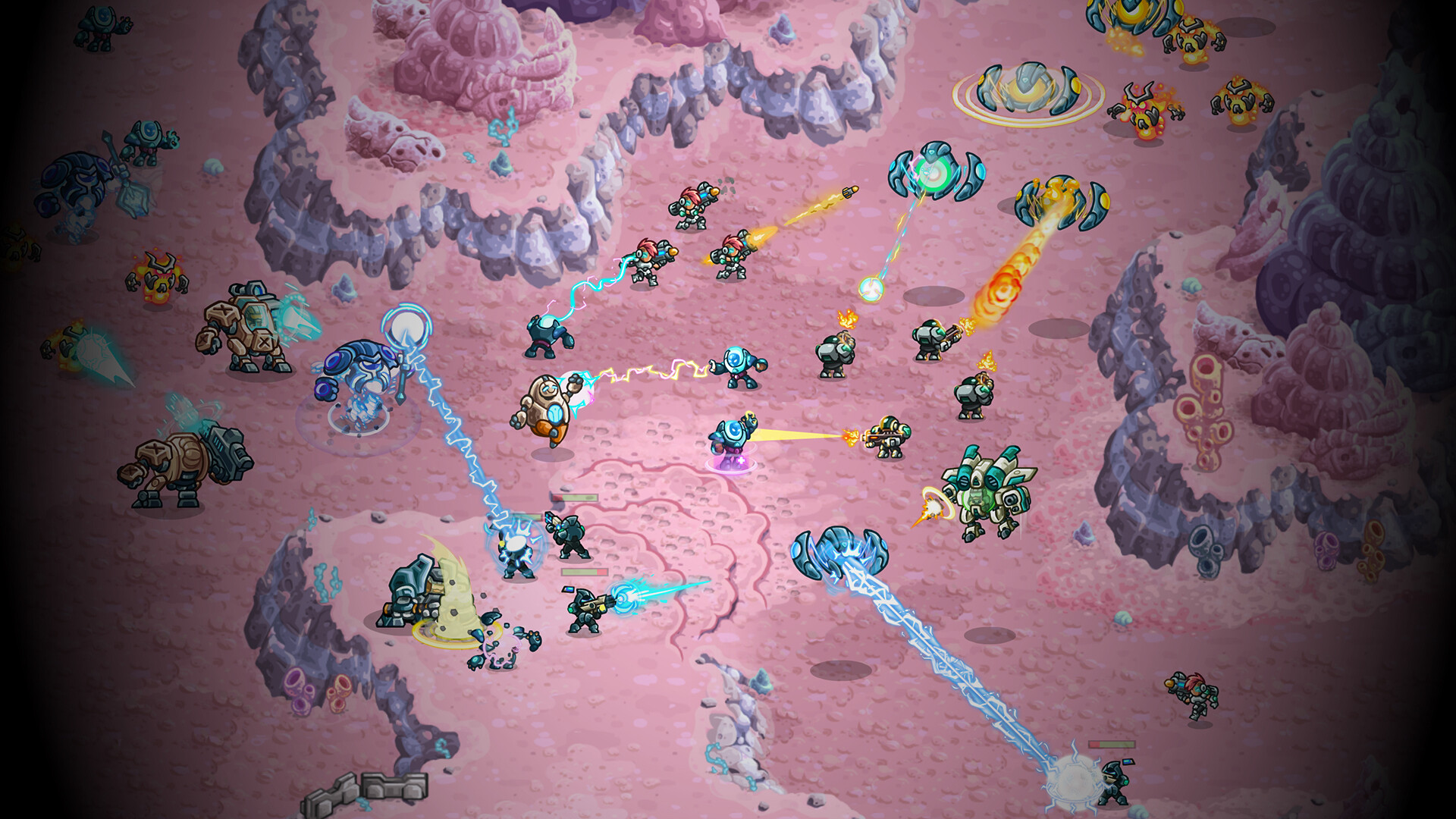

Load More
System requirements
These are the minimum specifications needed to play the game. For the best experience, we recommend that you verify them.
Windows
- OS *: Windows 7
- Processor: Dual Core CPU
- Memory: 1 GB RAM
- Graphics: OpenGL 3.0 compliant with 512MB of video RAM.
- Storage: 2 GB available space
Steam Price & Best Deals
User reviews & Ratings
Explore reviews from Steam users sharing their experiences and what they love about the game.
Mobile: 8/10 ; PC: 6.5/10 A successful expansion outward, but at the cost of depth—and with even more bugs than its predecessor. Your experience with Iron Marines: Invasion depends heavily on what kind of game you expect it to be. If you're looking for “a lightweight, mobile-scale RTS with a distinctive Ironhide style,” then there's no question that it succeeds. But if you approach it strictly as “a smooth, strategically rigorous RTS designed for PC,” a number of problems quickly start to show. Judged by the former standard, Invasion does a lot right. Its worldbuilding is surprisingly rich, the story is complete and well-presented, and it even lays some groundwork for the villains of Kingdom Rush 5: Alliance . The art direction is polished, the campaign offers plenty of content, there are many units to use, and the hero system is solid. Overall, it's a generous package with fast-paced, satisfying gameplay, and its controls make a lot of sense on mobile. This also leads to an interesting phenomenon: its overall reception on mobile is significantly better than it is on PC . But judge it by the latter standard, and all of its various issues begin to pile up—and they can have a noticeable impact on the overall experience. Controls lack precision. Selecting and commanding units can be awkward. The AI isn't particularly smart. Pathfinding occasionally acts up. Mouse clicks can be unreliable. Target locking can behave strangely. When multiple unit models overlap, it can become nearly impossible to tell what's going on. And on top of all that, its strategic depth as an RTS is fairly limited. The biggest problem, however, is that compared to the previous game, Invasion doesn't have fewer bugs—it has more. And some of them are serious enough to directly affect the gameplay experience. Units will occasionally ignore your commands and just stand there doing nothing. Melee units sometimes refuse to attack the enemy you've selected and instead run circles around them. Units can occasionally get stuck on parts of the map while moving, moonwalking in place. And sometimes your cursor simply refuses to select a specific unit or enemy, which can be especially frustrating when things get hectic in the middle of a battle... At least back when I played the mobile version, I personally never encountered any of these issues. And perhaps that's one of the main reasons why, at the time of writing, the Steam version is sitting at only 66% positive reviews —far below its reception on mobile. Of course, bugs aren't the only issue. Compared to its predecessor, I think Invasion also has several other major weaknesses. First—and most importantly—the philosophy behind its level and content design has changed. This game clearly prioritizes more content and more variety , but the trade-off is that it doesn't feel as meticulously crafted as the first game. There are definitely more units and more systems to play with, but individual missions are also more prone to feeling repetitive or drawn out. The original Iron Marines felt like every mission had been carefully designed around a specific challenge. Different situations demanded different strategies, and each level encouraged you to approach its problems in its own way. Invasion , however, doesn't preserve that same kind of vertical depth . Instead, it opts for horizontal expansion . The overall replayability is stronger, and there's certainly more to play around with—but it lacks some of the tightly crafted, carefully polished feel of its predecessor. Second, while there are more units overall, the number of meaningful choices is actually surprisingly limited. By the end of the day, the best combinations tend to come down to just a handful of options. The first game only had three core unit categories, with three different unit types available within each one. That gave you nine unit types in total, but each of them had its own distinct role and purpose. Depending on the mission and the situation, each could shine in its own way and contribute something tactically valuable. Even though they cost different amounts, it was difficult to simply label them as “strong” or “weak.” Their value depended more on the situation and the strategy required. In Invasion , however, many units have much clearer power differences, while others overlap heavily in function. Eventually, you start asking yourself: “ If this option is obviously stronger, why would I use the others? ” And this problem isn't limited to units. The same can be said for upgrades and buildings as well—there's quite a bit of content that simply doesn't feel particularly meaningful. So yes, Invasion technically gives you more choices than its predecessor , but it offers fewer choices that actually matter . The overall system is bigger, but its balance and refinement haven't quite kept up. Finally, the pace of hero progression is simply too slow, which ironically discourages players from experimenting with different heroes. You unlock a new hero, but they're only level one or two and don't yet have access to their core abilities. Naturally, you don't want to bring an underpowered hero into a high-difficulty mission and make your life harder just to level them up. So in the end, you keep using the same hero you've already invested in. To be fair, hero progression in the first Iron Marines wasn't particularly fast either. But heroes unlocked later in the game also started at progressively higher levels, meaning players didn't have to spend as much time catching them up. Invasion , on the other hand, has newly unlocked heroes starting at only level one or two, and leveling them up takes a long time. That's a little ironic for a game that puts such a strong emphasis on heroes. Low-level heroes lack many of their defining abilities, which objectively reduces the incentive to repeatedly experiment with different ones. In this regard, the Iron Marines series simply doesn't handle hero progression nearly as well as the Kingdom Rush series. Overall, despite all the criticism I've thrown at this game, I can't deny that its horizontal expansion is genuinely successful. Many of its new systems do add to the game's replayability and variety. Even with all of its problems, those strengths are still enough to make players—including myself—completely lose themselves in the experience. I can absolutely understand why some longtime fans feel that, compared to the first game, Invasion falls short in terms of controls, level design density, and overall polish—to the point where they simply can't bring themselves to click “ Recommended. ” Honestly, I stared at that button for quite a while myself and thought about it carefully. But in the end, I chose to recommend it. Iron Marines has evolved from a relatively compact game with a high density of carefully designed content into something broader—something with more combinations, more variety, and more long-term replayability. The larger framework still isn't polished enough, and there are plenty of rough edges. But even so, it has its own kind of fun.
If you like RTS games then this is the game for you. The story continues from Iron Marines. If you have played IR then this is the upgraded version. Not too easy and not too hard when it comes to achievements. You will have a lot of troops that can be transferred between planets. Have fun.
Similar games
View all
Sudden Strike 4
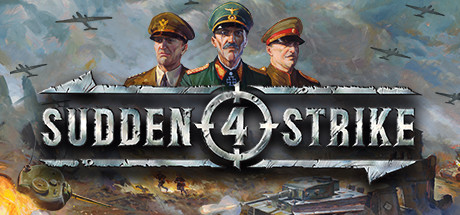
Sudden Strike is back! The beloved Real Time Strategy series returns, this time with bigger battlefields, more units, better graphics, new scenarios and legendary commanders – making Sudden Strike 4 more tactical and realistic than ever before!
Sudden Strike 5
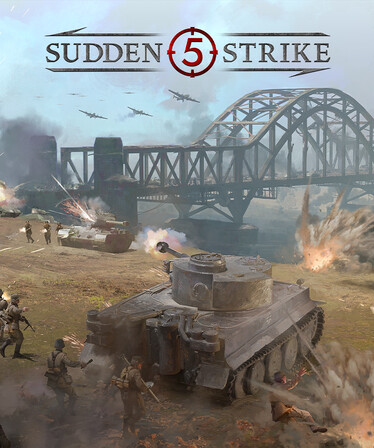
Sudden Strike 5 delivers real-time tactics in epic WWII battles. A host of tactical options and more than 300 playable units open-up multiple approaches to reach your objectives in a 25 mission campaign on historical battlefields in Europe and North Africa.
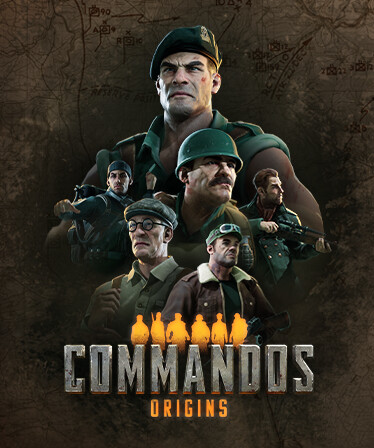
Commandos: Origins
ALARM! You have been selected for a mission which will shape the fate of the entire world. Witness the very beginning of the legendary elite WWII force in Commandos: Origins. The long-awaited sequel to the Commandos series brings you right back to the foundation of the real-time tactics genre.
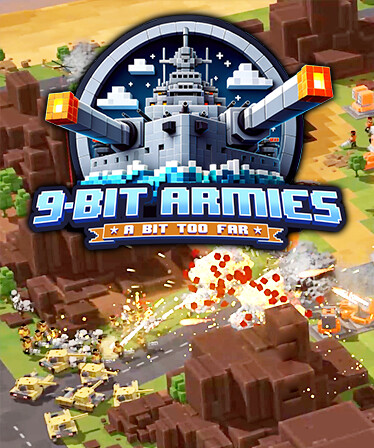
9-Bit Armies: A Bit Too Far
Unleash voxel warfare in 9-Bit Armies: A Bit Too Far. Lead a modern military, build bases, unlock units, and attack in all-out war. Engage on land, sea and air in over two dozen missions, online skirmishes, or co-op. Easy to learn, a challenge to master.

Mud and Blood
Mud and Blood, the cult classic flash real time strategy game, returns with its signature take on infantry tactics. Command a small squad through brutal battles against unfair odds. This is combat. Experience the chaos and unceremonious violence of modern war, where every decision counts.
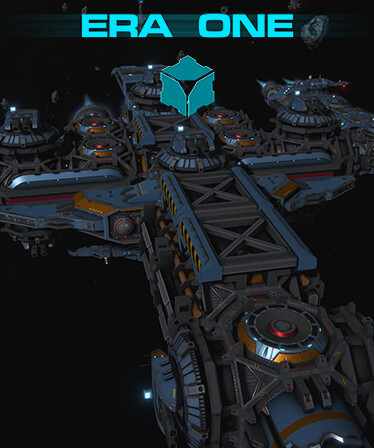
ERA ONE
Start with your Command Center and expand it into a colossal modular flagship, module by module. Design custom warships from the ground up, grow a thriving civilization, and command powerful fleets across the Solar System in tactical real-time battles.
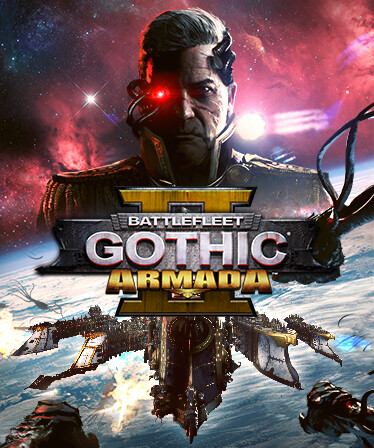
Battlefleet Gothic: Armada 2
Battlefleet Gothic: Armada 2 is the new real-time strategy game adapted from Games Workshop’s famous tabletop game that portrays the epic space battles of the Warhammer 40,000 universe.
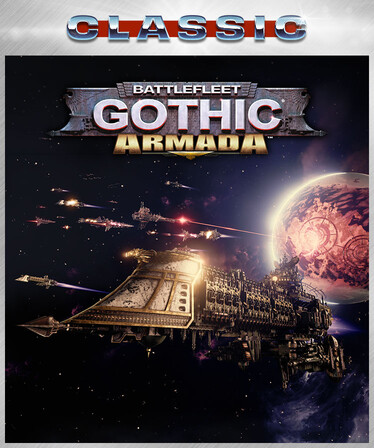
Battlefleet Gothic: Armada (Classic)
Battlefleet Gothic: Armada is the RTS videogame adaptation of Games Workshop’s classic tabletop game, pitting the Chaos, Imperium, Eldar, and Orks against each other in visceral space-battles.
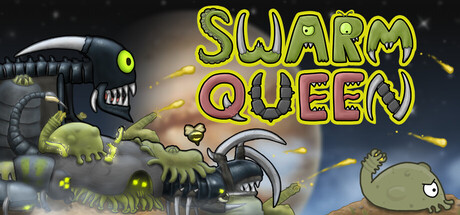
Swarm Queen
A quick-to-learn but challenging real-time strategy game where you spawn an army of space-bugs that control themselves.
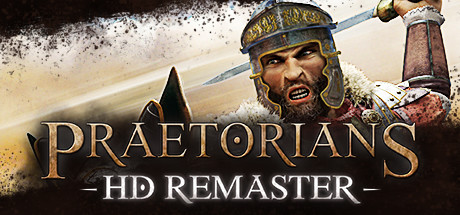
Praetorians - HD Remaster
Relive the celebrated real-time strategy classic Praetorians, re-imagined in high definition. Praetorians is set amidst the political machinations of an emerging Roman Empire.
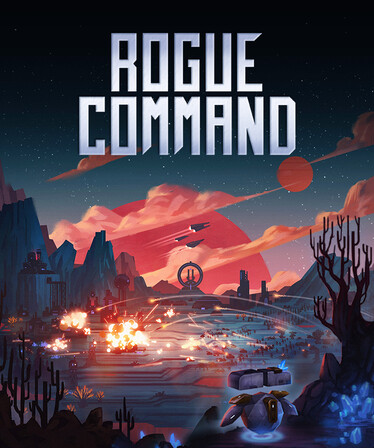
Rogue Command
True RTS gameplay reinforced with roguelite build crafting. Control units with bullet-time precision. Call down bases and raise armies. Drafted from a different arsenal every run. Weave builds that break the game. Or the game breaks you.
Frequently Asked Questions
Iron Marines Invasion is currently priced at 14.79€ on Steam.
No, Iron Marines Invasion is currently not on sale. You can purchase it for 14.79€ on Steam.
Yes, Iron Marines Invasion received 213 positive votes out of a total of 300 achieving a rating of 6.72.
😐
Iron Marines Invasion was developed and published by Ironhide Game Studio.
Yes, Iron Marines Invasion is playable and fully supported on Windows.
No, Iron Marines Invasion is not playable on MacOS.
No, Iron Marines Invasion is not playable on Linux.
This information about Iron Marines Invasion is not available yet.
This information about Iron Marines Invasion is not available yet.
No, Iron Marines Invasion does not support VR.
Iron Marines Invasion is a single-player game.
No, Iron Marines Invasion does not currently offer any DLC.
No, Iron Marines Invasion does not support mods via Steam Workshop.
No, Iron Marines Invasion does not support Steam Remote Play.
Yes, Iron Marines Invasion is enabled for Steam Family Sharing. This means you can share the game with authorized users from your Steam Library, allowing them to play it on their own accounts. For more details on how the feature works, you can read the original Steam Family Sharing announcement or visit the Steam Family Sharing user guide and FAQ page.
You can find solutions or submit a support ticket by visiting the Steam Support page for Iron Marines Invasion.
Data sources
The information presented on this page is sourced from reliable APIs to ensure accuracy and relevance. We utilize the Steam API to gather data on game details, including titles, descriptions, prices, and user reviews. This allows us to provide you with the most up-to-date information directly from the Steam platform.
Additionally, we incorporate data from the SteamSpy API, which offers insights into game sales and player statistics. This helps us present a comprehensive view of each game's popularity and performance within the gaming community.
Last Updates| Steam data | 19 September 2026 22:02 UTC |
|---|---|
| SteamSpy data | 19 October 2026 03:01 UTC |
| Steam price | 27 October 2026 03:49 UTC |
| Steam reviews | 18 October 2026 17:49 UTC |
If you'd like to dive deeper into the details about Iron Marines Invasion, we invite you to check out a few dedicated websites that offer extensive information and insights. These platforms provide valuable data, analysis, and user-generated reports to enhance your understanding of the game and its performance.
- SteamDB - A comprehensive database of everything on Steam about Iron Marines Invasion
- SteamCharts - Analysis of Iron Marines Invasion concurrent players on Steam
- ProtonDB - Crowdsourced reports on Linux and Steam Deck Iron Marines Invasion compatibility
Game modes
Features
Online players
1
Developer
Ironhide Game Studio
Publisher
Ironhide Game Studio
Release
03 Nov 2023
Platforms
Clicking and buying through these links helps us earn a commission to maintain our services.