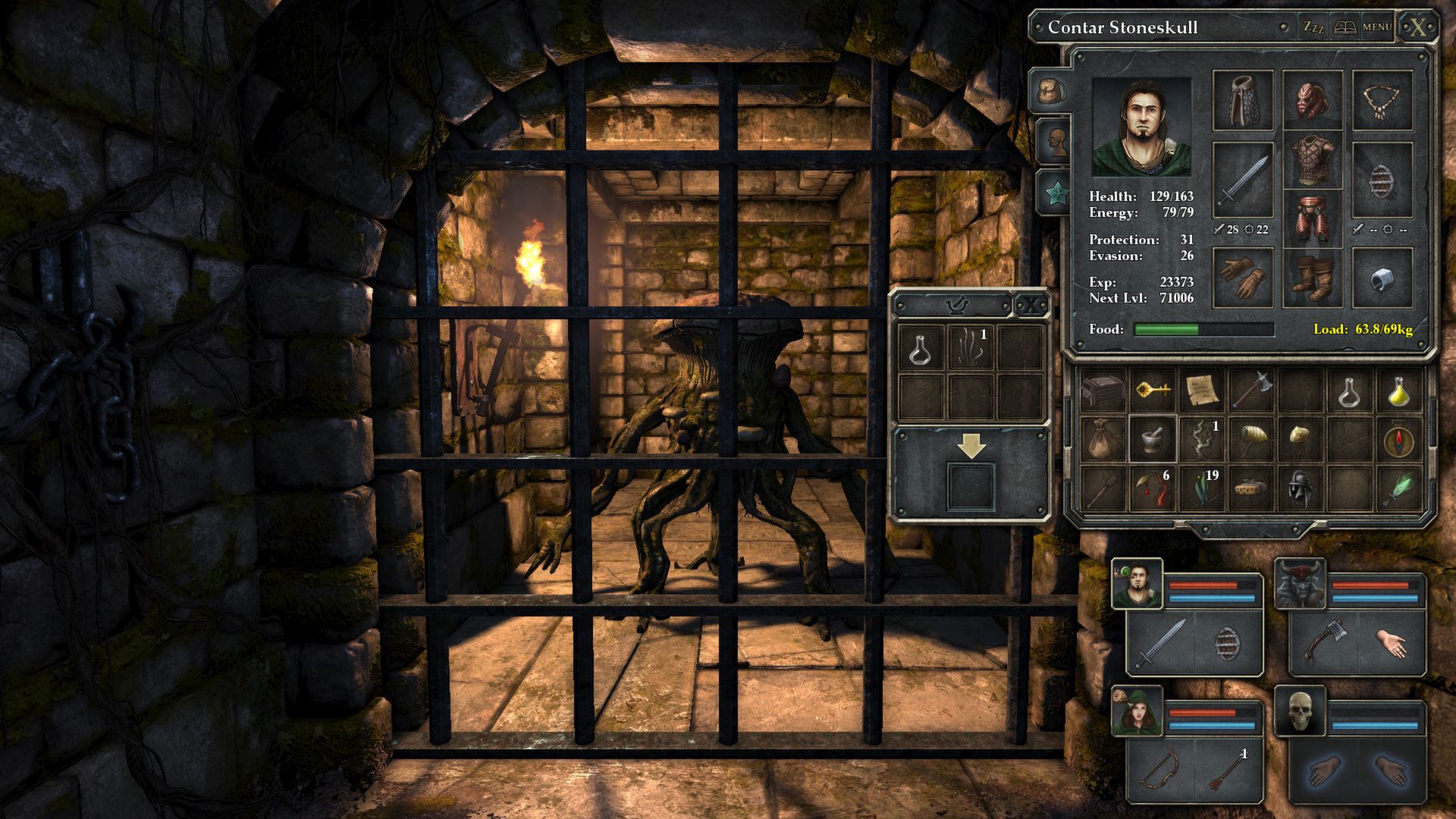
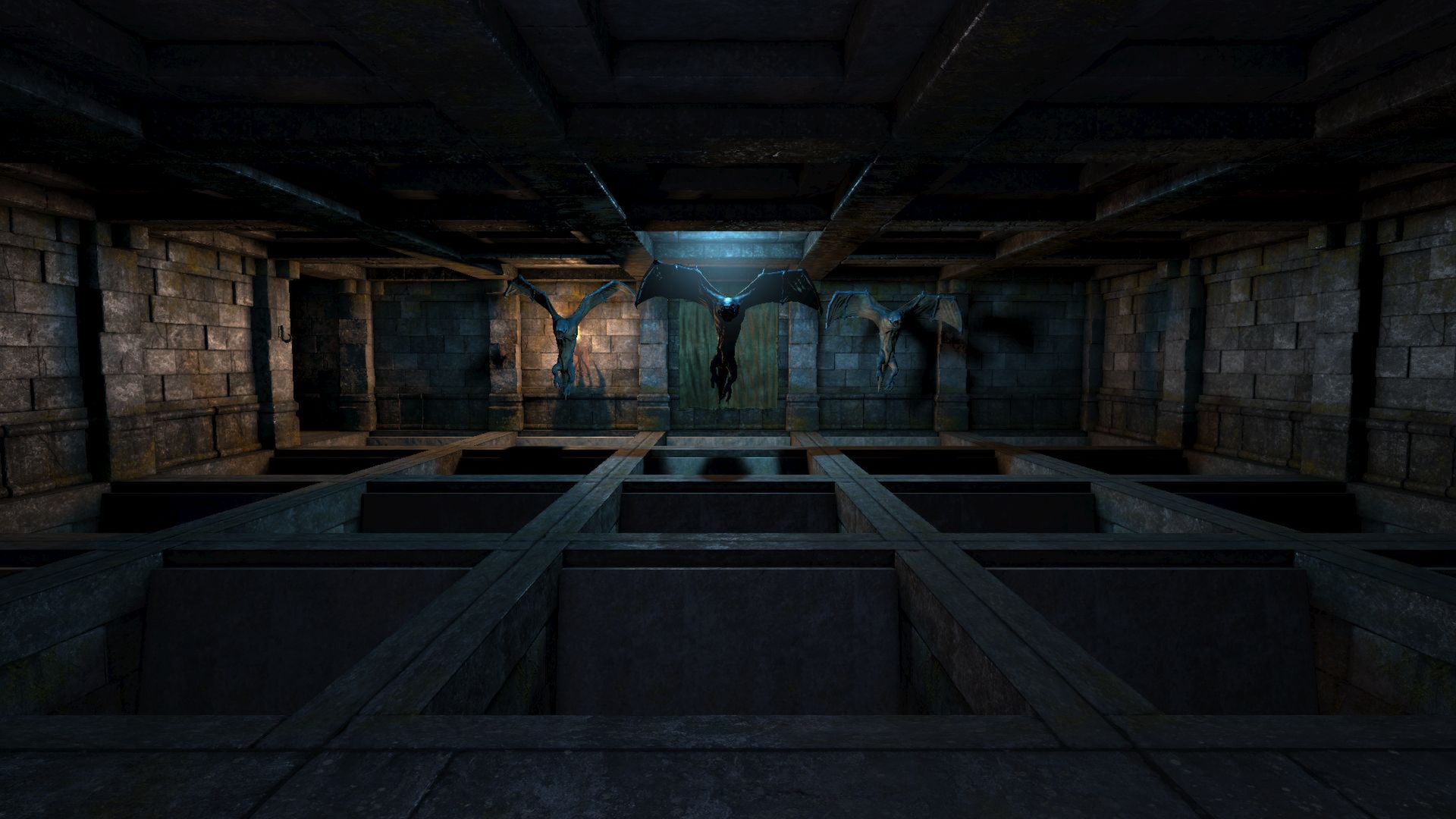
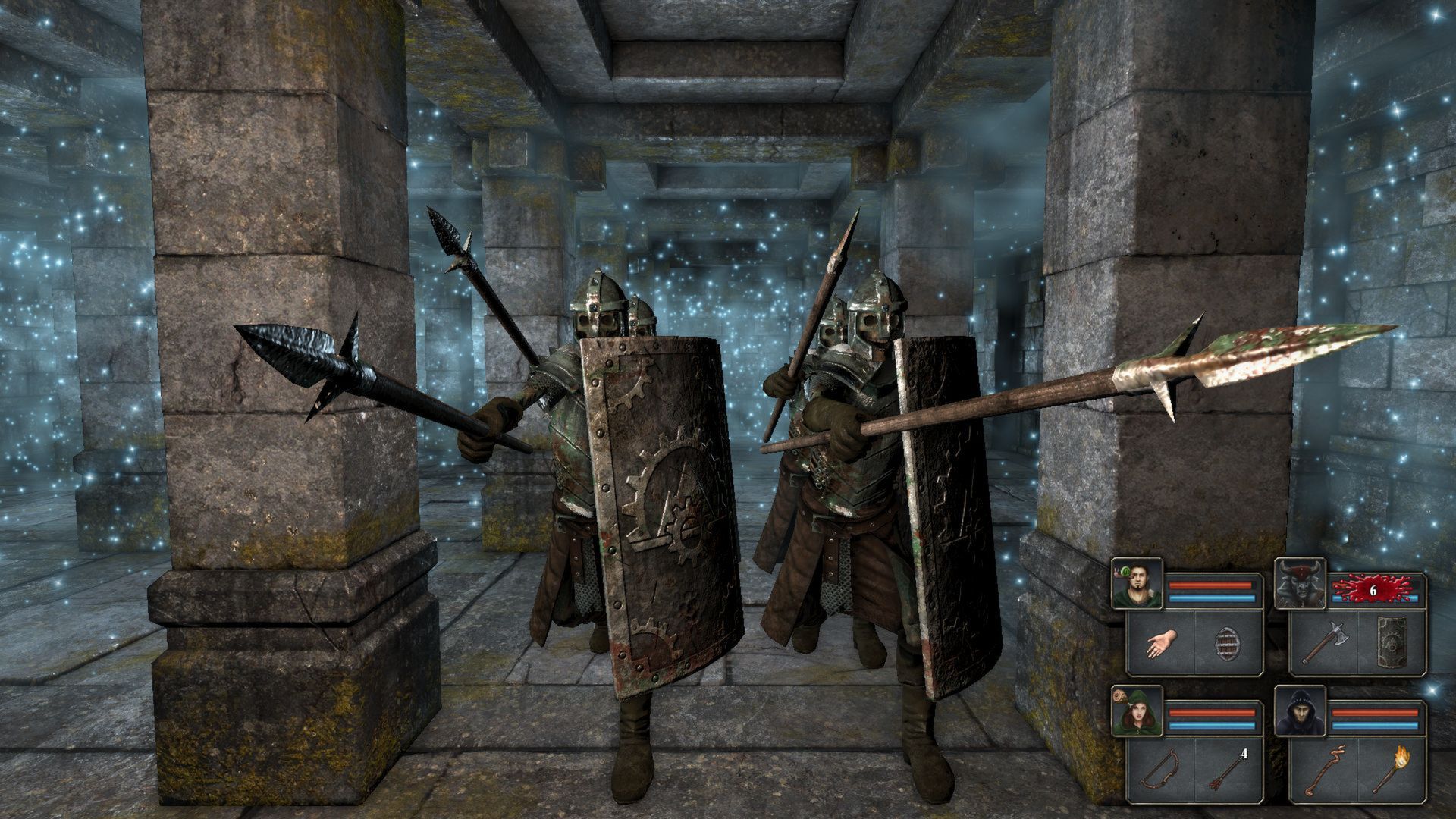
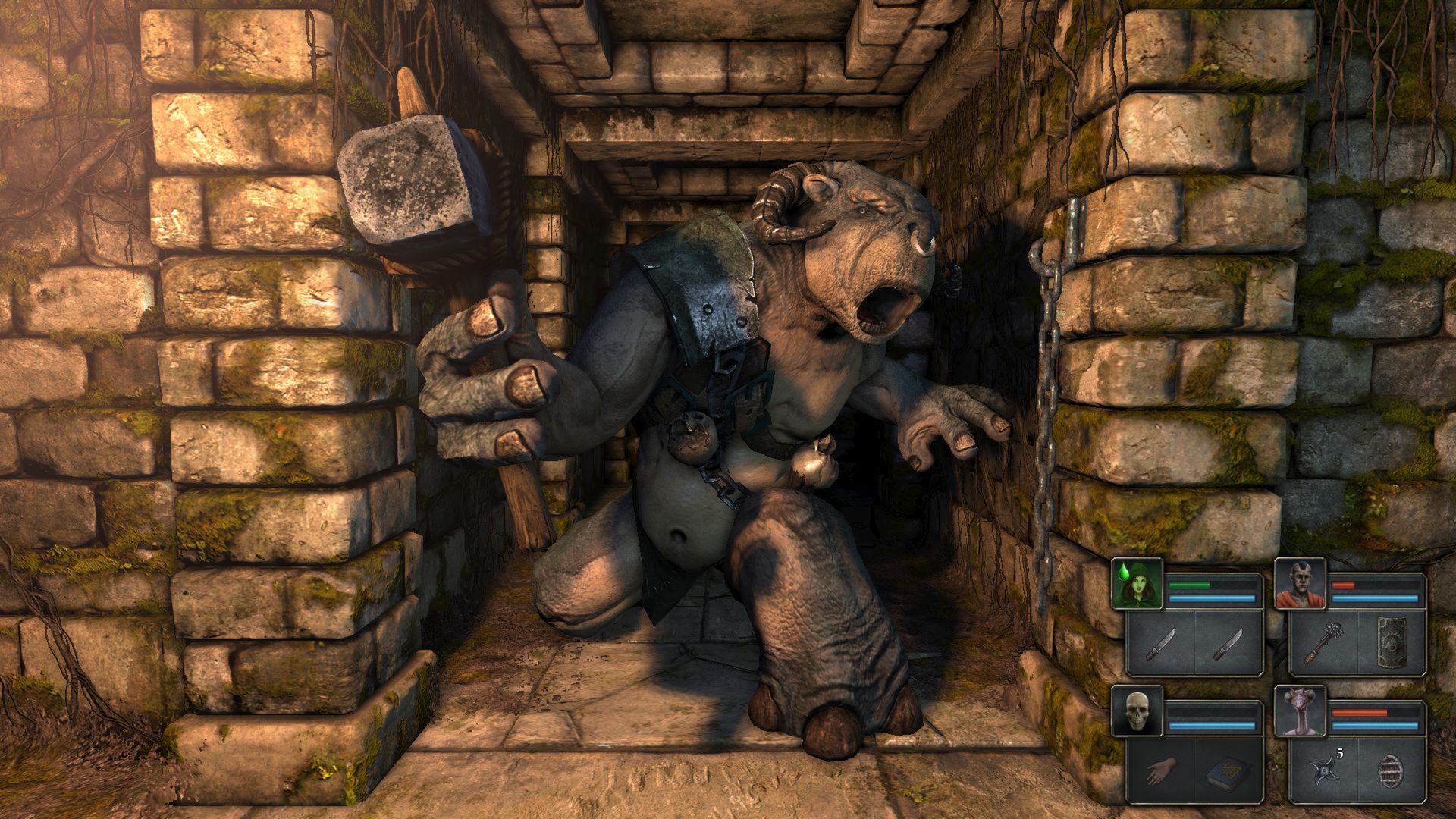
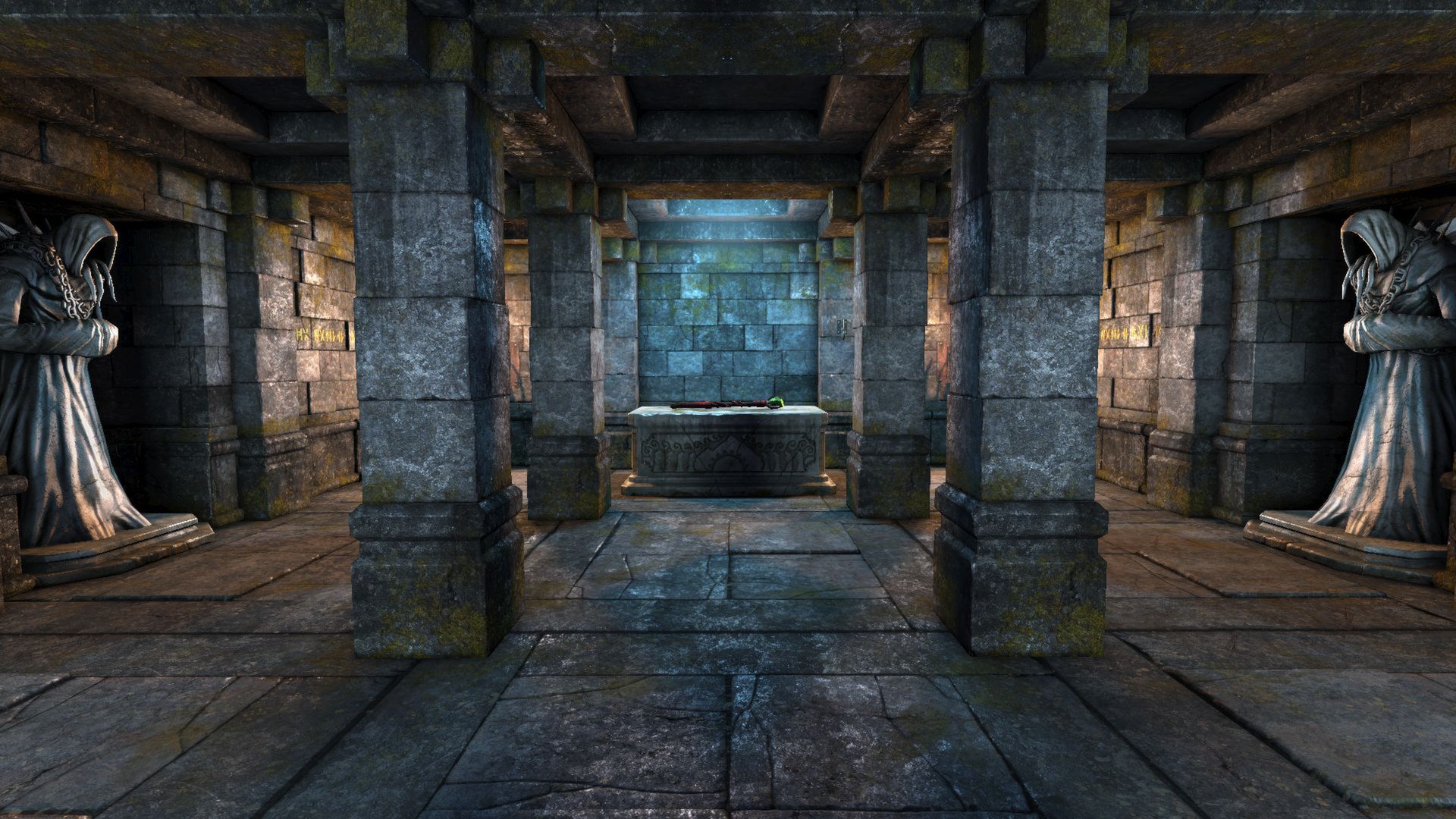
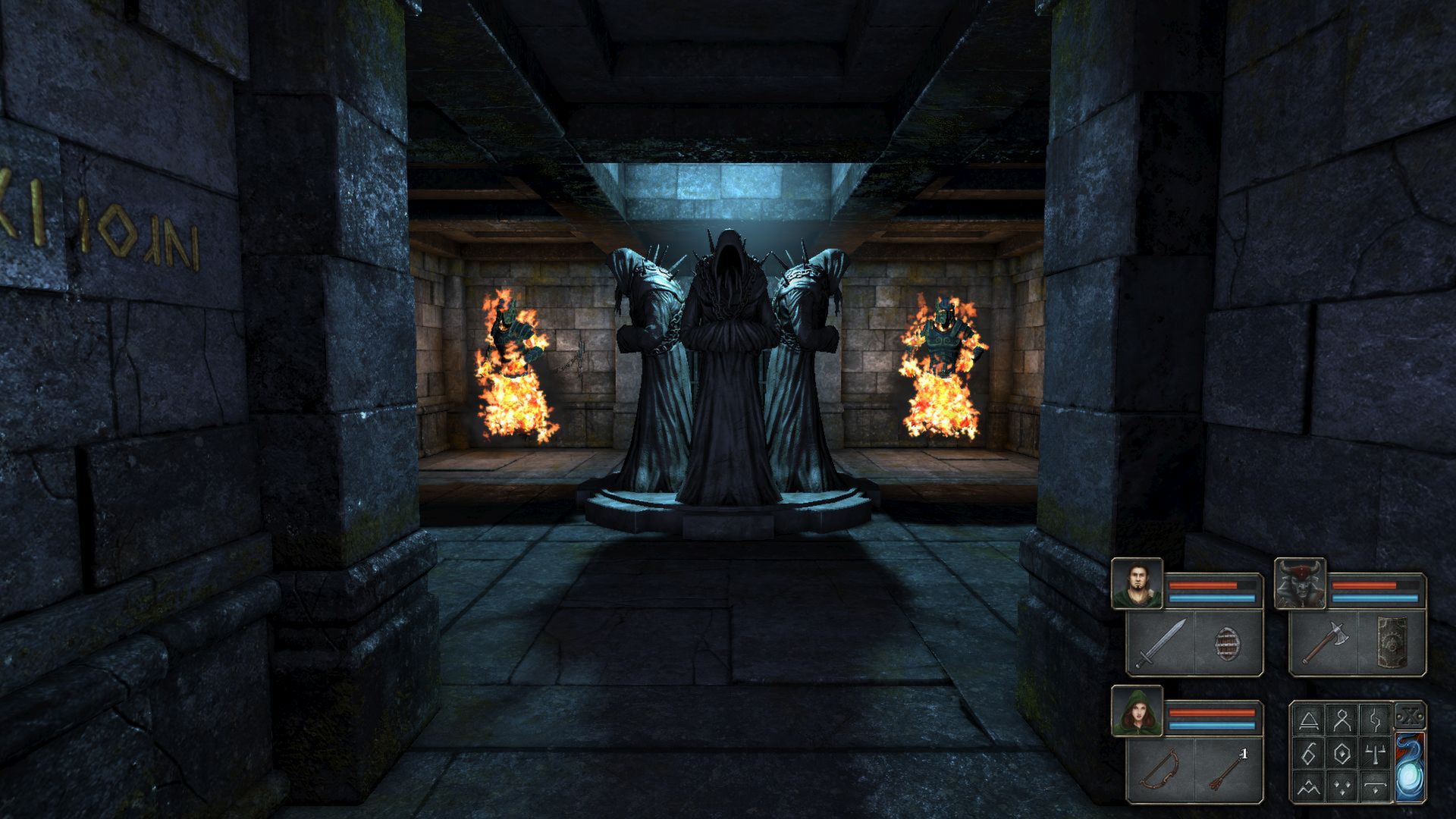
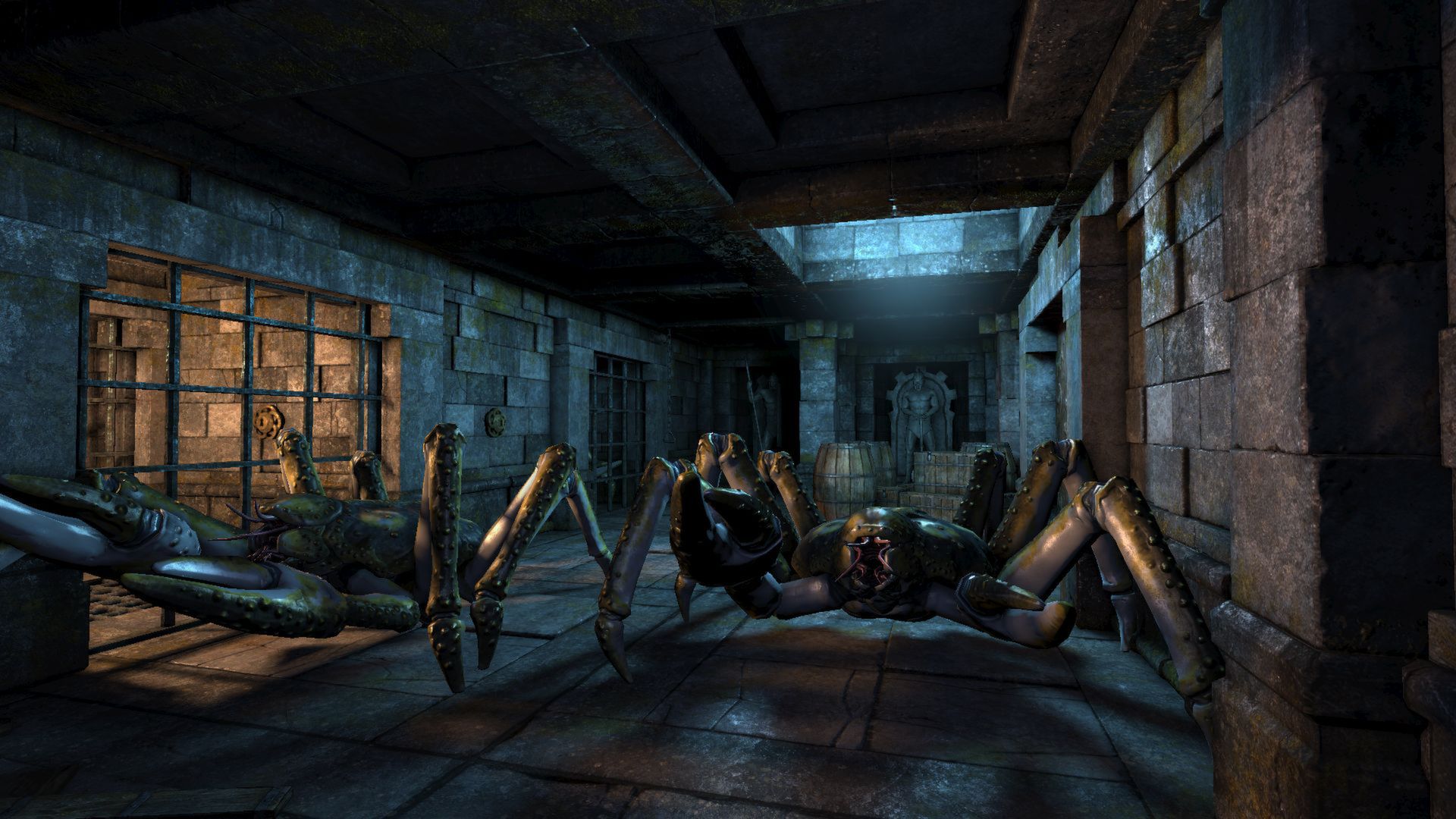
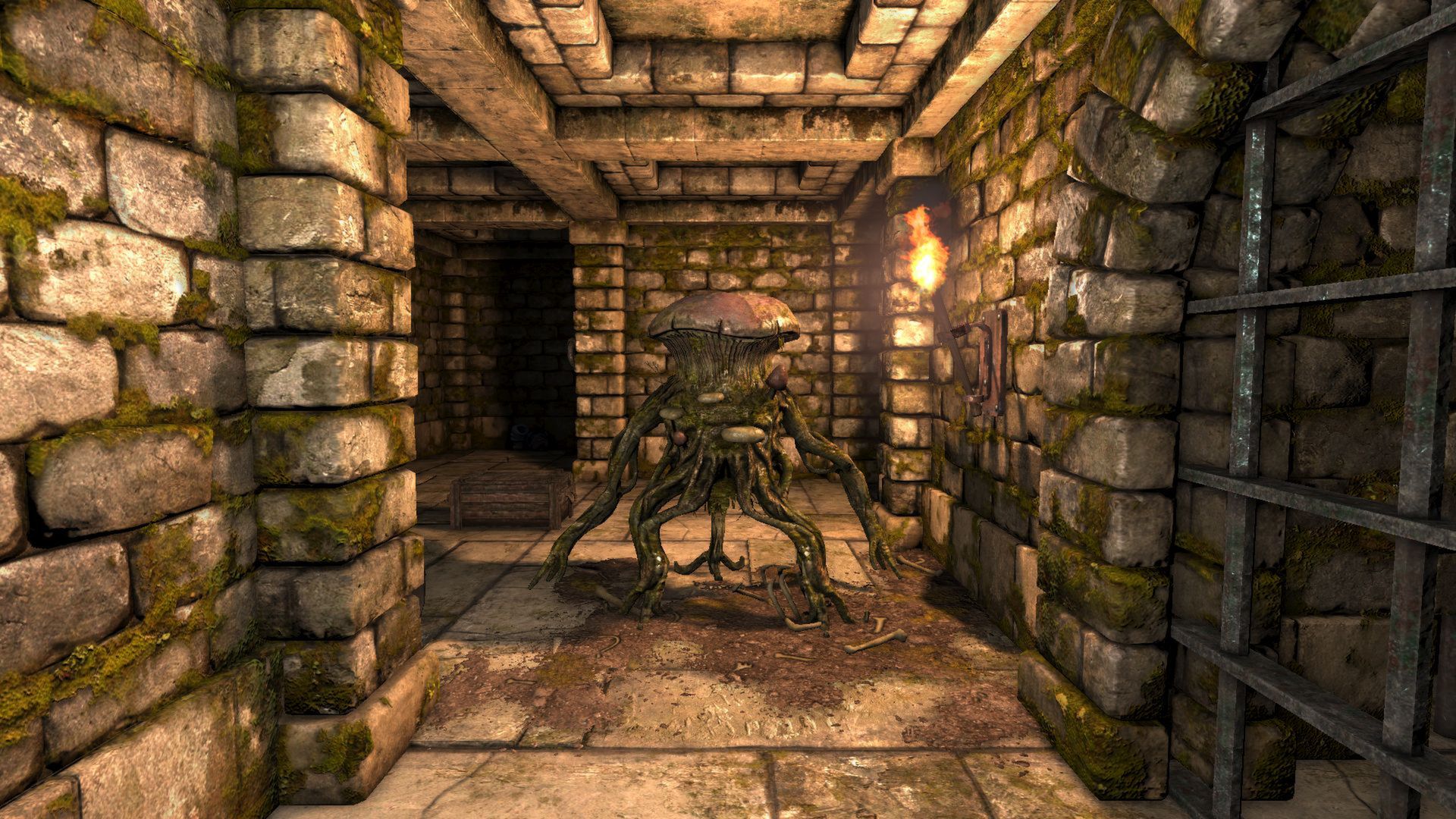
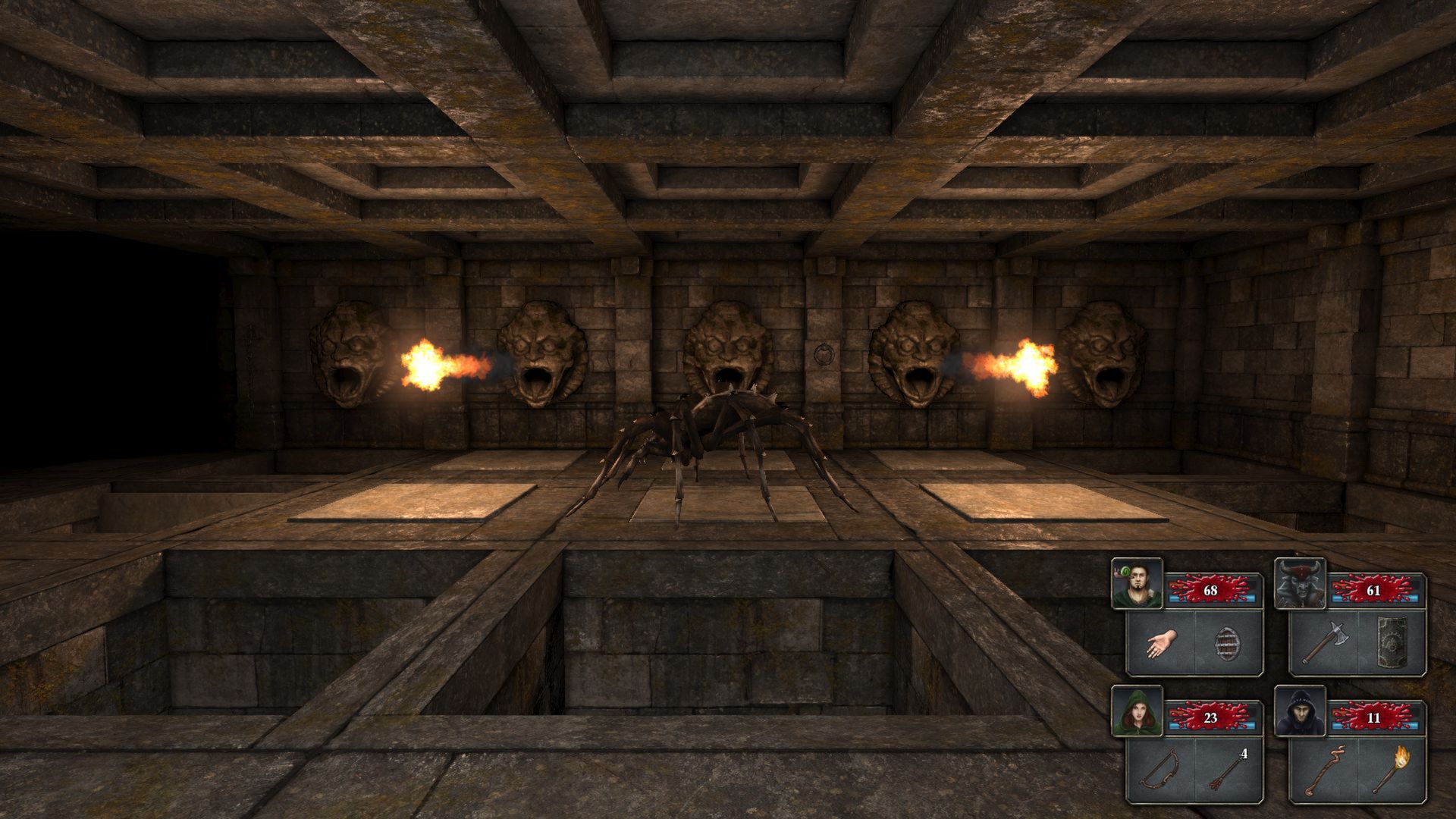
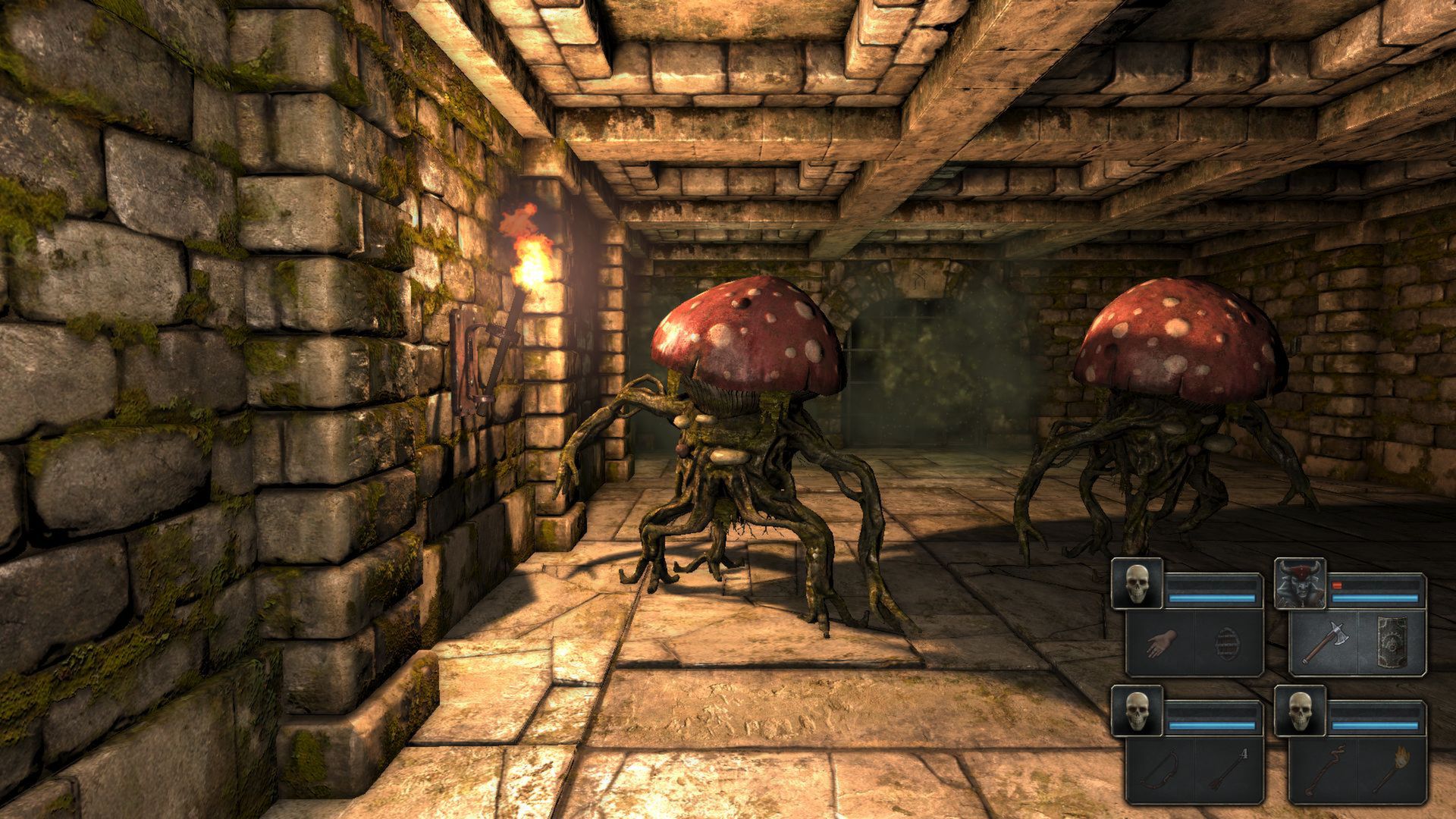
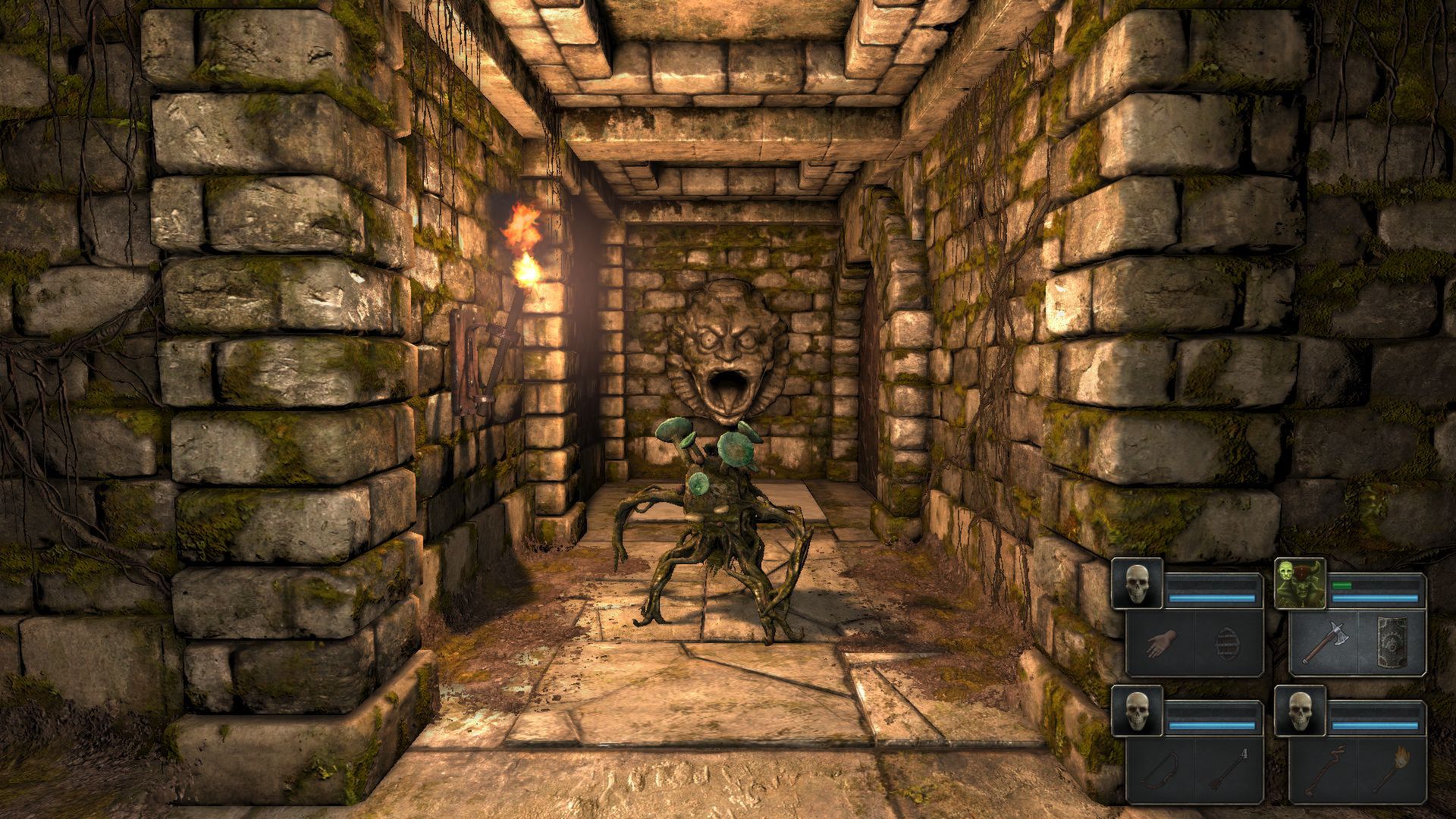
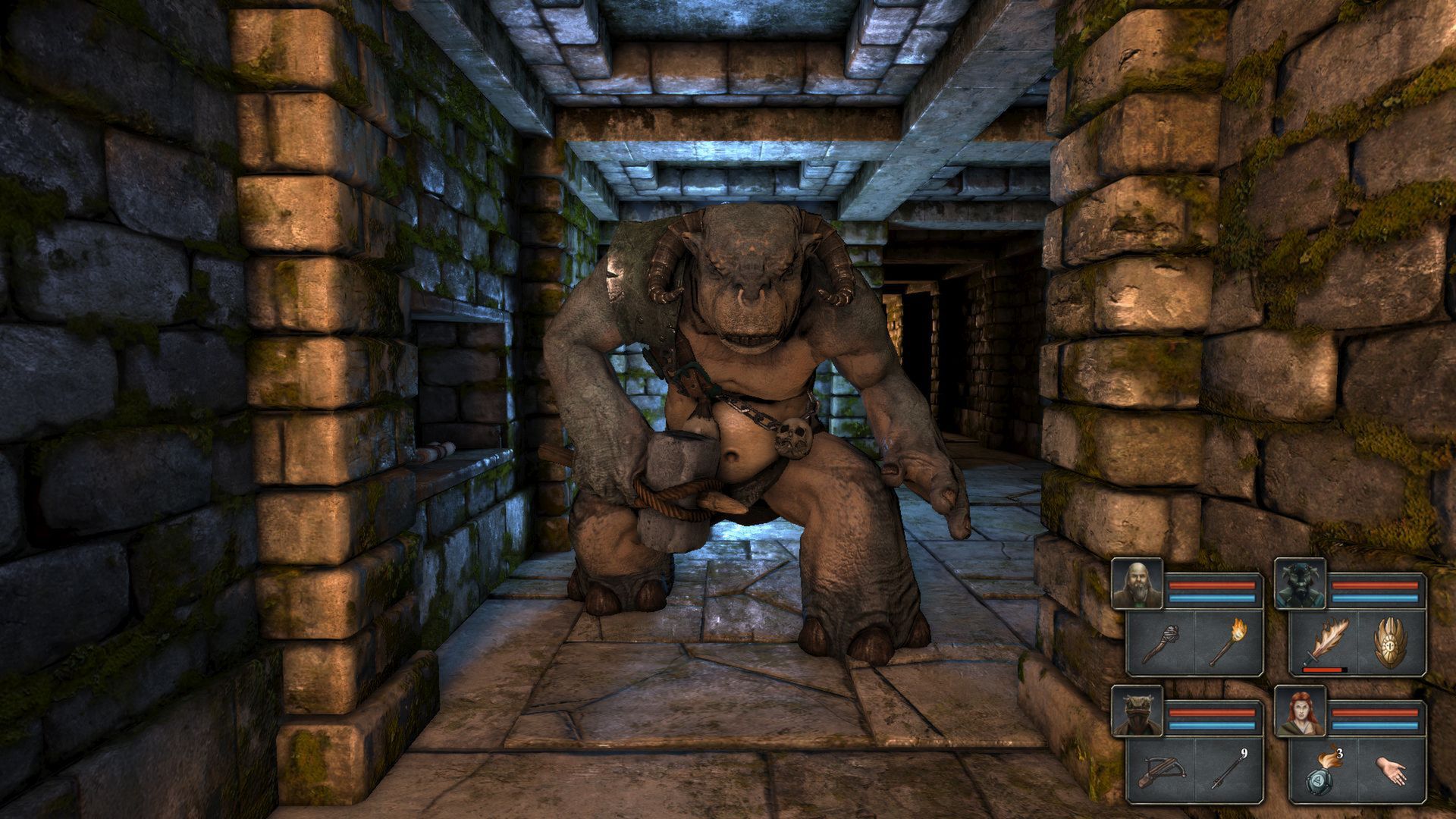
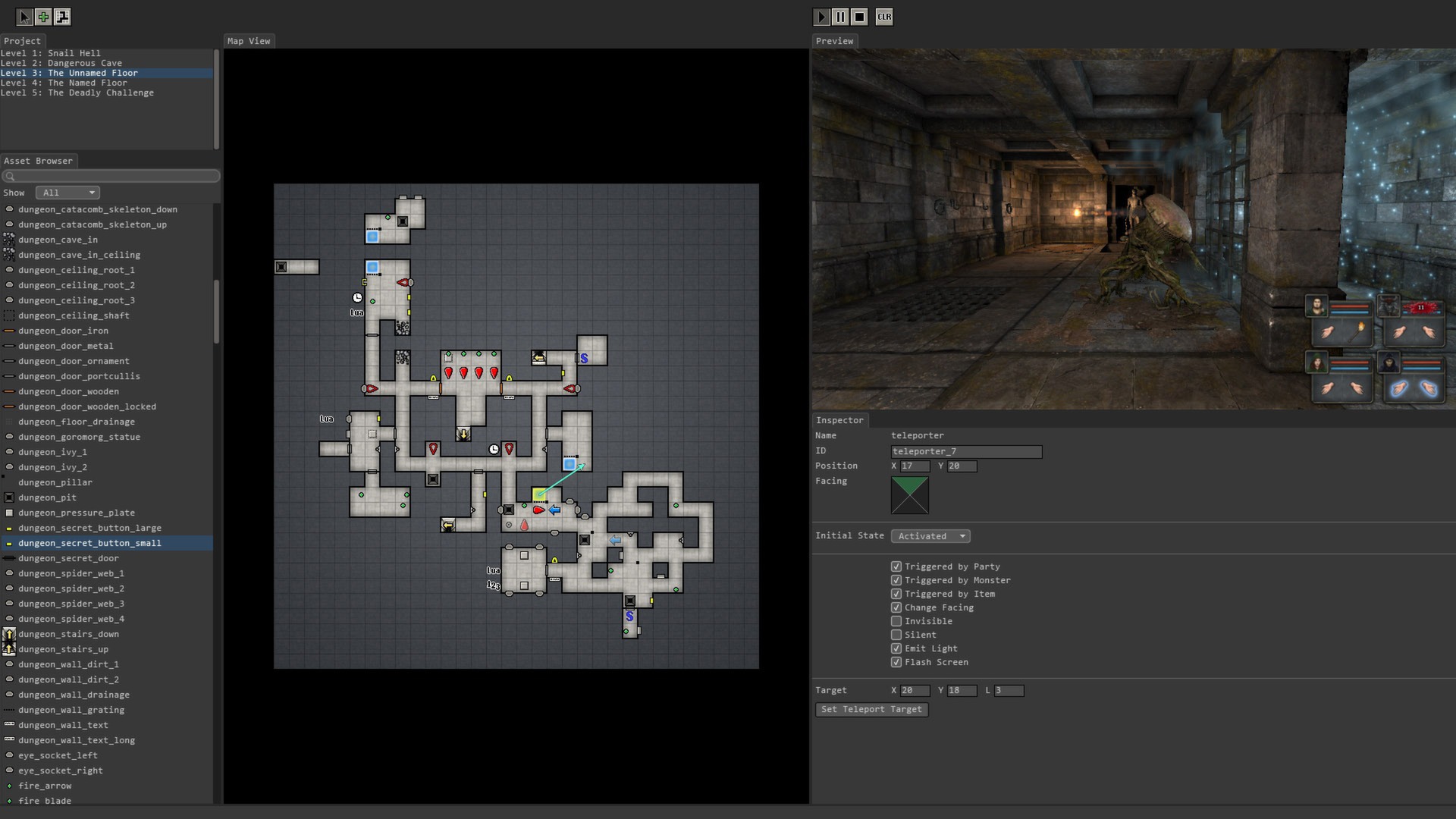
An excellent throw back dungeon crawler, but also one that's timeless in it's own right. Legend of Grimrock is a pretty obvious successor to 1987s Dungeon Master. Like many RPGs of the time, it's the source of a lot of industry firsts. In DM's case, it was the introduction of the "paper doll" interface for equipment management. Yes, it's that old. If you've ever played a game with that style of UI, you have DM to thank. Within the sphere of dungeon crawlers, DM marks the creation (or at least popularization) of what I see as the opposite end of a spectrum of dungeon crawlers. Most prior entries in the genre drew from Wizardry, which was very focused on battles and character statistics. It's one of the reasons why it created the JRPG genre, after all. Puzzles existed, but were less of a focus to the endless cavalade of turn-based battles. Dungeon Master eschewed that, creating a real time battle system that involves you managing a 4 person party. There's still RPG stats and all that, but you aren't getting stopped to do battles in between puzzling. In exchange, the puzzles in Dungeon Master were far more complex and had a greater focus placed on them than anything you'd see in Wizardry. It was necessary, as the combat itself was a lot less in-depth, as you can't really have complex action commands in a real-time game. I bring all of this up because Grimrock, as a successor to Dungeon Master, is firmly on that more puzzle sided end of the genre. If you are looking for something like Etrian Odyssey or similar games, you won't find it here. The main critique most people will have of this style of combat is that is very focused on real time movement and dodging. If you are standing in one spot and hacking away at the enemy in front of you, you are doing it wrong. You are expected to do things like camp an enemy at a door so that you can keep opening it, cast your poison cloud spell, then close the door and let it take damage while you wait in peace. You're expected to use hit and run tactics, distance, and any other cheese you can think of to take down the monsters. You simply cannot brute force your way through the game with raw stats alone. (well, maybe on lower difficulties.) This was present in Dungeon Master, but it is turned up to 11 here through the many visual and control improvements that the game makes. Attacks can be done in a single button press, movement is quick and snappy, and even Dungeon Master's clunky spell system has been reworked to a 3x3 rune grid that you can quick draw shapes on to cast spells without having to go through 3 pages of buttons. It's just excellent all around, and feels fun to play. It's an example of more modernized design actually improving a game's overall flow. What makes it work so well is that it is a natural extension of the game's other primary gameplay: puzzles. Combat is no longer a stat check, it's a puzzle that tests your knowledge of the dungeon and ability to manage space and positioning within cramped hallways. Because yes, you can "Square Dance" around a single enemy in a 2x2 grid space and basically never get hit. But is there actually a 2x2 grid to dance in? Are you only fighting a single enemy? If there is, can you actually get there, or will a wrong turn cause you to get cornered by the monster you were kiting? The combat may seem simple, as your characters don't have that many different tools to use in combat aside from the basics of melee, ranged, and magic (even weapon skills are just % chance triggers for bonus damage), but the complexity comes from the wide variety of different types of situations you'll fight in. Sometimes you'll be in an open room you can kite enemies in. Sometimes you'll face down an enemy in a long hallway and be forced to back away while firing off your bow. It's all contextual, which is what makes it so fun to play. And it works well with the rest of the game, too! Because spacing and positioning puzzles are something that you do even outside of combat. Most puzzles in the game are effectively based around levers, switches, and pressure plates. There's not really that many unique elements within the game's puzzles, but the way that these elements are arranged create a shocking amount of different puzzles and variations that require you to think outside the box and really understand the layout of the area to properly accomplish. And of course, there's plenty of hidden walls and optional puzzles which hide rare loot that you'll miss on your first playthrough. But I like how the optional puzzles are clearly marked so that you know which things you can safely ignore without failing to progress. The modern addition of an auto-map (which can be turned off) greatly helps here, as it keeps a grid map without breaking the pace of the game for you to scribble down your custom map. It's not without flaws, of course. I do think the weapon skills are kind of lame, and the skill point system feels a bit restrictive and weirdly granular with it's 50 point trees and strict 3 class system. The focus on dodging does make armor a lot less useful than I'd like, even if it can bail you out of a tough spot at times. Not every puzzle is a banger; some can just be obtuse and annoying. Especially the more riddle oriented ones, where it's more about figuring out what an obtuse hint means you actually have to do. There's also some weird areas near the end of the game, as one of the final floors recreates several of Dungeon Master's most difficult challenges. Which is fine as an homage, but considering how much of an improvement the game's level design is over it's predecessor, dipping back into that can feel jarring even if you don't realize it in the moment. Plus, a few mechanics that are carried over can clash a little: while I like the spell scrolls and rune system, it's very annoying to run a mage on your first playthrough because you simply don't know any spells to cast yet, and you still have to meet specific skill point requirements, so running the wrong mage type might leave you with a useless party member for quite a while. The system is thankfully logical enough that you can learn it's quirks to properly guess at specific spell combinations, but I feel some improvements could have been made. But at the end of the day, Legend of Grimrock is one damn excellent game. It's an improvement over Dungeon Master in almost every way, and really showed me that Dungeon Crawlers aren't an outdated genre, but one that can stand the test of time. I do think this game will continue to hold up in the coming decades, and I highly recommend it even for players who are new to the genre. TL;DR: game good.
Expand the review