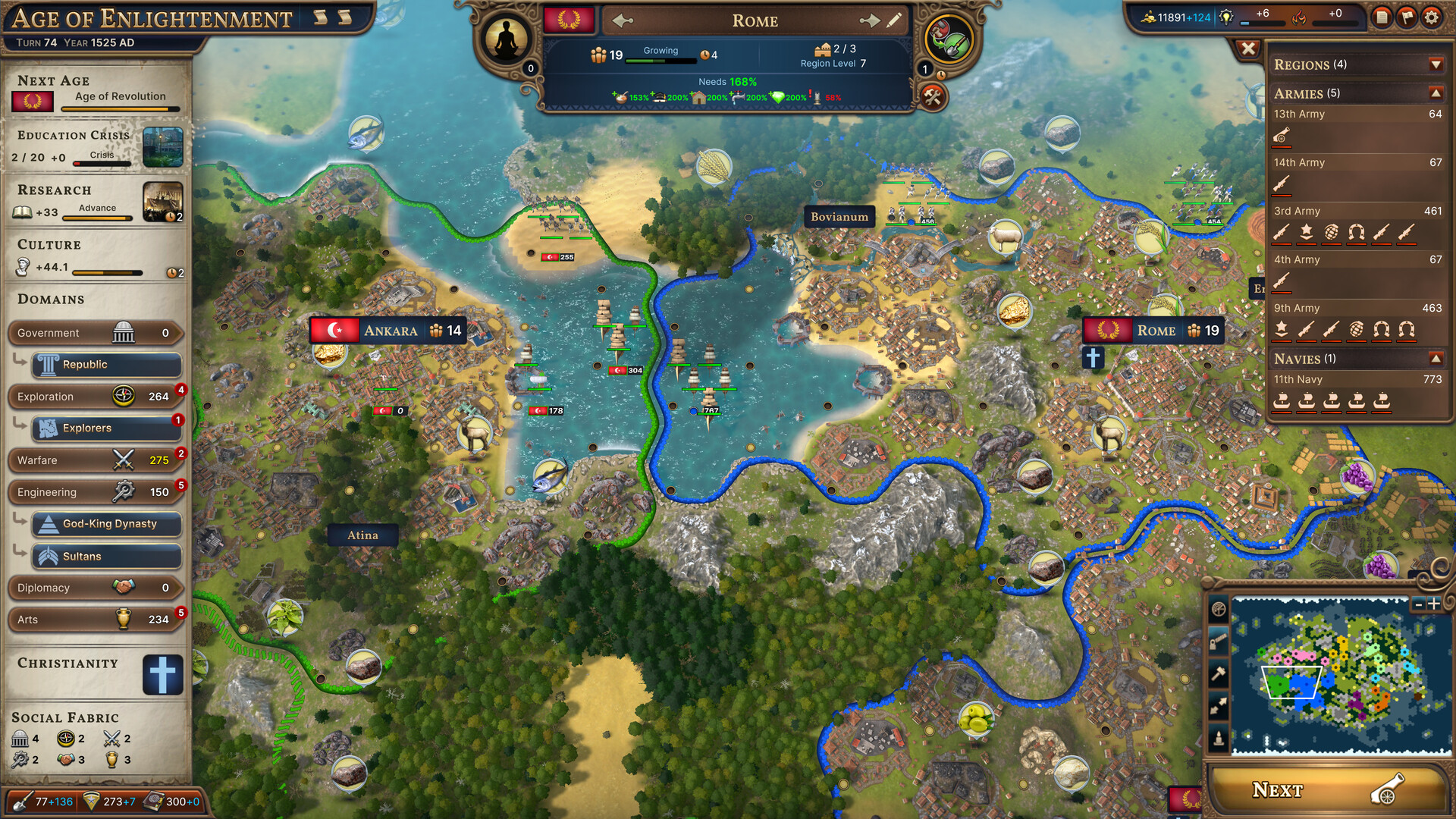
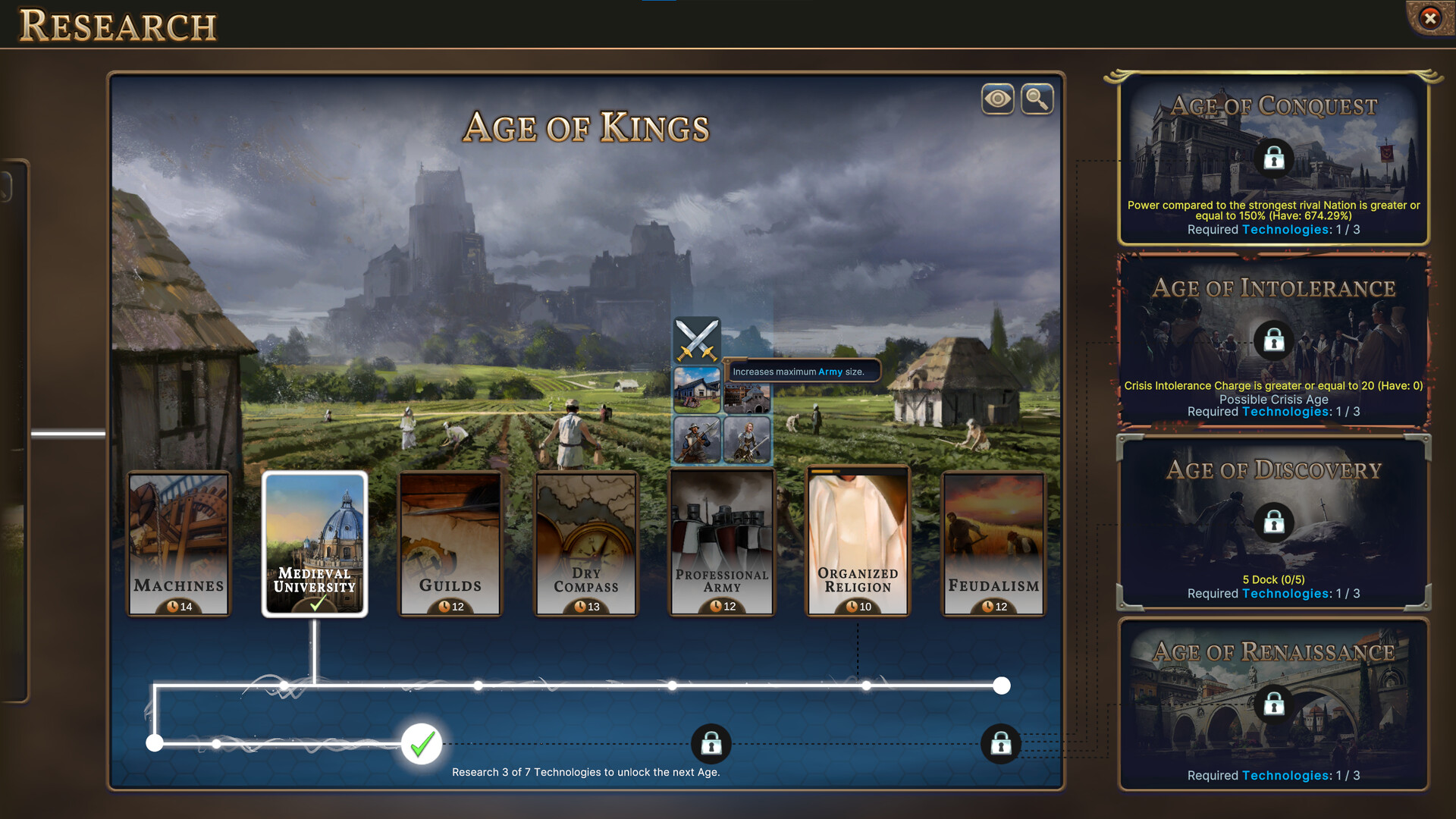
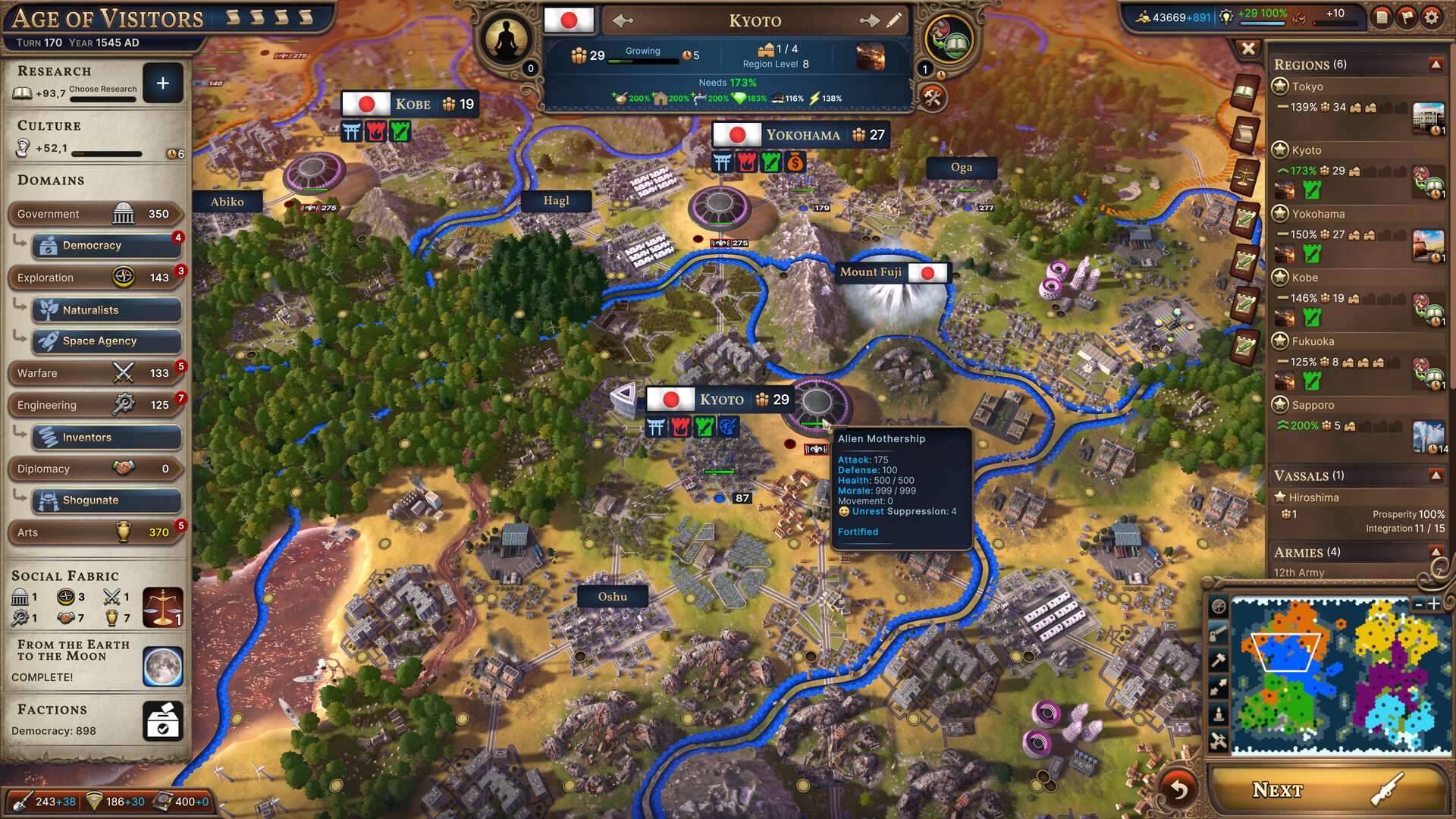
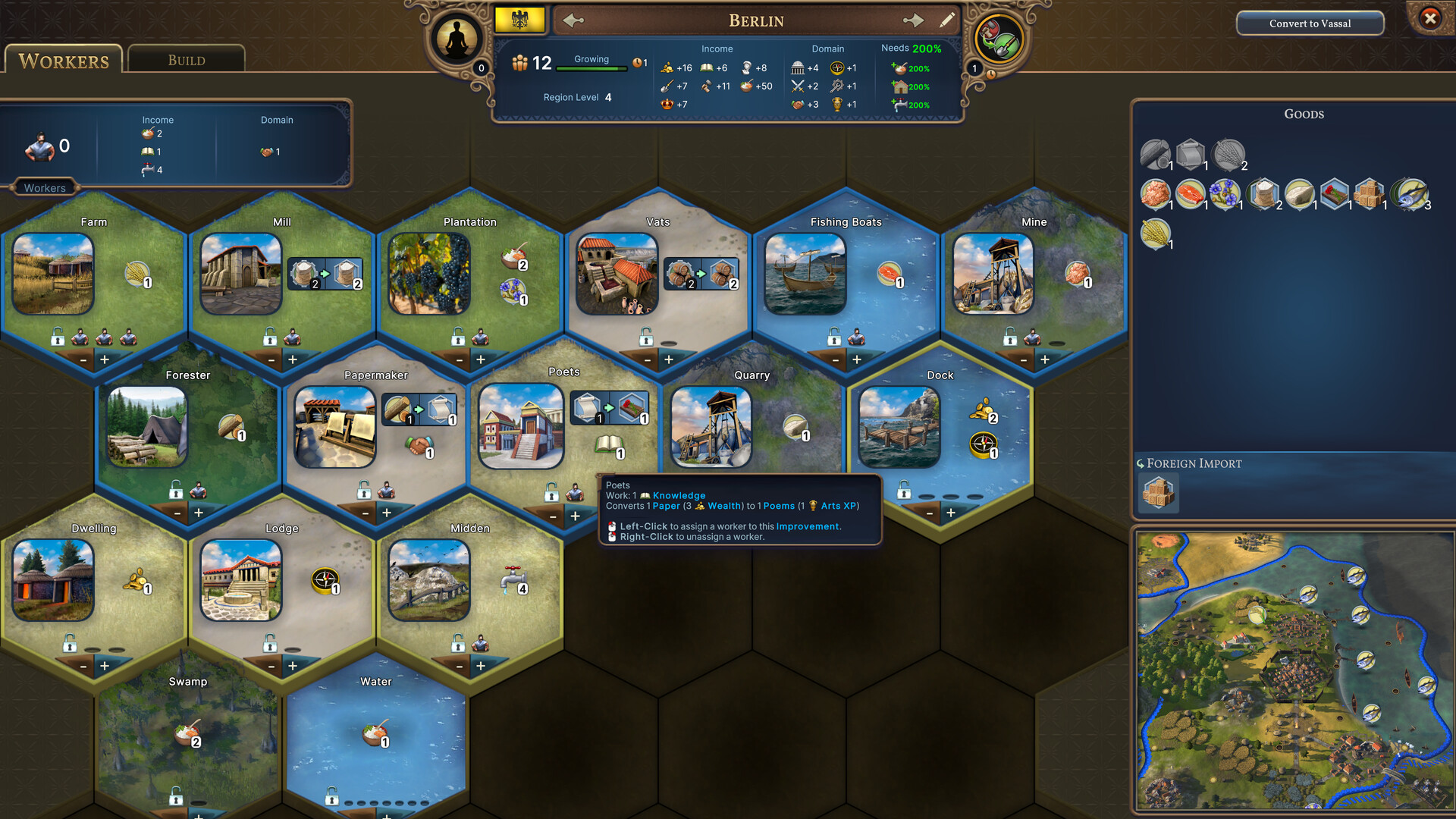
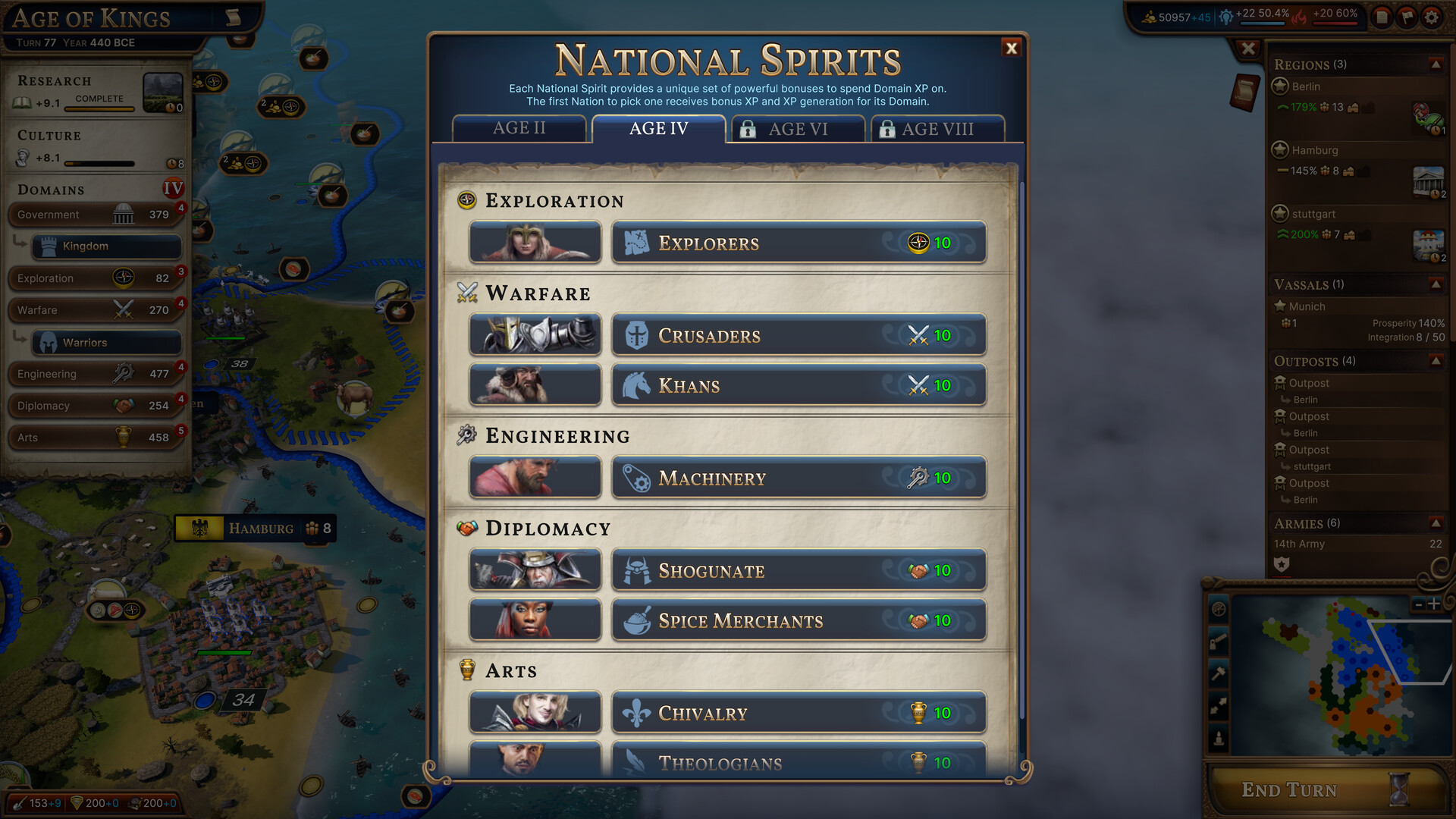
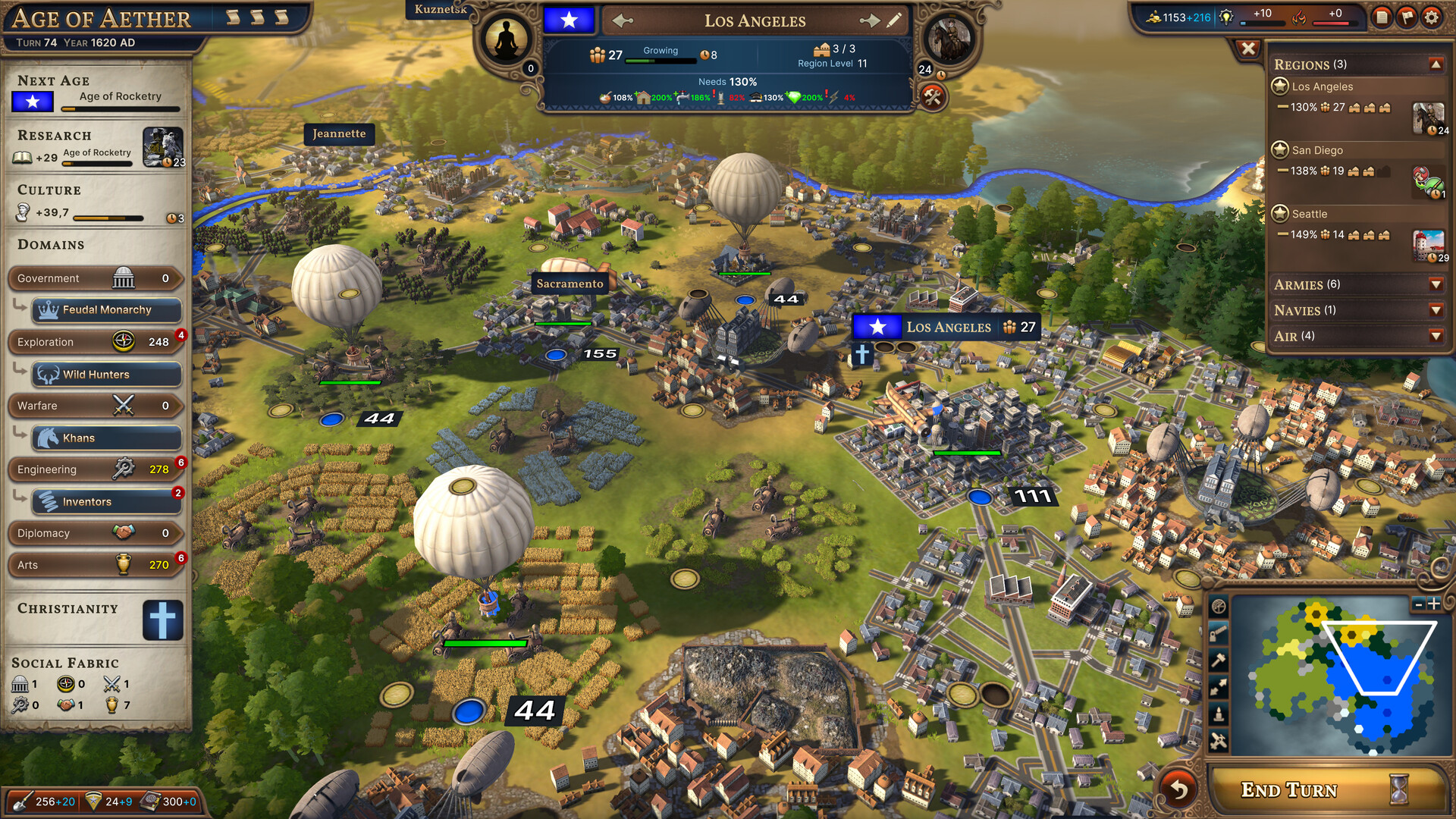
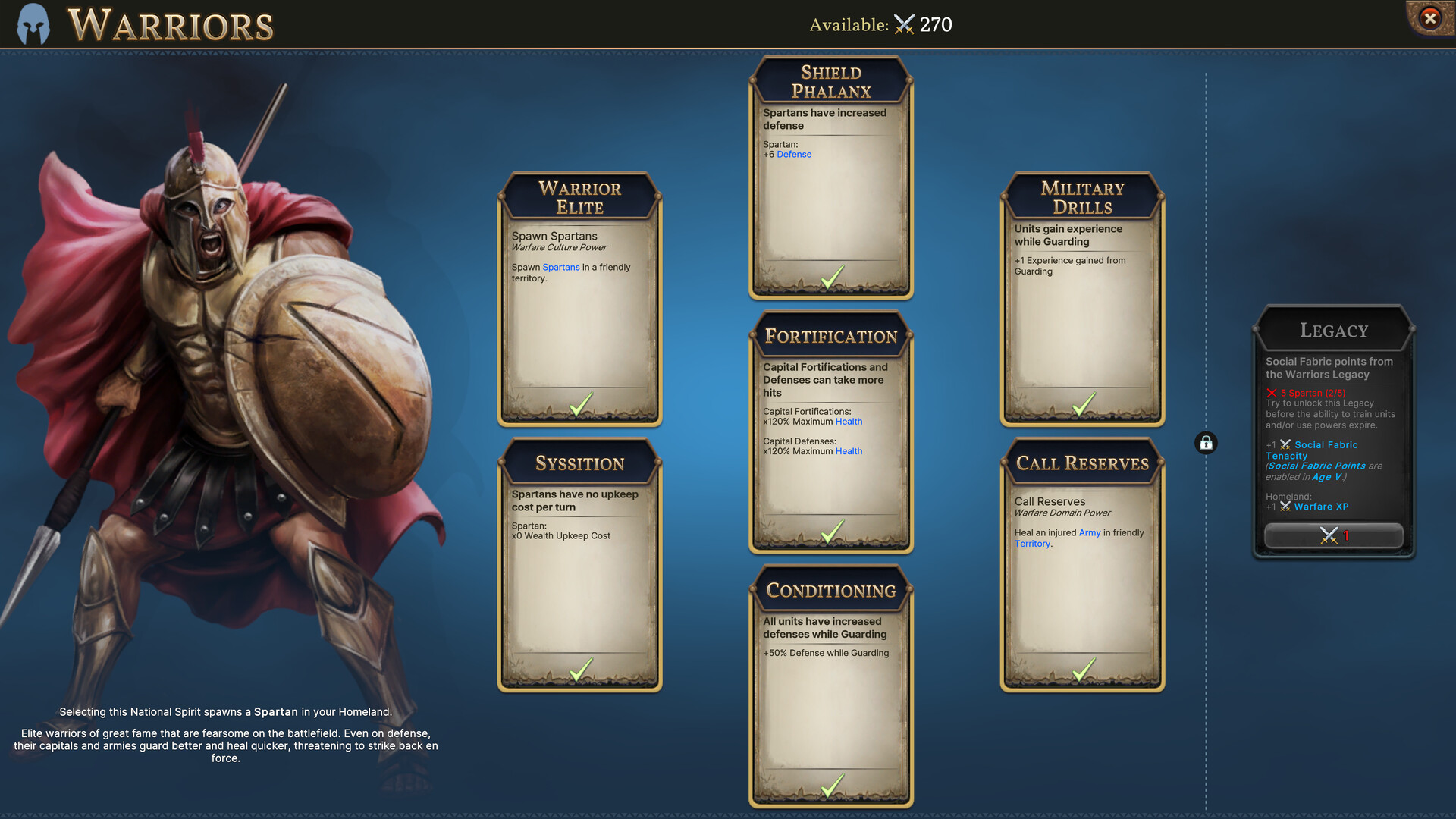
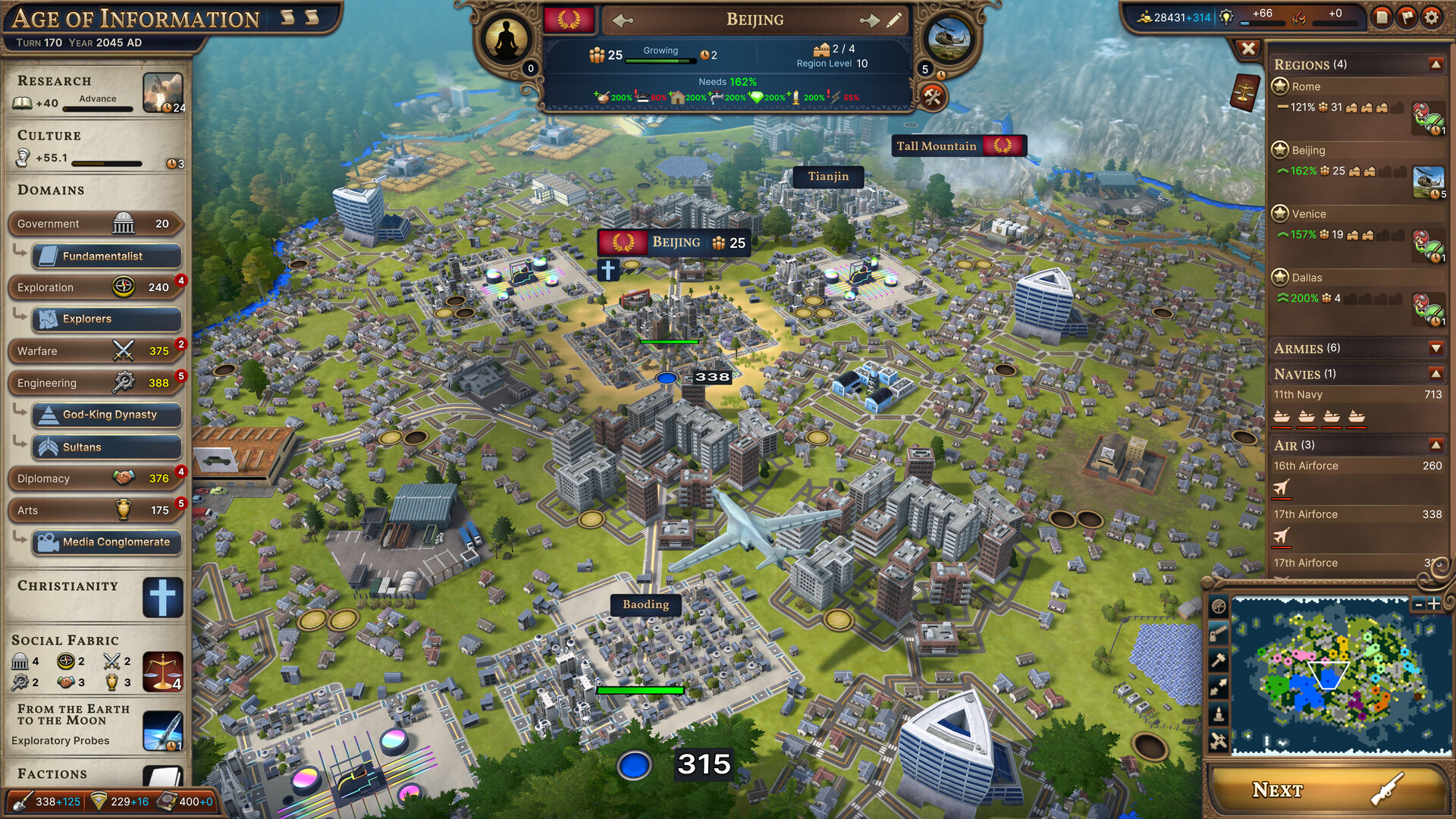
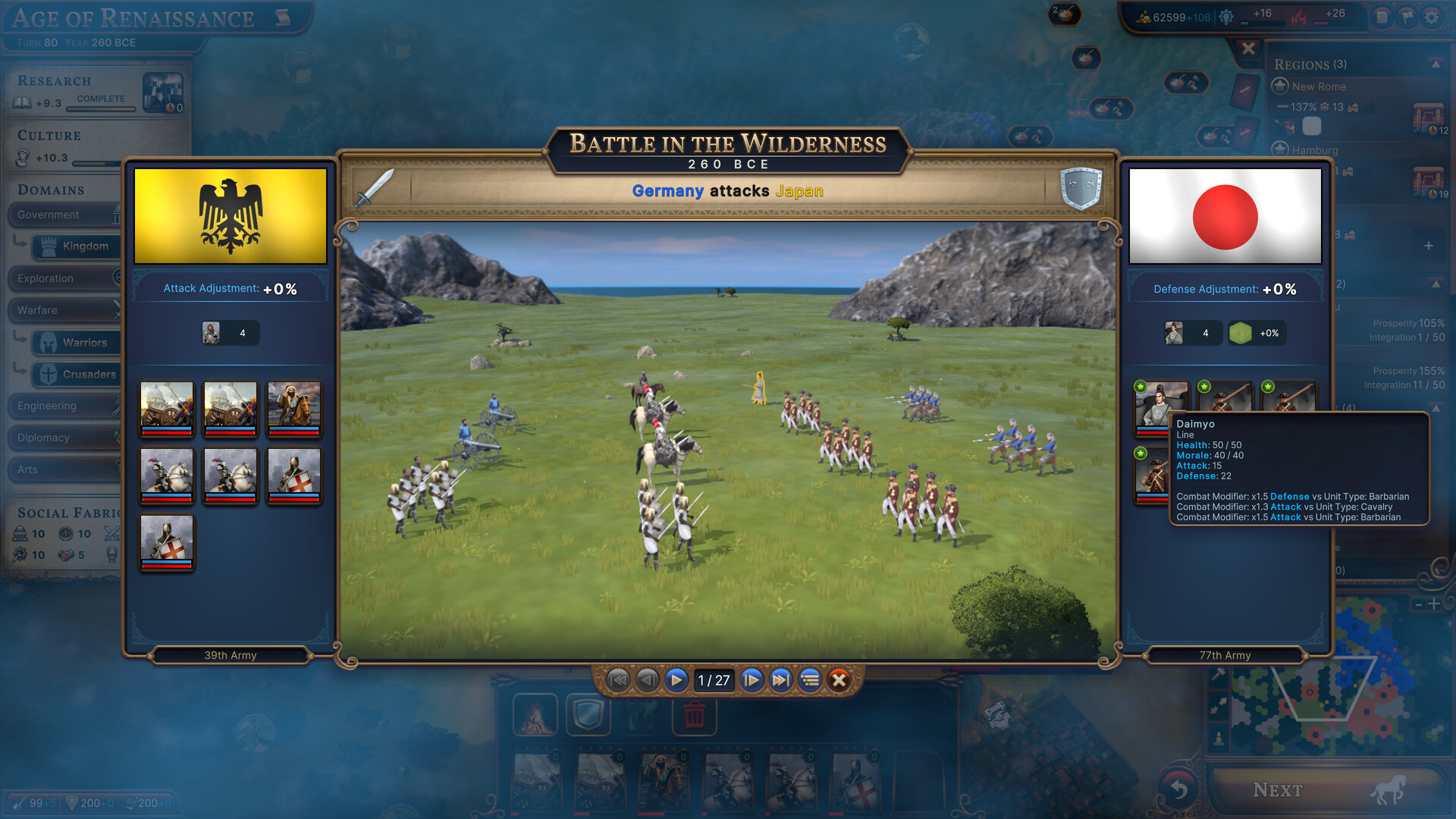
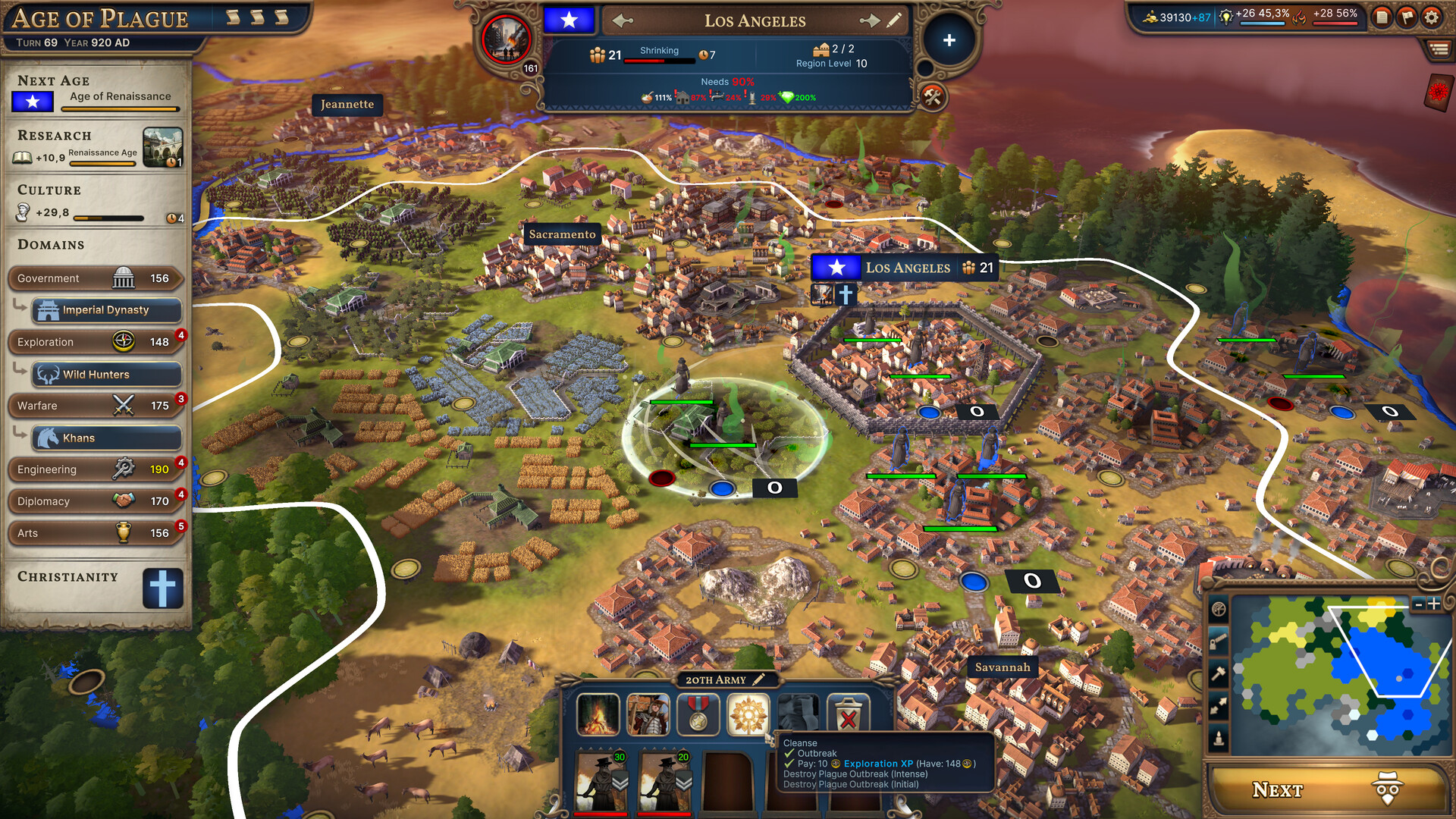
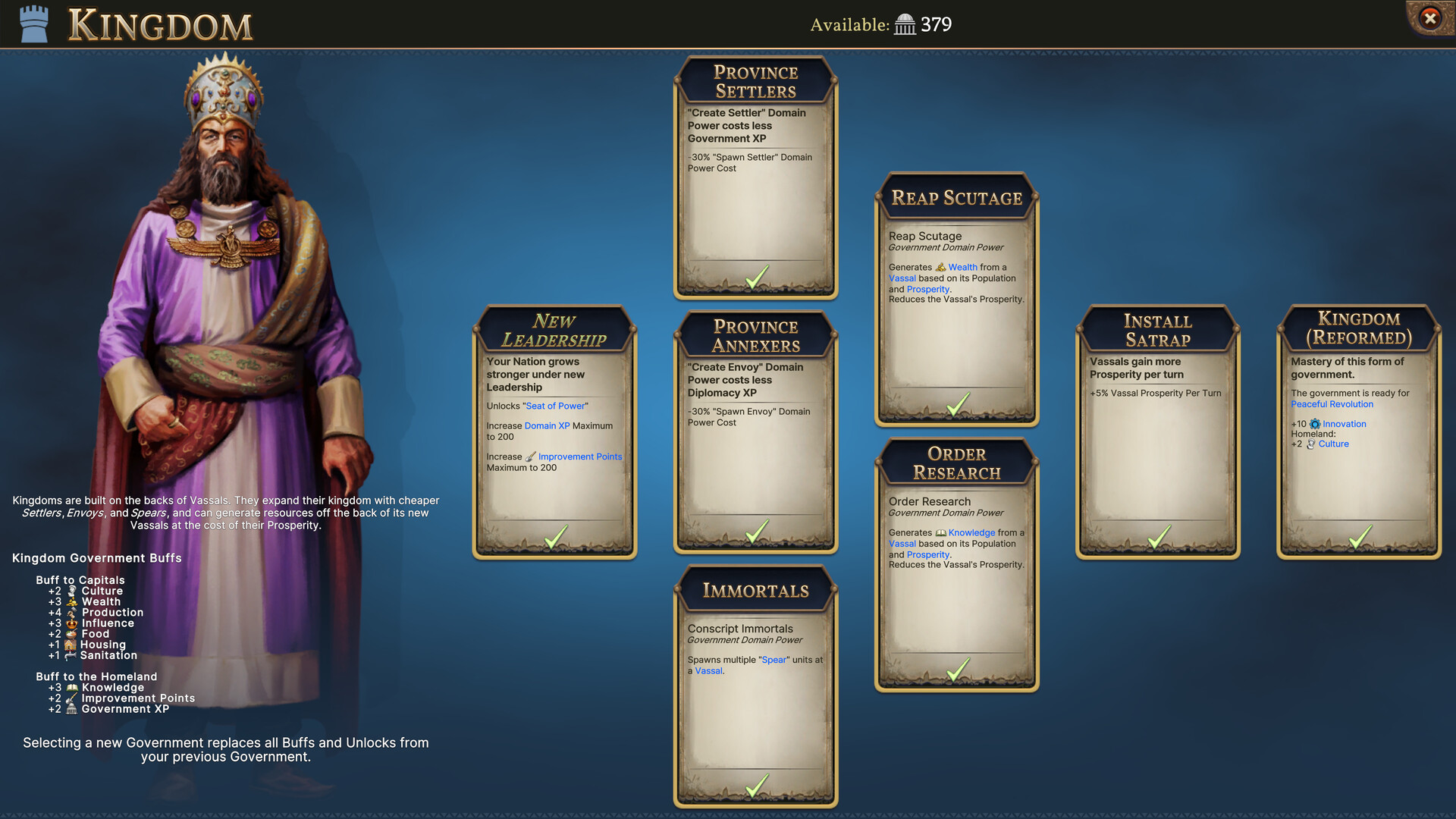
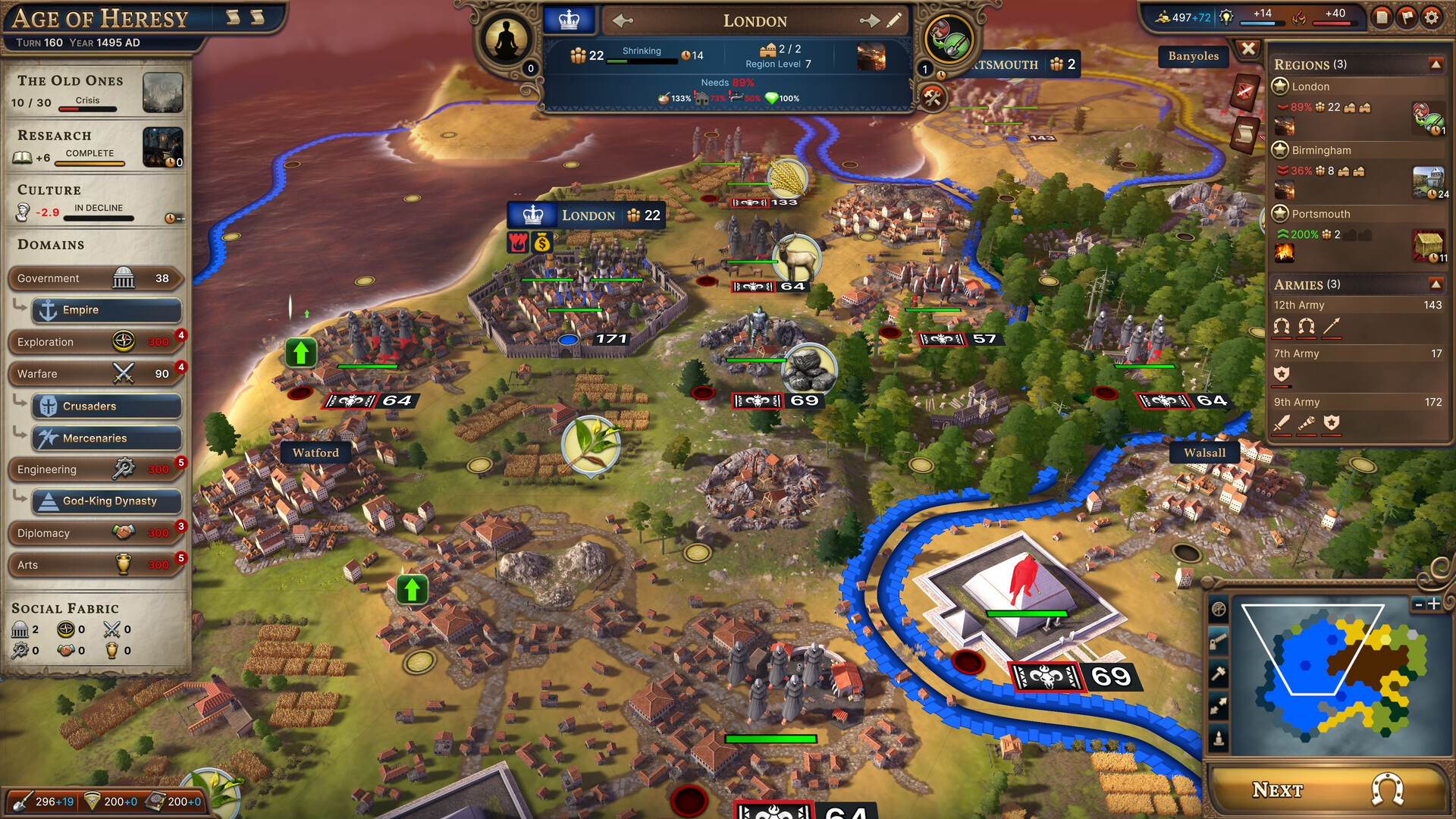
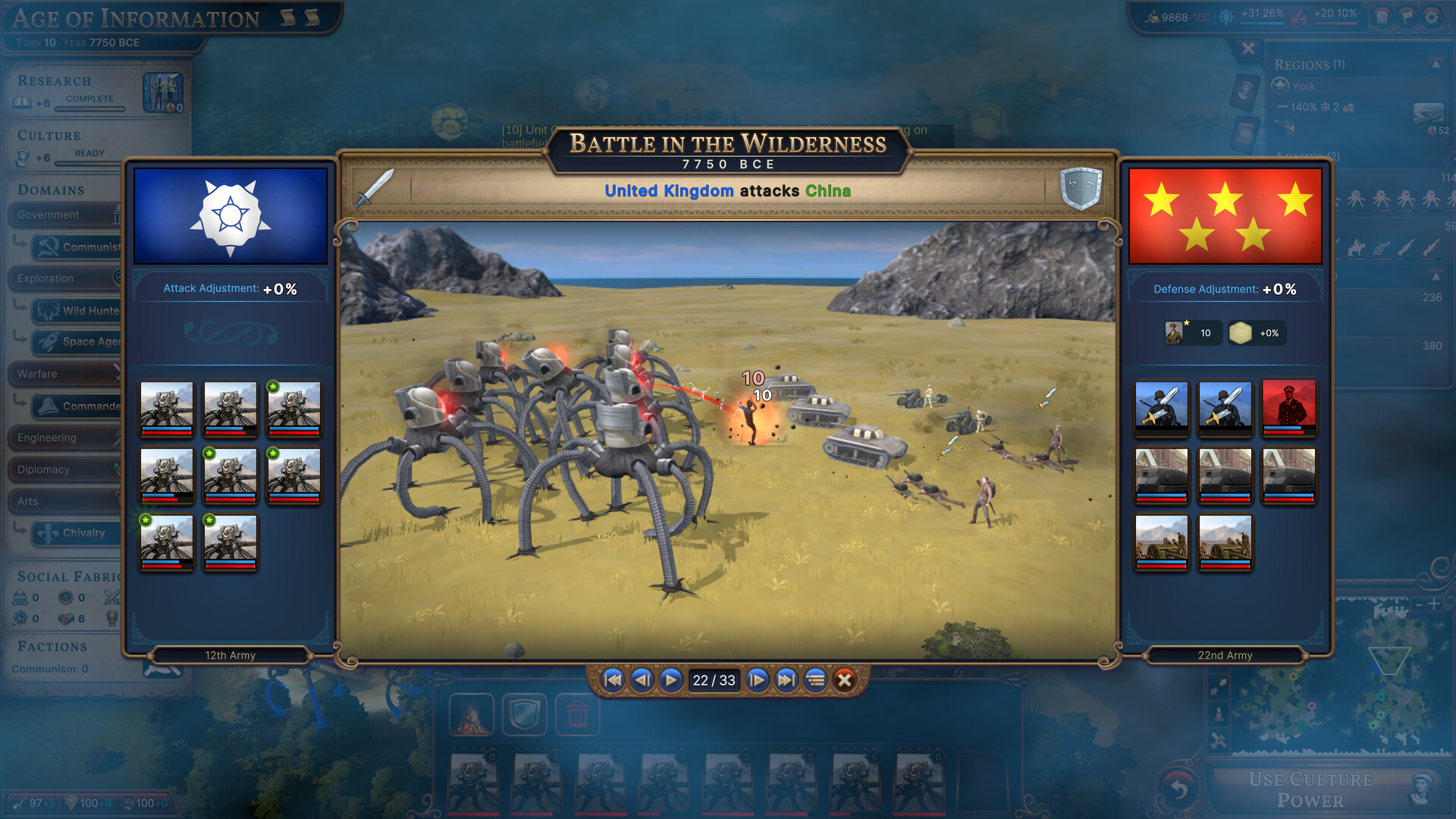
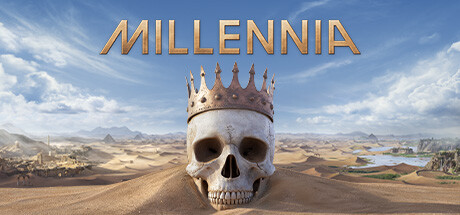
This is a very decent game, and very much underappreciated both by Steam reviews and in terms of sales figures. Even though I acknowledge the dissatisfaction of many other players, I decided to chime in to put some things into perspective in order to complete the picture for the sake of fairness. Gameplay In a nutshell, Millennia is Paradox Interactive's attempt to break into the fanbase of Sid Meier's Civilization series at a time where the latter lost a lot of customers due to dubious game design decisions. Millennia avoids some of the features that Civ7 copied from Humankind, particularly the immersion-breaking culture switch and the lame leader animations, and sticks to what made the earlier Civ iterations popular. Even though this game was only published, not developed by Paradox, and it is indeed turn-based like the Civilization titles instead of following their typical real-time grand strategy concept like CK3, Stellaris etc., it shares some characteristics with its Swedish cousins: It is a 4X map game, there are "mana points" for different areas of national development, it has a multitude of interacting systems and numbers for the player to consider, and it provides great variety of options how to play and how to win the game. You can decide to focus on your military and confront your opponents openly to wipe them out, you can outpace everyone with science and finish the game by leaving the planet on a space ship (remind anyone of anything?), or you can found a religion and win by converting the whole world to your faith by various means. The number of cities you can control is effectively capped to 8 for most of the game, which mitigates the typical micro-fatigue of other, similar games; on the other hand, it does not feel too restrictive because each region around such a capital can grow very large, and you can have unlimited additional cities as vassals. One of the most appealing aspects of the game is that every historical era gives you a (more or less limited) choice between different versions of that part of the timeline with different challenges and new resources and population needs to manage. The early, simple ones and the infrastructure you built for those never become completely irrelevant, but after every Age transition, you start building up a new "layer" for your empire: Food, housing, sanitation, faith/ideology, education, luxury - those are gradually introduced and later expanded into increasingly sophisticated production chains. This way, the player is neither overwhelmed at the start, nor is he bored and burnt out in the endgame because there would be just the same construction order again that he already went through 20 times before in the same campaign. I think C Prompt deserves some credit for this pragmatic and accessible design. Presentation Some of the early and the recent cricism of Millennia has focused on the allegedly "ugly" graphics of the game, and I understand what those commenters mean. Flashy graphics have clearly not been the priority here. Still, I do not find the map or the UI elements repellent, I think of them as "retro". They made me feel like playing Civ4 again, sans the unit animations. The gameplay graphics are something to get used to, but they are fine. Where this title really convinces me is the characteristic soundtrack and the stylistically consistent artwork for each historical era you enter. Even though they are nothing out of the ordinary, they are competently done and get me into the mood for each phase of my playthrough. Most importantly to me, they did not disrupt my immersion by modernizing history, if you catch my drift. That being said, they could have worked a little more on how they notified the player about him winning the game. As soon as the victory conditions are met, the game just stops, you get one pop-up message and an audio cue, and that's it. No cutscene, no voice-over, no option to continue the game just for fun - it does feel a bit anticlimactic. This does not make the game itself unfinished though, since there are plenty that work like this. I am just saying that this point could have been elaborated a little better. Value for money You can get your money's worth out of this game as it is, even if you buy it at full price. On a sale, you cannot go wrong with this at all. One campaign provides entertainment for one weekend, and the procedurally generated world maps and different Ages guarantee good replay value, since those exclude each other in their respective period of history, varying in aesthetic themes, buildings, roads to victory and, if you will, role-playing experiences that are different each time. There are two DLCs with minor additions to general gameplay, but those are very much optional. Compare that to other Paradox titles where the constant releases of overpriced expansions and overhauls usually bloats the total price of a complete collection way into the hundreds of dollars. Millennia keeps both its scope and its cost at a healthy and affordable level. Verdict This is a must-have for Civilization veterans, especially those who do not condone the way Civ7 is going. It is well-thought-out, paced and mostly balanced with regard to game design, which is where this title shines. The graphics are relatively basic for a modern game, but serviceable. The soundtrack is good. The game runs stable (I did not experience a single crash in more than 50 hours), and the slight performance drop near the end is tolerable, especially since the game is turn-based. With the small caveat that I have not tested the multiplayer functionality at all, I award this game 7.5/10 points. PS: Recent negativity With regard to current events: The game is being review-bombed right now after the developer announced that the latest update has been the last one, a relatively short time after releasing the game. However, this should not distract from the good qualities to be found here. Some of those loud critics seem to be confused about the situation a bit, too: This is NOT a "scam" where a developer sells an Early Access version and abandons it before even finishing the product. This is also NOT a live-service title where the servers are shut down due to a lack of players. The game is not "gone" just because it will not receive more updates. This game is merely declared to be in its finished state, just like in the olden days when you went into a store, bought a game on a disk or CD-ROM and got to play it. A product is not a "scam" just because the publisher decides that he does not expect any further profit from continuing development. The game is functional, it's fun (at least to me), and it is open to community mods, which can easily be added from the Steam Workshop via the main menu. I am not sure how many mods can be expected considering that very few people are playing Millennia right now, but the road is open. I will keep an eye on the horizon and enjoy the tour.
Expand the review