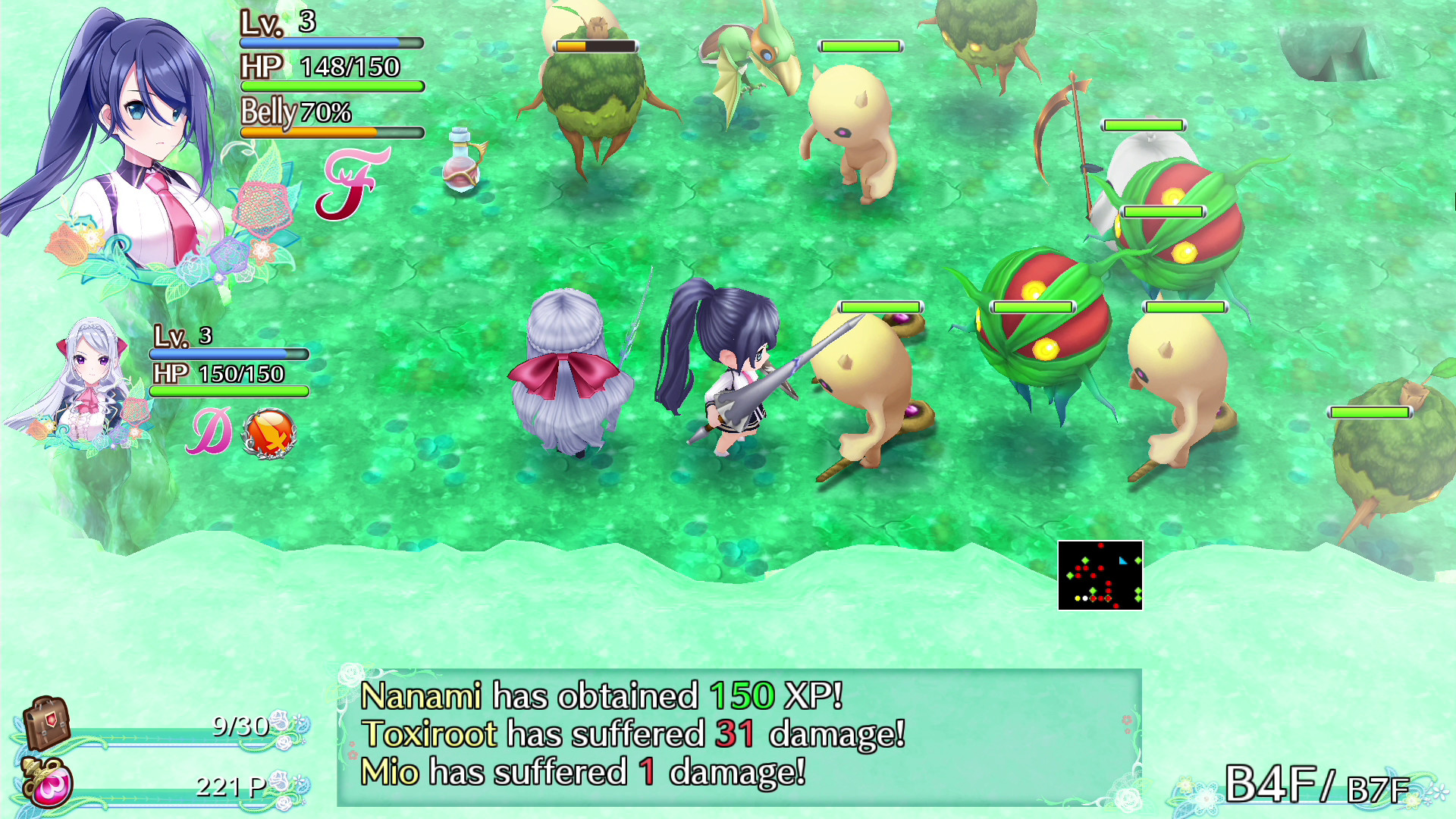
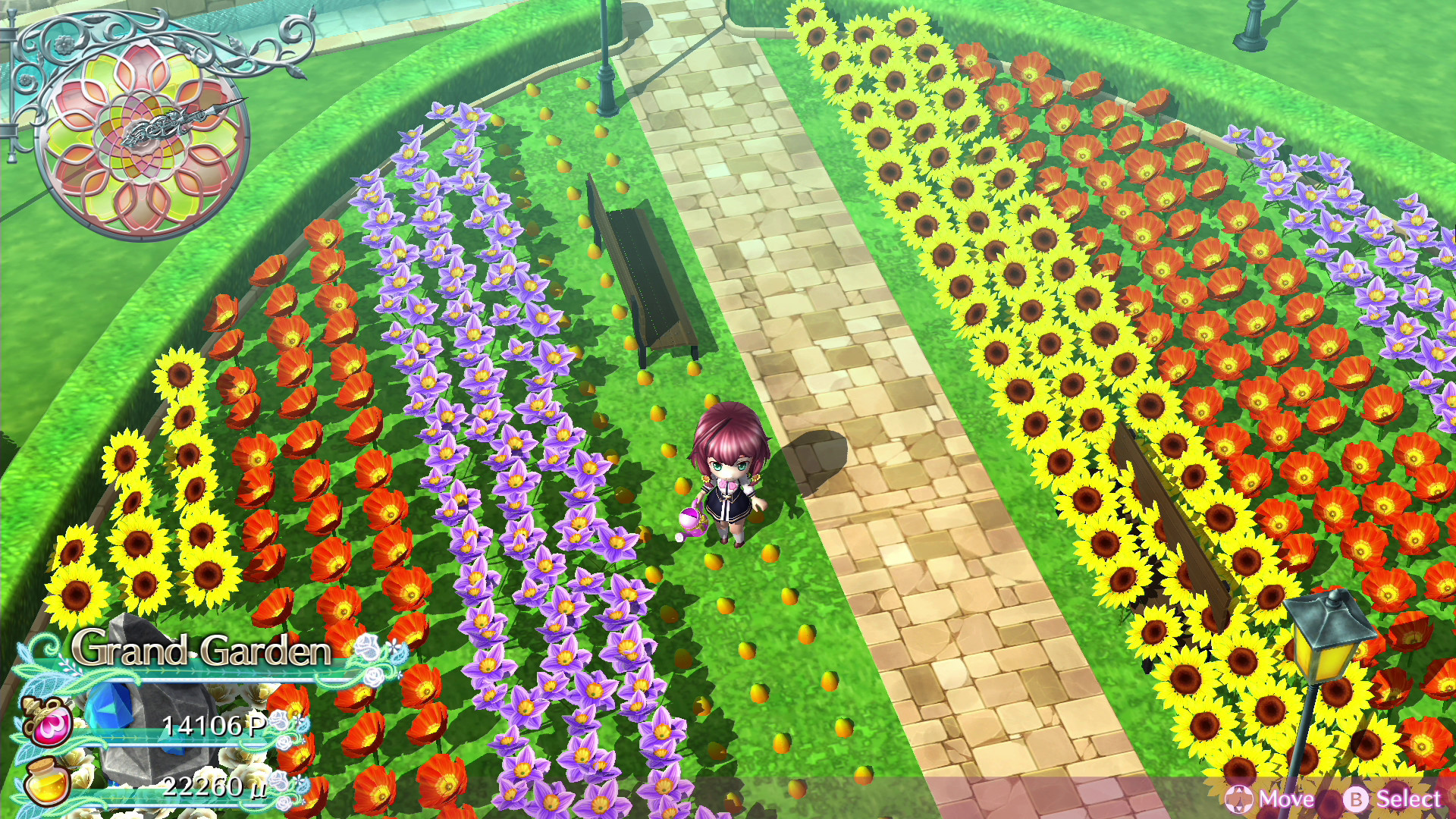
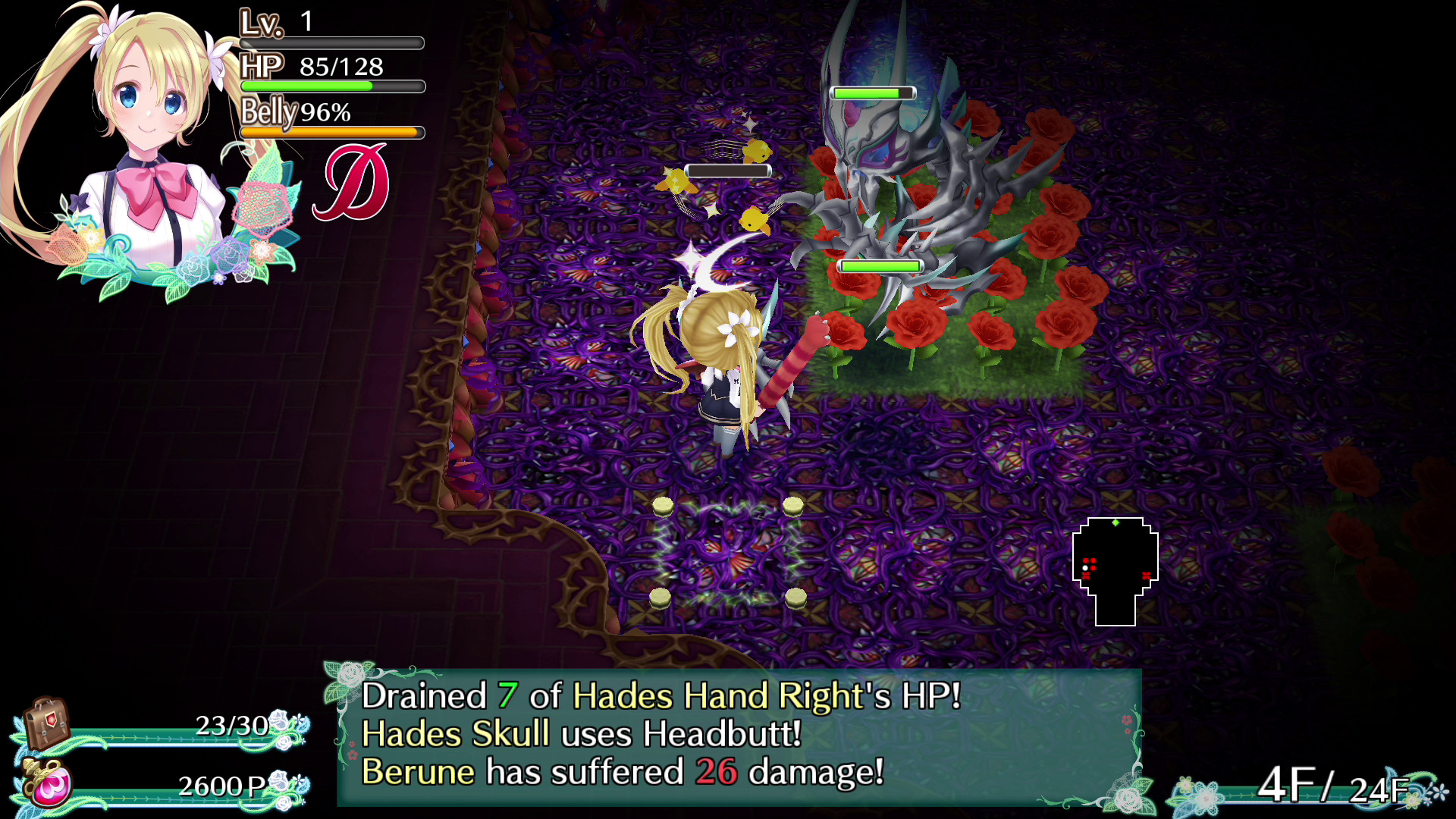
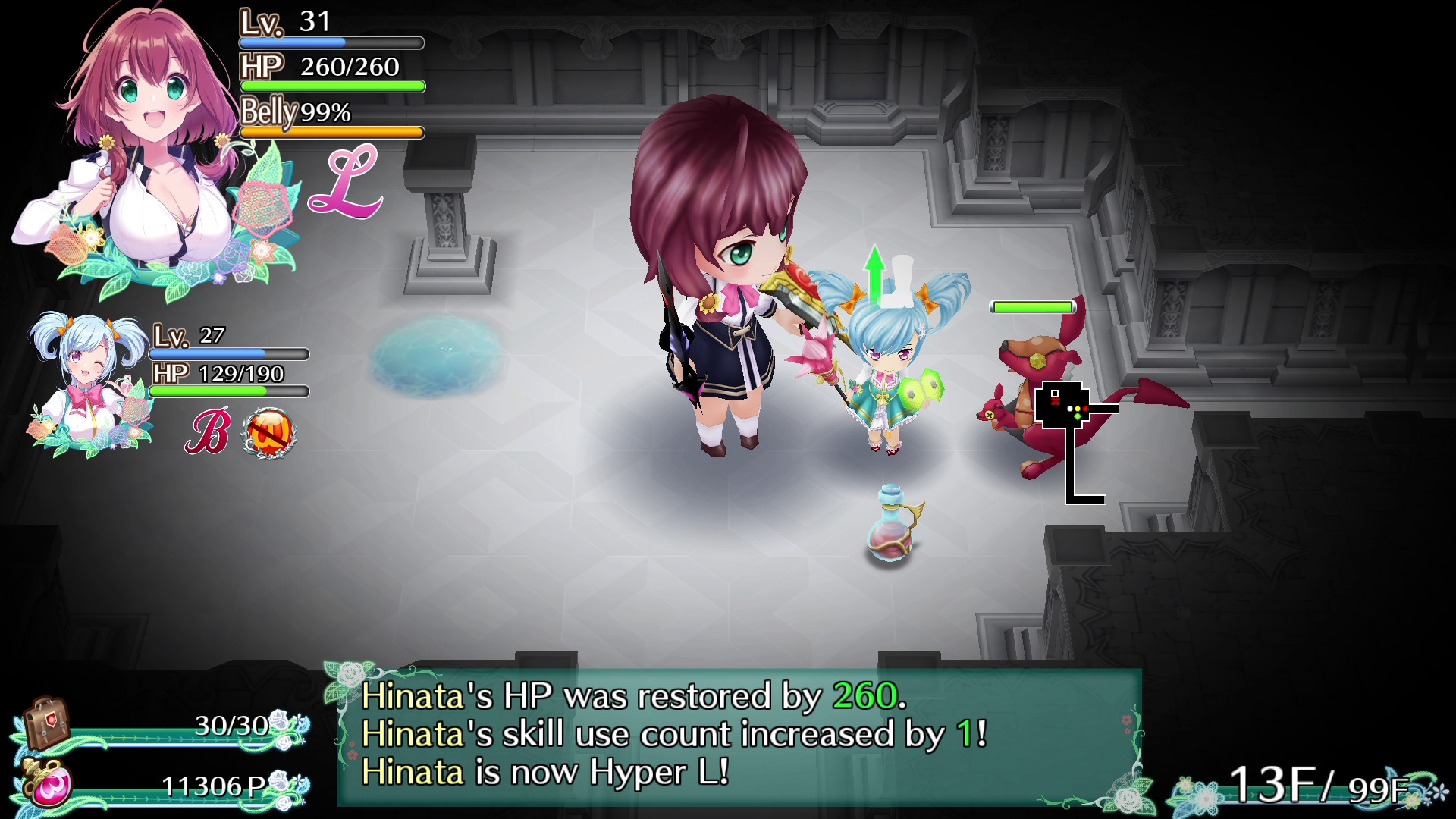
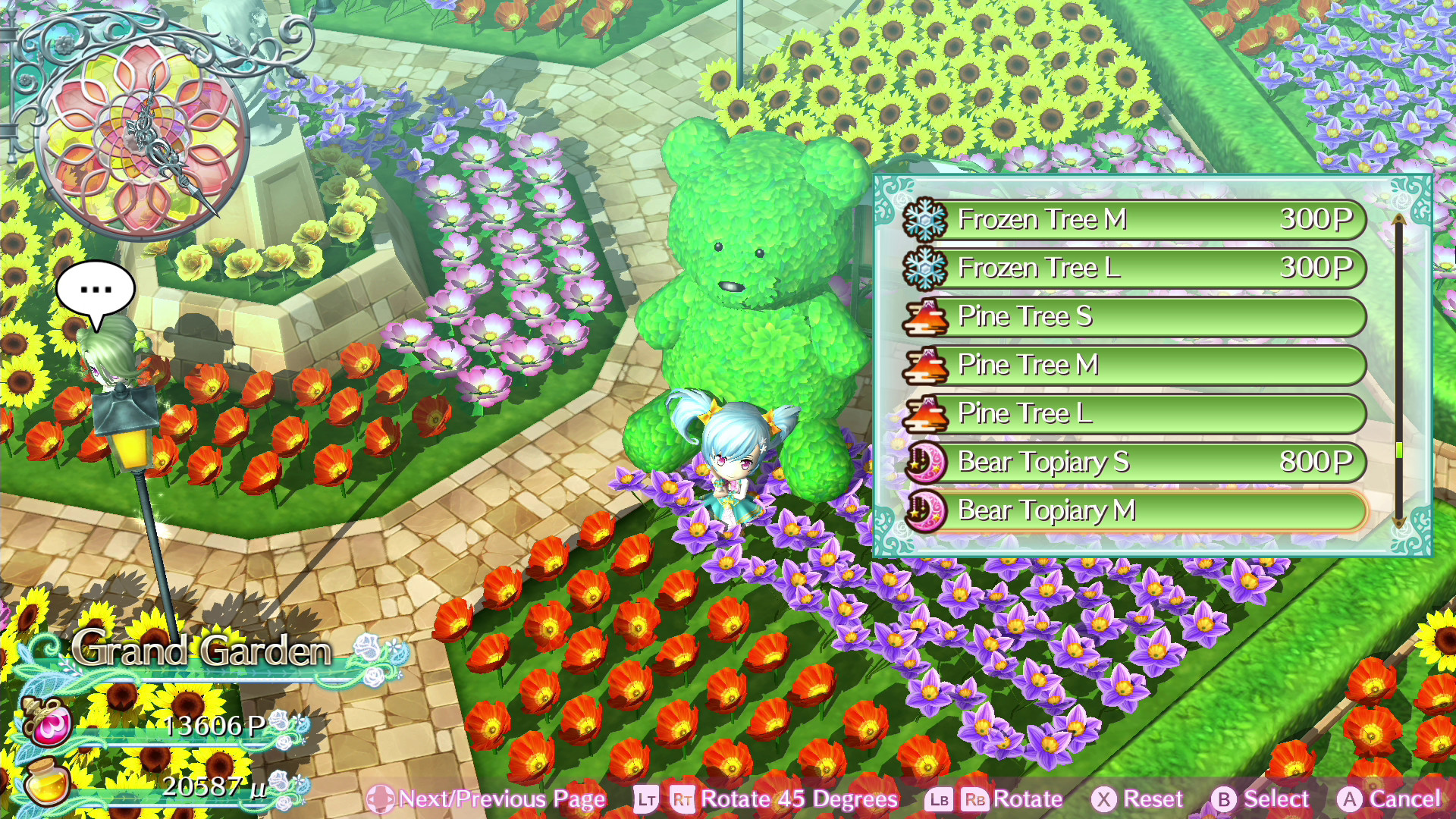
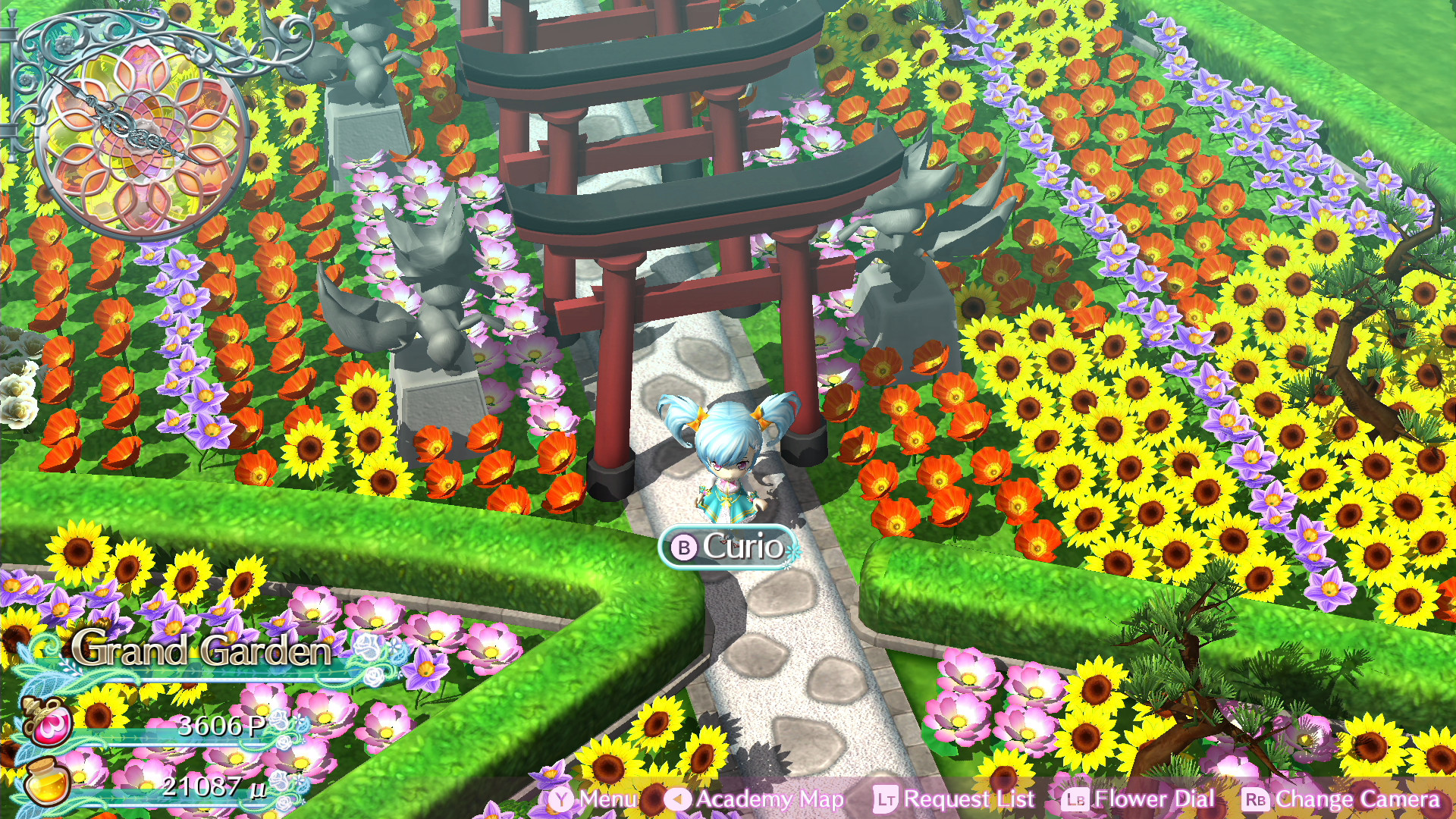
Omega Labyrinth Life, developed by Matrix and published by D3Publisher, is an unapologetically niche dungeon-crawling RPG that combines the mechanics of a roguelike adventure with the over-the-top fanservice of an anime dating sim. It continues the peculiar legacy of the Omega Labyrinth series, known for its blend of dungeon exploration, lighthearted humor, and risqué themes. Set in the idyllic Belles Fleurs Academy, the story follows a transfer student named Hinata Akatsuki, who arrives at the all-girls school only to discover that its sacred flower garden has mysteriously wilted. To restore the academy’s beauty, Hinata and her classmates must venture into the dangerous labyrinths that have appeared nearby, collecting magical seeds and facing bizarre monsters along the way. While the premise sounds whimsical and innocent, the game’s tone quickly reveals itself to be anything but, embracing absurdity and erotic comedy as core elements of its design. The game’s visual presentation is strikingly polished, with bright, detailed character art that reflects the high production values often associated with D3Publisher’s more eccentric projects. The cast is brought to life through expressive anime-style illustrations, and each heroine is designed with a distinctive personality and aesthetic that caters to the fanservice-heavy tone. The dungeon environments, though repetitive, are vibrant and filled with colorful enemies that range from cute to grotesque. While the character designs and environments are pleasing to the eye, it’s clear that much of the development attention was lavished on the game’s more provocative features. The growth and “blooming” system, which literally causes characters’ bust sizes to increase as they grow stronger, is the game’s most notorious mechanic. It’s designed to function as a tongue-in-cheek representation of progress and empowerment, but it’s impossible to ignore how central this feature is to the overall experience. The soundtrack complements the aesthetic well, offering upbeat and occasionally serene tunes that suit both the academy’s lighthearted tone and the deeper, more dangerous dungeon sequences. At its core, Omega Labyrinth Life is a turn-based roguelike dungeon crawler that plays much like classic titles in the Mystery Dungeon tradition. Every movement and action consumes a turn, and dungeons are procedurally generated, ensuring a slightly different layout each time. The gameplay loop revolves around exploring floors, collecting loot, defeating monsters, and managing hunger and inventory space while progressing toward deeper, more dangerous levels. Between dungeon runs, players return to the academy to plant seeds in the magical garden—a system that provides resources and contributes to the narrative theme of rejuvenation. It’s a charming addition that balances the intensity of dungeon runs with light management elements. The roguelike mechanics themselves are serviceable and satisfying, featuring solid enemy variety, useful items, and well-paced difficulty spikes. However, the gameplay rarely rises above competence, and it becomes apparent that the roguelike structure exists primarily as a framework for the game’s fanservice rather than a deeply developed system in its own right. The game’s most distinctive, and controversial, aspect is how it ties its fanservice directly into gameplay progression. Defeating enemies and collecting items earns “Omega Power,” an energy that not only levels up characters but also triggers the infamous “chest expansion” mechanic, symbolizing the character’s growth. It’s both ridiculous and self-aware, intentionally playing into the absurdity of its concept. There are also side activities like “purification” mini-games, bathing scenes, and interaction events that push the game’s mature rating to the forefront. These moments can be awkward or humorous depending on one’s sensibilities, but they undeniably give Omega Labyrinth Life its identity. For players familiar with Japanese fanservice-heavy titles, the tone is more comedic than exploitative, though the constant reliance on sexual humor can wear thin over long sessions. For others, it might simply be too much, especially since the game rarely offers respite from its fixation on its own outrageous gimmick. Beyond its spectacle, the game does have moments of genuine charm. The cast is likable and plays their exaggerated archetypes with a sense of self-awareness that prevents the tone from feeling mean-spirited. Hinata’s cheerful optimism, along with her interactions with the other students, creates a surprisingly wholesome counterbalance to the fanservice. The dialogue is filled with silly banter and fourth-wall-breaking humor, often poking fun at its own tropes and excesses. The overall story remains thin, serving mostly as an excuse to move from dungeon to dungeon, but it’s delivered with enough levity that it remains entertaining. What makes Omega Labyrinth Life interesting is its strange commitment to sincerity—it never feels ashamed of its outrageous premise, nor does it attempt to mask its identity as a game made for a very specific audience. Technically, the game performs smoothly on PC, with crisp visuals, short loading times, and stable performance. The interface is intuitive, and despite its odd premise, the systems are easy to learn. The biggest downside is repetition; once you’ve experienced the core dungeon loop, much of the game’s content begins to blur together. The enemies, layouts, and objectives tend to recycle heavily, and while unlocking new characters and abilities adds variety, the sense of progression plateaus before long. The garden-building mechanic adds some longevity, as players can decorate the academy grounds and grow plants that influence gameplay bonuses, but even this system eventually becomes a background feature rather than a driving force. In the end, Omega Labyrinth Life is a strange yet confident blend of roguelike gameplay and unabashed fanservice. It’s a game that knows exactly what it is and never pretends otherwise. For players who appreciate anime-style dungeon crawlers and don’t mind (or actively enjoy) its provocative humor, it can be an oddly endearing experience filled with charm, comedy, and simple but rewarding mechanics. For others, its overreliance on sexual themes and its limited mechanical depth may make it feel like a novelty that overstays its welcome. It’s an eccentric title best enjoyed for what it unapologetically represents: a bizarre, playful, and occasionally enjoyable fusion of dungeon crawling, character bonding, and cheeky self-parody. Omega Labyrinth Life might not appeal to everyone, but for those attuned to its blend of silliness and sensuality, it’s a rare kind of guilty pleasure that thrives precisely because it refuses to take itself too seriously. Rating: 6/10
Expand the review