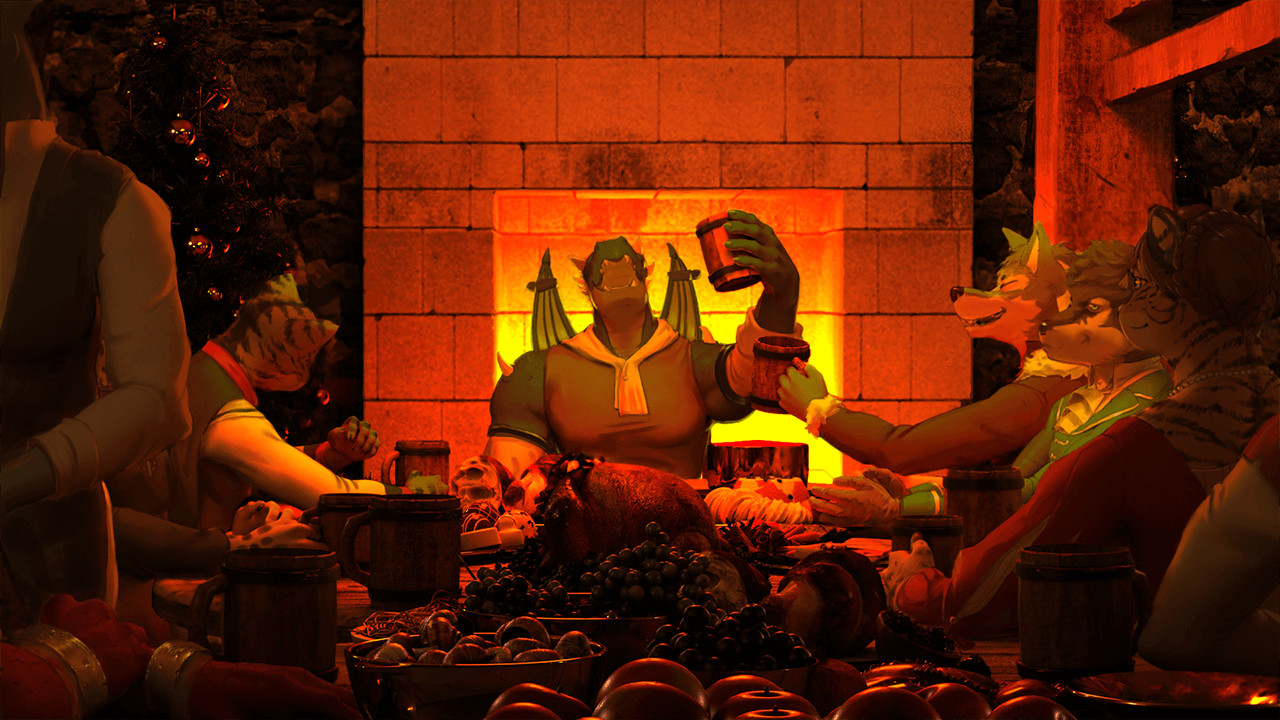
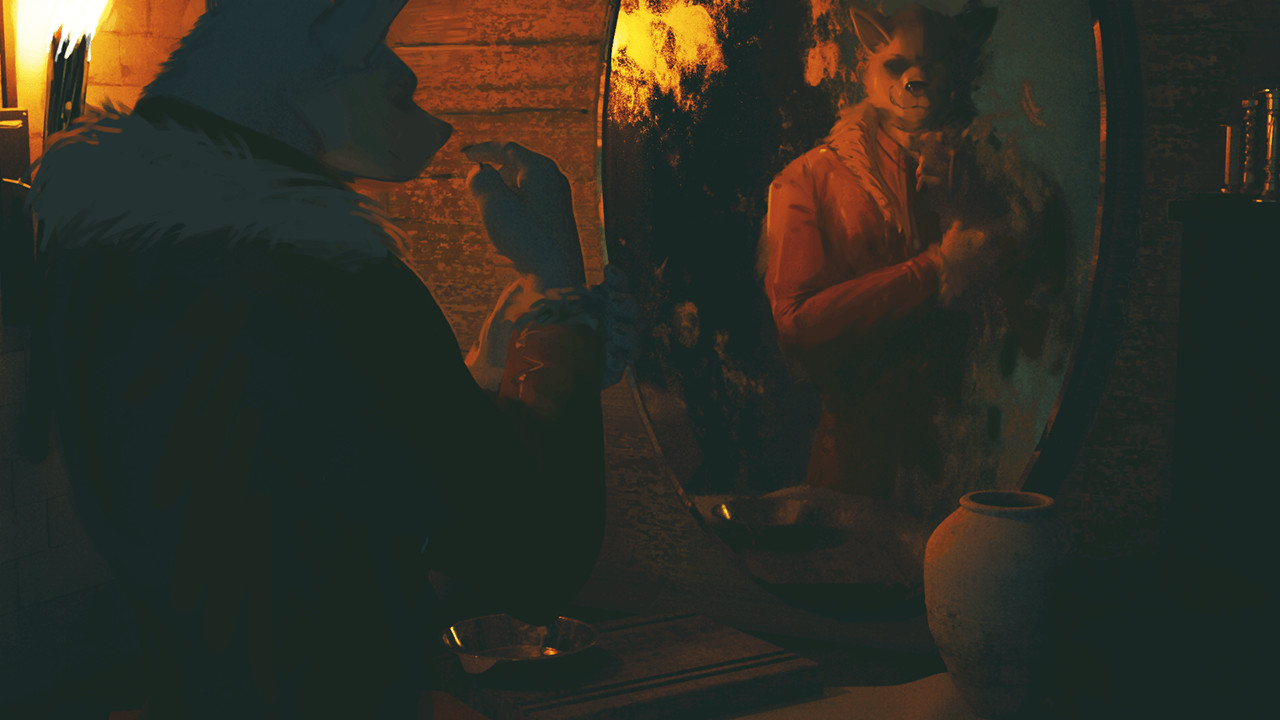
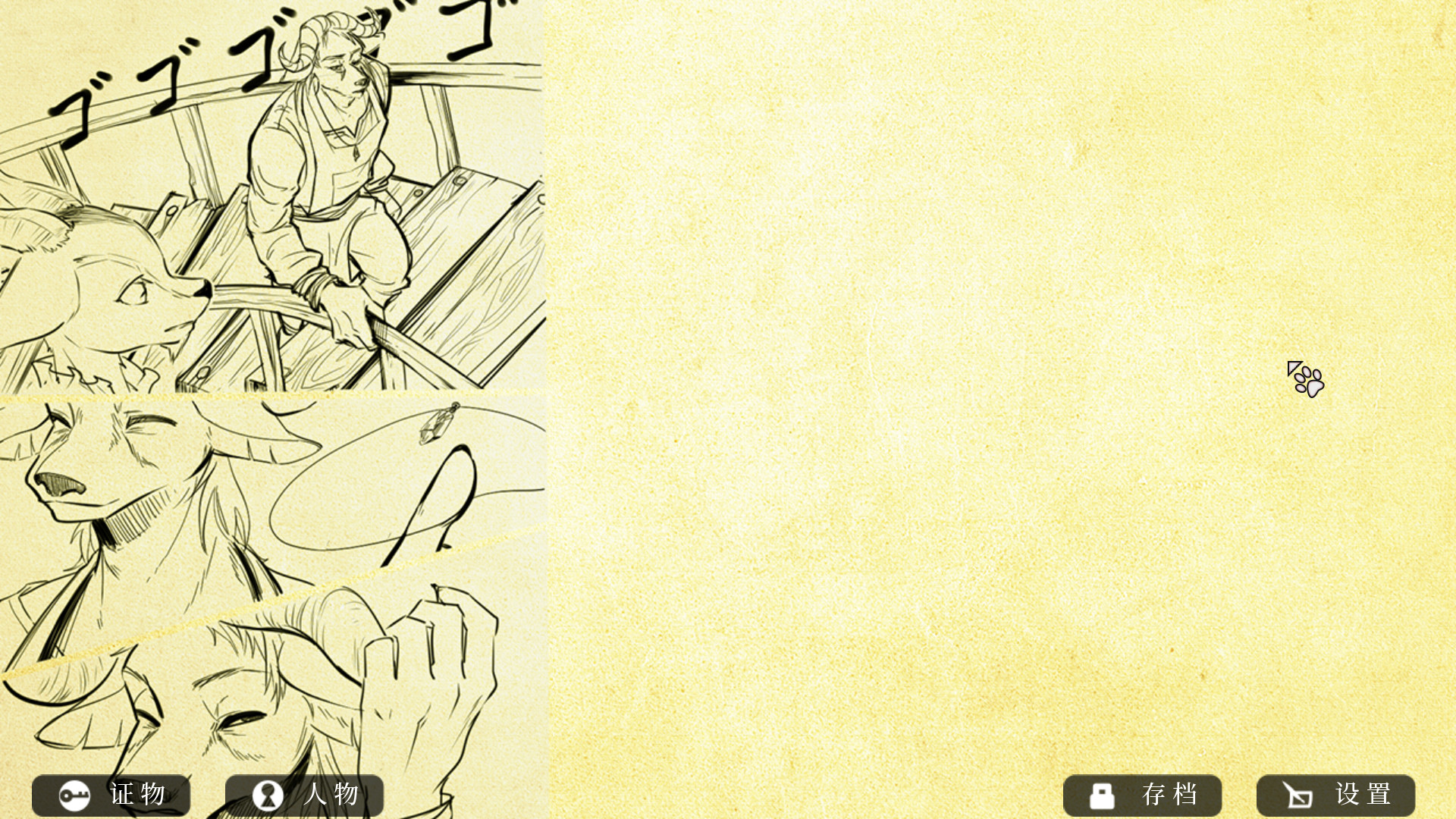
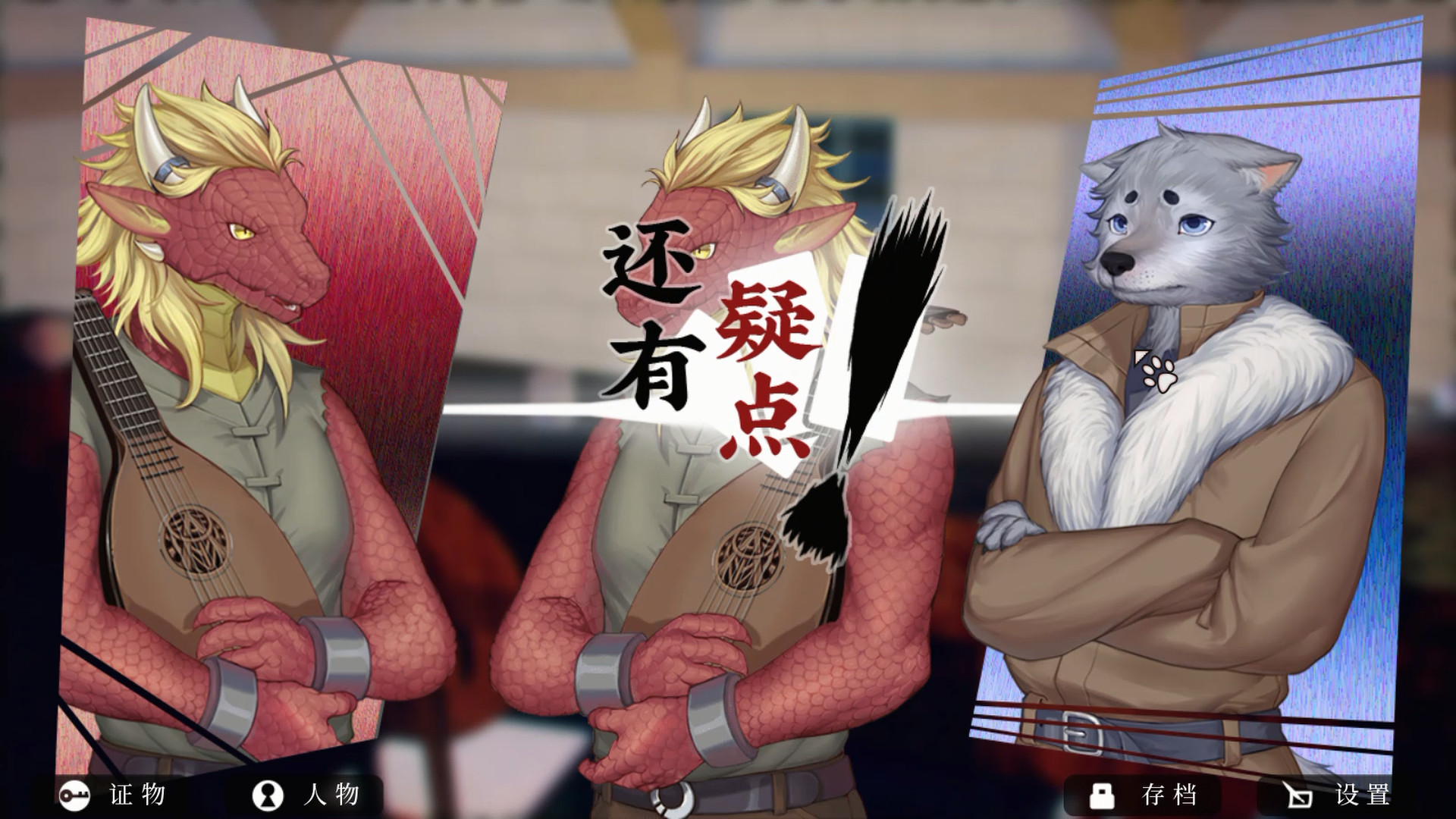
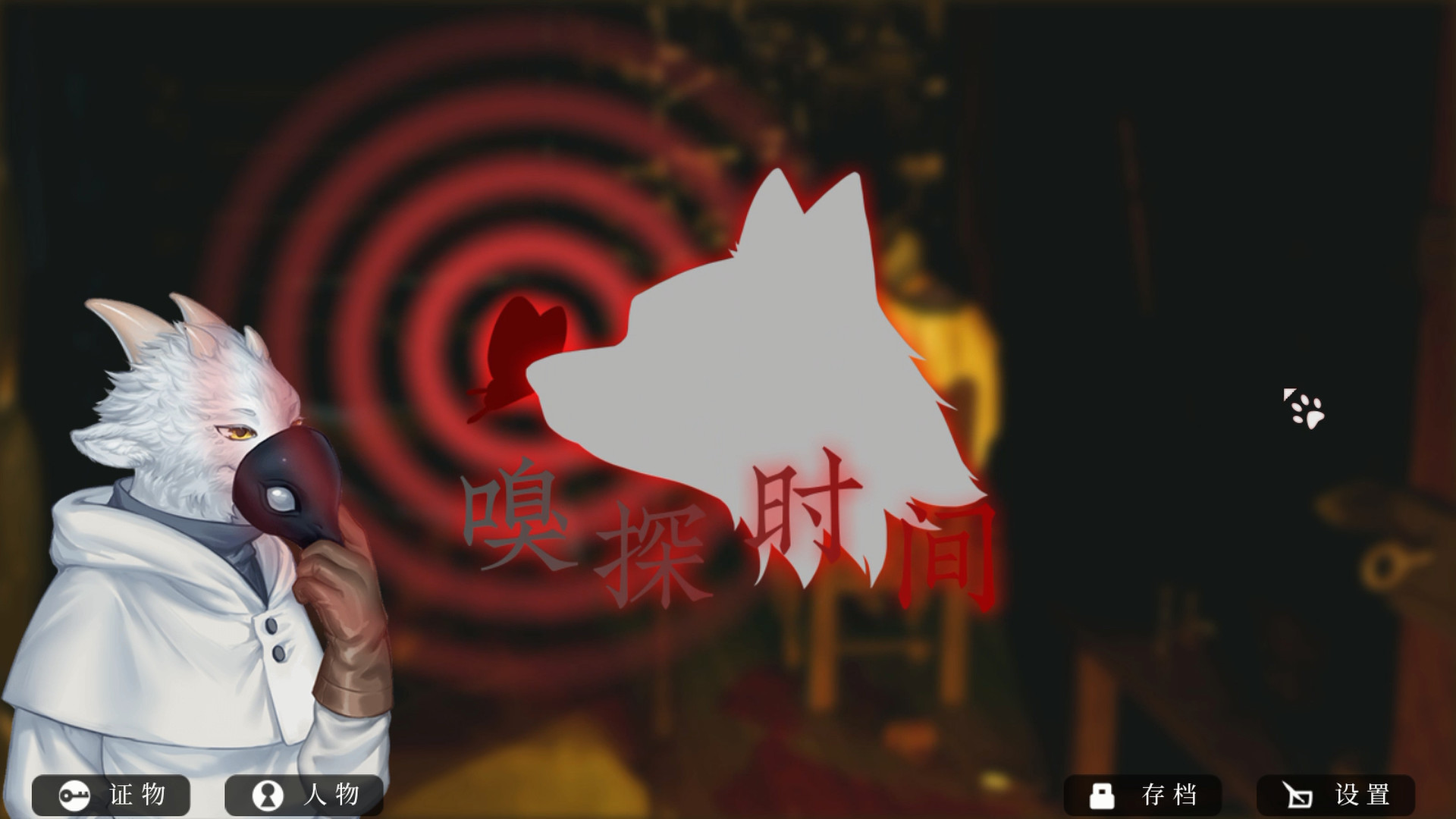
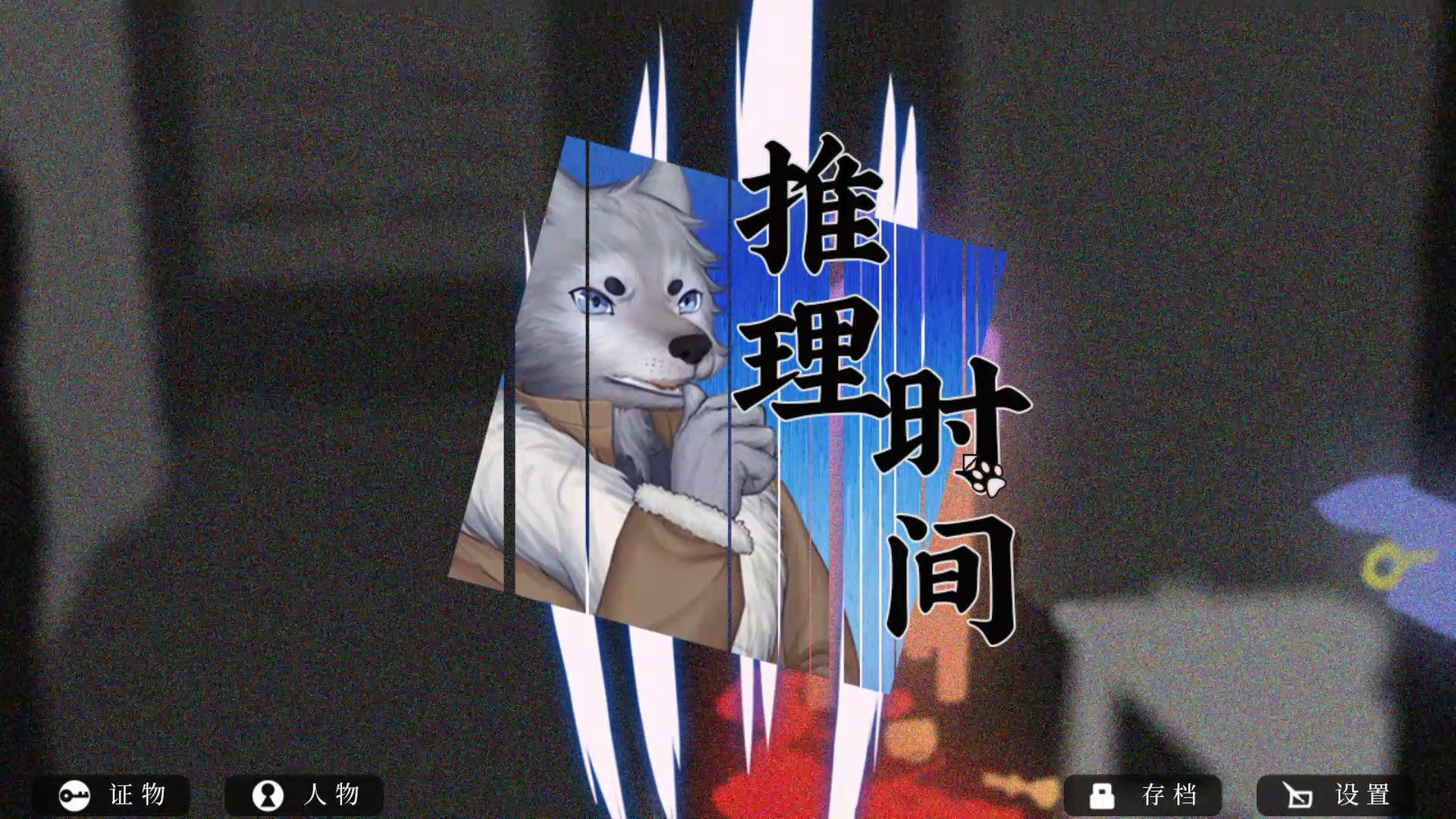
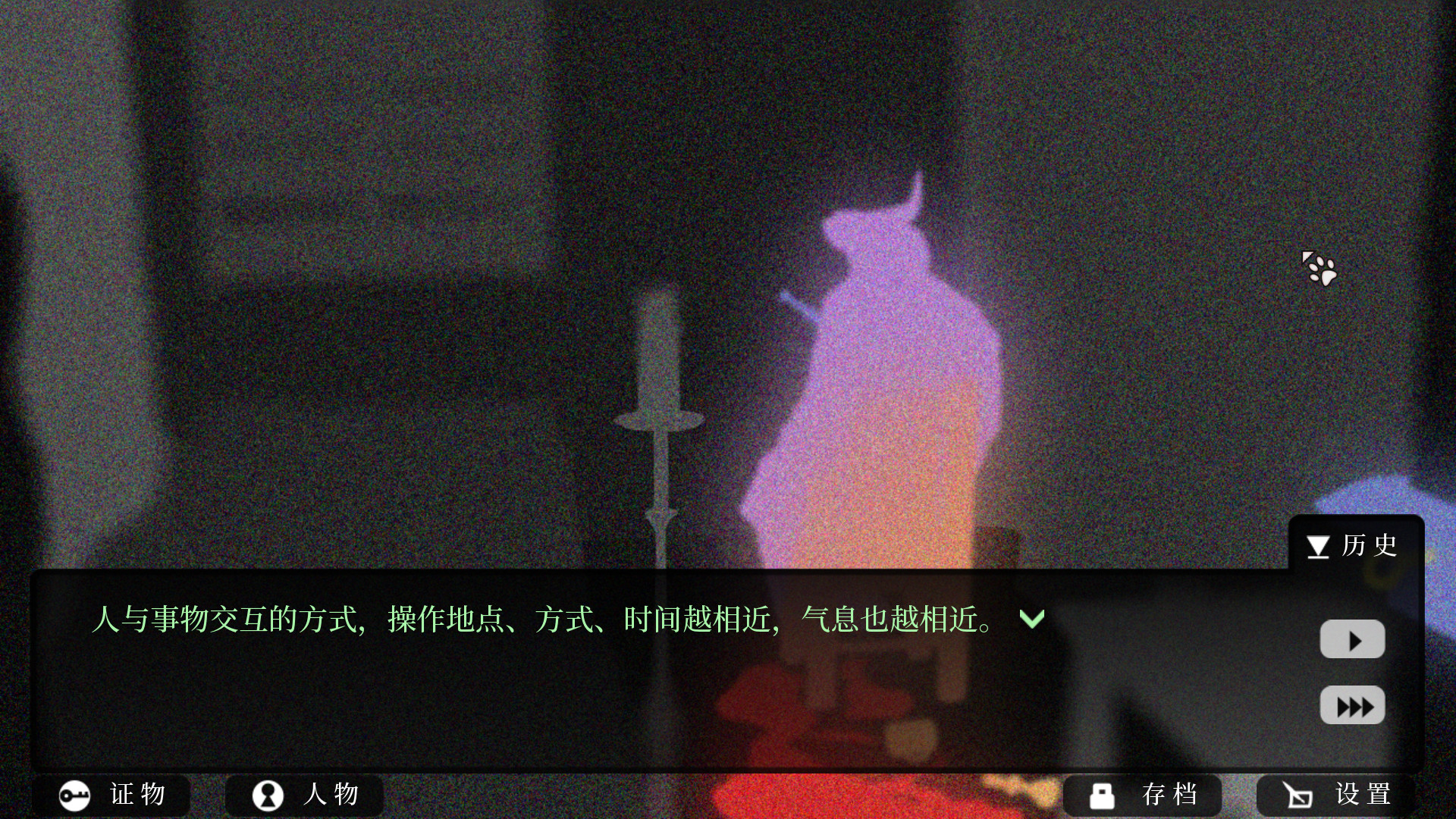
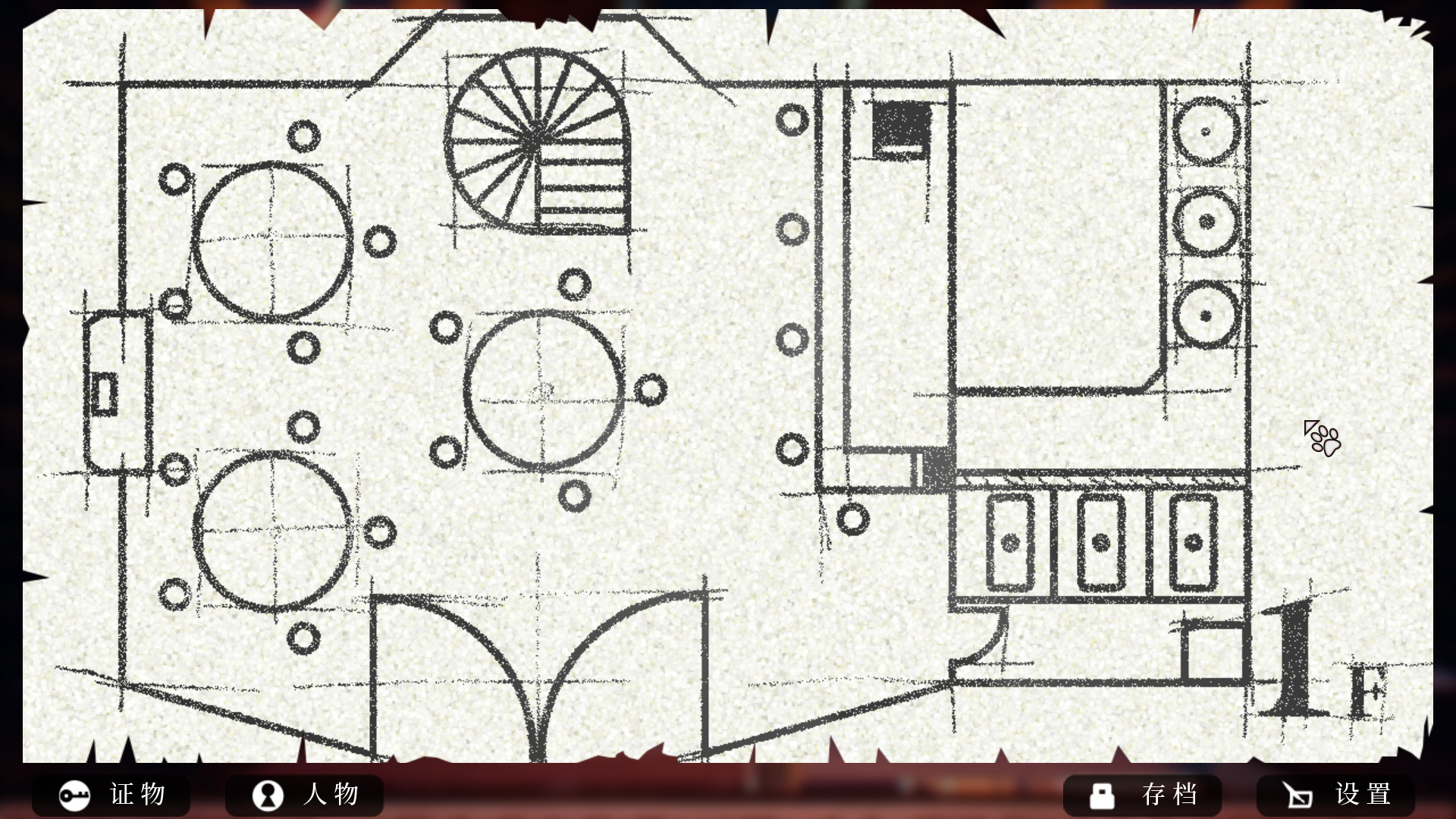
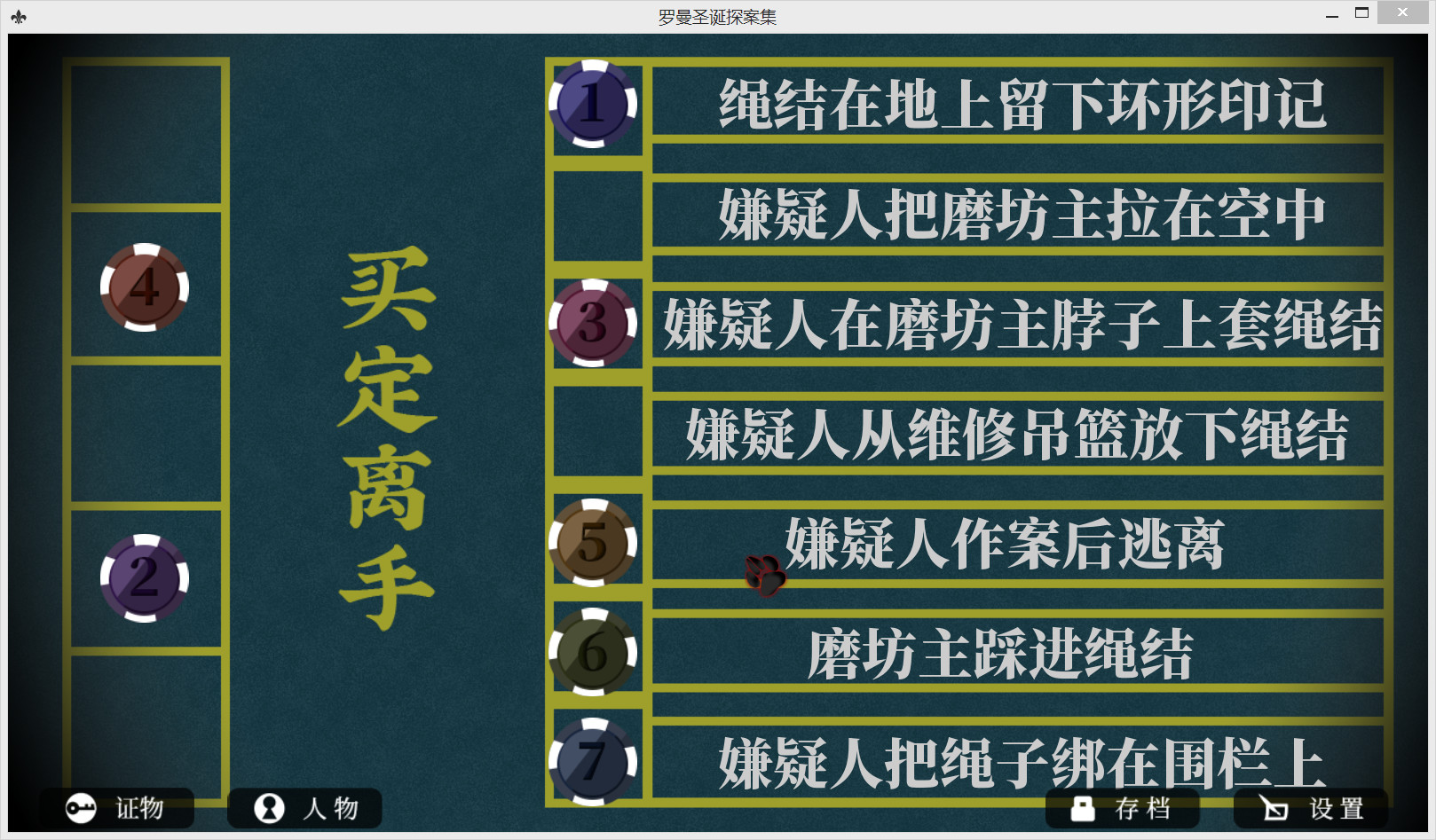
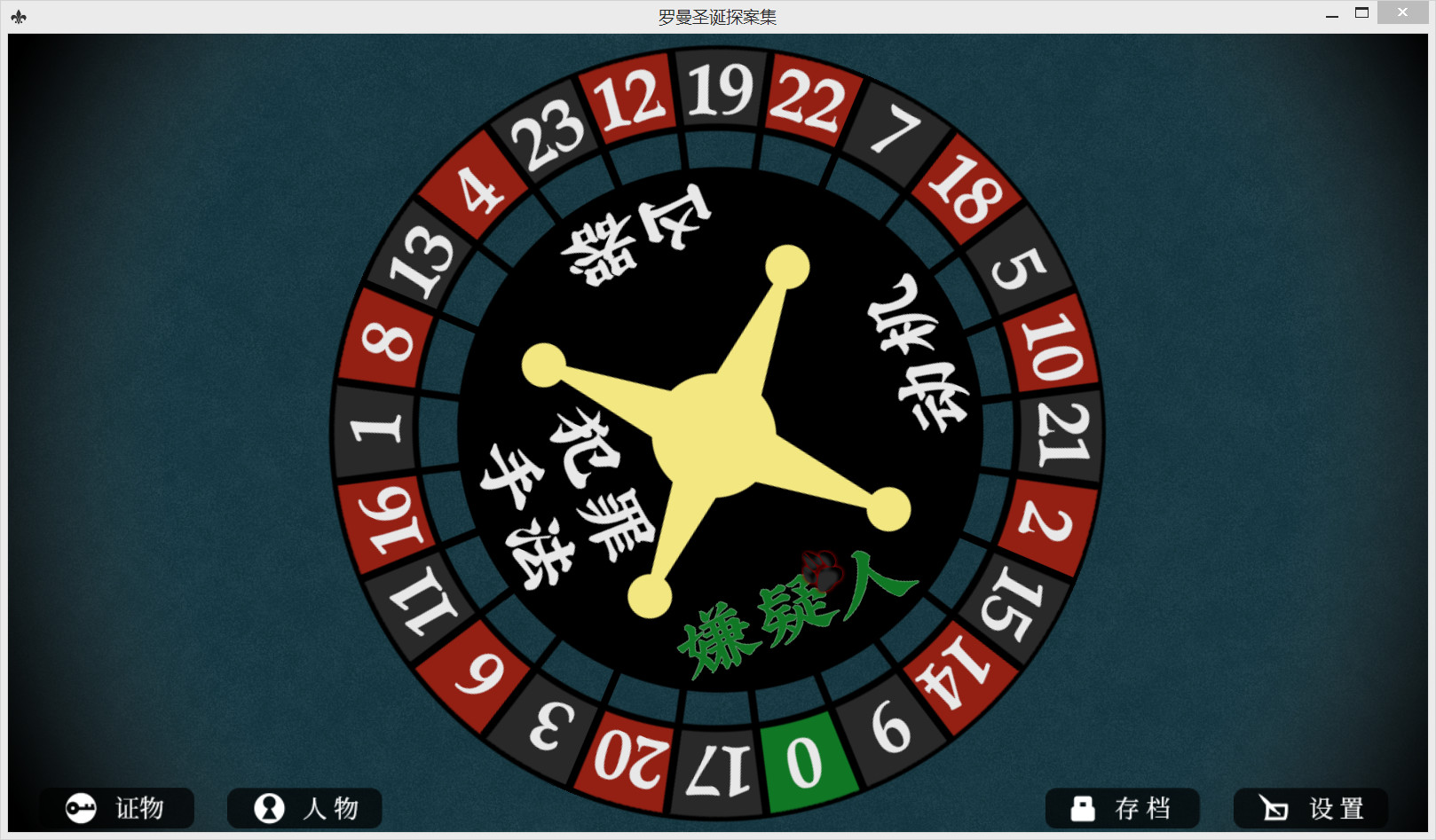
Roman’s Christmas, or 罗曼圣诞探案集, developed by SelfCrop Studio and published by FawnGame and Milk Bottle Studio, presents itself as a holiday mystery, but it quickly becomes clear that it aims for more than festive decoration and genre familiarity. Set in a cozy, snow-covered inn during Christmas, the game frames its story with the warmth and nostalgia associated with the season, only to gradually peel back the cheerful veneer and expose unresolved histories, emotional wounds, and troubled dynamics among its guests. The premise may sound familiar—a detective arrives at an isolated location where everyone has a motive—but the execution feels remarkably intimate. Instead of sensational twists or exaggerated melodrama, the game relies on subtlety, restraint, and character-driven storytelling. It respects the player’s intelligence, trusting them to observe carefully, interpret behavior, and recognize that truth often hides behind politeness rather than hostility. Players assume the role of Roman, a traveling feline detective whose calm demeanor and quiet persistence make him a compelling lens through which to observe the unfolding mystery. Rather than playing the role of a domineering interrogator, Roman operates with curiosity and empathy, making it easier for characters to reveal themselves naturally. The inn serves as both a stage and a container—its limited physical space forces interactions, shared meals, overheard conversations, and repeated encounters that gradually deepen suspicion. Each guest carries personal baggage into this seemingly peaceful Christmas retreat, and the game excels at allowing players to notice patterns, inconsistencies, or emotional pressure points through careful dialogue rather than overt signposting. The pacing remains measured, giving characters room to breathe and giving players time to form genuine investment rather than rushing toward conclusions. Dialogue becomes the primary mechanism of investigation, and the writing is where Roman’s Christmas proves its strength. Every character, though represented by anthropomorphic animal designs, feels authentically human. Their conversations are layered with self-protection, insecurity, pride, guilt, or longing—emotions hinted at rather than spoken aloud. The game encourages players to listen not only to words, but to tone, pauses, and emotional shifts. Minor comments that initially seem trivial often reappear later with new meaning, rewarding attentive players and reinforcing the interconnectedness of the cast. The story does not rely on dramatic accusations or flamboyant villains; instead, it builds tension through quiet contradictions, half-answers, and the unspoken weight of shared history. The eventual reveals feel earned because they emerge from character psychology rather than writerly convenience. Visually, the game leans into gentle, hand-painted aesthetics that reflect both the warmth of a winter holiday and the melancholy lingering beneath it. Soft lighting, crackling fireplaces, snowfall through frosted windows, and warmly furnished rooms reinforce the illusion of a safe, welcoming environment—an atmosphere intentionally at odds with the emotional turmoil brewing among the guests. Character portraits are expressive without being exaggerated, giving weight to small reactions and making conversations feel more alive. The soundtrack enhances this tonal balance, using calm piano pieces, light orchestration, and subtle seasonal cues to maintain a reflective, almost bittersweet mood. The presentation never tries to shock or overwhelm; instead, it quietly invites players into a world where observation and patience matter more than spectacle. Mechanically, Roman’s Christmas stays grounded in visual novel conventions, but it introduces investigative structuring—clue gathering, evidence organization, logical deductions, and conversation choices that influence unfolding scenes. These elements serve to strengthen immersion rather than distract from storytelling. The systems are designed with accessibility in mind, allowing players to follow the mystery without needing advanced puzzle-solving skills. However, the game still expects intellectual engagement; rushing through dialogue or ignoring inconsistencies can lead to incorrect assumptions or overlooked details. The balance between interactivity and narrative flow feels deliberate—players influence the direction of the truth, but the emotional arcs remain the backbone of the experience. The game’s design philosophy may challenge players seeking fast-paced mystery thrillers or branching, choice-heavy narratives with radically different endings. Roman’s Christmas values emotional coherence and thematic unity over structural novelty. Its story unfolds like a well-crafted novella rather than an endlessly branching narrative experiment. The slow rhythm, conversational density, and reflective tone require patience and appreciation for nuance. Yet these qualities are precisely what make the game feel distinct within the crowded space of visual novels and detective-themed titles. Instead of chasing shock factor, it focuses on believable human experiences—regret, misunderstanding, longing, disappointment—and how those emotions can spiral into tragedy even in the most peaceful settings. What elevates Roman’s Christmas beyond its mystery framework is its thematic understanding of the holiday season. Christmas, in the game, becomes a symbolic container—expectations of togetherness, forgiveness, celebration, and emotional connection serve as a poignant backdrop to characters struggling with isolation, resentment, or unspoken grief. The contrast between festive imagery and internal conflict gives the story resonance. Solutions to the mystery bring closure, but not always comfort, because the game understands that uncovering truth does not necessarily heal the wounds that caused it. The final act lingers not on revelation, but on reflection, allowing players to recognize the quiet humanity behind every action, whether harmful or self-preserving. Roman’s Christmas ultimately succeeds because it refuses to treat its characters as puzzle pieces. It tells a mystery, but it also tells a story about flawed individuals seeking warmth in a cold season—sometimes failing, sometimes succeeding, always feeling real. For players who value emotional storytelling, carefully constructed dialogue, atmosphere-rich settings, and mysteries rooted in psychology rather than shock, it offers a deeply satisfying experience. It is a game that asks for attention and empathy rather than speed or aggression, rewarding those who are willing to look, listen, and care. Its quiet brilliance lies in reminding us that even on the brightest holidays, people carry shadows—and understanding them is the true act of detection. Rating: 9/10
Expand the review