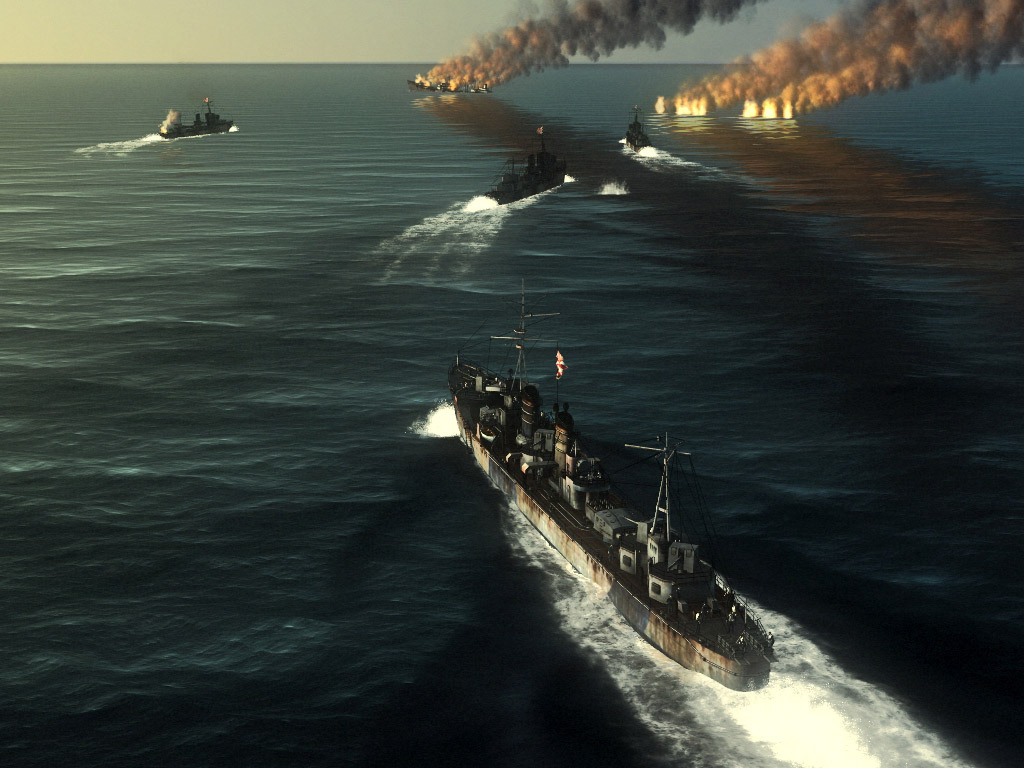
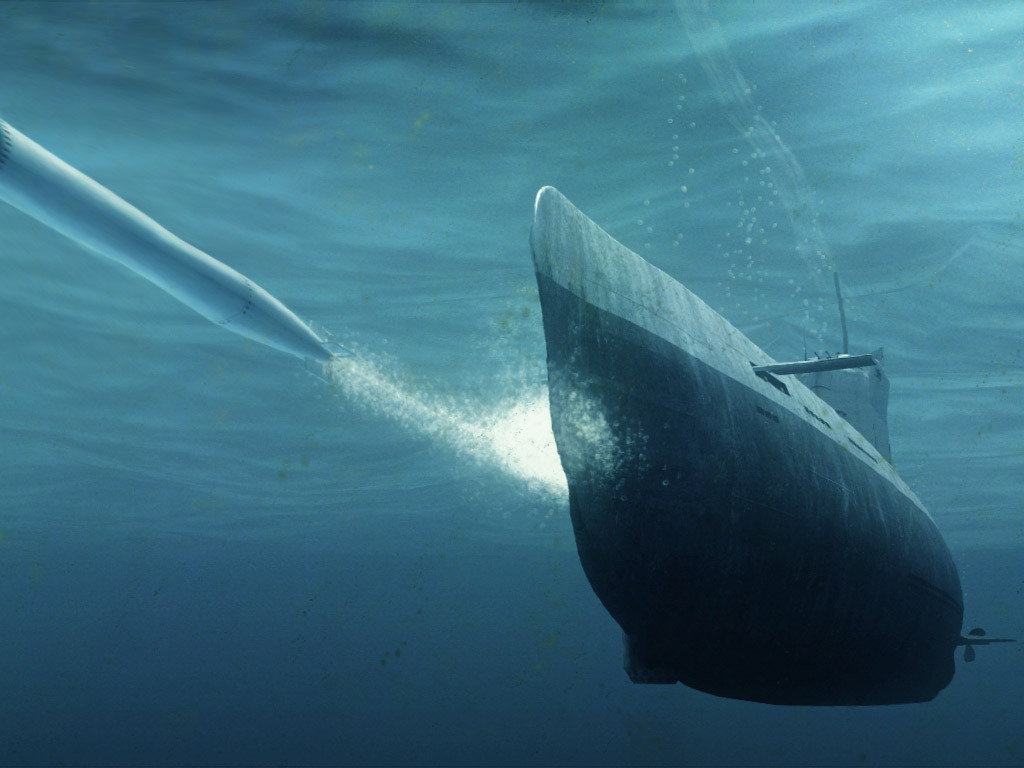
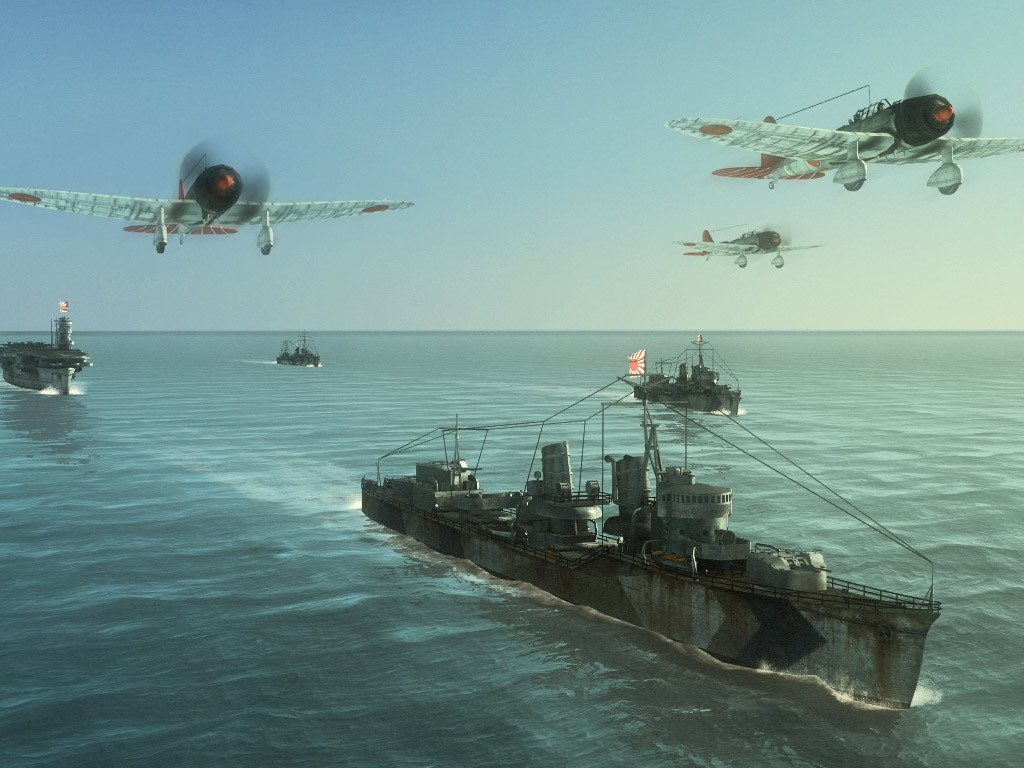
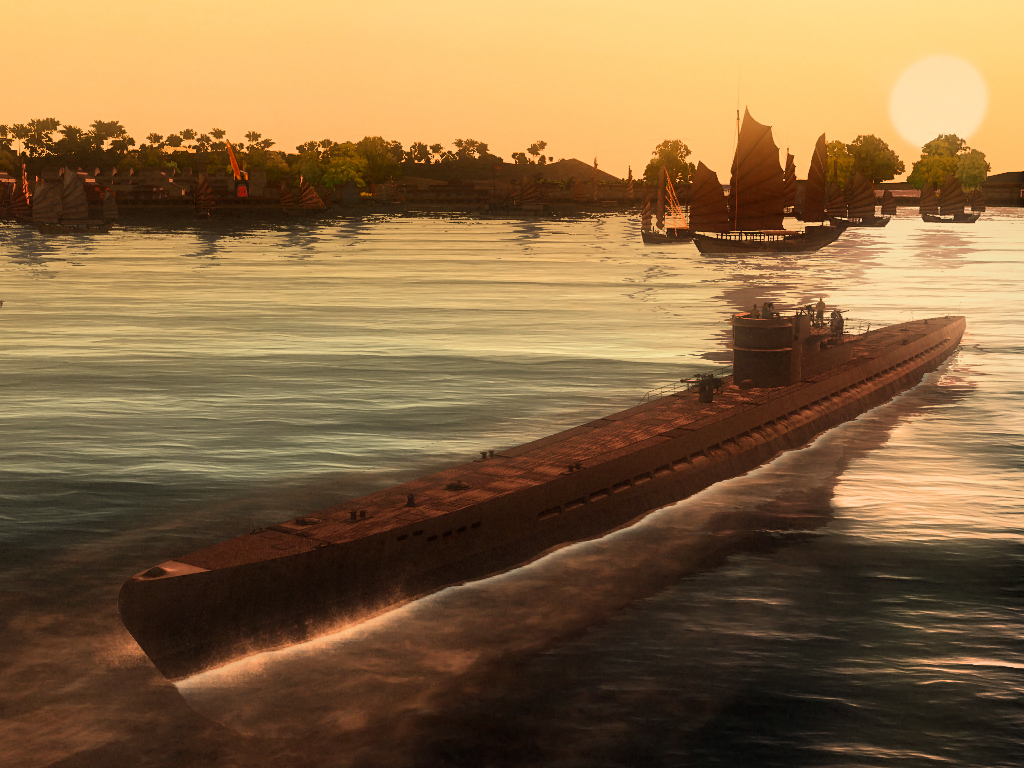
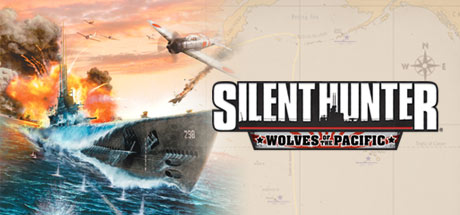
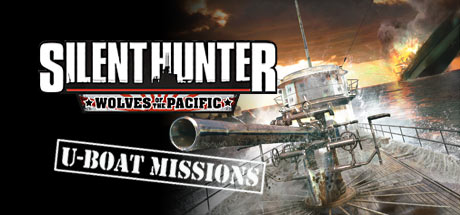
Silent Hunter: Wolves of the Pacific – U-Boat Missions is a submarine warfare simulation expansion developed by Ubisoft Romania and published by Ubisoft. Designed as an expansion to Silent Hunter 4: Wolves of the Pacific, the game expands the original experience by introducing a completely new campaign centered around German submarines operating far from Europe during World War II. While the base game focuses primarily on American submarines in the Pacific theater, this expansion shifts the perspective to the German Kriegsmarine and its long-range operations in the Indian Ocean. By introducing new missions, submarines, gameplay systems, and strategic elements, the expansion significantly broadens the depth of the original simulation while maintaining the series’ reputation for realism and attention to historical detail. The campaign is set during the later years of World War II and focuses on the historical operations of the German “Monsun Gruppe,” a group of U-boats deployed to Southeast Asia to disrupt Allied shipping routes. These submarines operated thousands of miles from Germany, launching patrols from ports in territories controlled by Axis allies such as Penang, Singapore, Jakarta, and Surabaya. Players take on the role of a German submarine commander tasked with navigating the vast waters of the Indian Ocean and targeting Allied supply lines. The campaign unfolds across a dynamic wartime map where convoys, escorts, and patrols move across the ocean as part of a living strategic environment. This historical setting gives the expansion a unique identity within the series and highlights a lesser-known aspect of World War II naval warfare. The gameplay remains firmly rooted in the complex simulation mechanics that define the Silent Hunter franchise. Players command every aspect of their submarine’s operations, from plotting navigation routes to managing torpedo attacks and maintaining stealth during dangerous encounters with enemy ships. Depending on the chosen realism settings, players can automate many of these tasks or handle them manually for a deeper simulation experience. At higher realism levels, submarine warfare becomes a careful exercise in calculation and patience. Players must determine torpedo trajectories, estimate enemy speeds and distances, and launch attacks with precise timing to successfully hit their targets. One of the defining aspects of the game is the tension created by underwater stealth. Submarines are powerful but fragile vessels, capable of devastating attacks yet extremely vulnerable if detected. Players often spend long periods tracking convoys while remaining hidden beneath the ocean’s surface. Using periscopes, sonar, and hydrophones, commanders must gather information about enemy movements before launching a carefully planned attack. Once torpedoes are fired, the situation can quickly become dangerous as escort ships begin searching for the submarine. Destroyers equipped with sonar and depth charges can transform a successful attack into a desperate fight for survival. The dynamic campaign system plays a crucial role in maintaining immersion. Rather than presenting a strictly linear sequence of missions, the campaign simulates an ongoing war where enemy ships move across the map independently of the player. Convoys travel along trade routes, and naval forces respond to changing circumstances across the theater of war. Players receive updates through radio transmissions describing major events occurring elsewhere in the conflict. This system creates the feeling that each patrol is part of a much larger global struggle, adding narrative context to the player’s actions. The expansion introduces several new gameplay features that enhance the strategic dimension of submarine warfare. As players gain experience and increase their rank, they gain access to additional resources that can support their operations. These resources include reconnaissance aircraft capable of locating enemy convoys and allied naval forces that can be directed to assist in attacking heavily defended targets. This strategic support system allows players to influence events beyond their own submarine, introducing a broader tactical perspective that was less prominent in the original game. Another notable addition is the introduction of specialized crew members known as heroes. These characters are inspired by historical naval figures and provide unique bonuses to the submarine’s performance. Some heroes improve torpedo accuracy, while others enhance crew efficiency or increase survivability during emergencies. Managing these crew members becomes an important part of the campaign, as their abilities can dramatically affect the outcome of dangerous encounters. The expansion also adds new submarines and equipment representing the German navy’s technology. These vessels differ in speed, durability, and weapon systems, allowing players to experience different approaches to submarine warfare. Later stages of the campaign introduce more advanced technology reflecting the evolving nature of naval combat during the final years of the war. Improvements such as enhanced radar systems and upgraded detection equipment add new tactical possibilities, particularly when tracking enemy convoys across large areas of ocean. Visually, the game presents detailed environments both inside and outside the submarine. Players can move through various compartments of the vessel, observing crew members performing their duties while monitoring instruments and equipment. On the surface, the game recreates the vastness of the ocean with dynamic weather conditions, shifting waves, and realistic lighting that changes with the time of day. Storms, fog, and darkness can all affect visibility, influencing the tactics players use during patrols and attacks. The sound design contributes significantly to the game’s atmosphere. Submarine warfare relies heavily on sound, and the game reflects this by emphasizing audio cues throughout the experience. The distant hum of ship engines, the echoing pings of enemy sonar, and the creaking of the submarine hull all help create an immersive sense of tension. When destroyers begin dropping depth charges nearby, the explosive blasts reverberating through the water create some of the most intense moments in the game. Encounters with enemy ships provide a wide variety of tactical challenges. Players may attack vulnerable cargo ships carrying vital supplies or attempt riskier assaults on convoys protected by multiple escorts. Each type of ship behaves differently and requires careful consideration when planning an attack. A lone merchant vessel may be destroyed with minimal risk, but convoys defended by destroyers can become extremely dangerous engagements where stealth and patience are essential for survival. Overall, Silent Hunter: Wolves of the Pacific – U-Boat Missions is a substantial expansion that enriches the already detailed world of Silent Hunter 4. By introducing a new campaign perspective, additional mechanics, and deeper strategic systems, it provides a fresh experience for players who enjoyed the original game. The combination of historical authenticity, immersive simulation mechanics, and tense submarine combat makes it one of the more compelling naval warfare experiences available. While its complexity may limit its accessibility for casual players, dedicated simulation fans will find it to be an engaging and rewarding portrayal of World War II submarine warfare. Rating: 8/10
Expand the review