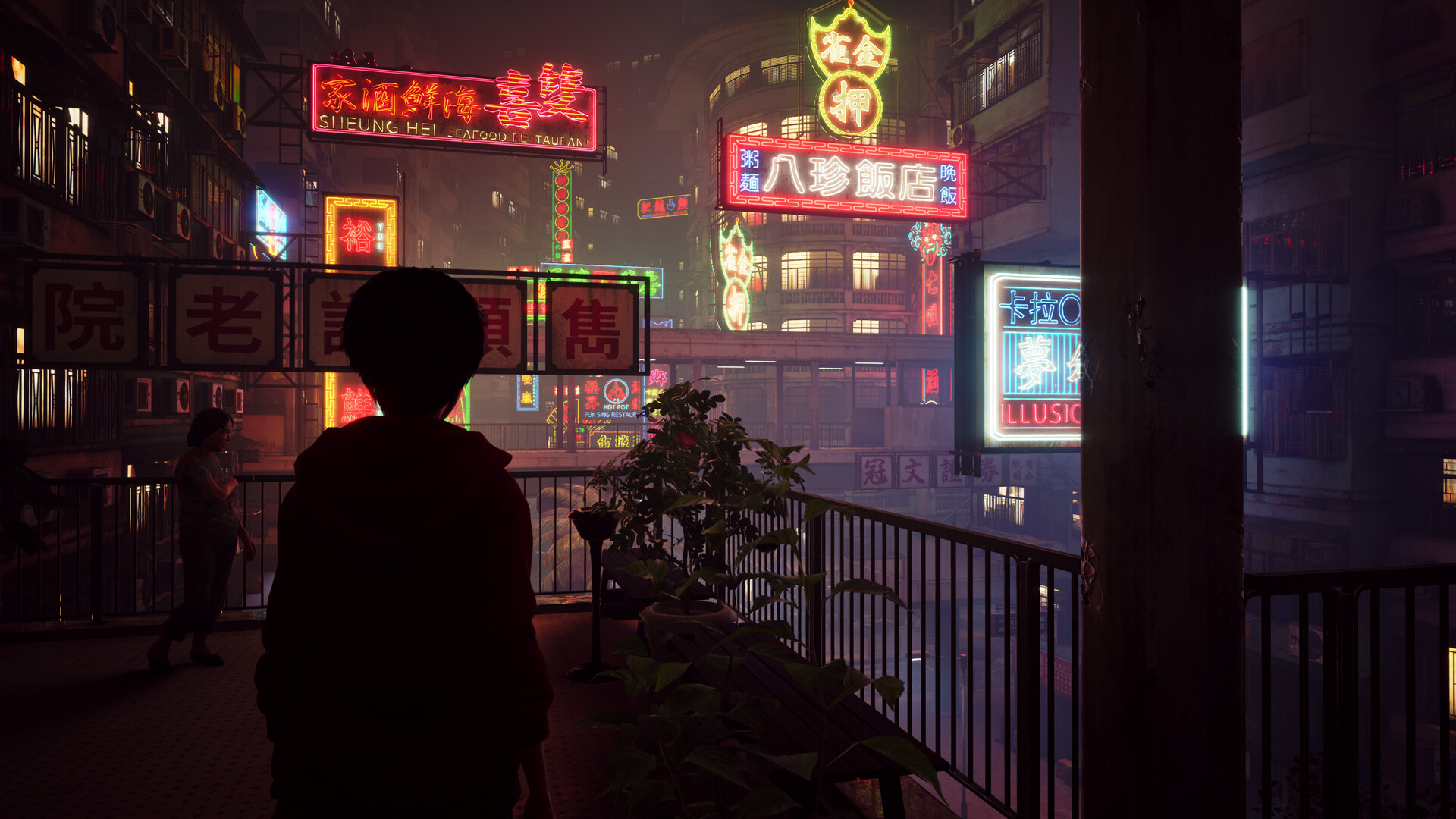
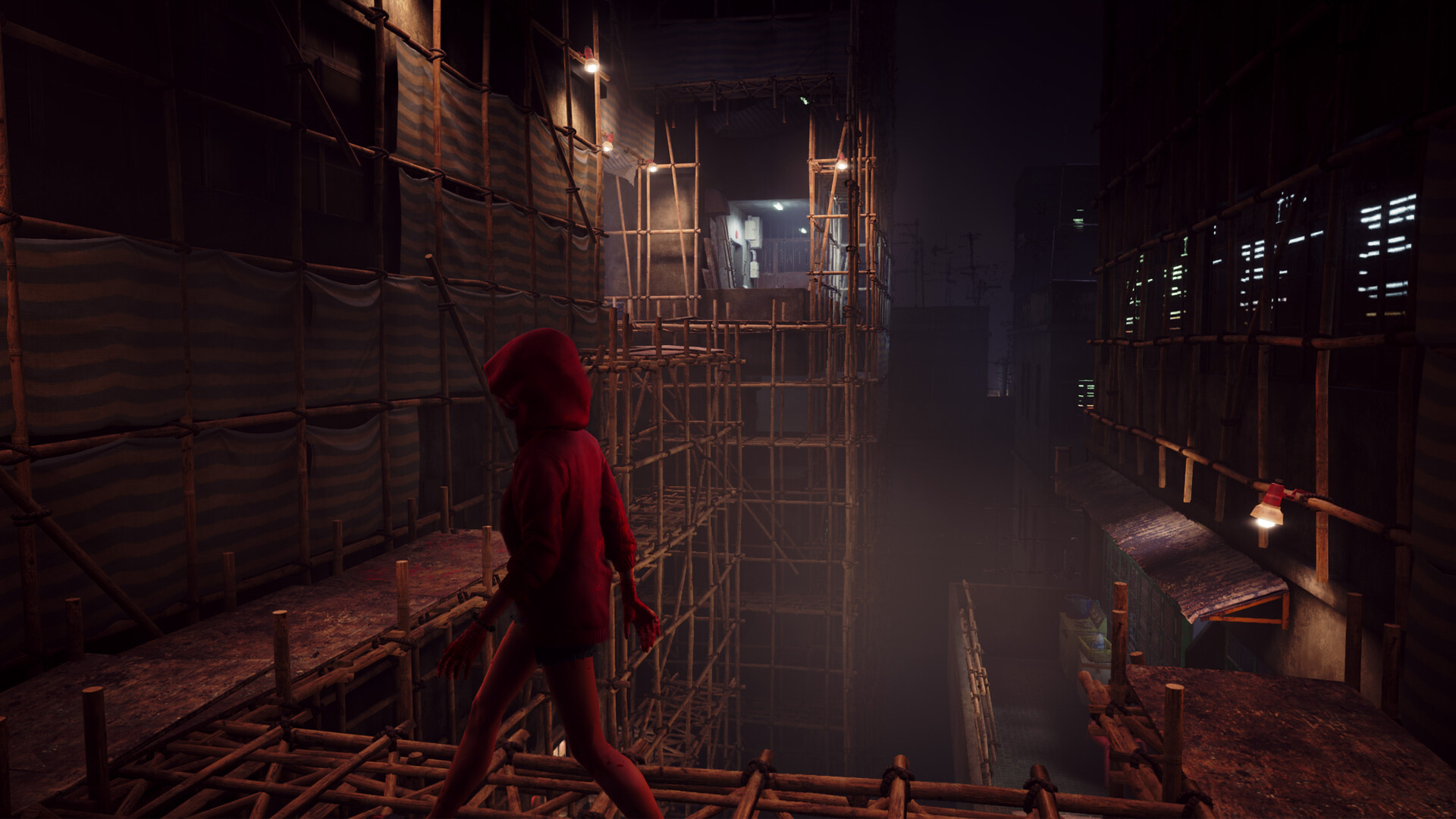
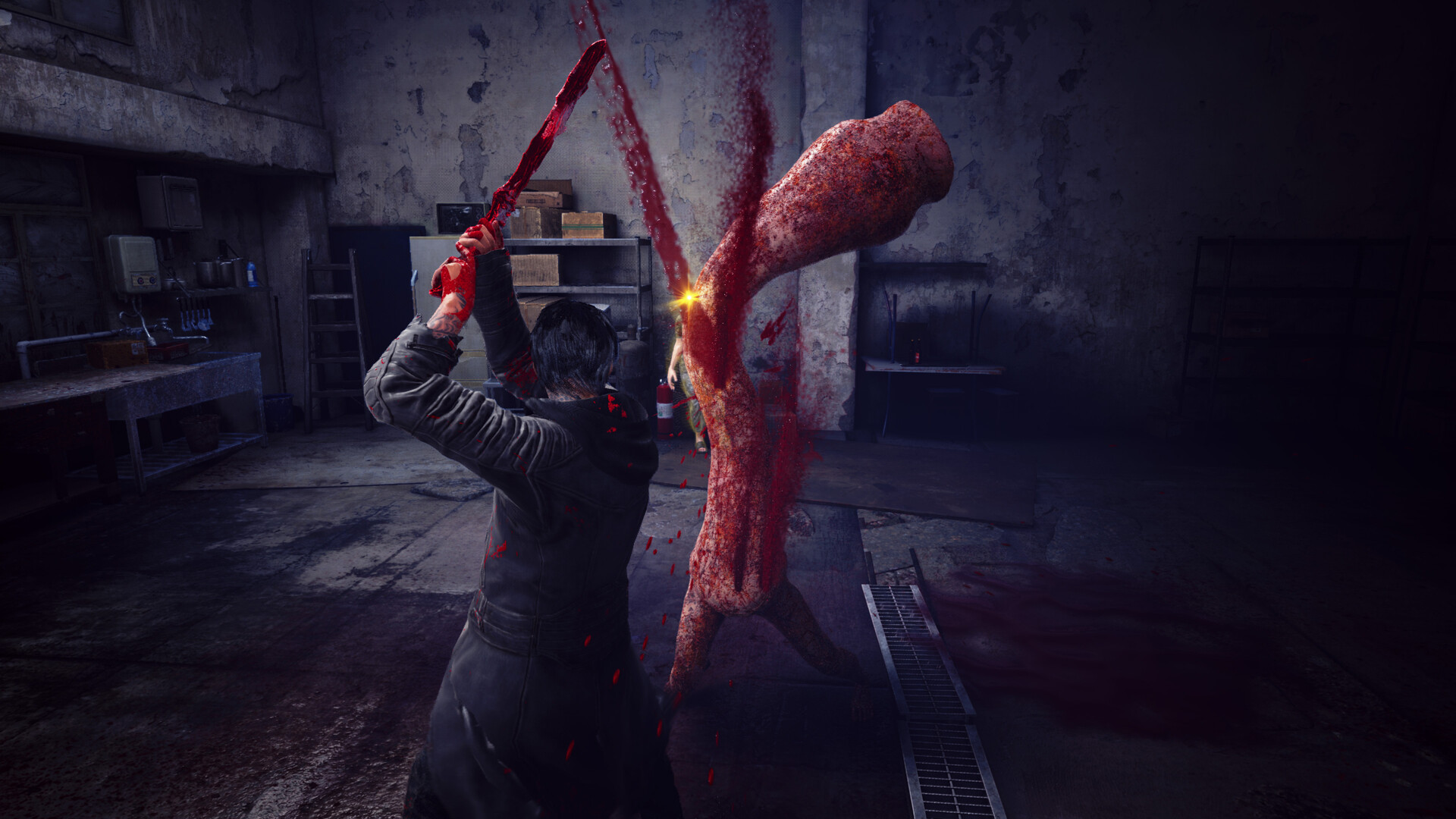
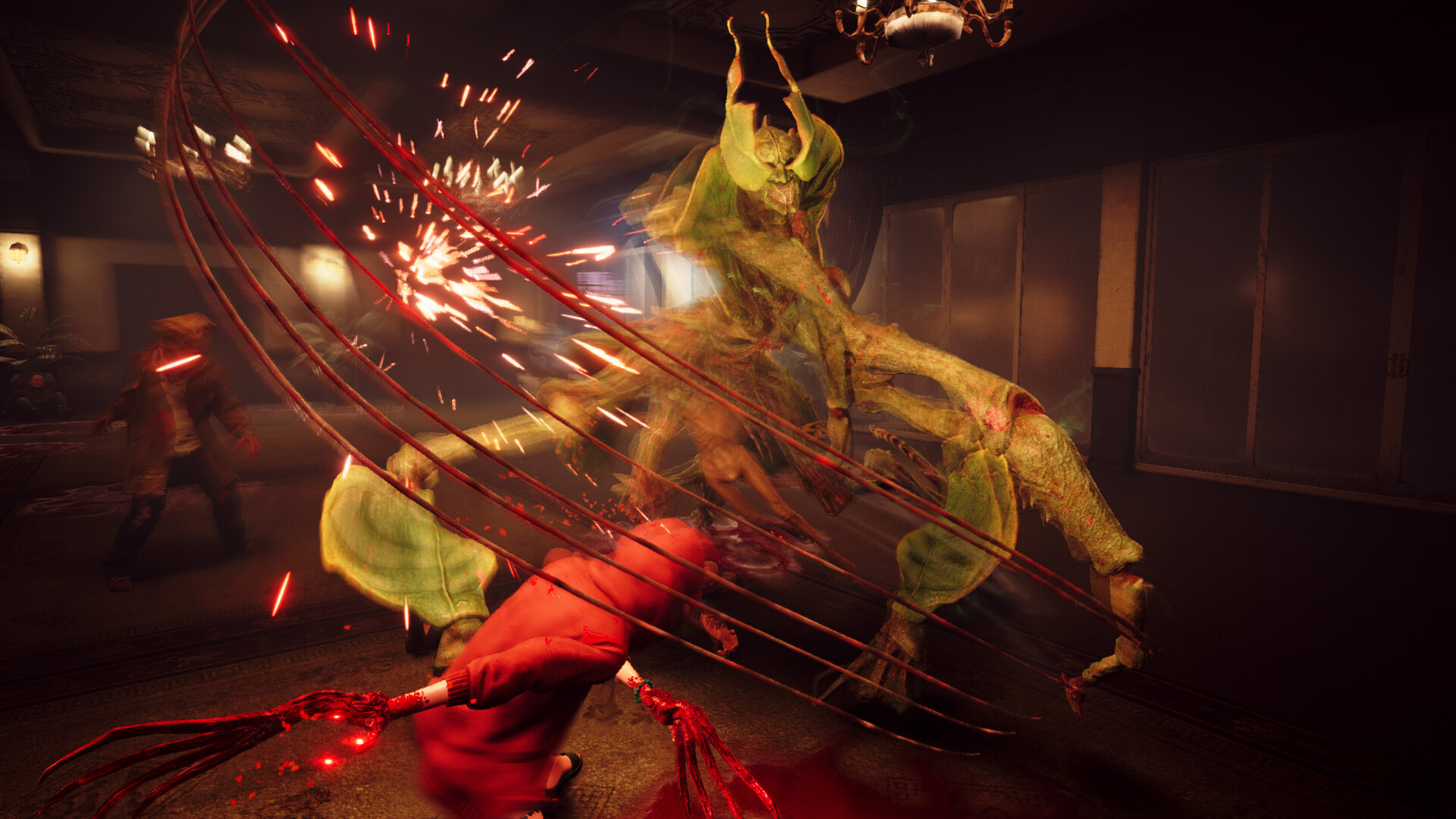
Wow. Just... wow. This game pulled me in for nearly 20 hours and took me back to a time when titles like this were the reason to own a PlayStation 2 or 3. Something new, experimental, and clearly made by a team that wanted to offer players a fresh experience—not just repeat what’s already been done over and over again. Sometimes it's even feels like some abandoned real PS3 game that just releasen in 2024. Yes, it’s a low-budget game, but I truly appreciated how the limited content was justified through the narrative. I’m sure many players wouldn’t even notice it as a cost-saving measure or “lazy dev” move. Personally, I deeply respect when mechanics are explained through the story—it shows a desire to create something cohesive and intentional. At first, I wasn’t thrilled with the gameplay. It felt… strange. I didn’t understand why I should body-hop during combat when I could just beat enemies as the main character without much trouble. But it turns out that was just an adjustment phase—the real gameplay kicks in once you have at least three Rarity characters. That’s when the combat system truly blossoms—not just in core gameplay but also in its meta. You level up characters and can even build your own “team comp” depending on their abilities. I tried every character and genuinely found none of them boring or useless. Each brought something unique, and here’s my personal ranking: 1. Betty 2. Alex 3. Anita 4. Julee 5. Blake 6. Edo 7. Doni 8. Tri To be fair, Doni and Tri only rank low because I got them quite late and didn’t get a chance to really experiment with them. I also loved how many mechanics were introduced that felt naturally connected, while still being easy to grasp—from unique character abilities to exploration and combat. The game does start off with a ton of tutorials and handholding, which was a bit annoying, but honestly? It’s the right call. Without that guidance, many players would be lost. It’s a compromise, but one that works—I didn’t quit the game out of confusion, and I gradually learned the systems at a good pace. What really surprised me was how much Keiichiro Toyama brought in from his earlier games. Vertical exploration like in Gravity Rush (but without levitation, just some parkour and "grappling hook"), the ability to see through the enemy’s eyes, character switching, time travel, and of course, cults and gods like in Siren (and, naturally, Silent Hill). None of it feels like cheap fan service—it’s all stitched together in a way that feels like he’s genuinely trying to make something his own again, drawing from decades of experience. I loved hunting Slitterheads, the chase scenes, the subtle stealth segments, even the light investigative elements. It's a shame all of this is very linear and heavily guided, but again—I get why. That said, the one thing I truly wish had been deeper was the investigations. Right now, you just walk to a marker and press a button to read scripted text. But what if there was a detective mechanic like in Frogwares’ games? Examining the environment, solving simple puzzles, connecting thoughts in the protagonist’s mind like in Sherlock Holmes or The Sinking City? The pacing is also handled wonderfully. The game knows it's a B-movie action title (in the best sense—even if it sometimes leans into junky vibes), so it frequently refreshes the experience with beautifully directed cutscenes. These moments act like a palate cleanser between gameplay segments and keep the experience from getting exhausting. Every cinematic was a treat. And the music… Akira Yamaoka finally delivered something truly fresh in the horror genre again. The soundtrack is incredibly diverse, sometimes downright jarring (lo-fi hip-hop with growling and dog barks? Sure, why not)—but it all fits. Maybe Toyama directed Yamaoka more effectively, or maybe the old Silent Hill team synergy kicked back in. I’m not even a Yamaoka fan, but this is easily his best soundtrack in years. Now let’s talk setting and story: I’ve always loved Kowloon as a pop culture phenomenon. It has a unique atmosphere, and my love probably started way back when I played Shenmue as a kid. The game absolutely nails it—I enjoyed the vibe every second. Story-wise... it was strange. I won’t say it hit me as hard as Rule of Rose, but it kept me engaged from beginning to end. That alone is rare for me—I usually lose interest in most game stories fast. But this? It’s something different. Well-delivered, unpredictable, and packed with wild ideas that somehow don’t come off as a chaotic mess. Everything felt like it had a place. And I especially loved how we weren’t right in the epicenter of the story—but rather caught up in a side thread of something much bigger. It reminded me of Jim Jarmusch’s Only Lovers Left Alive in that way. What matters most—aside from the fact that it was just genuinely fun to play—is that I want to dig deeper. I want to watch videos, read articles, find hidden details I might have missed. Now about the characters. This might sound like a joke, but here goes: big Western studios spend millions trying to build a “diverse cast” and often fail miserably. Meanwhile, this niche game by a relatively young team gave me EIGHT characters—each of them at least intriguing and memorable. Who are they? A schoolboy, a Muslim(?) housewife, a biker doctor, a cop, a homeless ex-boxer, a prostitute, a store clerk aspiring to be an actress, and an elderly woman. No, this game isn’t for everyone. But it does do everything it can to keep players engaged. It’s experimental—but within reason. There’s simply nothing else quite like it. Sure, some mechanics were done before (Parasite Eve: The 3rd Birthday comes to mind), but this game is very much its own thing—and that alone is valuable. That it's compelling both narratively and mechanically just makes it all the more impressive. It’s a shame that many players won’t appreciate or support something like this. And then, ironically, those same people will be the first to complain that “everything feels the same” in the industry—identical games, identical mechanics, and stories so basic you could follow them with your screen turned off.
Expand the review