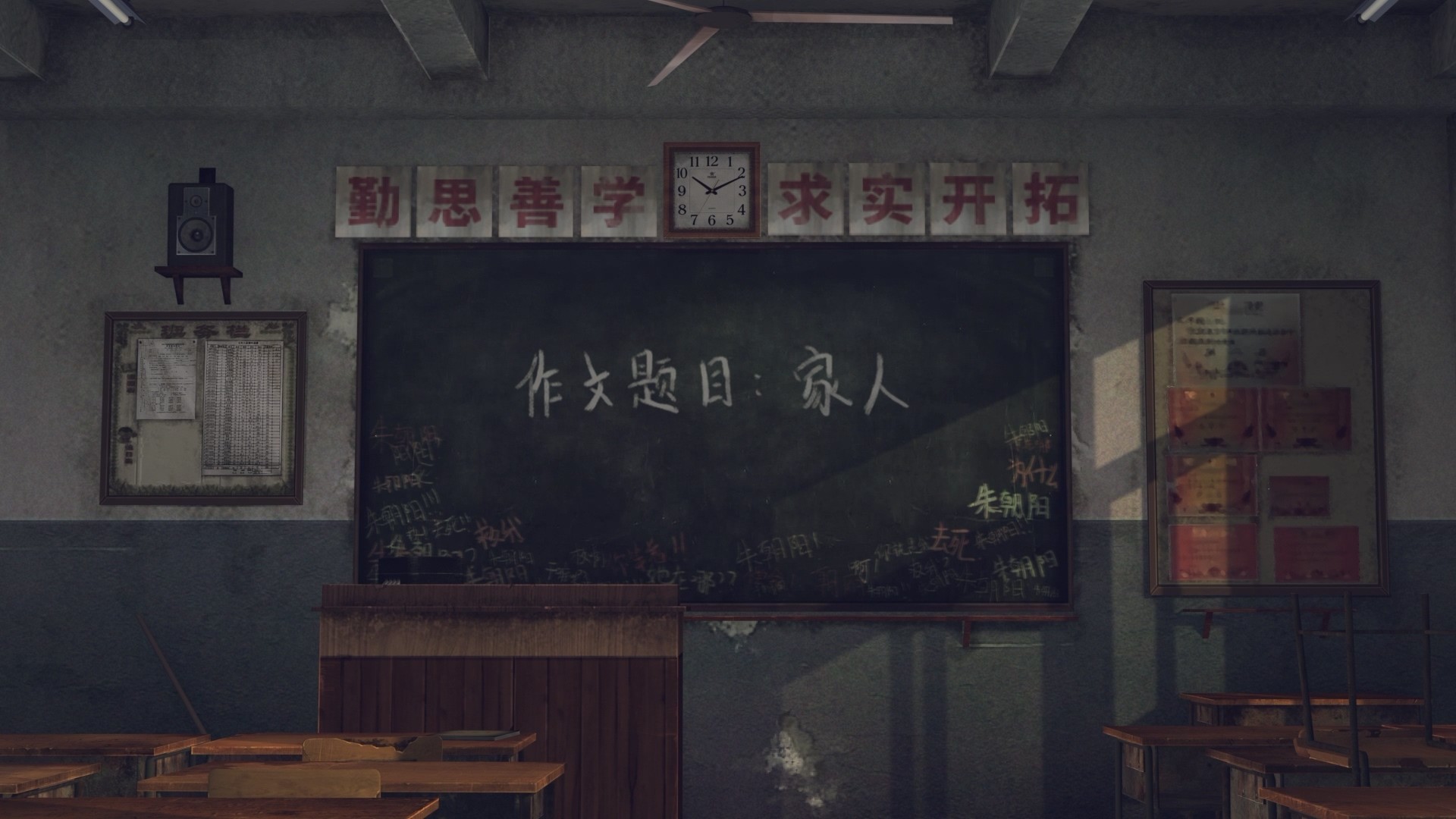
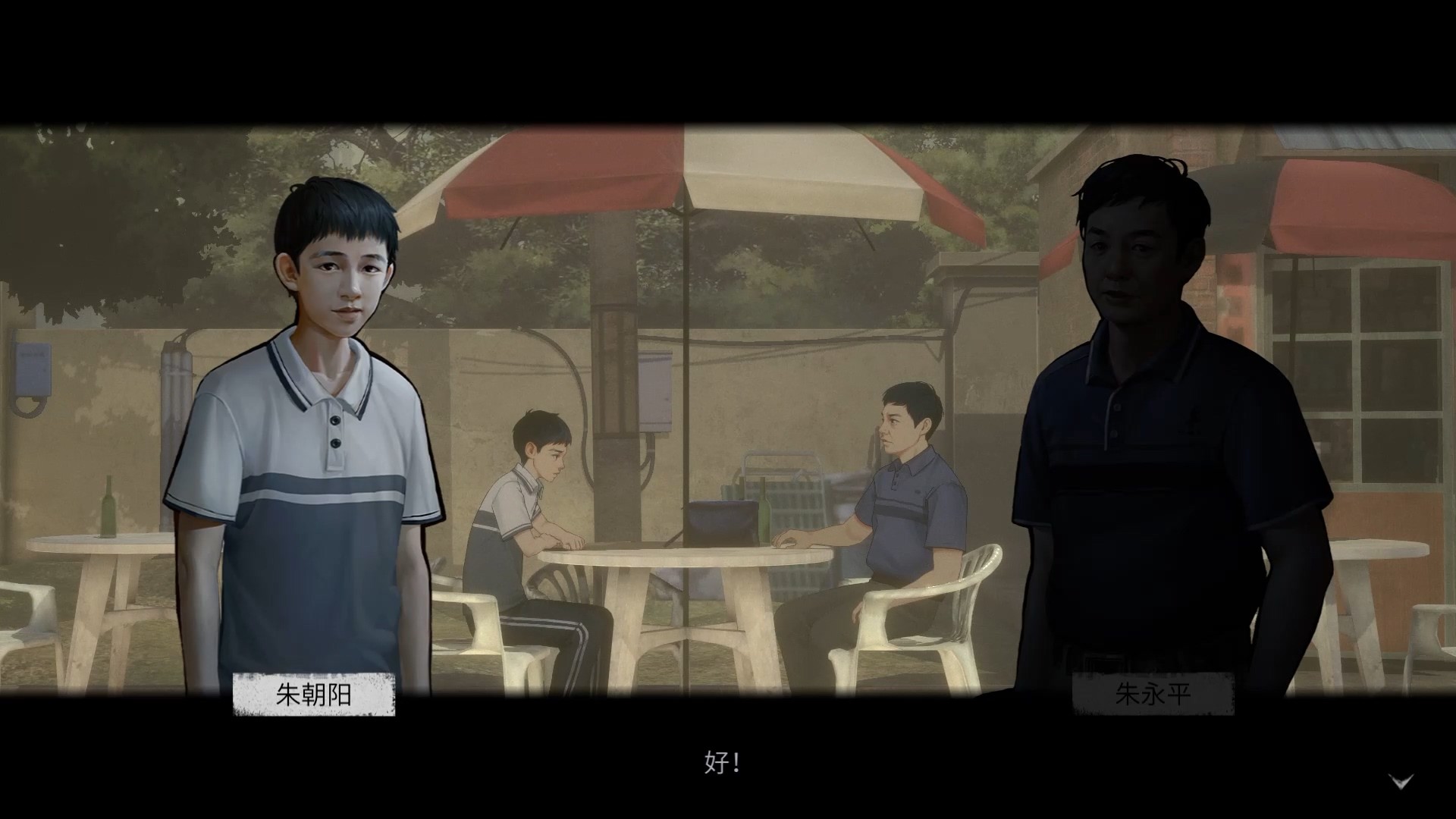
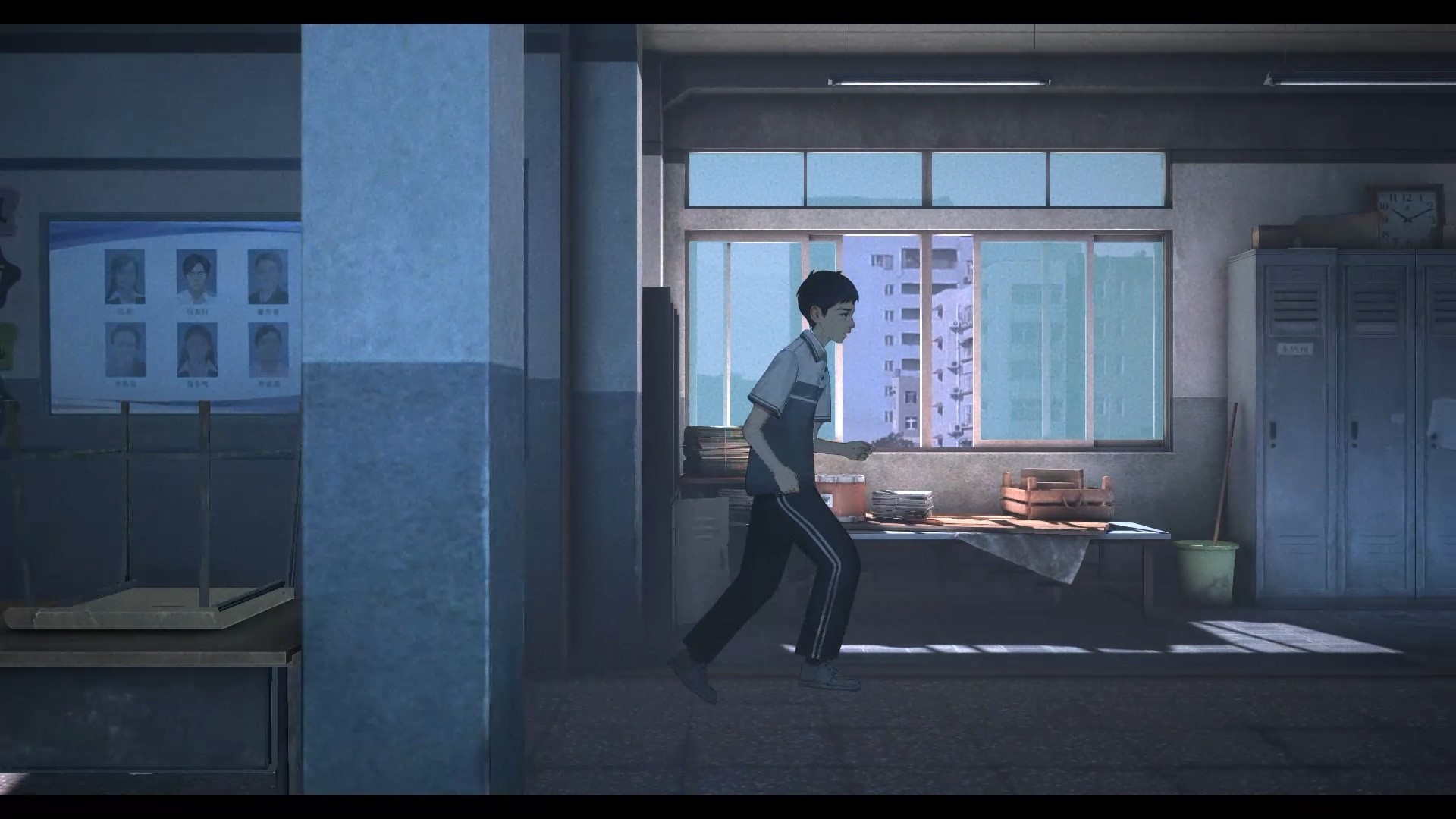
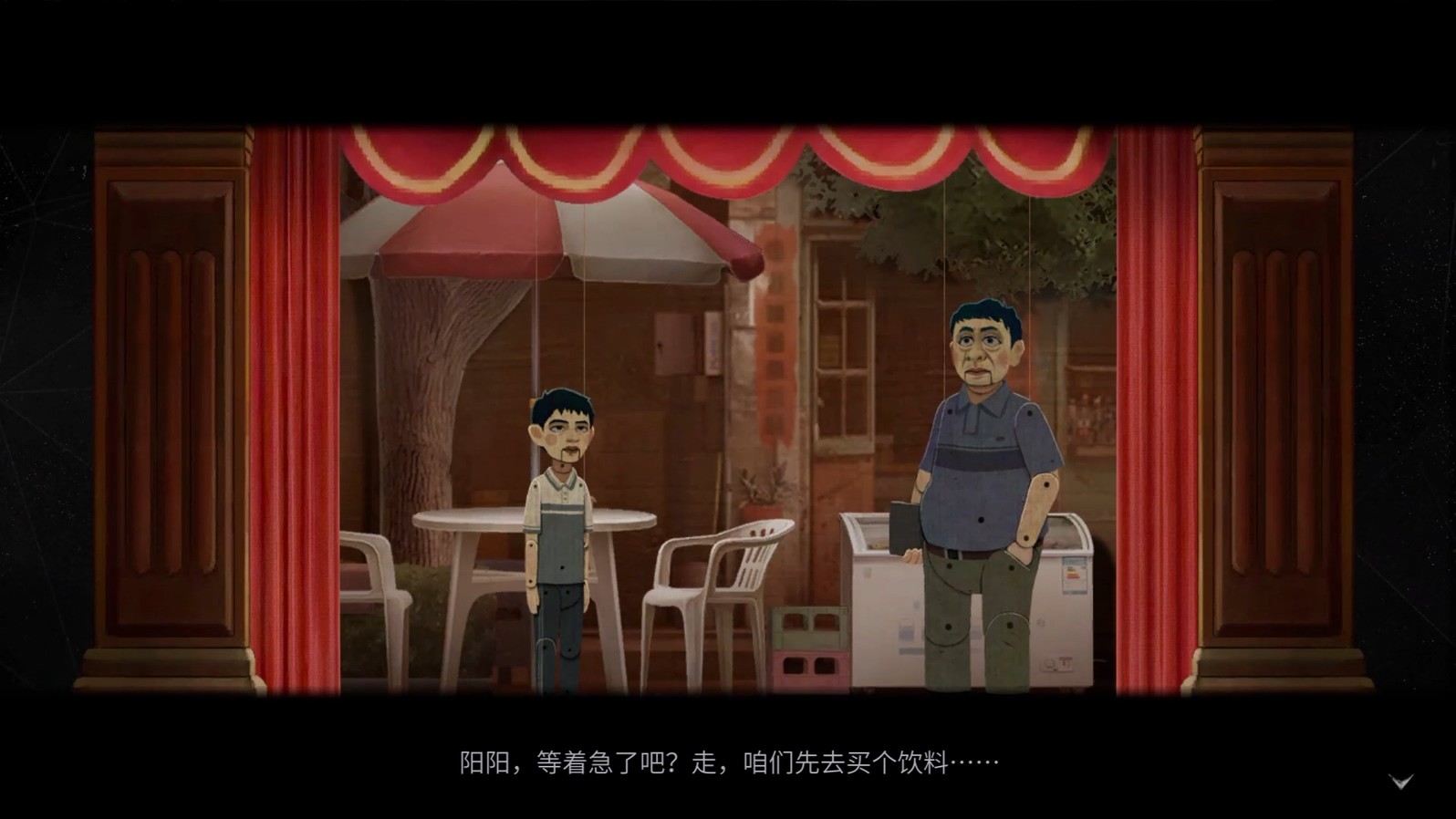
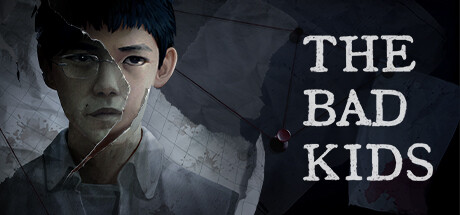
The Bad Kids, developed by Aluba Van+ and published by LightOn Game, is a gripping psychological mystery that combines the structure of an interactive thriller with the quiet dread of a coming-of-age drama. Based on the acclaimed Chinese television series “Cat’s Cradle,” the game reimagines its premise into an interactive narrative that draws players into the perspective of Zhu Chaoyang, a junior high student who becomes entangled in a chain of unsettling events that blur the line between innocence and guilt. Rather than relying on traditional horror or shock value, the game’s tension grows from its deep psychological focus and the suffocating weight of everyday cruelty. It is a story about moral ambiguity, childhood trauma, and the subtle ways fear and guilt manifest when the world of adults collapses into the lives of children. From the first moments, it is clear that The Bad Kids wants to disturb not with monsters or jump scares, but with the slow, creeping realization of how fragile trust and truth can be. The atmosphere is one of quiet unease. Set in realistic environments that feel grounded yet slightly surreal, the game uses its 3D engine not for spectacle but for immersion. Each space, from the narrow school corridors to the shadowed apartments and rooftops overlooking the city, is designed to feel both ordinary and claustrophobic. The muted lighting, subdued color palette, and sparse soundscape build a tone of emotional isolation. There is a sense that every wall hides a secret, every silence carries guilt. The world feels heavy, and that weight amplifies the psychological tension as the player explores, investigates, and slowly unravels what really happened. The visual style may not match the polish of big-budget titles, but its restraint suits the story; the lack of embellishment keeps the focus on emotion, atmosphere, and subtle details. The gameplay blends exploration, investigation, and logical deduction. Rather than handholding, the game asks players to observe carefully and draw conclusions from small fragments of evidence scattered throughout the environment. You collect clues, analyze notes, and interpret events from conversations or environmental details that may initially appear insignificant. Each discovery brings new layers of understanding about the relationships between the characters—friends who lie, families who hide, and a child caught in the middle of it all. The pacing is deliberate, and while it occasionally borders on slow, it rewards players who approach it thoughtfully. The Bad Kids isn’t about fast action or quick rewards; it’s about piecing together a puzzle of emotional truths and hidden motives. There are also decision points and interactive moments that subtly influence the story’s progression, allowing the player to shape Zhu Chaoyang’s perception of right and wrong, though the overall narrative remains focused and linear. What gives the game its emotional power is its commitment to depicting human complexity. Zhu Chaoyang is not a typical protagonist. He is intelligent, withdrawn, and burdened by circumstances beyond his control. The narrative places him between childhood innocence and premature adulthood, forcing the player to feel the tension of his moral dilemmas. The adults around him are not villains in the traditional sense but deeply flawed individuals whose secrets ripple outward, affecting everyone nearby. This dynamic gives the story a raw authenticity. The Bad Kids confronts themes of neglect, deception, and moral compromise with a sensitivity that few games attempt, especially within the indie scene. It uses the mystery structure not just to intrigue but to explore character psychology, asking players to consider what it means to survive in a world that constantly teaches you to lie. While the narrative and atmosphere are strong, the game’s technical aspects can feel uneven. The controls and camera are functional but occasionally awkward, and the puzzles, while thematically appropriate, sometimes lack polish or complexity. There are moments when the pacing falters or the mechanics don’t feel as intuitive as they should. However, these limitations are often overshadowed by the emotional resonance of the story and the strength of its tone. The restrained approach to gameplay serves a narrative purpose: it slows the player down, making them observe, think, and internalize what’s happening. For players who crave depth of feeling and narrative immersion over mechanical challenge, this design choice becomes a strength rather than a flaw. The sound design contributes greatly to the atmosphere. The soundtrack is sparse, leaning heavily on ambient tones and understated melodies that evoke melancholy and suspense. The absence of constant music allows environmental sounds—footsteps on wet pavement, the faint buzz of streetlights, the echo of dialogue in empty rooms—to take on emotional weight. It’s a design that mirrors the game’s themes: quiet moments carry the loudest meaning. The voice acting, delivered in Mandarin, is authentic and understated, enhancing the cultural and emotional grounding of the story. Even if the player doesn’t understand the language directly, the performances convey tone and tension beautifully. The Bad Kids is not a game meant for everyone. It is slow, introspective, and unafraid to dwell in moral discomfort. It doesn’t offer escapism but instead invites empathy and reflection. It challenges players to look closely at human weakness and to confront the darker aspects of growing up in a world that rarely protects the vulnerable. The fact that it is an adaptation of a Chinese series gives it a cultural uniqueness that sets it apart from most Western thrillers; it captures the rhythm and emotional cadence of East Asian storytelling—subtle, restrained, yet devastatingly intimate. For players who value narrative-driven experiences, especially those drawn to the psychology of guilt and consequence, The Bad Kids delivers a rare and memorable journey. Ultimately, The Bad Kids stands out not for its mechanics but for its courage to explore uncomfortable truths. It captures the quiet horror of moral decay, the loneliness of adolescence, and the tension between perception and reality. Its imperfections make it feel more human, its pacing mirrors the slow unraveling of guilt, and its restrained presentation serves as a reminder that sometimes the scariest stories are not about what we see but what we understand too late. It is a haunting, emotionally charged experience that lingers long after it ends—a thoughtful piece of narrative art that shows how games can explore the subtle spaces between innocence and corruption, truth and deception, childhood and the loss of it. Rating: 7/10
Expand the review