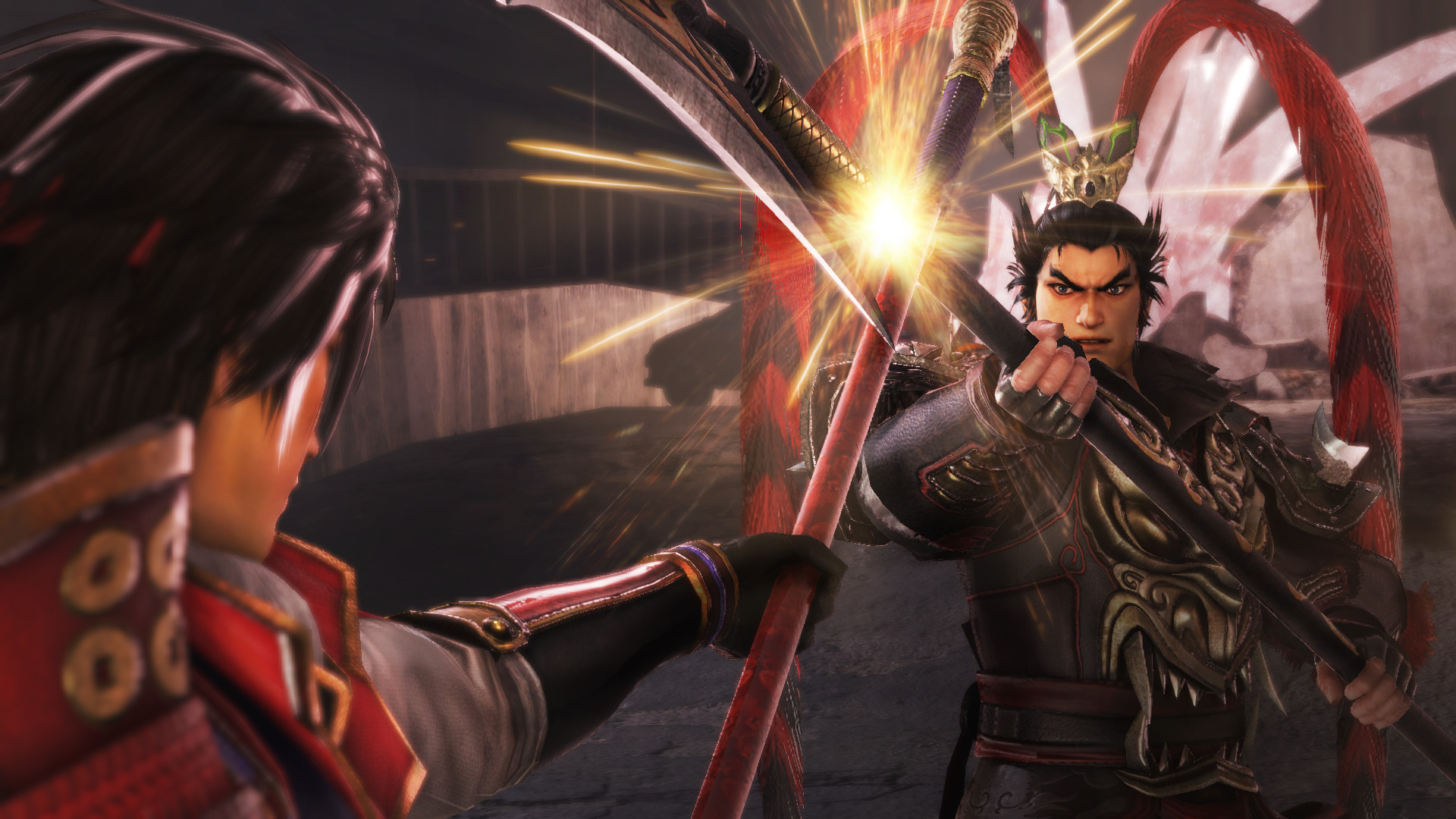
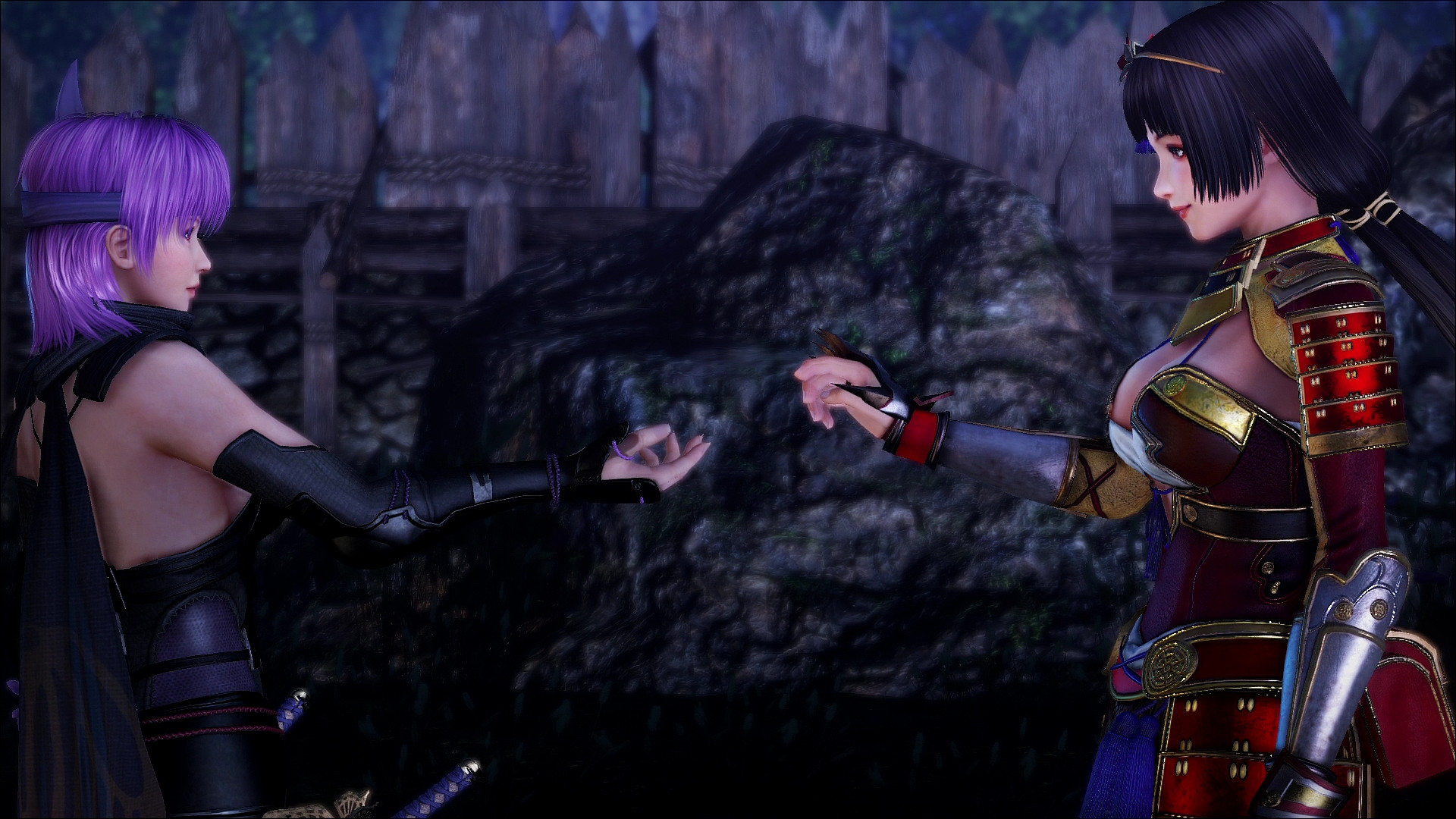
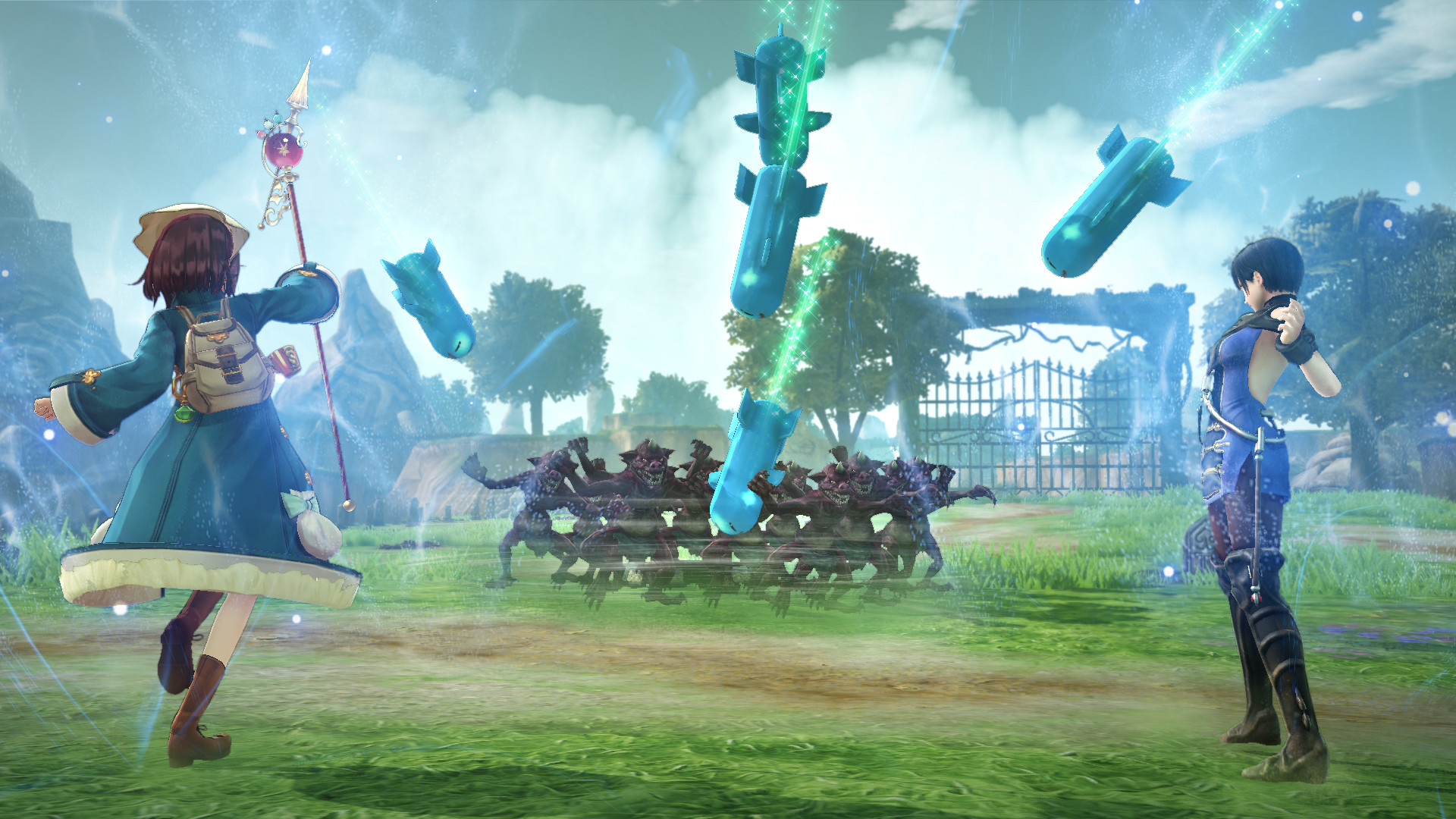
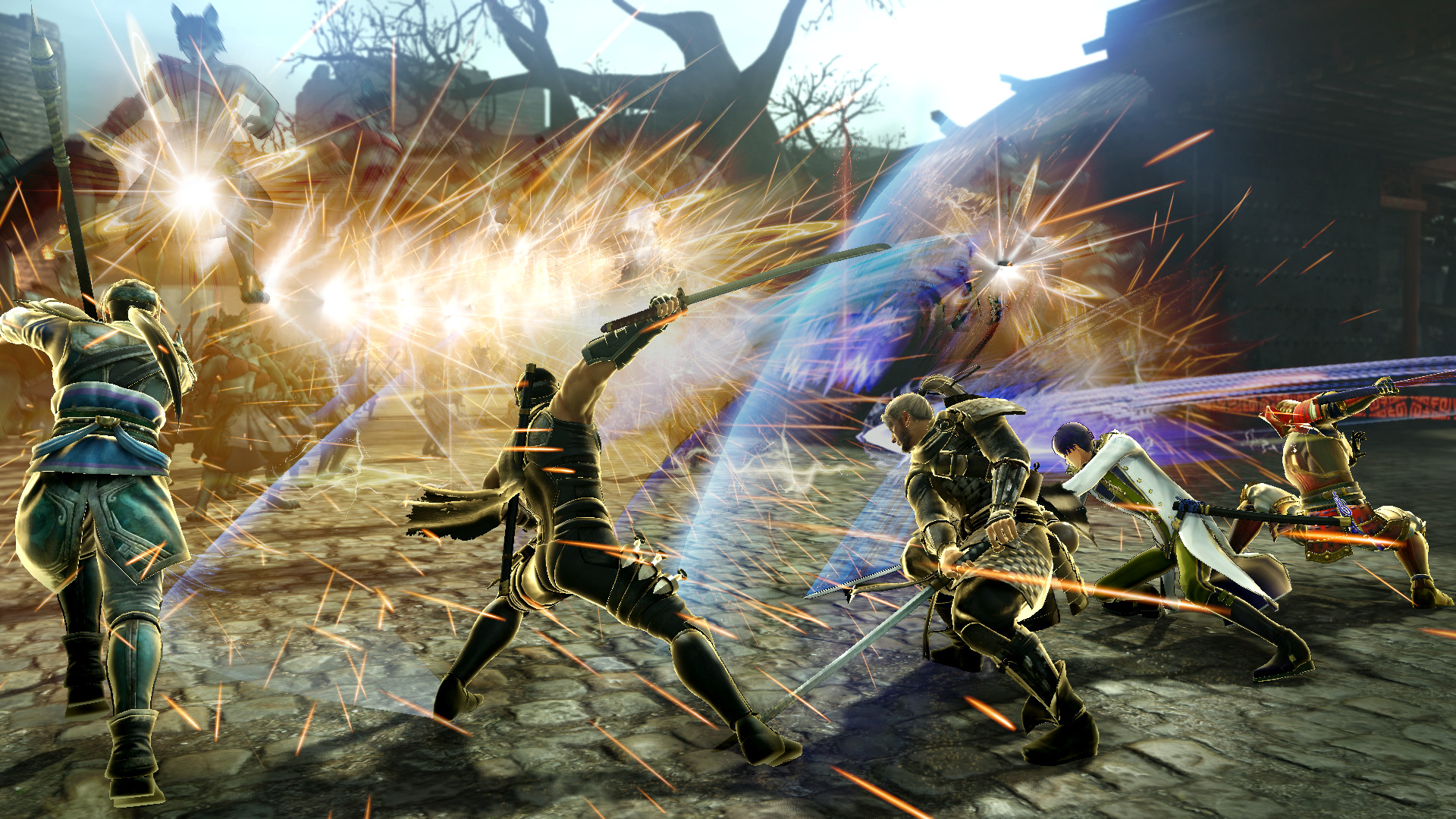
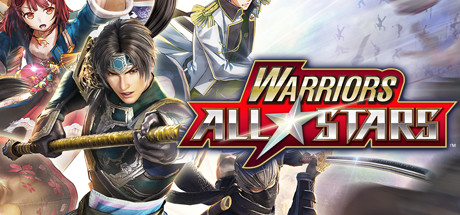
Warriors All-Stars, developed and published by KOEI TECMO GAMES, is a crossover musou title that brings together characters from across the company’s various franchises, turning what could have been a simple marketing showcase into a surprisingly heartfelt celebration of its intellectual properties. The game begins with a familiar Warriors premise—a kingdom in crisis summons champions from different worlds to restore balance—but the narrative uses this conceit to justify an ensemble cast that includes characters from Samurai Warriors, Dynasty Warriors, Dead or Alive, Ninja Gaiden, Toukiden, Atelier, Nioh, Nights of Azure, and several niche series rarely seen outside Japanese markets. Rather than feeling stitched together, the crossover works because the story never aims for epic gravitas. Instead, it embraces light comedy, earnest interaction, and the novelty of incompatible personalities learning to cooperate. While the results can be goofy or melodramatic, there’s a sincere charm to seeing characters acknowledge one another’s cultural and tonal differences without irony. The gameplay follows the traditional Warriors formula—high-speed hack-and-slash combat set against enormous enemy battalions—but introduces systems designed specifically to showcase the multiverse concept. Each playable character retains signature moves, animations, weapons, and combat philosophies drawn from their original series, making the roster feel meaningfully diverse rather than cosmetically varied. Ryu Hayabusa’s swift, precise swordplay contrasts with William from Nioh, whose heavier strikes emphasize disciplined positioning, while Atelier heroines use alchemy-based abilities that feel whimsical compared to the grounded military styles of Dynasty and Samurai Warriors. Because each character translates their identity into mechanics, experimenting with the cast becomes as rewarding as clearing objectives. The musou experience—overwhelming hundreds of enemies with flashy skills—remains intact, but the game’s combat gains texture through the distinct personalities represented in moment-to-moment play. Warriors All-Stars also introduces supporting hero mechanics, allowing players to form squads of allies who provide passive bonuses, assist attacks, team-based supers, and tactical perks. These link abilities encourage players to think beyond button-mashing, supporting different approaches to crowd control, boss management, mobility, or survivability. The result deepens loadout strategy beyond stat optimization, inviting experimentation with character synergies. Mission maps include branching routes, optional objectives, dynamic events, and faction-based territorial control, helping keep encounters varied despite the genre’s reputation for repetition. While the core loop remains the familiar musou rhythm—charge forward, clear bases, defeat commanders, capture objectives—the added systems give players more agency and room for creativity. Narratively, the game branches depending on the protagonist selected, offering multiple campaign routes, character-specific perspectives, and alternate endings. This structure reinforces replayability, letting players role-play different alliances and moral stances rather than experiencing the crossover through a single canonical lens. The writing rarely attempts heavy drama, but its comedic interplay, meta references, and earnest fanservice make it easy to appreciate. The joy comes from discovering how characters with drastically different backgrounds react to one another—how a stoic samurai handles meeting a magical alchemist, or how a sports idol navigates ancient warfare. The tone remains buoyant even during tense story moments, prioritizing entertainment over philosophical weight. Visually, Warriors All-Stars reflects KOEI TECMO’s signature aesthetic: vibrant colors, expressive character modeling, elaborate costume designs, and exaggerated combat effects. The visual diversity of the cast, each retaining stylistic elements from their original series, makes the game feel like an animated museum exhibit. Environmental art, while less impressive, serves its gameplay purpose with clear layouts and readable objectives. The soundtrack pulls music themes from multiple franchises, remixing iconic motifs to suit large-scale battles. Audio cues—voice quips, ability triggers, crowd reactions—help maintain a lively battlefield atmosphere, while the Japanese voice acting reinforces character authenticity. The game does have limitations, some tied to its musou foundation and some to structural design. Enemy AI remains simplistic, requiring players to generate personal challenge rather than relying on system-driven difficulty. Mission repetition becomes noticeable for players who extend runs significantly without switching characters or campaign routes. The roster, while sizeable, reveals licensing and prioritization constraints—major franchises receive more representation than lesser-known ones, and fan favorites from certain series are missing entirely. The PC version has also received criticism for limited graphical settings, optimization issues, and lack of robust post-release support, reflecting a broader trend within Warriors PC ports. These issues do not undermine the core experience, but they can affect long-term enjoyment or accessibility. Despite such drawbacks, Warriors All-Stars succeeds because it understands the emotional appeal of crossovers—not as power rankings or forced cinematic universes, but as celebrations of familiar characters placed in unfamiliar contexts. It lets players indulge in the fantasy of assembling their dream team, forming alliances impossible in their home narratives, and reveling in the kinetic satisfaction of musou combat. The game does not reinvent the Warriors formula, but it refines and redirects it toward joyful appreciation rather than historical retelling or mythic battlefield drama. For musou fans, collectors of KOEI TECMO franchises, or players who enjoy lighthearted crossover experimentation, Warriors All-Stars offers a colorful, energetic, and lovingly constructed experience. It rewards curiosity, experimentation, and replayability rather than singular progression, and it treats its characters with respect, even when leaning into comedy. While not the most mechanically ambitious Warriors title, it remains one of the most spirited—a reminder that fanservice, when done with sincerity and playful imagination, can become more than novelty. Rating: 7/10
Expand the review