Look Outside
Look Outside is a survival horror RPG set in a single apartment building. A mysterious event turns anyone who looks out the window into grotesque monsters, leaving the world in absolute chaos. Scavenge the building to seek food, supplies, and weapons while encountering strange characters.
Sync your Steam wishlist to find the lowest game prices instantly. No login required, just paste your Steam profile URL!
⚡ Try Wishlist Radar!
Sync your Steam wishlist to find the lowest game prices instantly. No login required!
⚡ Try Wishlist Radar!
Close

Welcome to Elderfield on Steam
Quick menu
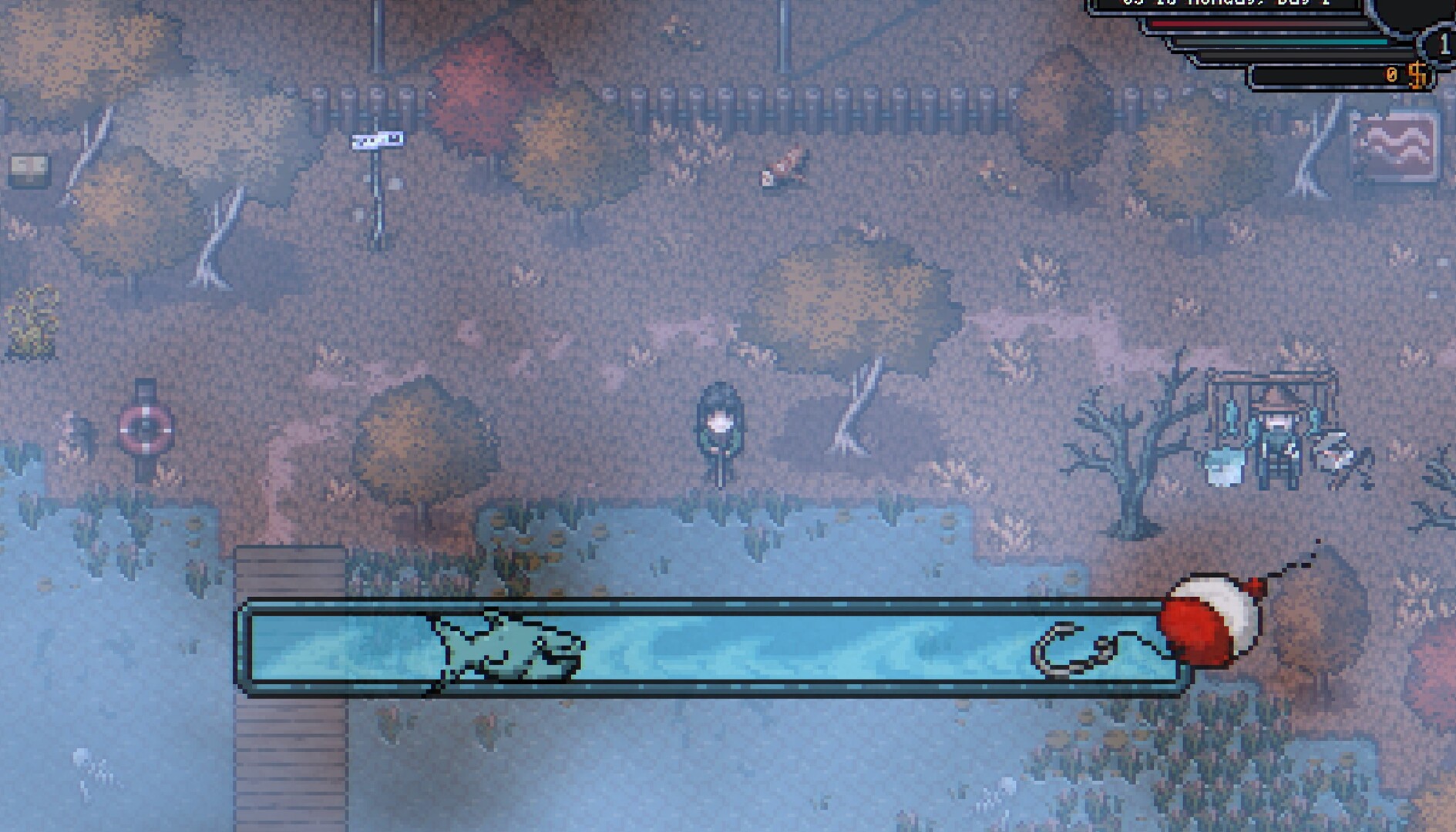
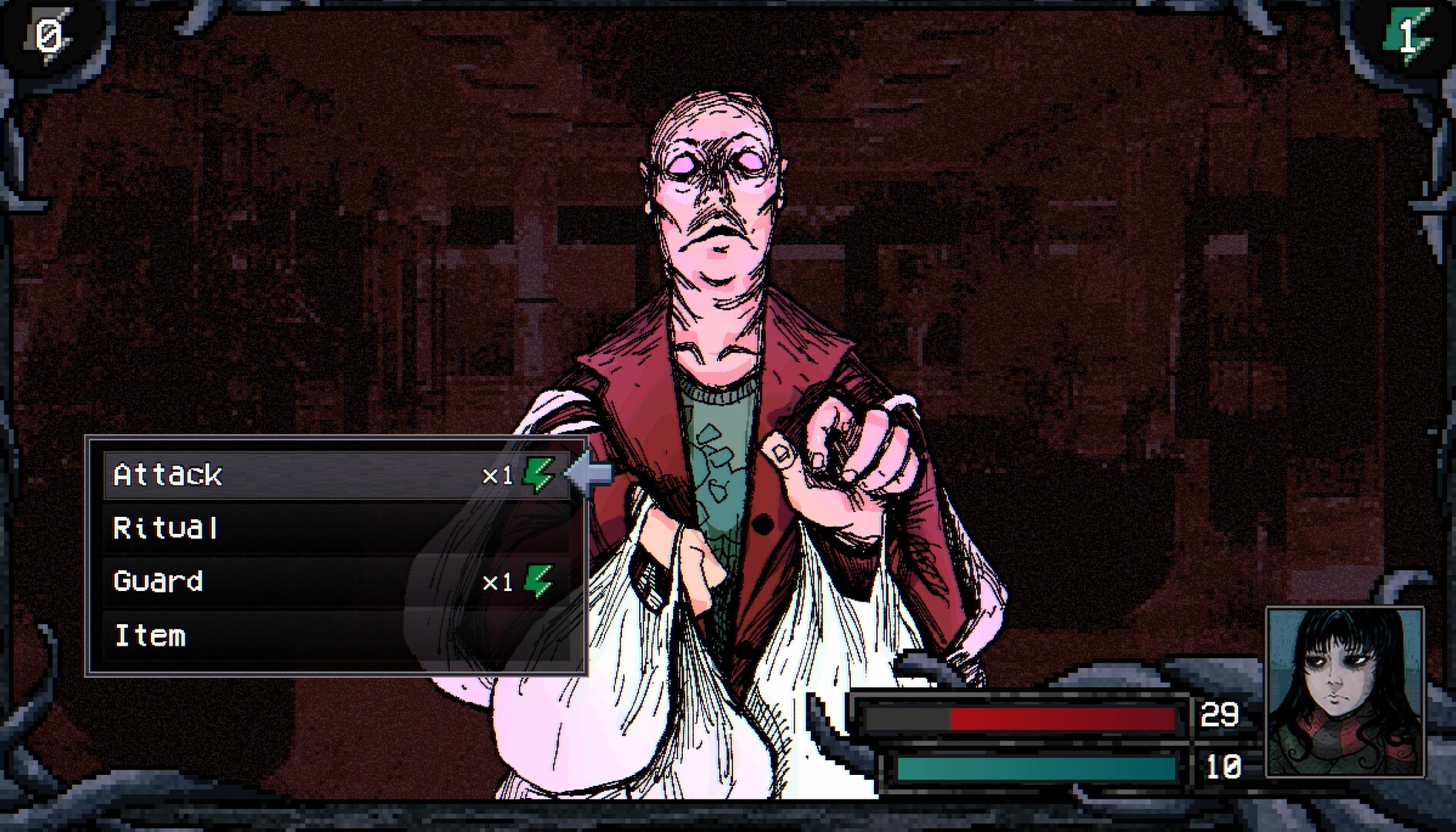
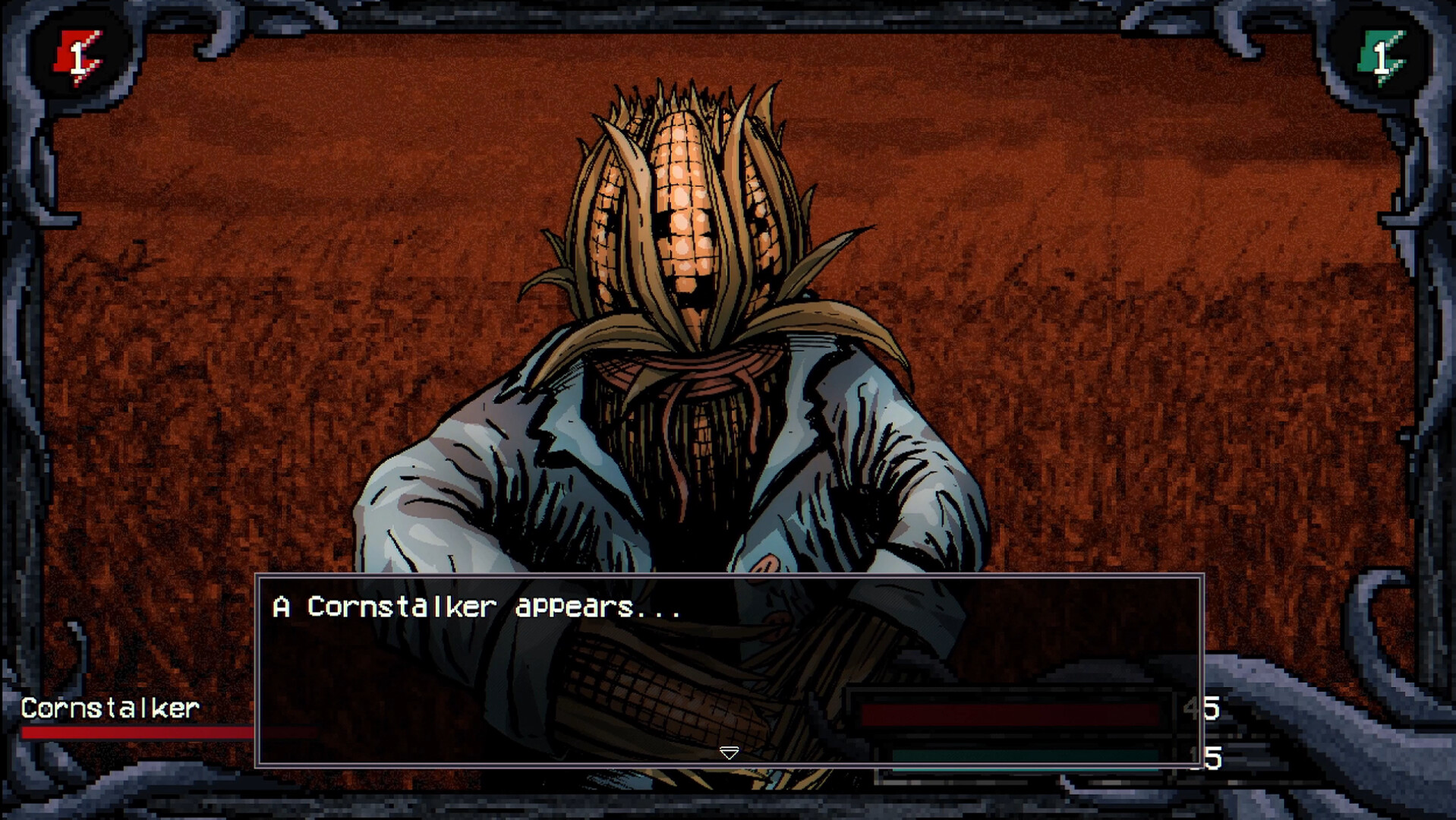
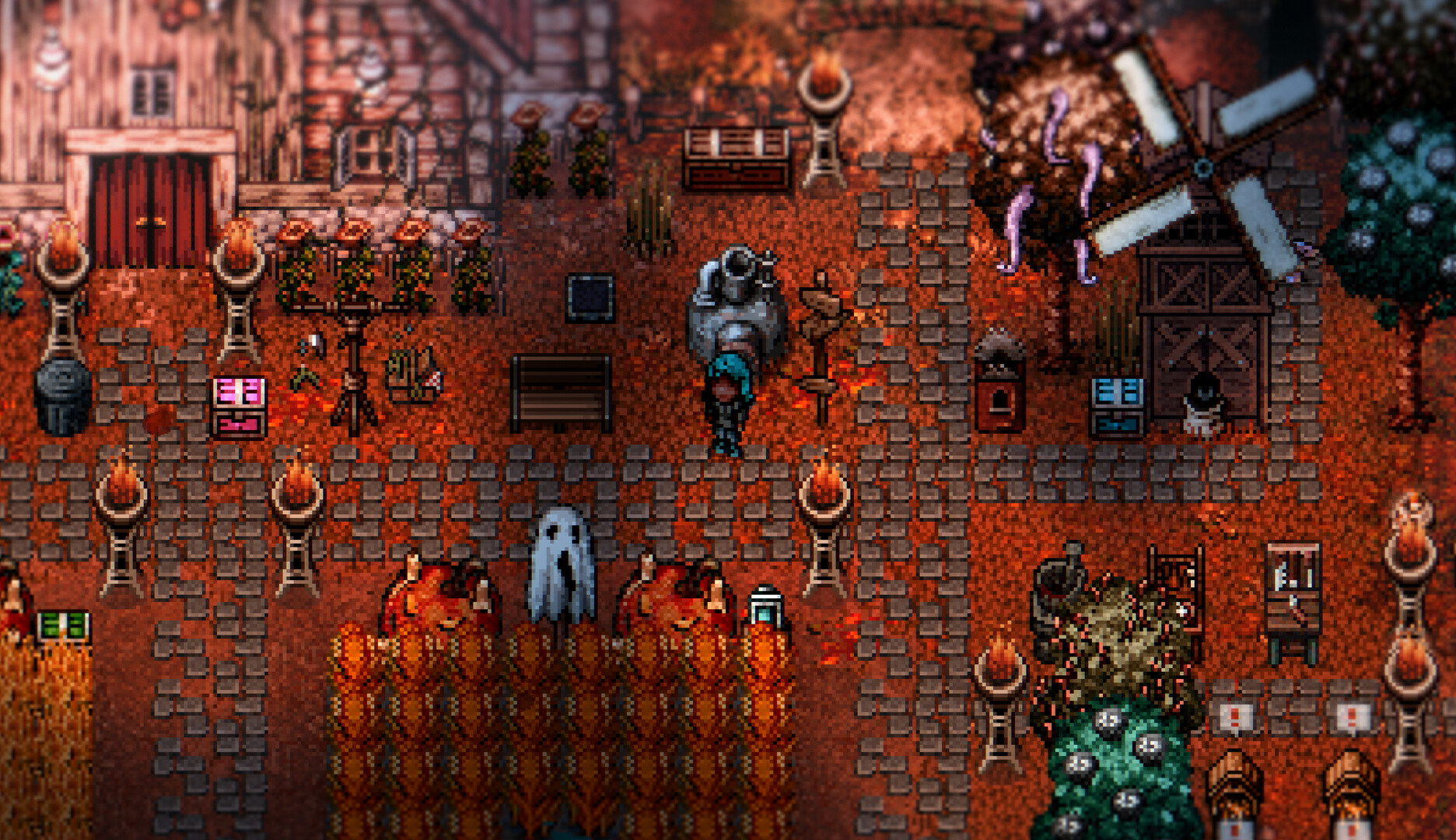
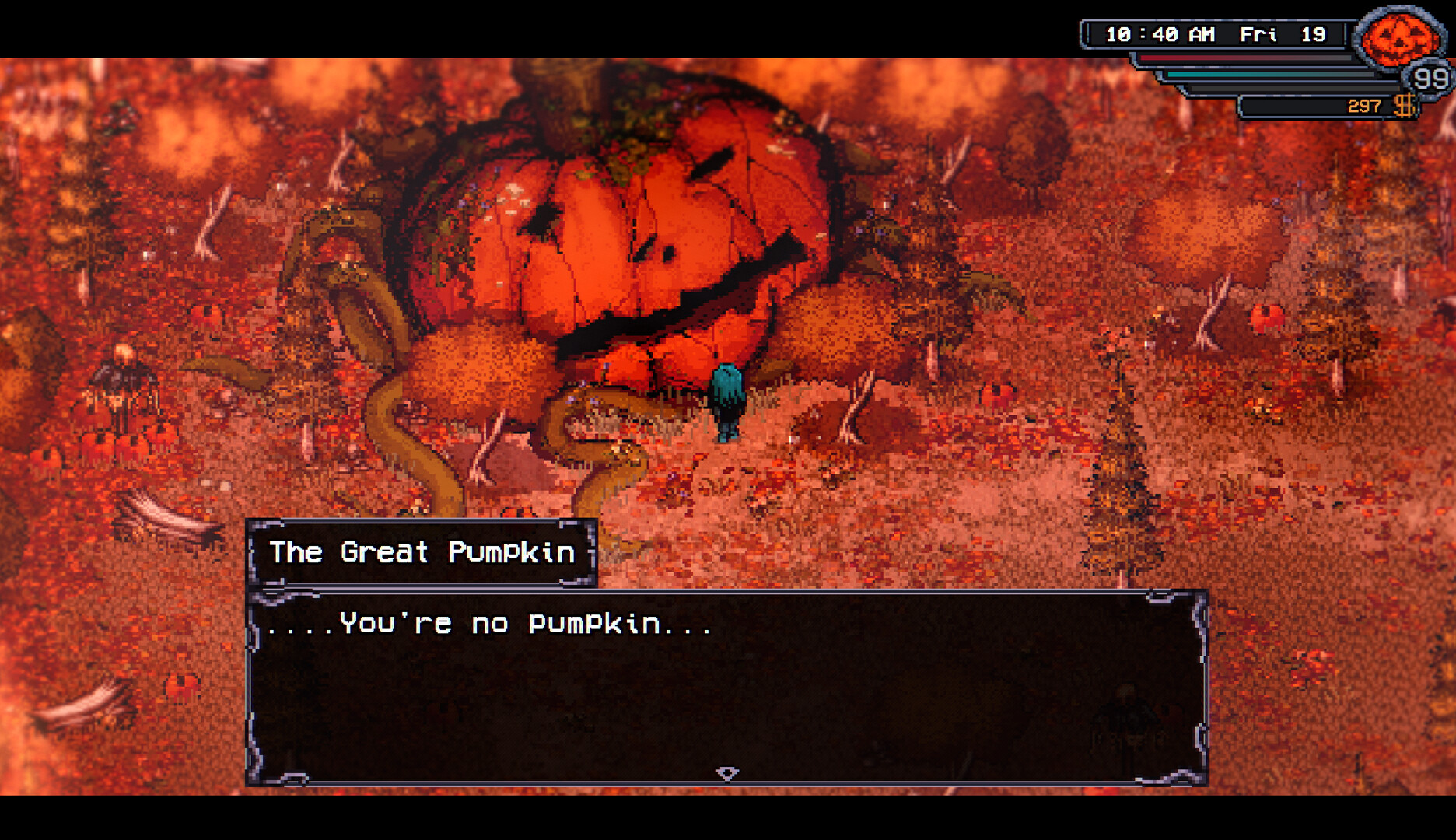
Welcome to Elderfield, a cozy horror RPG with hand-drawn art and dark lofi music. Manage your farm, befriend or romance the locals, investigate mysteries, decorate your home, fight terrifying creatures, fish, cook, seek the Old Gods, die in your sleep, and more... There's lots to do in Elderfield!
Welcome to Elderfield is a horror, rpg and farming sim game
developed by Chris Cote
and published by Kwalee.
Released on September 10th 2026 is available on Windows, Steam Deck and Steam Machine
in 7 languages: English, French, German, Spanish - Spain, Russian, Simplified Chinese and Portuguese - Brazil.
It has received 2,106 reviews of which 1,769 were positive and 337 were negative resulting in a rating of 8.1 out of 10. 😎
The game is currently priced at 14.39€ on Steam with a 20% discount, but you can find it for 12.49€ on Instant Gaming.
The Steam community has classified Welcome to Elderfield into these genres:
Horror
RPG
Farming Sim
Adventure
Pixel Graphics
Lovecraftian
Sandbox
JRPG
Mystery
Survival
Atmospheric
Exploration
Time Management
2D
Agriculture
Top-Down
Collectathon
Combat
Crafting
Nonlinear
Here is the detailed breakdown of supported languages for Welcome to Elderfield:
| UI | Subtitle | Audio | |
|---|---|---|---|
| English | |||
| German | |||
| French | |||
| Spanish - Spain | |||
| Simplified Chinese | |||
| Russian | |||
| Portuguese - Brazil |
Media & Screenshots
Get an in-depth look at Welcome to Elderfield through various videos and screenshots.



Load More




System requirements
These are the minimum specifications needed to play the game. For the best experience, we recommend that you verify them.
Windows
- OS: Windows 10 (64-bit)
- Processor: 11th Gen Intel(R) Core(TM) i5-11600K / AMD Ryzen 5 5600X
- Memory: 8 GB RAM
- Graphics: NVIDIA GeForce GTX 1050 Ti / AMD Radeon RX 570
- DirectX: Version 11
- Storage: 2 GB available space
- Sound Card: DirectSound compatible sound card
- Additional Notes: 64-bit OS required. 1280x768 minimum display resolution.
Steam Price & Best Deals
User reviews & Ratings
Explore reviews from Steam users sharing their experiences and what they love about the game.
This is an RPG Maker Game. It has it's limitations. Not everything you could want in a game is viable to be put into this. You can pick between a somewhat feminine or masculine character (pretty much one body shape has what looks like breasts and that's it) don't expect anything else as the dev isn't make a game that needs that to be of much importance. Don't like it then go find something else or head canon it. The game IS NOT COZY. I'm not sure why the dev claims this but the game has very little Stardew Valley vibes outside of you can farm, there's events, there's npcs you can build relations and eventually marry if you want (npcs don't care what body shape you took so you can marry whoever or whatever of the npcs you want). You cannot do anything without eventually involving combat. Even the farming aspect is not without you having to fight stuff off even from the very start as breaking down wood and breaking rocks can piss off the wildlife. Also no you cannot avoid it and "running away" makes you go all the way back home. The game IS DIFFICULT. Even on the easier difficulties the combat will still be challenging. The biggest difficult curve many come across is the eventual material grind. The endgame ores and such require massive amounts of Coal to refine (30+/ea ore when early-mid tier mining runs gets you maybe 100~ if you're maxed on Mining Skill atm). If you don't like the idea of grinding the farming to make money and/or grinding mobs to get materials to craft/cook/etc then once again look elsewhere for now. The art style is nice, pixel but not pixel as an excuse to be lazy, the portraits are nice and stylized. The overall ambience and such is great. The music is chill, creepy, and ominous at times. The OST is amazing is likely to be out on Youtube and other places by the time you read this. There IS a modding scene. With it being RPG Maker you can mod the game relatively easily without much learning. No official modding support as of yet but there are folks making stuff. The community, on Discord, is welcoming and supportive. Willing to give you tips, reveal secrets, and help out. The Wiki has been worked on by quite a few people and even many who dug into the code (which the dev hasn't had an issue with and even welcomed the break down of their code) to put in the hard numbers into the Wiki. Is this game fun? Yes! Is it difficult? YES! Will it improve over time as the dev learns and grows with the game? YES!!! So pick to either jump in now and see and feel the change of the game or wait for maybe another 6~ months to see much more refined game (Heck just earlier today the dev showed us that we'll be getting perks soon enough for all the things you do like Combat, Mining, Cooking, etc)
I feel as though "Spooky Stardew Valley" is a vein people have been trying to mine for like ten years, but the games that release under that specific umbrella are unsuccessful at channeling either the spooky or the stardew. I think the pitfall, if there is one that I see these projects totally trip into, is the lack of mechanical depth therein. Stardew Valley's interlocking mechanics are spartan in their simplicity, the gameplay loop is brutally efficient. People forget this when they talk about that game, and they especially forget it when they point to some new project and say "This is stardew valley PLUS X." To my point - Elderfield has some minor issues. Specifically around its combat and how it sets expectations and communicates those expectations to the player. Hey, is it cozy or creepy? Are we playing around in the halloween town section of disney dreamlight valley or are we rocking out with Fear and Hunger? BUT what this game is really excellent at is successfully evoking the mood i'm looking for in a hypothetical "Spooky Stardew" AND as far as I've seen, there's a similar burgeoning mechanical depth here to stardew. Of course, any newish farm sim game isn't gonna touch the current version of stardew because conceredape has been working on that game for like 100 years, but I can see the vision and I think it's worth it for this dev to plumb them even further. Elderfield is worth your time if you like Junji Ito, Over the Garden Wall and -Actual Harvest Moon- (which I find Elderfield is really more similar to than stardew, but i digress). If you're looking for a cozy game, I don't think you're gonna find this game to be that. Likewise, if you're looking for something so scary you can't play it with the lights off, you're not gonna find that either. If you're somewhere in the middle of those two poles, you'll have a fine time. To the dev - Great vibe, very addictive - please update the fishing minigame. A good fishing minigame is like a load-bearing pillar for any farm/life-sim. It's okay as is, but it could be so much better. Also a clearer path of progression on upgrading inventory space and tools. Gating the basic axe tool behind the mall administrator is evil behavior. okay thanks love you bye
This game has the sauce. The only problem I have with it is the inventory. Tools in a separate inventory would make a huge difference, and you could just have a separate item that upgrades available tool slots. WHYYYY? So when I dump all items into my chest I'm not dumping all of my tools every time and then having to go back through the menus to re-grab them. Brother the inventory is a nightmare, it is the most eldritch part of this game. It's cute putting items into your fridge to cook, but because some items share cooking and crafting sorting AND there is no difference between cooked meals and ingredients you can't just dump all into your fridge for the purpose of cooking. Icons could be more legible at a glance. Copper ore just looks like a pile of whatever, it doesn't match the color of ore, how it is found in game. So many items are like this. I find my self having to go one by one looking at item names just to find what I'm looking for because so many icons look like crushed bones. Navigating the inventory and its adjacent mechanics (ie. THE ENTIRE GAME) is like having someone with tweezers picking at your brain to control your eyes while they cut every connecting synapse with a scalpel. Anyway, great game. The vibe is perfect.
Very solid 9/10. Everything I had hoped it would be, with the very much so welcome bonus of tentacles galore >:D [ + ] Basically Look Outside + Stardew Valley with a splash of Arkham Horror (be aware that unlike Stardew, combat is a regular & includes chances for it while farming) [ + ] Atmosphere has been absolutely nailed; very "cozy" horror [ + ] The entire town is on point for an eldritch horror [ + ] Art has a lot of charm that delivers a solid horror experience; monster designs align perfectly with the eldritch theme [ + ] QOL things like drag + drop editing of your pause menu, a social tab that tracks gift responses, craft from chest & a shared chest inventory that can be accessed at various spots across multiple maps all exist [ + ] You can control both the time & the day your resources reset, with the chance for it to reset more than once a week [ + ] Sleeping isn't mandatory (for a few days, in true insomniac fashion). No random pilfering of the pockets because you missed the cutoff & stores stay open 24/7. [ + ] There's actual benefit to sleeping beyond passing time. [ + ] Fast travel system that's free once unlocked (including a warp home) [ + ] Well balanced application of RNGesus; you'll be spending a lot of time praying to the dice, but you also have a lot of tools available to you to both manipulate them & your odds [ + ] Purely turn-based RPG combat with a decent chunk of depth (similar to Fear & Hunger without the limb loss, or World of Horror) [ + ] Decent variety of equipment with a gear stat upgrade system [ + ] There's no golden lines of guidance, even for the main line. Just a journal to keep track of whats been asked of you. [ -/+ ] Just as a warning: There are warnings that pop up at the start about being unprepared for an area, but these disappear pretty much immediately despite the complete lack of guidance on what zone is what otherwise. The experience of wandering without direction and then being immediately clapped for it is a constant. Nothing outside of the usual for a horror & not too punishing of a learning curve if you're not on Hard/Nightmare though. [ -/+ ] Some material crafting stations don't pull from the general storage [ -/+ ] There's no option to speed up combat or skip dialogue previously seen T^T [ -/+ ] Difficulty jumps can be stark and very abrupt on Hard/Nightmare [ - ] Some scaling issues with text in the inventory UI that make it not legible (i.e: the watering can) with some font choices, including the default. [ - ] UI for chests is a bit rough (gems desperately need their own tab) & overall becomes a bit of a headache if you try to use the mouse
I LOVE IT EXCEPT FOR ONE THING... This game has so many cool little odd and intriguing mechanics, mysteries and the MUSIC is just mesmerizing and so relaxing. The blend of cozy wholesomeness and horror is spot on. There is one complaint tho... As a woman, the choice of bachelors is just TERRIBLE. The guys get these vastly different and quirky girl characters: silly & bubbly, a goth, a badass, a lovely skeleton & a mysterious ghost ✨ - And then the bachelors are just... some guy, some guy, some guy but half dead & a literal pile of goop (sorry Blorph). One of the "some guy"s straight up looks like a serial killer he creeps me out, wtf Josh. It's so beyond obvious the game was made by a guy and I wish he'd put in a little more effort to make the male characters have an actual personality. I hope there will be some changes made or even an update with maybe at least ONE interesting/attractive male character :)
Similar games
View all
The Forest of Drizzling Rain
From the creator of Angels of Death: the multi-ending exploration horror game The Forest of Drizzling Rain. Includes Full Ver. (2022), completed nine years after the original release, and Original Ver. (2013), where it all began. Alas, it was the "promised place," where Shiori was never meant to go.

Pocket Mirror ~ GoldenerTraum
Delve into the enthralling world of Pocket Mirror ~ GoldenerTraum, the acclaimed RPG Maker gothic horror game that'll take you on a moving journey of self-discovery.

Arkham Horror: Mother's Embrace
Inspired by the award-winning board game franchise, Arkham Horror: Mother’s Embrace is an investigation game served with turn-based combat, set in the cult universe of H.P. Lovecraft.

Dreams in the Witch House
Navigate the eerie world of Dreams in the Witch House, a unique blend of point-and-click and RPG-adventure. Unravel occult mysteries in Arkham, maintain your sanity, and survive the May-Eve in this Lovecraftian horror game.

The Last Door: Season 2 - Collector's Edition
In Season 2 of The Last Door, the search for his missing client will bring psychiatrist John Wakefield deeper into a conspiracy of darkness and closer to the heart of madness than ever before.
The Land of Pain
Something strange appears in the woods. Lost in a dark and unknown place, survive an unrelenting enemy, solve puzzles, and uncover the ancient mystery that’s befallen this land in this Lovecraftian Cosmic Horror adventure.
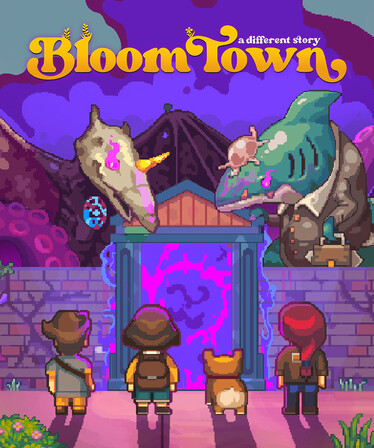
Bloomtown: A Different Story
Bloomtown: A Different Story is a narrative JRPG mixing turn-based combat, monster taming and social RPG set in a seemingly pleasant 1960s Americana world. Join Emily and her group of friends to save their cozy town from the demonic creatures that live in the hearts of its residents!
Eve of Souls: Static Pod
[The pod will break soon. Will she survive the nightmare or find the truth?]

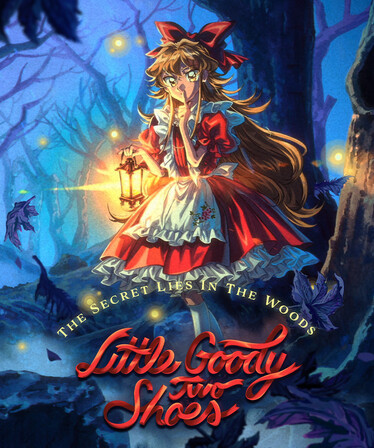
Little Goody Two Shoes
Venture into the woods as you play Little Goody Two Shoes, a phantasmagorical horror narrative adventure where all your decisions matter!

HorrorVale
HorrorVale: A grand Spooktacular adventure about a girl, her dog, and her long journey to save him in a strange and horrifying Underworld.
Frequently Asked Questions
Welcome to Elderfield is currently priced at 14.39€ on Steam.
Yes, Welcome to Elderfield is currently available at a 20% discount. You can purchase it for 14.39€ on Steam.
Yes, Welcome to Elderfield received 1,769 positive votes out of a total of 2,106 achieving a rating of 8.06.
😎
Welcome to Elderfield was developed by Chris Cote and published by Kwalee.
Yes, Welcome to Elderfield is playable and fully supported on Windows.
No, Welcome to Elderfield is not playable on MacOS.
No, Welcome to Elderfield is not playable on Linux.
Yes, Welcome to Elderfield is playable and fully supported on Steam Deck.
Yes, Welcome to Elderfield is playable and fully supported on Steam Machine.
No, Welcome to Elderfield does not support VR.
Welcome to Elderfield is a single-player game.
Yes, there is a DLC available for Welcome to Elderfield. Explore additional content available for Welcome to Elderfield on Steam.
No, Welcome to Elderfield does not support mods via Steam Workshop.
No, Welcome to Elderfield does not support Steam Remote Play.
Yes, Welcome to Elderfield is enabled for Steam Family Sharing. This means you can share the game with authorized users from your Steam Library, allowing them to play it on their own accounts. For more details on how the feature works, you can read the original Steam Family Sharing announcement or visit the Steam Family Sharing user guide and FAQ page.
You can find solutions or submit a support ticket by visiting the Steam Support page for Welcome to Elderfield.
Data sources
The information presented on this page is sourced from reliable APIs to ensure accuracy and relevance. We utilize the Steam API to gather data on game details, including titles, descriptions, prices, and user reviews. This allows us to provide you with the most up-to-date information directly from the Steam platform.
Additionally, we incorporate data from the SteamSpy API, which offers insights into game sales and player statistics. This helps us present a comprehensive view of each game's popularity and performance within the gaming community.
Last Updates| Steam data | 26 October 2026 00:39 UTC |
|---|---|
| SteamSpy data | 23 October 2026 08:42 UTC |
| Steam price | 27 October 2026 20:18 UTC |
| Steam reviews | 18 October 2026 05:53 UTC |
If you'd like to dive deeper into the details about Welcome to Elderfield, we invite you to check out a few dedicated websites that offer extensive information and insights. These platforms provide valuable data, analysis, and user-generated reports to enhance your understanding of the game and its performance.
- SteamDB - A comprehensive database of everything on Steam about Welcome to Elderfield
- SteamCharts - Analysis of Welcome to Elderfield concurrent players on Steam
- ProtonDB - Crowdsourced reports on Linux and Steam Deck Welcome to Elderfield compatibility
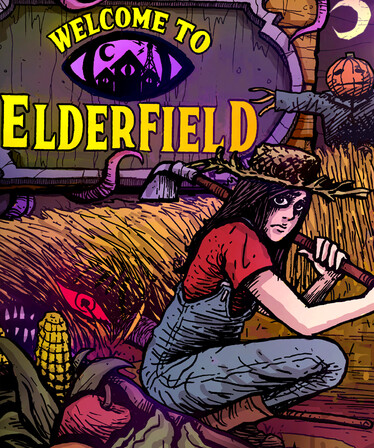
 -20%
17.99€
14.39€
Visit Store
-20%
17.99€
14.39€
Visit Store
 🔥 Deal
-31%
17.99€
12.49€
Buy Now
🔥 Deal
-31%
17.99€
12.49€
Buy Now
 -29%
17.99€
12.85€
Visit Store
-29%
17.99€
12.85€
Visit Store
 -3%
17.99€
17.54€
Visit Store
-3%
17.99€
17.54€
Visit Store
 23.35€
Visit Store
23.35€
Visit Store
Game modes
Features
Online players
1,136
Developer
Chris Cote
Publisher
Kwalee
Release
10 Sep 2026
Platforms
Clicking and buying through these links helps us earn a commission to maintain our services.