
Zorbus
Zorbus is a fantasy-themed, tile-based, turn-based, traditional roguelike game.
Sync your Steam wishlist to find the lowest game prices instantly. No login required, just paste your Steam profile URL!
⚡ Try Wishlist Radar!
Sync your Steam wishlist to find the lowest game prices instantly. No login required!
⚡ Try Wishlist Radar!
Close

Rogue on Steam
Quick menu
Experience the commercial port of the game that spawned a thousand 'Rogue-likes'. Venture into the Dungeons of Doom in search of the legendary Amulet of Yendor, and hopefully escape with your life! Randomly generated dungeons await you, full of nasty monsters, insidious traps, and glittering loot.
Rogue is a traditional roguelike, perma death and procedural generation game
developed by Epyx and Inc.
and published by Pixel Games UK.
Released on October 22nd 2020 is available only on Windows.
It has received 444 reviews of which 421 were positive and 23 were negative resulting in a rating of 8.8 out of 10. 😎
The game is currently priced at 2.99€ on Steam.
The Steam community has classified Rogue into these genres:
Media & Screenshots
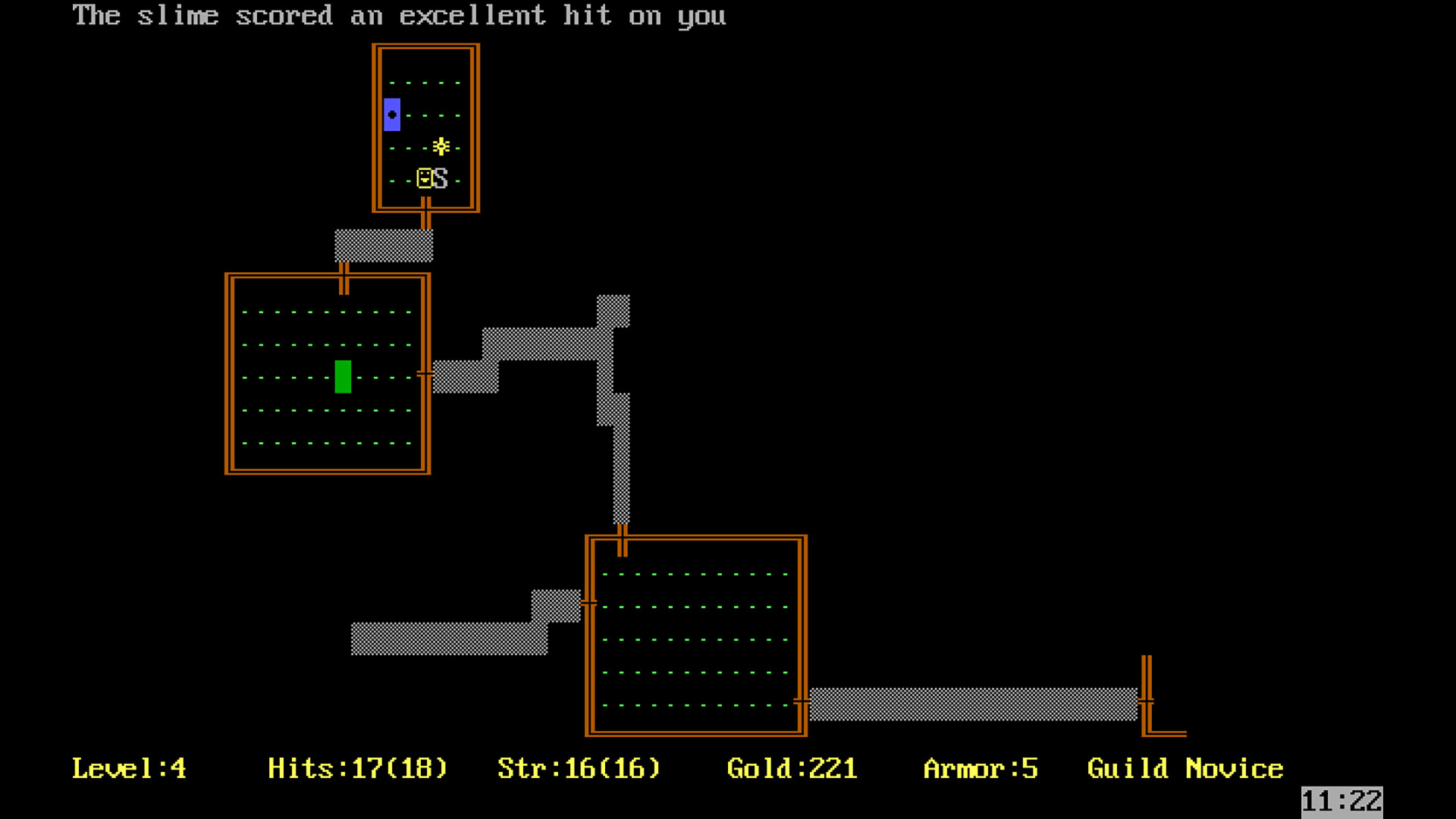
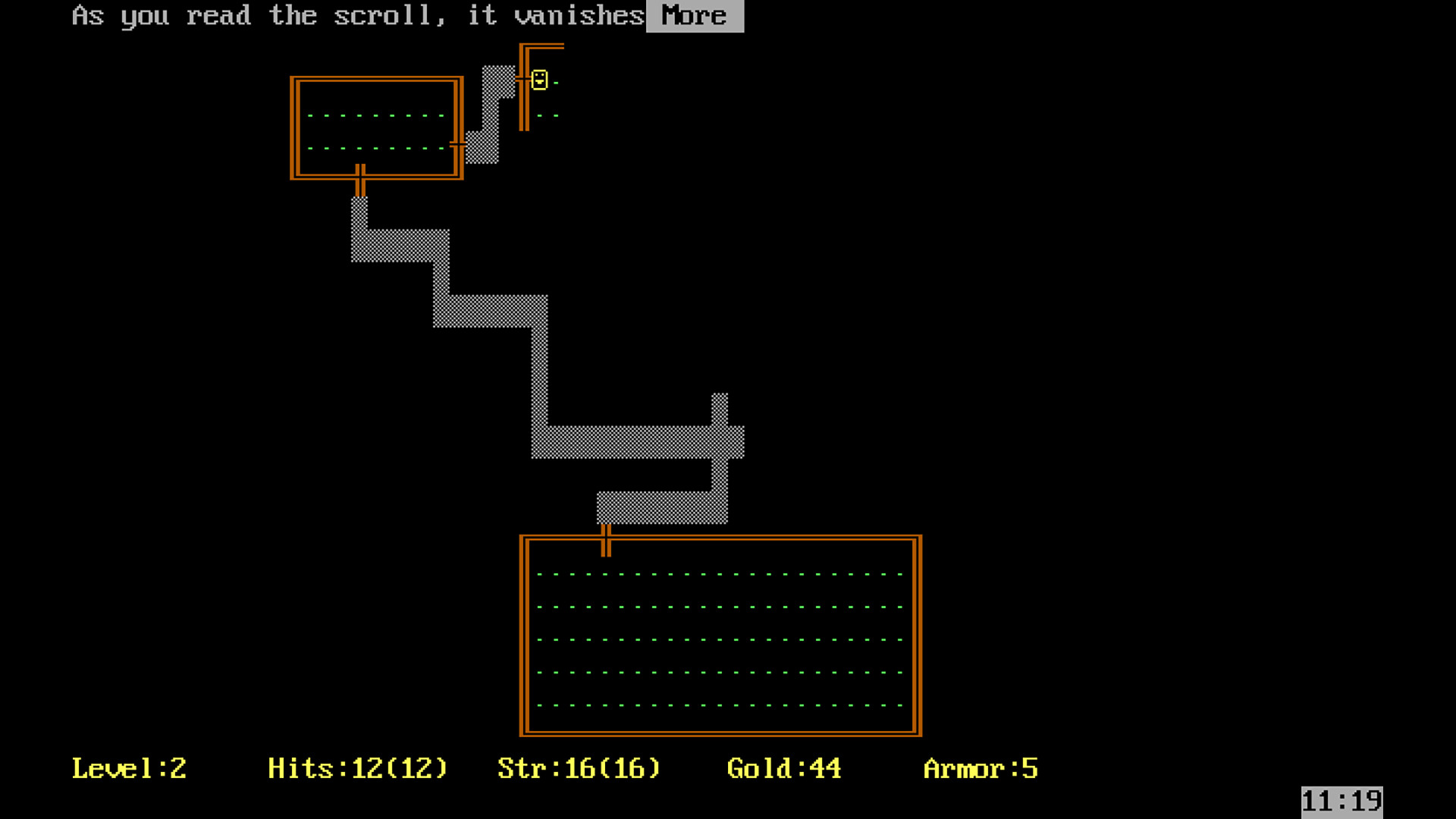
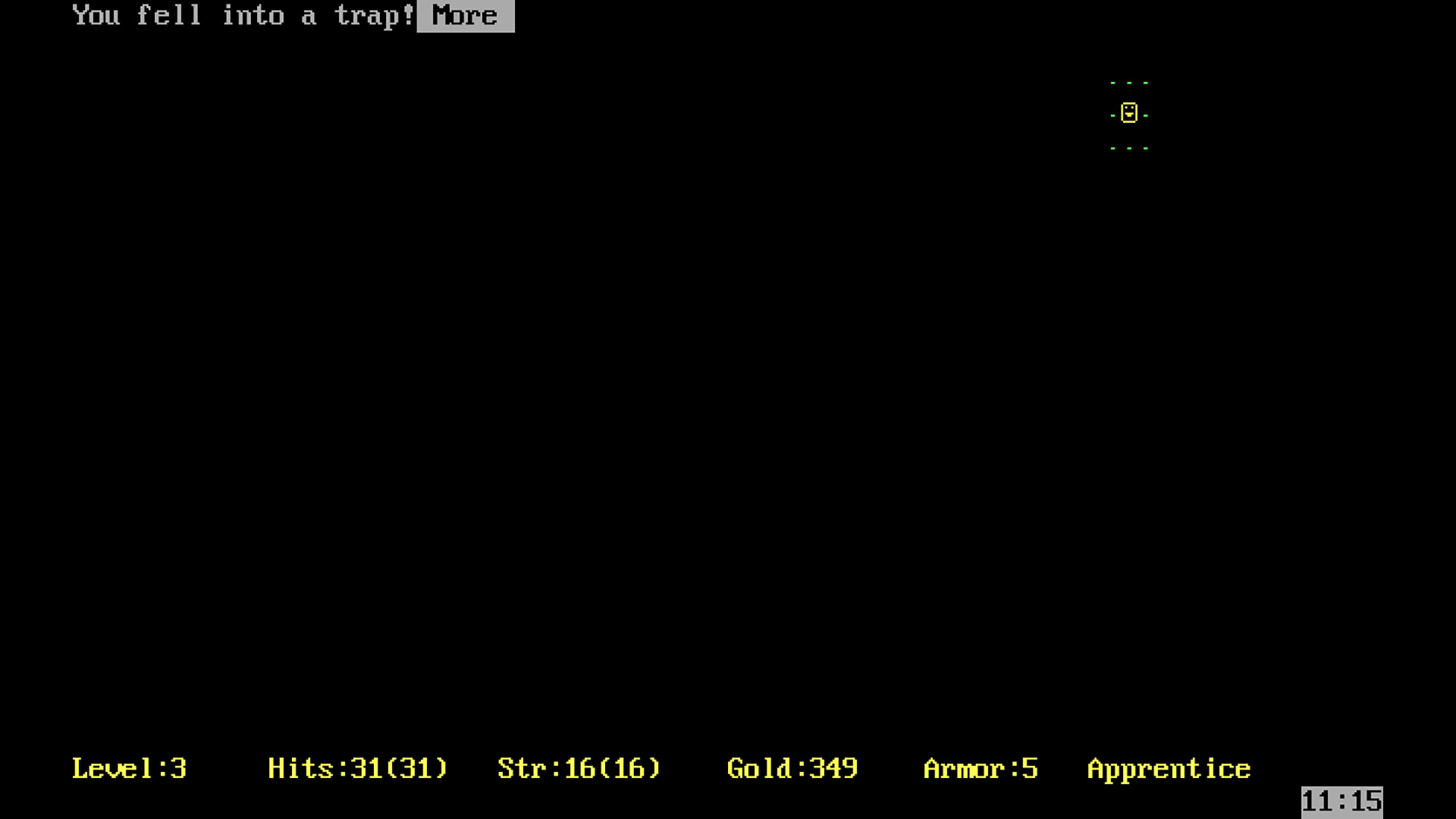
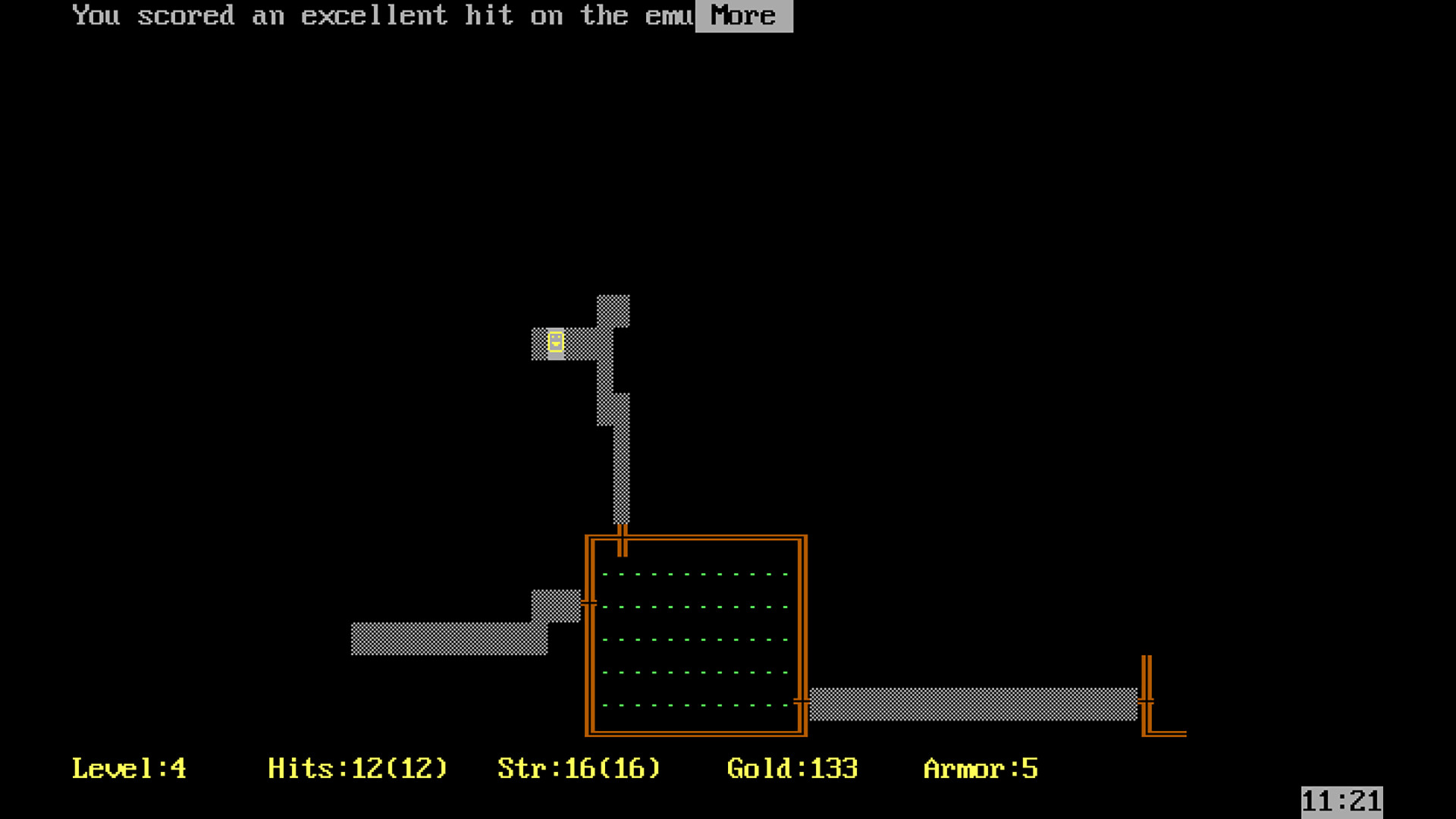
Get an in-depth look at Rogue through various videos and screenshots.


System requirements
These are the minimum specifications needed to play the game. For the best experience, we recommend that you verify them.
Windows
- OS *: Windows 7
- Processor: x86
Steam Price & Best Deals
User reviews & Ratings
Explore reviews from Steam users sharing their experiences and what they love about the game.
I don't seem to be able to leave a comment on it so I'm gunna address the person with the wild username and negative vote in the reviews here and say this is my first time playing Rogue but this version's been great, and that they didn't add the QOL updates that user wanted simply because it's stated in the description on the store page, this is released as a very specific port of Rogue, and almost all those options already exist in this version of the game. Hitting F1 or ? Brings up a list of all the possible commands in the game, and hitting S (not s, gotta be a capital S) to save your game and return to it later (when you leave the game this way, launch it from your steam library and you'll be asked if you want to start a new run or continue your previous one. Which, from what I can find online, actually is easier than the original way). Beyond that though I don't blame anyone who doesn't enjoy it, it's a very different game from those that we have today and could be frustrating if you took it too seriously, but as long as you're okay with the game not being fair and are willing to laugh it off when the dungeon's just out to kill you it's a fun way to unwind and kill some time. Just make sure to give yourself a silly name and treat each run like a goofy story, it gives your personal leaderboard a more fun view when you remember how poor little Bobby Hill ran out of food, blacked out every 3 steps for two floors then got beat to death by an Emu.
This can be a fun game to play while trying to go for a high score or see how far you can go into the dungeon. But actually trying to beat it is going to crush your spirit, snort it, and sneeze it back onto you. Its cheap so I cant say that experiencing an admittedly fun piece of gaming history isn't worth it. Just keep in mind actually trying to beat it is very luck based.
I host a podcast on roguelike games (https://grogpod.zone) and we've reviewed about 100 of them over 4 years. I used to think the 1980s version of Rogue was a terrible game only for the mentally deranged. But after doing research on games from the 70s that led to Rogue's creation, I've really come to respect and admire the design of it for its time. Yeah it's random, the ASCII symbols leave much to be desired in the modern era, and the keybinds sometimes don't make a lot of sense, but Rogue has a lot of historical charm to it. I'd chalk this game up to something like playing DOS Quake or DOOM using only the keyboard. It's simply from a different era and broke the ground for a lot of modern games to do "Rogue but..." in their own unique way. Instead of jumping right into this, bouncing off, and hating the game forever, I think there's a better progression system to slowly appreciate what makes Rogue great for its time. Start with something like one of the Shiren the Wanderer games, then go to Shattered Pixel Dungeon, then Brogue. Play some Colossal Cave Adventure or Super Star Trek, then play 1980's Rogue. I think you'd have a much better appreciation for how far ahead of its time it was for 1980. Plus it's like $2.
Rogue... bro, where tf do you even start with this one? This thing is basically gaming archaeology. Half the genres on Steam owe this game money. It's brutal, confusing, ugly, and about as welcoming as a brick to the face, as comfortable as a n64 controller. The graphics are letters, the controls are from another century, and the game has zero interest in explaining itself. You drink a mystery potion and either become a f*cking god or die like an morron. and well, that is Rogue. But that's exactly why it's so so good. Every floor feels dangerous, more than the last. Every item matters (if you manage to use them). Every run becomes a story. Not because the game wrote one for you, but because you accidentally created one by making terrible decisions that lead you to a very painful, tragic, agonic death where you get gangbang*d by letters. You can feel the age on it, sure. But you can also feel how much of gaming (literally minecraft) came from this weird little dungeon crawler. Most pioneers end up being important but not very fun to revisit. Rogue somehow manages to be both, if you have the patience required, don't expect candy for the eye graphics or atmosphery music. 9/10, play it.
Similar games
View all

ADOM (Ancient Domains Of Mystery)
ADOM (Ancient Domains Of Mystery) is one of the most successful roguelike games ever created, boasting a brilliant mix of story, RPG, exploration, and intensely strategic & flexible combat. The Steam version adds various features like achievements, difficulty level customization & play modes.
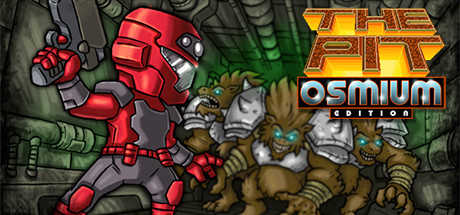
Sword of the Stars: The Pit
A fun, fast, light-hearted, turn-based RPG, where the tradition of old school dungeon-diving games meets the sci-fi Sword of the Stars universe!

Dungeons of Dredmor
Test your luck and cunning in this exciting RPG as you craft, cast, and pillage your way through Lord Dredmor's Dungeons.
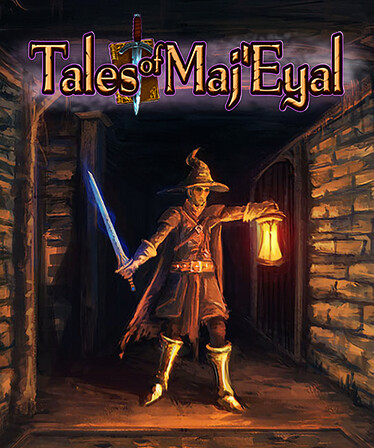
Tales of Maj'Eyal
Tales of Maj’Eyal is a roguelike RPG, featuring tactical turn-based combat and advanced character building. Play as one of many unique races and classes in the lore-filled world of Eyal, exploring random dungeons, facing challenging battles, and developing characters with your own tailored mix of abilities and powers.

Golden Krone Hotel
Golden Krone Hotel is a gothic horror roguelike. Fight vampires with sunlight or become a vampire yourself and sneak in the shadows. Combines classic turn-based combat with dynamic lighting, an innovative potion system, and fast paced gameplay.
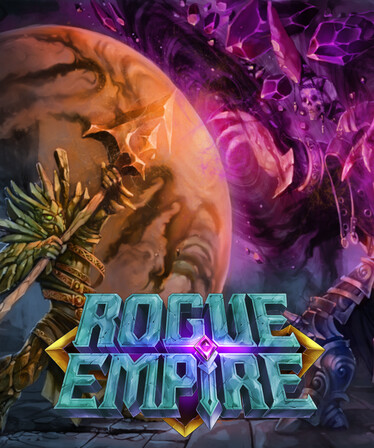
Rogue Empire: Dungeon Crawler RPG
Build unique class-and-race combinations, shape your talents, and test your strategy in a tactical roguelike dungeon crawler packed with campaigns, challenge runs, loot, bosses, and replayable depth. Your plan may be brilliant. The dungeon may disagree.
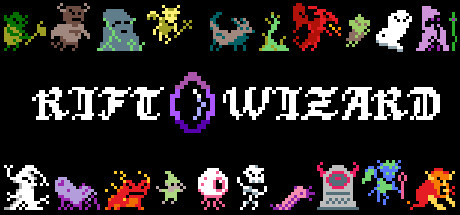
Rift Wizard
Rift Wizard is a tough as nails fantasy roguelike featuring challenging turn based combat and deep open ended character building. Craft your spellbook from over 100 unique spells and abilities and fight your way through a series of procedurally generated challenges to defeat your nemesis.
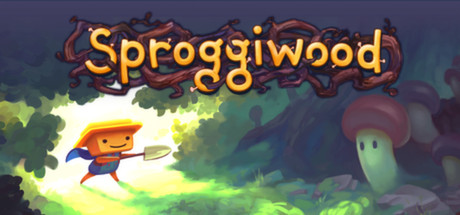
Sproggiwood
Bring civilization to Sproggiwood, a story-driven, turn-based roguelike set in a humorous world inspired by Finnish mythology. Grow your civilization and plunder procedural dungeons with six unique classes. Outsmart mischievous monsters who work together in unexpected ways. No two dungeon dives are alike.
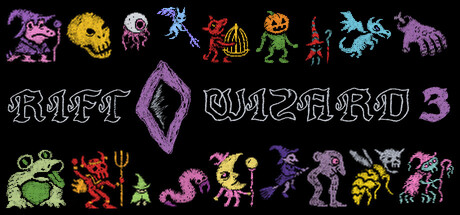
Rift Wizard 3
Rift Wizard is a hardcore combat strategy roguelike and wizard simulator featuring an extremely deep build system. Customize your Wizard with more than 500 spells and magical artifacts. Blast, summon, or enchant your way through 20 levels of pure turn based chaos.

Shiren the Wanderer: The Tower of Fortune and the Dice of Fate
The Classic Roguelike Wanders Onto Steam! Adventure with Shiren the Wanderer and his sidekick Koppa, the talking ferret, through a world filled with cunning monsters, deadly traps and countless treasure.

Shattered Pixel Dungeon
Shattered Pixel Dungeon is a traditional roguelike dungeon crawler that's simple to start but hard to master! Every game is a unique challenge, with six different heroes, randomized levels and enemies, and hundreds of items to collect and use.
Frequently Asked Questions
Rogue is currently priced at 2.99€ on Steam.
No, Rogue is currently not on sale. You can purchase it for 2.99€ on Steam.
Yes, Rogue received 421 positive votes out of a total of 444 achieving a rating of 8.77.
😎
Rogue was developed by Epyx and Inc. and published by Pixel Games UK.
Yes, Rogue is playable and fully supported on Windows.
No, Rogue is not playable on MacOS.
No, Rogue is not playable on Linux.
This information about Rogue is not available yet.
This information about Rogue is not available yet.
No, Rogue does not support VR.
Rogue is a single-player game.
No, Rogue does not currently offer any DLC.
No, Rogue does not support mods via Steam Workshop.
No, Rogue does not support Steam Remote Play.
Yes, Rogue is enabled for Steam Family Sharing. This means you can share the game with authorized users from your Steam Library, allowing them to play it on their own accounts. For more details on how the feature works, you can read the original Steam Family Sharing announcement or visit the Steam Family Sharing user guide and FAQ page.
You can find solutions or submit a support ticket by visiting the Steam Support page for Rogue.
Data sources
The information presented on this page is sourced from reliable APIs to ensure accuracy and relevance. We utilize the Steam API to gather data on game details, including titles, descriptions, prices, and user reviews. This allows us to provide you with the most up-to-date information directly from the Steam platform.
Additionally, we incorporate data from the SteamSpy API, which offers insights into game sales and player statistics. This helps us present a comprehensive view of each game's popularity and performance within the gaming community.
Last Updates| Steam data | 19 September 2026 14:31 UTC |
|---|---|
| SteamSpy data | 21 October 2026 04:16 UTC |
| Steam price | 26 October 2026 19:52 UTC |
| Steam reviews | 20 October 2026 07:58 UTC |
If you'd like to dive deeper into the details about Rogue, we invite you to check out a few dedicated websites that offer extensive information and insights. These platforms provide valuable data, analysis, and user-generated reports to enhance your understanding of the game and its performance.
- SteamDB - A comprehensive database of everything on Steam about Rogue
- SteamCharts - Analysis of Rogue concurrent players on Steam
- ProtonDB - Crowdsourced reports on Linux and Steam Deck Rogue compatibility

Game modes
Features
Online players
3
Developer
Epyx, Inc.
Publisher
Pixel Games UK
Release
22 Oct 2020
Platforms