


TrackMania² Canyon
TrackMania² Canyon will let you experience the fun and adrenaline of racing stunning cars on sensational tracks in a major enhanced sequel to Nadeo Studio’s online racing phenomenon TrackMania, already enjoyed by millions of players.
Sync your Steam wishlist to find the lowest game prices instantly. No login required, just paste your Steam profile URL!
⚡ Try Wishlist Radar!
Sync your Steam wishlist to find the lowest game prices instantly. No login required!
⚡ Try Wishlist Radar!
Close

TrackMania² Valley on Steam
Quick menu
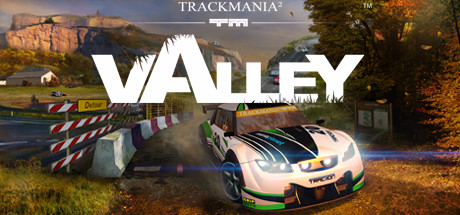
TrackMania² Valley is the third environment of TrackMania², the sequel to Nadeo Studio’s online racing phenomenon TrackMania, already enjoyed by millions of players. Valley is a new take on the classic arcade rally racing genre. Flirting between arcade and simulation, Valley marks a new checkpoint in the history of racing games.
TrackMania² Valley is a racing, sports and multiplayer game
developed by Nadeo
and published by Ubisoft.
Released on July 04th 2013 is available only on Windows.
It has received 613 reviews of which 494 were positive and 119 were negative resulting in a rating of 7.6 out of 10. 😊
The game is currently priced at 19.99€ on Steam, but you can find it for 4.16€ on K4G.
The Steam community has classified TrackMania² Valley into these genres:
Media & Screenshots
Get an in-depth look at TrackMania² Valley through various videos and screenshots.


System requirements
These are the minimum specifications needed to play the game. For the best experience, we recommend that you verify them.
Windows
- OS *:Originally released for Windows 7, the game can be played on Windows 10 and Windows 11 OS
- Processor:Dual core from Intel or AMD at 2 GHz or better
- Memory:2 GB RAM
- Sound:DirectX Compatible Sound Card with latest drivers
- Graphics:Video card must be 512 MB or more and should be a DirectX 10 - compatible or DirectX 11 - compatible
- DirectX®:11
- Hard Drive:5 GB HD space
- Other Requirements:Broadband Internet connection
Steam Price & Best Deals
User reviews & Ratings
Explore reviews from Steam users sharing their experiences and what they love about the game.
TrackMania Valley delivers a racing experience built almost entirely around speed, precision, and repetition in the best possible way. As part of the TrackMania 2 lineup developed by Nadeo, the game takes the familiar time-trial structure of the series and introduces a more grounded countryside setting filled with twisting roads, off-road terrain, dramatic jumps, and technical corners that demand constant concentration. Rather than focusing on realism or traditional motorsport presentation, the game embraces arcade-style racing where the challenge comes from mastering tracks through practice and pushing every run toward perfection. The first thing that makes Valley stand out is its handling model. Compared to other TrackMania environments that often feel lighter and more exaggerated, Valley introduces heavier cars with a stronger rally influence. Vehicles grip differently depending on the surface, and the transition between dirt, grass, and asphalt forces players to adapt their driving style constantly. Controlling the car feels responsive yet demanding, especially at high speeds where even minor steering mistakes can completely destroy a run. This balance creates an addictive gameplay loop where players continuously retry tracks in search of cleaner lines and faster times. The track design is one of the game’s greatest accomplishments. Every course feels carefully constructed to test reaction speed, memorization, and control. Some tracks emphasize technical driving through narrow roads and sharp bends, while others focus on massive jumps, steep descents, or high-speed stunt sections that create a thrilling sense of momentum. The courses gradually evolve from relatively simple layouts into highly complex challenges that require precision and complete familiarity with the environment. Finishing a difficult track with a strong time becomes incredibly satisfying because victory always feels earned rather than accidental. What makes the gameplay especially compelling is how simple the core concept actually is. Players race against the clock while trying to earn medals and climb leaderboard rankings. There are no elaborate progression systems, cinematic storylines, or unnecessary distractions. The focus remains entirely on improving performance. This simplicity allows the game’s mechanics to shine because every second saved feels meaningful. Players naturally develop a competitive mindset, constantly restarting races after small mistakes and pushing themselves toward near-perfect execution. The valley setting gives the game a refreshing visual identity compared to many futuristic arcade racers. Tracks wind through forests, mountains, bridges, villages, and industrial areas, creating environments that feel vibrant and alive without sacrificing readability. The scenery moves past at incredible speed, enhancing the sensation of momentum that defines the entire experience. While the graphics are not built around photorealism, the artistic direction remains attractive because of its clean design and excellent environmental variety. Another major strength is the game’s technical performance. TrackMania Valley runs smoothly even during extremely fast sections filled with jumps and environmental detail. Responsive controls and stable framerates are essential in a racing game centered entirely around precision, and the game handles this exceptionally well. Fast restarts also help maintain the addictive flow of gameplay, allowing players to instantly retry a course without interruptions or lengthy loading times. The multiplayer component adds enormous replay value. Online races place players together on the same tracks while still emphasizing individual time performance rather than direct collisions. This design removes much of the frustration associated with aggressive online racing and keeps the focus entirely on skill. Competing against global leaderboards and watching other players discover optimized racing lines creates a highly competitive atmosphere that encourages constant improvement. TrackMania Valley also benefits tremendously from its community features. The included track editor is powerful enough to support almost endless creativity while remaining accessible to dedicated players willing to learn its tools. Custom tracks created by the community range from realistic rally-inspired circuits to absurd stunt courses filled with impossible jumps and elaborate obstacle sequences. This endless supply of user-generated content significantly extends the game’s lifespan and helps maintain player interest long after the official campaign has been completed. The ManiaPlanet platform further expands the experience by supporting custom content, social features, competitions, and gameplay modifications. Players can share tracks, participate in events, and even create entirely unique racing experiences using the available tools. The game’s longevity comes not only from its official content but from the passionate community surrounding it. Few racing games provide this level of creative freedom and long-term replayability. Despite all of its strengths, the game is not necessarily designed for everyone. Players looking for realistic driving simulation, extensive vehicle customization, or narrative progression may find the experience too focused and repetitive. Success often requires replaying tracks dozens of times in pursuit of better times, which can feel exhausting for players who prefer more casual racing experiences. The difficulty also increases significantly in later stages, demanding quick reflexes and near-perfect control. The soundtrack and sound design complement the gameplay effectively. Music tracks maintain a fast and energetic tone that matches the intensity of the races without becoming distracting. Engine sounds, skids, and impacts all contribute to the game’s satisfying sense of speed. Audio cues become especially important during technical sections where timing and rhythm play a major role in maintaining momentum. What ultimately makes TrackMania Valley memorable is how it transforms precision driving into something deeply rewarding. Every track feels like a challenge built around optimization and mastery. The game constantly encourages players to improve themselves, not through artificial rewards but through the satisfaction of executing a flawless run. Few racing games capture the addictive appeal of chasing perfection as effectively as this one. TrackMania Valley succeeds because it fully understands its strengths and never loses focus. It delivers a pure arcade racing experience driven by speed, creativity, and competition while supporting an active community capable of generating endless new content. Its rally-inspired handling, excellent track design, and highly replayable structure make it one of the most enjoyable entries in the TrackMania franchise and an easy recommendation for players who enjoy skill-based racing challenges. Rating: 8/10
Fun, standard, Trackmania experience. The environment is somewhat keyboard friendly and the graphics are very nice to look at. Not a lot to it: the TM2 games are quite well polished. I will, however, say that I am not the biggest fan of Maniaplanet as a platform, although it really isn't a dealbreaker, and it still does have some redeeming features like the easily accessible titlepacks for instance.
Similar games
View all
TrackMania² Stadium
TrackMania² Stadium is the return of the popular Stadium environment enjoyed by millions of players with TrackMania Nations Forever. Now part of the ManiaPlanet environment, Stadium allows for improved services around the game, better graphics and a powerful track editor.
Trackmania United Forever
TrackMania is the most entertaining car racing game ever. Millions of players play it in single or multiplayer modes. TrackMania United Forever is the ultimate TrackMania edition thanks to the numerous additions and innovations it has to offer.
Moto Racer 4
Choose from a variety of daring riders and get a taste of adrenaline riding freestyle or on the race course. Show your opponents what you can do with your best drifts and tricks! Show of your skills to win the championship and send your enemies of the road or into traffic for spectacular crashes.


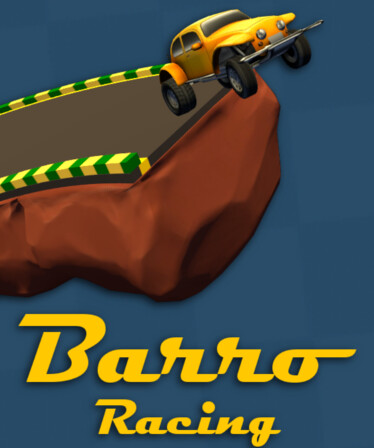
Barro Racing
Jump!


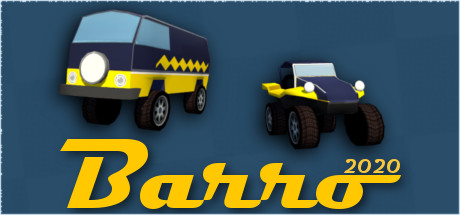
Barro 2020
Try not to fall!

Trackmania Turbo
Trackmania offers you the ultimate arcade racing universe where everything is about reaching the perfect racing time. Test your skills in over 200 tracks, experience immediate fun by challenging your friends at home (offline splitscreen) or online.
Frequently Asked Questions
TrackMania² Valley is currently priced at 19.99€ on Steam.
No, TrackMania² Valley is currently not on sale. You can purchase it for 19.99€ on Steam.
Yes, TrackMania² Valley received 494 positive votes out of a total of 613 achieving a rating of 7.62.
😊
TrackMania² Valley was developed by Nadeo and published by Ubisoft.
Yes, TrackMania² Valley is playable and fully supported on Windows.
No, TrackMania² Valley is not playable on MacOS.
No, TrackMania² Valley is not playable on Linux.
This information about TrackMania² Valley is not available yet.
This information about TrackMania² Valley is not available yet.
No, TrackMania² Valley does not support VR.
TrackMania² Valley offers both single-player and multi-player modes.
TrackMania² Valley offers both Co-op and PvP modes.
No, TrackMania² Valley does not currently offer any DLC.
Yes, TrackMania² Valley is fully integrated with Steam Workshop. Visit Steam Workshop.
No, TrackMania² Valley does not support Steam Remote Play.
Yes, TrackMania² Valley is enabled for Steam Family Sharing. This means you can share the game with authorized users from your Steam Library, allowing them to play it on their own accounts. For more details on how the feature works, you can read the original Steam Family Sharing announcement or visit the Steam Family Sharing user guide and FAQ page.
You can find solutions or submit a support ticket by visiting the Steam Support page for TrackMania² Valley.
Data sources
The information presented on this page is sourced from reliable APIs to ensure accuracy and relevance. We utilize the Steam API to gather data on game details, including titles, descriptions, prices, and user reviews. This allows us to provide you with the most up-to-date information directly from the Steam platform.
Additionally, we incorporate data from the SteamSpy API, which offers insights into game sales and player statistics. This helps us present a comprehensive view of each game's popularity and performance within the gaming community.
Last Updates| Steam data | 20 September 2026 06:18 UTC |
|---|---|
| SteamSpy data | 13 October 2026 08:39 UTC |
| Steam price | 26 October 2026 20:02 UTC |
| Steam reviews | 21 October 2026 06:04 UTC |
If you'd like to dive deeper into the details about TrackMania² Valley, we invite you to check out a few dedicated websites that offer extensive information and insights. These platforms provide valuable data, analysis, and user-generated reports to enhance your understanding of the game and its performance.
- SteamDB - A comprehensive database of everything on Steam about TrackMania² Valley
- SteamCharts - Analysis of TrackMania² Valley concurrent players on Steam
- ProtonDB - Crowdsourced reports on Linux and Steam Deck TrackMania² Valley compatibility

Game modes
Features
Online players
2
Developer
Nadeo
Publisher
Ubisoft
Release
04 Jul 2013
Platforms
Clicking and buying through these links helps us earn a commission to maintain our services.