
Days Without Incident
It has been -̷̯͙̔̈́-̴̱̽̓͝-̷̍̊̕͠ days without incident. Your investigation has brought you to an old metalworks factory, abandoned after a series of mysterious deaths. But something’s been growing in the quiet. A short first-person survival horror experience.
Sync your Steam wishlist to track the lowest game prices instantly. No login required, just paste your Steam profile URL!
⚡ Try Wishlist Radar!
Sync your Steam wishlist to track the lowest game prices instantly. No login required!
⚡ Try Wishlist Radar!
Close

Lorelei and the Laser Eyes on Steam - User reviews, Price & Information
Quick menu
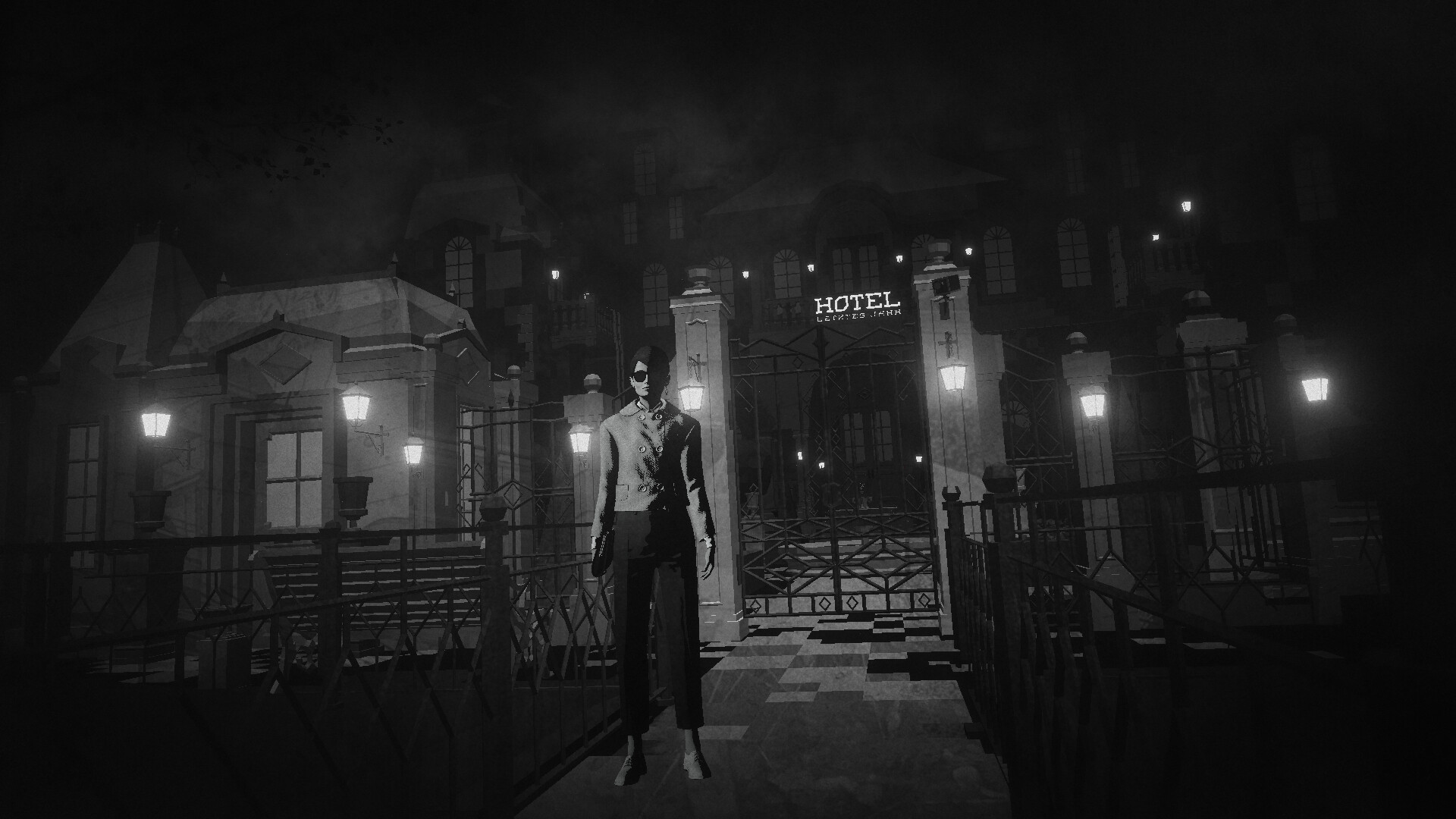
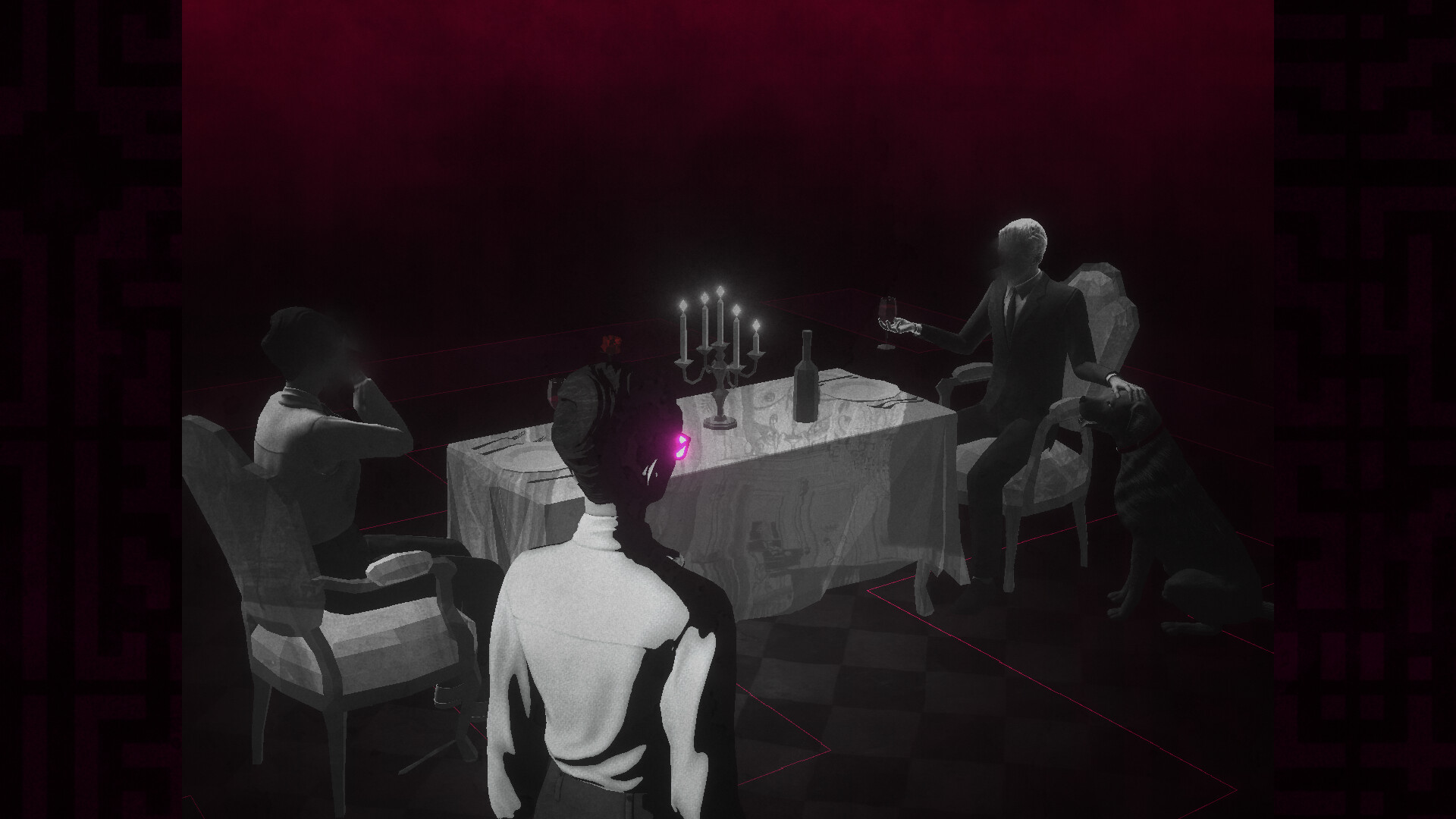
The stage is set. Imagine an old baroque manor, perhaps a hotel or a museum, somewhere in central Europe. A woman wanders in search of answers.
Lorelei and the Laser Eyes is a adventure, puzzle and action game
developed by Simogo
and published by Annapurna Interactive.
Released on May 16th 2024 is available on Windows, Steam Deck and Steam Machine
in 10 languages: English, French, Italian, German, Spanish - Spain, Japanese, Korean, Simplified Chinese, Traditional Chinese and Spanish - Latin America.
It has received 2,271 reviews of which 2,151 were positive and 120 were negative resulting in an impressive rating of 9.0 out of 10. 😍
The game is currently priced at 22.99€ on Steam.
The Steam community has classified Lorelei and the Laser Eyes into these genres:
Media & Screenshots
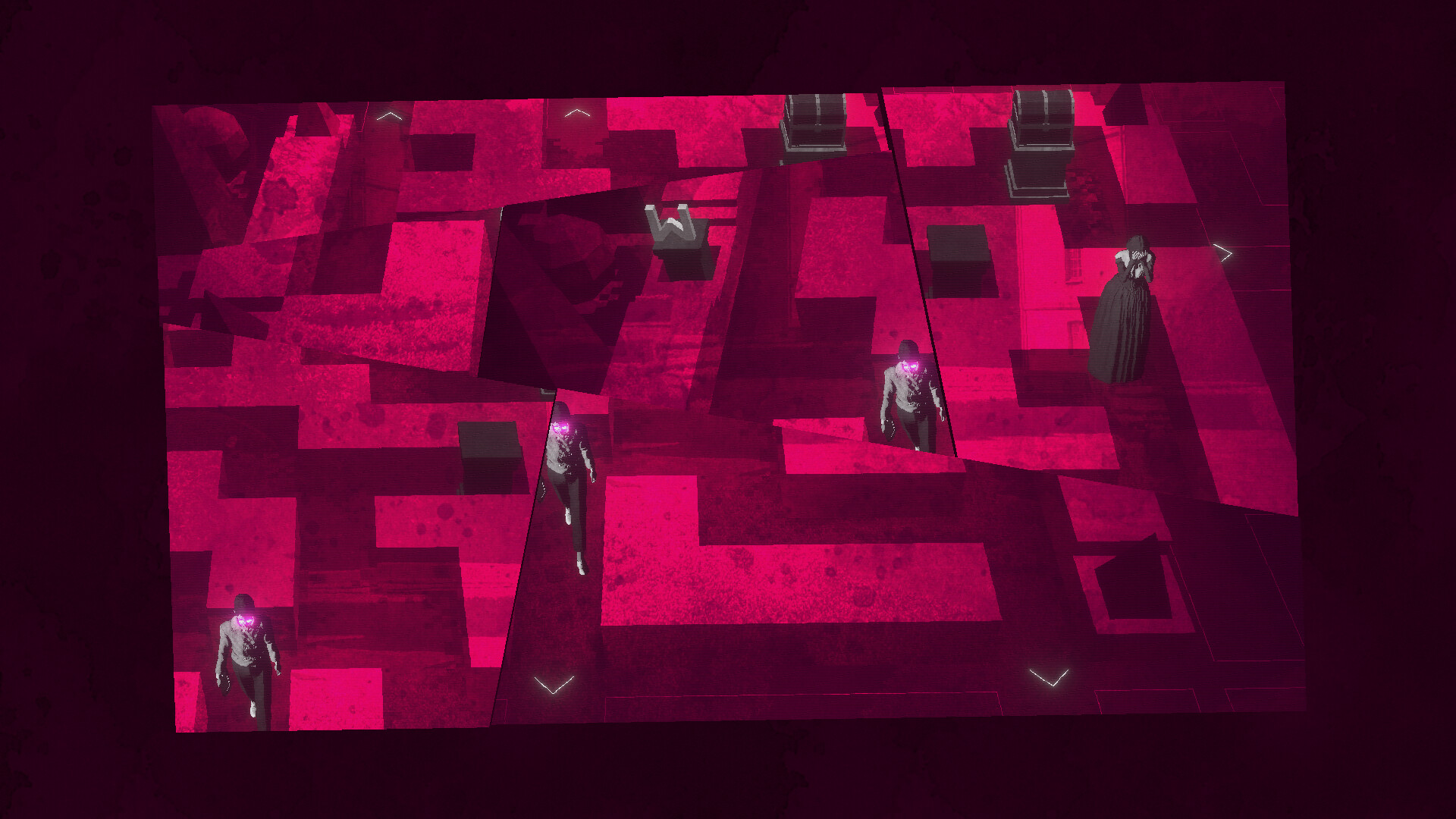
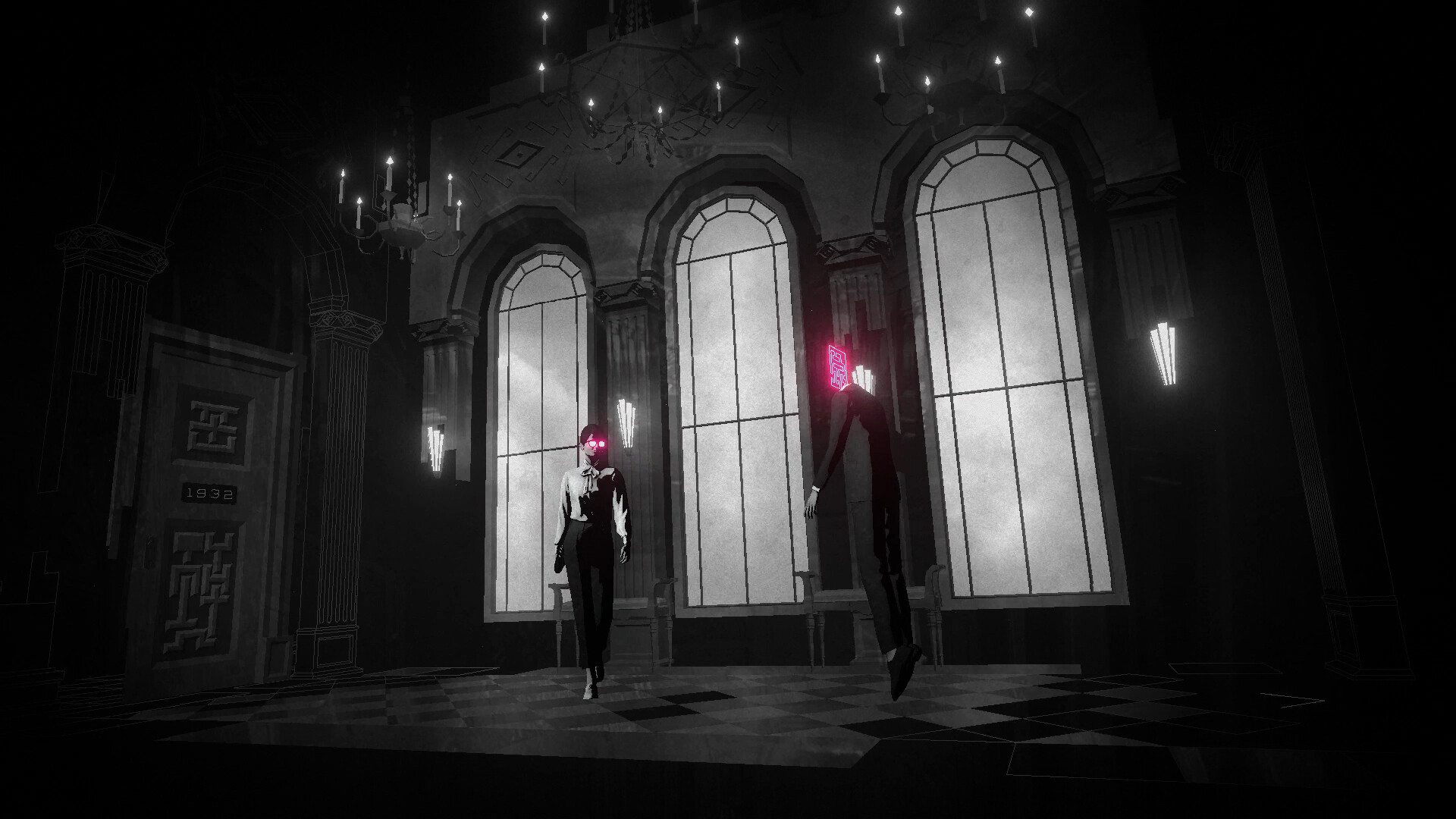
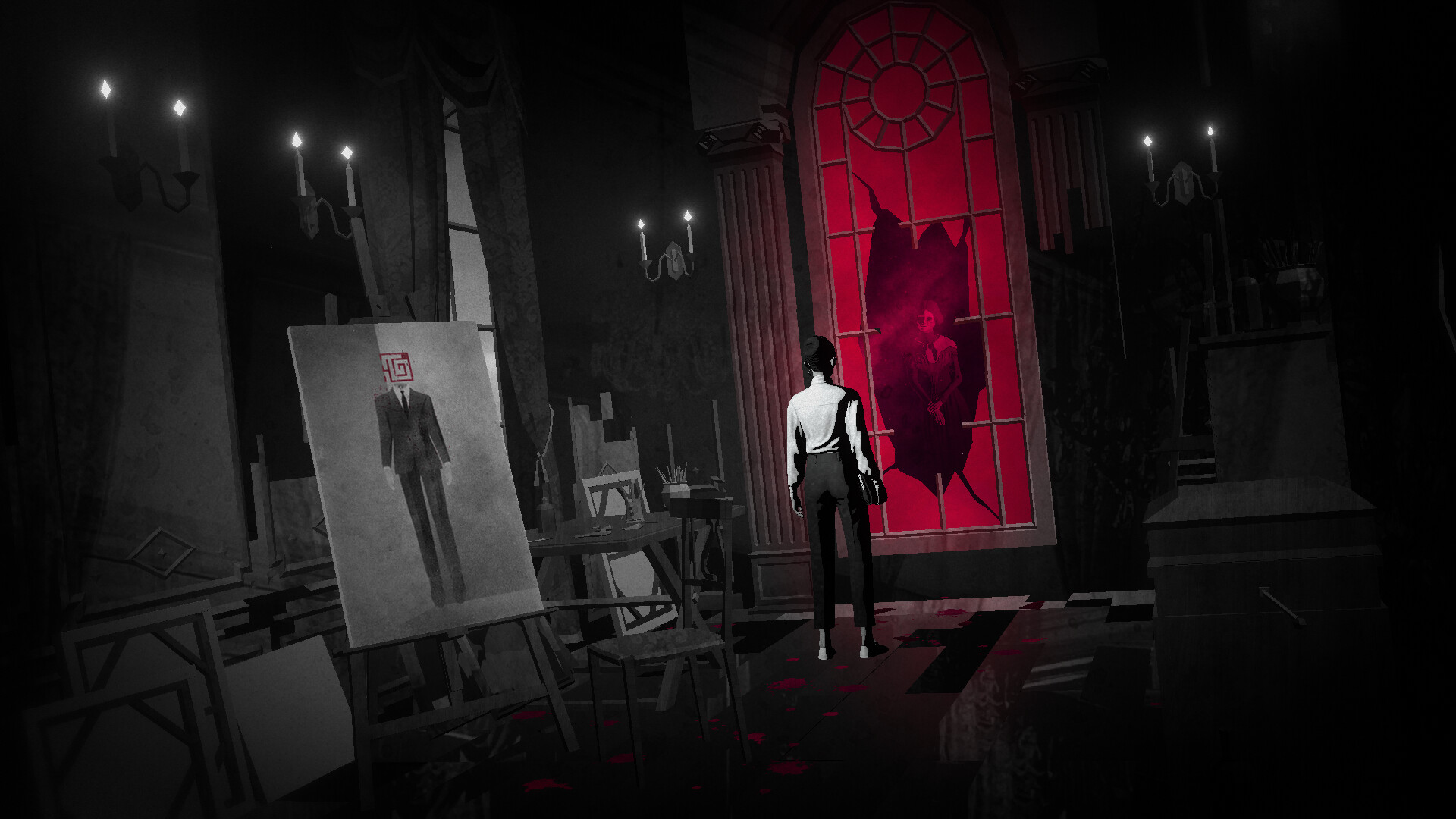
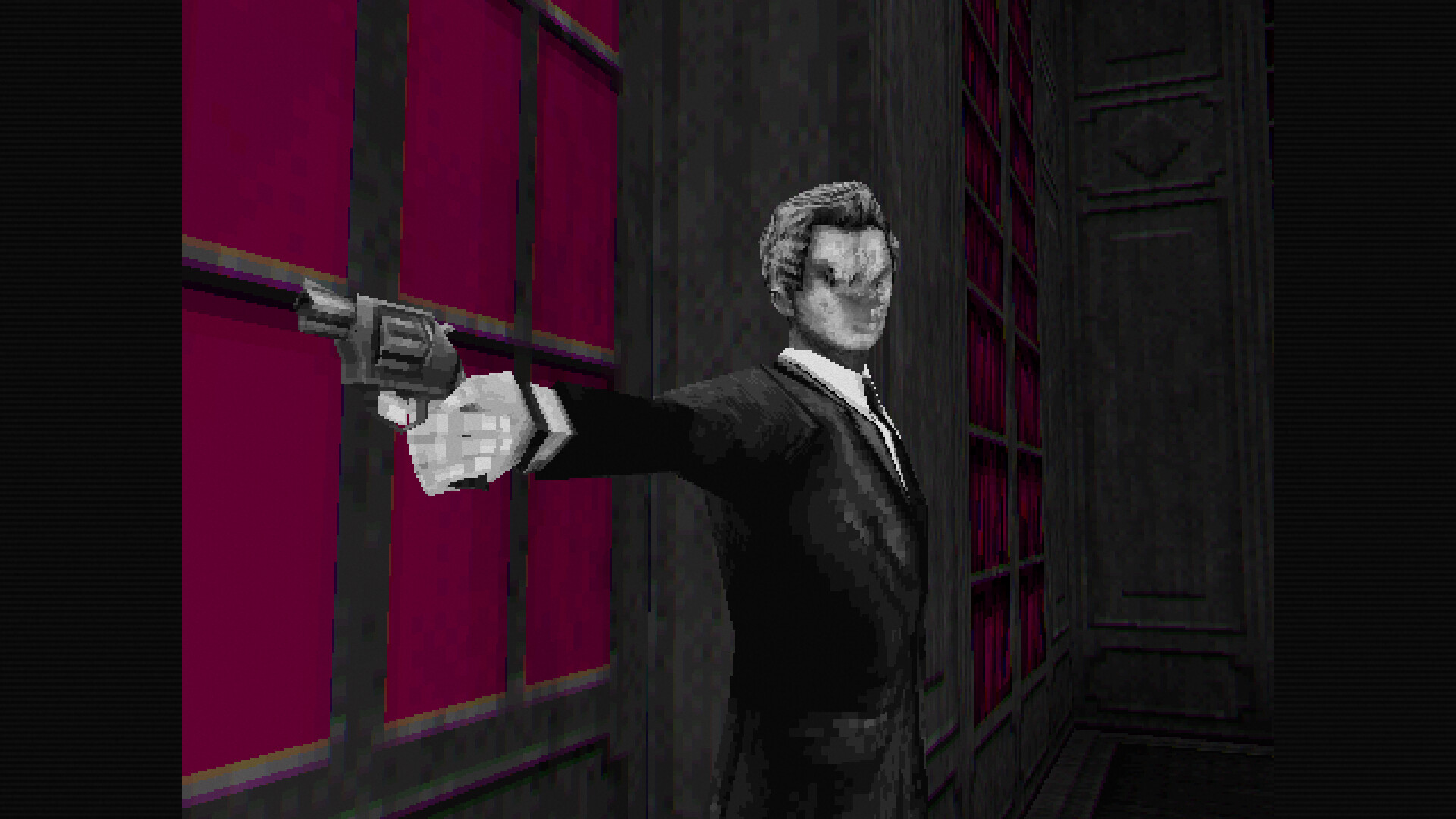
Get an in-depth look at Lorelei and the Laser Eyes through various videos and screenshots.
Load More
System requirements
These are the minimum specifications needed to play the game. For the best experience, we recommend that you verify them.
Windows
- Requires a 64-bit processor and operating system
- OS: Windows 10
- Processor: Intel Core i3-540 or AMD Phenom II X4 965
- Memory: 4 GB RAM
- Graphics: NVIDIA GeForce 8800 GT, 512 MB or AMD Radeon HD 5670, 2GB or Intel HD Graphics 4600
- DirectX: Version 9.0c
- Storage: 2 GB available space
- Additional Notes: If playing on Steam Deck, there's a small issue with line rendering not being pixel perfect in the latest revisions of Proton. Proton 7 is verified to work as intended.
Steam Price & Best Deals
User reviews & Ratings
Explore reviews from Steam users sharing their experiences and what they love about the game.
If, like me, you've enjoyed games like Outer Wilds, Blue Prince, Obra Dinn, or Golden Idol and you keep seeing this one pop up on your recommended lists but shy away because it has a Horror tag, I think it's worth going for it. While there are some horror elements to the gameplay, nothing really fully steals your ability to focus on puzzle solving and you'll pick up on the vibe pretty quick. I think the game only has one moment I'd classify as a "jump scare" but it's actually extremely hilarious in hindsight so I don't mind it existing . Gameplay-wise, I'd say it's closest to something like the RE1 remake but without any combat and a whole lot more puzzles to solve. There are two types of puzzles in this game: The first are pure, bona fide, honest to goodness puzzles and the others are your Riven fire marble, narrative-embedded meta puzzles which you will only get bits and pieces of as you go and never really understand until the end. The hard part is discerning which is which, because sometimes you can ignore something assuming you'll come back to it later with an inaccessible hint, then discover that you were actually supposed to figure that out on the spot and now you've played the game for 8 hours without a core feature in case you were wondering, I'd explored basically the entire manor without a single map because I somehow missed the very obvious, well-telegraphed pile of clues near the beginning of the game that unlock them . The story is... well you kind of need to see it for yourself. I will say that if the puzzles don't get you excited, you're not missing much by giving this a pass, but the story telling is top-notch and very unique. It has an arthouse, indie-film sort of vibe and takes an opaque cluster of indiscernible pieces and slowly puts them together in a satisfying way. My life isn't changed for having experienced it, but it was compelling enough to keep me going for two full afternoons. The only major negative point I have is the one-button control scheme, which you will get used to, but definitely adds to the weird vibes of the game as you're contending with illogical situations and rewiring your muscle-memory at the same time. Good news for people who like playing PC games with an Atari stick though. Since games like this can only really be played once, this gets the equivalent of a 10/10 for scratching a Myst-shaped itch that precious few games have been able to do over the years.
There's a lighthouse in the middle of Prussia A white house in a red square… (The Sisters of Mercy – Dominion / Mother Russia) If ever there was a puzzle game that deserves the label Lynchian , this is pretty much it. A game that is simply art, that doesn’t want nor need to be fully understood. A mystery at its (wild) heart, that is so compelling, it needs no final ultimate “resolution”. Media like this is always a bit difficult to approach. What does it all mean? What is it about? Well, Lorelei and the Laser Eyes simply is . The first one or two hours of the game were a weird and sometimes frustrating experience. I stumbled through seemingly endless hallways with a myriad of doors leading to a million different rooms filled with an infinity of puzzles, none of which I knew how to even approach. I solved a couple of shortcut puzzles (puzzles you need to solve in order to open a shortcut… duh) and a few minor side-puzzles but for the most part, I was just walking around in this huge mansion… aimlessly, without guidance or purpose, just… walking. I look back on these first hours and I realize something or rather, a couple of things: 1. I was just very unlucky. There is a de facto “main-path” that guides you through the main stages of the game and I just missed it. 2. I solved many more puzzles than I had any right to, meaning it’s a near miracle I solved anything at all given the little information about the world of the game I had at the time. 3. These first hours were actually pretty helpful in establishing the setting, the vibe and overall puzzle design of the game. They also helped me remember the layout of the mansion which would come in handy later on. Once I found my way to the main path again, things started picking up speed and I finally, successively started to understand what this game was about and why it is so beloved by so many people. Visuals, sound design, textures, lighting, character design, everything in Lorelei and the Laser Eyes comes together beautifully and hereby creates a unique vibe that is at the same time minimalist and modern but also eerie and mysterious. The grey of the environment mixed with a dark black and a starkly contrasting neon purple with pink variances just looks incredibly cool. Everything has a 1960s retro-futurist feel with a touch of Eastern Germany / Soviet charm and there is simply no other game that nails this combination so well. All is bathed in either ghostly sounding background music, erratic distortions or complete silence, depending on the mood a certain scene or location demands. All that is to say that the audiovisual design of this is on-point. Considering that we are talking about the people that gave us the flashy and stylish musical experience Sayonara Wild Hearts , that shouldn’t be much of a surprise. But what about the core of the matter in a puzzle game - the puzzle design? Well, this may be the cleverest puzzle game I have played thus far. My experience is limited of course. I’m just saying that Lorelei had some real brain-teasers. Mathematics, perspective, translation, attention - the pool from which these puzzles are drawn is varied and wide. Rarely do you get to use the same “tactics” twice. Thinking outside the box is pretty much the standard with which you have to approach this game which is funny because there literally is a rather extensive box-related puzzle. Since it is even recommended by the game itself, let me emphasize that you really should take notes outside of the game. Lorelei saves any crucial information on her own for you to look up later but you really do have to work out these solutions by yourself and a notebook helps a lot here. Sitting on a couch with a friend or spouse while one is playing and the other is taking notes is a really cool and bonding experience, I can vouch for that. Discussing puzzle solutions and plot theories together is a lot of fun too, highly recommended! The more unknowable the mystery, the more beautiful it is. (David Lynch) Now, speaking of the story, is it a good one? That depends on how you enjoy stories being told. In my introductory statement, I referenced David Lynch and how this game really feels like a work of art strongly inspired by him. This also applies to Lynchian storytelling, which often relies on images, sounds, lights, a certain mood being transported via the cinematography. It’s less about words and a coherent plot you can easily follow. There is mystery here, there is room for interpretation and thus, the viewer, or in this case the player, becomes part of the storytelling as well. Lorelei is not as esoteric or murky as most of Lynch’s work. There is a somewhat easy-to-follow plot here that appears pretty plausible in the end but for the majority of the game, you will have questions and things will appear strange, dreamy, sometimes contradictory. Even when the big mystery is solved, you can still take things a certain way or refuse to. It’s cool how certain supernatural elements or allusions to the occult remain up to interpretation in the end. I think we get the best of both worlds here - a scenario that invites open interpretation and inference of meaning while also telling a story that is resolved in a straight way making it very clear what happened at the core of it all. What I love most about Lorelei and the Laser Eyes is that it’s a game that feels like a celebration of art in all its various forms. Within the game, you interact with movies, theater plays, dance, literature, music and yes, videogames too. Even the artistic side of the natural sciences is addressed here. At the same time, the game also covers the ugly side of art too, the eccentricity and egomania that sometimes come along with it. A hybris that can lead to madness. And it that sense, and I know I’m being a bit cryptic here but maybe you understand when you finish the game, it can also be seen as a sort-of liberation of art from its often-male, often-exploitative masters. The bizarre and maybe even antithetical relationship between art and money is talked about a lot in this game too, the Mammon an ever-present threat but also benefactor or at least enabler at the same time. As someone with a deep appreciation for art in all its forms, this game feels like it was designed by people who get it, who feel the same way, the anti-Trumps, the anti-capitalist, anti-genAI, progressive leftists or whatever you wanna call us. I felt understood here. Two things made the experience less than perfect so I want to cover them briefly. The first thing is that there are a number of “interrogation scenes” that play out like a round of memory where you have to internalize a 3D scene with different actors, props, their physical relation to each other and so on. Those get really stale after the third time or so. For some reason, I had 4 or 5 of these scenes in close succession and it really got on my nerves a bit. The second complaint I would like to bring up is the way this game handles game-over states. There are hard ends of the game and when you reach them, you have to load a save you manually created before. You can only save at distinct computer terminals and so, occasionally, I lost some progress. My worst case was losing like half an hour of progress and I did not feel like it was deserved or that the game properly informed me of the potentially lethal consequences that my actions would have. Anyway, these are just nitpicks and you can ignore them. Lorelei and the Laser Eyes is a phenomenal puzzle game with a clear creative vision both in audiovisual presentation and writing. It’s a deeply artful game with a lot of love for its medium but also other art forms that inspired it. It’s eerie, weird and mysterious, sometimes even spooky. It’s also personal and tragic. Ultimately, a game about creation and the beauty of it - creation of art, magic, myth and truth.
You know who really deserves a puzzle game? Librarians. So I’m glad Loreli and the Laser Eyes came thru with its document and math based puzzles. Do you like solving math riddles and combing thru a binder of documents to answer a question? Because if you do then about 70% of this game was made just for you. As for the other 30% I’m afraid you’ll have to put up with some of the most visually and mechanically dazzling puzzles you’ve ever encountered on top of the incredibly dreamlike noir the rest of the game is already glazed in. I kid, Yes, Loreli and the Laser Eyes might be one of the most unique looking games I’ve ever played and its story is not only deep but told in such a dramatic and novel way it really takes a whole playthru just to grasp the general outline. It's genuinely beautiful in ways that transcend just the aesthetic and I think it worth a shot if you are even casually interested. However it's not without faults and my little jab has some true feelings behind it. There are a lot of puzzles that just rely on the documents and information provided without giving them a very strong foundation in the world. Mostly the math puzzles. I actually do like the document system. Every image or piece of text you see is saved to your photographic memory. And while you may think this is to prevent you from needing to take notes, it really just cuts down on redundancy. This would be a triple digit hour long game for masochists that hate their wrists if these texts were not saved for you, I still ended up with 6 pages of handwritten notes. Now before you go thinking that's impressive let me hit you with this. I looked up plenty of puzzle solutions in this game. I have no shame about that. In fact one of my major complaints is that its actually pretty difficult to look up puzzle solutions because the solutions are all randomized every playthur and some puzzles don’t even appear in the same place. I’m going to give the creator the benefit of the doubt and assume that this was done to make replayability more viable. However it's not as if this is a metroidbrainia. Its a little non linear but you still need to see all aspects of the game to get to the ending. So I don’t think the randomisation was necessary to make replaying worth it, and if the randomisation was just in there to make looking things up harder *clears through* F&*k you. That is completely asinine and just outright hostile to the player. There is no hint or skip system so the only way around a puzzle is thru it. I’m not sad I had to look things up because that's how I enjoy these games. The puzzles are a lot like knots, you have a lot of threads to pull at when you start but you eventually hit a point you just have to figure out, but when you do a lot more threads and paths become available to you. I would’ve missed so many of my favorite moments if I just had to suffer at the 4 or 5 parts I got really stuck on. Honestly I think the game is only this low because the ending was one of those things. Its a puzzle that you build up thru the whole game but when clearing it there is no way to determine what part you are doing incorrectly. It's hard to look up and it's hard to check and if it weren't for my stubbornness and some people willing to go thru my steps on a reddit post I never would have beat the game. It’s a one of a kind experience both visually and narratively but its not a puzzle experience I would feel the need to return to.
It's... like someone took all the combat out of Silent Hill and poured more insanity in. It's like when you wished Resident Evil didn't have zombie dogs but only good boys you can pet. It's like a Giallo film about making Giallo movies. It's Alfred Hitchcock's take on Eraserhead. Or maybe it's David Lynch's take on Hitchcock's biopic? One way or another, Italian and French avant garde cinema with weird camera angles, word salad dialogue pretending to be deeply philosophical were clearly a major influence on this game. You play as Lorelei, a German sculptor/artist/computer graphics enthusiast, who arrives to a remote maybe-Swiss-maybe-Belgian mountain hotel on invitation from her maybe-friend Renzo Nero, renowned Italian filmmaker, of the sort that when you ask what movies he's made, and he names a few, you go "Oh. THOSE kind of movies". (It's not porn, it's just philosophizing while someone gets gruesomely disfigured) The hotel is mostly empty, Renzo is locked in his room working, and you have to figure out why he sends you on weird errands around the place to prepare the allegedly haunted hotel for the movie shoot and why so many of the things you find and read are ABOUT Lorelei, Renzo and their careers? And then it gets progressively weirder, with shifting camera styles (fixed-overview at the start makes way for overhead, for over-the-shoulder, for a short bit of first-person, for deliberate PS1 visual throwback and so on and on and on), wacky dance numbers, sad romantic songs and lots and lots of anachronisms. At its driest, LATLE is a puzzle collection loosely tied together with a plot, kind of like the old Sierra classics - Shivers, Castle of Dr Brain, you know the sort. You solve a puzzle to get a key to a door or a hint to a puzzle on another door, beyond which are new books to read and puzzles to solve using stuff you've read elsewhere. You slowly accumulate a stack of items that are either keys or key-analogues and fill up your Photographic Memory with the contents of books and notes and photos and what have you which you will need to regularly consult to solve more puzzles. It's been a long long while since I had a good puzzler that makes me want to reach for a piece of paper to figure a puzzle out even once. On this game, I spent six sheets of A4 paper, filled both sides. Let's be honest: it's HARD. But it's also very very FAIR. Almost every puzzle has a legitimate chain of logic behind it, AND most of them are randomized between playthroughs (the corresponding reference books shift, date-based puzzles shift dates around, etc) so you wouldn't be able to just rush it through with a walkthru. And it's just three Swedish dudes doing most of the lifting. AMAZING.
Similar games
View all

Before The Night
Before The Night is a horror action adventure game based on a macabre twist to a fable. Survive in the tiny, cute animal village! Your animal friends will literally turn rabid at night! Uncover the secrets of the world where animals keep human pets. Join the cute pet human "Lisa" on her adventure!

Ogu and the Secret Forest
Explore the wonderful world with baby Ogu! 'Ogu and the Secret Forest' is a 2D adventure game with hand-drawn characters and various types of puzzles. Befriend bouncy characters and defeat strange creatures to unravel the mystery of the charming world.
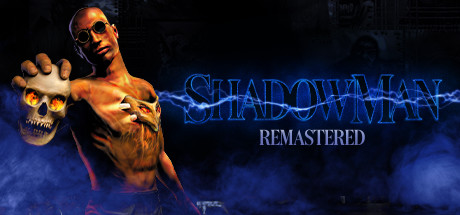
Shadow Man Remastered
He is coming, stalking criminals in the spirit world and the real world. A possessed man is coming, a voodoo mask in his chest and lines of power in his back. Shadow Man is coming, trailing evil from Liveside to Deadside. To stop an apocalypse. To save your soul.
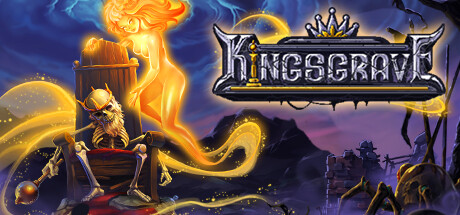
Kingsgrave
Welcome to Kingsgrave, a dark fantasy adventure RPG. Gain more power and obtain new combat skills as you explore the fractured land, slay foes created by plague, solve puzzles and rebuild villages. Reclaim your realm!

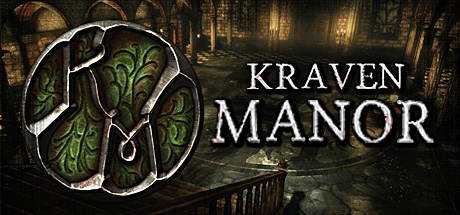
Kraven Manor
Turn out the lights, take a deep breath, and prepare yourself. Explore the depths of the immersive, atmospheric world of Kraven Manor. Uncover its secrets, solve its mystical puzzles, and face its growing threat. Face your fears and see if you have what it takes...the doors of Kraven Manor await you.

World to the West
World to the West is a standalone followup of Teslagrad, the indie hit that sold more than 1.6 million copies worldwide. A vast world of blue skies and dark caves awaits you in this 3D action adventure, as you try to unveil the mysteries of an ancient prophecy.
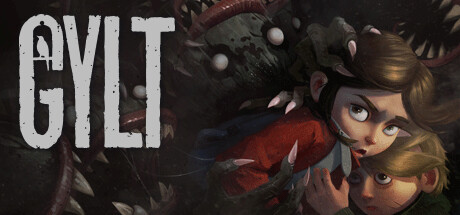
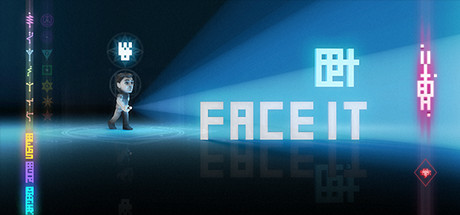
Face It - A game to fight inner demons
Carefuly crafted puzzles in a challenging 3D plaformer take the player on a surrealistic journey through a maze of feelings. In Face It, abstract concepts are shaped into gameplay: darker emotions are monsters and traps, while brighter concepts are the powers you need to beat the levels.
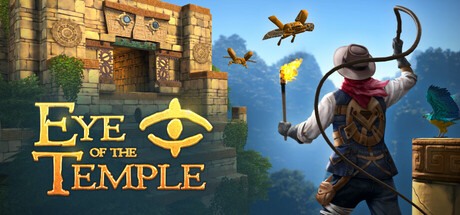
Eye of the Temple
Embark on a VR adventure to explore a vast and treacherous temple and uncover the ancient legend of the Eye. Keep your balance as you step between moving blocks, dodging hazardous traps and solving environmental puzzles with just your torch and whip in hand.

Tomb Raider V: Chronicles (2000)
Lara Croft is missing in Egypt - presumed dead. Those closest to her gather together at the Croft Estate on a grey, rainy day for a memorial service in her honour. Afterwards, the friends sit quietly together in the study of the Croft Mansion and reminisce about Lara's past exploits; exploits that have until now remained a secret..
Frequently Asked Questions
Lorelei and the Laser Eyes is currently priced at 22.99€ on Steam.
No, Lorelei and the Laser Eyes is currently not on sale. You can purchase it for 22.99€ on Steam.
Yes, Lorelei and the Laser Eyes received 2,151 positive votes out of a total of 2,271 achieving an impressive rating of 9.03.
😍
Lorelei and the Laser Eyes was developed by Simogo and published by Annapurna Interactive.
Yes, Lorelei and the Laser Eyes is playable and fully supported on Windows.
No, Lorelei and the Laser Eyes is not playable on MacOS.
No, Lorelei and the Laser Eyes is not playable on Linux.
Yes, Lorelei and the Laser Eyes is playable and fully supported on Steam Deck.
Yes, Lorelei and the Laser Eyes is playable and fully supported on Steam Machine.
No, Lorelei and the Laser Eyes does not support VR.
Lorelei and the Laser Eyes is a single-player game.
Yes, there is a DLC available for Lorelei and the Laser Eyes. Explore additional content available for Lorelei and the Laser Eyes on Steam.
No, Lorelei and the Laser Eyes does not support mods via Steam Workshop.
No, Lorelei and the Laser Eyes does not support Steam Remote Play.
Yes, Lorelei and the Laser Eyes is enabled for Steam Family Sharing. This means you can share the game with authorized users from your Steam Library, allowing them to play it on their own accounts. For more details on how the feature works, you can read the original Steam Family Sharing announcement or visit the Steam Family Sharing user guide and FAQ page.
You can find solutions or submit a support ticket by visiting the Steam Support page for Lorelei and the Laser Eyes.
Data sources
The information presented on this page is sourced from reliable APIs to ensure accuracy and relevance. We utilize the Steam API to gather data on game details, including titles, descriptions, prices, and user reviews. This allows us to provide you with the most up-to-date information directly from the Steam platform.
Additionally, we incorporate data from the SteamSpy API, which offers insights into game sales and player statistics. This helps us present a comprehensive view of each game's popularity and performance within the gaming community.
Last Updates| Steam data | 10 September 2026 20:19 UTC |
|---|---|
| SteamSpy data | 09 September 2026 05:43 UTC |
| Steam price | 13 September 2026 02:29 UTC |
| Steam reviews | 10 September 2026 01:48 UTC |
If you'd like to dive deeper into the details about Lorelei and the Laser Eyes, we invite you to check out a few dedicated websites that offer extensive information and insights. These platforms provide valuable data, analysis, and user-generated reports to enhance your understanding of the game and its performance.
- SteamDB - A comprehensive database of everything on Steam about Lorelei and the Laser Eyes
- SteamCharts - Analysis of Lorelei and the Laser Eyes concurrent players on Steam
- ProtonDB - Crowdsourced reports on Linux and Steam Deck Lorelei and the Laser Eyes compatibility


Game modes
Features
Online players
74
Developer
Simogo
Publisher
Annapurna Interactive
Release
16 May 2024
Platforms