


Pale Coins
Journey into the ruthless open world of Pale Coins, an old-school fantasy RPG. Face punishing bosses, goblin-infested dungeons, and discover legendary weapons as you customize your champion and fight across Grenmark for the fabled Champion's Coin.
Sync your Steam wishlist to track the lowest game prices instantly. No login required, just paste your Steam profile URL!
⚡ Try Wishlist Radar!
Sync your Steam wishlist to track the lowest game prices instantly. No login required!
⚡ Try Wishlist Radar!
Close

No Rest for the Wicked on Steam - User reviews, Price & Information
Quick menu
From Moon Studios, the award-winning creators of Ori and the Blind Forest and Ori and the Will of the Wisps, comes No Rest for the Wicked, a unique, visceral Action RPG set in a hand-crafted world with Souls-like combat. Featuring co-op for up to four players.
No Rest for the Wicked is a early access, open world and souls-like game
developed and published by Moon Studios GmbH.
Released on April 18th 2024 is available on Windows and Steam Deck
in 12 languages: English, French, Italian, German, Spanish - Spain, Japanese, Korean, Polish, Portuguese - Brazil, Simplified Chinese, Traditional Chinese and Russian.
It has received 50,533 reviews of which 39,563 were positive and 10,970 were negative resulting in a rating of 7.7 out of 10. 😊
The game is currently priced at 39.99€ on Steam.
The Steam community has classified No Rest for the Wicked into these genres:
Media & Screenshots
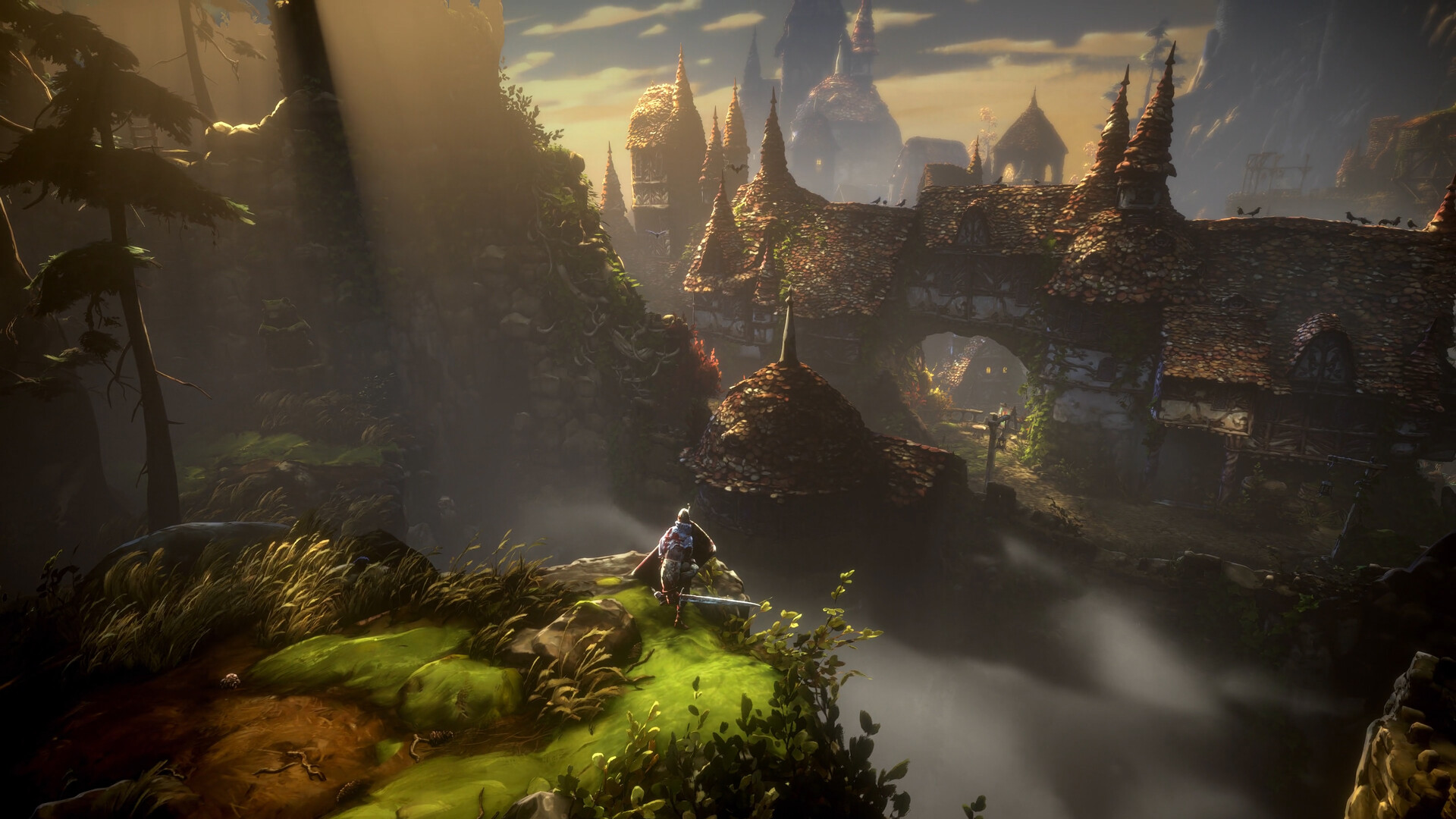
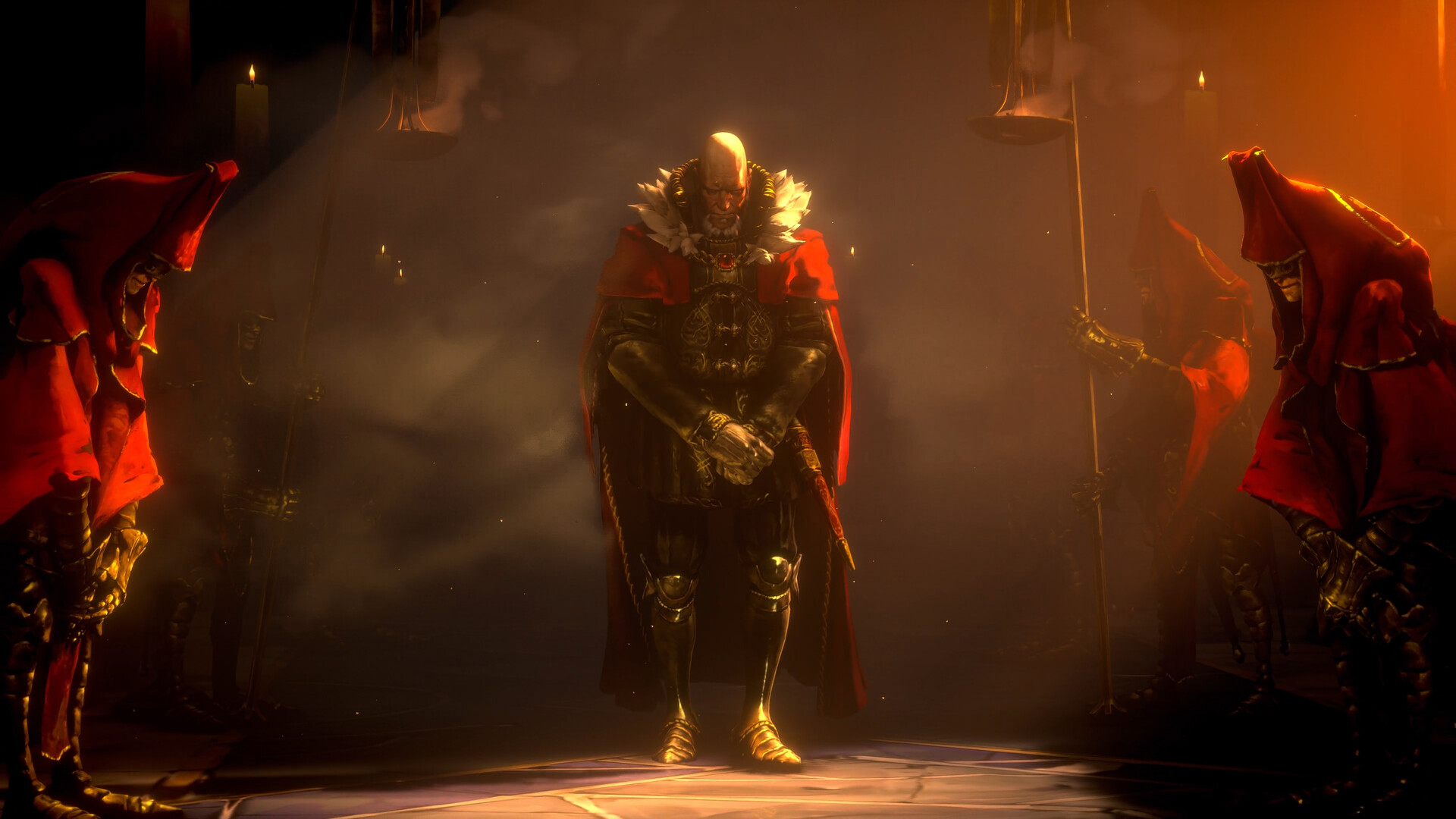
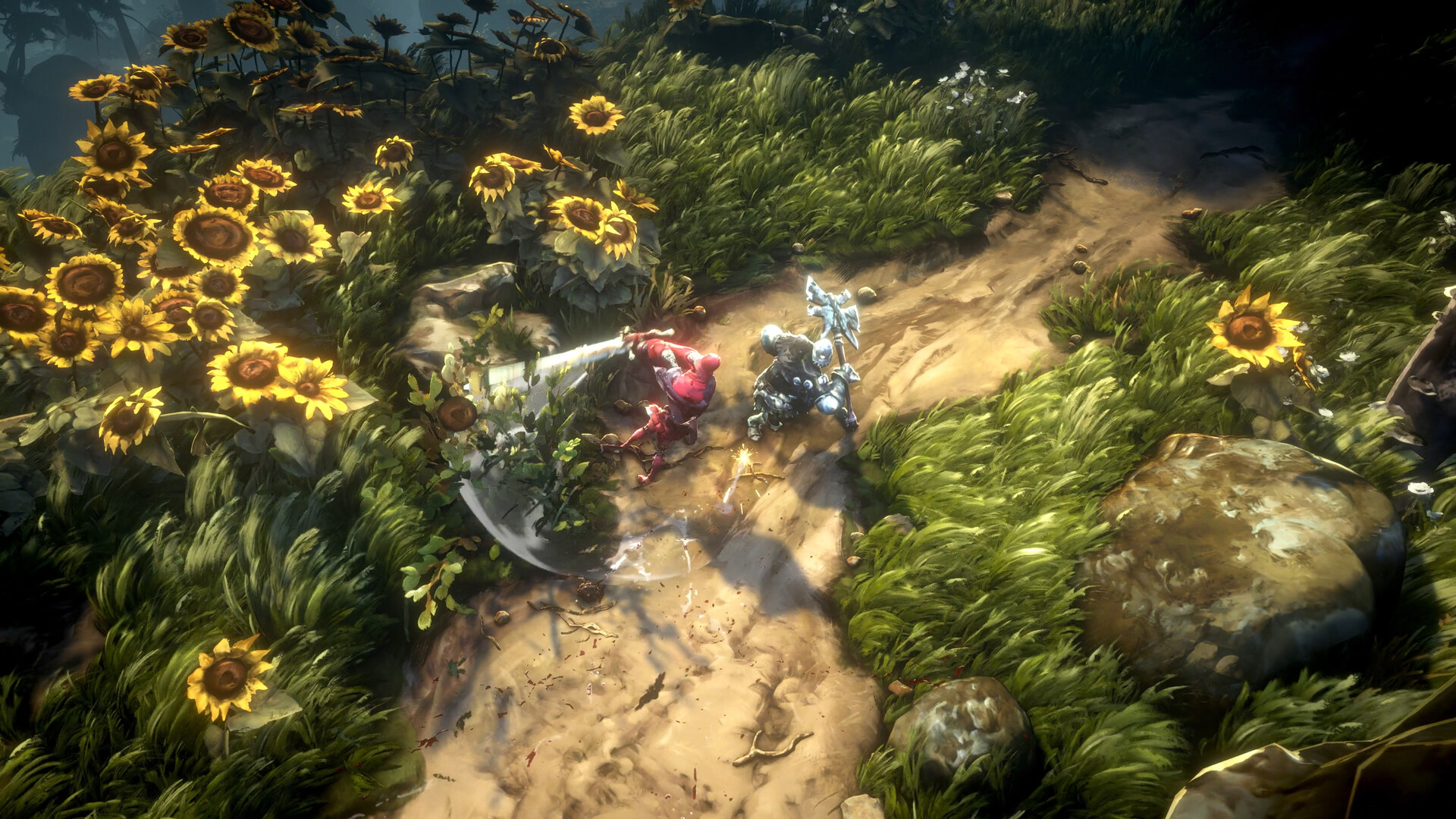
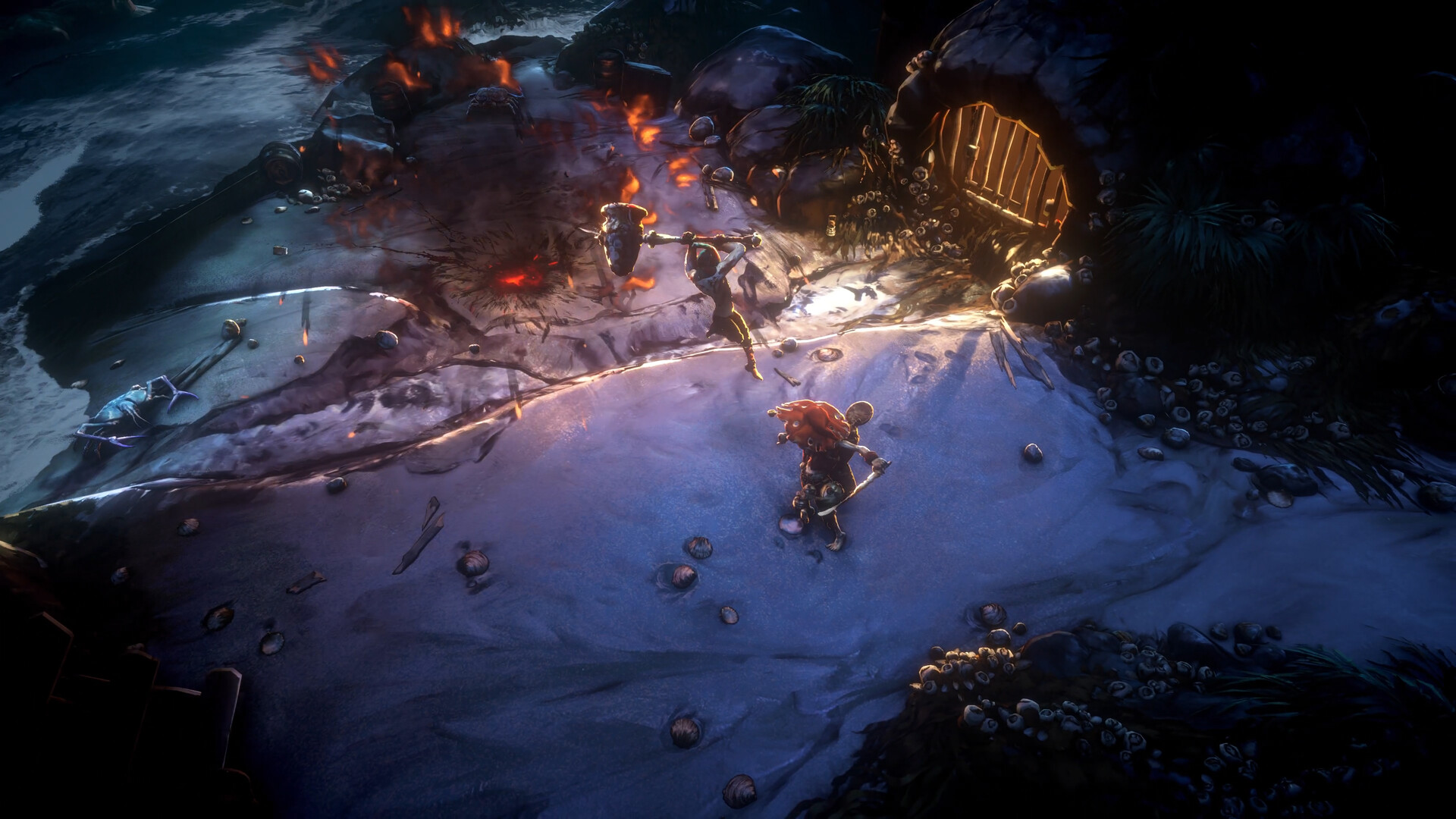
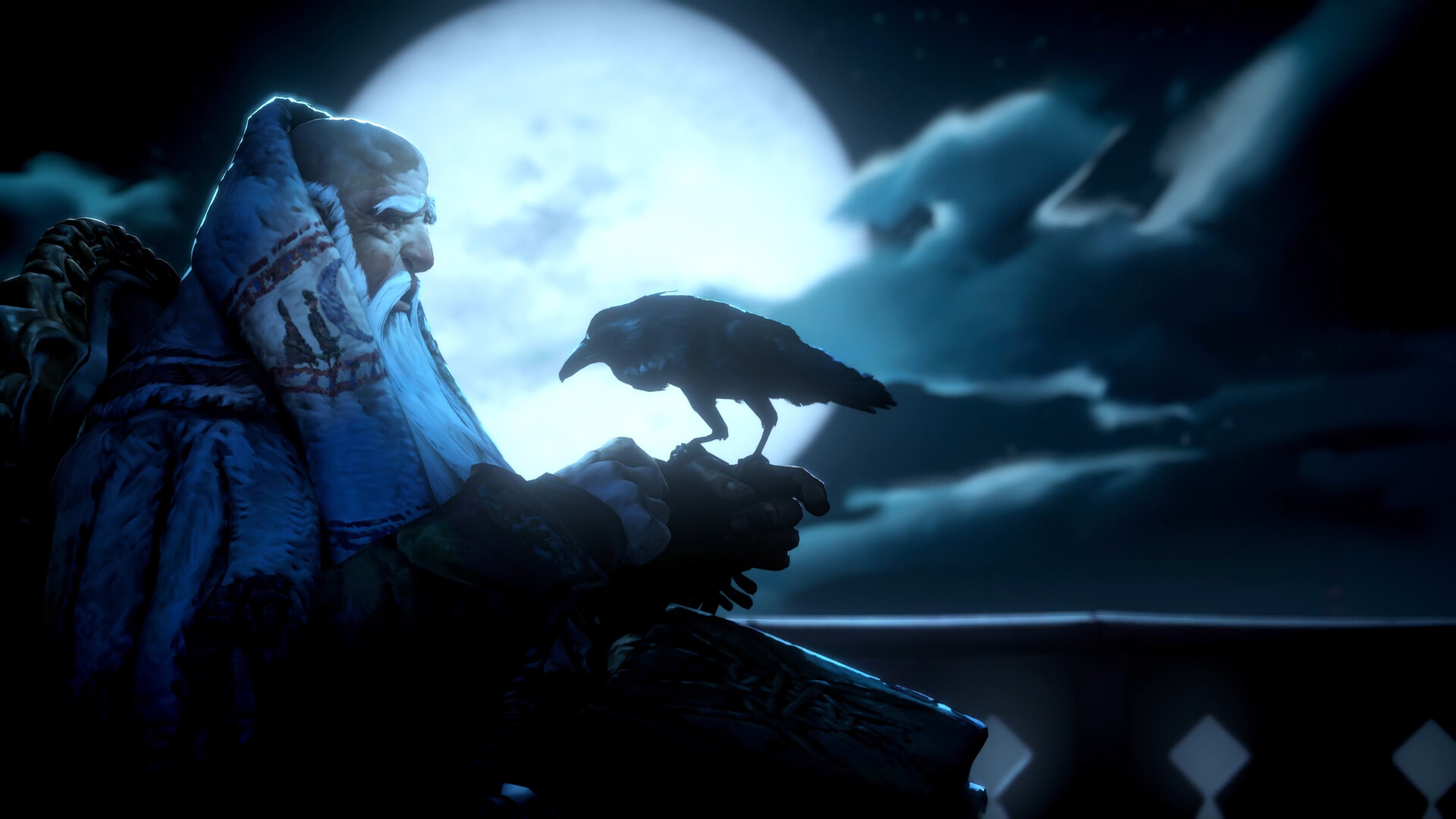
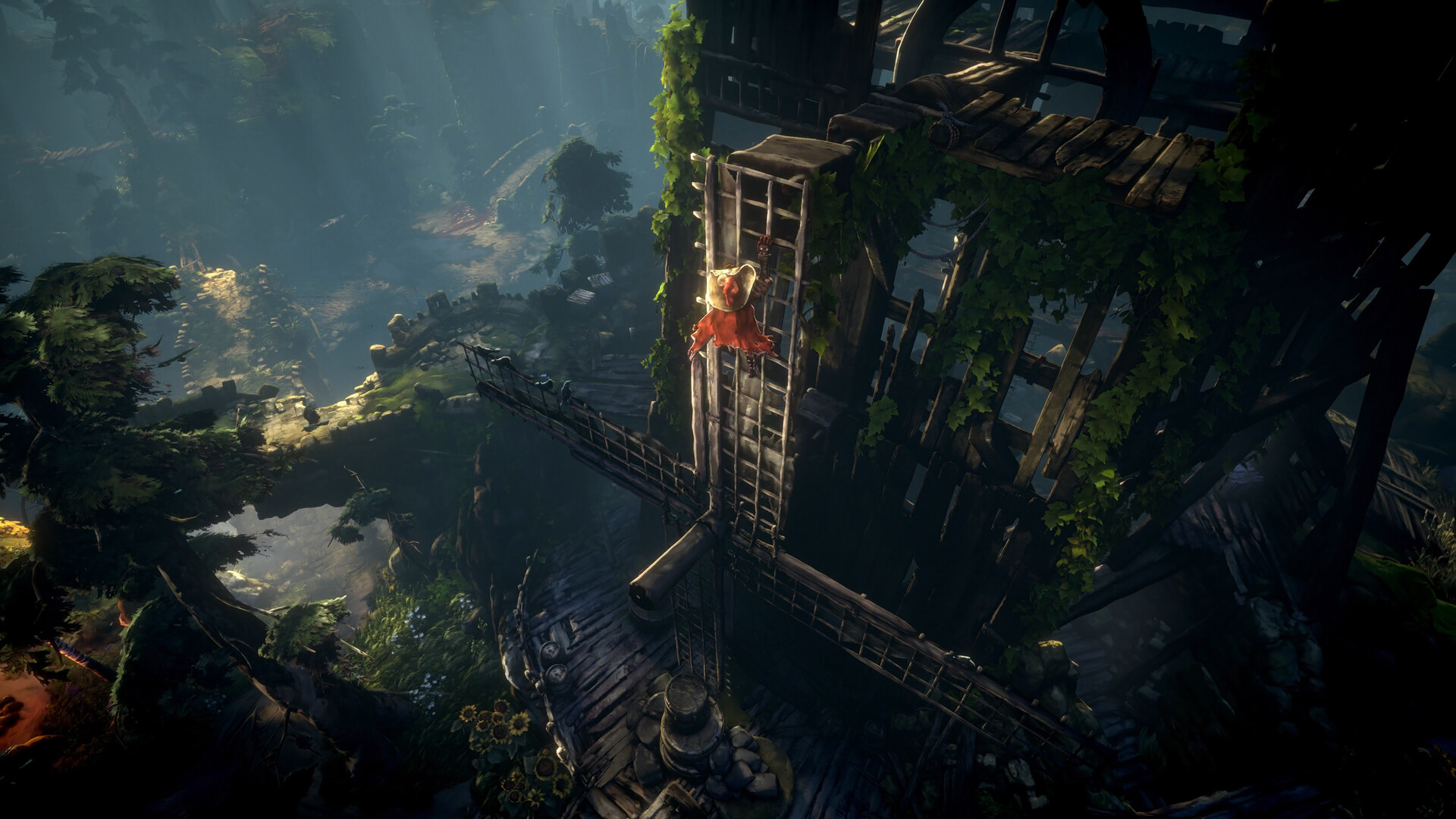
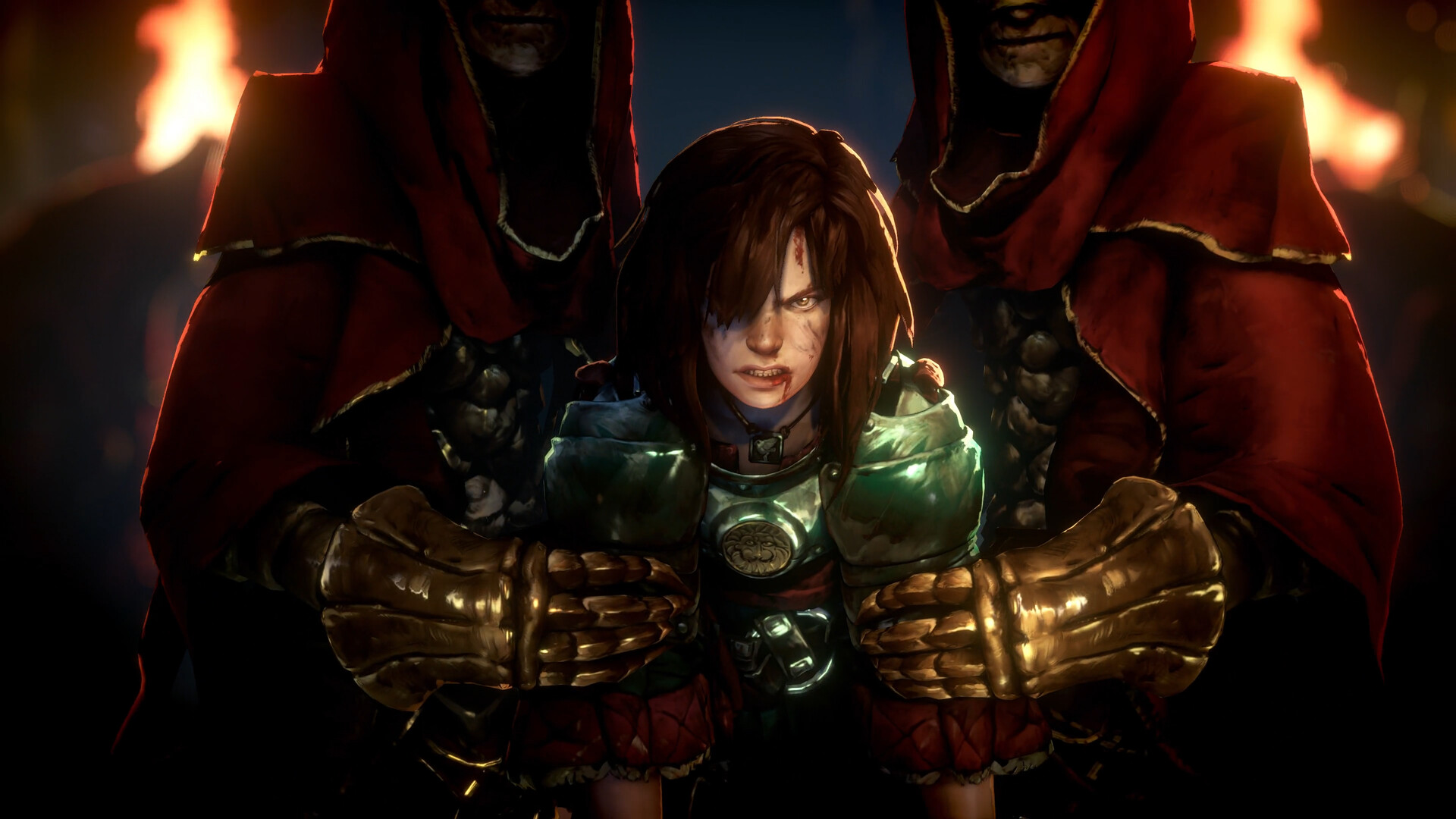
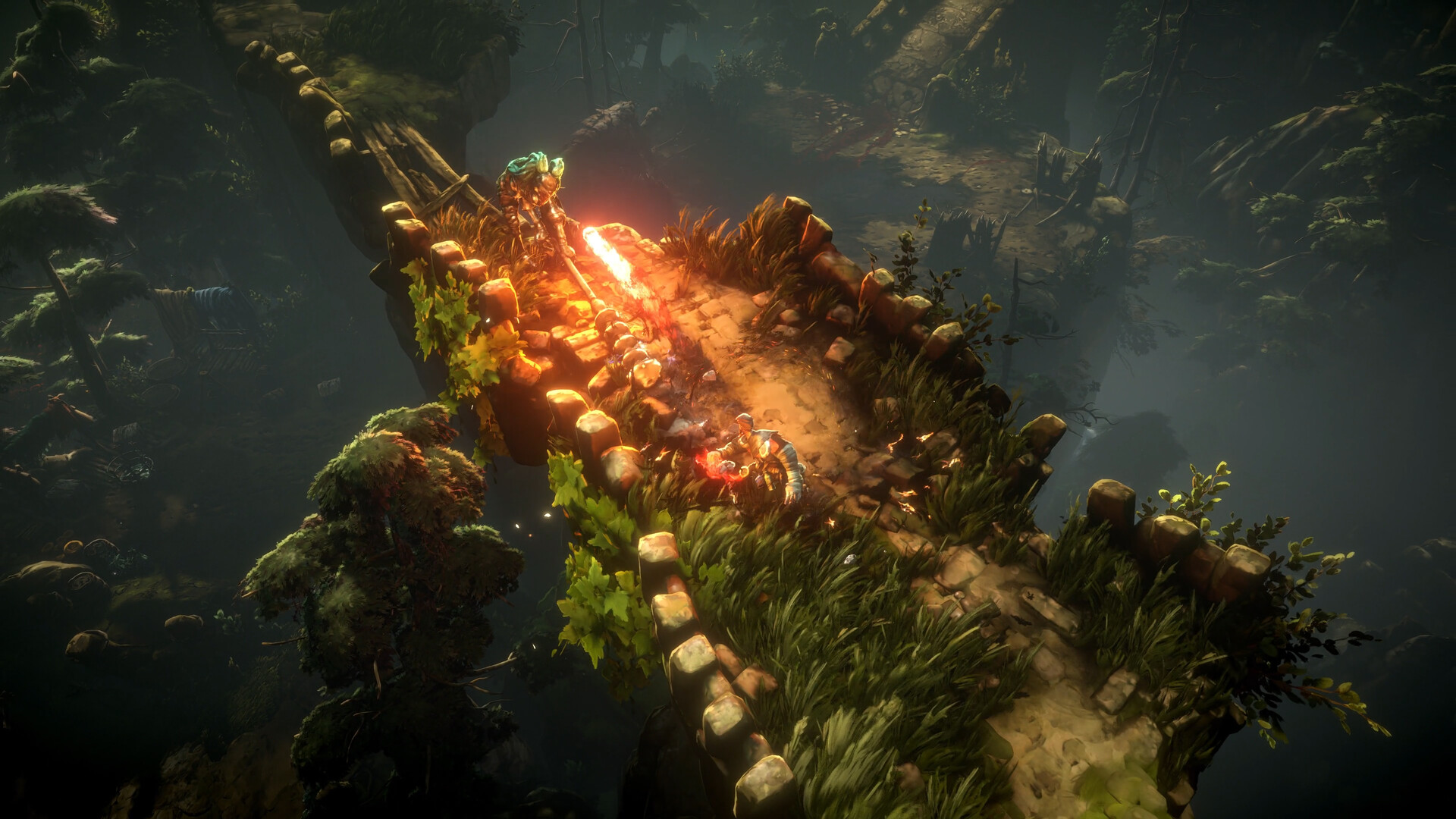
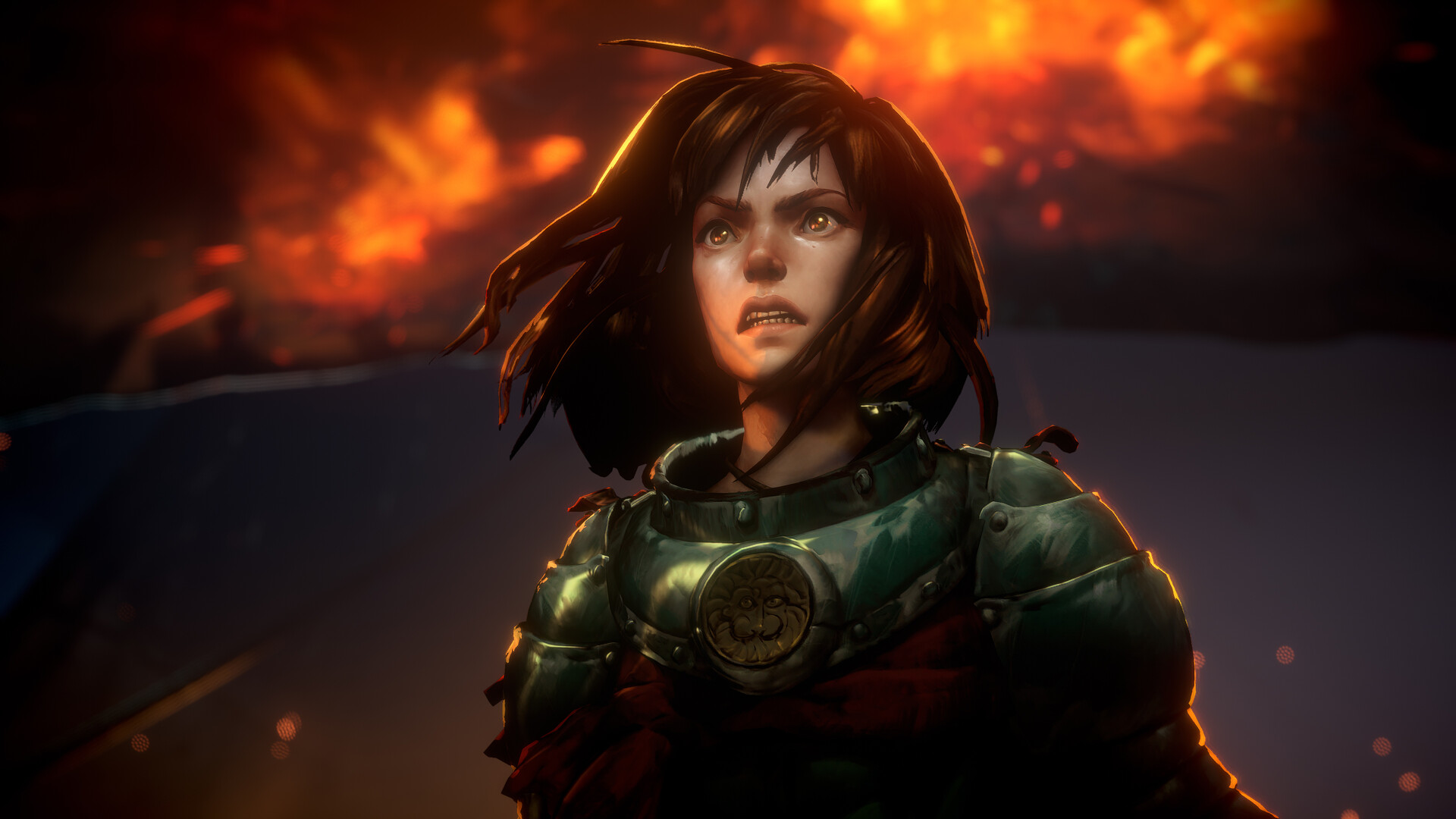
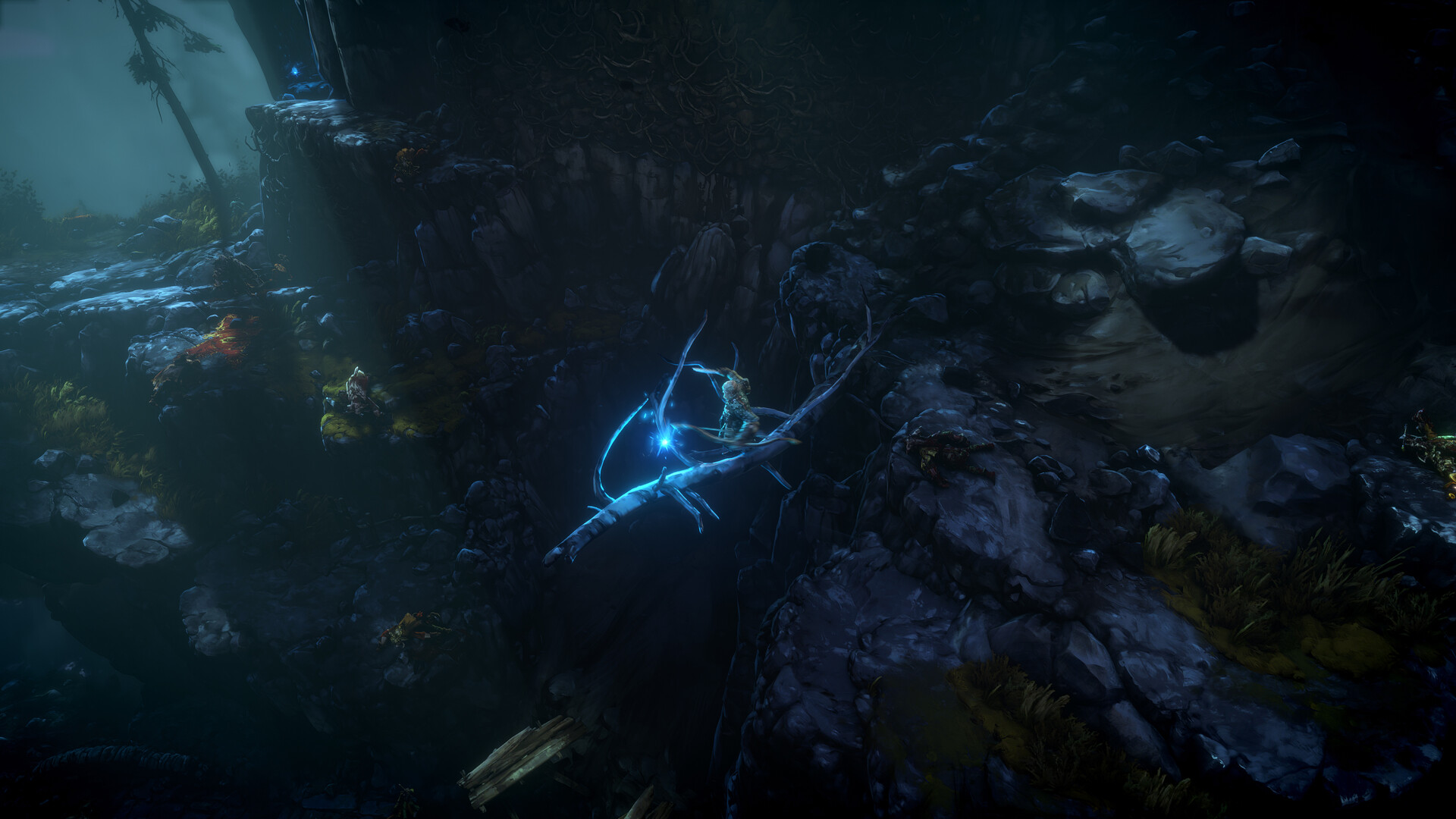
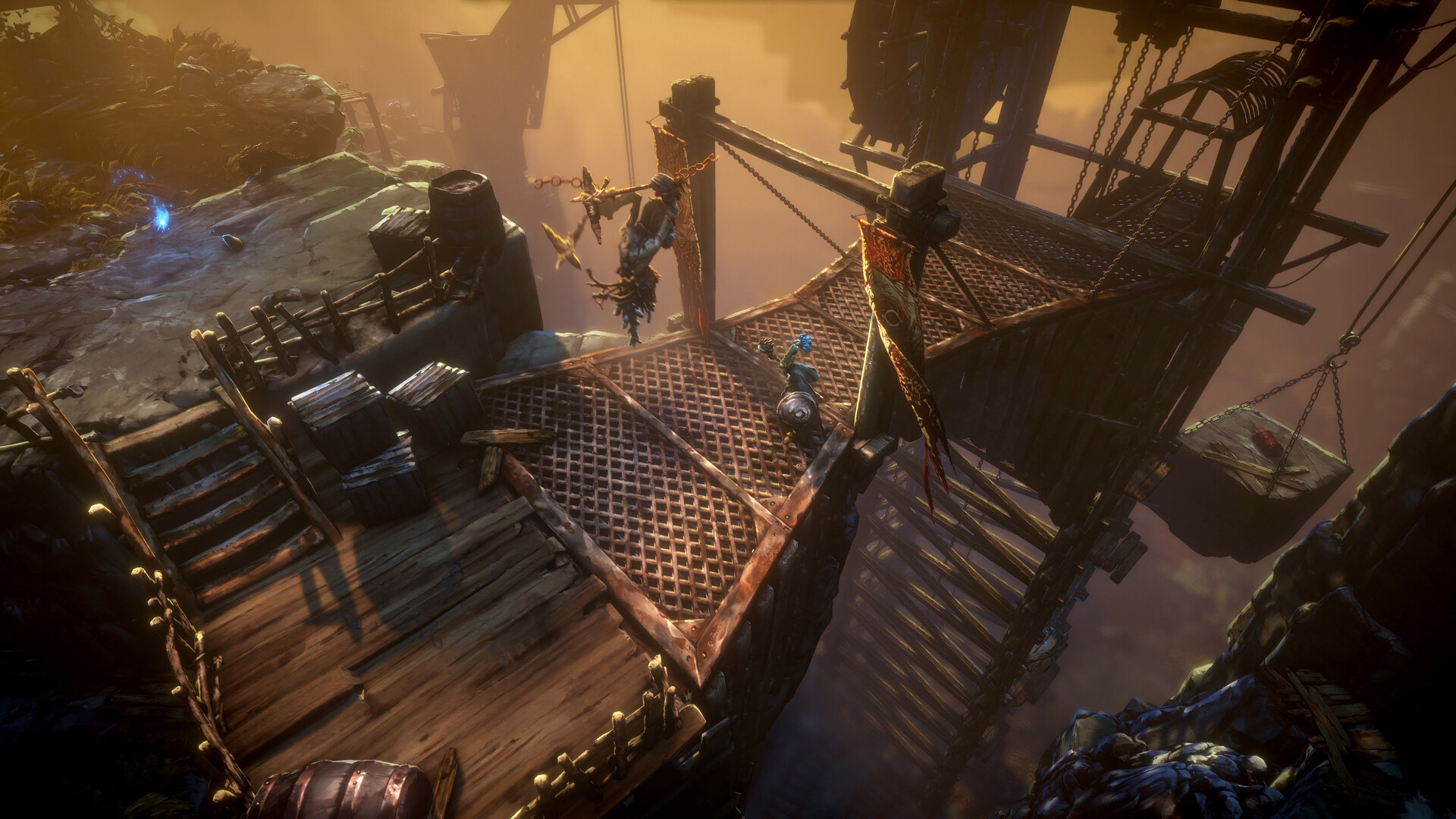
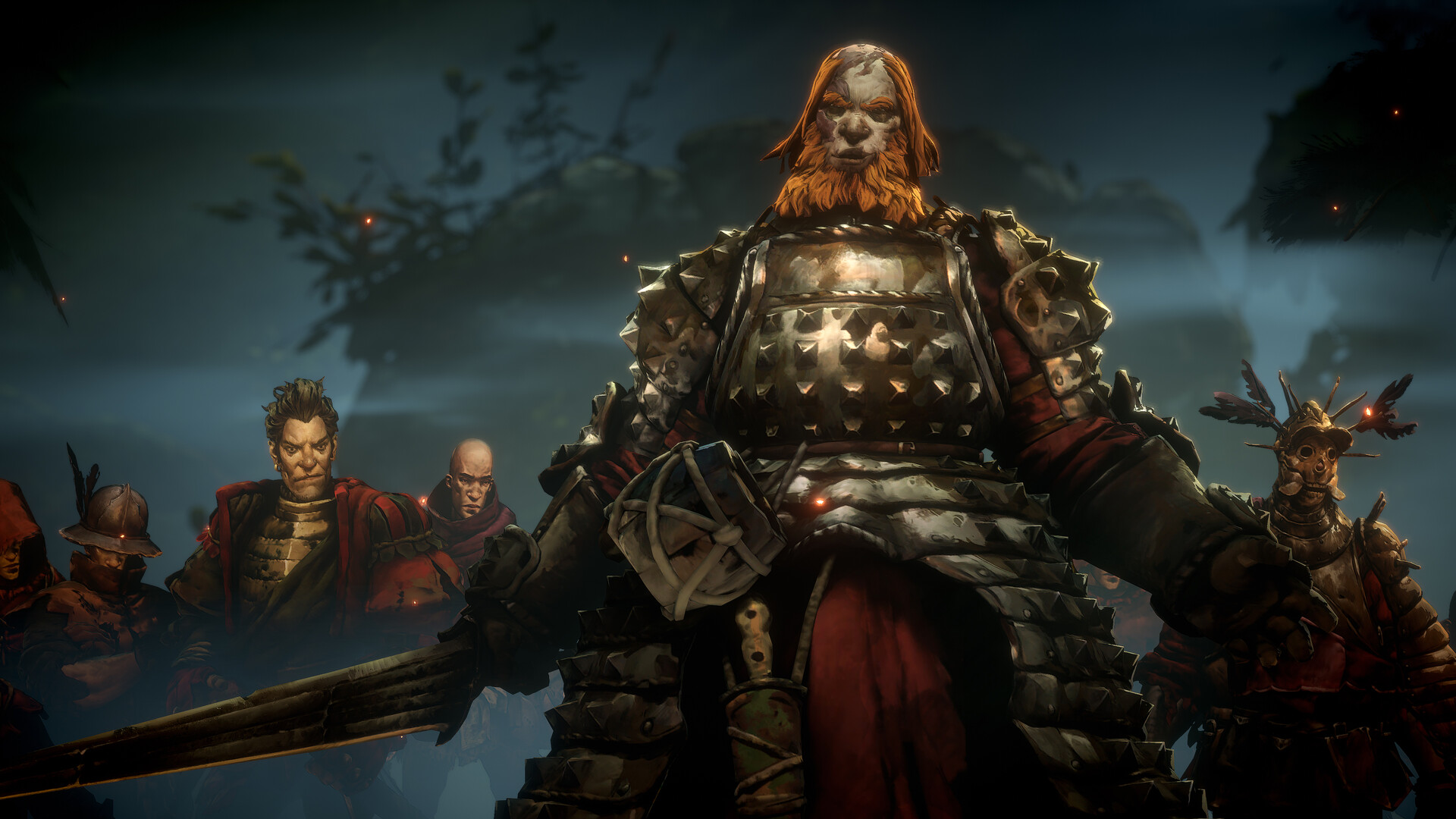
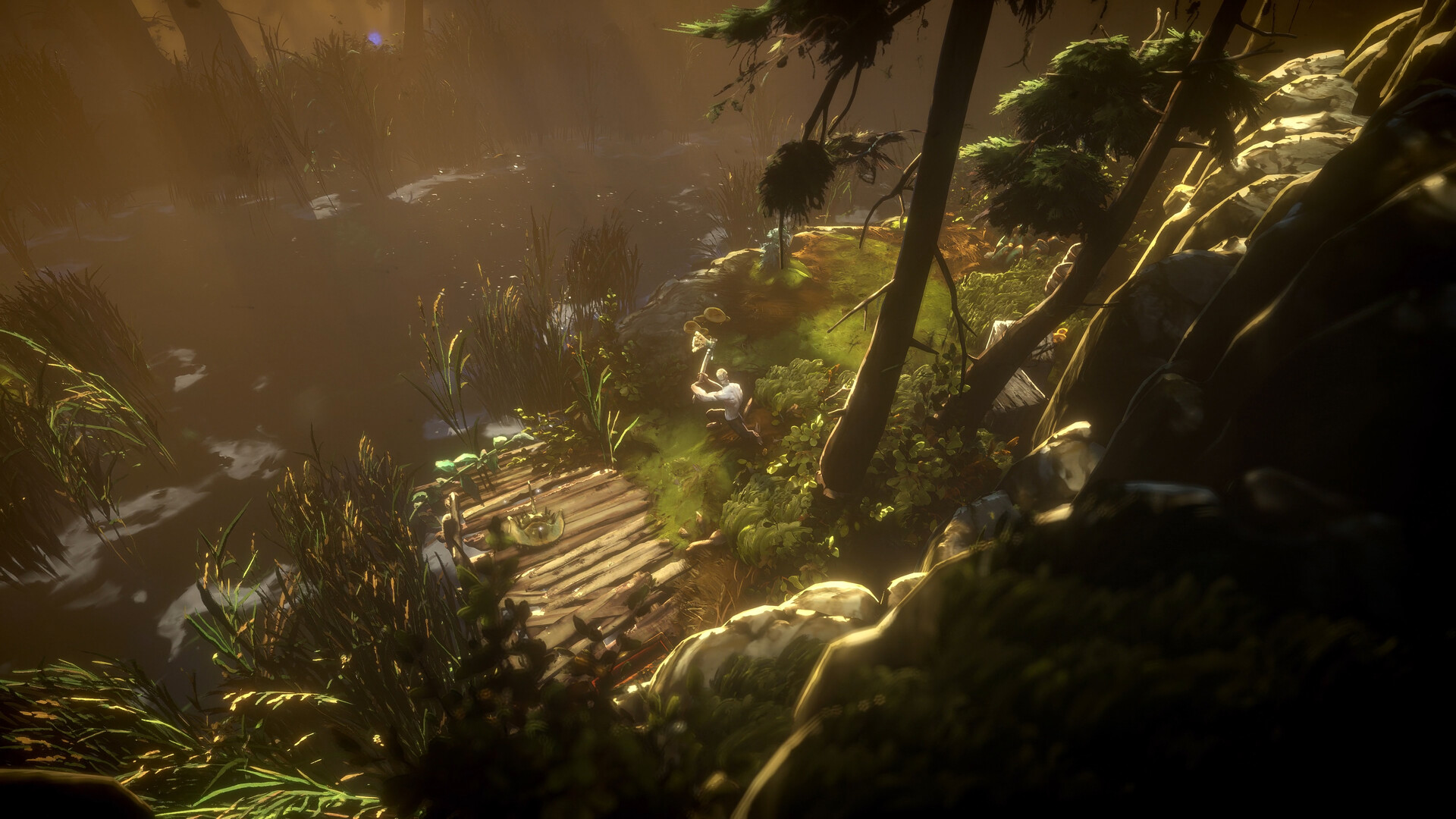
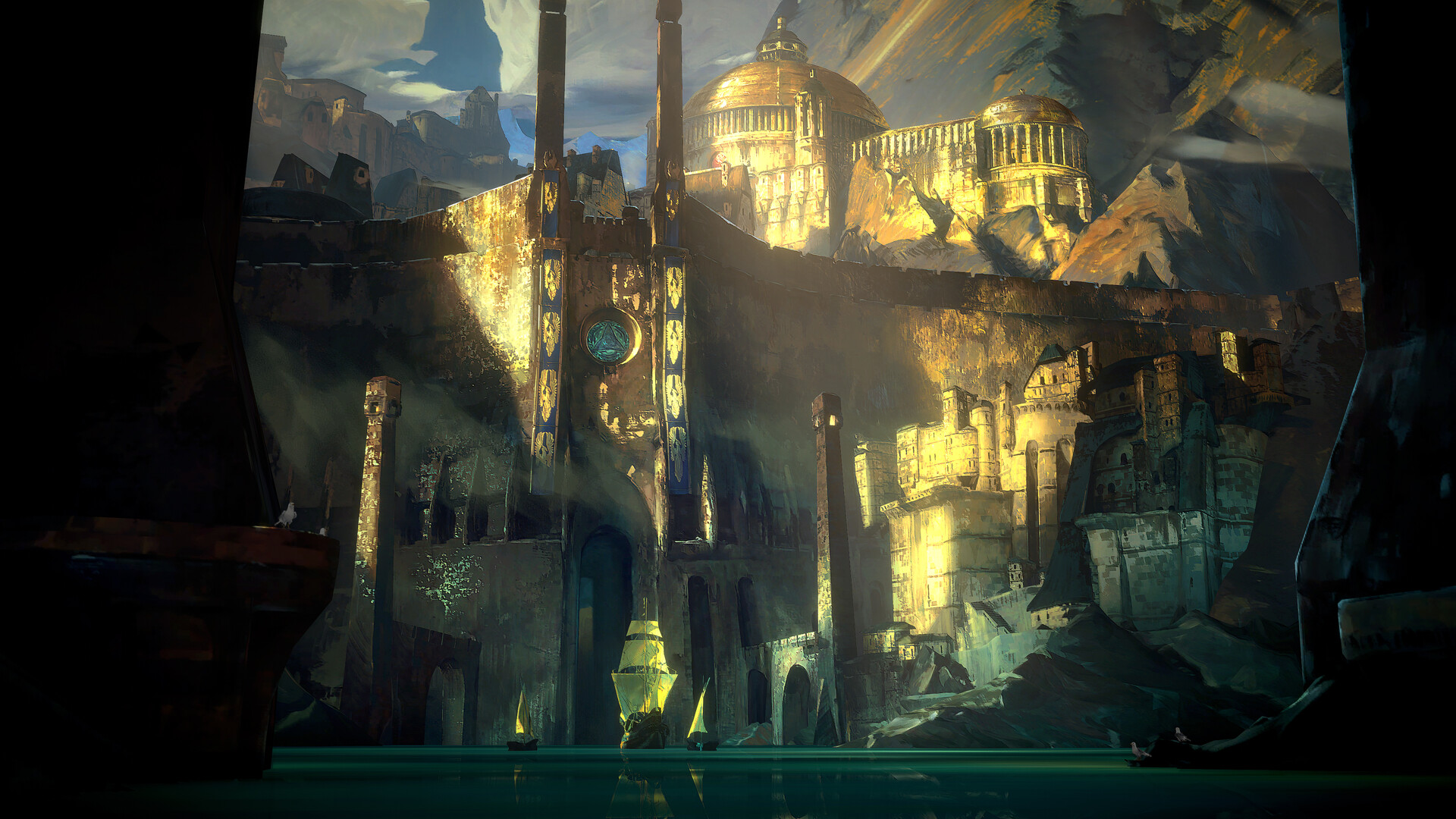
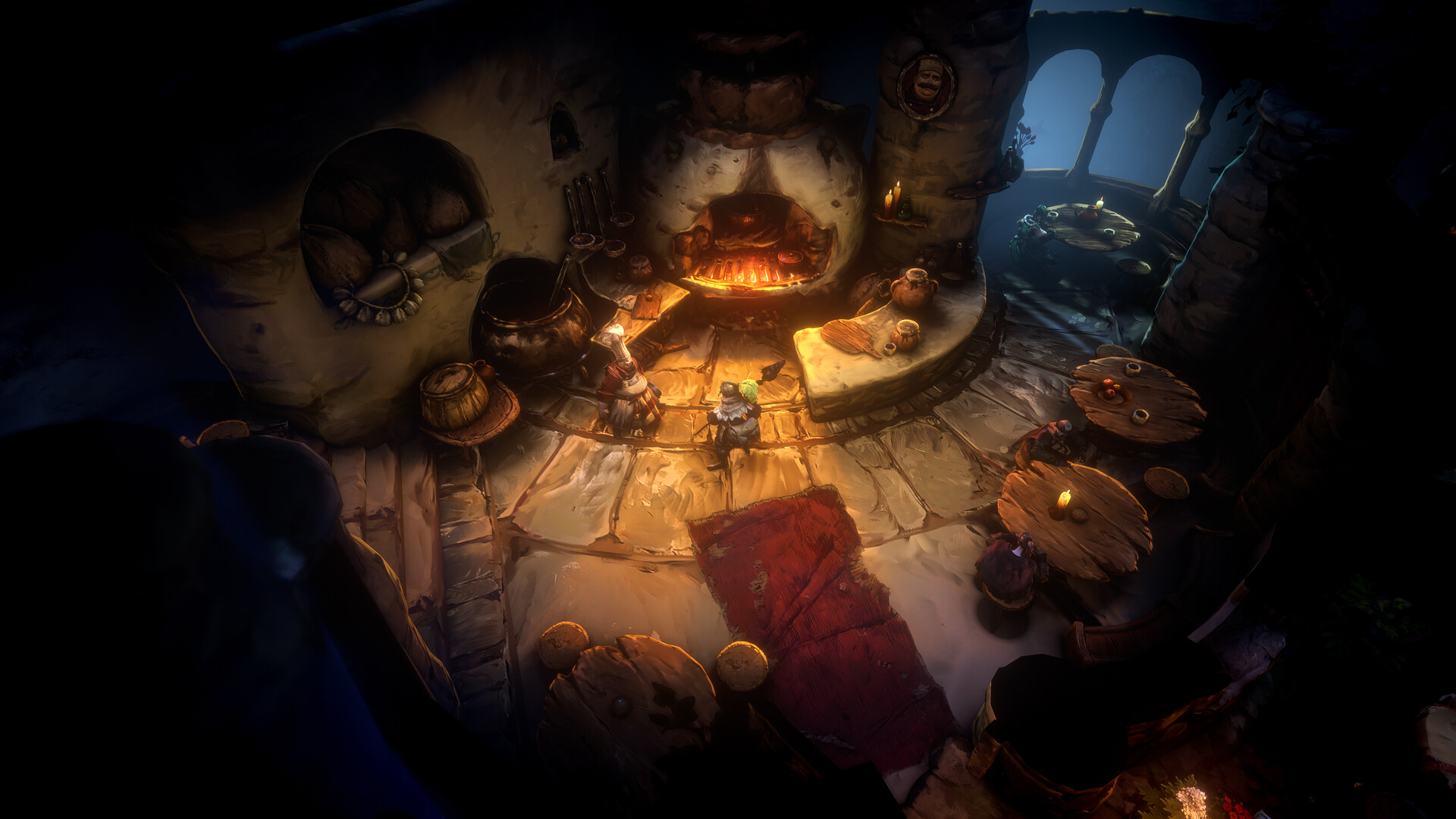
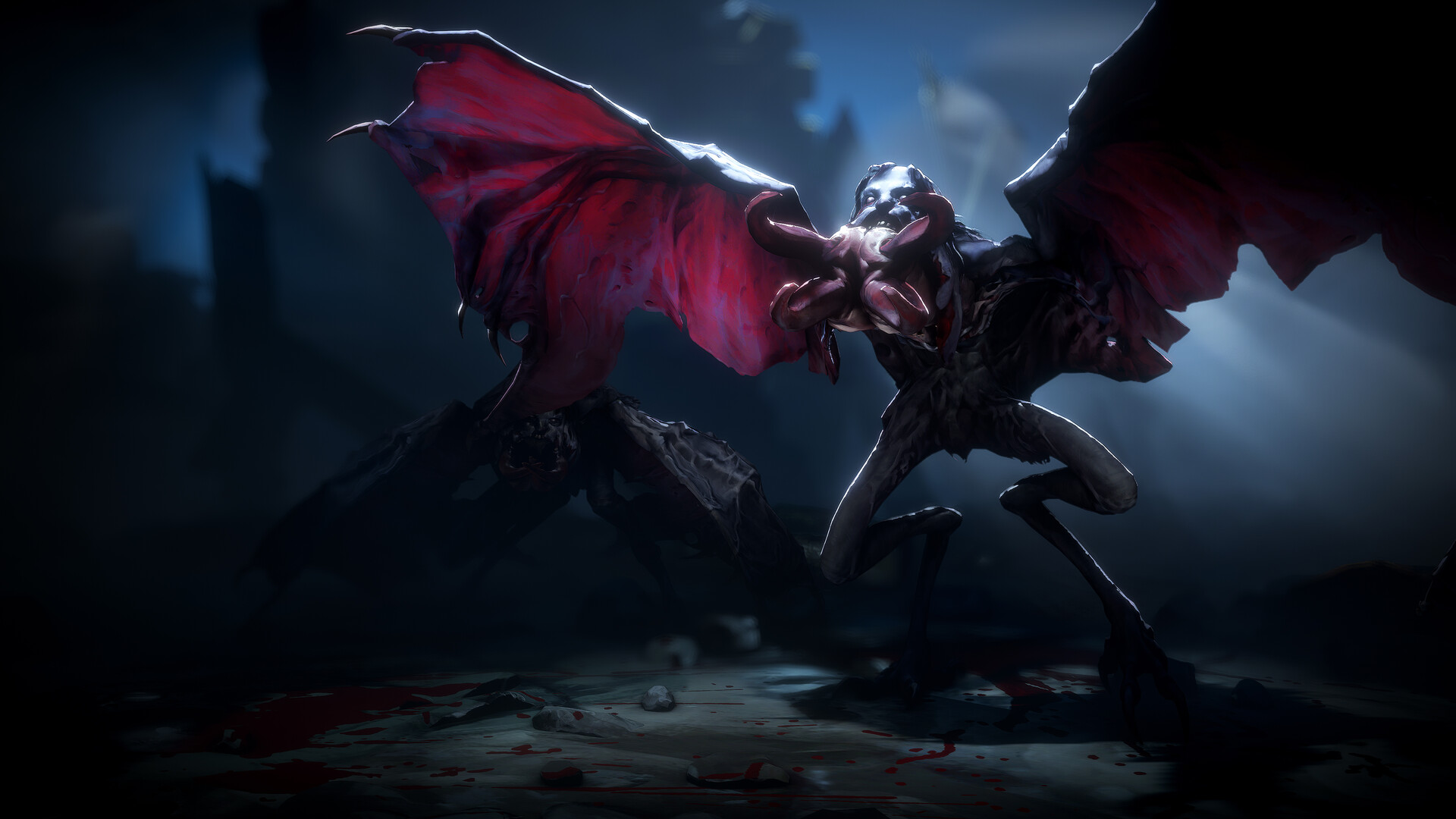
Get an in-depth look at No Rest for the Wicked through various videos and screenshots.
Load More




System requirements
These are the minimum specifications needed to play the game. For the best experience, we recommend that you verify them.
Windows
- OS: Windows 10
- Processor: Intel Core i5-8400 / AMD Ryzen 5 2600
- Memory: 16 GB RAM
- Graphics: Nvidia GeForce GTX 1080 / AMD Radeon 5600 XT
- Storage: 46 GB available space
- Additional Notes: SSD Required. Intel Iris Xe Integrated Graphics is not supported.
Steam Price & Best Deals
User reviews & Ratings
Explore reviews from Steam users sharing their experiences and what they love about the game.
After nearly 200 hours with a single character, I can confidently recommend No Rest for the Wicked. At first glance, the top-down perspective might suggest a traditional action RPG, but don't let that fool you. This is much closer to a Souls-like in both philosophy and execution. Every encounter rewards patience, positioning, stamina management, and learning enemy attack patterns. Combat isn't about mindlessly mowing through enemies—it's deliberate, methodical, and incredibly satisfying once it clicks. One of the first things that surprised me was how addictive exploration became. I would constantly set out with a specific objective, only to find myself stopping every few steps to gather ore, wood, herbs, or whatever else I came across. Gathering plant resources for cooking eventually became a bit repetitive, but the overall resource loop kept me engaged far longer than I expected. What truly elevated exploration, though, was the world design. As you climb towers, cliffs, and other high vantage points, you're often rewarded with sweeping views of places you haven't reached yet. Sometimes I'd spot an area and immediately start wondering how I was supposed to get there. Other times it was clear the game was quietly foreshadowing somewhere my journey would eventually take me. More than once I found myself simply stopping to take in the view and imagine what lay beyond the horizon. Those moments made exploration feel driven by genuine curiosity rather than a checklist of objectives. The world itself is absolutely gorgeous. The art style didn't immediately click with me, but the longer I played, the more I appreciated it. The environments are beautifully crafted, and I especially loved the vertical level design. Instead of one massive flat world, areas are layered with rooftops, caves, elevators, hidden passages, and multiple elevations that constantly rewarded exploration. Even after dozens of hours, I was still discovering places I had somehow missed before. Where the game truly won me over was its build crafting. I started with a simple sword-and-shield setup before eventually realizing I enjoyed controlling fights through stagger mechanics. That led me to experiment with several different two-handed weapons until I settled on hammers. It wasn't because they dealt the most damage—it was because their moveset matched how I naturally wanted to fight. Breaking an enemy's stance, watching them drop to one knee, and following up with a crushing blow never stopped being satisfying. One of my favorite design decisions is that the game rewards finding weapons you genuinely enjoy rather than constantly replacing them with higher-level gear. Once I found the hammer that suited me, I continued upgrading it throughout my journey. I never felt pressured to abandon it simply because something else had larger numbers. The build system is flexible enough to let you play to your own strengths. I'm not particularly good at parrying, and I honestly didn't want to force myself into that playstyle. The game never punished me for it. Instead, I built around what I enjoyed, choosing affixes and equipment that complemented my approach to combat. I never felt like I needed to chase a meta build. Discovering what worked through experimentation became one of the most rewarding parts of the game. I spent most of my playthrough on Path of the Torn before eventually moving up to Path of the Unspoken. The increase in difficulty was significant, but in the best possible way. It forced me to think much more carefully about plague modifiers, enemy affixes, and how my build interacted with each encounter. The harder content wasn't simply about bigger numbers—it demanded better decisions. The bosses were another highlight. Some of them were genuinely challenging, especially on the higher difficulty, but they always felt rewarding to overcome. I still remember defeating my first Crucible boss. Between the dialogue during the fight, the incredible music, and finally overcoming the challenge, it was one of those rare moments where every part of the game's presentation came together perfectly. Speaking of the music, it's excellent throughout. Sometimes dramatic, sometimes peaceful, sometimes unsettling, it consistently enhances the atmosphere without ever feeling intrusive. The story also surprised me. Without spoiling anything, there are moments with genuine emotional weight. One storyline involving a father and daughter stood out to me in particular. It reminded me that this world isn't simply filled with quests—it contains characters whose lives and decisions actually matter. Another feature I unexpectedly fell in love with was housing. I spent hours decorating my home until it genuinely felt like my own. Eventually I purchased a second house and turned it into a dedicated crafting workshop while keeping my original home for storage and decoration. It may not be a feature everyone spends much time with, but I loved it. That level of customization made Sacrament feel less like a hub city and more like a place my character actually lived. My biggest criticism is that some of the game's systems aren't immediately intuitive. Looking back, I don't think the mechanics themselves are overly complicated, but several important systems didn't fully click until I intentionally slowed down and experimented. Once they did, many of my early frustrations disappeared. The developers make an honest effort to explain these mechanics, but I think some players may bounce off the game before realizing just how much depth is actually there. Likewise, inventory management felt cumbersome at first until I learned how inventory expansion worked. Once I understood the system, it became much less of an issue, but it wasn't immediately obvious. Very few games hold my attention for nearly 200 hours. No Rest for the Wicked didn't keep me playing because there was always another weapon with bigger numbers. It kept rewarding curiosity, experimentation, and personal investment in its world. I found a weapon that felt like mine, built a home I was proud of, crafted a build around my strengths instead of following a guide, and continued discovering new reasons to explore long after I thought I'd seen everything. Even after nearly 200 hours, I wasn't ready to stop playing. I fully intended to continue investing time into my character because there were still builds I wanted to try, areas I wanted to revisit, and improvements I wanted to make. Very few games manage to keep me engaged for that long, and I think that says more than any numerical score ever could. For me, that's about the highest compliment I can give a game.
**Recommended, but read this before playing Early Access** A warning before you start playing the Early Access version: when the full game is released, your save will be wiped. That is the main reason why I am stopping after around 9 hours for now. As for the game itself, it really clicks. It is a very nice combination of ARPG and souls-like gameplay. Enemies are challenging and they can punish you very quickly if you just rush in and mash buttons without thinking. The combat feels satisfying, the graphics are honestly stunning, and the sound design and effects are polished. From a technical point of view, I really do not have much to complain about. Everything works and feels as it should. That said, some mechanics and game loops still need rebalancing. The biggest issue for me is resource gathering. I do not want to spend 30 minutes running around already visited areas collecting materials for potions or meals, only to get destroyed by a new boss in a few minutes and then repeat the whole gathering loop again. Either the resource amounts need to be higher, or the system needs to feel more rewarding and less like busywork. Overall, the game has a lot of potential and already feels very solid. I will gladly come back to it, but probably after release, when I know my progress will actually stay.
Normally, I don’t write reviews—this is actually my first one. Not because I haven’t played great games, but because truly good games usually get the attention they deserve, so I never felt like my opinion would add much. However, with NRFTW, I’m genuinely surprised by how little recognition this game gets compared to how amazing it is. That’s why I decided to finally write a review—because this game really deserves it. The game has a very solid foundation for an Early Access title and is clearly moving in the right direction. Most importantly, the developers actually listen to the player base. Sure, there are things still being polished and not everything is perfect, but people often forget that this is Early Access. Making a game takes time—and making a potential Game of the Year takes even more time. And honestly, I believe NRFTW can earn that title once version 1.0 is released. Cheers to Moon Studios and everything they’ve achieved so far!
The artists, animators, and game designers deserve a standing ovation atp. It's been a long time since a game impressed me this much with its visual identity alone. The game is a joy to watch, play and explore. BUT man, that inventory system is straight-up ♥♥♥♥. Devs throws mountains of loot at you, chests everywhere, gear everywhere - YET YOUR INVENTORY SPACE IS TINY. Upgrading it requires a rare resource and only upgrades ONE SPECIFIC section, so you're constantly drowning in trash, sorting items for 20 min... For me it is restrictive and absolutley at odds with how smooth the rest of the game feels... the worst part is that it actively breaks immersion, instead of enjoying the world, im' stuck micromanaging a tiny backpack. If this system is staying, then at least give us more slots by default or make upgrades more generous ( One more thing. I'm reallyhoping the upcoming profession system helps fix the progression flow) I am excited for the full release, feels like a real contender for GOTY IMHO
Similar games
View all

Duel Corp.
A Souls-inspired action RPG set in a sandbox open world with an MMO feel and challenging directional combat. Play solo or with up to 3 friends in co-op. Build friendships, master an unrestricted class system, and uncover the cause that darkened all eyes.

Titan Quest II
Nemesis, Goddess of Retribution, is out of control. She is corrupting the Threads of Fate and punishing all those who oppose her. Take up your weapon, fight alongside gods, and change fate itself in Titan Quest II, an action RPG inspired by Greek mythology.

Luminary
Luminary is a solo or co-op OpenZone Action RPG that creates a balanced experience for everyone. Using a unique world and character progression system, explore vast hand-crafted lands together, uncover hidden treasures, level up your town, and push back the darkness with light.

Devil Spire Falls
The open-world action-RPG, where you can do anything, of your dreams… as if it came out 30 years ago!
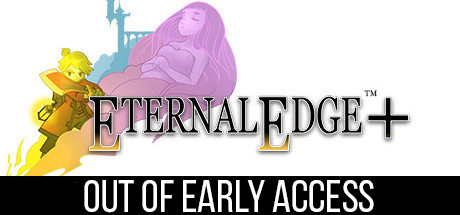
Eternal Edge +
Eternal Edge + is a casual Action-Adventure role-playing game following Cross, an Age-old warrior who is trying to wake his lost Wife from an Eternal slumber. Only together can they defeat the Skeleton King.


Juice Galaxy
Juice Galaxy is a happy place to fly around and smack things and drink juice. And explore things. And just, flip around doing stuff.

Monomyth
MONOMYTH is an immersive, first-person dungeon-crawling RPG inspired by the genre's late classics. Embark on a journey through a vast and highly interactive game world as you unravel the mysteries hidden beneath the ancient fortress of Lysandria.

VOIN
Crafted by a solo developer, VOIN is a first-person hack-and-slash. Cleave through hordes of enemies in fast-paced combat. Explore dark fantasy realms filled with secrets and dangers. Discover powerful gear and weapons, and face menacing bosses in your quest to cleanse a broken world.

Everwind
Everwind is a novel take on RPG and Sandbox Survival genre in First-Person-Perspective. Embark on the adventure with your friends - Build a base on a flying island-ship, gather resources, craft, loot, and fight while you rise above the clouds to uncover the mysteries of this world!

YAR: Forgotten Throne
YAR: Forgotten Throne is a story-driven open-world RPG. Choose the path of a Warrior, Volkhv, or Archer, and journey to the lands of Borea to uncover what is poisoning the forests and wildlife with darkness.
Frequently Asked Questions
No Rest for the Wicked is currently priced at 39.99€ on Steam.
No, No Rest for the Wicked is currently not on sale. You can purchase it for 39.99€ on Steam.
Yes, No Rest for the Wicked received 39,563 positive votes out of a total of 50,533 achieving a rating of 7.72.
😊
No Rest for the Wicked was developed and published by Moon Studios GmbH.
Yes, No Rest for the Wicked is playable and fully supported on Windows.
No, No Rest for the Wicked is not playable on MacOS.
No, No Rest for the Wicked is not playable on Linux.
Yes, No Rest for the Wicked is playable and fully supported on Steam Deck.
No, No Rest for the Wicked is not playable on Steam Machine.
No, No Rest for the Wicked does not support VR.
No Rest for the Wicked offers both single-player and multi-player modes.
No Rest for the Wicked includes Co-op mode where you can team up with friends.
Yes, there is a DLC available for No Rest for the Wicked. Explore additional content available for No Rest for the Wicked on Steam.
No, No Rest for the Wicked does not support mods via Steam Workshop.
No, No Rest for the Wicked does not support Steam Remote Play.
Yes, No Rest for the Wicked is enabled for Steam Family Sharing. This means you can share the game with authorized users from your Steam Library, allowing them to play it on their own accounts. For more details on how the feature works, you can read the original Steam Family Sharing announcement or visit the Steam Family Sharing user guide and FAQ page.
You can find solutions or submit a support ticket by visiting the Steam Support page for No Rest for the Wicked.
Data sources
The information presented on this page is sourced from reliable APIs to ensure accuracy and relevance. We utilize the Steam API to gather data on game details, including titles, descriptions, prices, and user reviews. This allows us to provide you with the most up-to-date information directly from the Steam platform.
Additionally, we incorporate data from the SteamSpy API, which offers insights into game sales and player statistics. This helps us present a comprehensive view of each game's popularity and performance within the gaming community.
Last Updates| Steam data | 14 September 2026 14:36 UTC |
|---|---|
| SteamSpy data | 12 September 2026 06:36 UTC |
| Steam price | 14 September 2026 18:48 UTC |
| Steam reviews | 12 September 2026 19:47 UTC |
If you'd like to dive deeper into the details about No Rest for the Wicked, we invite you to check out a few dedicated websites that offer extensive information and insights. These platforms provide valuable data, analysis, and user-generated reports to enhance your understanding of the game and its performance.
- SteamDB - A comprehensive database of everything on Steam about No Rest for the Wicked
- SteamCharts - Analysis of No Rest for the Wicked concurrent players on Steam
- ProtonDB - Crowdsourced reports on Linux and Steam Deck No Rest for the Wicked compatibility

Game modes
Multiplayer
Features
Online players
947
Developer
Moon Studios GmbH
Publisher
Moon Studios GmbH
Release
18 Apr 2024
Platforms
Clicking and buying through these links helps us earn a commission to maintain our services.