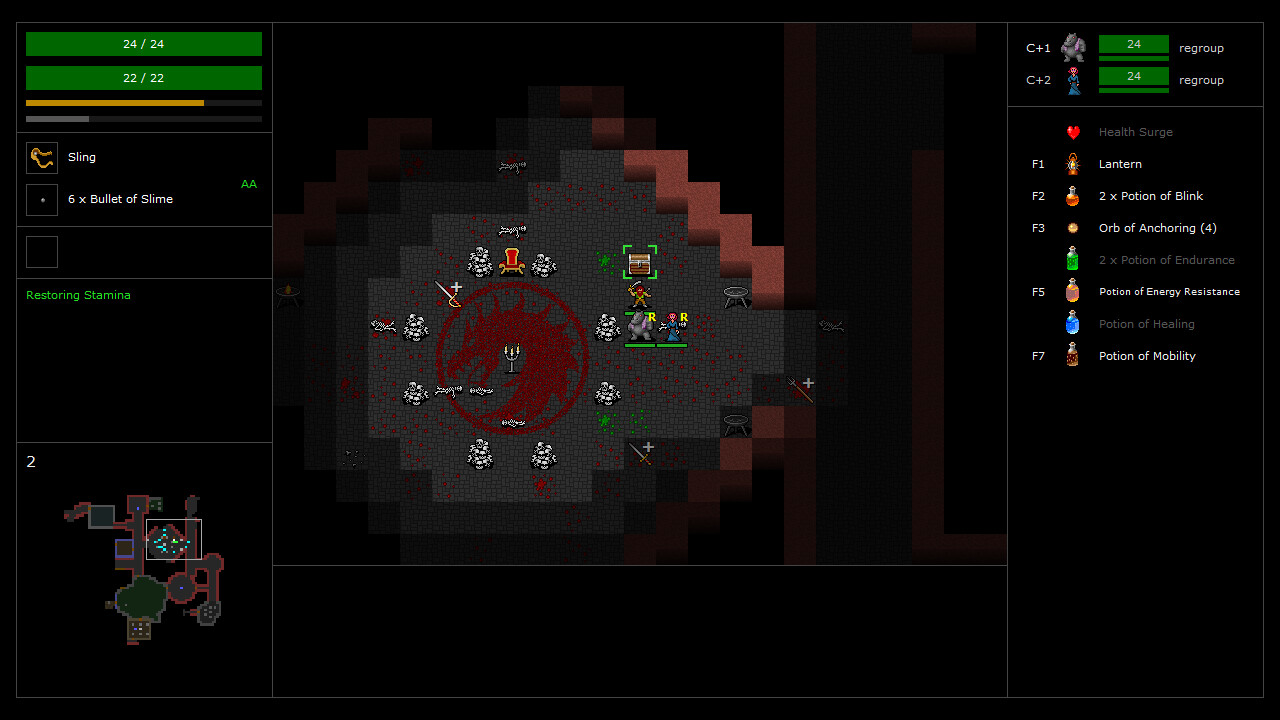
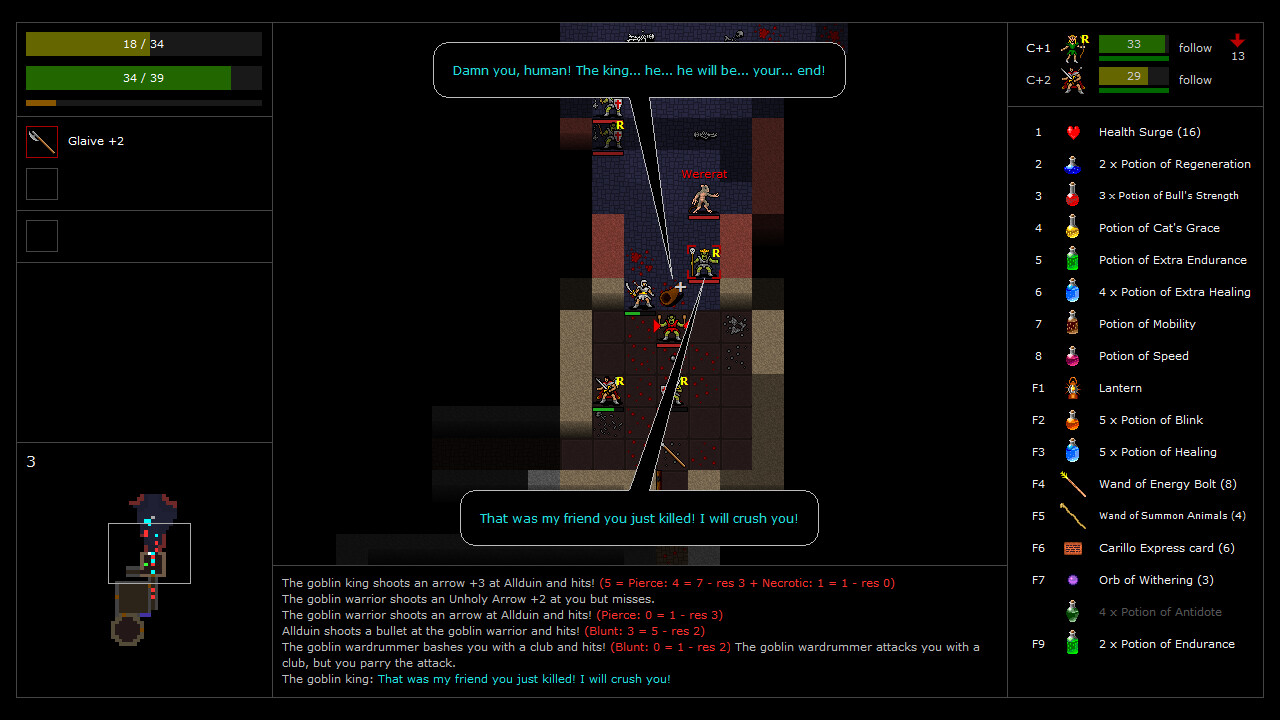
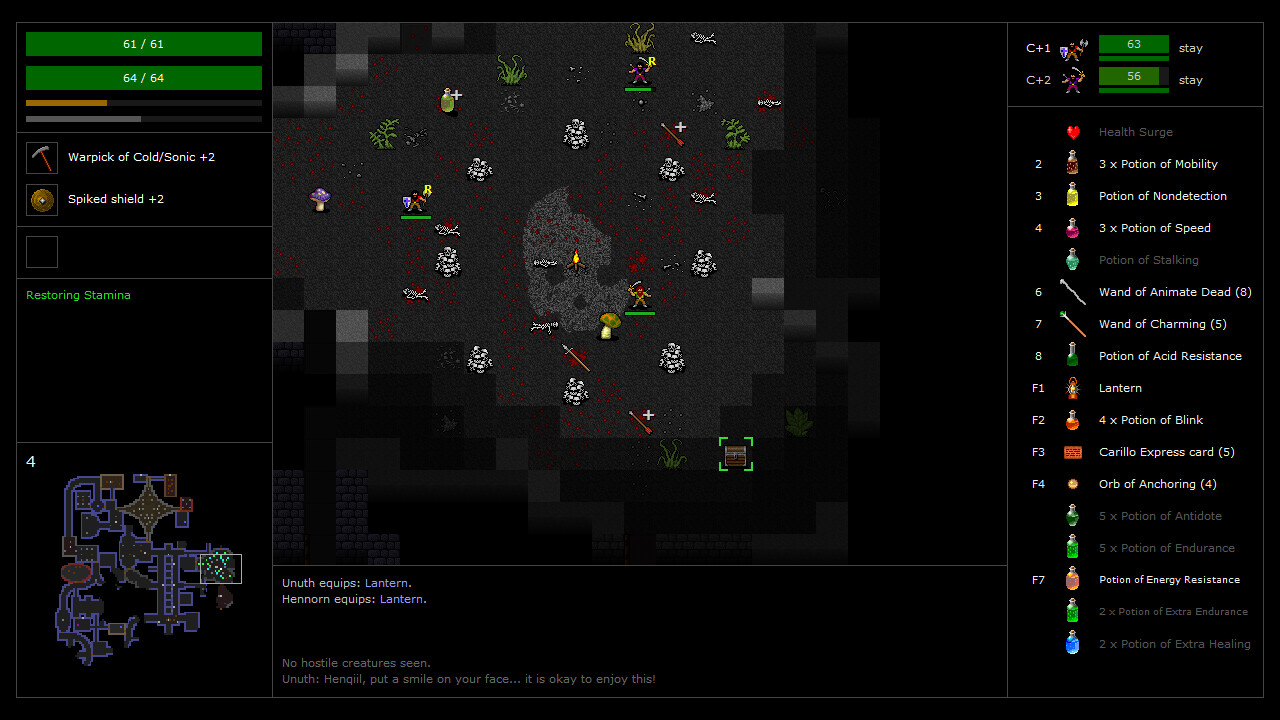
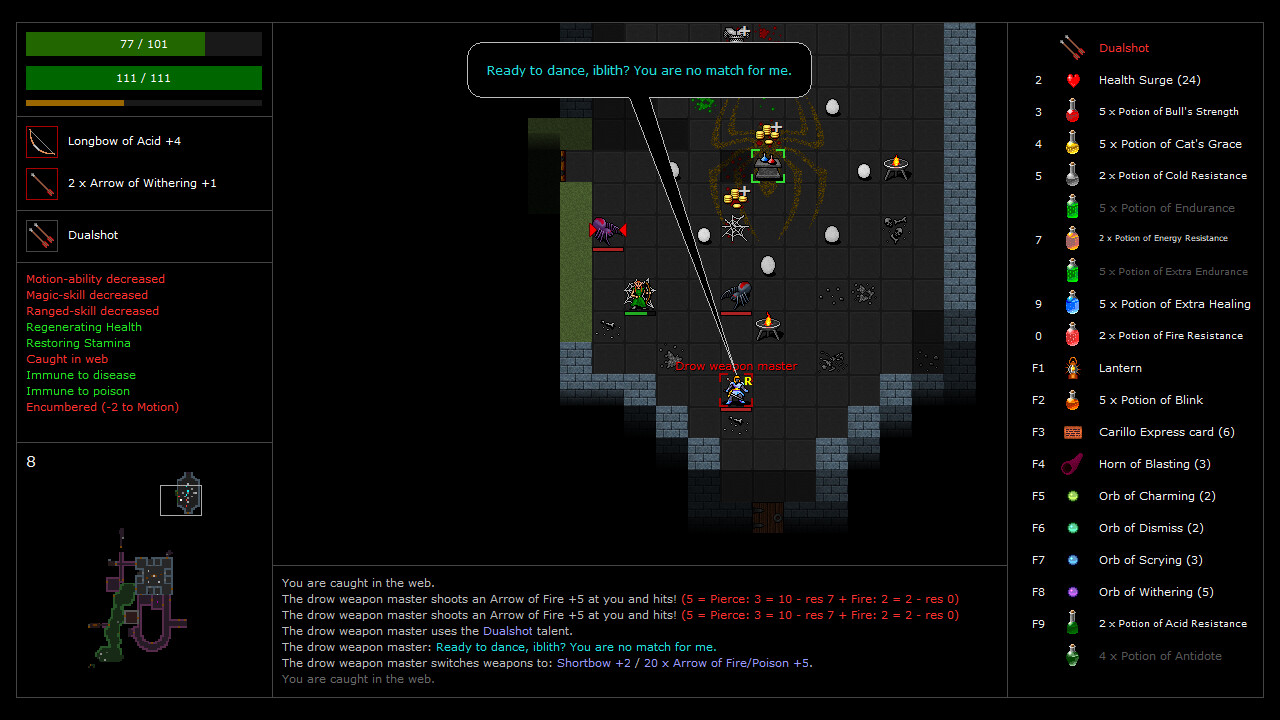
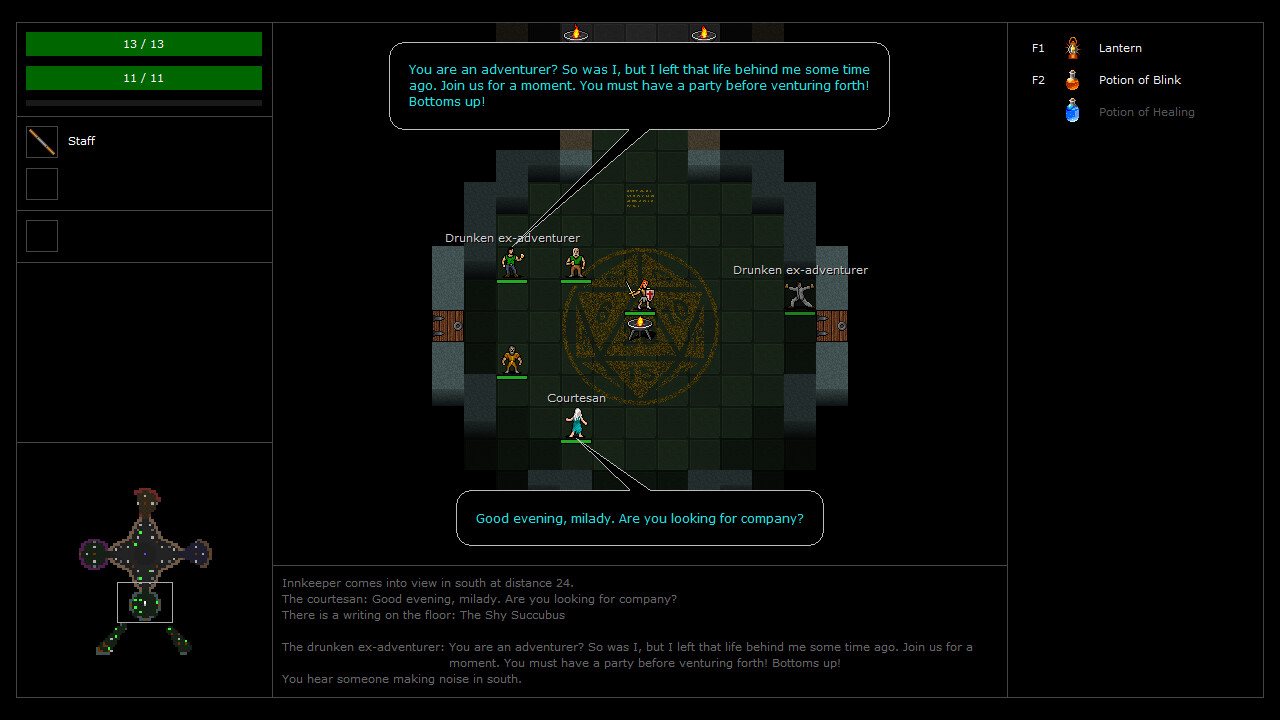
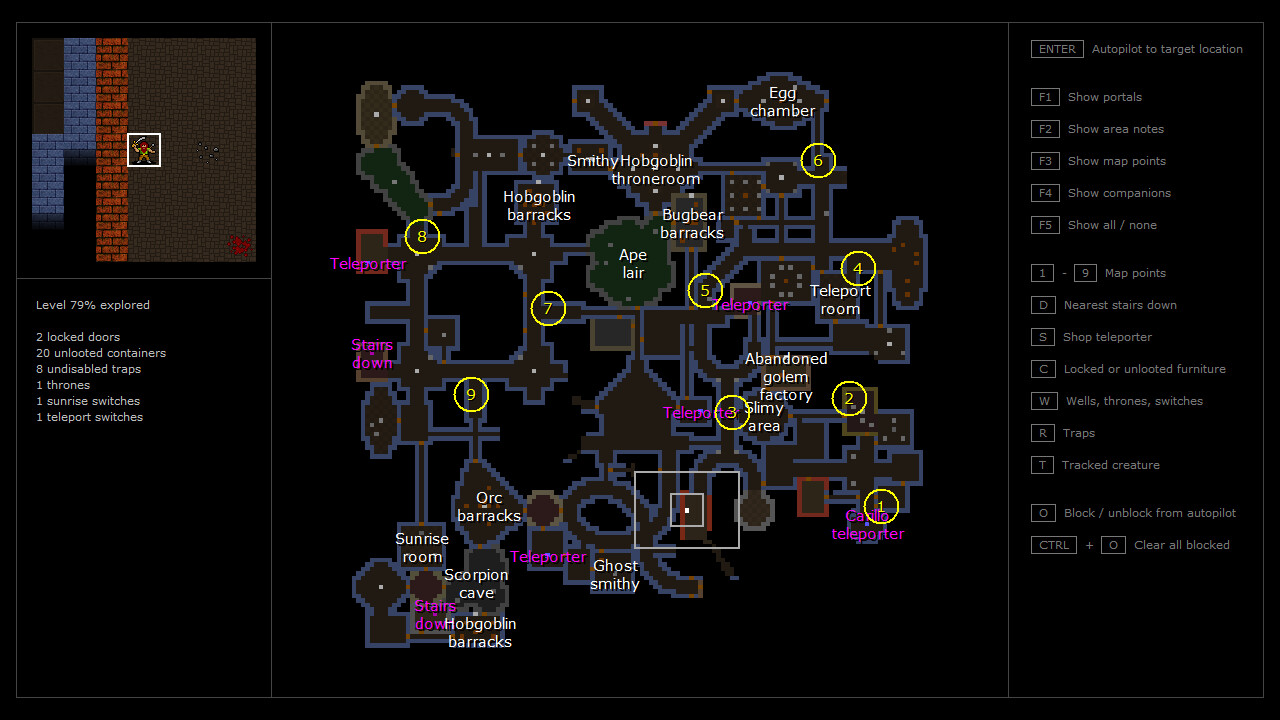
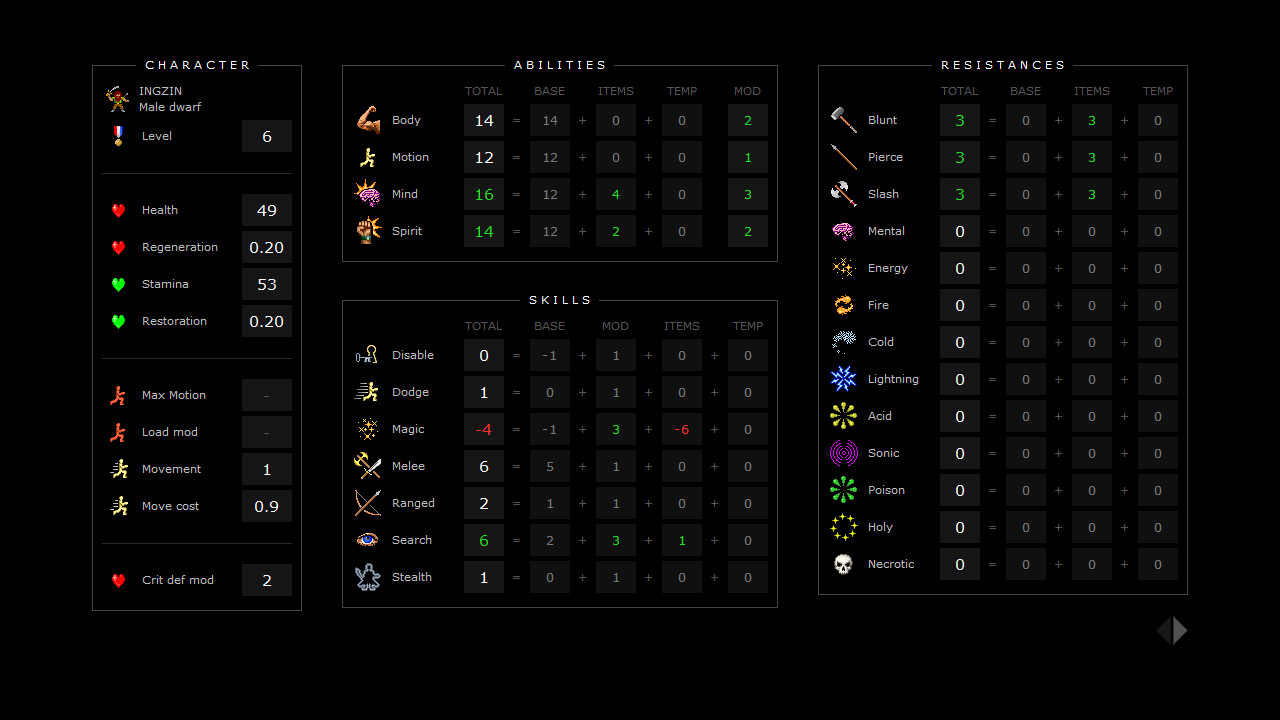
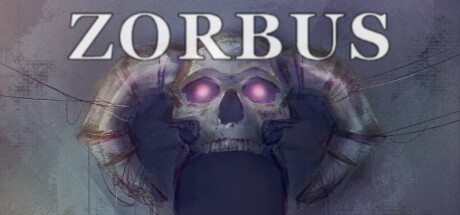
Zorbus, developed and published by Zorbus, is a classic-style roguelike that strives to capture the essence of old-school dungeon crawling while blending it with modern conveniences and a living, reactive world. It is the kind of game that pays homage to the roots of the genre, evoking the spirit of titles like ADOM, Nethack, and Dungeon Crawl Stone Soup, but with its own particular sense of identity and refinement. Its top-down, tile-based presentation may appear modest at first glance, yet beneath the surface lies an intricate simulation of combat, exploration, and emergent behavior. Zorbus doesn’t try to reinvent roguelikes—it perfects their fundamentals, adding depth where it matters most: in the interaction between player and world. From the moment the game begins, Zorbus wastes no time establishing its tone. The world is procedural, generated anew with every playthrough, yet it feels cohesive and handcrafted. The goal, as with most traditional roguelikes, is deceptively simple: descend into the depths of a vast, dangerous dungeon in search of the mythical portal known as Zorbus, a gateway to ascension and immortality. Every floor introduces new enemies, traps, treasures, and choices, yet it’s the unpredictability of the environment that defines the experience. Unlike many roguelikes where monsters passively wait for the player’s approach, Zorbus gives its creatures a measure of awareness and autonomy. Enemies will react to noise, flee when injured, seek allies for help, and ambush you when you least expect it. The dungeon feels alive—less like a static maze and more like a complex organism adapting to your presence. The game’s combat and progression systems are rooted in D20-style mechanics, but without rigid class structures. Instead of choosing a predefined role, you select a race, distribute attributes, and gradually build your character through talents and skills as you level up. This classless structure allows for immense flexibility, encouraging experimentation with hybrid builds. A dexterous brawler might dabble in stealth or magic, while a wizard can invest in defensive talents to survive longer battles. Every decision matters because the game’s difficulty punishes poor planning. Armor weighs you down and interferes with spellcasting, forcing you to strike a balance between survivability and magical potential. This constant negotiation between power and limitation gives each character a distinct rhythm, and it’s rare to find two playthroughs that feel the same. Zorbus distinguishes itself further through its companion system. Unlike many roguelikes that revel in solitary struggle, it allows you to recruit allies from the dungeon’s denizens. These companions are more than disposable meat shields—they have their own AI routines and can be directed strategically in combat. Managing a small party adds an extra tactical layer to encounters, as positioning, line of sight, and area-of-effect abilities become crucial. A well-timed spell or coordinated assault can turn what might have been certain death into a triumph. Yet there’s always a cost: companions can draw attention, block corridors, or make stealth strategies less viable. The “lone wolf” path remains a viable, and often more rewarding, alternative for players who prefer precision over numbers. The ability to choose between solitary mastery and commanding a squad gives Zorbus an impressive range of playstyles uncommon in its genre. In terms of presentation, Zorbus embraces functional minimalism. The visuals are simple but polished—clearly drawn tiles, readable icons, and intuitive UI elements that can be customized to suit different preferences. The interface allows multiple tile sizes and even ASCII mode for purists who want a more retro aesthetic. Despite its simplicity, the atmosphere is surprisingly rich, thanks to a layered soundscape filled with ambient effects and subtle cues that bring the dungeon to life. The clang of steel, the muffled echoes of footsteps, and the eerie hum of magical traps create a sense of immersion rare for a text-and-tile-based game. There is no orchestral soundtrack or voice acting, but the audio design works precisely because of its restraint. Every sound carries meaning, grounding you in the tension of your surroundings. The game’s design philosophy also shows through its accessibility and quality-of-life improvements. Unlike many traditional roguelikes that require memorizing obscure commands or dealing with cumbersome interfaces, Zorbus streamlines its controls without sacrificing complexity. Auto-exploration is available to remove tedium, but it is smartly limited so as not to play the game for you. The information displays are clear and comprehensive, ensuring you always understand what’s happening and why. The developer’s commitment to iterative refinement is evident in the steady updates and thoughtful balance adjustments. Over time, new races, talents, and minor systems have been added, showing a desire not just to expand content but to polish the underlying mechanics. Despite its strengths, Zorbus is not without flaws. The early game can be punishingly slow and unforgiving, with balance quirks that favor certain builds or strategies over others. Melee-focused characters may struggle in later levels compared to hybrid or caster builds, as magic often scales better in both damage and utility. Some players find the procedural generation repetitive after many runs, with dungeon themes and enemy types eventually blending together. The lack of a strong narrative thread or overarching story may also deter those who prefer more structured progression. Yet, for purists, these are hardly shortcomings—they are part of the genre’s DNA, offering a fair but demanding test of mastery and patience. What elevates Zorbus above many of its peers is its meticulous attention to emergent play. No encounter ever unfolds quite the same way twice, and the unpredictability of AI behavior ensures that strategy remains fluid. A simple fight can spiral into chaos as fleeing enemies alert others, turning small skirmishes into desperate sieges. Resource management—ammo, spells, consumables—becomes a long-term concern, and success depends as much on foresight as on tactics. Even small victories feel earned, and reaching the deeper floors carries genuine satisfaction. This constant tension between control and uncertainty defines the experience and keeps it gripping long after familiarity sets in. Zorbus ultimately succeeds because it understands what makes a roguelike endure: depth born of simplicity, consequence born of choice. It strips away excess, leaving only what matters—tactical combat, emergent systems, and a dungeon that feels both dangerous and alive. It’s a game that demands patience, strategy, and resilience, but rewards those qualities with moments of genuine discovery and triumph. For players who crave a roguelike that bridges the gap between old-school tradition and modern sensibility, Zorbus stands out as one of the genre’s hidden gems—a thoughtful, challenging, and deeply immersive descent into procedural peril. Rating: 8/10
Expand the review